7 Omega 3 Dog Treats You Can Make at Home (With Recipe Cards)
If your dog’s coat has lost its shine, or you’ve noticed dry, flaky skin and constant scratching, the fix might be sitting in your kitchen instead of a vet’s prescription pad. Omega 3 dog treats are one of the easiest ways to get these healthy fats into your dog’s diet without switching their entire meal plan. Whether you’re dealing with a dog who’s prone to excessive licking and itchy skin, or you simply want to support their joints, heart, and brain as they age, homemade omega 3 dog treats give you full control over what goes into every bite.
Fish oil, flaxseed, and oily fish like salmon and sardines are some of the best omega 3 foods for dogs, and the good news is you don’t need fancy equipment or hours in the kitchen to turn them into treats your dog will beg for. Below, you’ll find 7 different treats — baked cookies, no-bake bites, frozen pupsicles, dehydrated jerky, and more — each using a different method so you’re never stuck making the same cookie seven different ways. Every recipe comes with a clean, copy-ready card: prep time, bake or freeze time, yield, ingredients, instructions, and notes.
Here’s the lineup you’ll find below, so you can jump straight to whichever one fits your dog (and your schedule):
- Salmon & Sweet Potato Baked Bites – the classic rolled-and-cut cookie, great for a first-time bake
- No-Bake Sardine & Oat Balls – zero oven time, ready in 15 minutes
- Frozen Fish Broth Pupsicles – perfect for hot days or dogs who gulp their treats
- Flaxseed & Pumpkin Chews – a plant-based omega 3 option, gentle on sensitive stomachs
- Salmon Oil Training Bites – tiny, soft, 3-ingredient treats for training sessions
- Dehydrated Sardine Jerky Strips – long-lasting, chewy, great for travel
- Fish & Egg Loaf Bars – bake once, slice all week
Each of these count as legitimate best dog treats for omega 3 boost, and together they cover every method a home baker might want to try — no oven required for some, no freezer needed for others. Let’s get into the recipes.
1. The 7 Best Omega 3 Dog Treats You Can Make at Home
1.1 Salmon & Sweet Potato Baked Bites (The Classic Cookie)
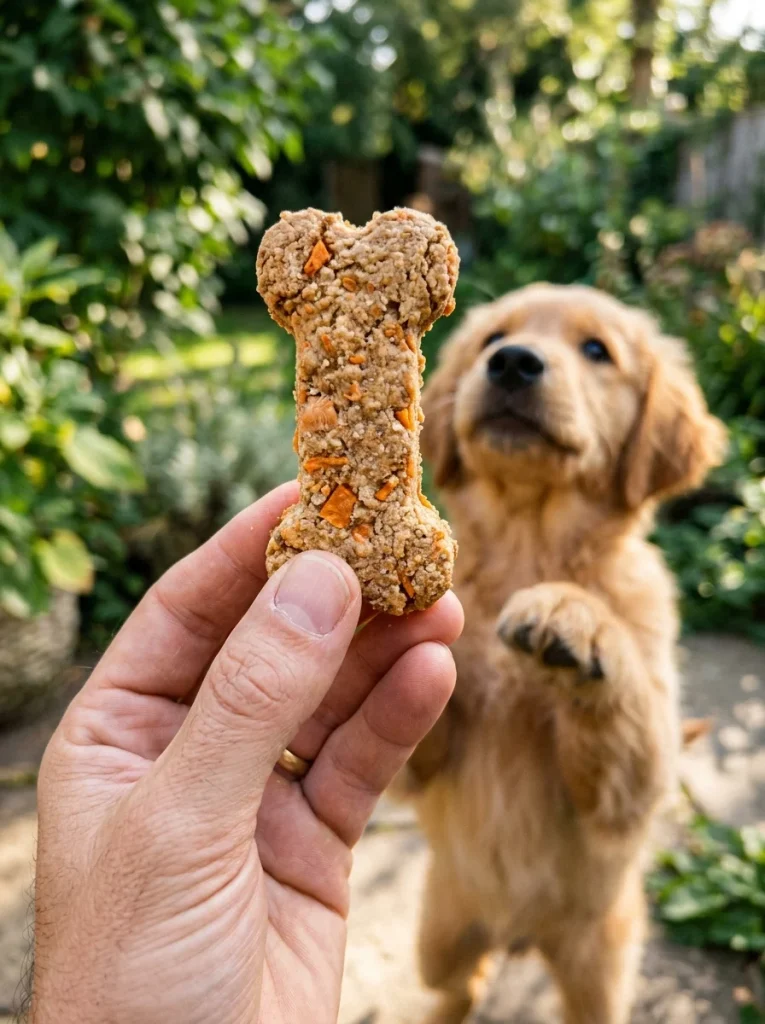
This is the treat to start with if you’ve never made dog treats before. It bakes into a firm, crunchy cookie that stores well and holds its shape, which makes it ideal if you like using fun cutter shapes like bones or paws.
Salmon & Sweet Potato Baked Bites
- Prep Time: 15 minutes
- Bake Time: 20–22 minutes
- Yield: About 24 small cookies
- Ingredients:
- 1 cup cooked salmon, boneless and skinless, flaked
- ½ cup mashed sweet potato (cooked, no seasoning)
- 1 large egg
- 1 tablespoon salmon oil or fish oil
- 1½ cups oat flour (plus extra for dusting)
- Instructions:
- Preheat the oven to 350°F (175°C) and line a baking sheet with parchment paper.
- In a large bowl, mash the salmon, sweet potato, and egg together until fairly smooth.
- Stir in the fish oil, then gradually add the oat flour until a soft, workable dough forms.
- Turn the dough onto a lightly floured surface and roll it to about ¼ inch thick.
- Cut into shapes with a cookie cutter and place on the prepared baking sheet.
- Bake for 20–22 minutes, or until firm and lightly golden at the edges.
- Let cool completely on the tray before serving or storing.
- Notes: For a crunchier texture, turn the oven off and leave the treats inside for an extra 30 minutes after baking. Always check that the salmon has no small bones left in it.
1.2 No-Bake Sardine & Oat Balls (Zero Oven Time)
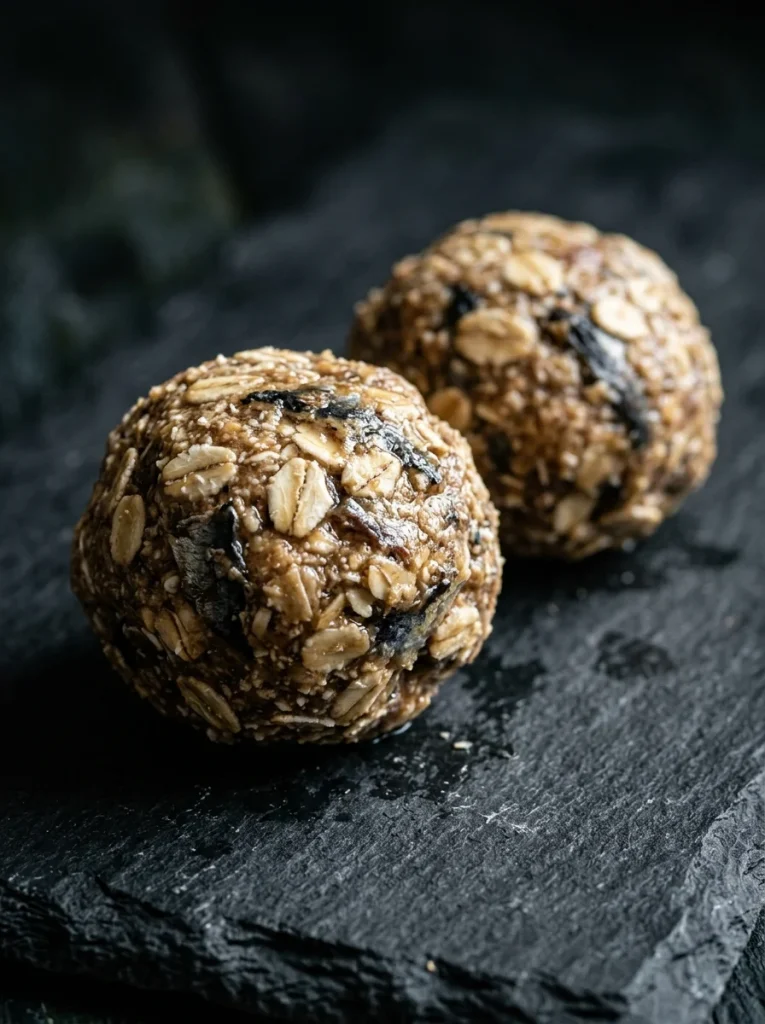
Some days you don’t want to turn the oven on at all. These no-bake balls come together in one bowl and firm up in the fridge, making them one of the fastest omega 3 dog treats on this list.
No-Bake Sardine & Oat Balls
- Prep Time: 10 minutes
- Fridge Set Time: 30 minutes
- Yield: About 20 small balls
- Ingredients:
- 1 can (about 4 oz) sardines packed in water, drained and mashed
- 1 cup rolled oats, blended into a coarse flour
- 2 tablespoons plain, unsweetened Greek yogurt
- 1 teaspoon ground flaxseed
- Instructions:
- In a mixing bowl, mash the sardines with a fork until mostly smooth.
- Add the oat flour, yogurt, and ground flaxseed, and mix until a thick, moldable paste forms.
- Roll the mixture into small, bite-sized balls using your hands.
- Place the balls on a plate or tray lined with parchment paper.
- Refrigerate for at least 30 minutes to firm up before serving.
- Notes: These stay soft, so they’re gentler on older dogs or dogs with dental issues. Keep refrigerated and use within 5 days.
1.3 Frozen Fish Broth Pupsicles (For Hot Days)

If your dog inhales treats in two seconds flat, frozen treats naturally slow them down. These pupsicles are also a great way to sneak in extra hydration during summer.
Frozen Fish Broth Pupsicles
- Prep Time: 10 minutes
- Freeze Time: 6–8 hours (or overnight)
- Yield: 6–8 pupsicles, depending on mold size
- Ingredients:
- 2 cups low-sodium fish or bone broth (no onion or garlic)
- 1 tablespoon fish oil
- ¼ cup canned pumpkin puree (unsweetened, plain)
- Small pieces of cooked white fish (optional, for texture)
- Instructions:
- Whisk the broth, fish oil, and pumpkin puree together in a jug until smooth.
- Drop a few pieces of cooked fish into each mold, if using.
- Pour the liquid mixture into silicone molds or a small ice cube tray.
- Freeze for at least 6 hours, or until completely solid.
- Pop out of the mold and serve immediately, or store in a freezer bag.
- Notes: These melt fast outdoors in summer heat, so serve them on a towel or in a bowl. Great for dogs recovering from surgery who need extra fluids too.
1.4 Flaxseed & Pumpkin Chews (Plant-Based Omega 3)
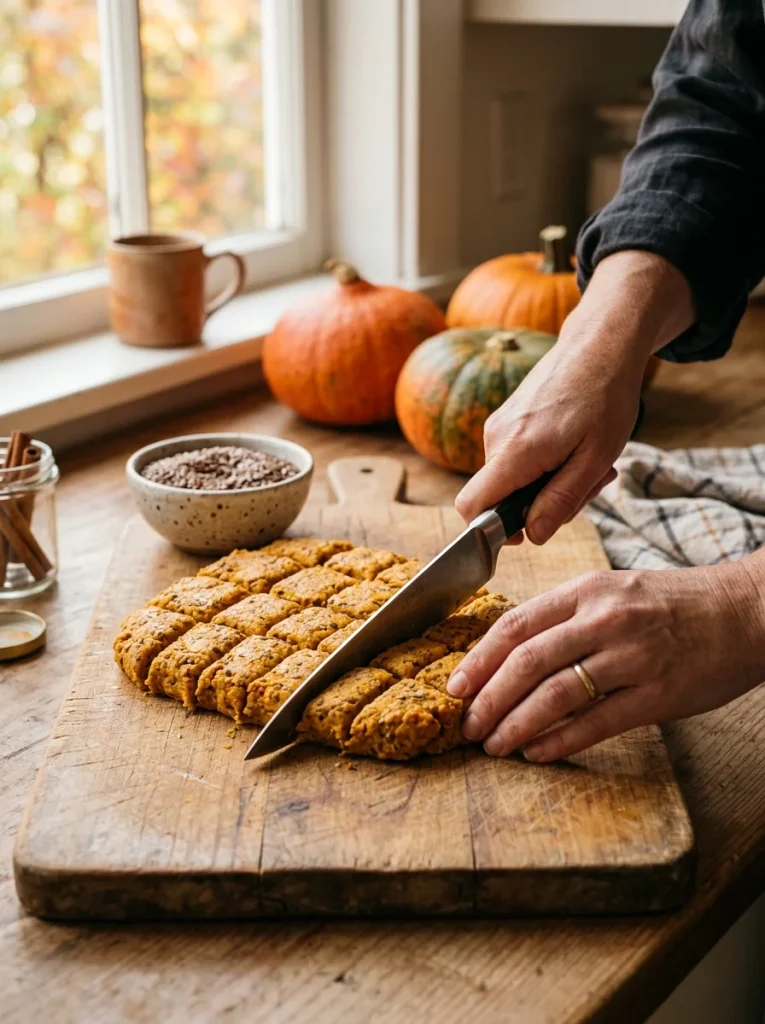
Not every dog tolerates fish well, and some owners simply prefer a plant-based option. Ground flaxseed is one of the richest omega 3 foods for dogs that doesn’t come from the sea, and it pairs beautifully with pumpkin.
Flaxseed & Pumpkin Chews
- Prep Time: 15 minutes
- Bake Time: 15–20 minutes
- Yield: About 20 chews
- Ingredients:
- 1 cup canned pumpkin puree (unsweetened)
- 2 tablespoons ground flaxseed
- 1 cup whole wheat flour (or oat flour for a lighter chew)
- ½ teaspoon cinnamon (optional)
- Instructions:
- Preheat the oven to 325°F (165°C) and line a baking sheet with parchment paper.
- In a bowl, combine the pumpkin, flaxseed, flour, and cinnamon until a dough forms.
- Roll out the dough to about ¼ inch thick on a floured surface.
- Cut into small shapes or simple squares.
- Bake for 15–20 minutes, until the edges are lightly firm.
- Cool fully before storing or serving.
- Notes: These come out softer and chewier than the salmon bites, which makes them a good option for smaller dogs or picky eaters.
1.5 Salmon Oil Training Bites (3-Ingredient, Soft & Small)
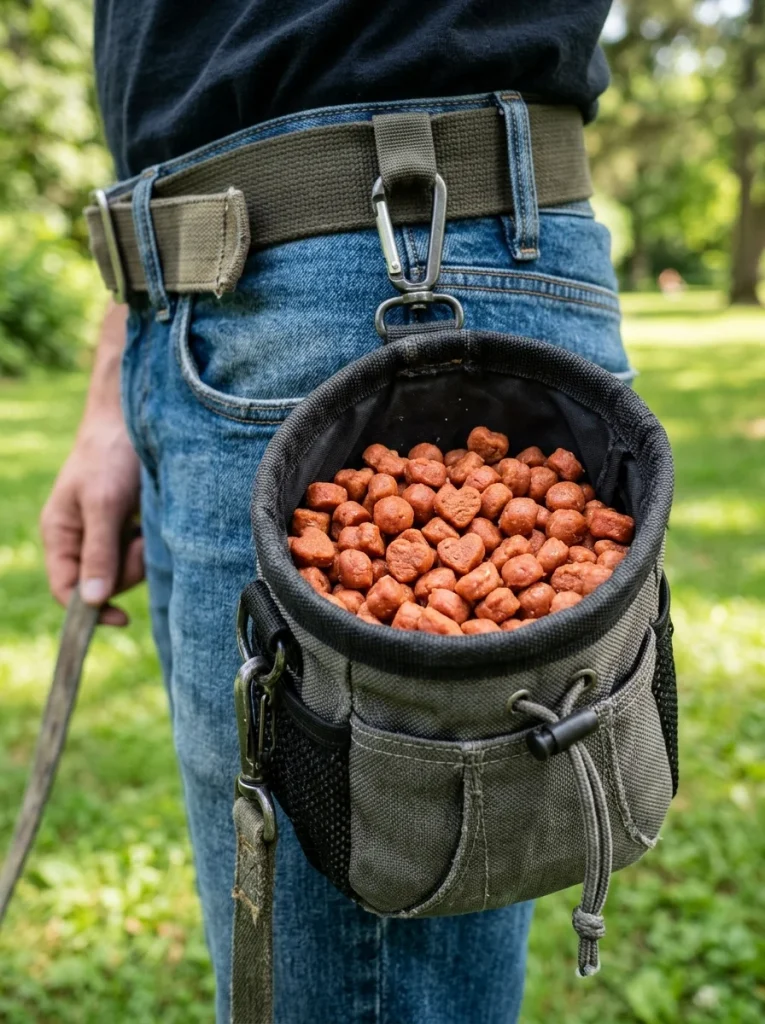
Training sessions call for small, soft treats you can hand out quickly, without your dog needing to stop and chew for a minute. This recipe keeps things simple with just three ingredients.
Salmon Oil Training Bites
- Prep Time: 5 minutes
- Bake Time: 12–15 minutes
- Yield: About 40 pea-sized bites
- Ingredients:
- 1 cup oat flour
- 1 egg
- 2 tablespoons salmon oil
- Instructions:
- Preheat the oven to 325°F (165°C) and line a baking sheet with parchment paper.
- Mix the oat flour, egg, and salmon oil together until a soft dough forms.
- Pinch off small, pea-sized pieces and roll them into balls, or flatten slightly for faster baking.
- Arrange on the baking sheet, spaced slightly apart.
- Bake for 12–15 minutes, until just set but still soft in the middle.
- Cool before using in training sessions.
- Notes: Because these stay soft, they’re easy to break into even smaller pieces for tiny dogs or puppies. Store in the fridge for freshness.
1.6 Dehydrated Sardine Jerky Strips (Long-Lasting & Travel-Friendly)
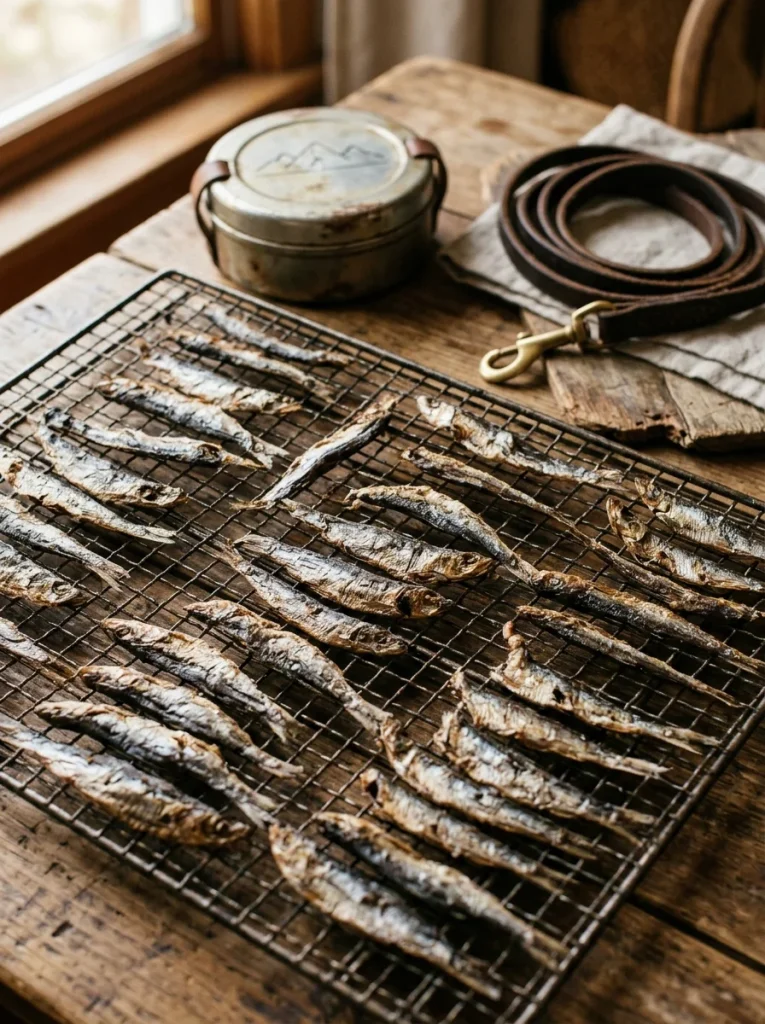
If you want a treat that doesn’t need refrigeration and travels well in a bag or car, dehydrated jerky is the format to reach for. It takes longer than the other recipes, but most of that time is hands-off.
Dehydrated Sardine Jerky Strips
- Prep Time: 10 minutes
- Dehydrate Time: 6–8 hours (dehydrator) or 3–4 hours (low oven)
- Yield: About 15 strips
- Ingredients:
- 6–8 whole sardines, fresh or thawed from frozen, deboned
- Instructions:
- Rinse the sardines and pat them dry with a paper towel.
- Slice each sardine lengthwise into thin strips.
- Arrange the strips in a single layer on dehydrator trays, or on a wire rack set over a baking sheet.
- If using a dehydrator, set it to 145°F (63°C) and run for 6–8 hours.
- If using an oven, set it to its lowest temperature (usually around 170°F/75°C) and prop the door open slightly, checking every hour.
- The jerky is done when it’s dry and leathery, with no soft or moist spots.
- Cool completely before storing.
- Notes: This is naturally a single-ingredient treat, which makes it a solid choice for dogs with multiple food sensitivities. Store in an airtight container for up to two weeks, or freeze for longer shelf life.
1.7 Fish & Egg Loaf Bars (Bake Once, Slice All Week)
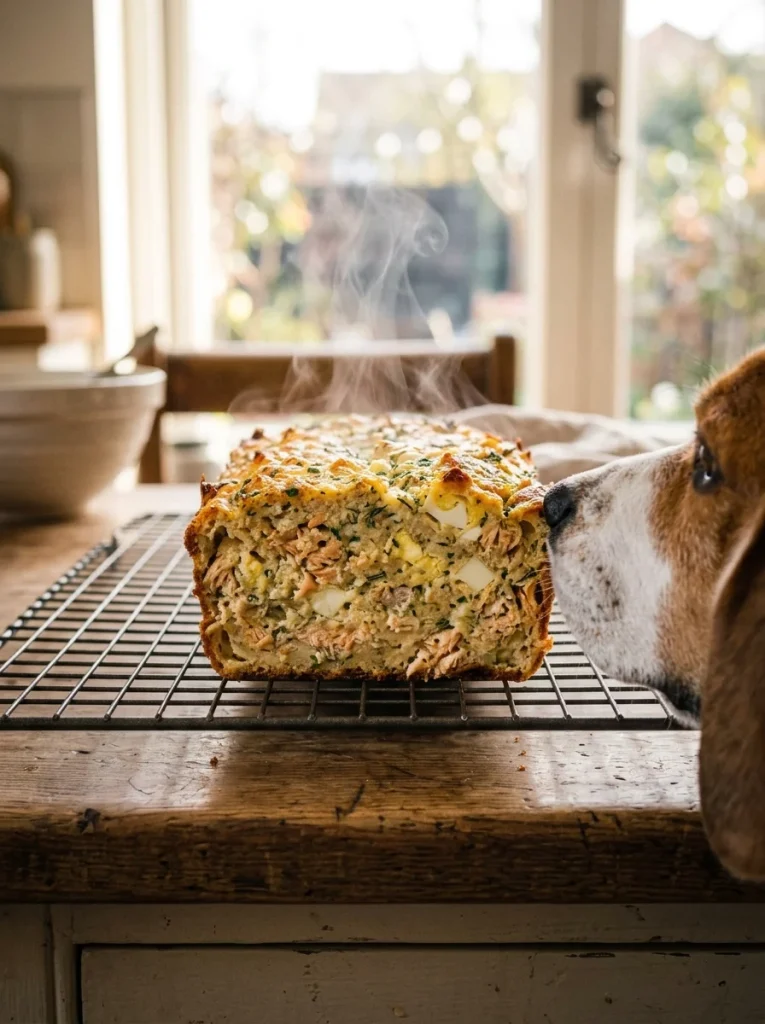
This is the treat to make when you want to prep a week’s worth of snacks in one go. It bakes like a meatloaf, then gets sliced into bars once cooled — no rolling, no cutters, no mess.
Fish & Egg Loaf Bars
- Prep Time: 15 minutes
- Bake Time: 30–35 minutes
- Yield: About 16 bars
- Ingredients:
- 2 cans (about 4 oz each) whitefish or mackerel, drained and flaked
- 3 eggs
- 1 cup oat flour
- 2 tablespoons fish oil
- Instructions:
- Preheat the oven to 350°F (175°C) and line a loaf pan with parchment paper.
- In a bowl, mix the flaked fish, eggs, oat flour, and fish oil until well combined.
- Pour the mixture into the prepared loaf pan and smooth the top with a spatula.
- Bake for 30–35 minutes, until firm to the touch and set in the middle.
- Let the loaf cool completely in the pan before turning it out.
- Slice into bars or squares once fully cooled.
- Notes: This loaf freezes well, so you can slice it into portions and pull out only what you need. It’s also one of the easiest recipes to double if you have multiple dogs at home.
2. Ingredient Variations on the Base Recipe
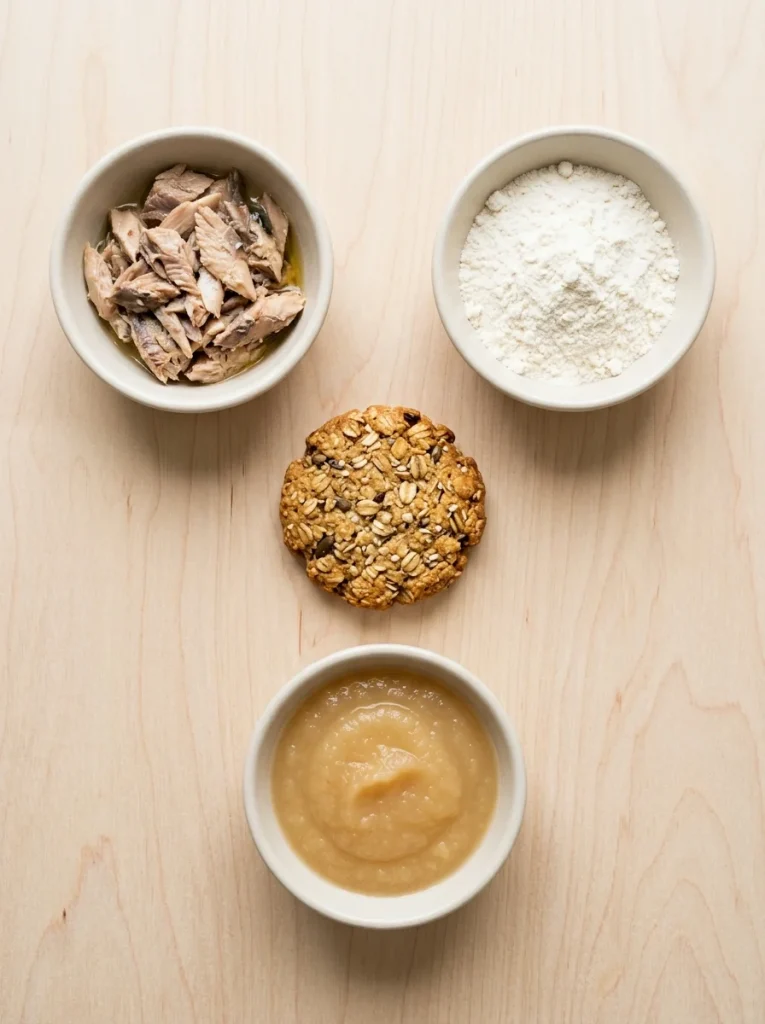
Once you’ve made the Salmon & Sweet Potato Baked Bites once or twice, it’s easy to adjust them based on what your dog needs or what you have in the pantry. Here are a few legitimate swaps that keep the same method but change the outcome.
Fish rotation swap. If your dog eats salmon often, swap it for canned mackerel or whitefish instead. Rotating protein sources can help reduce the chance of your dog developing a sensitivity to any single fish over time, and it keeps the omega 3 dog food ideas in your rotation varied.
Grain-free version. Replace the oat flour with an equal amount of coconut flour or chickpea flour if your dog has a grain sensitivity. Coconut flour absorbs more liquid than oat flour, so you may need to add a splash of water or extra egg to keep the dough from getting too dry.
Egg-free version. For dogs with egg allergies, replace the egg with 3 tablespoons of unsweetened applesauce or an extra tablespoon of mashed sweet potato. This keeps the dough binding together without changing the omega 3 content of the treat.
These swaps work across most of the baked recipes above, so feel free to mix and match rather than treating each recipe as fixed.
3. Best Dog Treats for an Omega 3 Boost If You’d Rather Not Bake
Baking isn’t for everyone, and that’s fine — there are plenty of solid store-bought options that deliver the same omega 3 benefits without the prep work. Look for treats where a fish oil, salmon, or flaxseed source is listed in the first three ingredients, not buried near the bottom of the label. Treats made primarily from a single named fish, like salmon or sardine, tend to have a higher concentration of omega 3s than treats that just list “fish meal” as a filler ingredient.
It’s also worth checking the treat’s texture against your dog’s chewing habits. Just like with dog bones and chew treats a treat that’s too hard for a small or senior dog can do more harm than good, so match the texture to your dog’s age, size, and dental health.
4. More Omega 3 Dog Food Ideas Beyond Treats
Treats are only one piece of the puzzle. If you want to boost your dog’s omega 3 intake at every meal, there are a few simple ways to do it without overhauling their diet.
Adding a spoonful of fish oil directly to your dog’s regular food is the simplest option, and it works well alongside any of the homemade dog food recipes you might already be making. A drizzle of oil mixed into kibble or wet food takes seconds and doesn’t change the texture of the meal much.
If you cook larger batches of food ahead of time, you can also fold flaxseed or a portion of oily fish into slow cooker dog food recipes, since the low, steady heat won’t destroy the fatty acids the way high-heat frying can. Just remember to add any oil-based ingredients toward the end of cooking, since prolonged high heat can break down some of the beneficial fats.
5. Storage & Freezing Guidelines
How you store these treats depends on which ones you made, so it helps to sort them into three general groups.
Baked treats (the sweet potato bites, pumpkin chews, training bites, and loaf bars) keep well in an airtight container at room temperature for about a week. For longer storage, refrigerate them for up to two weeks, or freeze in a sealed bag for up to three months.
No-bake and frozen treats (the sardine oat balls and fish broth pupsicles) need to stay refrigerated or frozen at all times, since they contain fresh or moist ingredients that spoil faster. Use refrigerated no-bake balls within 5 days, and keep frozen pupsicles in the freezer until just before serving.
Dehydrated jerky is the most shelf-stable of the bunch. Stored in an airtight container in a cool, dry place, it will keep for about two weeks, or several months if frozen.
If you make treats often, it may be worth setting up a proper dog treat station at home so containers, labels, and portions stay organized instead of piling up in random spots around the kitchen.
6. Safety Notes & How Much Is Too Much
Omega 3 treats are healthy, but they’re still treats, which means portion control matters. As a general guideline, treats of any kind shouldn’t make up more than 10% of your dog’s daily calorie intake, and that’s especially true for oil-rich treats, since too much fat too quickly can upset a dog’s stomach or contribute to weight gain.
Always cook fish thoroughly and remove bones before mixing it into any recipe, since raw fish can carry parasites and small bones are a choking hazard. If you’re introducing omega 3 treats to a puppy for the first time, start with a very small amount and watch for any digestive upset over the next day, since a puppy’s system can be more sensitive than an adult dog’s. This is also a good moment to check in on your puppy’s veterinary needs in general, since your vet can confirm the right portion sizes based on your puppy’s age and weight.
Finally, if your dog is already on a prescribed fish oil supplement for a medical condition, talk to your vet before adding fish-oil-based treats on top of that, so you don’t accidentally double up on their daily dose.
With seven different formats to choose from — baked, no-bake, frozen, dehydrated, and loaf-style — there’s an omega 3 dog treat here to match whatever amount of time, equipment, or patience you have on a given day. Start with whichever recipe uses ingredients you already have on hand, and build from there as you figure out which texture and flavor your dog loves most.

Izzy is an experienced ranch worker who has a passion for exploring nature and getting up close to wildlife. With her connections to various animal organizations, Izzy is well-versed in animal care and rehabilitation.