6 Easy Slow Cooker Dog Food Recipes Your Dog Will Actually Beg For
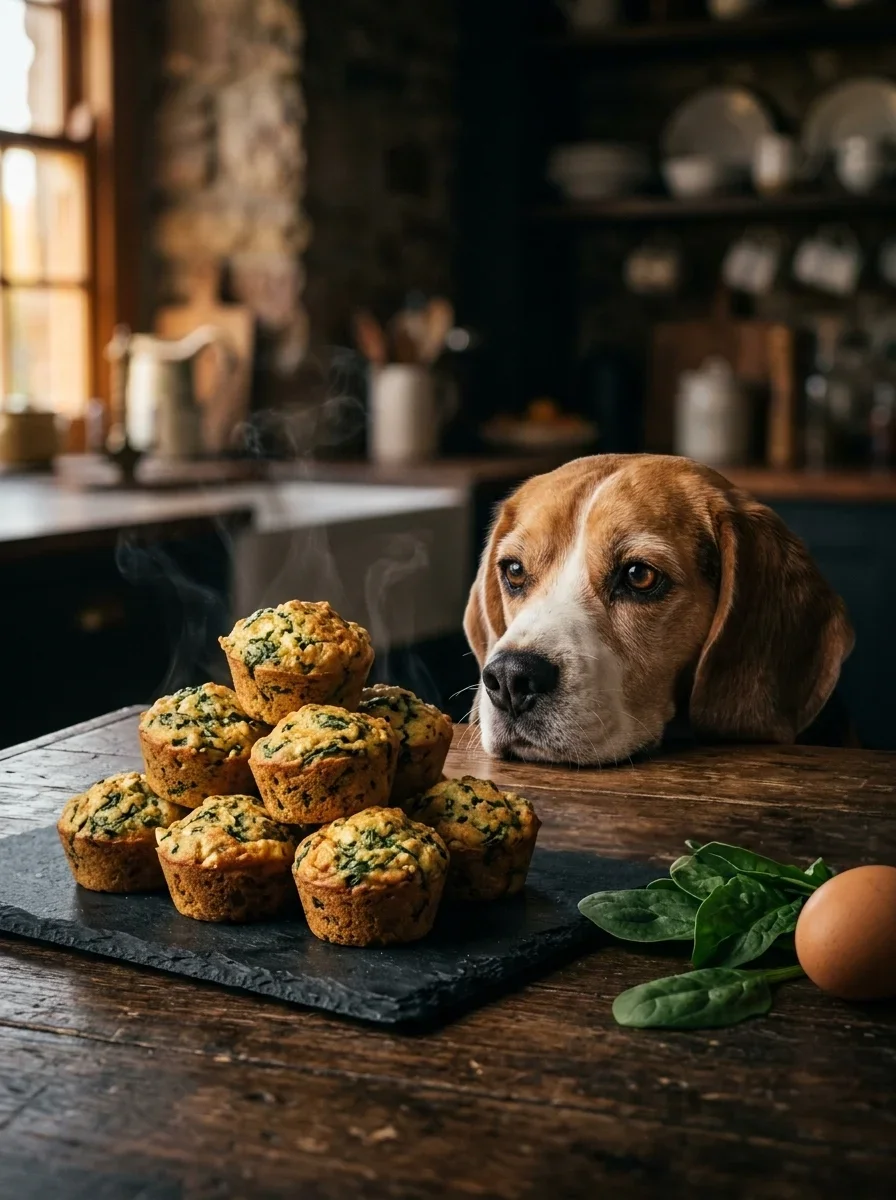
If you’ve been thinking about making homemade food for your dog, you’re not alone. More and more pet parents are turning to slow cooker dog food recipes as a simple, healthy way to feed their furry family members. And honestly? It makes a lot of sense.
When you cook for your dog at home, you know exactly what’s going in their bowl. No mystery ingredients, no fillers, no preservatives. Just real, wholesome food made with love — and your slow cooker does most of the work.
In this article, we’re sharing some of the best slow cooker dog food recipes out there, tips on storing and serving, what ingredients to avoid, and how to make sure your dog gets all the nutrients they need.
1. Why Use a Slow Cooker for Dog Food?

The slow cooker (also called a crockpot) is honestly one of the best tools for making dog food at home. Here’s why:
It’s hands-free. You just toss the ingredients in, set the timer, and go about your day. No standing over the stove.
It’s great for big batches. Most recipes make enough food for several days. You can freeze portions and pull them out as needed.
It cooks gently. Slow, low-heat cooking keeps nutrients intact better than high-heat methods. Meats become tender and easy to digest, which is especially helpful for older dogs or those with sensitive stomachs.
It’s safe. Fully cooking meats in the slow cooker eliminates harmful bacteria like salmonella, which can be a concern with raw feeding.
2. What to Know Before You Start
Before you start cooking, there are a few things worth knowing. Homemade dog food can be amazing — but only when it’s done right.
I. Safe Ingredients for Dogs
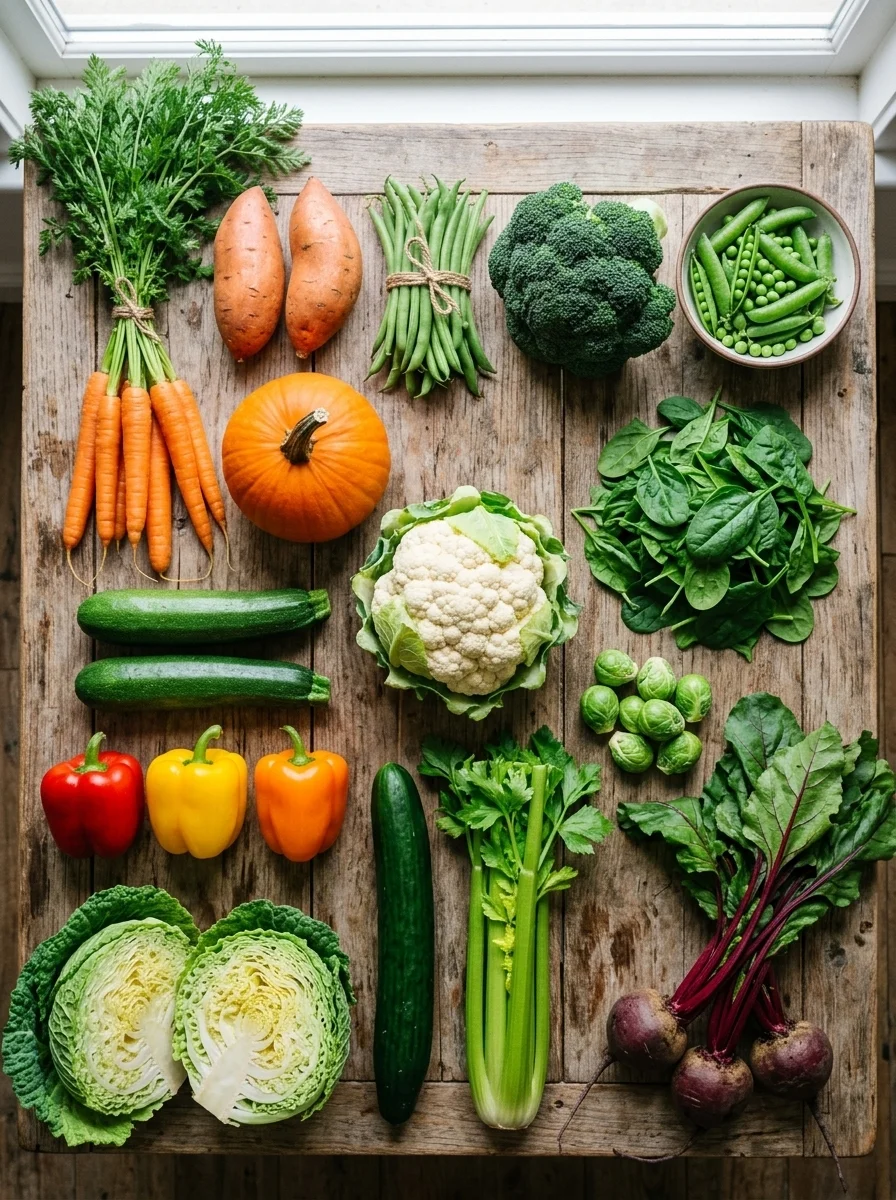
Most lean meats are great for dogs — think turkey, chicken, ground beef, and organ meats like liver and kidney. Veggies like carrots, peas, zucchini, sweet potatoes, kale, and spinach are all dog-friendly. Brown rice is a common base ingredient that’s easy on digestion. Fruits like blueberries and apples (without seeds) are also safe and nutritious.
III. Ingredients to Always Avoid
This is important. Some foods that are totally fine for humans can be dangerous — even deadly — for dogs. Always avoid:
- Onions and garlic
- Grapes and raisins
- Xylitol (an artificial sweetener found in many products)
- Chocolate
- Macadamia nuts
- Avocado
- Anything heavily salted or seasoned
Stick to simple, whole ingredients and you’ll be just fine.
III. Should You Consult a Vet?
Yes — especially if you’re planning to switch your dog fully to homemade food. A quick chat with your vet can help you figure out the right portion sizes for your dog’s breed, age, and weight. Some dogs also need specific supplements to fill nutritional gaps. If you’re already feeding your pup homemade dog food recipes regularly, a vet check-in is always a good idea.
3. Slow Cooker Dog Food Recipes
Now for the fun part! Here are five fantastic recipes you can make right in your crockpot. Each one uses simple, real ingredients your dog will love.
Recipe 1 – Turkey, Sardine & Veggie Slow Cooker Dog Food
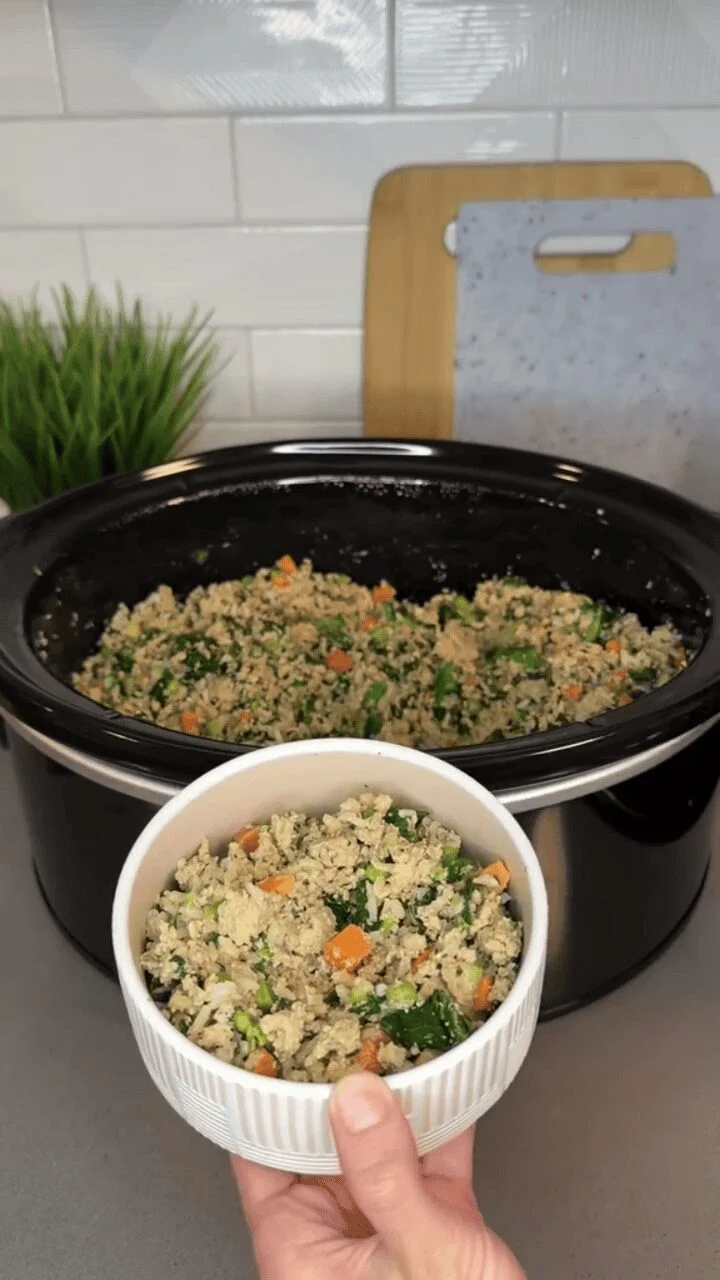
This is one of the most nutrient-packed recipes on the list. Ground turkey is a lean protein source, and sardines add a natural boost of omega-3 fatty acids that support your dog’s coat and joints.
Ingredients:
- 3 lbs lean ground turkey
- 2 cups peas and carrots
- 1 zucchini, chopped
- 1 apple, cored and diced (no seeds)
- 2 eggs
- 1 can sardines in water (drained)
- 1 cup brown rice
- 1 cup spinach
- 1 tsp ground ginger
- 1 tsp turmeric
- Pinch of black pepper
- Dog multivitamin (add after cooling)
Instructions:
- Add the ground turkey to the slow cooker and break it up.
- Toss in the peas, carrots, zucchini, apple, and brown rice.
- Crack in the eggs and stir everything together.
- Add the sardines and pour in enough water to just cover the ingredients (about 2–3 cups).
- Cook on high for 3–4 hours or on low for 6–7 hours, until the rice is fully cooked and the turkey is no longer pink.
- Stir in the spinach during the last 30 minutes.
- Let the mixture cool completely before adding the multivitamin.
- Serve at room temperature and store leftovers in the fridge for up to 4 days. Freeze the rest.
Why turmeric and ginger? Both have natural anti-inflammatory properties that can be beneficial for dogs, especially older ones. Just keep amounts small — a teaspoon is plenty.
📸 Photo credit: Instagram @dogchefdaily.
Recipe 2 – Ground Beef & Brown Rice Crockpot Dog Food
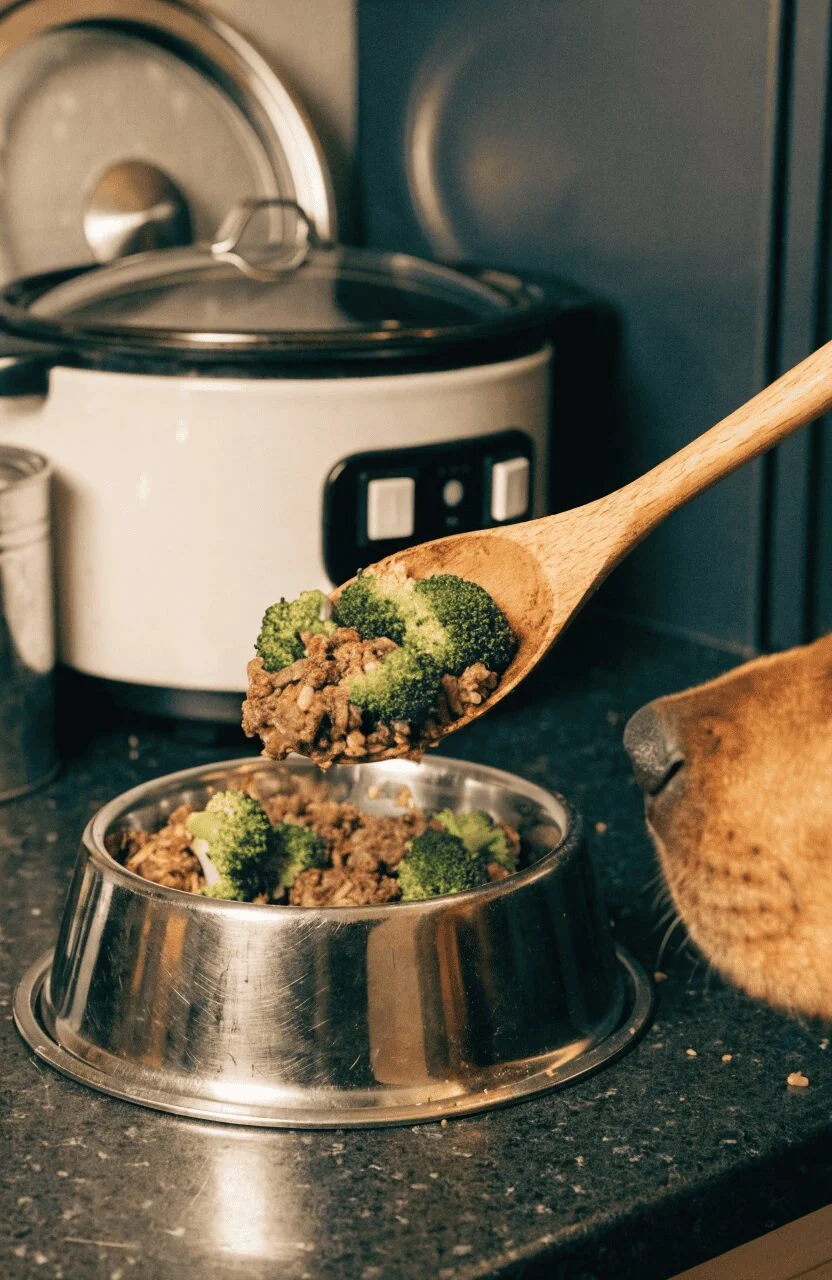
This one is hearty, filling, and easy to make. It uses ground beef and broccoli as the star ingredients, with bone broth adding a rich flavor that dogs absolutely go crazy for.
Ingredients:
- 3 lbs 85% lean ground beef
- 2 tbsp coconut oil
- 1 lb carrots, diced small
- 8 oz broccoli florets
- 2 cups brown rice
- 6 cups bone broth (low sodium) or water
- 2 tsp omega-3 fish oil (add after cooking)
- Canine nutritional premix (add after cooling, per package instructions)
Instructions:
- Add the coconut oil and ground beef to the slow cooker. Break up the meat with a spoon.
- Add the diced carrots, brown rice, and bone broth. Do not add the broccoli yet.
- Cook on high for 3 hours.
- Add the broccoli florets and continue cooking for 1 more hour until the rice is done.
- Let the food cool down completely.
- Once cool, stir in the fish oil and nutritional premix.
- Refrigerate what you’ll use within 4 days. Freeze the rest in portions.
Pro tip: Bone broth not only makes this meal smell amazing, it also supports joint health and digestion. Just make sure it’s low sodium and doesn’t contain onion or garlic.
Recipe 3 – Turkey, Pumpkin & Coconut Oil Crockpot Dog Food
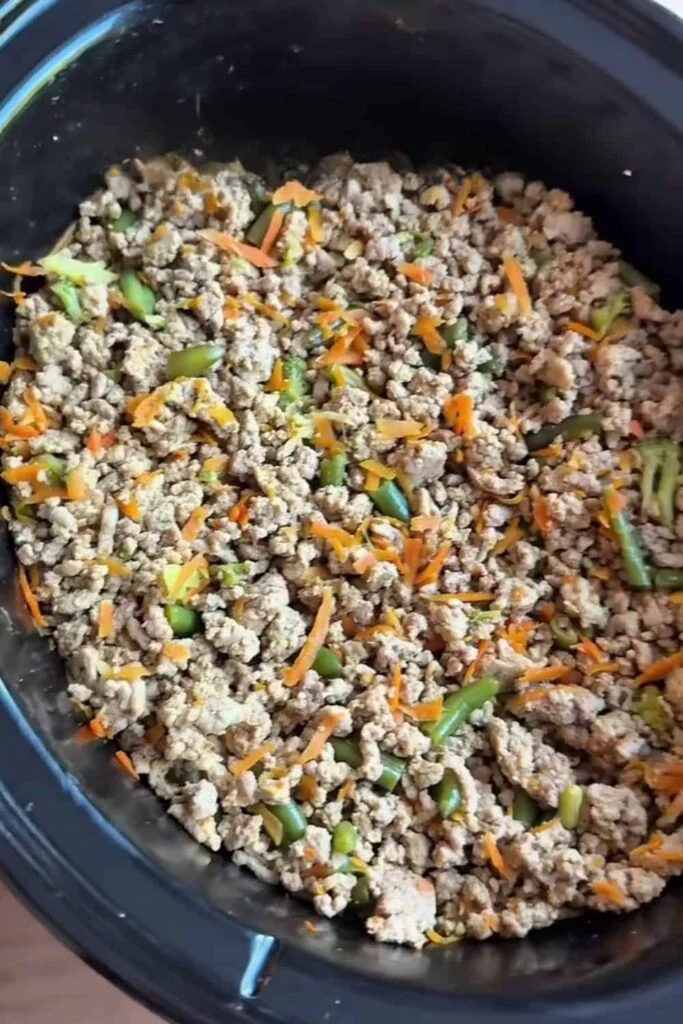
This recipe is a fan favorite for a reason. Pumpkin is incredibly good for a dog’s digestive health, and the coconut oil adds healthy fats that support skin and coat. Plus, it’s grain-free, which works well for dogs with grain sensitivities.
Ingredients:
- 3 lbs lean ground turkey
- 1 can (15 oz) pure pumpkin puree (not pumpkin pie filling)
- 2 tbsp coconut oil
- 1 cup frozen peas
- 1 cup diced carrots
- 1 cup chopped green beans
- 1 small zucchini, diced
- 1 cup water or low-sodium broth
Instructions:
- Brown the ground turkey in a pan on the stovetop first. This helps remove excess fat and keeps the final texture better.
- Transfer the cooked turkey to the slow cooker.
- Add all the vegetables, pumpkin puree, coconut oil, and broth.
- Stir everything well to combine.
- Cook on low for 4–5 hours or high for 2–3 hours.
- Let it cool before serving. Store in the fridge or freezer.
Note on pumpkin: Use 100% pure canned pumpkin — not the spiced pie filling, which contains sugar and spices that are harmful to dogs. Pumpkin is amazing for dogs with loose stools or constipation.
📸 Photo credit: Instagram @meatloafandmelodrama.
Recipe 4 – Ground Meat, Beans & Blueberry Dog Food
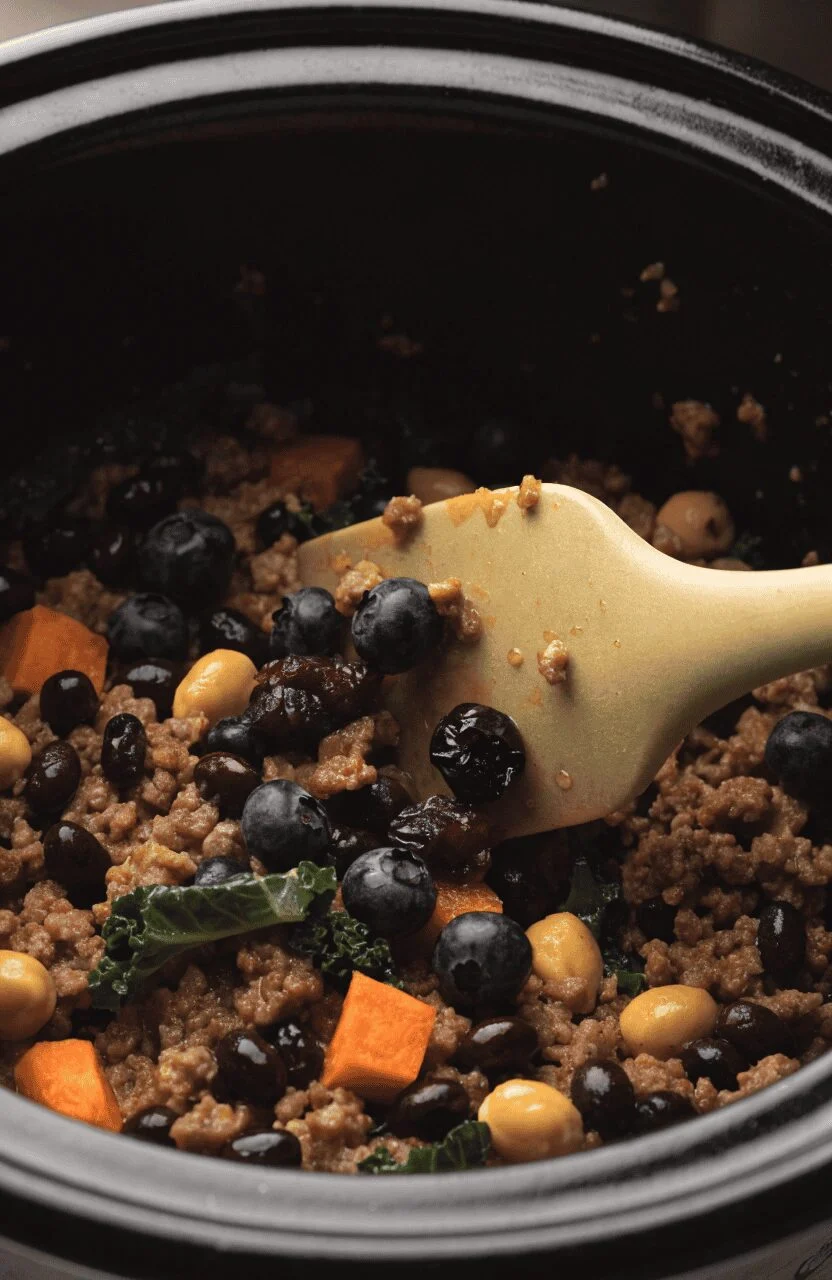
This is a more unique recipe that includes legumes and fruit. Black beans and garbanzo beans are a great plant-based protein source, and blueberries are packed with antioxidants. Sweet potatoes round it out with natural fiber and vitamins.
Ingredients:
- 4 lbs ground meat (beef, turkey, or chicken — your choice)
- 1 cup long grain rice
- 4 cups low-sodium bone broth
- 1 cup diced carrots
- 1 cup blueberries (fresh or frozen)
- 1 cup diced sweet potatoes or butternut squash
- 1 cup peas
- 1 cup kale, chopped
- 1 cup black beans (cooked, no added salt)
- 1 cup garbanzo beans (cooked, no added salt)
Instructions:
- Add all ingredients to the slow cooker.
- Stir to combine everything evenly.
- Cook on high for 4 hours or on low for 7 hours, until the rice is fully cooked.
- Let the food cool before serving.
- Freeze in individual portions for easy daily feeding.
Why beans? Dogs can absolutely eat cooked beans in moderation. They’re high in fiber and protein. Just make sure they’re plain — no canned beans with added salt or seasoning. If your dog is prone to gas, start with small amounts and see how they do.
This is also a great recipe for healthiest foods for your pets because it covers so many nutritional bases in one pot.
Recipe 5 – Organ Meat & Superfood Slow Cooker Dog Food
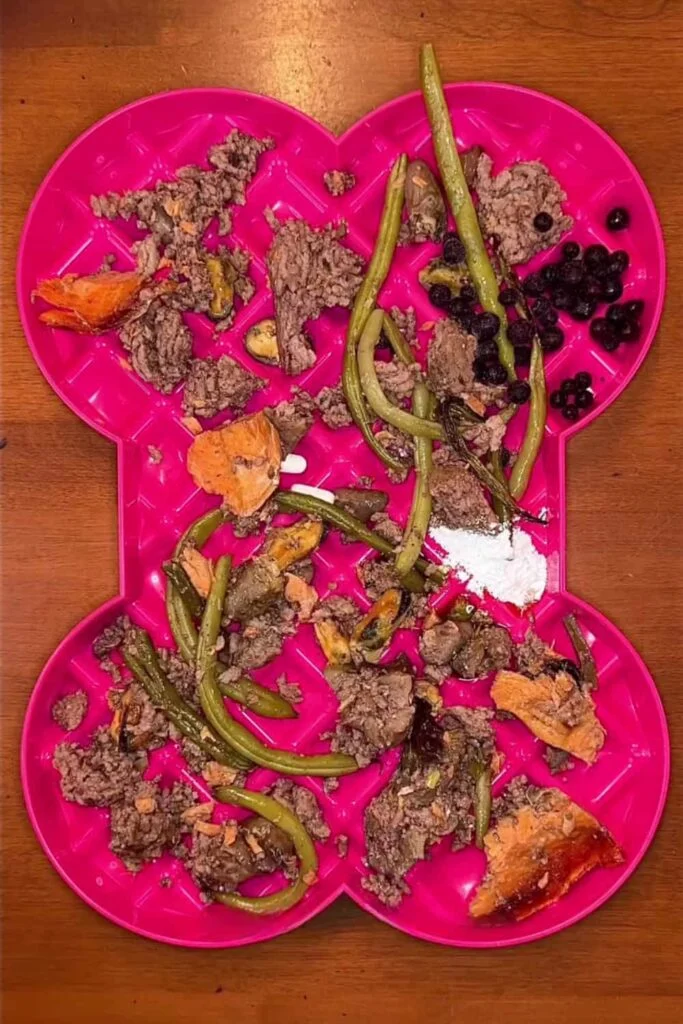
This one is for the more adventurous dog parents who want to go beyond just muscle meat. Organ meats like liver, kidney, and heart are among the most nutrient-dense foods you can feed a dog. They’re loaded with iron, B vitamins, and essential amino acids.
Ingredients:
- 1 lb lean ground beef
- ½ lb chicken hearts
- ½ lb beef liver, chopped
- ½ lb beef kidney, chopped
- 1 can sockeye salmon (or fresh salmon fillet, deboned)
- 1 cup cooked brown rice or quinoa (optional base)
- 2–3 cups water or low-sodium broth
- ¼ cup blue mussels (optional, great source of zinc and selenium)
Toppers to add after cooling:
- Calcium carbonate (per vet guidance)
- A few drops of vitamin E oil
- 1 tsp flaxseed oil
- ¼ cup frozen blueberries
- Kelp tablets (crushed, per package dosage)
Instructions:
- Add all meats to the slow cooker with the broth or water.
- If using rice or quinoa as a base, add it in now.
- Cook on low for 6–8 hours or high for 4 hours.
- Let it cool completely before adding any of the toppers or supplements.
- Mix everything well before serving.
- Store in the fridge for up to 3 days. Freeze extra portions.
Important: Organ meats are very rich. They shouldn’t make up more than 10–15% of your dog’s overall diet. Too much liver, in particular, can cause vitamin A toxicity. Mix it with muscle meat for balance.
📸 Photo credit: Instagram @kaylakowalskinutrition_.
4. Tips for Storing and Serving Homemade Dog Food
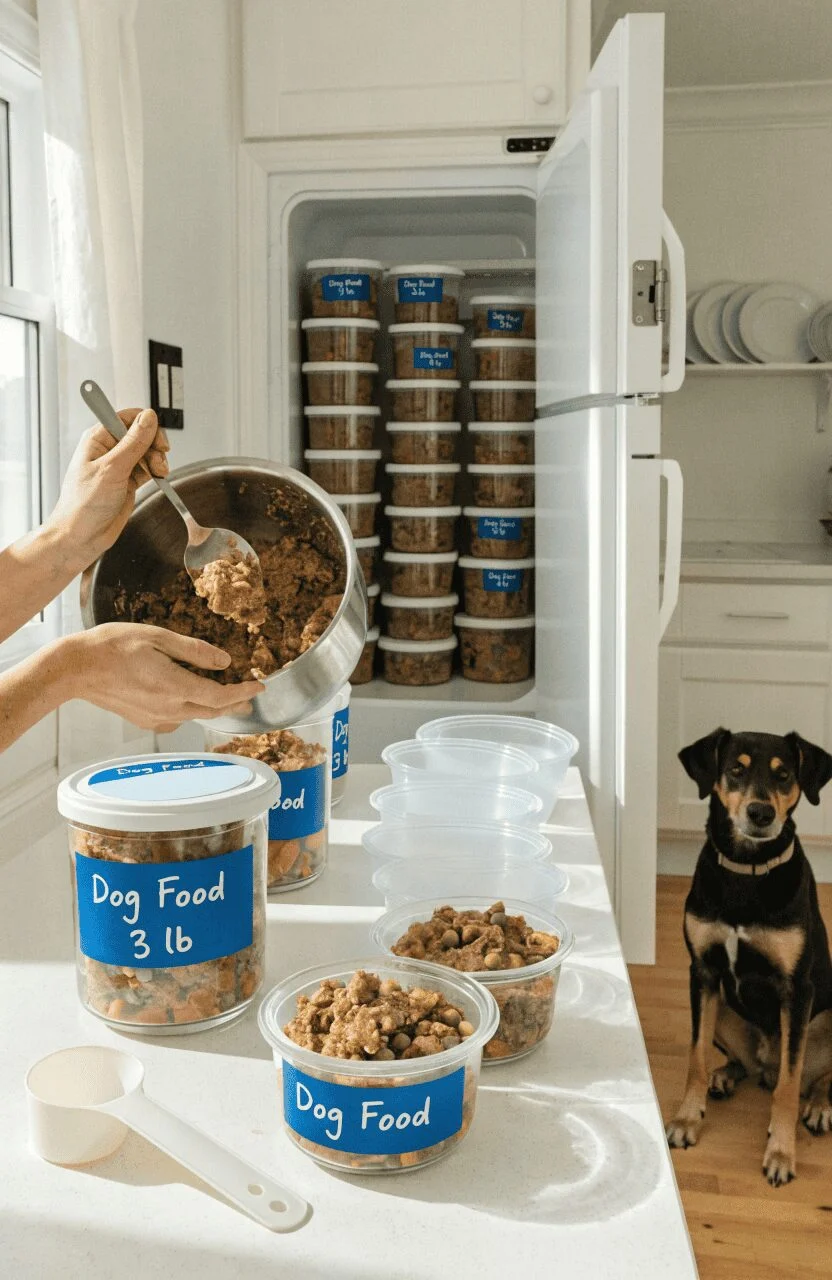
Making a big batch is smart — but only if you store it properly. Here’s how to do it right:
In the fridge: Homemade dog food will stay fresh in an airtight container for up to 4 days. Always let it cool completely before putting it in the fridge.
In the freezer: Portion the food into daily servings using ziplock bags or silicone molds. Frozen dog food stays good for up to 3 months. Thaw overnight in the fridge before serving.
Serving temperature: Serve at room temperature or slightly warm. Cold food straight from the fridge can upset some dogs’ stomachs, especially smaller breeds.
Portion sizing: This varies a lot by dog size, age, and activity level. A general starting point is about 2–3% of your dog’s body weight per day. So a 50 lb dog would get roughly 1 to 1.5 lbs of food daily. Your vet can give you a more precise recommendation.
Transitioning: If your dog is used to kibble, don’t switch cold turkey (no pun intended). Mix a small amount of homemade food in with their regular food, then gradually increase the ratio over 1–2 weeks. This helps their digestive system adjust without stomach upset.
You might also enjoy making homemade dog treats alongside these meals for a full homemade diet — or even a dog birthday cake for special occasions!
5. Can You Add Supplements to Slow Cooker Dog Food?
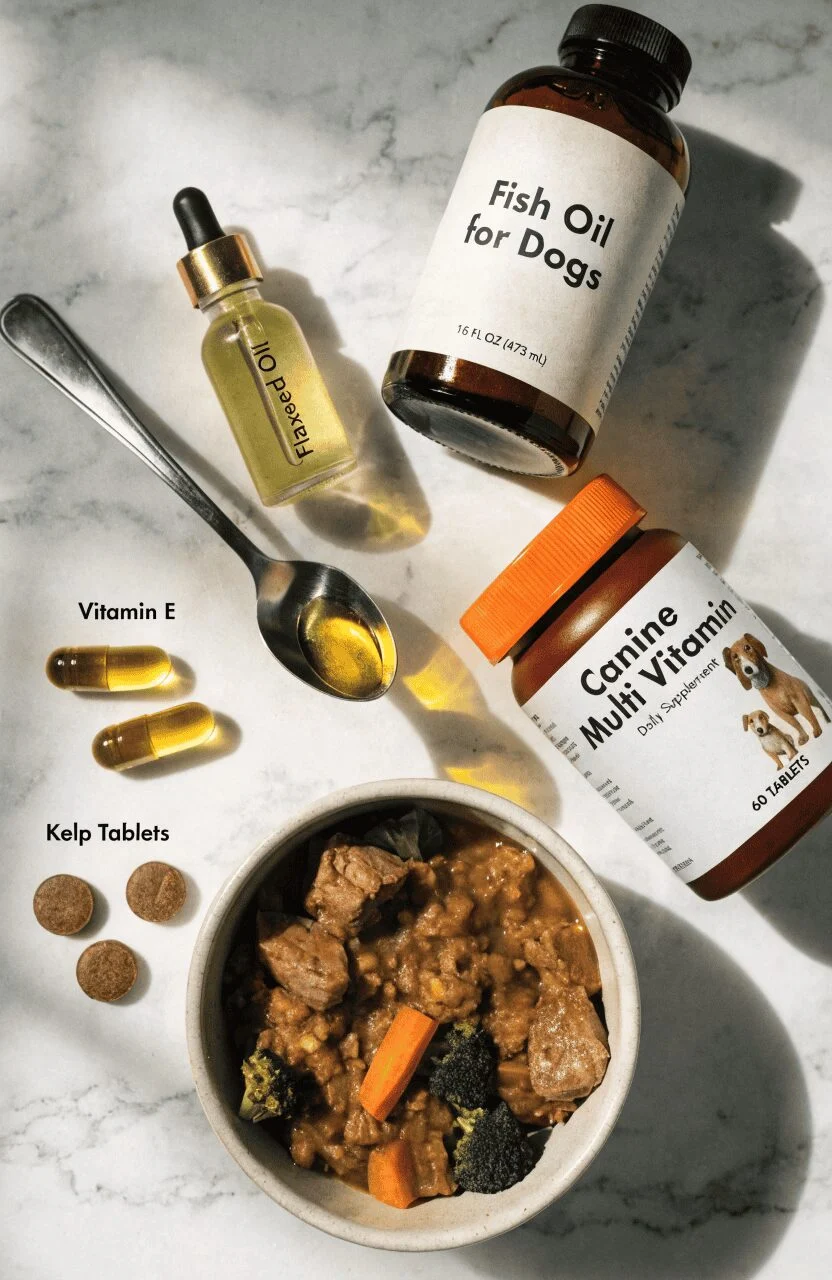
This is something a lot of people overlook. Homemade dog food is great, but it often lacks certain vitamins and minerals that commercial dog foods have added in. That’s not a reason to avoid homemade food — it’s just a reason to be thoughtful about it.
Why supplements matter: Dogs need a balance of calcium, phosphorus, omega-3 fatty acids, and various vitamins to stay healthy long-term. A diet of just meat and veggies, while better than junk-filled kibble, can still leave gaps.
When to add them: Always add supplements after the food has cooled. Heat destroys many vitamins — especially vitamin E, B vitamins, and probiotics. Stir them in once the food is at room temperature.
Common supplements used in these recipes:
- Fish oil / omega-3 oil – supports coat health, reduces inflammation
- Flaxseed oil – plant-based omega-3 source
- Vitamin E oil – antioxidant support
- Kelp – natural source of iodine and trace minerals
- Calcium carbonate – important if you’re not including bones or bone meal
- Canine multivitamins – a convenient all-in-one option
Always follow dosage instructions on the label or ask your vet. More isn’t always better when it comes to supplements.
Giving your dog real, nutritious food is one of the best things you can do for their long-term health — right alongside things like puppy veterinary care and regular grooming.
Final Thoughts
Making slow cooker dog food recipes at home doesn’t have to be complicated. As you can see from the recipes above, it mostly comes down to throwing good ingredients into a pot, letting them cook low and slow, and storing the batch properly.
Your dog gets real food with real nutrition. You get peace of mind knowing exactly what’s in every bite. And your slow cooker? It does all the heavy lifting.
Start with one recipe that uses ingredients you already have on hand. See how your dog responds. Adjust portions as needed. And don’t forget to talk to your vet if you’re planning to make this a regular part of their diet.
Happy cooking — and even happier tails. 🐾

Izzy is an experienced ranch worker who has a passion for exploring nature and getting up close to wildlife. With her connections to various animal organizations, Izzy is well-versed in animal care and rehabilitation.