Homemade Cheese Dog Treats: 6 Easy Recipes
There is a certain magic in the way most dogs’ ears perk up at the mere hint of cheese. While kibble and raw food may fuel their bodies, cheese seems to speak directly to their spirits. For many pet parents, the squeak of a cheddar wedge in the pantry is synonymous with high-value rewards, making it the ultimate tool for obedience training, positive reinforcement, and simply showing a little extra love on a Tuesday afternoon.
Store-bought cheese treats are convenient, but they are often loaded with fillers, artificial preservatives, and additives that do your dog’s gut no favors. When you make cheese dog treats at home, you control every single ingredient. You get to use high-quality cheese that tastes good to humans without worrying about questionable dyes or chemical preservatives extending the shelf life. It’s a level of control that makes homemade not just tastier, but safer and more nutritious.
In this article, we’ll dive into six easy recipes that range from soft, lickable training bites to crisp, durable chewy biscuits. These recipes are designed to be safe, digestible, and incredibly delicious. Let’s get into the kitchen and whip up some treats that will have your four-legged friend doing backflips.
Why Cheese Makes Dogs Do Anything
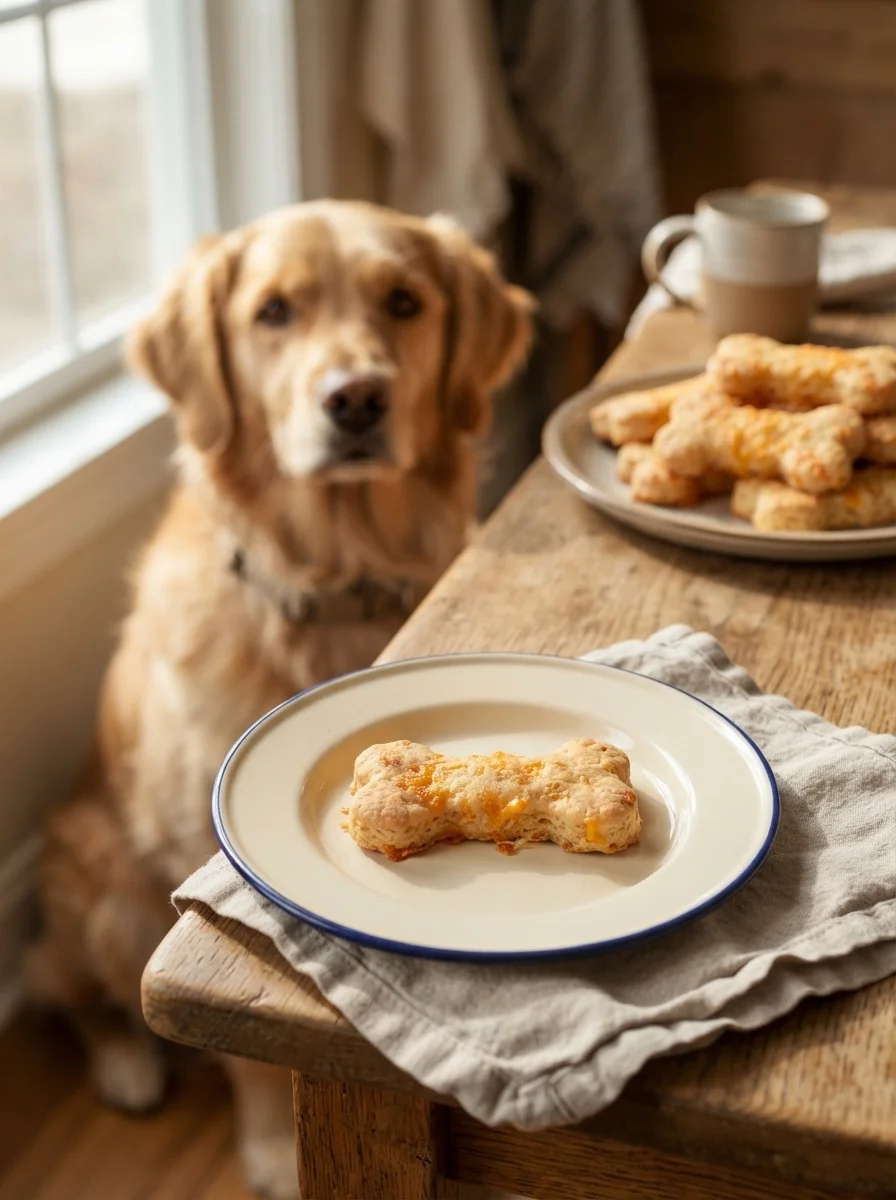
Cheese is a powerhouse of dog motivation, and it all comes down to the scent and the taste. Cheese is incredibly rich in umami, a savory flavor profile that dogs are biologically wired to crave. Their sense of smell is approximately ten times more powerful than ours, meaning the aroma of fresh cheddar or parmesan drifts from the counter into their nose long before they even see it. This intense, pungent smell, combined with the satisfying saltiness, makes cheese a “superfood” for the reward column. For many dogs, cheese is the one treat they will drop their toys for, making it an invaluable asset for dog trainers working on stubborn behaviors.
However, it is crucial to address the lactose question. Many dog owners worry that dairy will upset their dog’s stomach. The truth is that it depends heavily on the type of cheese and the age of the dog. Most adult dogs have some degree of lactose intolerance. The good news is that hard, aged cheeses like parmesan and cheddar have gone through a fermentation process that breaks down most of the lactose. This makes them far easier for dogs to digest than fresh mozzarella or soft cream cheese. Always start with a small amount to see how your specific dog’s gastrointestinal system reacts, as every dog is different.
Finally, it’s essential to know which cheeses to use and which to strictly avoid. For these recipes, you should stick to plain cheddar, parmesan, mozzarella, and low-fat cottage cheese. These are generally safe in moderation. On the other end of the spectrum, blue cheese, brie, camembert, and other mold-ripened cheeses are unsafe for dogs. The molds used in these cheeses can be toxic, and their extremely high fat content can trigger pancreatitis. Keep these cheeses out of your dog’s reach and your dog-treat mixing bowl entirely.
Because of its intense flavor profile, cheese serves as an excellent high-value reward that stands out even to dogs who are typically picky about their treats. Furthermore, soft cheese cubes make a fantastic hiding spot for prescription medications, as the strong aroma and texture can mask the pill’s presence and encourage your dog to swallow it willingly.
Recipe 1: Homemade Cheese Dog Treats
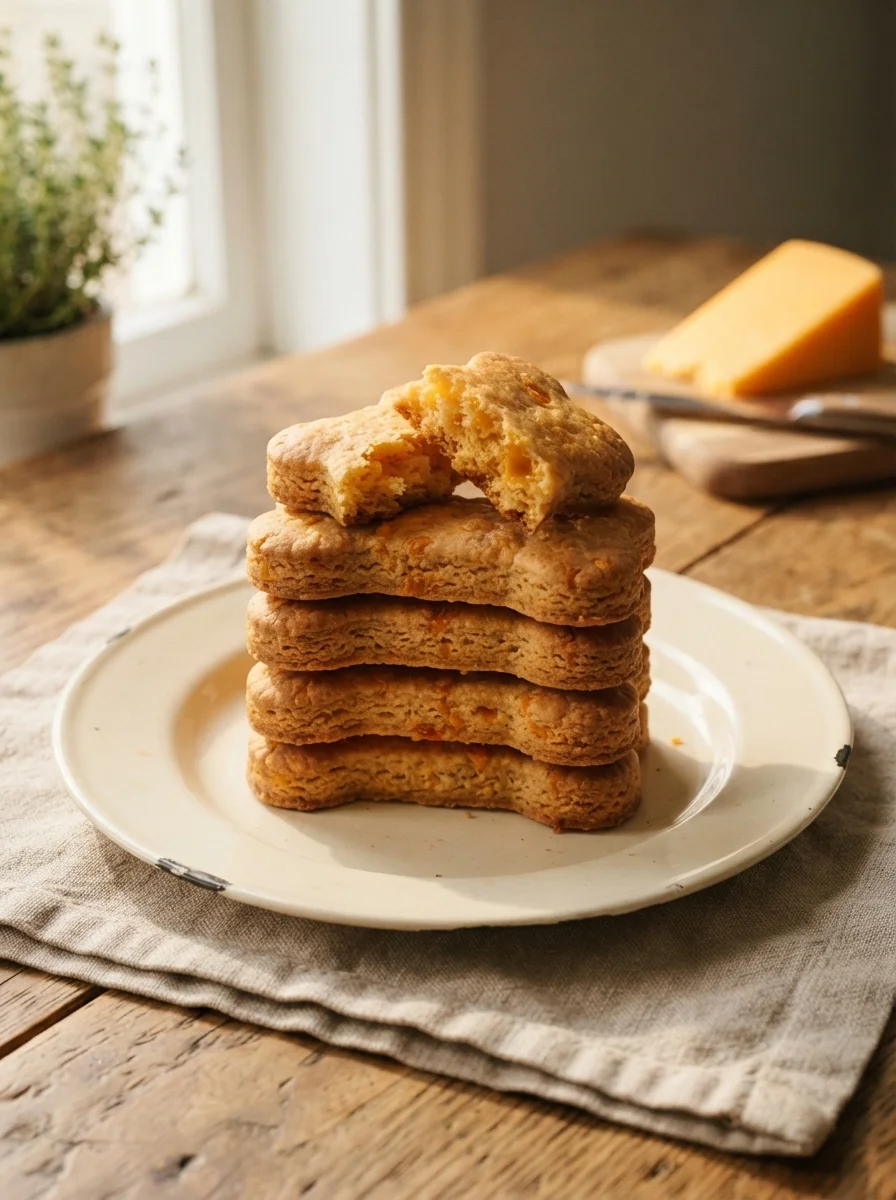
This is the gold standard for homemade dog biscuits. The texture is sturdy and firm, making it perfect for older dogs who need a harder chew or for owners who want a treat that lasts longer during long training sessions. The oat flour base keeps these treats gentle on the stomach, while the cheddar gives them a rich, savory aroma.
Ingredients
- 2 cups oat flour
- 1 1/2 cups shredded cheddar cheese
- 1 large egg
- 1/3 cup water, plus more as needed
- 1 teaspoon turmeric (optional, for color)
Step-by-Step Instructions
- Preheat your oven to 350°F and line two baking sheets with parchment paper.
- In a large bowl, whisk together the oat flour, shredded cheddar, egg, and turmeric.
- Add the water to the mixture and use your hands or a wooden spoon to press everything into a dough.
- Turn the dough out onto a lightly floured surface and knead gently for about two minutes.
- Roll the dough out to a thickness of roughly 1/4 inch and use a cookie cutter to form shapes.
- Place the biscuits on the baking sheets and bake for 12 to 14 minutes until golden brown.
- Leave the treats in the turned-off oven for 10 more minutes to ensure they set and become crisp.
These biscuits are the perfect “snack” to keep between formal training sessions. They are dense enough to be satisfying but not so hard that they pose a risk to dental health. The turmeric is completely optional but adds a beautiful golden hue that makes them look just like professional bakery treats.
Recipe 2: 3-Ingredient Cheese Bites
If you are short on time but want a high-motivation reward, this three-ingredient recipe is a lifesaver. By using unsweetened applesauce, we create a binder that is much lower in sugar than butter or egg, making these bites slightly more diet-friendly. They have a tender, moist texture that dogs love to lap up.
Ingredients
- 1 1/2 cups oat flour
- 1 cup shredded cheddar cheese
- 1/2 cup unsweetened applesauce
Step-by-Step Instructions
- Preheat your oven to 350°F and prepare a parchment-lined baking sheet.
- Combine the oat flour and shredded cheddar in a mixing bowl.
- Add the unsweetened applesauce and stir until the mixture forms a crumbly, moist dough.
- Drop the dough by heaping teaspoonfuls onto the prepared baking sheet, flattening them slightly with your finger.
- Bake for 16 to 18 minutes until the tops are set and the edges are lightly browned.
These are excellent for smaller breeds or for dogs who prefer a softer chew over a rigid biscuit. They also make for a wonderful “quick” reward during rapid-fire recall drills in the park. If you like apples in your treats, you can also check out our guide on homemade apple pie for dogs to see how other safe fruits pair well with savory ingredients.
Recipe 3: Cheese & Sweet Potato Treats
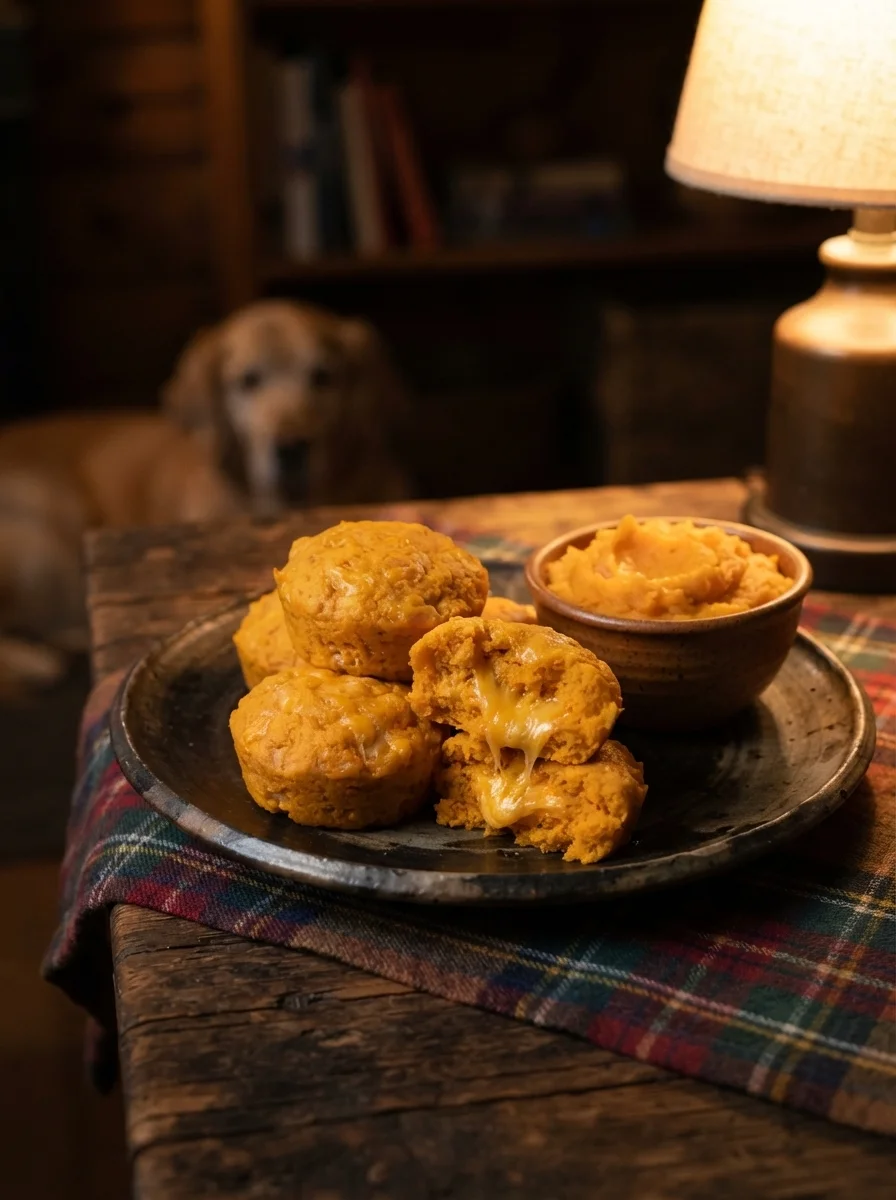
Sweet potato is a dog-safe root vegetable that adds a gentle natural sweetness to balance out the sharpness of the cheddar. This recipe is slightly more complex than the basics, resulting in a treat that has a firm exterior but a slightly more robust interior. The combination of cheese and sweet potato is a win for dogs who enjoy both savory and mildly sweet flavor profiles.
Ingredients
- 1 cup mashed cooked sweet potato
- 1 cup shredded cheddar cheese
- 2 cups oat flour
- 1 large egg
Step-by-Step Instructions
- Preheat your oven to 350°F and line two baking sheets with parchment paper.
- In a large bowl, mix the mashed sweet potato, shredded cheddar, and egg until smooth.
- Gradually add the oat flour, one cup at a time, until the dough is easy to work with.
- Roll the dough into a log and slice into 1/2-inch rounds, or use a cookie cutter to form shapes.
- Place the treats on the baking sheets, ensuring they are spaced out so they don’t merge.
- Bake for 25 to 30 minutes until the center feels firm and the bottoms are browned.
For more ideas on utilizing sweet potatoes in your dog’s diet, look at our 3-ingredient sweet potato dog cookies. This recipe is particularly great for dogs that have a sensitive stomach, as the sweet potato is very easy to digest and helps bind the ingredients together without requiring extra fat.
Recipe 4: Soft Cottage Cheese Training Treats
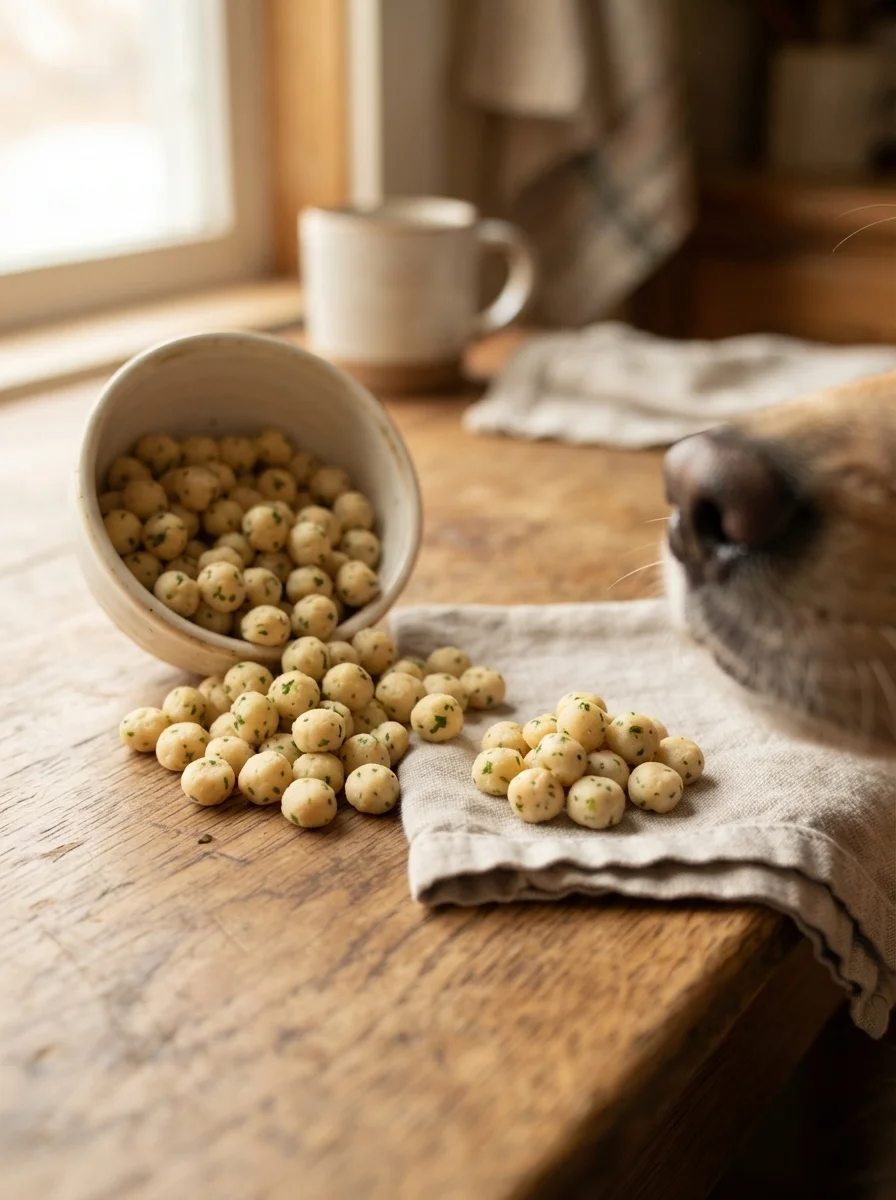
These tiny “mini-muffins” are the ultimate high-value training tool. Because they are soft and can be easily broken into smaller pieces, they are perfect for the middle of a training session when you need to reward a dog rapidly without letting them walk away to chew on a large biscuit. The low-fat cottage cheese makes these much lighter than standard cheese treats.
Ingredients
- 1 cup low-fat cottage cheese
- 1 1/2 cups oat flour
- 1 large egg
- 1 tablespoon finely chopped fresh parsley
Step-by-Step Instructions
- Preheat your oven to 350°F and line two baking sheets with parchment paper.
- In a bowl, mix the cottage cheese and egg until the mixture is smooth.
- Add the oat flour and parsley, stirring until you have a thick, soft dough.
- Drop the dough by 1/2 teaspoon onto the baking sheets, creating small, uniform dots.
- Bake for 10 to 12 minutes just until the tops look set. Do not overbake, as these are meant to stay soft.
The parsley adds a nice visual green speckle and a fresh flavor that is completely safe for dogs. These are especially good for senior dogs who may have dental issues and can’t manage hard kibble. If you want to incorporate these treats into a broader nutritional plan, you can pair them with our 5-ingredient homemade dog food recipe.
Recipe 5: Parmesan Cheese Crisps
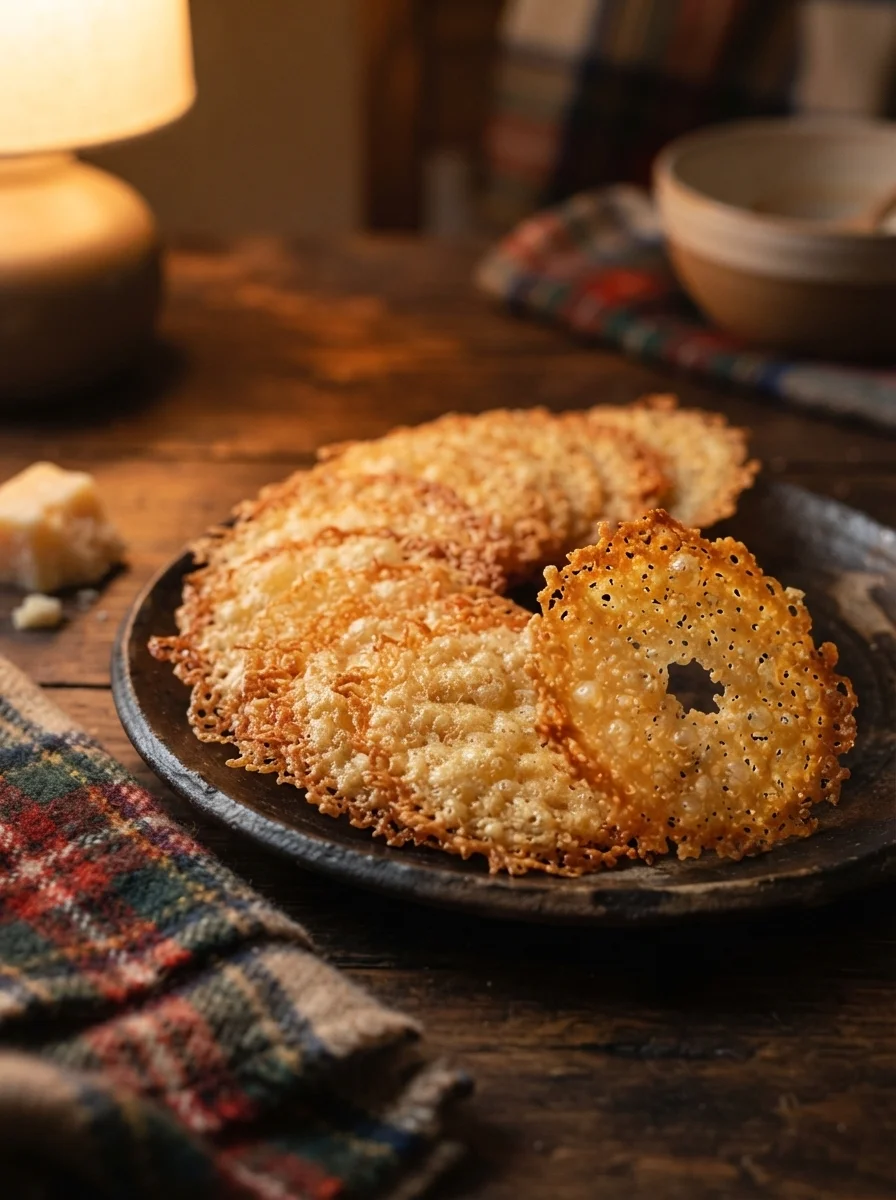
Think of these as the crackers of the dog-treat world. Because parmesan is a hard, aged cheese, these treats are incredibly low in lactose and high in protein. They are very thin and shatter easily, which makes them a fun, delicate treat for dogs who enjoy the “crunch” but aren’t looking for something that will last for an hour.
Ingredients
- 1 cup finely grated parmesan cheese
- 1/2 cup oat flour
- 3 tablespoons water
Step-by-Step Instructions
- Preheat your oven to 350°F and line a baking sheet with parchment paper.
- In a small bowl, mix the parmesan and oat flour.
- Drizzle in the water and stir with a fork until you have a crumbly, wet mixture.
- Press the mixture into a thin circle on the parchment paper, roughly 1/8 inch thick.
- Bake for 10 to 12 minutes until the edges are deep golden brown and the center is lacy and crisp.
These crisps have a distinct, sharp flavor that most dogs find fascinating. They are also great for “topping” a bowl of wet food or for adding to a bag of dry food. If you want to change up the flavor of these, you can try sprinkling a little bit of our homemade dog food seasoning over them before they go into the oven for an extra savory kick.
Recipe 6: Cheese & Pumpkin Biscuits

Pumpkin is the autumn staple of the dog-treat world, and when you combine its gentle, earthy flavor with cheddar cheese, you get a surprisingly sophisticated treat. This recipe uses plain pumpkin purée, which is beneficial for the digestive system and helps add a touch of natural moisture to the dough.
Ingredients
- 1 cup pumpkin purée (plain, not pie filling)
- 1 cup shredded cheddar cheese
- 2 1/4 cups oat flour
- 1 large egg
Step-by-Step Instructions
- Preheat your oven to 350°F and line two baking sheets with parchment paper.
- In a large bowl, mix the pumpkin purée, cheddar, and egg.
- Slowly add the oat flour and knead the dough until it is easy to handle.
- Roll the dough out on a floured surface and cut into your preferred shapes.
- Place on the baking sheets and bake for 25 to 28 minutes until they are firm throughout.
- Allow them to cool completely on the baking sheet before transferring to storage.
Pumpkin is naturally fiber-rich, making these a great treat for dogs who might be constipated. If you are looking for more pumpkin-based recipes that don’t involve cheese, you should check out our 4-ingredient pumpkin dog biscuits. This recipe strikes a great balance between the savory “cheese pull” and the natural fruitiness of the pumpkin.
Storage and Freezing
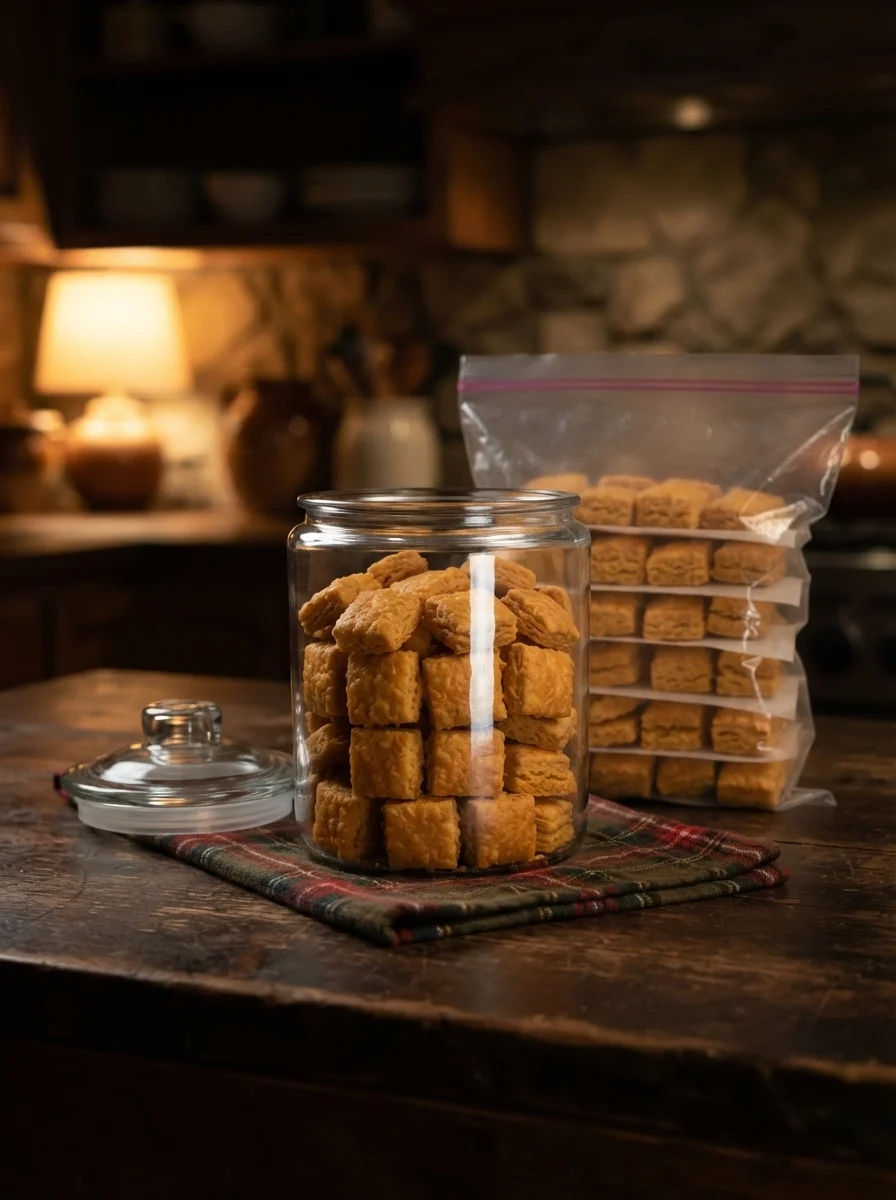
When it comes to keeping your treats fresh, the type of cheese and the texture of the treat dictate how you should store them. For the crunchy recipes—like the Cheddar Biscuits, Cheese & Sweet Potato Treats, Parmesan Crisps, and Cheese & Pumpkin Biscuits—make sure they are completely cooled to room temperature. Once they are cool, place them in an airtight container or a high-quality zip-lock bag. You can keep these on the counter for about one week. If you want to extend their life, move them into the refrigerator, where they will stay fresh for up to two weeks. For the Soft Cottage Cheese Training Treats, which have a higher moisture content, the refrigerator is the only option. These should be kept in an airtight container in the fridge and used within four days.
For longer-term storage, freezing is the best method for all six recipes. Simply place the treats on a parchment-lined baking sheet and freeze them individually for the first hour or two. This prevents them from sticking together in a giant lump. Once they are solid, transfer them into a freezer-safe bag and label with the date. Most of these recipes will stay good in the freezer for up to three months. When you are ready to serve a frozen treat, you can give it directly (it makes a great “frozen” treat on a hot day) or you can let it thaw at room temperature. If a crunchy treat has lost its snap, you can re-crisp it by placing it in a 300°F oven for five to ten minutes.
To keep your freezer organized, always label the storage bags with both the specific recipe name and the date they were prepared. This simple habit prevents accidental confusion between different textures and ensures you always know exactly how long a batch has been stored before reaching for a treat to feed your dog.
Frequently Asked Questions
Final Thoughts
Baking dog treats is one of the most rewarding ways to bond with your pet. Not only are you creating something that they absolutely love, but you are also ensuring that they are getting quality ingredients without the mystery additives found in store-bought alternatives. These six recipes cover a wide range of textures and flavors, so you can always have a different type of reward on hand depending on the situation.
Whether you are looking for a quick three-ingredient fix or you want to spend a Sunday afternoon baking a full batch of cheese and pumpkin biscuits, there is a recipe here for you. Remember that moderation is key; cheese is a luxury, not a necessity. Enjoy the process of creating these treats, and get ready for the excited tail wags that follow your baking skills into the kitchen.

Izzy is an experienced ranch worker who has a passion for exploring nature and getting up close to wildlife. With her connections to various animal organizations, Izzy is well-versed in animal care and rehabilitation.