
15 Best Vegetables for Dogs (Vet-Safe List + Serving Chart)
If you’ve ever wondered about the best vegetables for dogs, you’re not alone. Most dog owners assume vegetables are just filler food. That’s actually wrong. The right vegetables can boost your dog’s digestion, immune system, and even help manage weight.
But not every vegetable is safe, and portion size matters a lot. Some vegetables that are perfectly healthy for humans can upset a dog’s stomach or even cause harm in large amounts.
This guide breaks down the 15 best vegetables for dogs, how to serve them safely, and which vegetables to avoid completely. By the end, you’ll know exactly what to put in your dog’s bowl and how much.
Why Vegetables Matter in a Dog’s Diet

Dogs are not strict carnivores. They can digest and benefit from plant foods, including many vegetables.
Here’s what vegetables can do for your dog:
- Improve digestion through natural fiber
- Support the immune system with vitamins and antioxidants
- Help control weight since most vegetables are low in calories
- Add variety to a diet that might otherwise feel repetitive
Some dogs even prefer crunchy vegetables over regular treats. If you’re looking for healthier snack alternatives beyond store-bought treats, you can also check out these homemade dog food recipes that use many of the same safe ingredients.
The key is knowing which vegetables are safe, how much to serve, and how to prepare them properly. That’s exactly what this guide covers next.
15 Best Vegetables for Dogs (Ranked List)
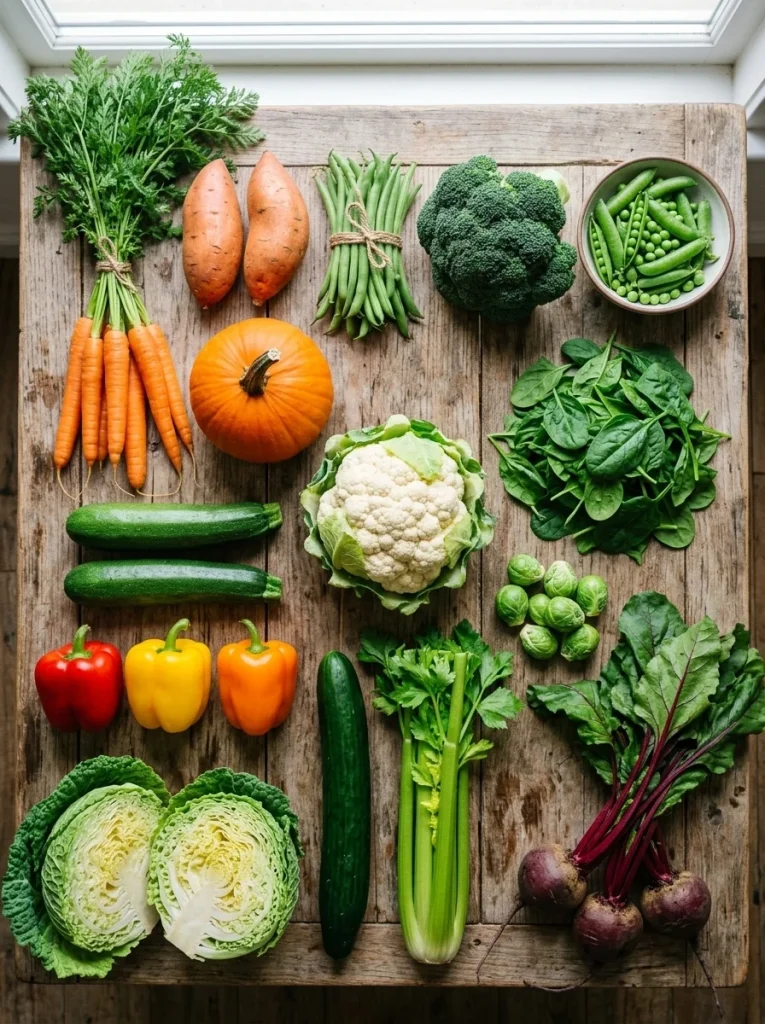
Below is a complete breakdown of the 15 best vegetables for dogs. Each one includes its nutrition profile, health benefits, and how to serve it safely.
1. Carrots
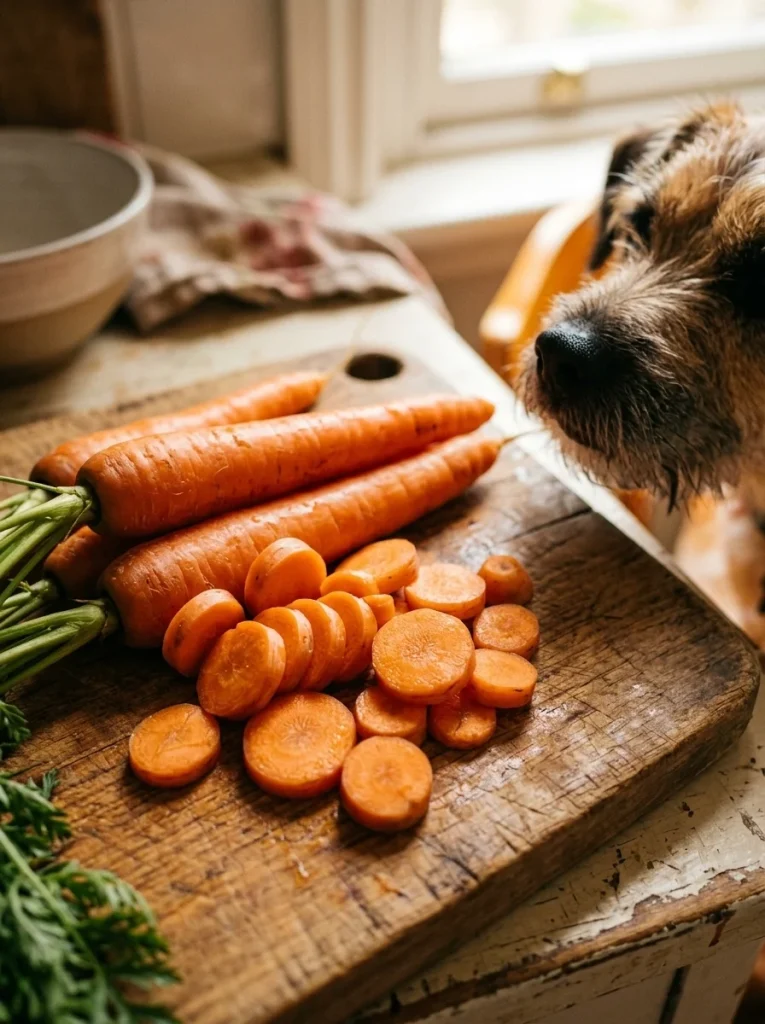
Nutrition: Carrots are packed with beta-carotene, which the body converts into vitamin A. They also contain fiber, potassium, vitamin K, and small amounts of natural sugar, all while staying nearly fat-free. A single medium carrot has very few calories, which makes it an easy vegetable to feed often without worrying about weight gain.
Benefits: Carrots support eye health because vitamin A plays a role in retinal function. The crunchy texture also helps scrape plaque and food debris off your dog’s teeth as they chew, working almost like a natural toothbrush. On top of that, the fiber content supports steady digestion, and the vitamin A boosts immune function and skin health over time.
How to serve: Offer them raw or lightly steamed. Raw carrots double as a natural teeth-cleaning snack, and most dogs enjoy the crunch. Steaming makes them softer and easier to digest for smaller dogs, puppies, or seniors with weaker teeth. Always cut carrots into appropriately sized pieces, since whole baby carrots can be a choking risk for small breeds.
2. Sweet Potatoes
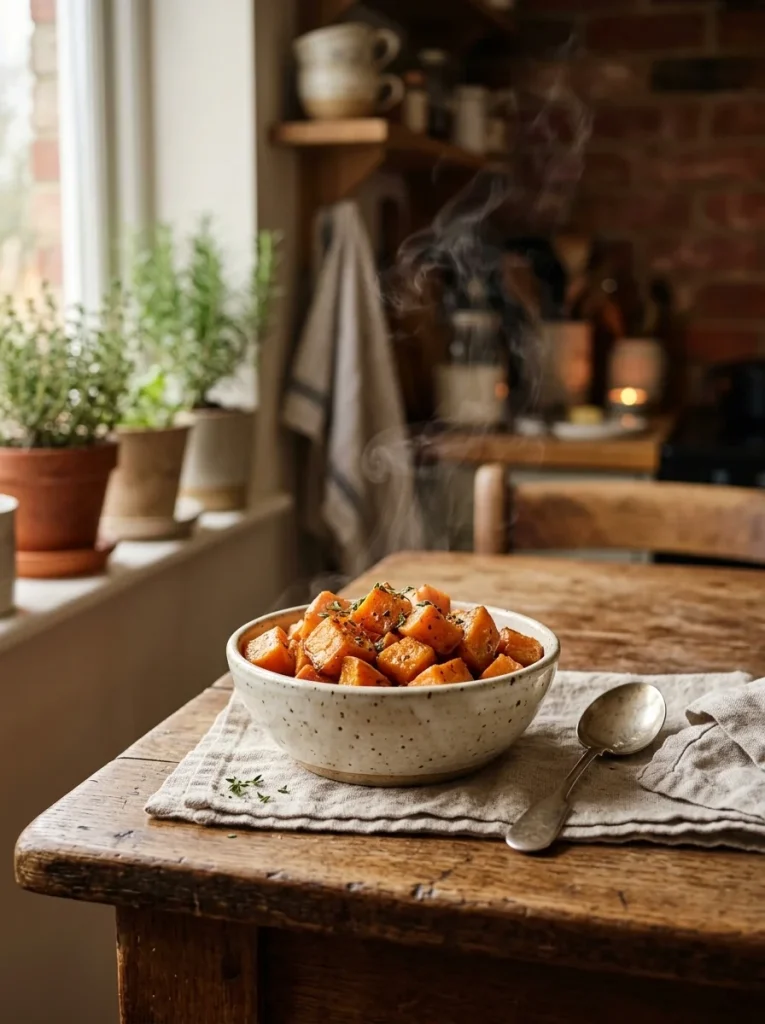
Nutrition: Sweet potatoes are rich in fiber, vitamin C, vitamin B6, and potassium. They also contain complex carbohydrates, which release energy slowly instead of causing a quick spike and crash. Their natural orange color comes from beta-carotene, the same antioxidant found in carrots.
Benefits: They support digestion by feeding healthy gut bacteria, and their anti-inflammatory compounds may help dogs dealing with joint stiffness or general inflammation. Because the carbohydrates digest slowly, sweet potatoes also give dogs long-lasting energy, which is especially useful for active or working dogs. The potassium content supports proper muscle and heart function as well.
How to serve: Always cook sweet potatoes first. Never serve them raw, since raw sweet potato is hard to digest and can cause an upset stomach. Cut into small, soft cubes with no added butter, salt, sugar, or seasoning. Baking or steaming works better than frying, which adds unnecessary fat.
3. Green Beans
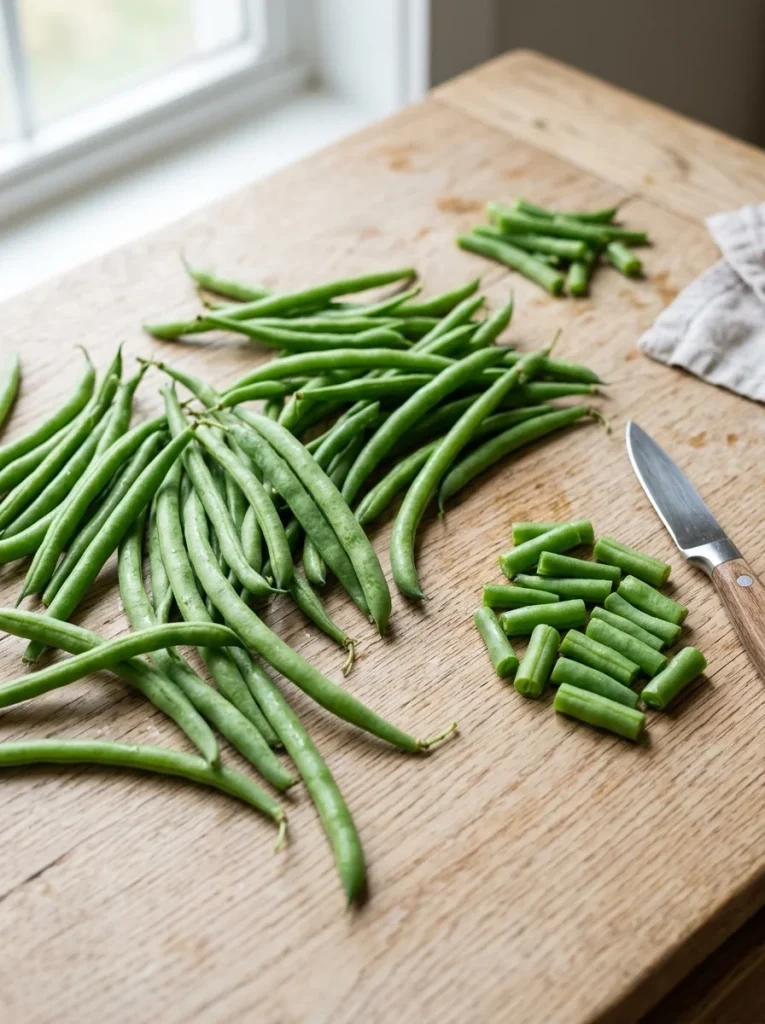
Nutrition: Green beans are extremely low in calories but high in fiber, vitamin C, vitamin K, and manganese. They also contain a small amount of plant-based protein and folate, making them a surprisingly well-rounded vegetable for something so light.
Benefits: They’re one of the best vegetables for weight control because they fill a dog up without adding many calories, which is why many vets recommend swapping treats for green beans in overweight dogs. They also support healthy digestion and bone strength thanks to their vitamin K content, and their high water content helps with hydration.
How to serve: Fresh or steamed works best, and raw green beans are also safe as long as they’re cut small enough to chew comfortably. If using canned green beans, choose the no-salt-added variety only, since regular canned vegetables often contain more sodium than a dog should have.
4. Pumpkin
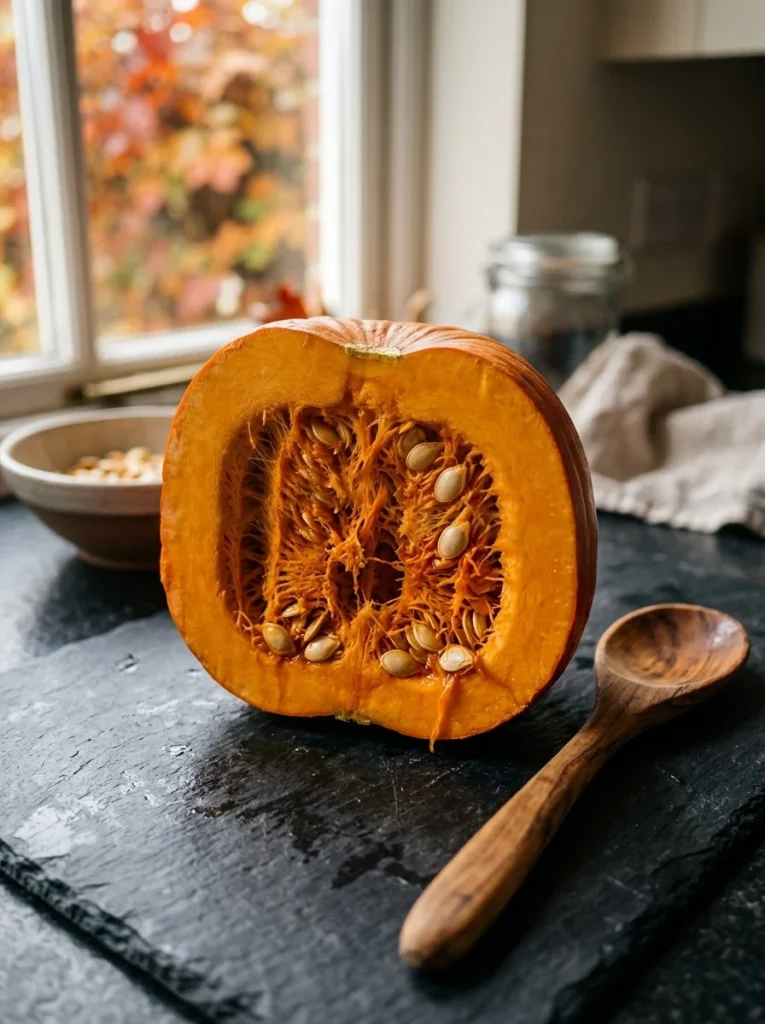
Nutrition: Pumpkin is loaded with fiber, beta-carotene, potassium, and vitamin C. It also contains small amounts of iron and magnesium, and its high water content helps keep dogs hydrated, especially in warmer months.
Benefits: This is one of the top vegetables for digestive support. It helps with both diarrhea and constipation because of its soluble fiber content, which regulates how quickly food moves through the digestive tract. Many vets recommend a spoonful of plain pumpkin for dogs with mild digestive upset. It may also support urinary tract health and gives dogs a healthy, shiny coat over time.
How to serve: Use only plain, cooked pumpkin puree. Never use pumpkin pie filling, which contains added sugar, nutmeg, and other spices that aren’t safe for dogs. Start with a small amount, around a teaspoon for small dogs, and increase gradually based on your dog’s size and tolerance.
5. Broccoli
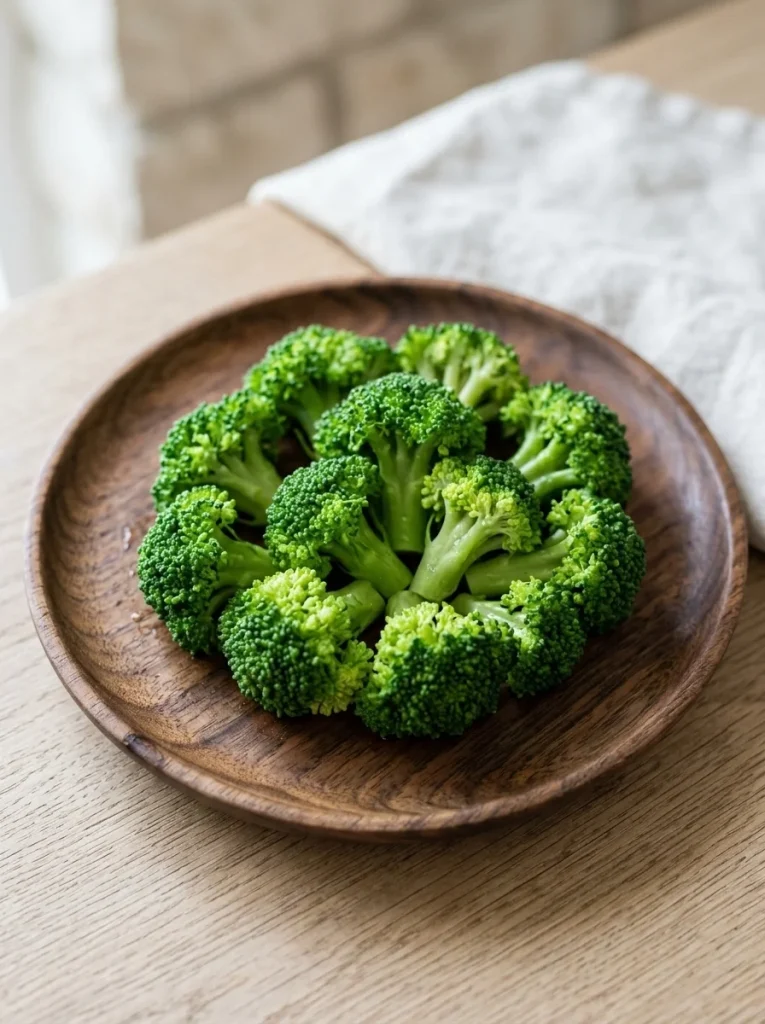
Nutrition: Broccoli contains vitamin C, vitamin K, vitamin A, folate, and antioxidants like sulforaphane. It’s also a source of calcium and fiber, making it one of the more nutrient-dense vegetables on this list.
Benefits: It supports the immune system thanks to its high vitamin C content, and may help with the body’s natural detox processes through its antioxidant compounds. The fiber also supports digestion, and some research suggests the plant compounds in broccoli may have anti-inflammatory properties.
How to serve: Serve only in small amounts, ideally no more than 10% of a meal. Too much broccoli can cause stomach irritation or gas because of its natural fiber and sulfur compounds. Cut into small florets and steam lightly before feeding, and avoid the tough stalk, which can be harder to chew and digest.
6. Peas
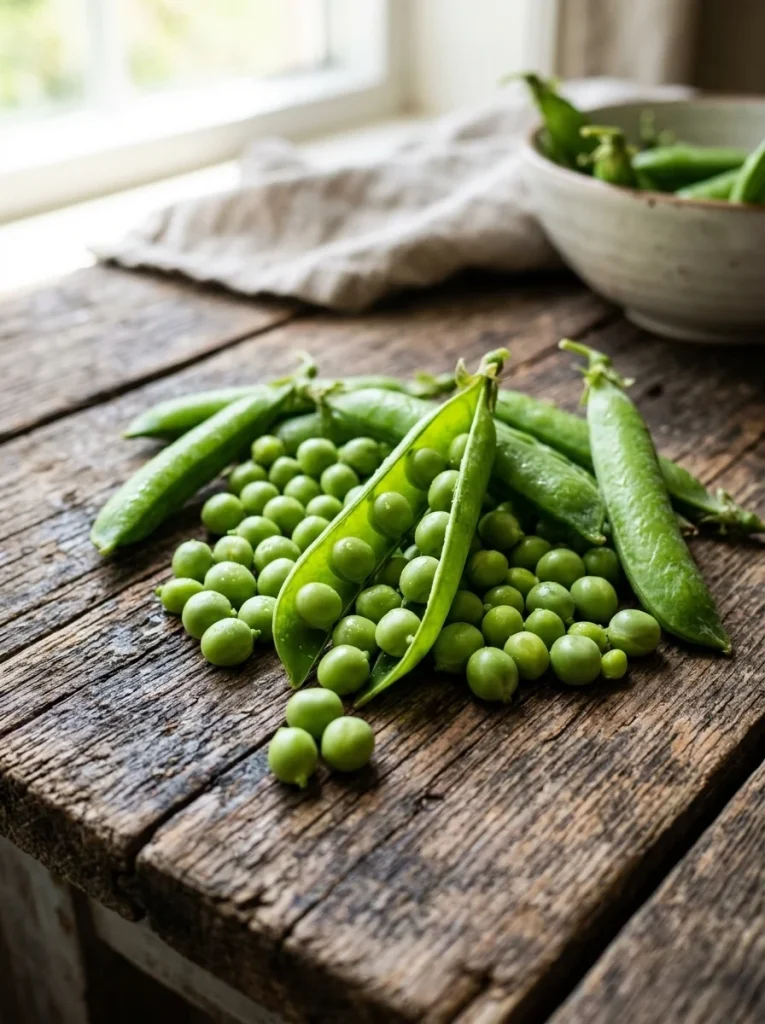
Nutrition: Peas offer plant-based protein, fiber, vitamin A, vitamin K, thiamine, and phosphorus. They also contain lutein and zeaxanthin, two antioxidants known for supporting eye health.
Benefits: They support muscle health thanks to their protein content and provide a gentle, natural energy boost from their small amount of sugar. Peas also support heart health because their fiber can help regulate cholesterol, and the lutein content is especially good for maintaining healthy vision as dogs age.
How to serve: Fresh or frozen (thawed) peas are ideal, and cooked peas work fine too. Skip canned peas since they usually contain added sodium. Peas are small enough to feed as-is for most dogs, but mash them for very small breeds or puppies.
7. Zucchini
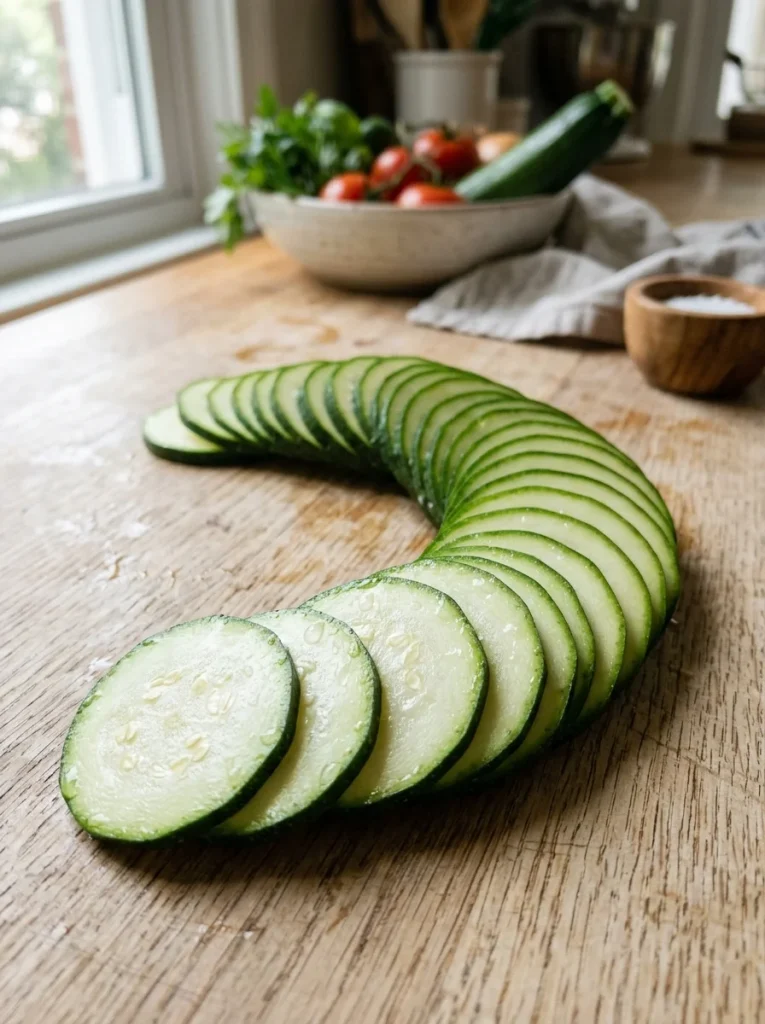
Nutrition: Zucchini is over 90% water and very low in calories, but it still offers vitamin C, potassium, and small amounts of fiber and antioxidants.
Benefits: It helps keep your dog hydrated, especially during hot weather or after exercise. It’s also a smart choice for dogs that need to lose weight, since it adds volume to meals without adding meaningful calories. The potassium supports heart and muscle function, and the antioxidants may help protect cells from damage.
How to serve: Serve raw or lightly cooked in thin slices. Remove the seeds first for easier digestion, especially in older zucchini where the seeds and skin can be tougher. Thin, coin-shaped slices work well as a low-calorie training treat.
8. Cauliflower
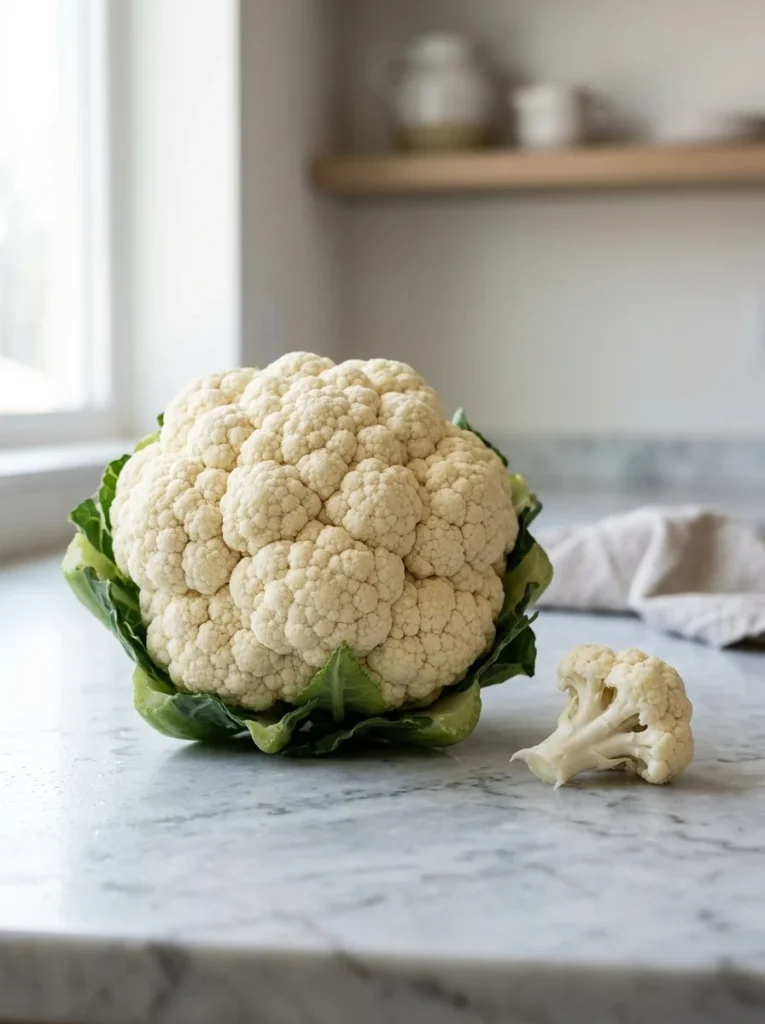
Nutrition: Cauliflower is low in calories and carbohydrates but high in fiber, vitamin C, vitamin K, and choline. It also contains antioxidants that support overall cellular health.
Benefits: It supports digestion thanks to its fiber content and may help maintain stable blood sugar levels because of its low glycemic impact. The choline in cauliflower also plays a role in brain function, which can be especially helpful for senior dogs.
How to serve: Steam lightly and cut into small florets to make it easier to chew and digest. Avoid seasoning of any kind, especially garlic powder or ranch-style seasoning blends, which are common on cauliflower dishes made for humans but are unsafe for dogs.
9. Spinach
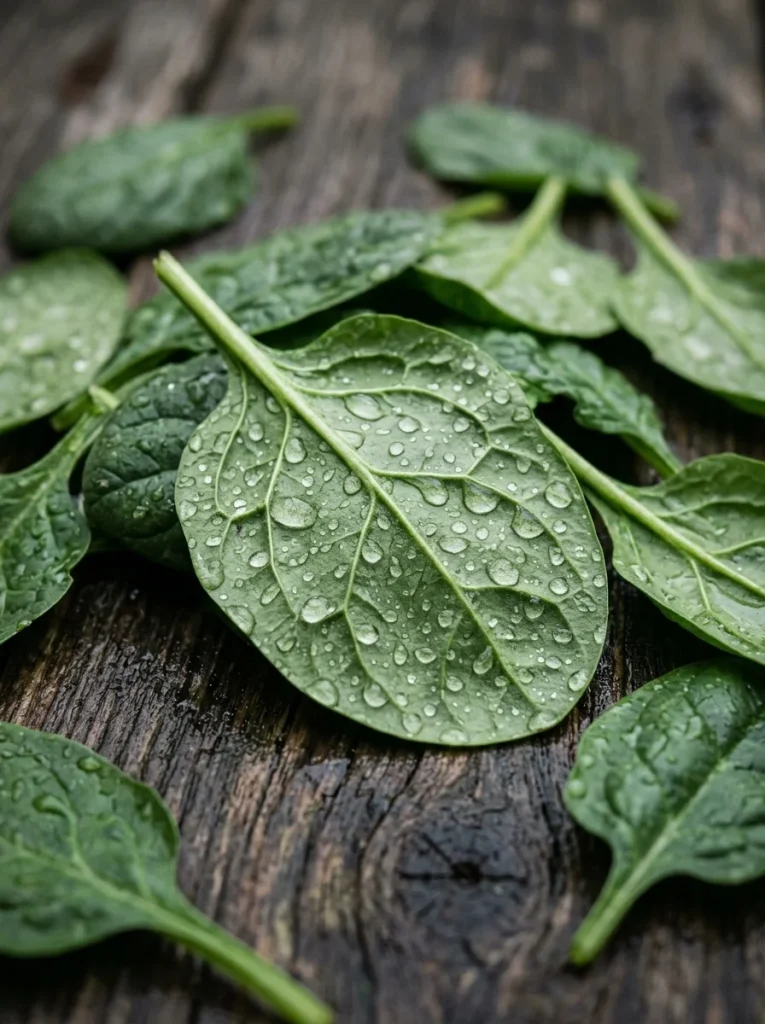
Nutrition: Spinach is rich in iron, folate, vitamin K, vitamin A, and several antioxidants. It also contains nitrates, which some studies suggest may support healthy blood flow.
Benefits: It supports healthy blood cells because of its iron content and strengthens bones through its vitamin K. The antioxidants in spinach also help fight free radical damage, which supports long-term cellular health, and the folate assists with normal energy production at the cellular level.
How to serve: Serve in small amounts only. Spinach contains oxalates, which can interfere with calcium absorption and affect kidney function if fed in large quantities over time. A few lightly steamed leaves mixed into a meal is plenty, and this isn’t a vegetable to feed daily in large portions.
10. Brussels Sprouts
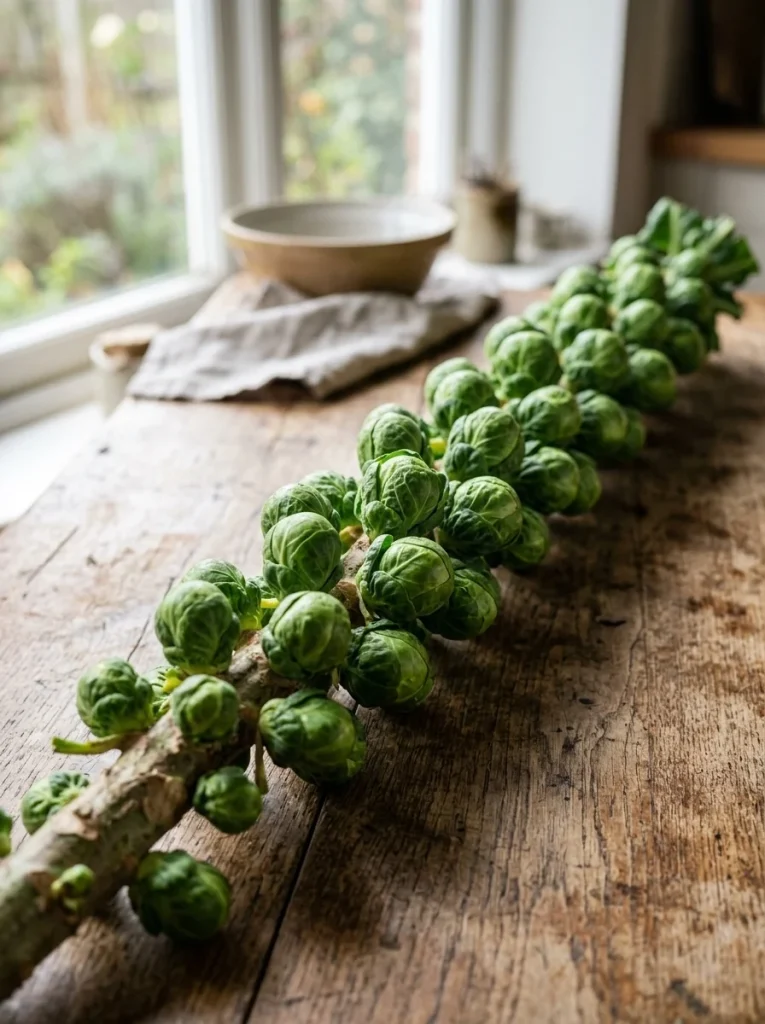
Nutrition: These are high in fiber, vitamin K, vitamin C, folate, and manganese, along with a range of antioxidants that support overall health.
Benefits: Brussels sprouts support digestion and bone health, and their antioxidants may help reduce inflammation throughout the body. The vitamin K content in particular supports proper blood clotting and bone density, making this a surprisingly nutrient-dense choice for such a small vegetable.
How to serve: Cook lightly before serving, and keep portions small. Too many can cause gas and bloating because of their natural sulfur compounds, so start with just half a sprout for small dogs and monitor how they react before increasing the amount.
11. Bell Peppers
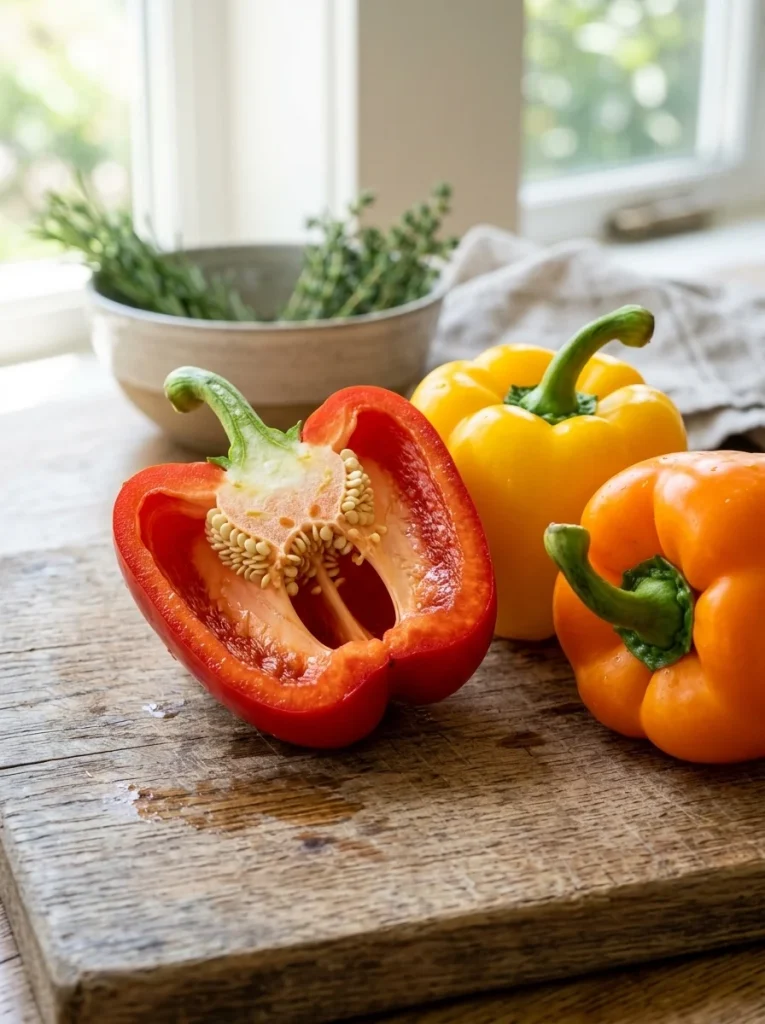
Nutrition: Bell peppers, especially red ones, are rich in vitamin C and antioxidants, along with a decent amount of fiber and vitamin A. Red peppers actually contain more vitamin C than oranges, which makes them a genuinely powerful addition.
Benefits: They support immune health and skin health without adding many calories, and their antioxidants may help protect against cell damage over time. Many dogs also enjoy the slightly sweet crunch, which makes bell peppers an easy vegetable to introduce even to picky eaters.
How to serve: Remove the seeds and stem completely, since these parts can be harder to digest, then serve raw or steamed in small, thin strips. Stick to red, yellow, or orange peppers rather than green, which are less ripe and slightly more bitter.
12. Cucumber
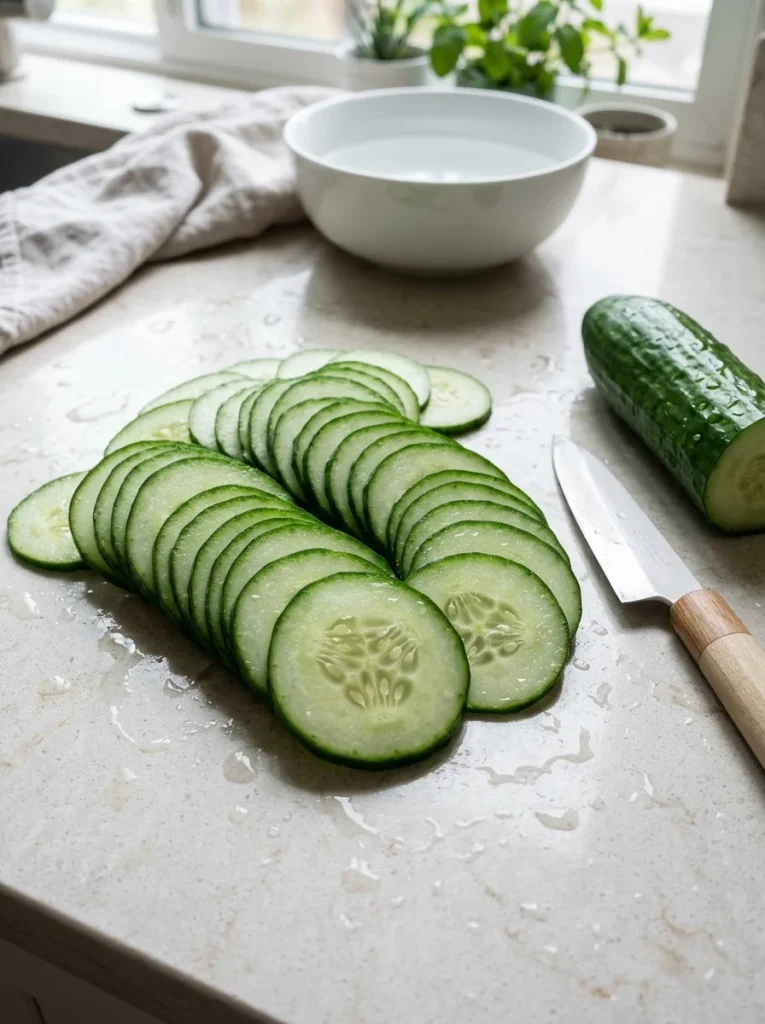
Nutrition: Cucumbers are mostly water with small amounts of vitamin K, vitamin C, and potassium. They contain almost no fat, protein, or sugar, making them one of the lightest vegetables on this list.
Benefits: They’re one of the lowest-calorie treats you can give a dog, making them perfect for overweight dogs or hot days when hydration matters most. The crunch also gives dogs the satisfying chew they look for in a treat, without the extra calories that come with typical store-bought snacks.
How to serve: Slice into thin rounds or small sticks. No peeling required, but wash thoroughly first to remove any wax coating or pesticide residue, especially if the cucumber isn’t organic.
13. Celery
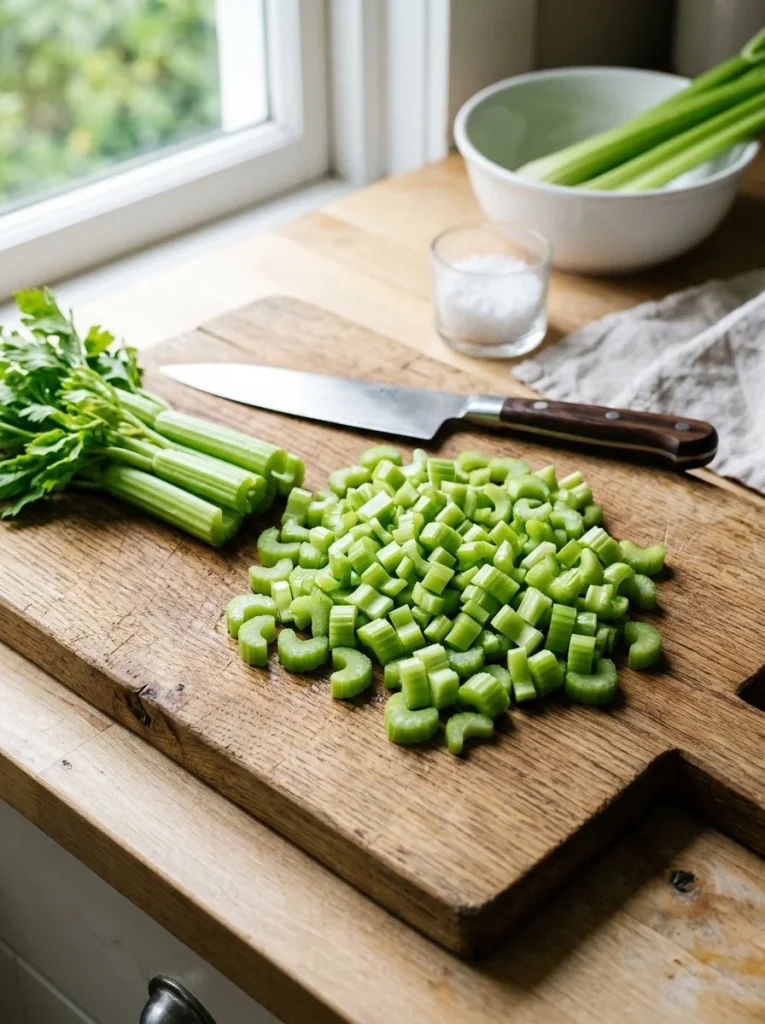
Nutrition: Celery contains vitamins A, C, and K, plus a good amount of water and fiber. It also has small amounts of folate and potassium.
Benefits: It freshens breath, which many owners notice fairly quickly after adding it to their dog’s routine, and it supports hydration thanks to its high water content. It’s also very low in calories, making it another solid option for dogs that need to watch their weight.
How to serve: Cut into small pieces to avoid a choking hazard, especially for small dogs and puppies. Remove any tough, stringy fibers first, since these can get caught in a dog’s teeth or throat and are harder to digest than the rest of the stalk.
14. Beets
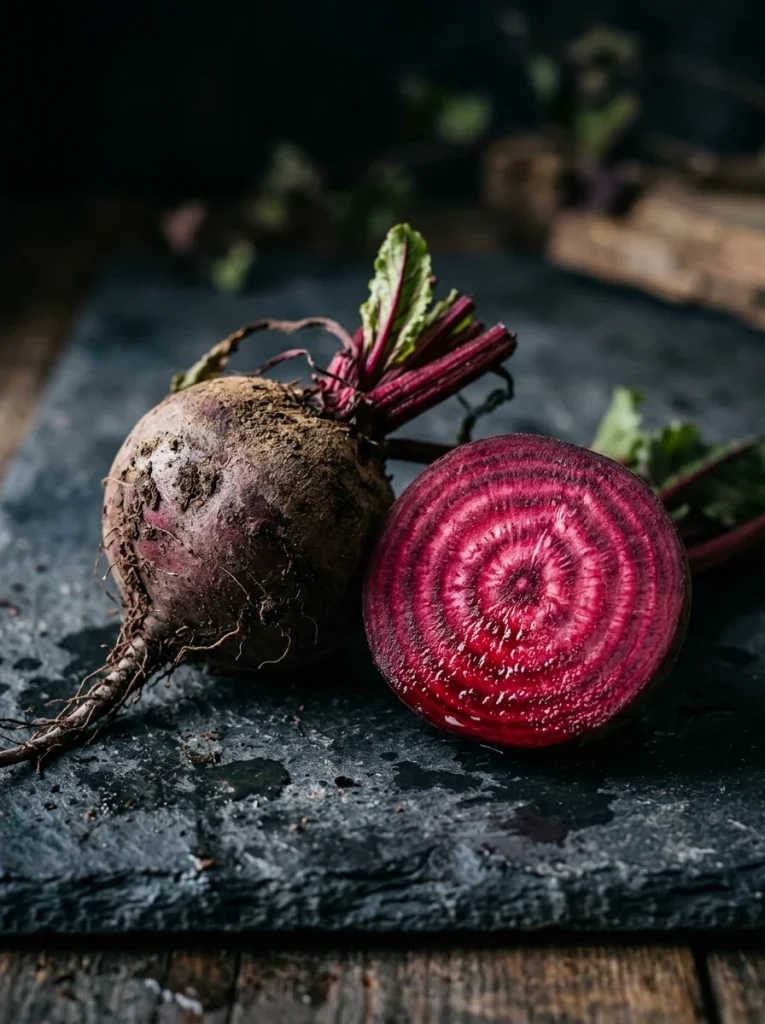
Nutrition: Beets contain fiber, folate, manganese, and potassium, along with natural plant pigments called betalains that act as antioxidants.
Benefits: They support digestive health thanks to their fiber content and provide a mild source of natural sugar for energy. The antioxidants in beets may also support overall cellular health, and the folate content contributes to normal metabolic function.
How to serve: Cook and chop into small pieces to make them easier to chew and digest. Feed in moderation, since beets can temporarily change the color of your dog’s urine or stool. This is completely harmless, but it can be alarming if you don’t know to expect it beforehand.
15. Cabbage
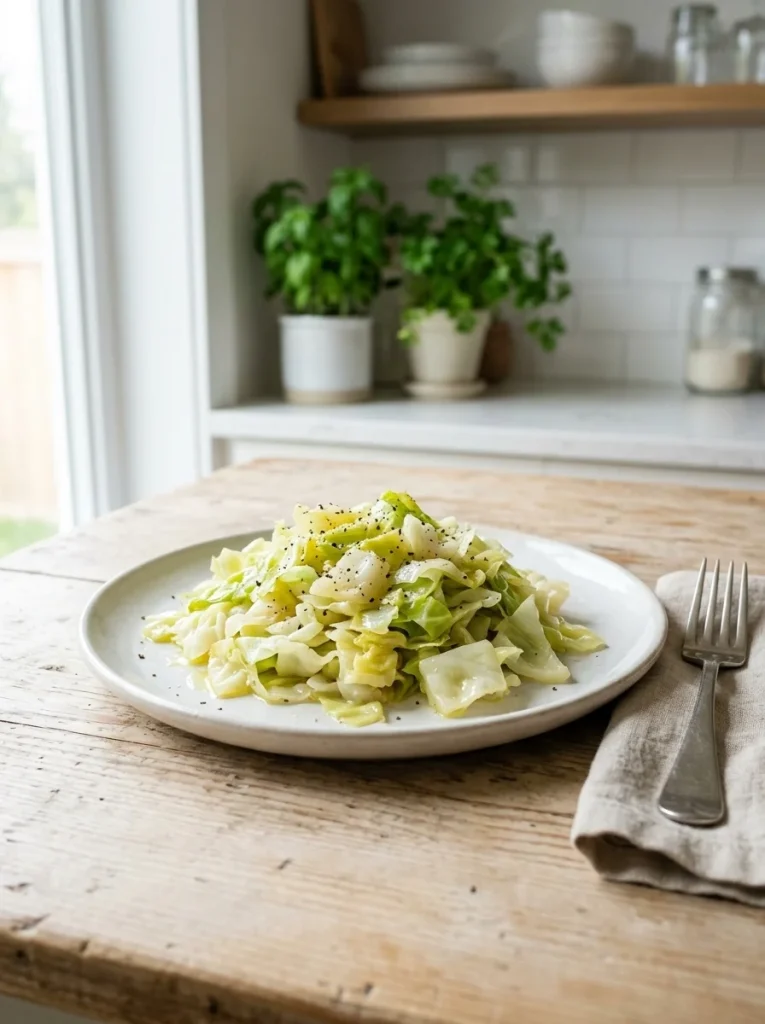
Nutrition: Cabbage is rich in vitamin K, vitamin C, and fiber, and it also contains antioxidants known as polyphenols that support overall health.
Benefits: It supports digestion through its fiber content and contains antioxidants that may help fight cell damage over time. Cabbage is also low in calories, so it can be a useful addition for dogs that are managing their weight alongside other vegetables on this list.
How to serve: Serve cooked and in small amounts. Like broccoli and Brussels sprouts, too much cabbage can cause gas due to its natural sulfur compounds, so it’s best introduced slowly and kept as an occasional addition rather than a daily staple.
Serving Size Chart by Dog Weight
Portion size is just as important as picking the right vegetable. Too much of even a healthy vegetable can cause an upset stomach.
Use this general chart as a starting point:
| Dog’s Weight | Serving Size (per vegetable, per day) |
|---|---|
| Under 10 lbs | 1–2 teaspoons to 1 tablespoon |
| 10–25 lbs | 1–2 tablespoons |
| 25–50 lbs | 2–3 tablespoons |
| 50+ lbs | 3–4 tablespoons |
This is a general guideline, not an exact science. Every dog is different. Always introduce a new vegetable in a small amount first, then adjust based on how your dog reacts.
As a rule of thumb, vegetables and other extras should never make up more than 10% of your dog’s total daily diet. The other 90% should come from a complete and balanced dog food.
5 Vegetables Dogs Should Never Eat
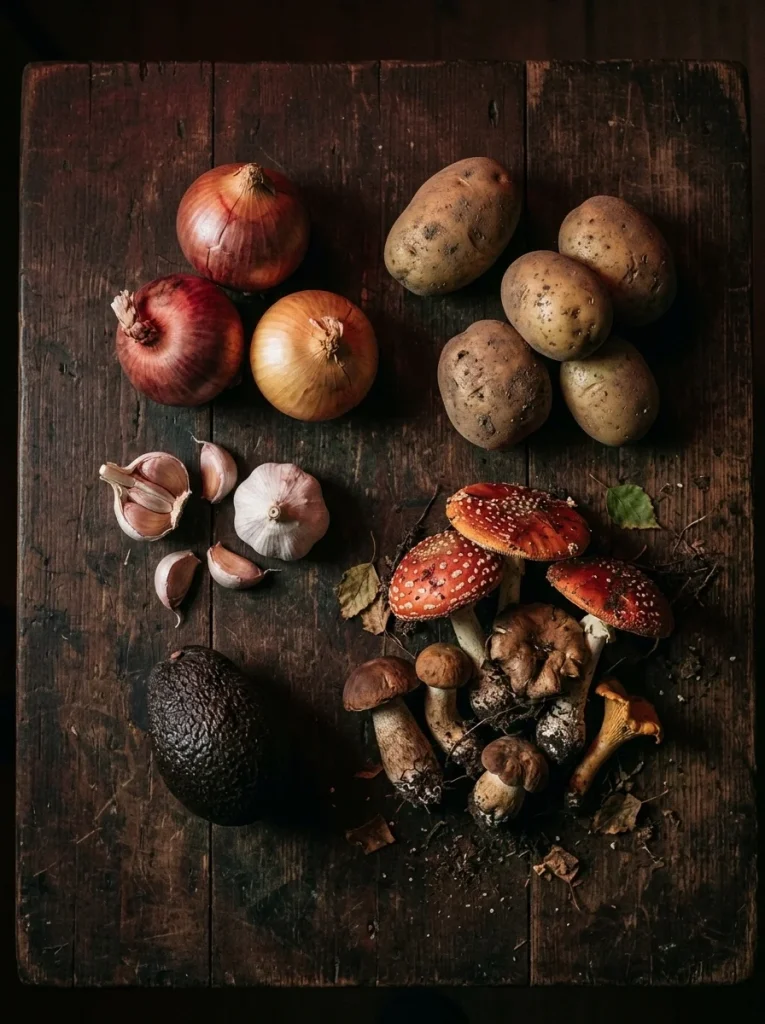
Knowing the best vegetables for dogs is only half the picture. It’s just as important to know which ones are dangerous.
1. Onions
Onions contain compounds that can damage a dog’s red blood cells. This can lead to a dangerous condition called hemolytic anemia. This applies to raw, cooked, and powdered onions.
2. Garlic
Garlic is part of the same plant family as onions and carries similar risks. Even small amounts, especially in garlic powder form, can be toxic over time.
3. Raw Potatoes
Raw potatoes and potato plants contain solanine, a compound that’s toxic to dogs. Cooked, plain potatoes in small amounts are generally fine, but raw ones should be avoided entirely.
4. Avocado
Avocado contains a substance called persin. While it affects some animals more than others, it can still cause vomiting and stomach upset in dogs. The pit is also a serious choking and blockage hazard.
5. Wild Mushrooms
Not all mushrooms are dangerous, but many wild varieties are highly toxic to dogs and can cause symptoms ranging from vomiting to seizures. Unless you know exactly what kind of mushroom it is, it’s safest to keep your dog away from any mushrooms found outdoors.
If your dog ever eats something questionable and starts showing unusual symptoms like excessive licking, vomiting, or lethargy, contact your veterinarian right away.
How to Safely Introduce New Vegetables to Your Dog
Adding vegetables to your dog’s diet should be a slow, careful process. Rushing it is the most common mistake owners make.
Start with One Vegetable at a Time
Introduce only one new vegetable at a time. This makes it much easier to identify the cause if your dog has a reaction.
Watch for Reactions
After feeding a new vegetable, keep an eye out for:
- Vomiting
- Diarrhea
- Excessive gas
- Itching or skin irritation
If any of these happen, stop feeding that vegetable and talk to your vet.
Keep Portions Small
Even safe vegetables can cause problems in large amounts. Stick to the 10% rule mentioned earlier, and use the serving chart as your starting guide.
Preparation Tips
A few simple habits make vegetables safer and easier for your dog to digest:
- Wash all vegetables thoroughly before serving
- Never add salt, oil, butter, or seasoning
- Cut vegetables into small, bite-sized pieces to avoid choking
- Cook harder vegetables like sweet potatoes and Brussels sprouts to make them easier to chew and digest
Best Vegetables by Dog’s Life Stage
Not every dog has the same nutritional needs. A puppy, an adult dog, and a senior dog can all benefit from vegetables in slightly different ways.
Puppies
Puppies have sensitive digestive systems, so soft, well-cooked vegetables in tiny amounts work best. Steamed carrots, peas, and small bits of sweet potato are good starting points. If you’re setting up a full diet plan for a new puppy, it’s worth reviewing general puppy veterinary needs as well, so vegetables fit into a bigger, balanced routine.
Adult Dogs
Adult dogs can typically handle the full range of vegetables on this list, as long as portions stay within the 10% guideline. This is the best stage to experiment and find out which vegetables your dog actually enjoys.
Senior Dogs
Older dogs often benefit most from fiber-rich, easy-to-digest vegetables like pumpkin, zucchini, and cooked carrots. These support digestion and joint health without adding unnecessary calories, which matters more as activity levels naturally slow down.
Simple Ways to Work Vegetables Into Your Dog’s Routine
You don’t need a complicated plan to start adding vegetables to your dog’s meals. Here are a few easy methods:
- Mix them into regular food. Chop or puree vegetables and stir them into your dog’s usual meal.
- Use them as training treats. Small carrot or green bean pieces work great as low-calorie rewards.
- Freeze them for hot days. Frozen peas or cucumber slices make a refreshing summer snack.
- Rotate vegetables weekly. This keeps meals interesting and helps you learn your dog’s preferences.
If you’re setting up a dedicated space for feeding and treats at home, a well-organized dog feeding station can make it much easier to portion out vegetables consistently every day. And if you’re comparing store-bought snack options against homemade vegetable treats, it’s worth checking whether common snacks like Cheerios are actually safe for dogs before mixing them into your dog’s routine.
Final Thoughts
Vegetables are far more than filler. When chosen and served correctly, they can genuinely improve your dog’s digestion, immune system, and overall energy levels.
Start small. Pick one or two vegetables from this list, watch how your dog reacts, and build from there. Over time, you’ll find a rotation of vegetables your dog loves and that fit easily into their daily routine.
And remember: the goal isn’t to replace your dog’s regular food. It’s to add safe, healthy variety on top of a balanced diet, one carrot or green bean at a time.

Izzy is an experienced ranch worker who has a passion for exploring nature and getting up close to wildlife. With her connections to various animal organizations, Izzy is well-versed in animal care and rehabilitation.


