Frozen Cucumber Dog Treats: The Ultimate Cooling Recipe Guide
When the temperature climbs and your dog is panting on the kitchen floor, frozen cucumber dog treats are one of the easiest ways to cool them down fast. These treats are made from simple, dog-safe ingredients, they take just minutes to prepare, and most recipes need nothing more than a blender and a mold. Cucumbers are naturally low in calories and mostly made of water, which makes them a smart base for a frozen snack that won’t upset your dog’s stomach or waistline.
Below you’ll find a dairy-free lead recipe, a classic yogurt-based version, five different ways to shape and serve these treats, three tasty flavor twists, and simple storage tips. Grab your blender and let’s get started.
Cucumber & Coconut Water Ice Treats (Best Dairy-Free Option)
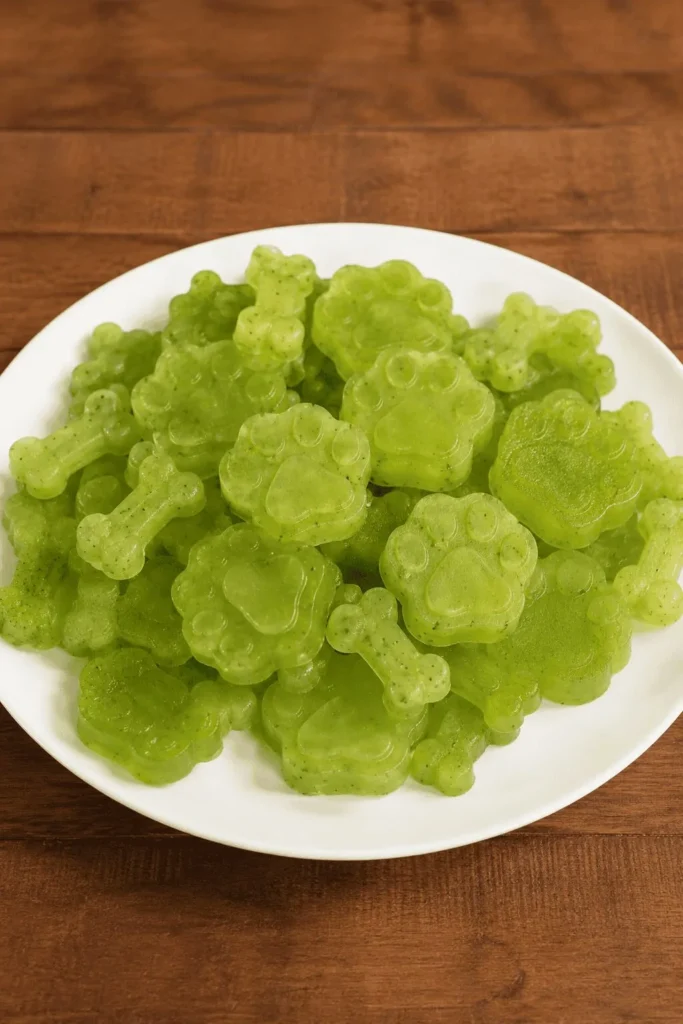
If your dog is sensitive to dairy, or you just want the lightest, most hydrating treat possible, this is the recipe to start with. It uses only two ingredients and skips yogurt entirely, which makes it a safe pick for pups with sensitive stomachs. It’s also the fastest recipe in this whole guide, since there’s no thickening or texture balancing to worry about.
Ingredients
Fresh cucumber and coconut water are the only two things you need for the base version. The cucumber brings crunch and a mild, refreshing flavor, while coconut water adds natural electrolytes that help support hydration on hot days. You’ll need one medium cucumber, chopped, and one cup of unsweetened coconut water. This makes about 12 to 16 small treats, depending on the size of your mold.
Instructions
Making these treats is simple, and the whole process takes about 5 minutes of hands-on prep. Chop the cucumber into rough chunks so it blends easily, then add it to a blender along with the coconut water. Blend until the mixture is completely smooth with no chunks left, which usually takes 20 to 30 seconds on a standard blender. Pour the liquid into silicone molds, filling each cavity most of the way to the top, and gently tap the tray on the counter to release trapped air. Place the molds flat in the freezer and let them freeze solid, which typically takes 3 to 4 hours for smaller molds. Once solid, pop the treats out and either serve right away or transfer them into a storage container.
Why It Works So Well in Heatwaves
Both cucumber and coconut water are made up mostly of water, so this combination does double duty as a snack and a hydration boost. It’s especially handy during heatwaves or after a long walk, when your dog’s fluid levels need a little extra support. Because there’s no dairy at all, it’s also a great fallback for dogs that don’t tolerate yogurt well, or for owners who simply prefer to keep treats plant-based. Many dog owners keep a batch of these in the freezer specifically for the hottest stretch of summer, since they melt into a light, drinkable slush if left out for a few minutes, which some dogs enjoy just as much as the solid version.
One helpful note here: always use plain, unsweetened coconut water only. Flavored or sweetened versions sold at grocery stores sometimes contain added sugar, artificial flavoring, or other ingredients that aren’t meant for dogs. Reading the label before you buy saves you from having to start over with a different bottle.
Master Cucumber & Yogurt Frozen Dog Treat Recipe
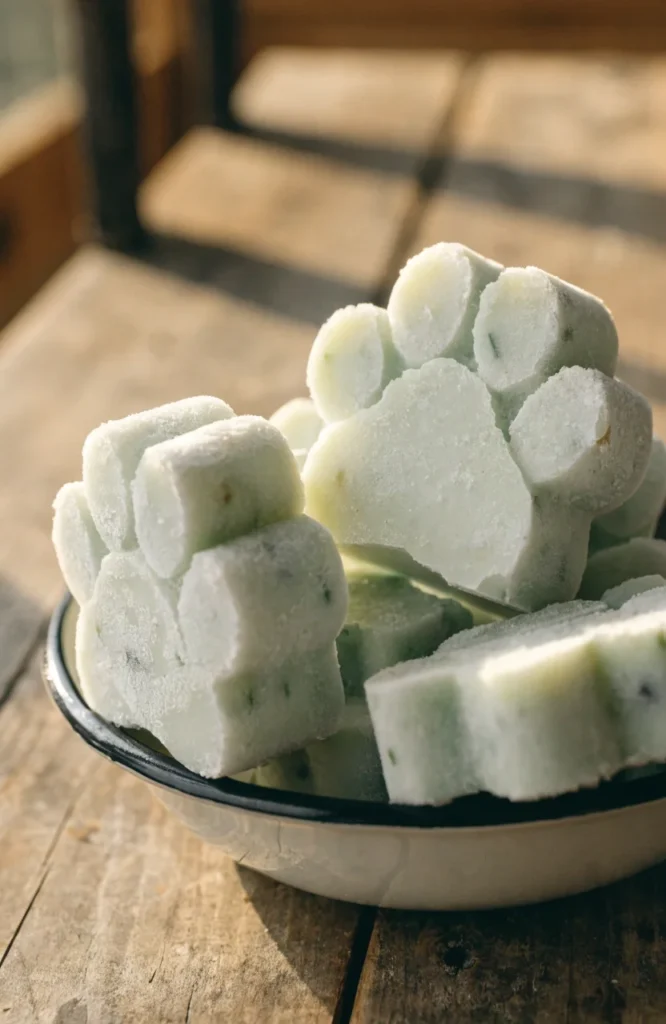
This is the recipe most dog owners reach for first, and for good reason. The yogurt adds a creamy texture and a boost of probiotics, while the cucumber keeps things light and hydrating. It’s the treat to master before trying any of the variations further down, since nearly every flavor twist in this article builds on this same base.
Ingredients
You’ll need one medium cucumber, peeled and chopped, one cup of plain, unsweetened yogurt (regular or Greek both work), and one to two tablespoons of water, used only if the mixture needs thinning. This batch makes roughly 16 to 20 small treats, and the whole process takes about 10 minutes of prep time before freezing.
Instructions
Start by peeling the cucumber if you prefer a smoother texture, though this step is optional if your dog doesn’t mind the skin. Chop it into chunks small enough for your blender to handle easily. Add the cucumber and yogurt to the blender and blend until smooth, scraping down the sides once or twice if needed. If the mixture seems too thick to pour easily, add a splash of water at a time and blend again until it reaches a pourable consistency. Pour the mixture into silicone molds, tapping the tray gently on the counter to release any air bubbles that might leave gaps in the finished treats. Freeze until solid, usually 3 to 4 hours, though leaving the tray in overnight gives the firmest, most scoopable texture.
Troubleshooting
A few small issues come up often with this recipe, and they’re easy to fix once you know what’s causing them. If your treats turn out icy or watery instead of creamy, the cucumber likely released too much liquid during blending — next time, pat the chopped cucumber dry with a paper towel before adding it to the blender, or switch to a thicker Greek yogurt, which holds together better once frozen. If the treats won’t pop out of the mold cleanly, run the bottom of the tray under warm water for a few seconds before flexing it, which loosens the edges without melting the whole treat. If your dog seems hesitant about the texture or flavor the first time around, try mixing in a spoonful of plain pumpkin puree, which many dogs find more appealing and which also helps the mixture bind together more smoothly during freezing.
It’s also worth noting that yogurt brands vary quite a bit in thickness, so don’t be surprised if you need to adjust the water amount slightly from batch to batch. A thinner yogurt will need less added water, while a very thick Greek yogurt might need a touch more to blend smoothly.
Notes: Always check the yogurt ingredient list for xylitol (sometimes labeled “birch sugar”), which is toxic to dogs even in small amounts. If your dog is new to frozen treats in general, offer a small piece first, the same way you’d introduce any new snack alongside their regular treat rotation, just to make sure it agrees with them before giving a full portion.
5 Ways to Style Your Frozen Cucumber Treats
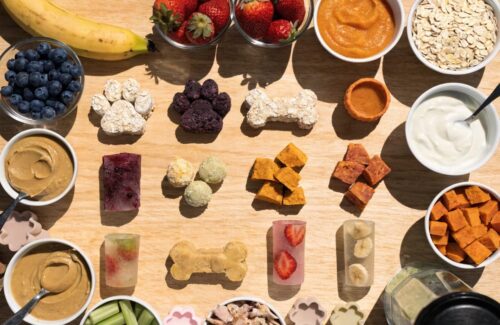
Once you’ve got the base recipe down, the fun part is choosing how to shape and serve it. Different formats aren’t just about looks — some are better suited to small dogs, some work great for training, and others need zero blending at all. Trying a few different formats also keeps things interesting for your dog, since dogs notice texture and shape changes even when the flavor stays the same.
1. Bone & Paw Silicone Molds
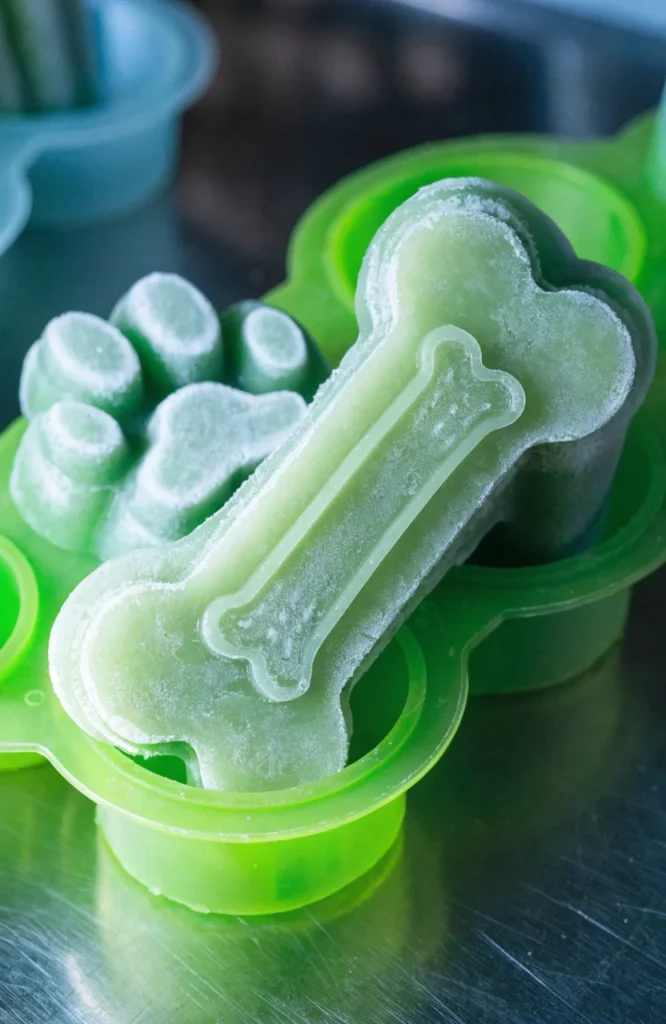
This is the most popular format, and it’s easy to see why. Silicone molds shaped like bones or paw prints turn a simple blended mixture into a treat that looks intentional and fun, which is especially nice if you’re sharing photos of your dog enjoying their snack. Simply pour your blended cucumber mixture into the mold cavities and freeze as usual, following the same timing as the master recipe above. These molds also make portion control easy, since each cavity holds a consistent amount, which is helpful if you’re keeping an eye on your dog’s overall calorie intake. Silicone molds are also reusable for years, so while they cost a little more upfront than a plain ice tray, they tend to pay for themselves over repeated batches.
2. Ice Cube Tray Method
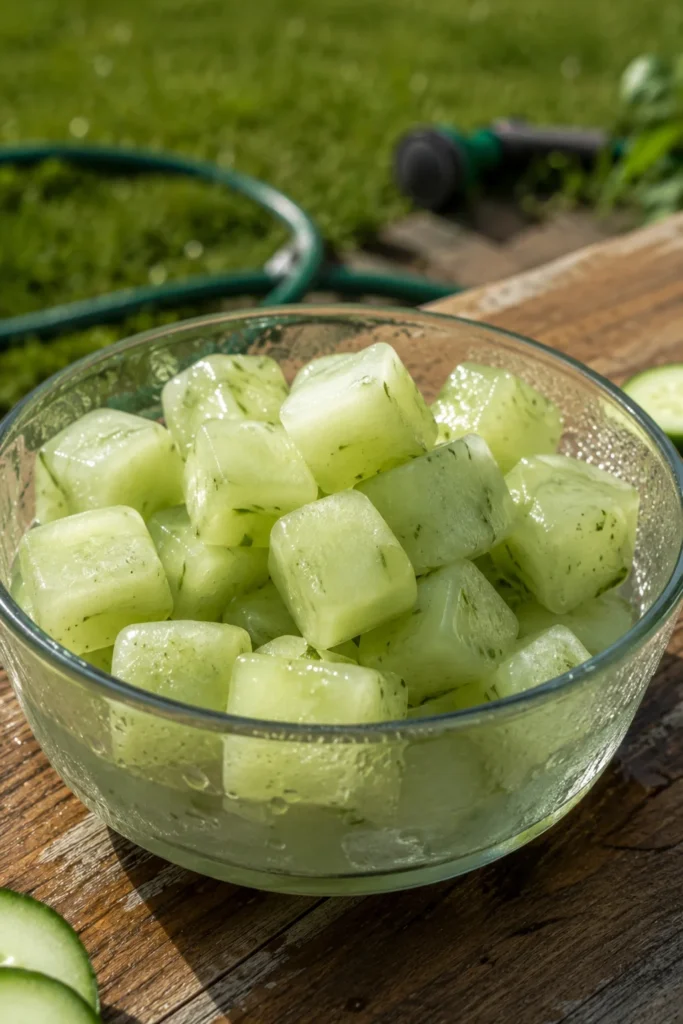
If you don’t own silicone molds, a regular ice cube tray works just as well and gets the job done with equipment almost every kitchen already has. This format produces small, bite-sized cubes that are perfect for smaller dogs, or that can be broken into smaller pieces for larger dogs who might otherwise try to swallow a treat whole. Because ice cube trays are usually made of thinner plastic than silicone molds, they can be a little trickier to pop treats out of, so running the tray under warm water for a few seconds before removing them helps quite a bit.
3. Popsicle Stick “Pupsicles”
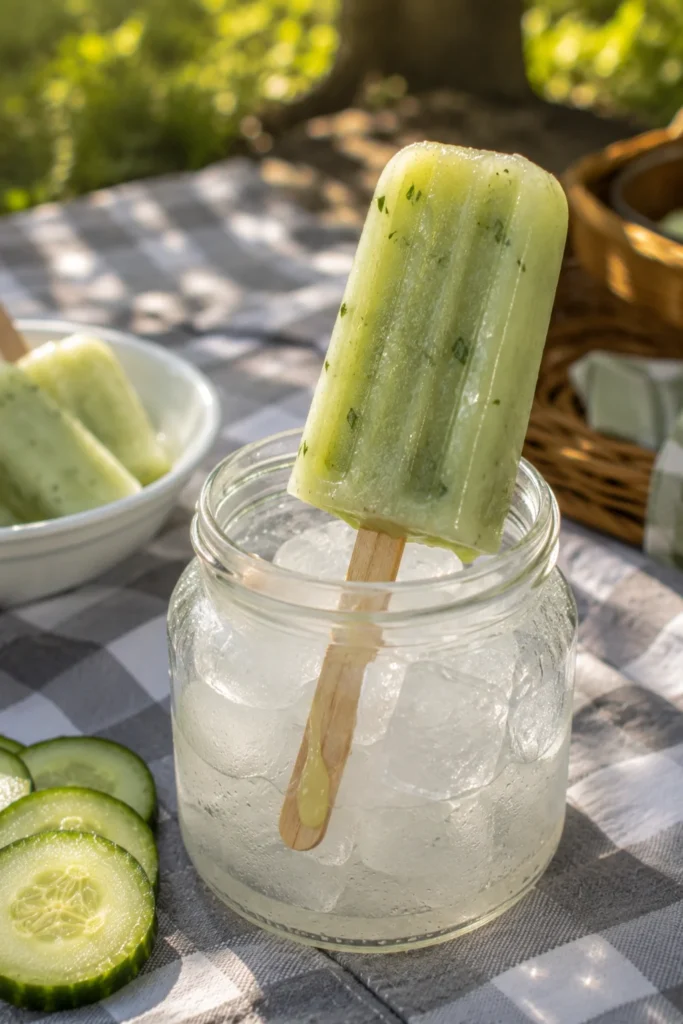
For a treat that lasts longer and gives your dog something to work at, freeze the blended mixture in small paper cups with a dog-safe stick inserted partway through freezing, usually once the mixture has firmed up enough to hold the stick upright, which takes about an hour. Once solid, peel away the paper cup and you’ve got a pupsicle your dog can lick and gnaw on outside, which is ideal for keeping messes off your kitchen floor. This format works especially well for larger dogs, since it takes longer to finish than a small mold-shaped treat, giving them a bit of extended enrichment on a hot afternoon.
4. Whole-Slice Freeze (No Blending Required)
Not every version needs a blender. Simply slice a cucumber into rounds or spears, lay them flat on a baking sheet lined with parchment paper so they don’t stick together, and freeze until solid, which usually takes about 2 hours since there’s no liquid mixture involved. This format keeps more of the cucumber’s natural crunch and is the fastest option when you’re short on time or don’t want to clean a blender. It also works well as an occasional training reward since the pieces are small, easy to hand out, and don’t require any prep beyond slicing.
5. Kabob-Style Frozen Cucumber Skewers
For a more playful presentation, thread frozen cucumber chunks onto a dog-safe silicone skewer or a thick piece of food-safe wood, then freeze the assembled skewer flat until solid. This format works particularly well for enrichment activities, since dogs have to work a bit harder to get each piece off, which keeps them occupied longer than a treat they can swallow in one bite. It’s a good option for dogs who tend to eat too quickly, since the skewer naturally slows them down and turns snack time into a small challenge rather than a two-second gulp.
Flavor Variations on the Base Recipe
Once you’ve made the classic version a few times, these three ingredient swaps let you change up the flavor while keeping the same easy method. Each one starts from the master recipe above, so you don’t need to learn anything new beyond adding one extra ingredient.
1. Mint & Parsley Breath-Fresh Version
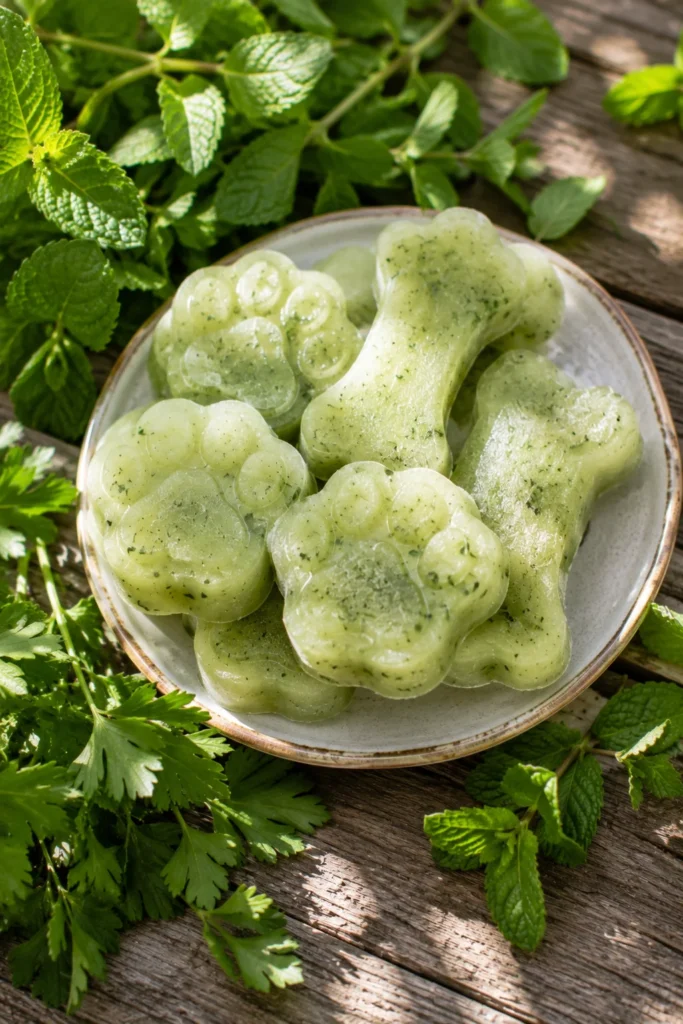
Add a small handful of fresh mint leaves and a sprig of fresh parsley to your blender along with the cucumber and yogurt. Both herbs are known for helping freshen a dog’s breath naturally, and the light herbal flavor pairs nicely with the coolness of the cucumber, making this a good option for dogs who could use a little extra help in the breath department. Use fresh herbs only, never dried or concentrated extracts, and keep the amount small since dogs have far more sensitive taste buds than we do and don’t need much to notice a strong flavor. A tablespoon or two of chopped mint and a small sprig of parsley is usually plenty for a full batch. If the mint flavor comes out too strong on your first try, simply cut the amount in half next time and build up gradually until you find the level your dog enjoys most.
2. Peanut Butter Protein Boost Version
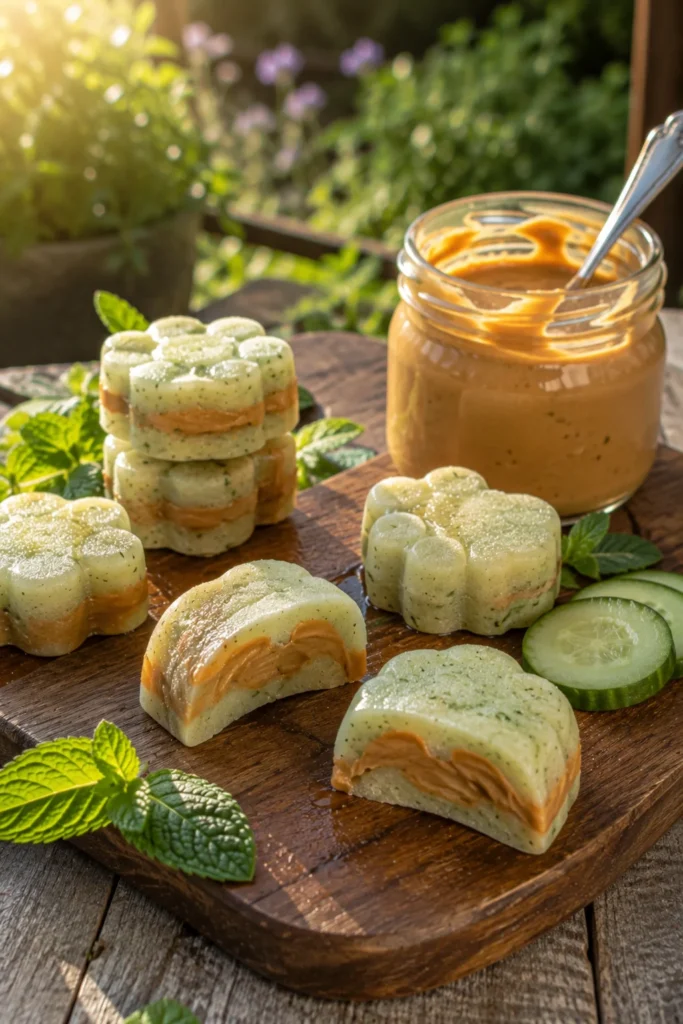
Stir a tablespoon of plain, unsalted peanut butter into your blended cucumber and yogurt mixture before freezing, mixing it in thoroughly so it doesn’t separate once frozen. Make sure to check the label carefully before buying, since some peanut butters contain xylitol as a sweetener, which is dangerous for dogs even in tiny amounts. This version adds a bit of extra protein and a rich, familiar flavor that many dogs find hard to resist, making it a good option if your dog is hesitant about plain cucumber treats or if you’re trying to win over a picky eater. Because peanut butter is more calorie-dense than cucumber or yogurt, it’s a good idea to treat this version as more of an occasional reward rather than a daily snack, especially for smaller dogs.
3. Blueberry & Turmeric Version
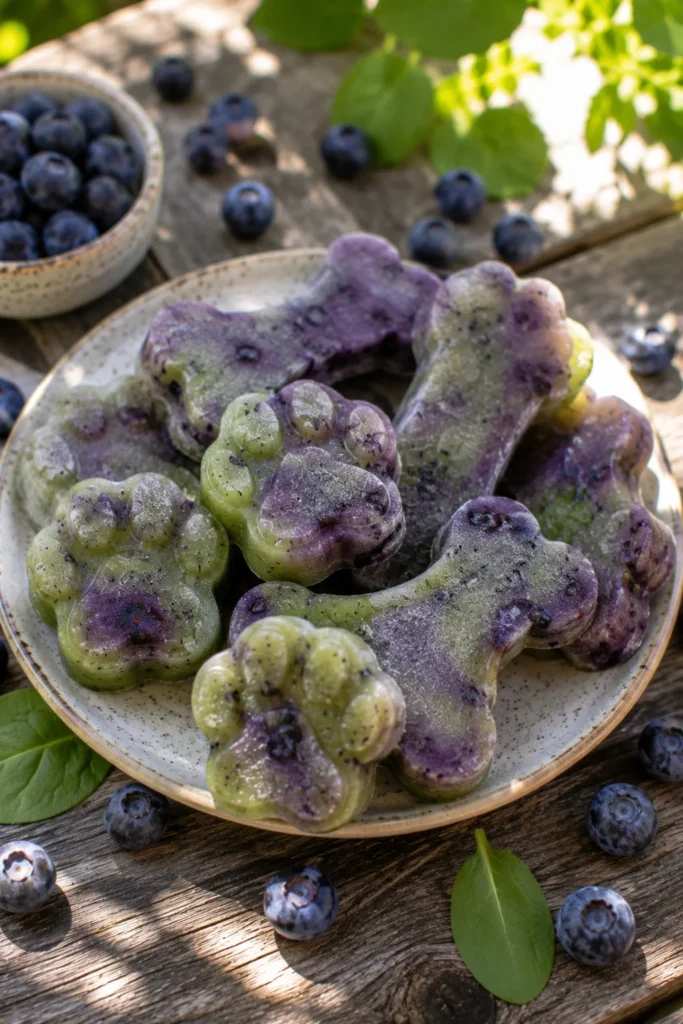
Blend a small handful of fresh or frozen blueberries into the base mixture for a pop of color, natural sweetness, and a boost of antioxidants. A tiny pinch of turmeric can also be added if your dog already has turmeric in their diet, though it’s entirely optional and should be used sparingly, since too much can affect flavor and isn’t necessary for the treat to be enjoyable. This variation is a nice way to introduce a bit of variety without straying too far from the original recipe, and the added color makes it easy to tell this batch apart from your other frozen treats when everything’s stored together in the freezer.
How to Store and Serve These Treats
Proper storage keeps these treats fresh and safe to eat for weeks, and it’s one of the easiest parts of the whole process to get right. Once the treats are fully frozen and popped out of their molds, transfer them to an airtight container or a resealable freezer bag, pressing out as much air as possible before sealing. Most frozen cucumber treats stay good in the freezer for up to two months, though they’re at their best texture and flavor within the first few weeks, so it’s worth labeling your container with the date you made them if you’re keeping more than one batch on hand at once.
Always serve these treats straight from the freezer, since that’s when the cooling effect is strongest and the texture is at its best. If you’re giving them to a small dog or a puppy, consider breaking larger treats into smaller pieces first to prevent choking, and always supervise your dog while they enjoy a new type of treat for the first time, just as you would with any new food. It’s also smart to serve these outdoors or on an easy-to-clean surface, since the melting process can get a little messy, especially with the softer, coconut-water-based version.
These frozen snacks also make a nice addition to a dedicated treat station if you like keeping your dog’s snacks organized and easy to grab throughout the week. If you’re setting up treats as part of a broader routine, it can help to keep them near your dog’s regular feeding area so everything stays in one convenient spot, and you’re not digging through the whole freezer every time your dog wants a snack.
If you have multiple dogs with different preferences, it can help to make a couple of small batches in different flavors rather than one large batch, so you’re not stuck with a full container of a variation one of your dogs doesn’t love. Frozen treats also tend to disappear faster in multi-dog households, so doubling the recipe is often worth the extra few minutes of prep time.
Cucumber Safety Basics for Dogs
Cucumbers are generally safe for dogs and are often recommended as a low-calorie snack because of their high water content and mild flavor. That said, a few simple precautions are worth keeping in mind before you start making these treats a regular part of your dog’s routine.
Always introduce any new food, including cucumber, slowly and in small amounts to make sure your dog tolerates it well. Watch for any signs of an upset stomach, such as loose stool or excessive gas, after the first try, and hold off on giving more until you’re confident it agrees with them. It’s also worth remembering that pickles and relish are not the same as fresh cucumber and should never be given to dogs, since they’re typically loaded with salt, vinegar, and sometimes onion or garlic seasoning that can be genuinely harmful, even though they’re made from the same base vegetable.
If your dog has any existing digestive issues, allergies, or other health conditions, it’s a good idea to check with your veterinarian before adding a new treat to their routine, even one as simple as frozen cucumber. This is especially true for puppies, whose veterinary needs and dietary tolerances can differ quite a bit from adult dogs, since their digestive systems are still developing and can react differently to new foods. When in doubt, a quick conversation with your vet can save you a lot of guesswork, and it’s a good habit to build alongside any other treat-giving routine you might already use, including bone-shaped chews or other homemade snacks you rotate through during the week.
It’s also worth keeping portion size in mind. Even though cucumber is low in calories, treats should still only make up a small percentage of your dog’s daily food intake, generally no more than about ten percent when you add up all snacks and treats combined. Frozen cucumber treats are easy to overfeed simply because dogs seem to enjoy them so much, so sticking to one or two small treats per day, especially for smaller breeds, helps keep things balanced.
Final Thoughts
Frozen cucumber dog treats are one of the simplest ways to keep your dog cool, hydrated, and happy, whether you go with the dairy-free coconut water version, the classic yogurt recipe, or one of the flavor twists above. Once you’ve tried the base recipes, experimenting with different molds, sticks, or skewers is a fun way to keep things interesting for your dog without much extra effort on your end. Because most of these recipes take only a few minutes of hands-on time and rely on ingredients you probably already have in the fridge, they’re an easy addition to your regular routine rather than a special-occasion project.
Start with a small batch of the master recipe or the dairy-free version, watch how your dog responds over the first day or two, and adjust the format or flavor from there until you find the version your pup can’t get enough of. Once you’ve settled on a favorite, doubling or tripling the batch is an easy way to keep a steady freezer supply on hand for the next hot afternoon, long walk, or backyard playdate.

Izzy is an experienced ranch worker who has a passion for exploring nature and getting up close to wildlife. With her connections to various animal organizations, Izzy is well-versed in animal care and rehabilitation.