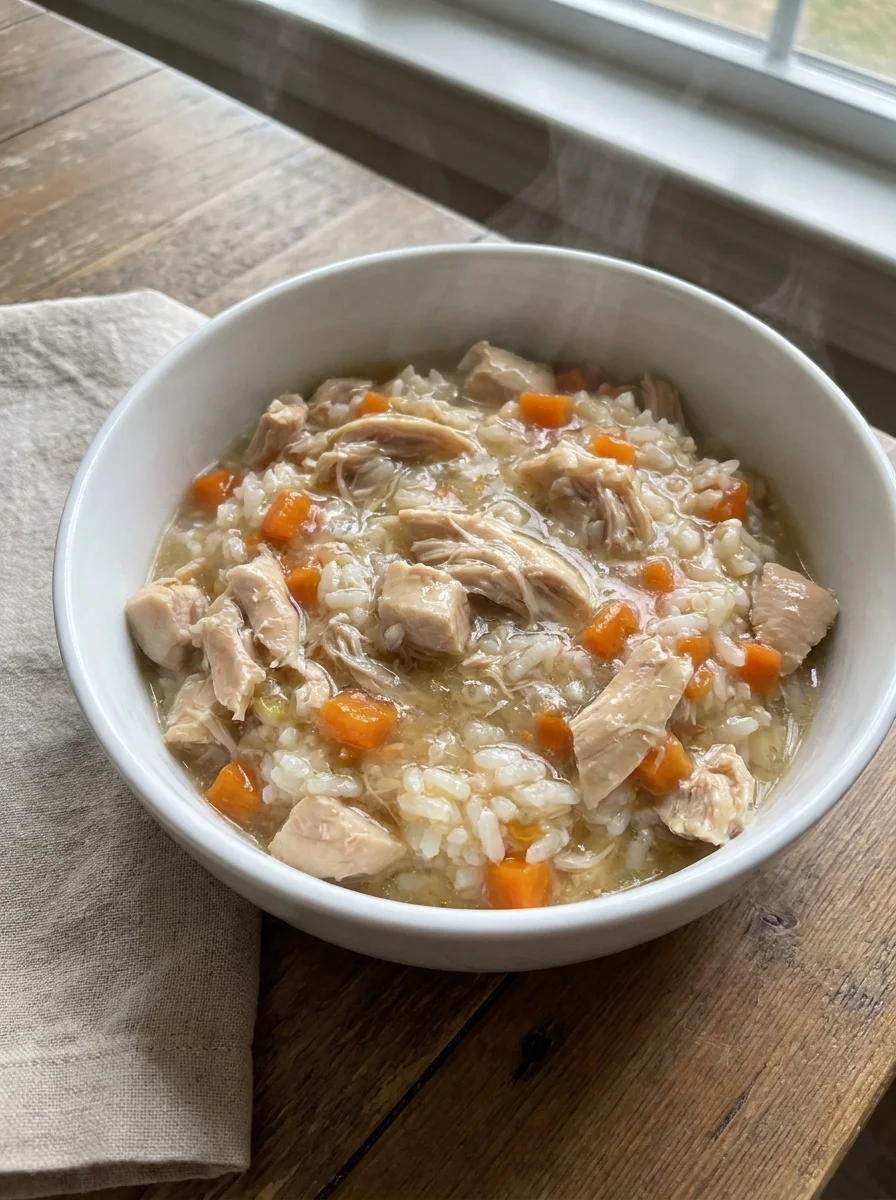
Peanut Butter Dog Cupcakes That Turn Birthdays Into Tail-Wag Days
Peanut butter is the one flavor almost no dog turns down. It stays soft enough for a puppy or a senior to manage, and it bakes into a crumb that holds together instead of crumbling all over the floor.
This article builds four peanut butter cupcakes from a single base batter: learn the base once, change one thing, and you get a different cupcake each time. A standard muffin tin, a bowl, and a spoon will do it.
Every recipe is written for dogs from the start: oat flour instead of wheat, unsweetened applesauce instead of sugar, and peanut butter that lists only peanuts. There is no chocolate anywhere here — the dark swirl in the last variation is carob, which is safe for dogs.
Why Peanut Butter Cupcakes Work for Dogs
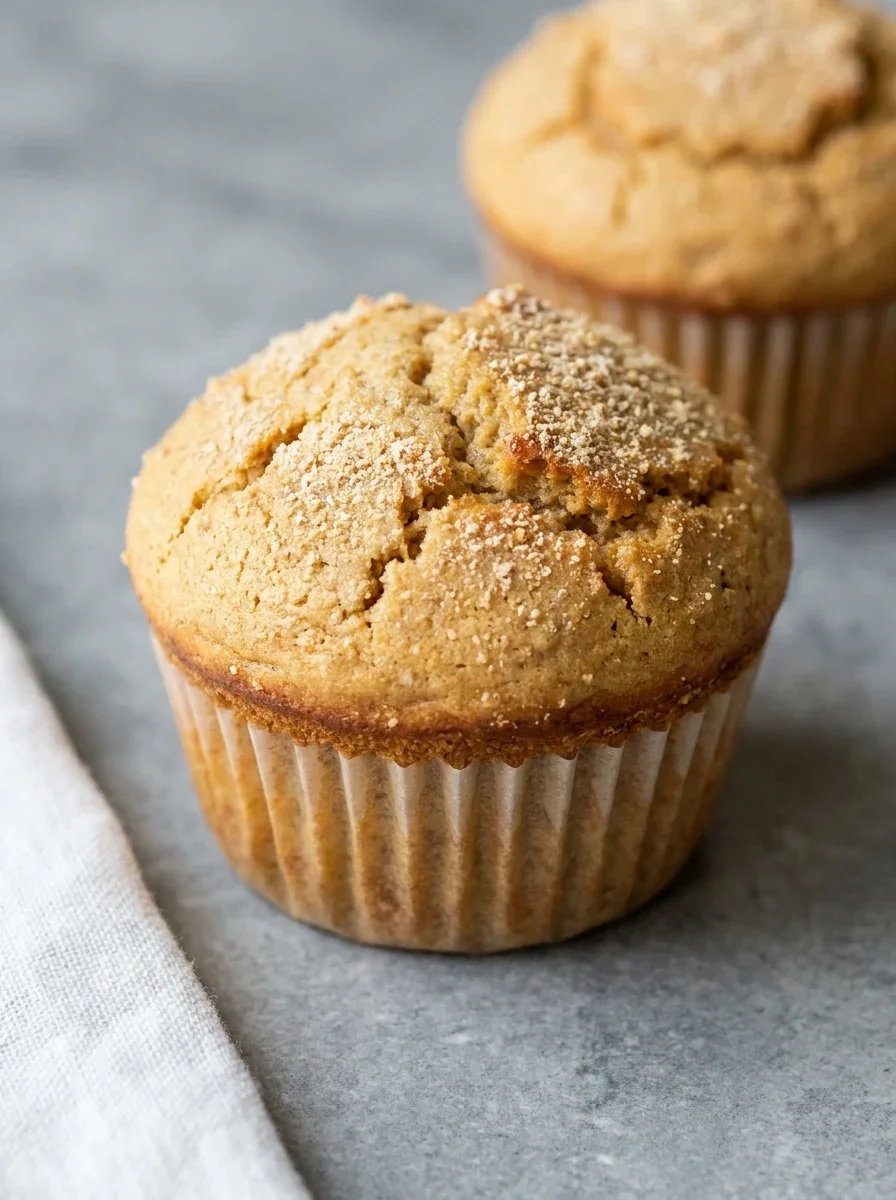
A cupcake solves the one problem a full dog cake always creates: the slice. Cut a cake and you are guessing at portions. A cupcake is already one serving — bake twelve, freeze what you do not need, and hand your dog one when the moment calls for it.
The crumb matters as much as the portion: peanut butter keeps it soft and a little dense, which suits dogs far better than a light, airy sponge — and a treat that breaks apart instead of lodging in one lump for a dog that gulps.
Peanut butter also brings protein and healthy fats to the tin. If you want a second opinion on how these fit beside other baked treats, this guide on homemade pumpkin dog cupcakes shows the same portion-first thinking applied to a different flavor.
The Peanut Butter Cupcake Formula: Base + Flavor + Frosting
Every cupcake in this article is the same batter with one change: oat flour, xylitol-free peanut butter, unsweetened applesauce, egg, and baking soda. The flour gives structure, the peanut butter gives flavor and fat, the applesauce gives moisture, the egg binds it, and the baking soda gives just enough lift.
The flavor comes from swapping the wet binder or folding something in: banana for a softer, moister crumb; apple and carrot for fiber and texture; carob powder for a dark, chocolate-looking cupcake that is completely safe.
Frosting is the third part of the formula, and it is where most dog cupcakes go wrong: a thick human-style cap is too much sugar and fat for a dog, and a yogurt frosting slides off a warm cupcake in a puddle. The frosting section later compares three dog-safe frostings head to head.
Check the label every single time — in every peanut butter recipe, batter and frosting alike. Xylitol is toxic to dogs, and it is sometimes listed as birch sugar or hidden under a vague “natural sweetener.” Buy peanut butter that lists only peanuts, or peanuts and a little salt — the same label habit that keeps a 4-ingredient puppuccino recipe for dogs safe.
Recipe 1: Classic Peanut Butter Pupcakes
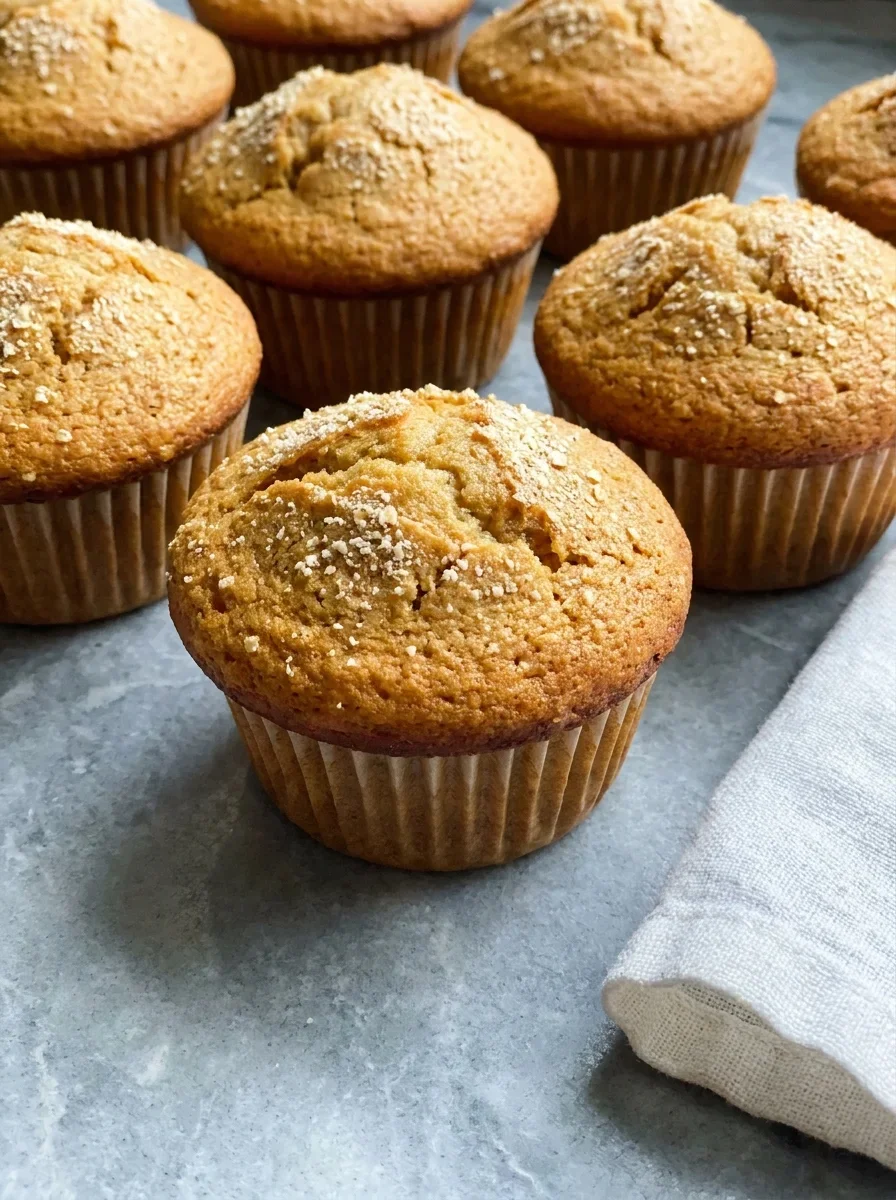
This is the base every other cupcake builds on: oat flour for a tender, nutty crumb, applesauce for moisture without sugar, and peanut butter for flavor. Bake it once as written before you try a variation.
Before you start, check your peanut butter label for xylitol or birch sugar. Heat the oven to 350°F and line a standard 12-cup muffin tin with paper liners — this batter sticks to bare metal.
Ingredients
- 1 1/2 cups oat flour
- 1/2 cup xylitol-free peanut butter, smooth
- 1/2 cup unsweetened applesauce
- 1 large egg
- 1 teaspoon baking soda
Step-by-Step Instructions
- Heat the oven to 350°F and line a standard 12-cup muffin tin with paper liners, pressing each liner flat.
- Whisk the oat flour and baking soda together in a large bowl until no white streaks of soda remain.
- Add the peanut butter, applesauce, and egg, and stir with a spoon until the batter is thick, smooth, and spoonable — it should fall off the spoon in a slow ribbon.
- Divide the batter evenly among the 12 liners, filling each about two-thirds full.
- Bake for 18-22 minutes, until the tops spring back when pressed lightly and a toothpick in the center comes out with a few moist crumbs.
- Cool in the tin for 10 minutes, then lift the cupcakes onto a wire rack.
- Cool completely on the rack for at least 30 minutes before frosting or serving — a warm cupcake melts frosting into a puddle and can burn a dog’s mouth.
- Serve one cupcake in a dog bowl or on a mat, and freeze the rest unfrosted.
These freeze the best, take any of the three frostings, and are the safest first bake for a puppy. If your dog has never had peanut butter before, start with half a cupcake and watch for a reaction — the same caution that applies to a homemade cheesecake for dogs applies here.
More Peanut Butter Dog Cupcakes
The classic batter above is the base. Each variation below changes one thing — the wet binder or one fold-in — and keeps everything else the same.
Variation 1: Peanut Butter Banana Pupcakes
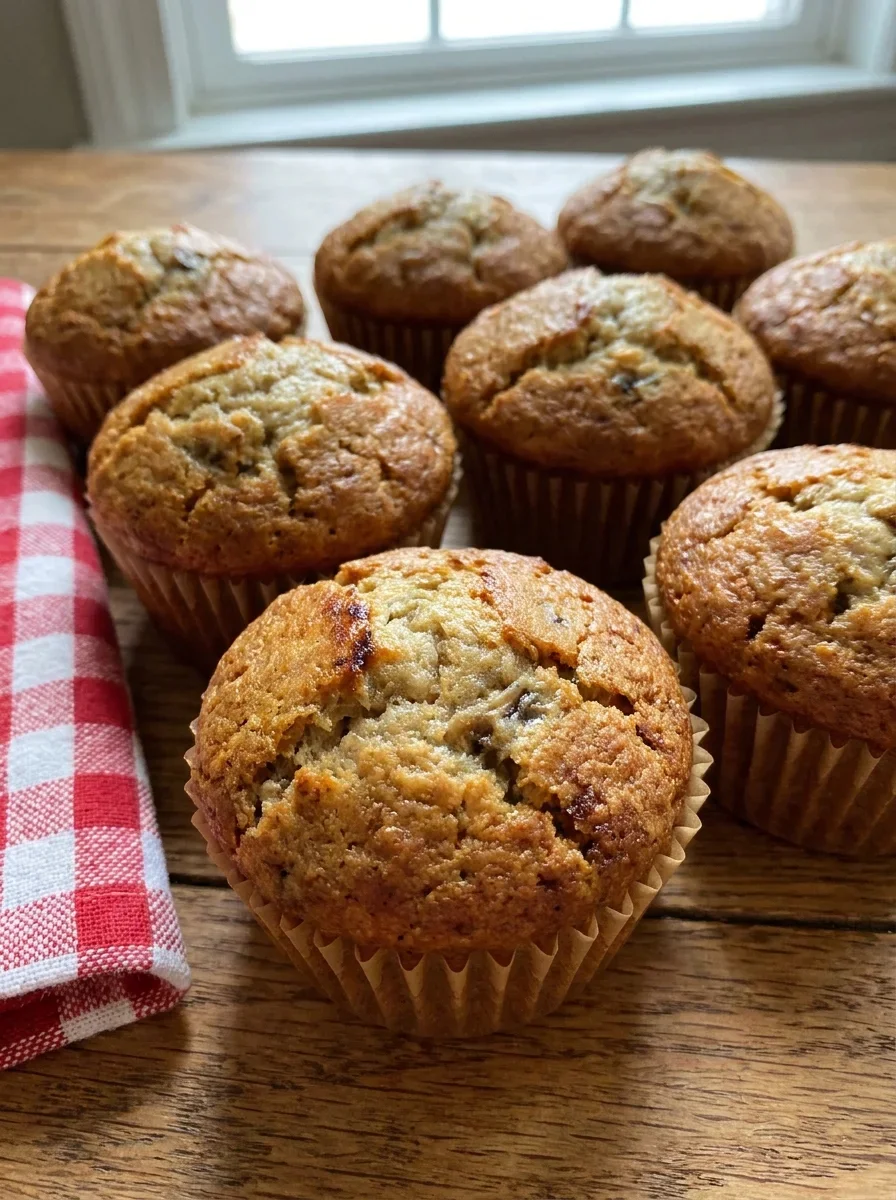
Ripe banana replaces the applesauce as the wet binder here, and the crumb shows it: softer, moister, a little sweeter, with no added sugar. Use a well-spotted banana — a firm, pale one does not mash smoothly.
Ingredients
- 1 1/2 cups oat flour
- 1/2 cup xylitol-free peanut butter, smooth
- 1 large ripe banana, mashed (about 1/2 cup)
- 1 large egg
- 1 teaspoon baking soda
Step-by-Step Instructions
- Heat the oven to 350°F, line a standard 12-cup muffin tin with paper liners, and mash the banana until smooth.
- Whisk the oat flour and baking soda together in a large bowl until no white streaks remain.
- Add the peanut butter, mashed banana, and egg, and stir until the batter is thick and smooth; banana batter is slightly looser than the classic batter, which is correct.
- Divide evenly among the 12 liners, filling each about two-thirds full.
- Bake for 18-22 minutes, until the tops spring back when pressed and a toothpick comes out with a few moist crumbs; banana cupcakes look paler, so trust the toothpick, not the color.
- Cool in the tin for 10 minutes, then on a wire rack for at least 30 minutes before frosting or serving; the softer crumb tears easily while warm.
Variation 2: Peanut Butter Apple-Carrot Pupcakes
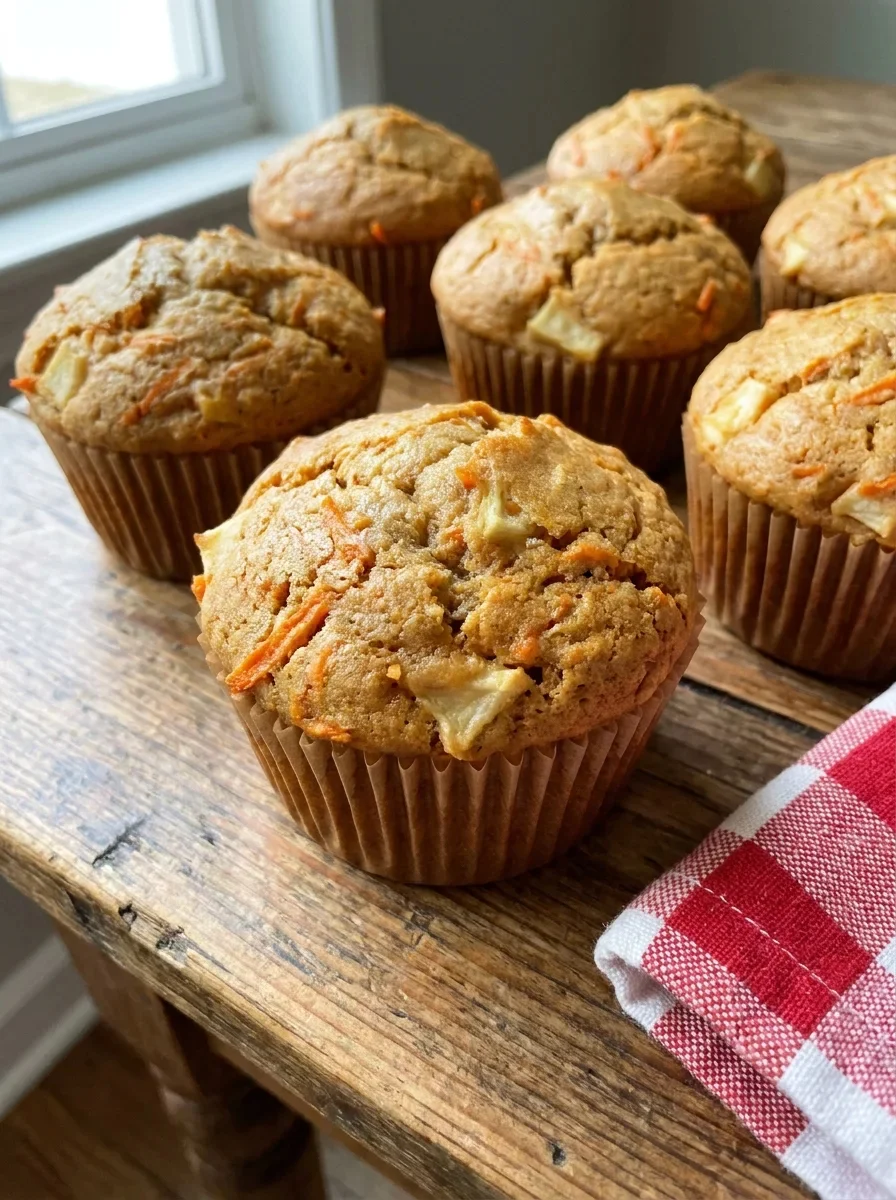
Finely grated apple and shredded carrot fold into the base batter here, and the result tastes like a small carrot cake with peanut butter running through it.
Peel and core the apple before grating — apple seeds are unsafe for dogs — and grate fine; coarse pieces sink and bake into wet pockets.
Ingredients
- 1 1/2 cups oat flour
- 1/2 cup xylitol-free peanut butter, smooth
- 1/2 cup unsweetened applesauce
- 1 small apple, peeled, cored, and finely grated (about 1/2 cup)
- 1/2 cup finely shredded carrot
- 1 large egg
- 1 teaspoon baking soda
Step-by-Step Instructions
- Heat the oven to 350°F and line a standard 12-cup muffin tin with paper liners.
- Peel, core, and finely grate the apple, and finely shred the carrot; squeeze the grated apple gently to remove the worst of the juice, or the batter turns runny.
- Whisk the oat flour and baking soda together in a large bowl until no white streaks remain.
- Add the peanut butter, applesauce, and egg, and stir until the batter is thick and smooth.
- Fold in the grated apple and shredded carrot with a few gentle strokes — stop as soon as they are distributed.
- Divide evenly among the 12 liners, filling each about two-thirds full, and bake for 20-24 minutes, until the tops spring back and a toothpick comes out with a few moist crumbs.
- Cool in the tin for 10 minutes, then on a wire rack for at least 30 minutes before frosting or serving; check the center is fully cool before you frost, since the apple holds heat longer.
These are the most filling cupcakes in the set — better for a larger dog or a training day than a small puppy. The PB-cream cheese frosting is the natural match: it pipes neatly and holds its shape in the fridge.
Variation 3: Carob-Swirl Peanut Butter Pupcakes
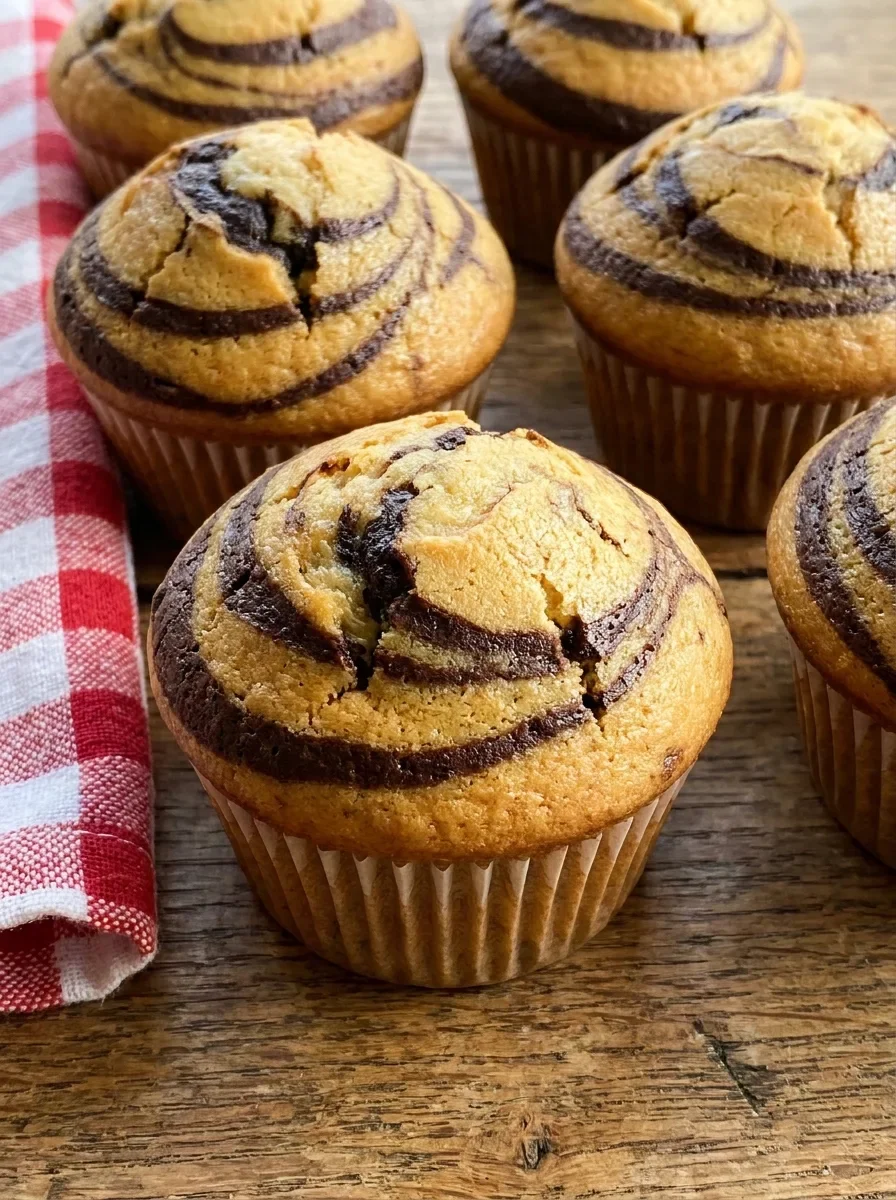
This is the chocolate cupcake dogs can have — with one firm rule: carob only, never cocoa or chocolate. Carob powder looks and smells a little like cocoa and swirls through the batter in dark ribbons, and it is completely safe for dogs.
The swirl is a technique, not an ingredient change: make the classic batter, stir carob into half of it, and marble the two together in the liners. Do not mix them fully — the point is the ribbon.
Ingredients
- 1 1/2 cups oat flour
- 1/2 cup xylitol-free peanut butter, smooth
- 1/2 cup unsweetened applesauce
- 1 large egg
- 1 teaspoon baking soda
- 2 tablespoons carob powder
Step-by-Step Instructions
- Heat the oven to 350°F and line a standard 12-cup muffin tin with paper liners.
- Whisk the oat flour and baking soda together in a large bowl until no white streaks remain.
- Add the peanut butter, applesauce, and egg, and stir until the batter is thick and smooth.
- Spoon half the batter into a second bowl and stir the carob powder into it until the color is even.
- Drop alternating spoonfuls of pale and dark batter into each liner, filling two-thirds full, then drag a toothpick once through each cupcake in a loose figure-eight.
- Bake for 18-22 minutes, until the tops spring back and a toothpick comes out with a few moist crumbs.
- Cool in the tin for 10 minutes, then on a wire rack for at least 30 minutes before frosting or serving.
Frosting That Actually Holds: Three Dog-Safe Frostings Compared
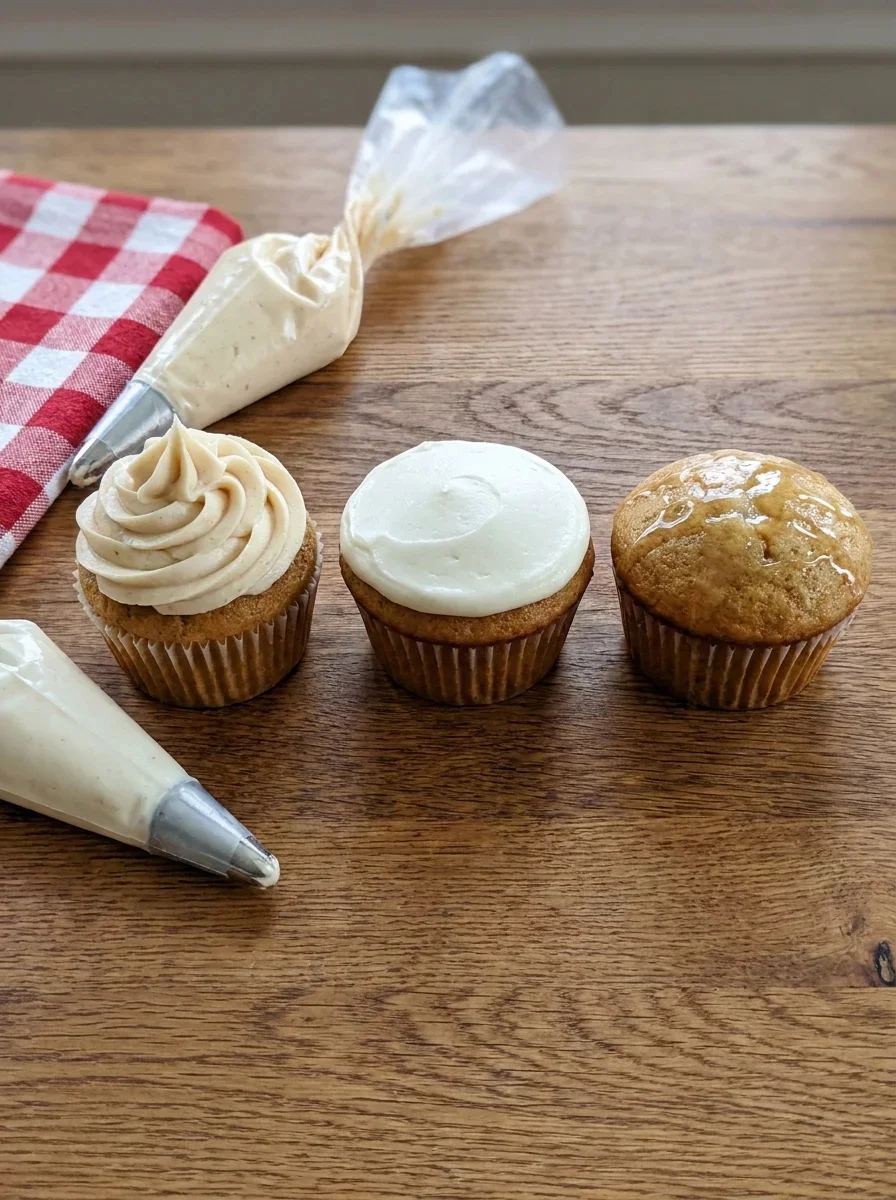
Frosting is where most dog cupcakes fail, and the failure is always the same: the frosting slides off. The cause is usually heat, but the frosting itself matters just as much.
PB-Greek yogurt frosting is the softest: equal parts smooth xylitol-free peanut butter and plain unsweetened Greek yogurt, stirred until smooth. It suits puppies and cautious eaters — but it does not pipe or hold a shape, and it slides in a warm room, so keep frosted cupcakes in the fridge and use it the same day.
PB-cream cheese frosting is the one that pipes and holds: beat two parts plain cream cheese with one part smooth xylitol-free peanut butter until smooth, and use a thin swirl — a tablespoon per cupcake is plenty. It holds its shape in the fridge for two to three days. Keep the portion small: cream cheese is rich.
Mashed sweet-potato frosting is the dairy-free option: mash plain cooked sweet potato until completely smooth — no butter, no milk, no seasoning — and spread a thin layer with a knife. It holds better than yogurt frosting and suits dogs that cannot have dairy.
A fourth finish, the coconut-oil drizzle, is not a frosting at all: warm coconut oil with a spoonful of peanut butter until liquid, drizzle thinly over a cool cupcake, and let it set firm. It is the only finish here that sets hard. Whichever finish you pick, frost only cupcakes that are fully cool; a warm crumb will melt even the firmest frosting. If you want a second baked treat to compare frostings on, sweet potato dog waffles take the same PB-cream cheese swirl well and show how it behaves on a crisp surface.
Serving by Dog Size
One cupcake is one serving for most dogs, and the tin size is how you adjust it: standard cupcakes suit medium and large dogs, and mini cupcakes (10-14 minutes, same batter) suit small dogs, puppies, and training rewards.
How many per day depends on weight and the rest of the diet: a small dog under 15 pounds gets half a standard cupcake, or one mini, per day at most; a medium dog of 15-40 pounds gets one; a large dog over 40 pounds can have one, occasionally two on a special day, and never two days running. A dog already getting training treats has less room in the 10% treat budget, and a dog with pancreatitis, diabetes, or a peanut allergy should not have these at all without a vet’s say-so.
Puppies can have these from about six months, in mini size, half a cupcake at a time, once their stomach has already handled plain peanut butter and egg separately. Do not give a cupcake as a puppy’s first taste of peanut butter — test the peanut butter alone first. The same staged introduction is why a raspberry dog muffins recipe works as a gentle first bake for a young dog.
Storage and Freezing
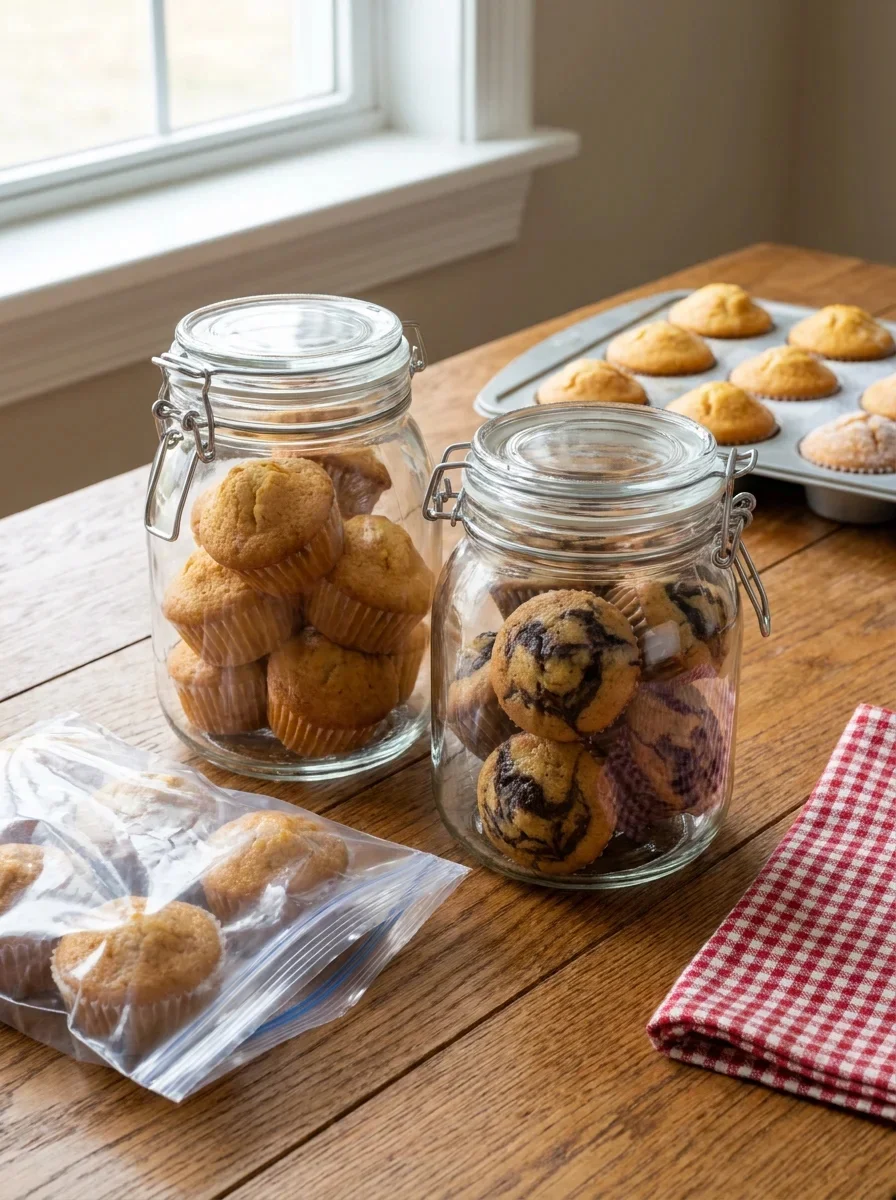
Unfrosted cupcakes keep best: two days at room temperature in a sealed container, five days in the fridge. Frosted cupcakes keep two to three days in the fridge, and the yogurt-frosted ones should be eaten the same day.
Freezing is where cupcakes earn their keep: freeze unfrosted cupcakes in a single layer on a tray until solid, then move them to a sealed bag or container, where they keep for two months. Thaw one at a time in the fridge overnight, and frost only after it reaches room temperature. Frosted cupcakes can be frozen too, but only the cream-cheese-frosted ones — yogurt frosting weeps as it thaws, and the coconut-oil drizzle cracks.
Label the bag with the flavor and the date. Banana pupcakes go stale fastest, so eat those first; the classic and carob-swirl versions freeze the best. Never refreeze a thawed cupcake, and throw away any cupcake that smells sour or shows mold.
Troubleshooting
Sunken middles usually mean the oven door opened too early or the batter was overmixed. Do not open the oven before 15 minutes, and stir only until the batter comes together.
A dry crumb almost always means overbaking. Start checking at 18 minutes for standard cupcakes and 10 minutes for minis, and pull them when the toothpick shows a few moist crumbs. If your oven runs hot, drop to 340°F next time.
Frosting sliding off has two causes: a warm cupcake, or the wrong frosting for the day. If the cupcake is fully cool and the frosting still slides, switch from yogurt to cream-cheese frosting, or use the coconut-oil drizzle, which sets firm. Never add more yogurt to fix it — it only makes it looser.
Frequently Asked Questions
Final Thoughts
Four cupcakes, one batter, and a tin that does the portioning for you — that is the whole idea. Learn the classic version once, and the other three are just a banana, an apple and a carrot, or a carob swirl away.
Bake a batch on a quiet afternoon, freeze most of it unfrosted, and keep a few in the fridge for the week. That is what a good dog cupcake should be: simple, safe, and worth repeating.
Izzy is an experienced ranch worker who has a passion for exploring nature and getting up close to wildlife. With her connections to various animal organizations, Izzy is well-versed in animal care and rehabilitation.