Best Dog Foods for Picky Eaters: 10 Winners for Dogs Who Snub Kibble
A picky dog may turn away from a bowl of perfectly good kibble, sniff it once, and walk away. The behavior can look dramatic: a dog sniffs the food, picks out one piece, refuses everything else, waits for something tastier, or eats only when meals are mixed with wet food. Finding the best dog foods for picky eaters often starts with understanding that dogs experience food first through smell, then texture, temperature, and taste.
Format matters more than brand. A dog may happily eat a moist, aromatic meal one day and reject the same recipe served dry. Because dogs do not experience flavor the way humans do, strong aroma, warmth, moisture, and an easy-to-chew texture often do more to encourage eating than a glossy package or an elaborate ingredient list.
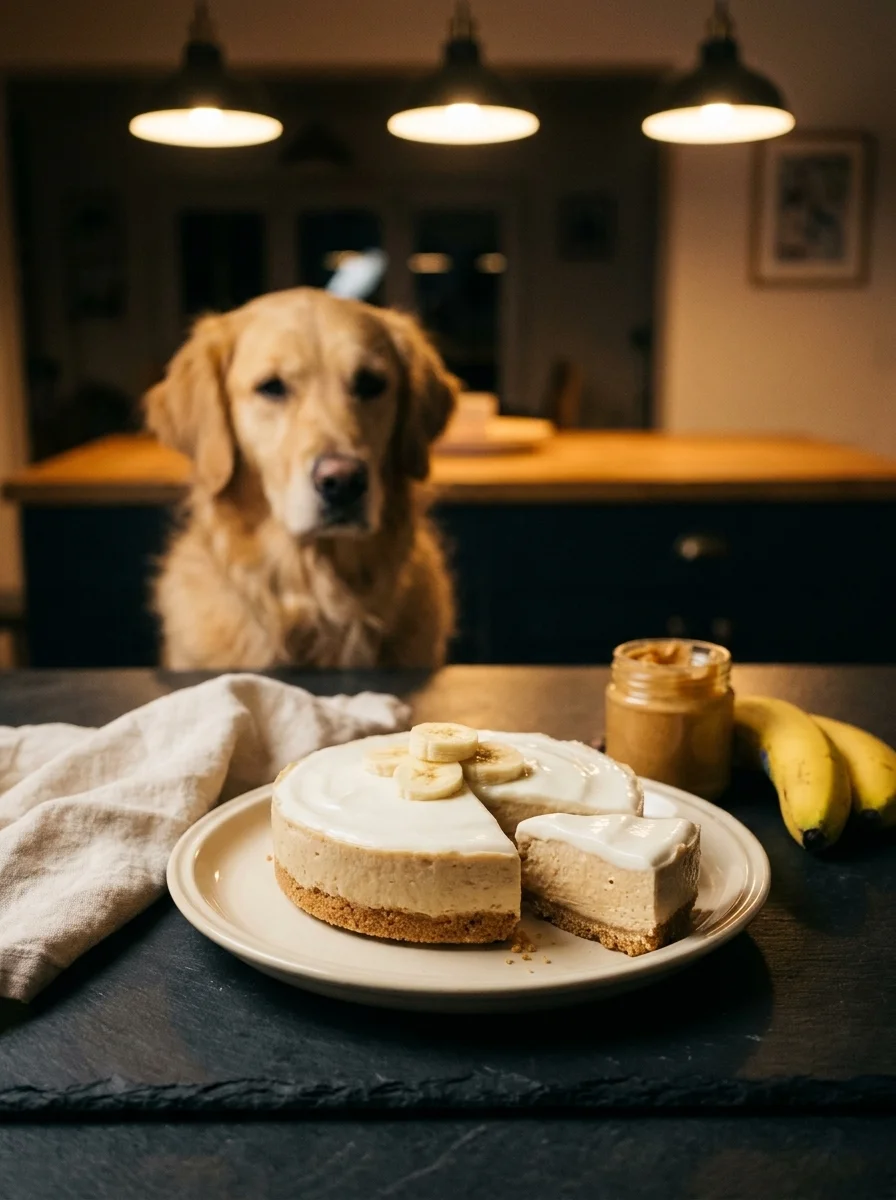
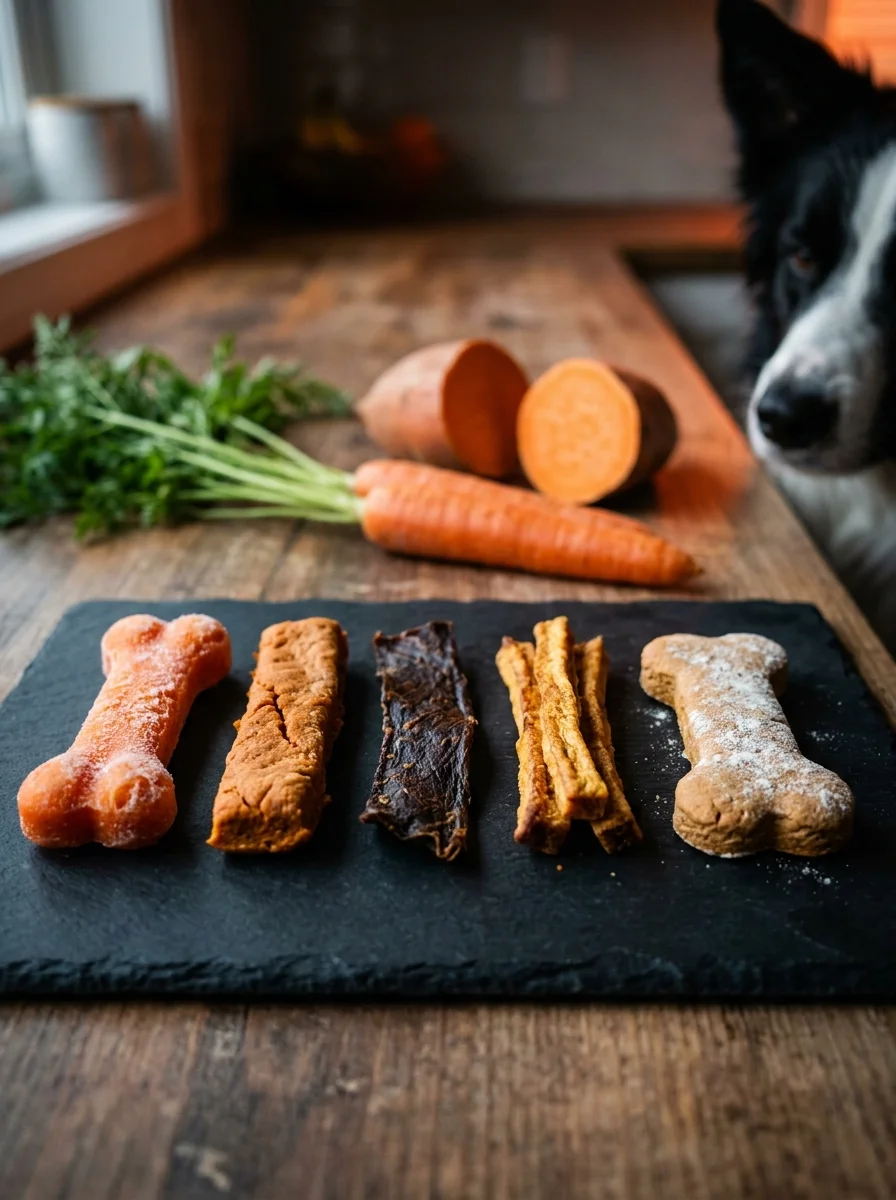
Not every refusal is simple fussiness. Dogs may reject food because they are stressed, bored, overfed, training too frequently, or experiencing dental pain. Sudden appetite loss accompanied by vomiting, diarrhea, or lethargy needs prompt veterinary attention rather than another food experiment. Otherwise, owners can improve variety safely by rotating formats and adding suitable recipes such as homemade cheese dog treats or sweet potato dog waffles.
A good approach is to treat the dog’s normal daily ration as the foundation and make small changes for interest. Portions should remain appropriate for the dog’s age, body size, activity level, and health status. Always calculate additions against the complete daily ration rather than serving an unlimited second breakfast.
Why Dogs Go Picky
Smell is the first stage of a dog’s decision to eat. Refrigerated or freshly warmed food releases more aroma than room-temperature kibble, and dogs with mild sensitivity to grain, dairy, or common protein sources may reject foods that are otherwise nutritionally sound.
Texture is just as important. Some dogs prefer a patty they can swallow whole, while others need soft chunks, a smooth puree, or a crunchy bite. Dental pain, missing teeth, or inflamed gums can make chewing exhausting.
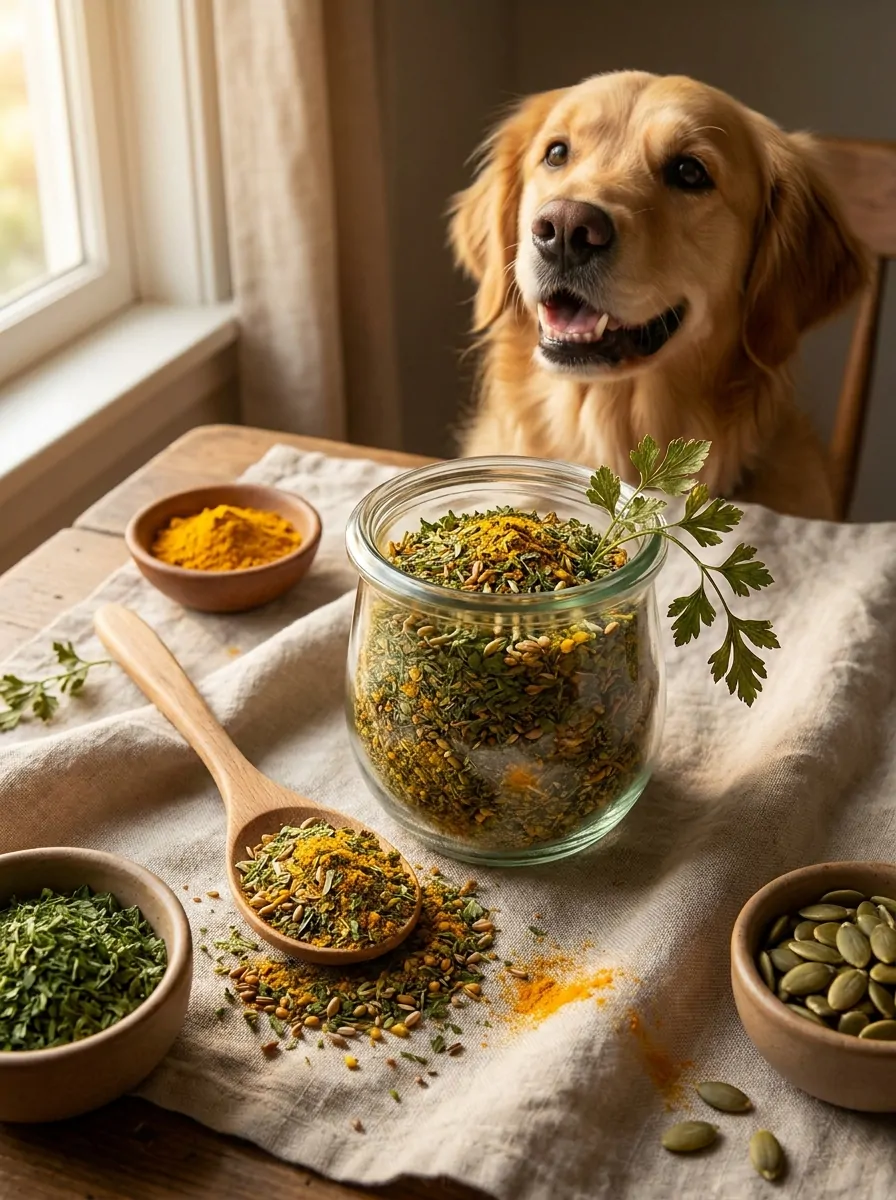
Boredom and routine also shape eating behavior. Dogs that repeatedly receive treats, table scraps, or large portions of a favorite food may learn to refuse their regular bowl. Predictable feeding times, short walks, training sessions, and an uninterrupted place to eat can restore interest. For extra encouragement, owners can review safe flours for dogs when preparing occasional soft treats, but additions should remain small.
Health concerns should never be dismissed as pickiness. A dog that suddenly stops eating needs close attention, especially if there is vomiting, diarrhea, weakness, drooling, abdominal discomfort, or lethargy. Those signs mean a vet visit, not a new food. Even a reduced appetite without other symptoms deserves attention if it persists or leads to weight loss, because prolonged inadequate intake is harmful, particularly for puppies, seniors, and small breeds.
1. Fresh Gently-Cooked Meals
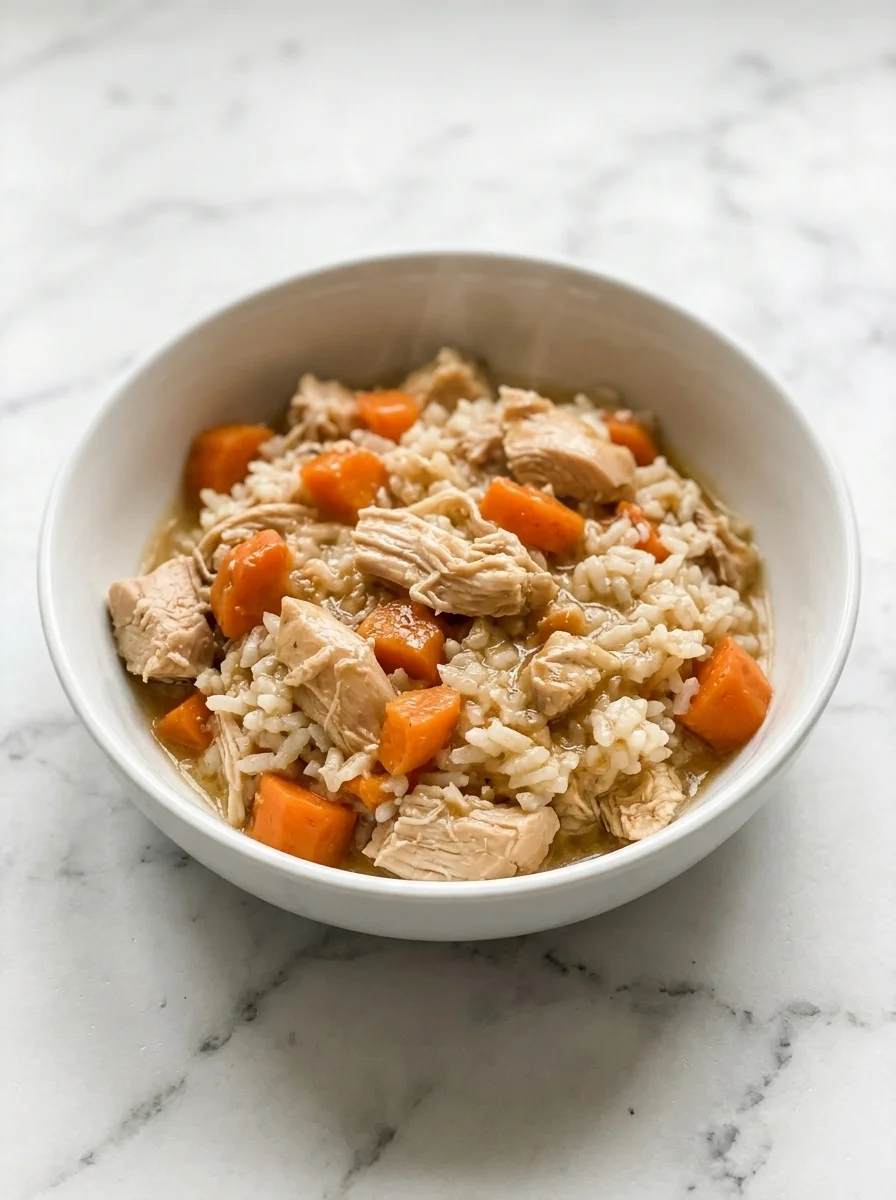
Why picky dogs love it: Fresh gently-cooked meals rank first because they combine intense aroma, warmth, moisture, and a tender texture. Gently cooking meat and vegetables softens ingredients without relying on heavy seasoning, making the food especially appealing to dogs that reject dry kibble.
Best for: This format suits dogs of most ages and sizes, including puppies transitioning to solid food, adults who have become bored with kibble, and seniors who find chewing difficult. It can also work for dogs with mild digestive sensitivity when the recipe is simple and properly balanced.
Watch out: Fresh meals can be expensive and have a short refrigerated shelf life. The first-place position depends on combining palatability with sound nutrition; a fresh meal lacking appropriate calcium, vitamins, or a complete nutrient profile is not automatically a better choice.
How to serve it: Serve it slightly warm or at room temperature and use a clean ceramic or stainless steel bowl. Split larger packages into daily portions before refrigerating, following the package’s storage guidance. If a dog is used to kibble, begin with a small amount of the fresh meal and increase it gradually rather than allowing an unrestricted feast.
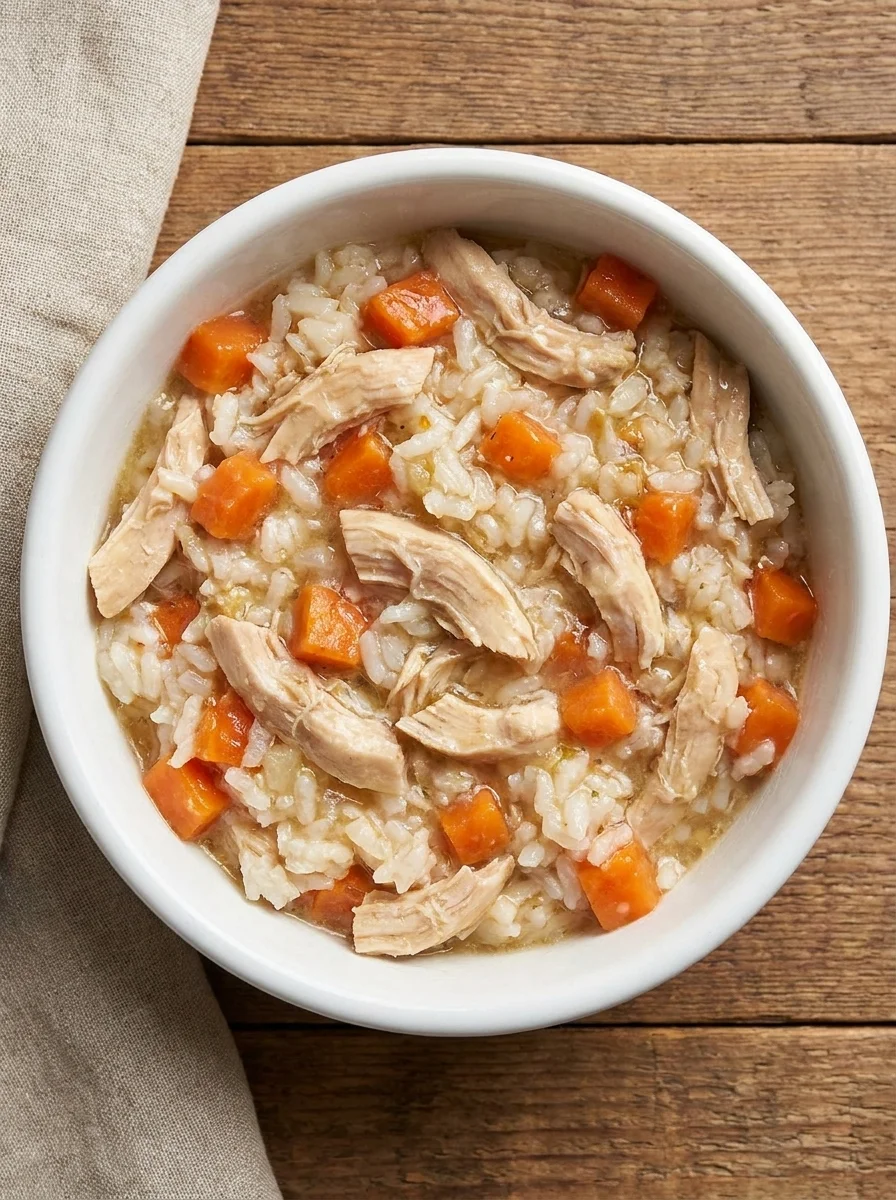
2. Wet Stew with Chunks in Gravy
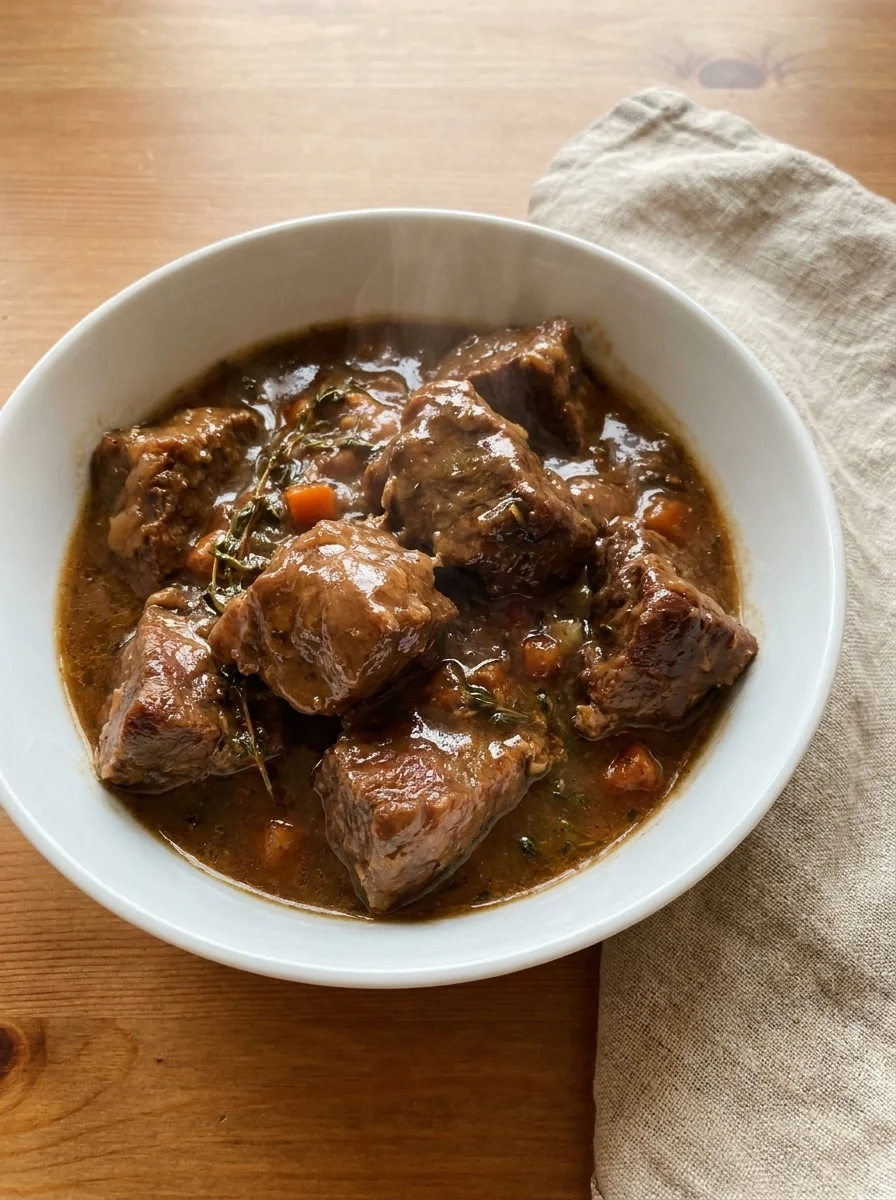
Why picky dogs love it: Wet stew ranks second because chunky pieces in a savory gravy offer more aroma, moisture, and variety than dry food. The gravy coats each piece, making food easier to pick up and swallow, while the chunk size gives a dog something satisfying to bite.
Best for: Wet stew is a useful choice for senior dogs, small breeds, and dogs with missing teeth or tender gums. It may also suit dogs that become bored quickly because the pieces can vary in size and texture.
Watch out: Some stews contain generous amounts of fat, salt, or unidentified meat and vegetable ingredients, which can cause digestive upset or simply overwhelm a dog. Introduce the food gradually and avoid feeding large portions of rich gravy alongside the regular meal.
How to serve it: Loosen the stew with a small amount of warm water or low-sodium broth if it is thicker than expected. Start with a spoonful or two mixed into the existing ration, then increase the amount over several meals. Serve only what the dog will eat in 15 to 20 minutes and refrigerate leftovers according to the package instructions.
3. Pâté-Style Wet Food
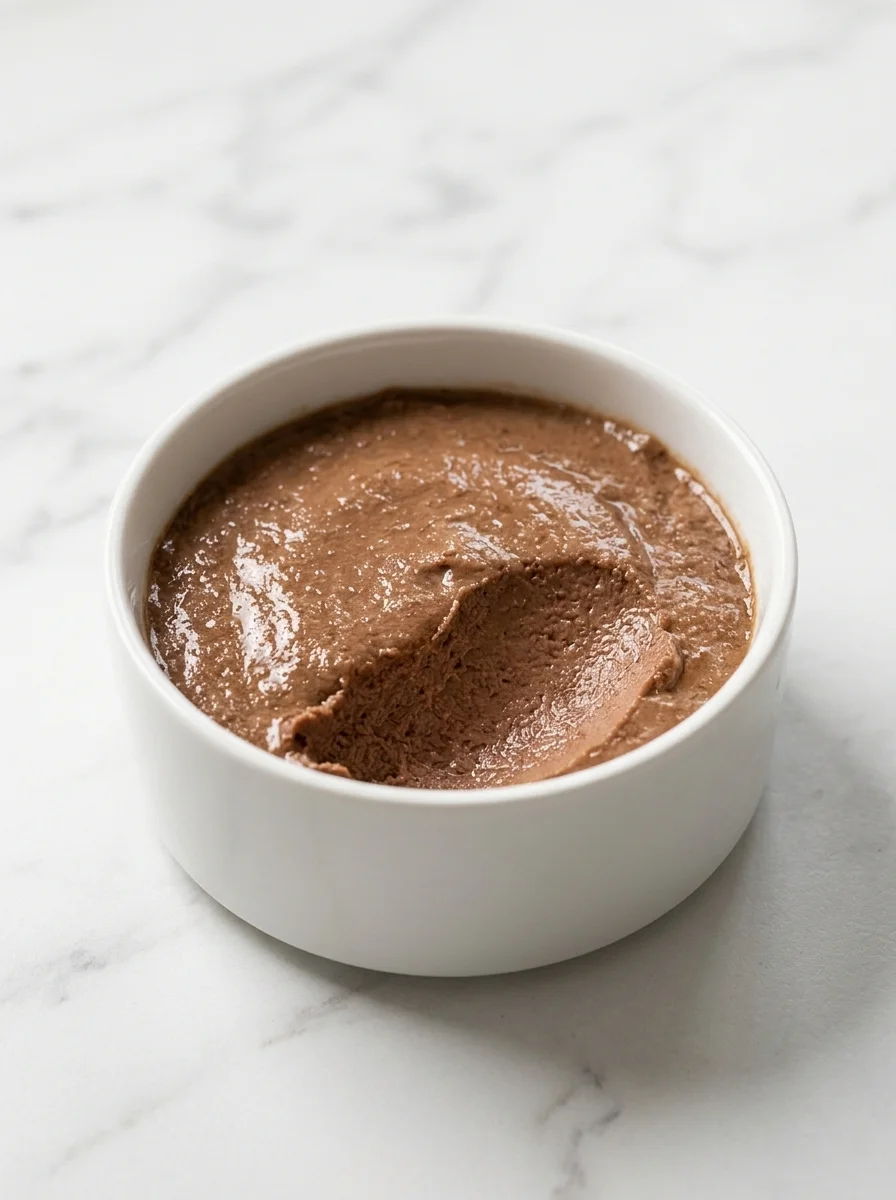
Why picky dogs love it: Pâté-style food places third because its smooth, uniform texture eliminates much of the work involved in eating. It is highly mixable, easy to portion, and often more aromatic than kibble.
Best for: This is often the best format for very small dogs, puppies, seniors, and dogs recovering from oral surgery or illness when chewing is uncomfortable. It can also serve dogs with sensitive stomachs, provided the fat content is appropriate.
Watch out: Smooth texture does not automatically mean easy digestion, and some pâtés are rich enough to cause loose stool or vomiting. Measure portions carefully, especially for dogs that tend to gulp food, and introduce any flavor change over several days.
How to serve it: Put the pâté in the dog’s bowl before serving kibble, or mix a small amount through the kibble with a fork. Warm it only slightly if the package permits, and use warm water for a thinner texture. Because palatability can make a dog eat quickly, use an appropriate bowl and watch for gulping or attempts to swallow large mouthfuls.
4. Air-Dried Food
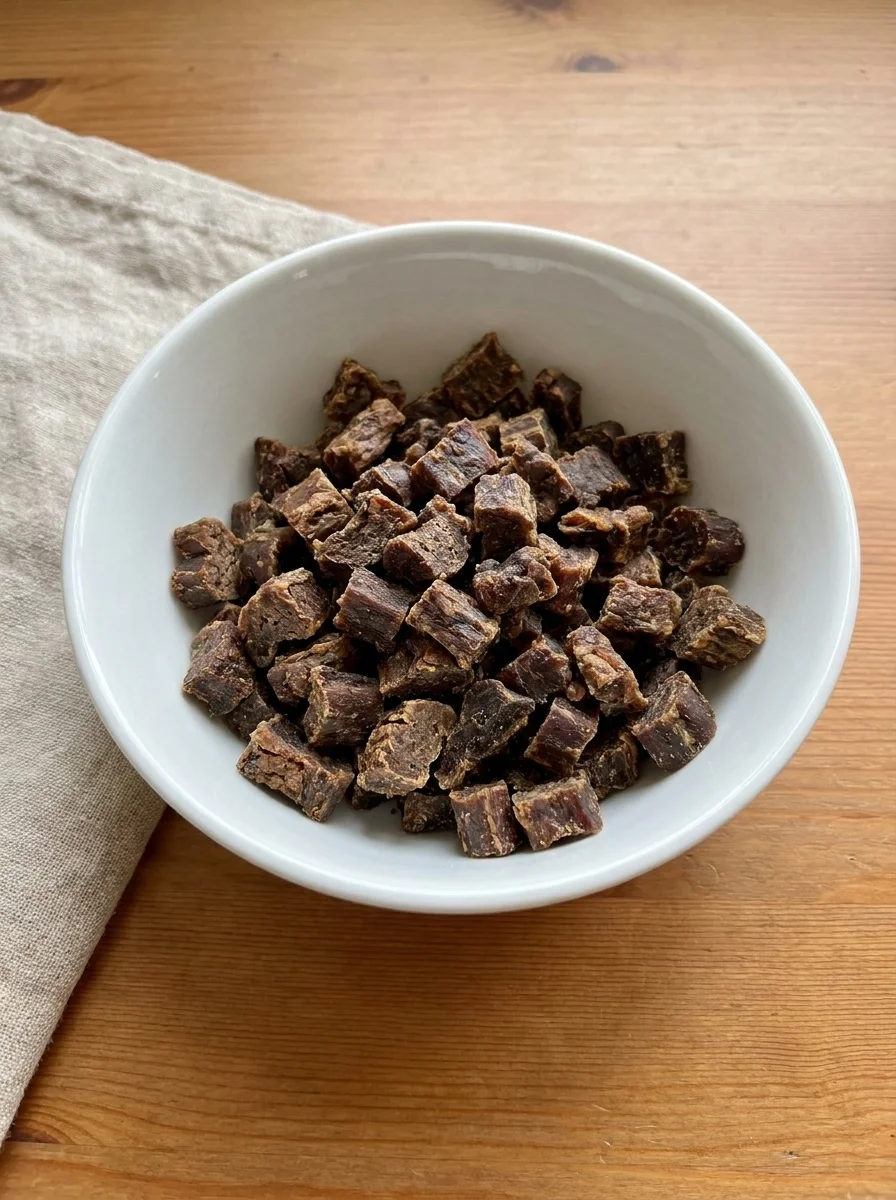
Why picky dogs love it: Air-dried food ranks fourth for dogs that like a hearty aroma and chew but avoid soft or greasy textures. The drying process concentrates flavor and creates a crunchy or tender bite without leaving the food wet.
Best for: It suits healthy adult dogs with sound teeth who enjoy chewable food but have lost interest in conventional kibble. Pieces should be small enough to prevent choking and sized appropriately for the dog.
Watch out: Air-dried foods can be calorie-dense, and some are intended only as toppers rather than nutritionally complete meals. Large pieces can pose choking or obstruction risks, particularly for small dogs and eager eaters. Check whether the product includes a complete nutrient profile, and do not confuse a high-meat snack with a meal substitute.
How to serve it: Break or tear pieces into an appropriate size and use them over the dog’s usual food. If used as a topper, keep it below 10% of daily calories unless the package states that it is complete and balanced.
5. Freeze-Dried Raw Topper
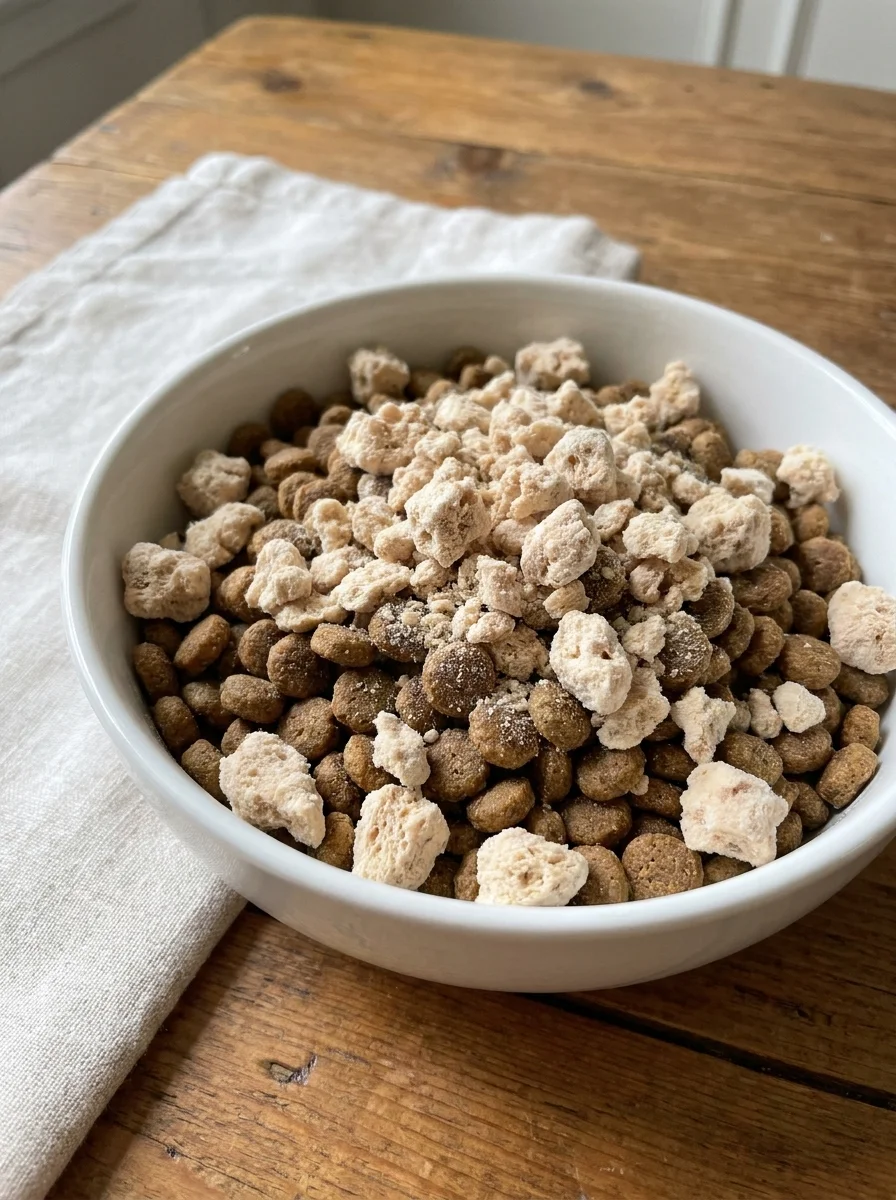
Why picky dogs love it: Freeze-dried raw food ranks fifth because it delivers a concentrated meat aroma while retaining a light, crumbly texture. Many dogs perceive it as an especially high-value topping, and it can make ordinary kibble more interesting without adding much moisture.
Best for: This is best for healthy adult dogs that accept raw animal ingredients and respond strongly to meaty scents. Check the ingredient list carefully if the dog follows a therapeutic or elimination diet.
Watch out: Raw food requires safe handling. Wash hands after preparation, clean bowls and utensils, and sanitize preparation surfaces. Freeze-dried products are often high in calories and may not be balanced alone, so measure them carefully and keep toppers under 10% of daily calories unless they are labeled complete and balanced.
How to serve it: Sprinkle a small amount over the dog’s meal or rehydrate it with warm water until it resembles a moist crumble. Introduce it gradually, especially for dogs unused to raw ingredients.
6. Bone Broth Pour-Over
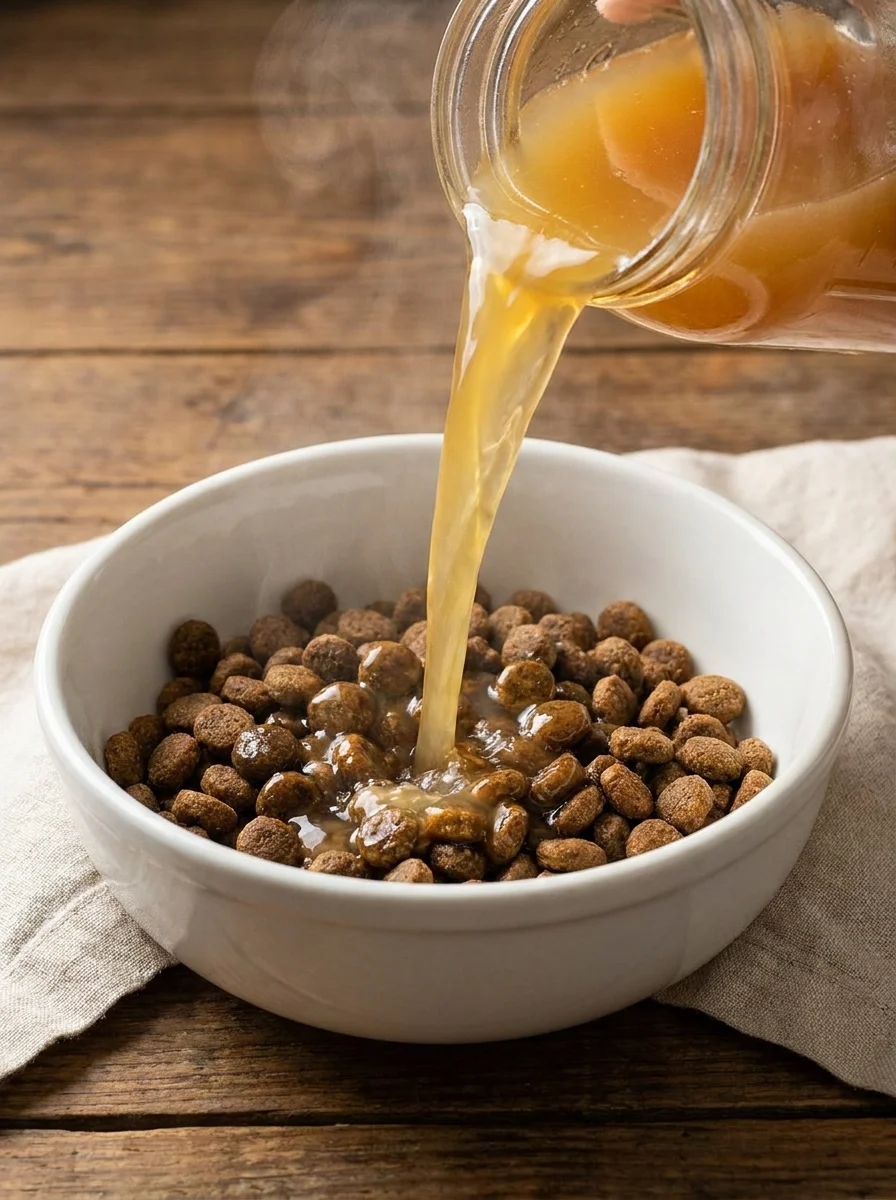
Why picky dogs love it: Bone broth ranks sixth because warmth and a rich savory aroma can make dry food smell and taste more appealing. Plain, unsalted, dog-appropriate broth can be especially useful for dogs interested in the smell of the bowl but uninterested in the texture of dry kibble.
Best for: This is a helpful option for senior dogs, dogs with dental discomfort, and healthy adult dogs that need more moisture in their meals. It can make a complete food easier to eat without significantly changing its nutrient profile.
Watch out: Store-bought broth may be high in sodium and contain ingredients that should not be given to dogs. Use only plain, unsalted, dog-appropriate broth, and never add onion, garlic, grapes, raisins, chocolate, or xylitol. Broth adds calories even when its nutritional contribution is small, so include it within the daily calorie allowance and avoid large volumes for dogs with heart, kidney, or liver problems.
How to serve it: Add one to two tablespoons to a regular portion of complete food, stir it through, and serve immediately.
7. Shredded Meat Topper
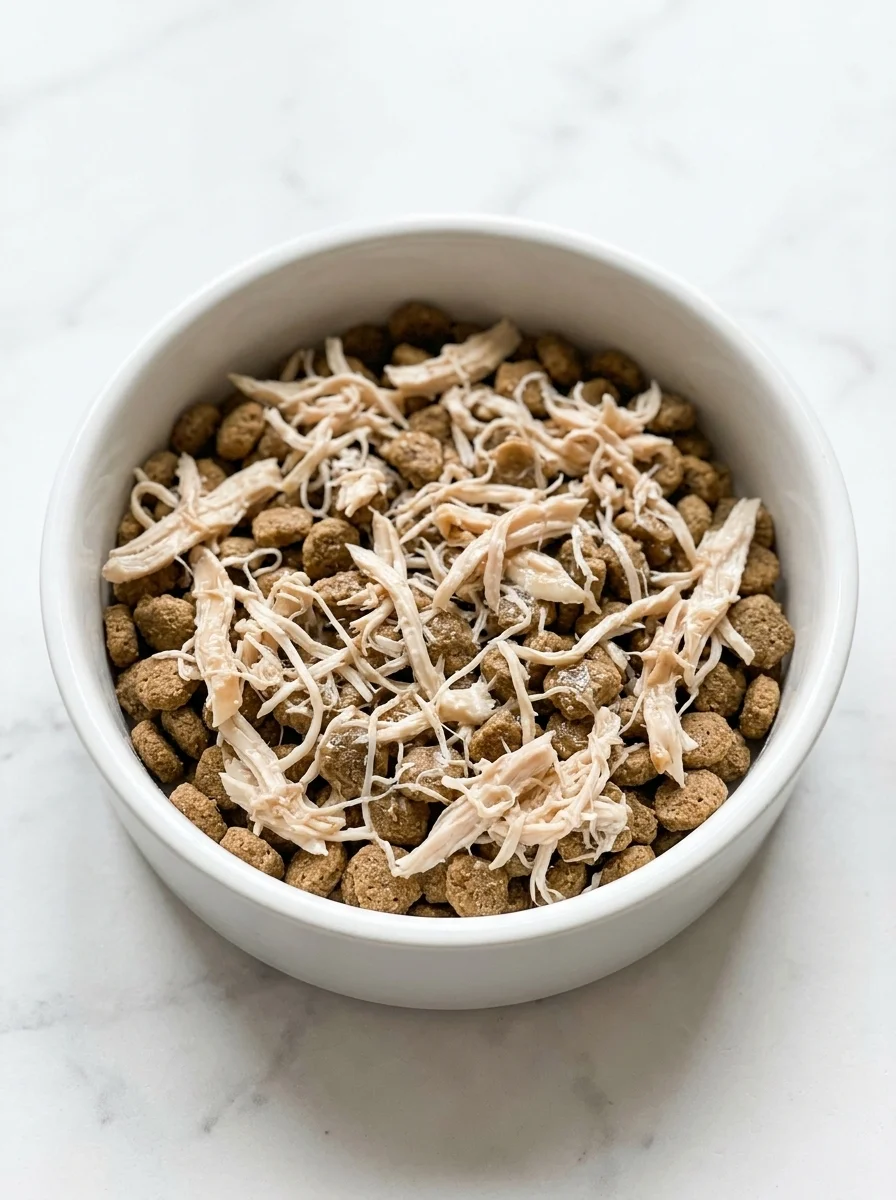
Why picky dogs love it: Shredded meat ranks seventh because it combines strong aroma with a familiar, easy-to-eat texture. Fine shreds coat kibble, moisten it, and give a dog more reason to investigate the bowl than dry pieces alone.
Best for: Shredded meat works well for dogs with reduced appetite due to boredom, mild dental problems, or a preference for moist food. Dogs with food allergies, pancreatitis, or other conditions requiring a specific diet should use only ingredients approved by their veterinarian.
It also adds calories and may lack calcium. Avoid heavily seasoned meat, onion, garlic, and excessive salt, and do not use deli meats high in salt or additives. Keep the topper below 10% of daily calories unless the complete product is labeled nutritionally balanced.
How to serve it: Cook plain meat thoroughly, shred it finely, and cool it before mixing it into the dog’s complete food. Begin with a teaspoon or two to test tolerance, then adjust within the dog’s calorie plan.
8. Plain Pumpkin Topper
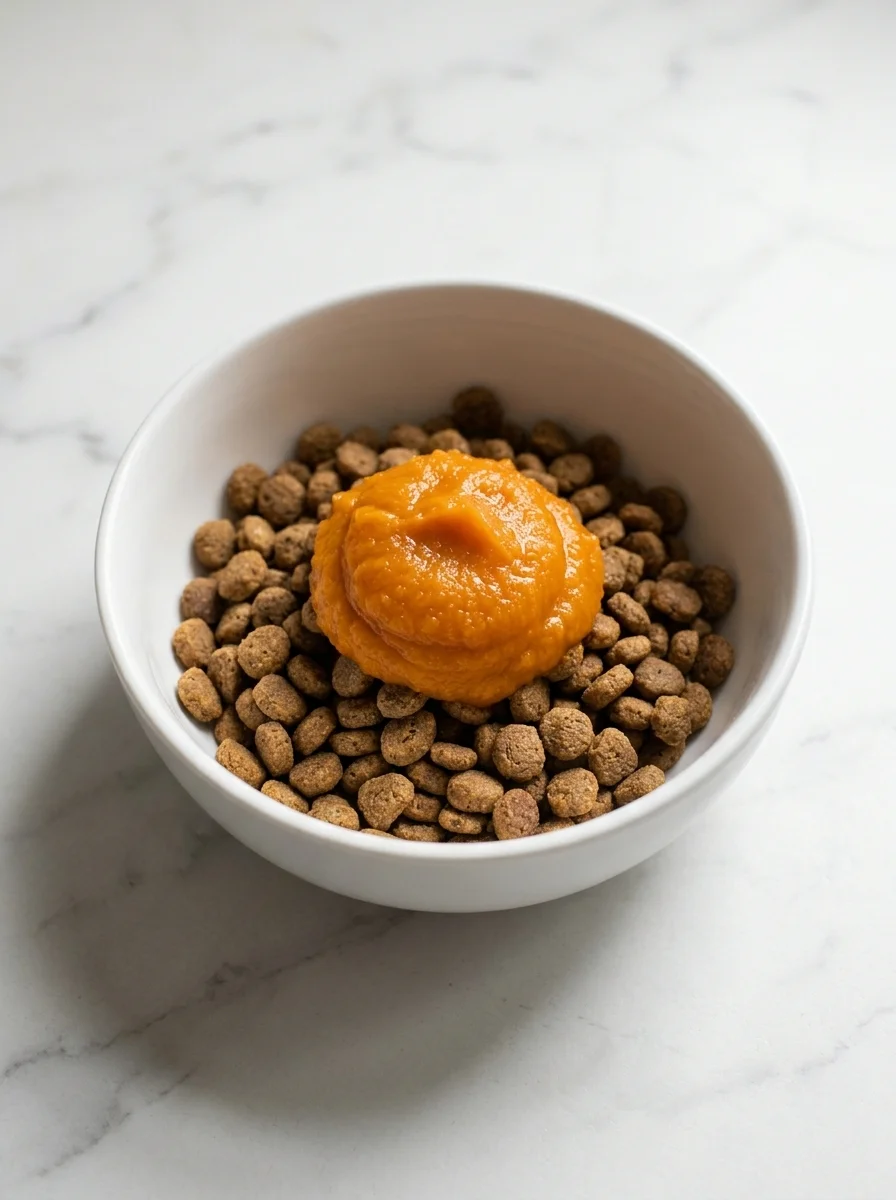
Why picky dogs love it: Plain pumpkin ranks eighth because its smooth texture and mildly sweet aroma can add moisture and novelty without relying on meat. A small amount mixed into kibble changes the flavor and consistency, which may interest a dog that has become accustomed to one food.
Best for: Pumpkin can suit dogs that need a modest flavor change or extra moisture. Choose plain pumpkin rather than a pie filling, and introduce it slowly because a sudden change in fiber and water content may cause loose stool.
Watch out: Pumpkin is a topper, not a meal, and it should not be offered in large amounts. Too much can cause gastrointestinal upset, while its fiber content matters for dogs with certain digestive conditions. Avoid sweetened, spiced, or prepared pumpkin products containing xylitol, chocolate, raisins, or other unsafe ingredients. Do not use pumpkin to delay a veterinary assessment of poor appetite.
How to serve it: Mix one teaspoon into a small serving of complete food, increasing gradually to an amount that fits within the daily calorie limit.
9. Cooked Egg Topper
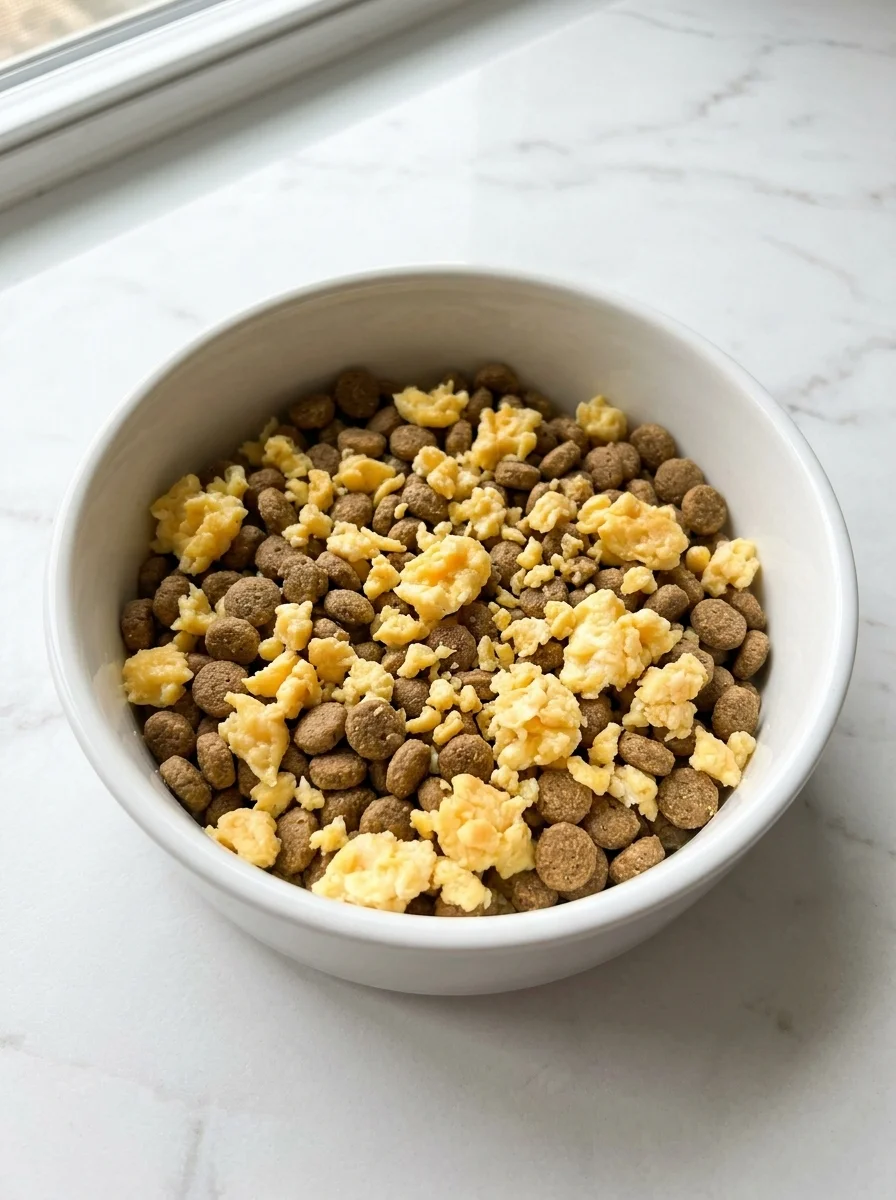
Why picky dogs love it: Cooked egg ranks ninth because it adds a soft texture, noticeable aroma, and a savory flavor that many dogs enjoy. Scrambled or finely chopped egg disperses easily through kibble and makes each bite more fragrant.
Best for: Egg is suitable for most healthy dogs as an occasional topper, including dogs that enjoy novel textures. Use plain preparation and select another topping if the dog has a diagnosed egg allergy or reacts to eggs.
Watch out: Cooked egg is a nutrient-dense addition but not a balanced meal, and it contributes calories even in a small amount. Avoid raw egg, seasoning, onion, garlic, excessive salt, and any toppings that contain chocolate, grapes, raisins, or xylitol. Never serve cooked eggshell, which can splinter and cause injury.
How to serve it: Scramble the egg plainly or cook it until firm, chop it finely, and cool it fully.
10. Warmed Moistened Kibble
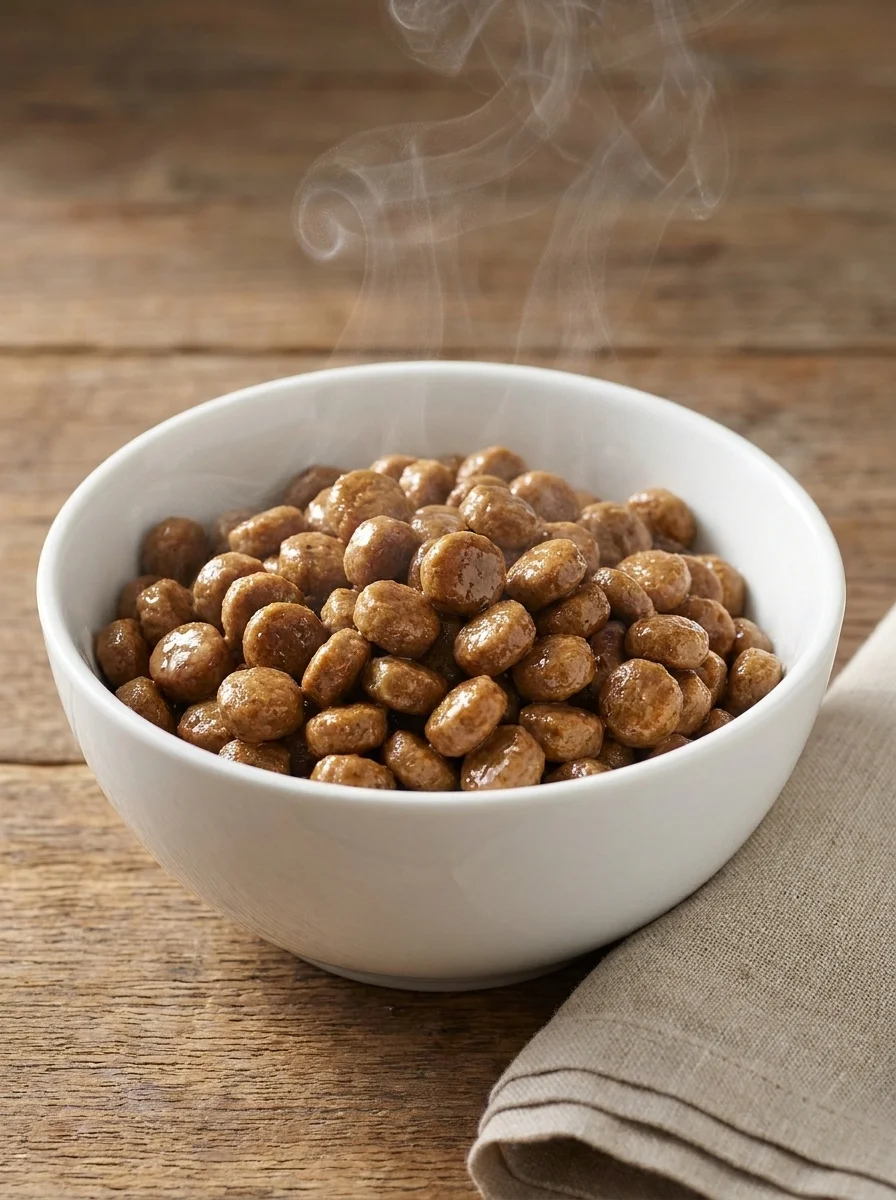
Why picky dogs love it: Warmed, moistened kibble ranks tenth because it keeps the familiar shape and flavor a dog already knows while improving aroma, softness, and palatability. Adding warm water can make standard kibble warmer, more fragrant, and easier to eat.
Best for: This is a practical first adjustment for dogs who generally like their current kibble but have recently become less enthusiastic. It works well for puppies, seniors, and dogs with mild dental discomfort.
Watch out: Add water only to the portion being served so the remaining kibble does not become damp and spoil. Do not leave the bowl all day, and discard uneaten moistened kibble after the safe serving period.
How to serve it: Add warm, not boiling, water and let the kibble sit briefly before serving. Adjust the amount until the food is moist but still holds its shape. Offer the meal for 15 to 20 minutes, then remove it and wash the bowl. Continue making fresh portions for later meals rather than leaving moistened food out.
Foods to Avoid
The fastest way to discourage a picky dog is to offer foods that are unsafe, overly rich, or nutritionally empty. Seasoned table scraps may include onion, garlic, chocolate, grapes, raisins, xylitol sweeteners, excessive salt, and bones. Dogs should not receive these ingredients, even when a small bite seems harmless.
Cooked bones are especially risky because they may splinter and cause oral or intestinal injury. Chocolate, grapes, and raisins can cause serious illness, while xylitol can trigger a rapid and potentially fatal blood-sugar drop.
Avoid offering restaurant food, processed meats, sugary snacks, and large quantities of cheese as shortcuts. These foods may encourage selective eating without providing balanced nutrition. Owners can still use appropriate rewards and occasional treats; for creative, dog-safe options, low-fat dog food recipes can provide variety without relying on rich scraps.
Choosing for Your Dog
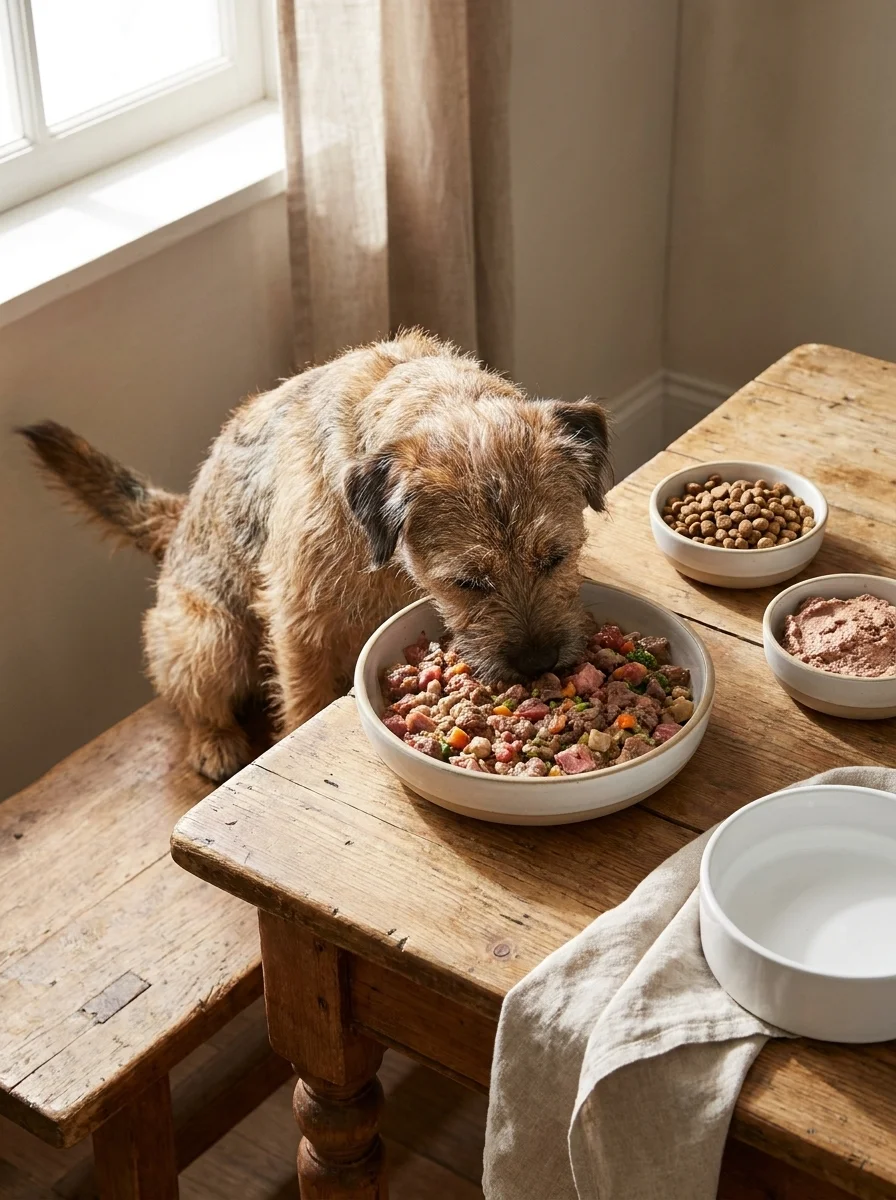
Start with the dog’s age, size, body condition, and health status. Dogs with diabetes, kidney disease, allergies, pancreatitis, dental disease, or other medical conditions may need a diet selected with veterinary guidance.
Transition to a new food slowly over 7 to 10 days. For several days, mix a small portion of the new food with the current food, then gradually increase the proportion while decreasing the old food.
Toppers should remain below 10% of daily calories unless the product is labeled complete and balanced. This prevents a tasty addition from displacing essential nutrients or creating excess calories.
Do not leave food out all day. Offer the meal for 15 to 20 minutes, then pick it up and discard what remains according to the food’s safe storage guidance. Frequent access can encourage grazing and make appetite harder to regulate.
Regular veterinary dental checks remain important, and abrasive dental diets should be used only when appropriate for the individual dog. Persistent bad breath, drooling, bleeding gums, food avoidance, or difficulty chewing warrants an examination.
For occasional home-baked rewards, a dog-safe formulation such as homemade pumpkin dog cupcakes can be useful, provided every ingredient is dog-safe and the treats count toward the daily calorie budget. More food is not automatically better nutrition, and an enthusiastic response to a treat does not mean the dog should receive unlimited portions.
Frequently Asked Questions
Final Thoughts
Finding the best dog foods for picky eaters is usually a matter of changing one element at a time: aroma, moisture, texture, temperature, or routine. Start with the dog’s complete and balanced ration, then adjust the format in small, controlled steps.
Most importantly, treat sudden appetite loss as a possible health issue rather than an invitation to keep changing the menu.
With patience and careful observation, most selective eaters can enjoy a varied routine without sacrificing balanced nutrition. If the refusal continues or comes with illness signs, a veterinarian can help identify the cause before the dog’s health suffers.

Izzy is an experienced ranch worker who has a passion for exploring nature and getting up close to wildlife. With her connections to various animal organizations, Izzy is well-versed in animal care and rehabilitation.