12 Dog Breeds That Will Guard You With Their Life
Some dogs bark when a stranger walks by. Others will physically stand between you and danger — no matter the cost. If you’re looking for a dog that will truly guard you with their life, you need more than a scary-looking breed. You need the right dog for your home, your family, and your experience level.
This guide covers 12 of the best protection breeds, what makes each one unique, and — most importantly — which one is actually right for you.
Guard Dog vs. Watchdog — Why the Difference Matters
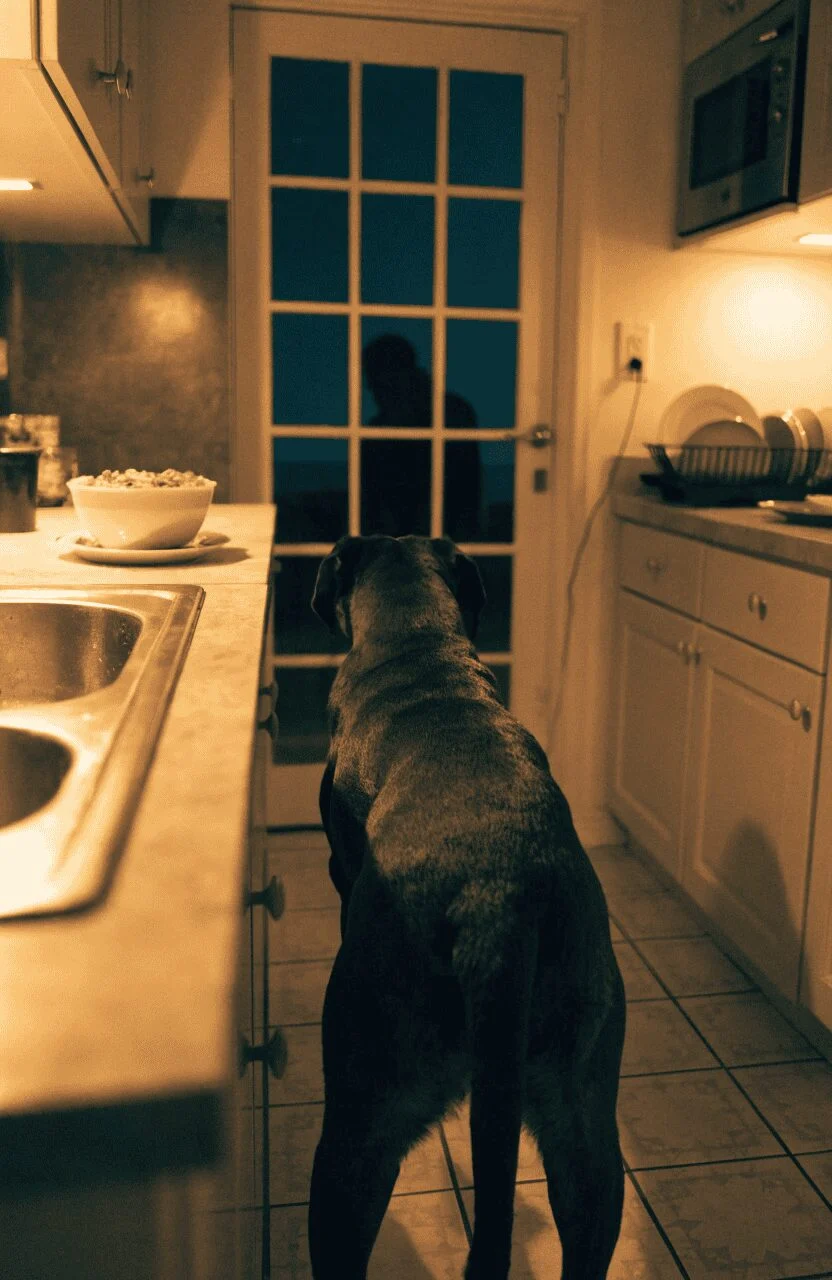
These two terms get used interchangeably, but they mean very different things.
A watchdog barks to alert you. A guard dog physically steps in to stop a threat. Both have value, but if you want a dog that will guard you with their life, you need a true guard dog — one wired to act, not just warn.
Every breed in this list is labeled so you know exactly what you’re getting.
What Makes a Dog Guard You With Their Life?

Three traits separate life-defending dogs from simple alarm barkers:
- Deep owner bonding — they see protecting you as their core purpose
- Low flight instinct — they don’t back down when things get serious
- High pain tolerance — they stay in a confrontation even when it hurts
These traits come from centuries of selective breeding. You can strengthen them with training, but you can’t create them from scratch. That’s why breed choice matters so much.
1. German Shepherd — The Gold Standard of Protection
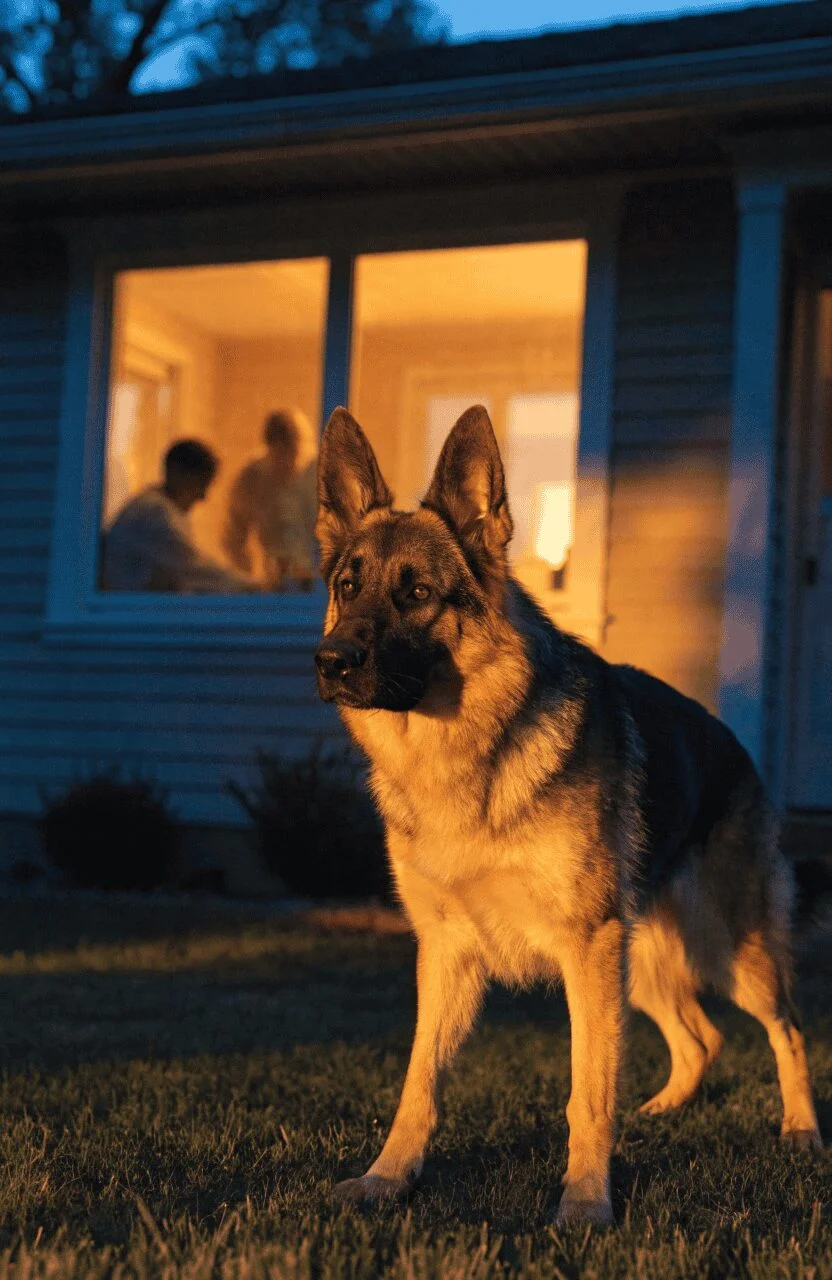
Guard Type: ✅ True Guard Dog
📏 22–26 in | ⚖️ 50–90 lbs | ⏳ 9–13 years
No breed on this list is more well-rounded. German Shepherds are used by police, military, and search-and-rescue teams worldwide — and for good reason. They’re intelligent, deeply loyal, and capable of making split-second decisions in high-pressure situations.
What makes them special as family protectors is their balance. They’re gentle with children they know and threatening to anyone who poses a risk. They read situations well and respond accordingly.
The Black German Shepherd variant shares all these traits with an even more striking, intimidating appearance.
Best For: Families, active singles, experienced and first-time owners alike Training Difficulty: Moderate
2. Rottweiler — Calm Until You’re Not Safe
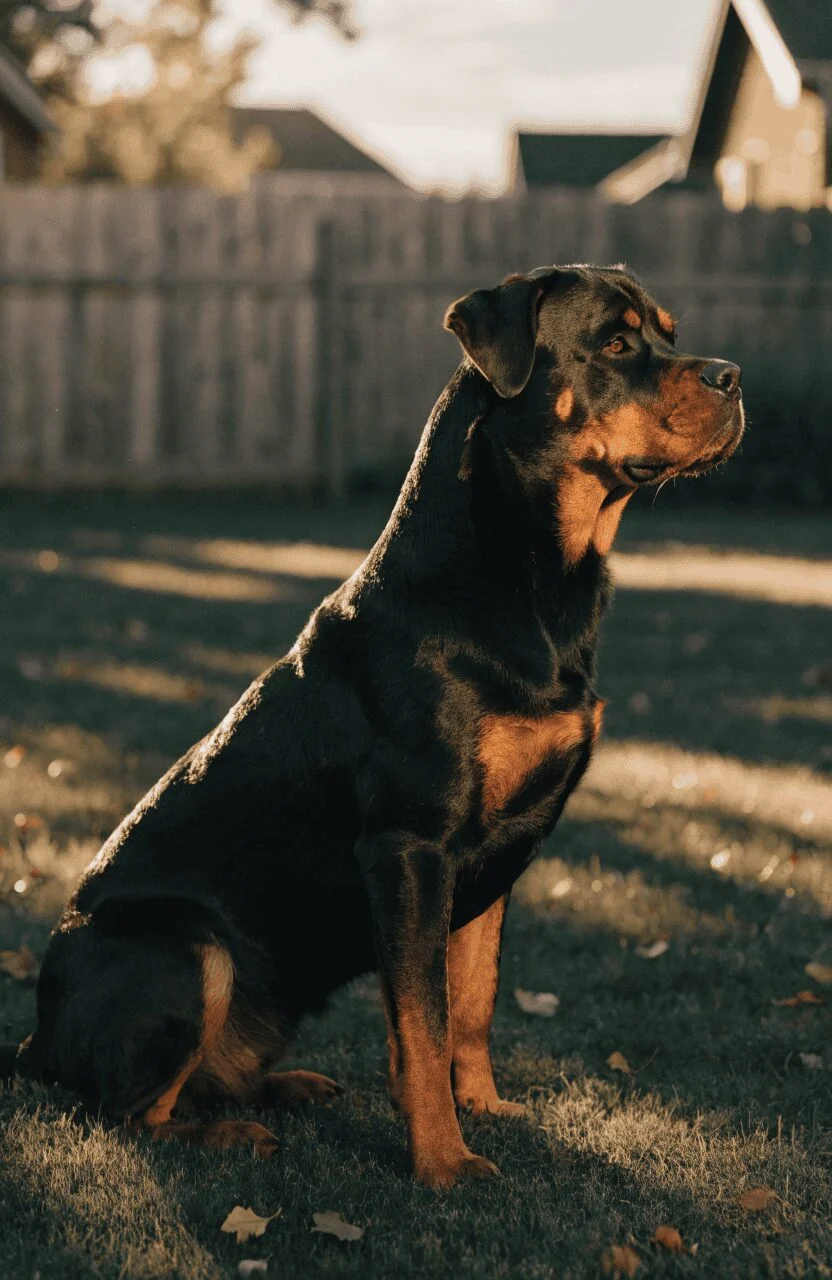
Guard Type: ✅ True Guard Dog
📏 22–27 in | ⚖️ 80–135 lbs | ⏳ 9–10 years
Rottweilers don’t bark at everything. They watch. They assess. And when they decide something is a real threat, they respond with total commitment.
This “wait and evaluate” instinct makes them one of the most reliable protection dogs in the world. They’re not reactive or unpredictable — they’re calculated.
They’re also surprisingly affectionate with their family. Don’t let the size or reputation fool you. A well-socialized Rottweiler is calm, confident, and deeply devoted. Curious how they match up against wild threats? See how a Rottweiler handles a coyote encounter.
Best For: Confident owners, homes with a yard Training Difficulty: Moderate–High
3. Belgian Malinois — The Dog the Military Chose
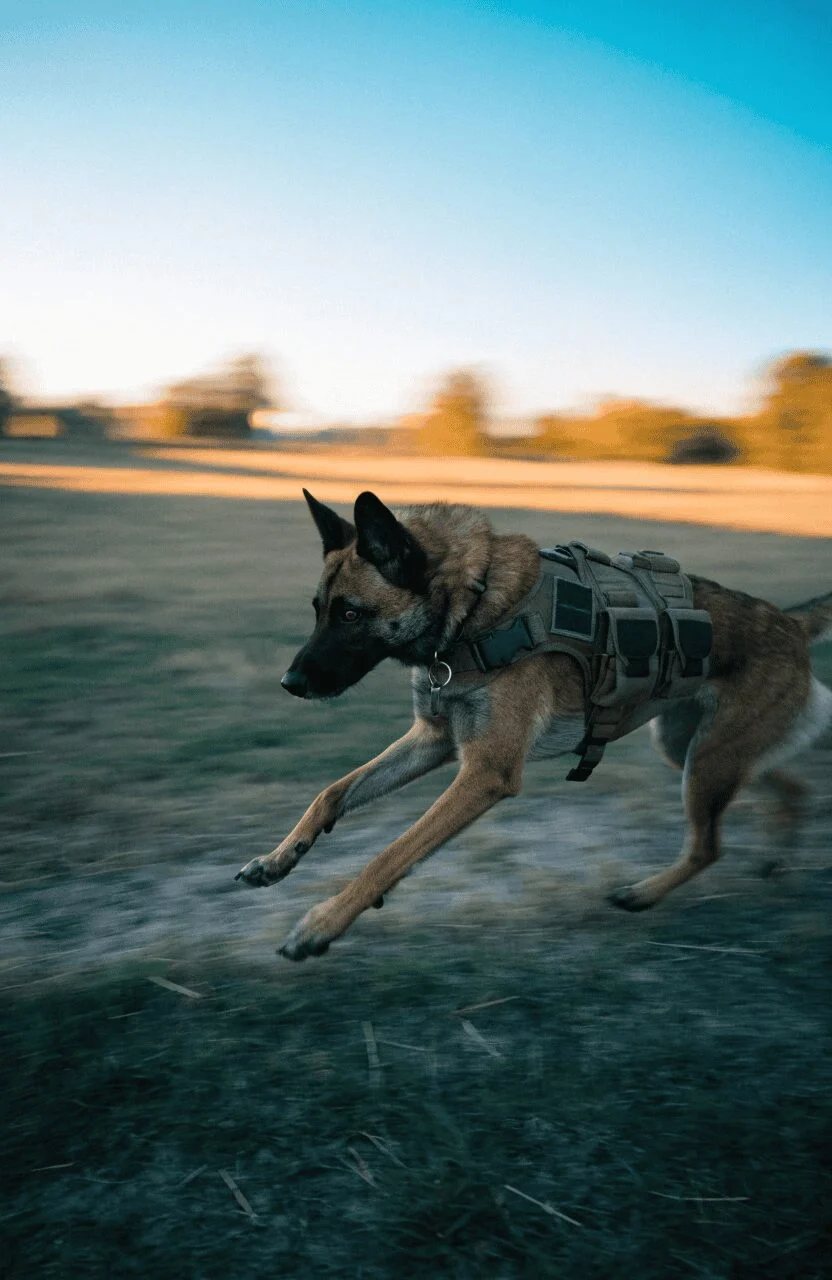
Guard Type: ✅ True Guard Dog
📏 22–26 in | ⚖️ 40–80 lbs | ⏳ 14–16 years
Navy SEALs brought a Belgian Malinois on the raid that took down Osama bin Laden. The Secret Service K-9 unit uses them to guard the White House. When the world’s top security teams need a dog, this is the one they call.
The Malinois is faster, more agile, and higher-drive than almost any other protection breed. They process threats quickly and act without hesitation.
That same intensity is exactly why they’re not for everyone. Without a job to do and an experienced handler to guide them, a Malinois becomes a problem. This breed demands serious commitment.
Best For: Active, experienced owners only — not recommended for first-timers Training Difficulty: Very High
4. Doberman Pinscher — Speed Meets Loyalty

Guard Type: ✅ True Guard Dog
📏 24–28 in | ⚖️ 60–100 lbs | ⏳ 10–13 years
The Doberman was literally bred to be the perfect protection dog. Karl Friedrich Louis Dobermann created the breed in the 1880s specifically to guard himself during his tax-collecting rounds.
The result is a dog with natural alertness, explosive speed, and an intense bond with its owner. They cover ground faster than almost any other breed on this list, which makes them particularly effective as personal protection dogs.
They’re also highly trainable and adapt well to home life. A Doberman that gets enough mental stimulation is calm indoors and on-alert outdoors.
Best For: Single owners, small families, experienced handlers Training Difficulty: Moderate
5. Akita — The Silent Protector
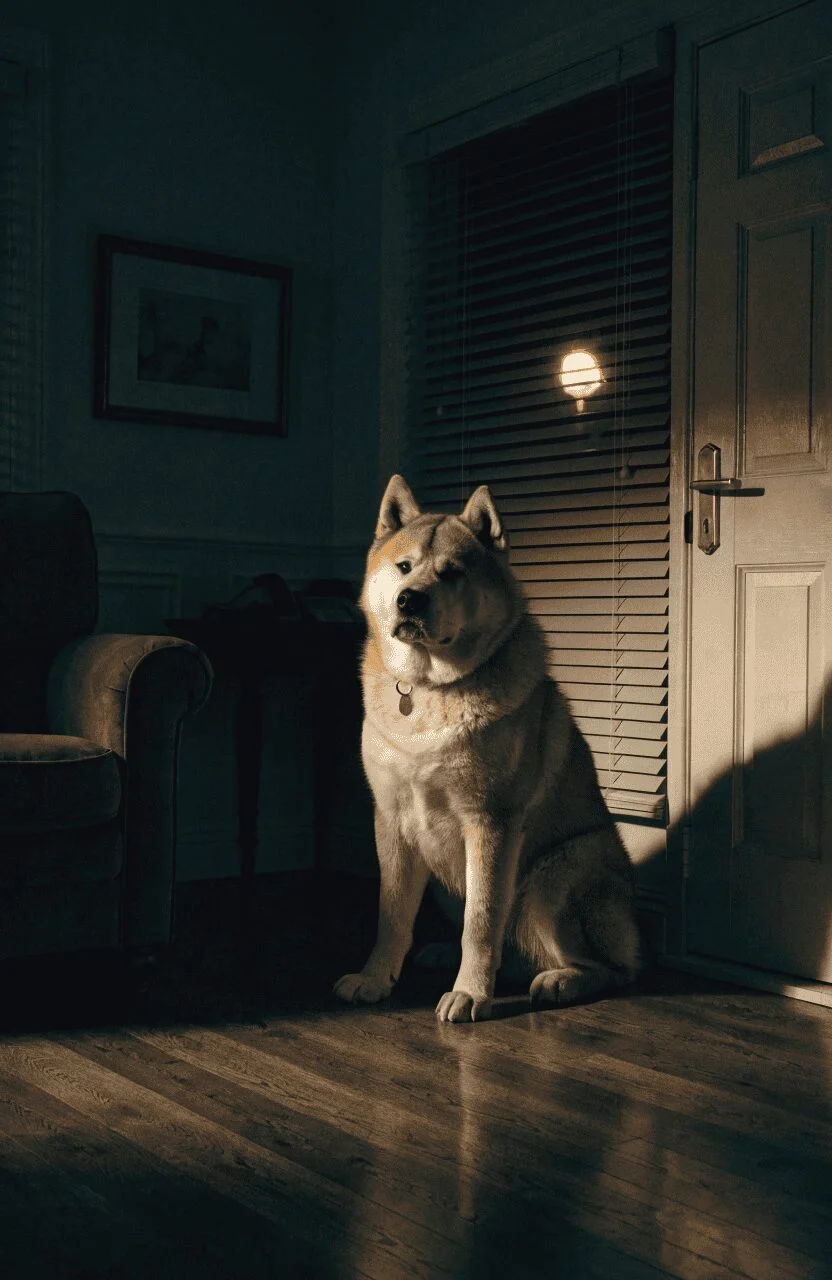
Guard Type: ✅ True Guard Dog (Rarely Barks)
📏 24–28 in | ⚖️ 70–130 lbs | ⏳ 10–14 years
Akitas don’t make noise about their loyalty. They live it.
In Japan, Akitas were bred for centuries as royal guard dogs. They bond completely with their family and treat every outsider with deep suspicion — silently, watchfully, and without apology.
The lack of barking isn’t a weakness. It means an Akita is always watching, always ready, and never gives away their position until they choose to act. That quiet confidence is part of what makes them so effective.
They don’t mix well with other dogs and need clear, confident leadership. In the right home, they are one of the most devoted protectors alive.
Best For: Experienced owners, homes without other pets Training Difficulty: High
6. Bullmastiff — The Gentle Giant With a Hard Stop
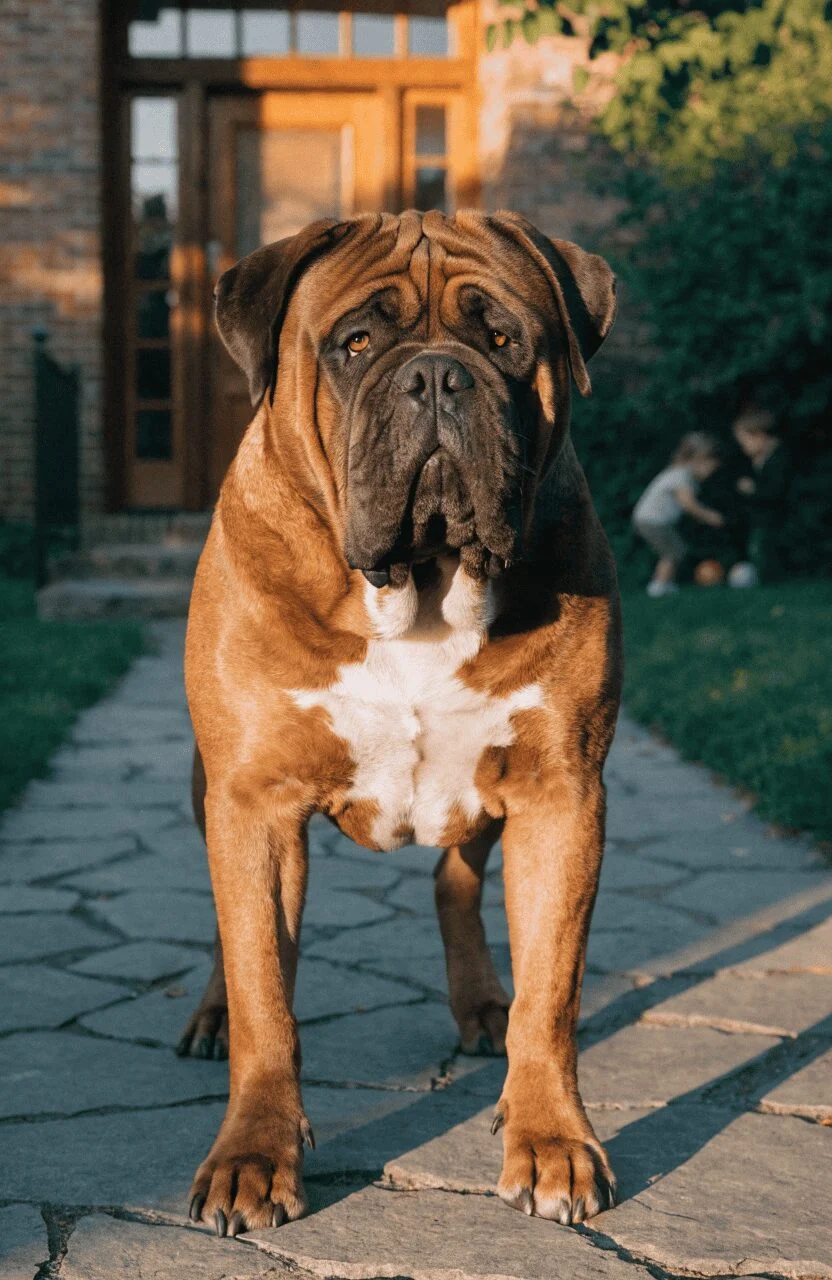
Guard Type: ✅ True Guard Dog (Physical Deterrent)
📏 24–27 in | ⚖️ 100–130 lbs | ⏳ 7–9 years
The Bullmastiff was originally bred by English gamekeepers to catch poachers — not to maul them, but to pin them until help arrived. That instinct is still deeply embedded.
They’re not aggressive in the traditional sense. They’re physical. A Bullmastiff’s strategy is to block, corner, and hold — which makes them one of the safest guard breeds for homes with children because they don’t default to biting.
Off-duty, they’re calm, affectionate, and almost lazy. Don’t let that fool you. They’re paying attention even when they look like they’re napping.
Best For: Families with young children, suburban homes Training Difficulty: Moderate
7. Cane Corso — Ancient Warrior, Modern Guardian
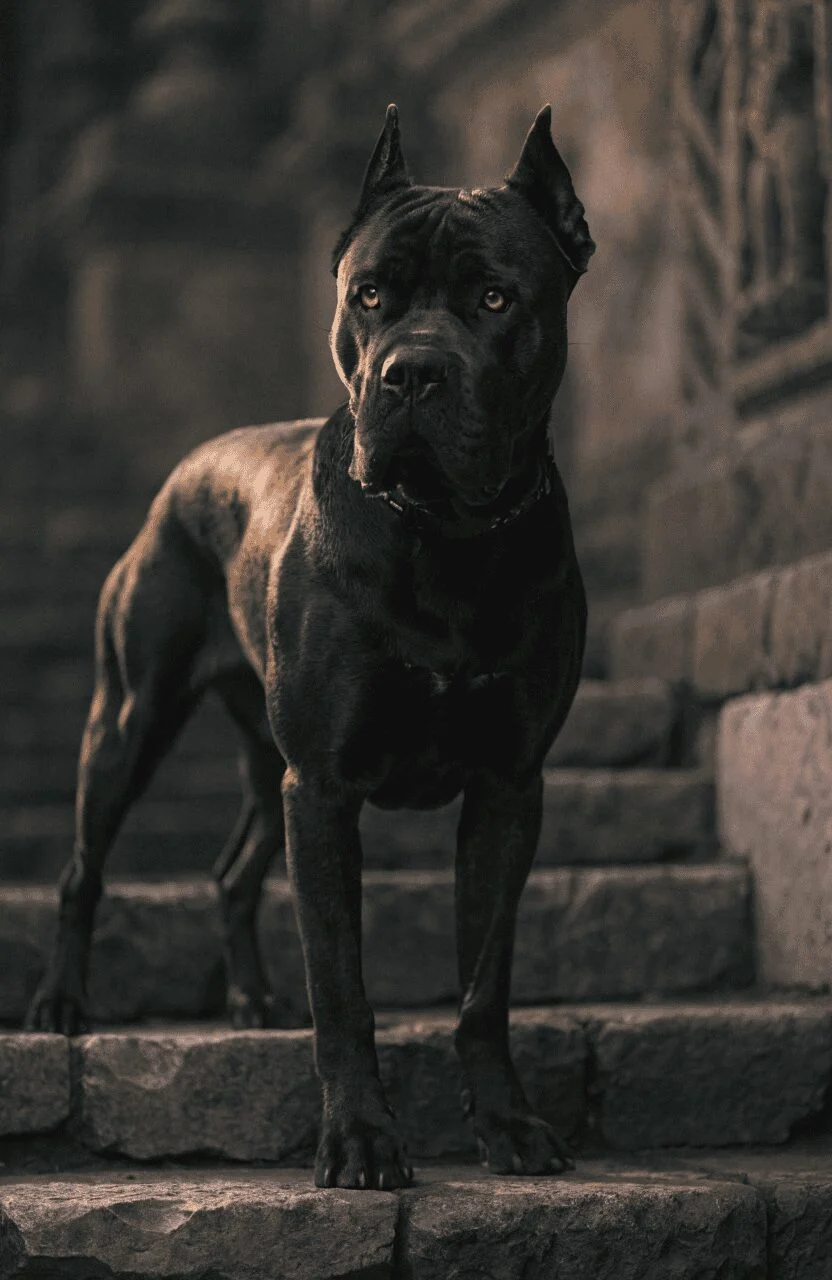
Guard Type: ✅ True Guard Dog
📏 23–27 in | ⚖️ 88–110 lbs | ⏳ 9–12 years
Roman legions used the Cane Corso’s ancestors in warfare. That’s more than 2,000 years of protection instinct refined into one breed.
Today’s Cane Corso is a massive, muscular dog with an imposing presence that deters most threats before they escalate. Their size alone is a statement.
But they’re not reckless. They bond deeply with their family and are surprisingly gentle with the people they love. The key is that they need a firm, experienced owner who can match their confidence and provide consistent structure.
Best For: Strong, experienced owners with space Training Difficulty: High
8. Giant Schnauzer — The Underrated Protector
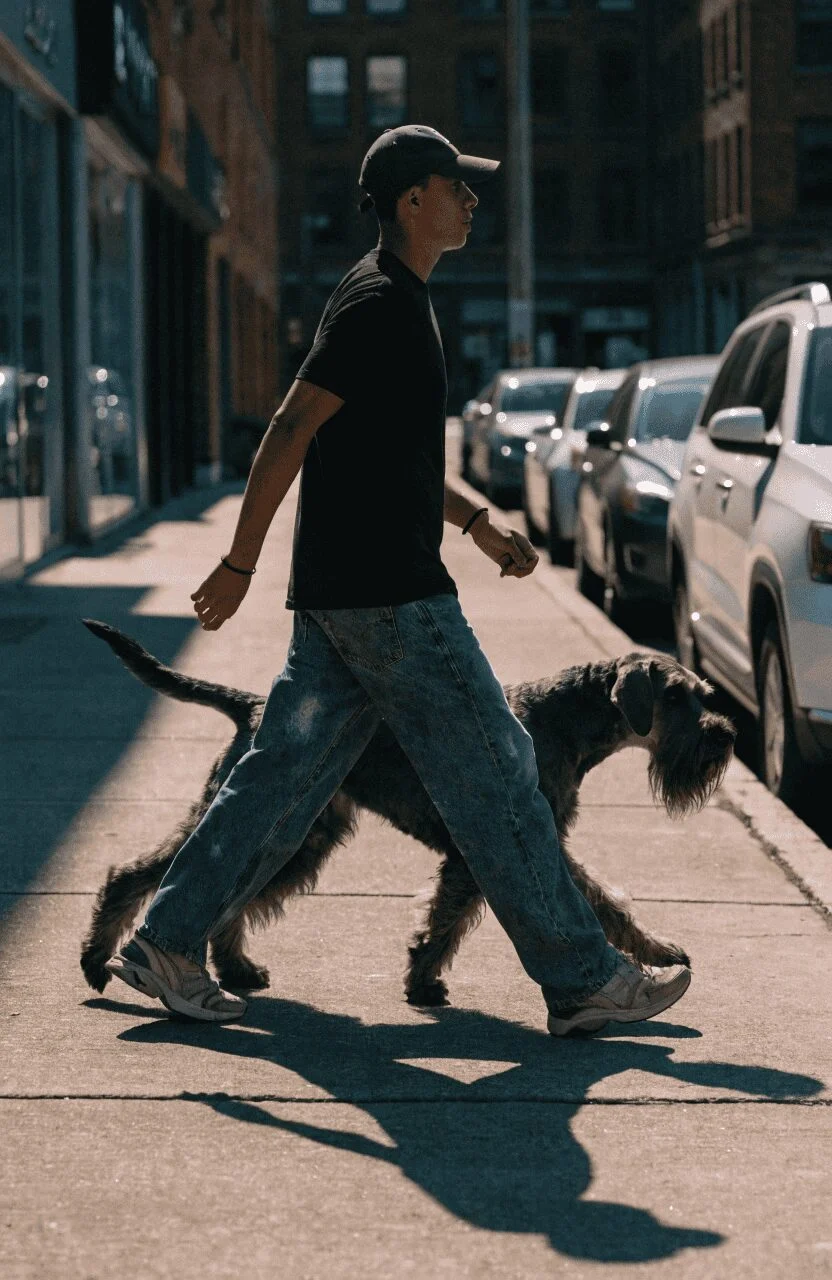
Guard Type: ✅ True Guard Dog
📏 23–27 in | ⚖️ 55–85 lbs | ⏳ 12–15 years
Most people overlook the Giant Schnauzer when building a list of guard dogs. That’s a mistake.
They combine the intelligence of a German Shepherd with the territorial instinct of a Rottweiler — in a package that also happens to be highly trainable and deeply loyal. They were used as police and military dogs in Europe long before the Belgian Malinois took the spotlight.
They’re also one of the longer-lived breeds on this list, which matters when you’re investing in a protection dog. If you want a smart, capable guardian, explore the smartest guard dog breeds — the Giant Schnauzer belongs near the top.
Best For: Active owners, families with older children Training Difficulty: Moderate
9. Rhodesian Ridgeback — Built to Face Lions
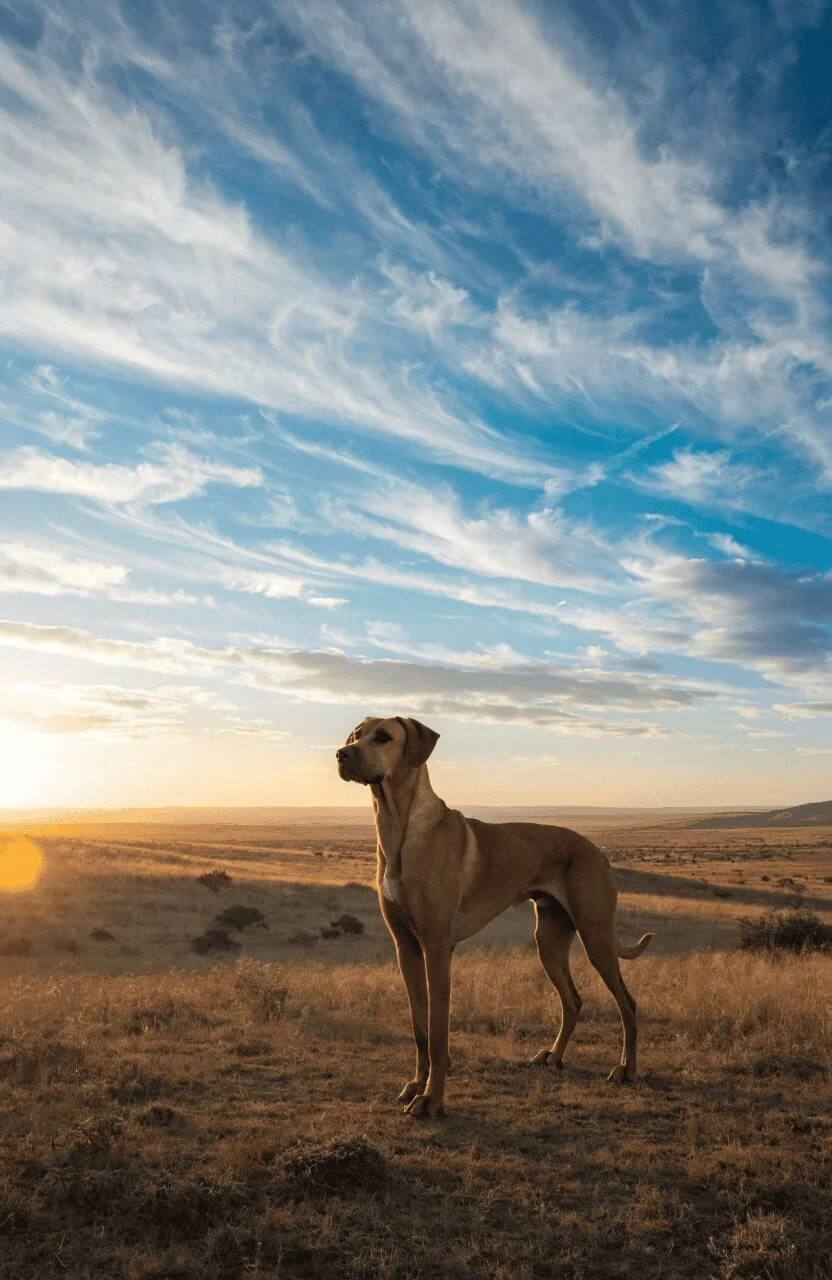
Guard Type: ⚡ Watchdog-Leaning Guard Dog
📏 24–27 in | ⚖️ 70–85 lbs | ⏳ 10–12 years
Originally bred in southern Africa to track lions and hold them at bay for hunters, the Rhodesian Ridgeback has a level of fearlessness that few breeds can match. If they’ll face a lion, a human threat isn’t going to rattle them.
They’re more independent than most guard breeds, which means they think for themselves. In a protection scenario, that’s actually an advantage — they don’t need a command to recognize danger.
They lean more toward alerting than physical intervention, but their size and confidence make them an effective deterrent regardless.
Best For: Active families, experienced owners who appreciate independent dogs Training Difficulty: Moderate
10. Caucasian Shepherd — The Bear Dog
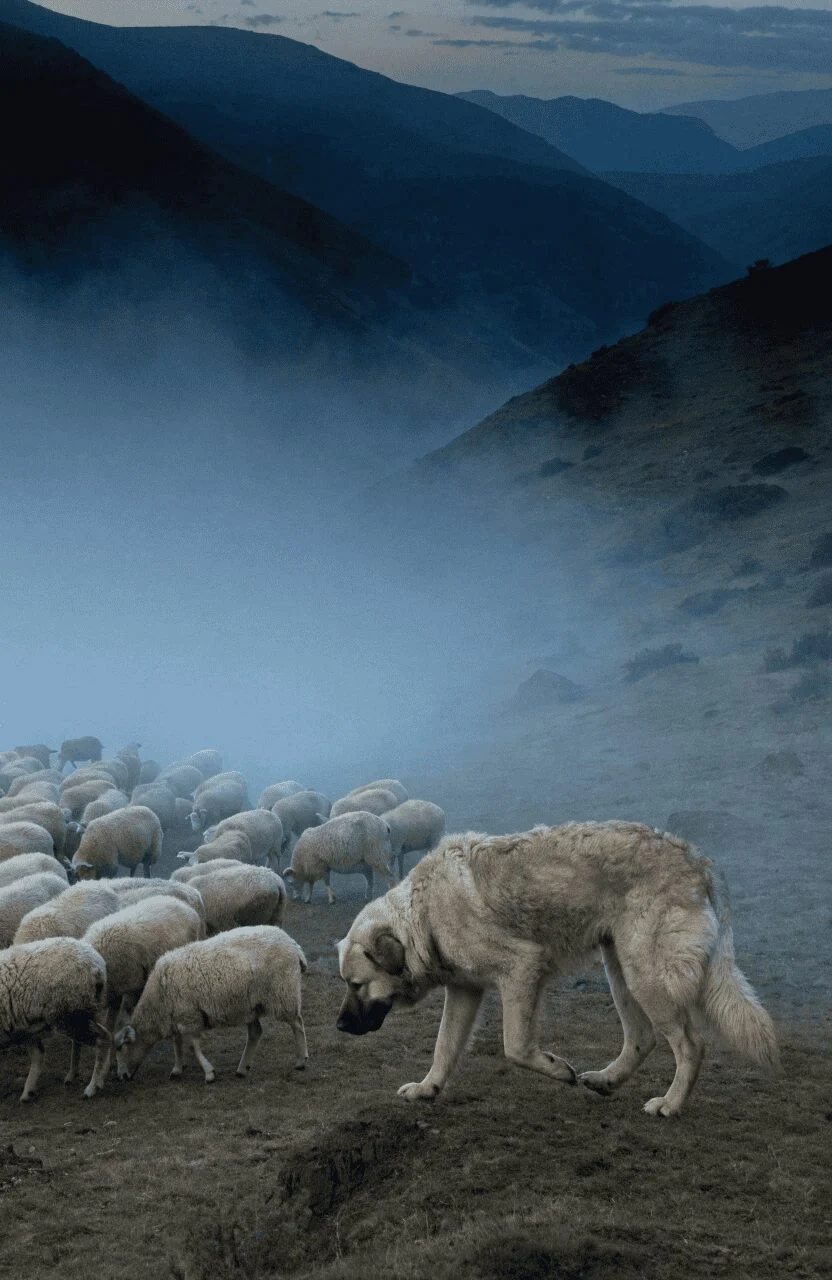
Guard Type: ✅ True Guard Dog (Expert Level)
📏 23–30 in | ⚖️ 99–170 lbs | ⏳ 10–12 years
The Caucasian Shepherd was bred in the mountains of Eastern Europe to fight off wolves and bears while protecting livestock. Let that sink in.
This is one of the most physically powerful dogs on earth. Their bite force, size, and natural aggression toward threats are unmatched. In the right setting — a rural property with an experienced owner — they are an extraordinary protector.
But this breed is not for most households. They require expert-level handling, extensive socialization, and a clear chain of leadership. Without it, they become genuinely dangerous. This is a dog for serious owners only.
Best For: Rural properties, livestock farms, expert owners Training Difficulty: Very High — professional guidance strongly recommended
11. Boerboel — South Africa’s Farm Guardian
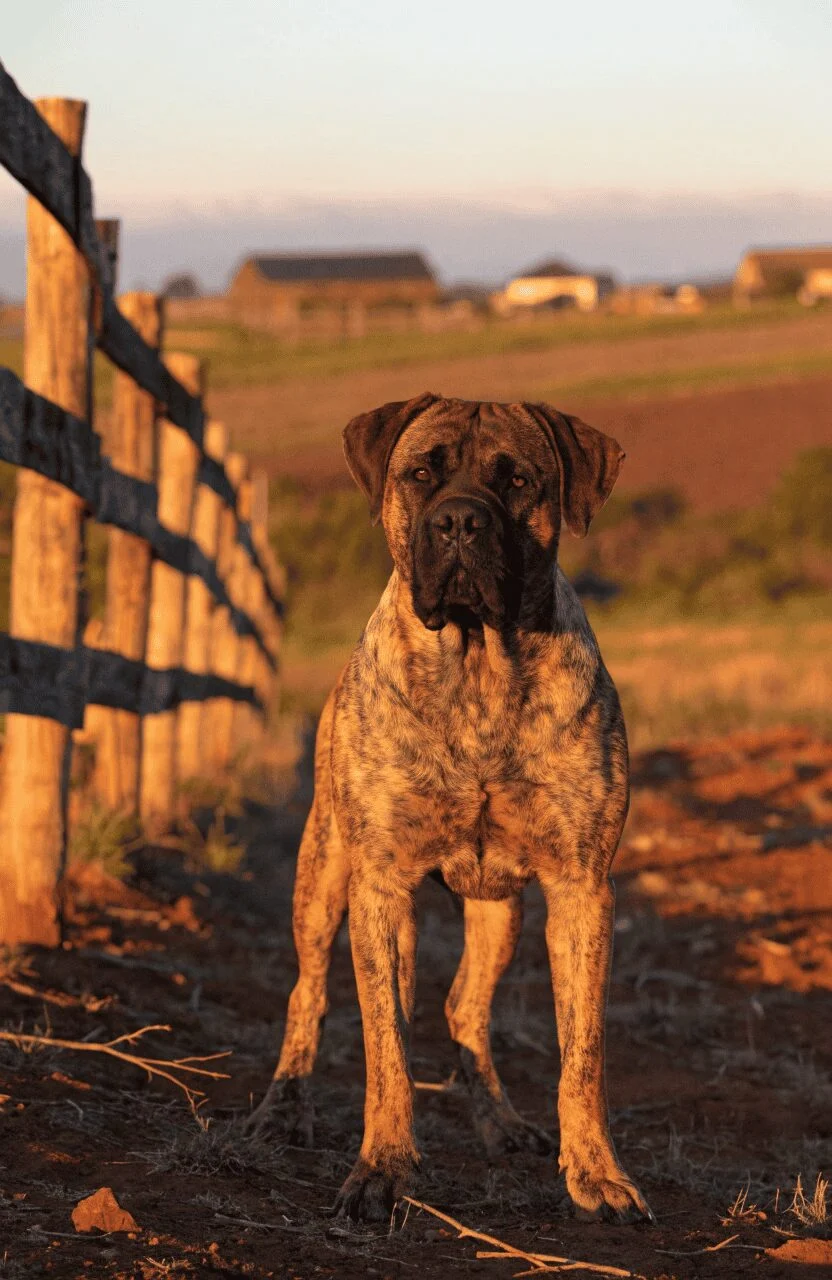
Guard Type: ✅ True Guard Dog
📏 22–27 in | ⚖️ 150–200 lbs | ⏳ 9–11 years
The Boerboel is one of the most underrated guard dogs in the world, and one of the least covered by other articles on this topic.
Developed by South African settlers to protect their farms from predators and intruders, the Boerboel is confident, territorial, and deeply loyal. They’re calm and affectionate indoors with their family but become an immovable force the moment they sense a real threat.
Their sheer size is their first line of defense. Most intruders won’t stick around long enough to find out what comes next.
Best For: Large properties, experienced owners, rural or suburban homes Training Difficulty: Moderate–High
12. Anatolian Shepherd — 6,000 Years on the Job
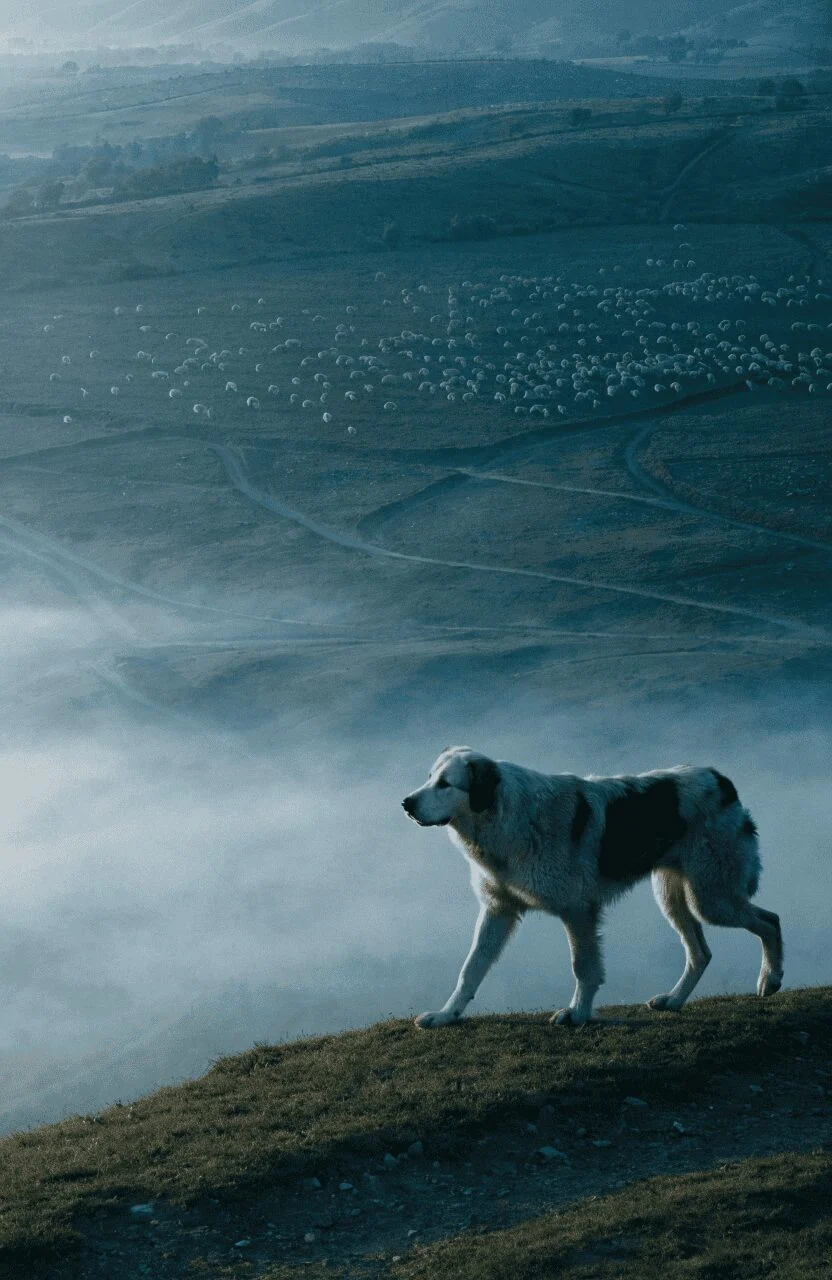
Guard Type: ✅ Independent Guard Dog
📏 27–32 in | ⚖️ 80–150 lbs | ⏳ 11–13 years
The Anatolian Shepherd has been protecting livestock in Turkey for over 6,000 years. That’s not a figure of speech — archaeologists have traced this breed’s working lineage to ancient Mesopotamia.
What makes them unique is that they don’t need commands to protect. They operate on instinct, patrolling their territory and making independent decisions about threats. This makes them exceptional for large outdoor properties.
They’re not typical handler-dependent dogs. They decide. They act. And they’ve been reliably doing so for thousands of years.
Best For: Livestock owners, large rural properties, independent-minded owners Training Difficulty: Moderate, but stubbornness requires patience
How to Choose the Right Guard Dog for Your Life
By Where You Live
| Living Situation | Best Breeds |
|---|---|
| Apartment | Doberman, Rottweiler (with daily exercise) |
| Suburban house | German Shepherd, Bullmastiff, Cane Corso |
| Rural / large property | Caucasian Shepherd, Anatolian Shepherd, Boerboel |
By Who’s in Your Home
- Young children → Bullmastiff, German Shepherd, Rhodesian Ridgeback
- Single owner → Doberman, Akita, Belgian Malinois
- Other pets in the home → Avoid Akita and Caucasian Shepherd; German Shepherd adapts well
By Your Experience Level
- First-time owner → German Shepherd, Bullmastiff
- Some experience → Rottweiler, Doberman, Giant Schnauzer, Cane Corso
- Expert handlers only → Belgian Malinois, Akita, Caucasian Shepherd
One Thing Every Guard Dog Needs Before Anything Else
It’s not size. It’s not bite force. It’s early socialization.
Every breed on this list needs consistent exposure to people, environments, and situations from puppyhood. A guard dog that hasn’t been properly socialized doesn’t become protective — it becomes unpredictable.
Start with structured puppy training tips early and stay consistent. The difference between a reliable protector and a liability comes down to how the dog is raised, not just the breed you pick.
There’s also a legal reality worth knowing. Several breeds on this list are restricted or banned in certain cities and countries under Breed-Specific Legislation (BSL). Some homeowner’s insurance policies also exclude specific breeds. Before you bring one of these dogs home, check your local laws and your insurance policy.
Owning a dog that will guard you with their life comes with real responsibility — to the dog, to your family, and to your community.
Final Thoughts
The dog breeds that will guard you with their life aren’t just tough — they’re deeply devoted. But devotion without direction can go wrong fast.
Pick the breed that fits your lifestyle, not just the one that looks the most intimidating. Train early, socialize consistently, and invest in your dog the way they’ll invest in you.
Want to explore more? Check out the most loyal dog breeds for dogs that combine protection with unwavering companionship, or browse fearless dog breeds if you want to go even deeper on courage and courage-first temperament.
The right dog won’t just guard your home. They’ll guard you — with everything they have.
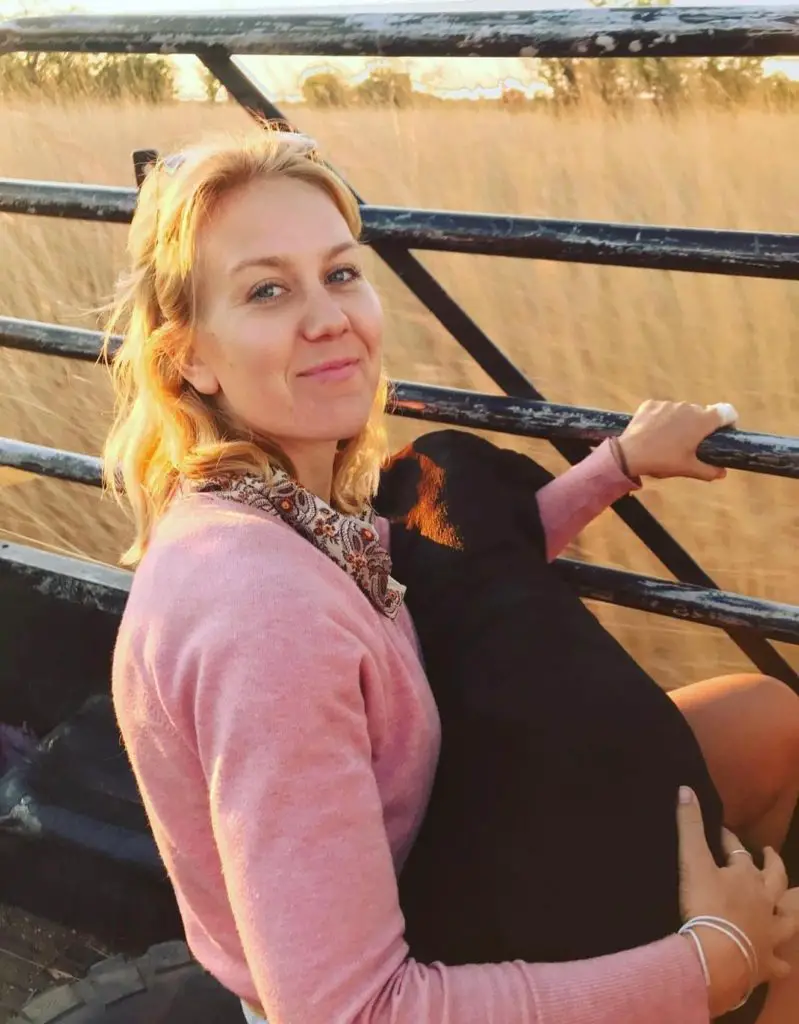
Izzy is an experienced ranch worker who has a passion for exploring nature and getting up close to wildlife. With her connections to various animal organizations, Izzy is well-versed in animal care and rehabilitation.