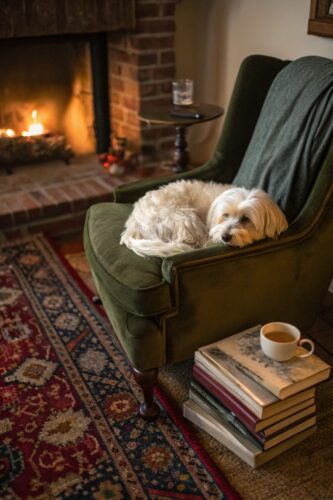
Brown Dog Breeds: 15 Popular, Rare & Dark Brown Dogs Explained
There’s something about a brown dog that just feels warm and inviting. Maybe it’s the rich chocolate coat of a Labrador or the deep russet fur of a Vizsla. Whatever the reason, brown dog breeds have captured the hearts of dog lovers around the world — and it’s easy to see why.
Whether you’re actively looking for your next pet or simply curious about what’s out there, this guide covers everything you need to know. From the most popular dog breeds brown in color to some truly underrated gems, we’ll walk you through their coats, personalities, care needs, and more.
By the end, you’ll have a clear picture of which brown dog might be the perfect fit for your home.
1. What Exactly Makes a Dog “Brown”?
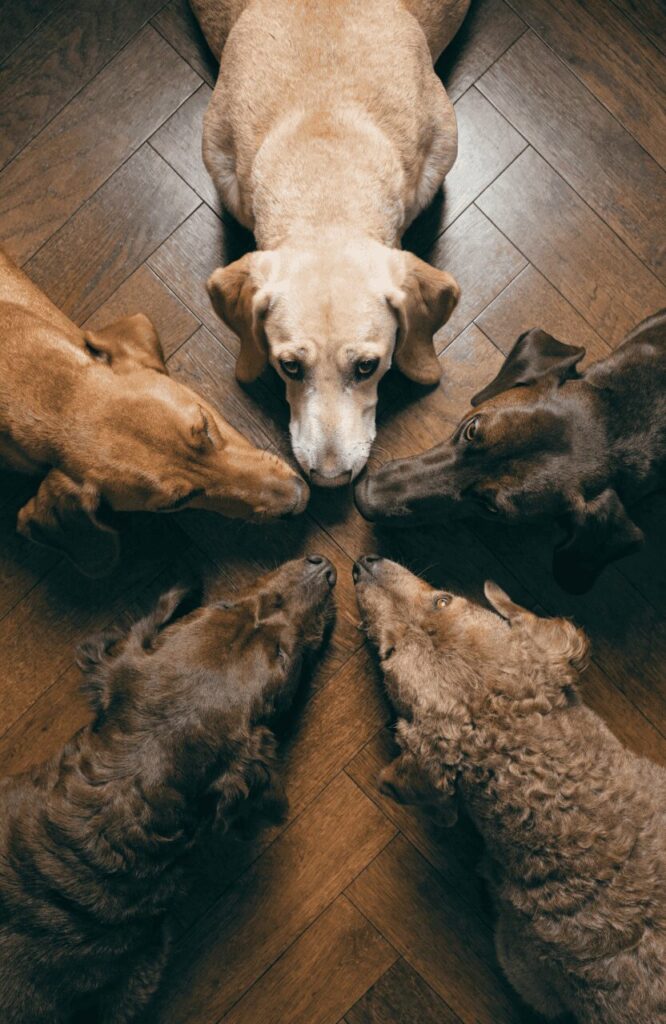
Before diving into the breeds, it helps to understand what “brown” actually means in the dog world.
Brown coats are caused by a pigment called eumelanin. This pigment is naturally black, but a specific gene — called the “b” gene — modifies it into shades of brown. When a dog inherits two copies of this gene (one from each parent), it produces a brown coat instead of a black one. That’s why two black Labrador parents can produce a chocolate puppy in the same litter.
But “brown” isn’t just one color. It covers a wide spectrum:
- Chocolate — a deep, rich dark brown (think Chocolate Lab)
- Liver — a similar deep brown, common in sporting breeds
- Mahogany — a warm, reddish-brown tone
- Fawn — a light, sandy brown
- Red-brown — a warm reddish hue seen in breeds like the Vizsla
- Sable — a mix of brown and black-tipped hairs
Understanding these shade differences matters more than you might think. A “brown dog” you fall in love with in a photo might look quite different in person — because lighting, shade, and genetics all play a role.
2. Most Popular Brown Dog Breeds
These are the dog breeds brown in coat that most people recognize. Each one has a unique personality and set of traits, so read carefully before choosing based on looks alone.
2.1 Chocolate Labrador Retriever
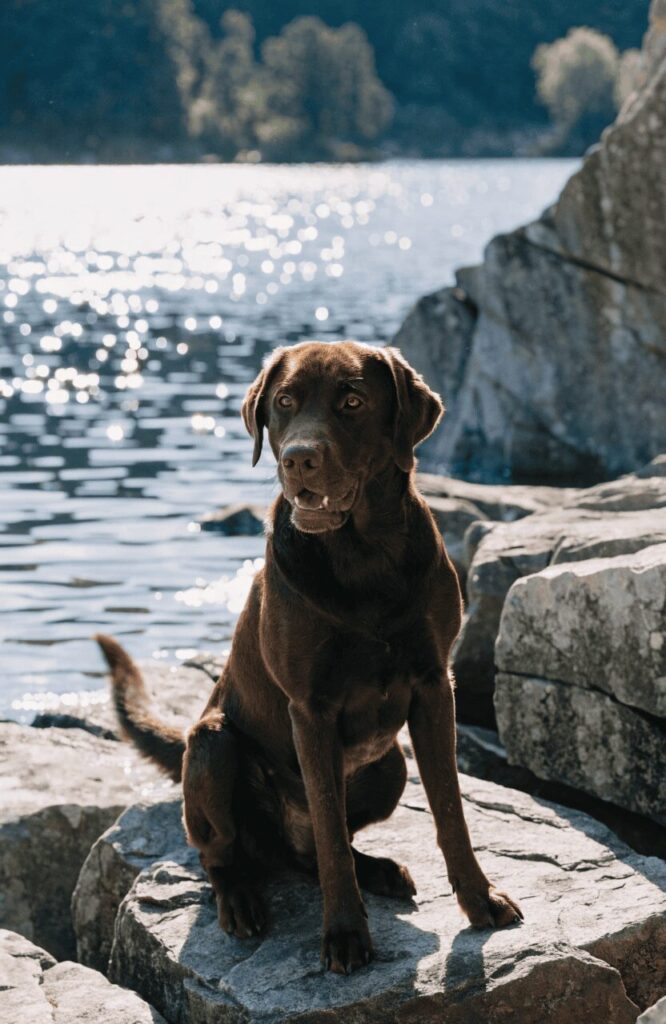
The Chocolate Lab is probably the most iconic of all brown dog breeds. Friendly, energetic, and incredibly loyal, Labs consistently rank among the most popular family dogs in the world.
Their short, dense double coat is easy to maintain, and their brown shades range from a light milk-chocolate tone to a deep, rich dark brown. Labs are great with kids, love to swim, and are highly trainable — making them a solid pick for first-time owners.
They weigh between 55 and 80 pounds and need daily exercise. Without enough activity, they can become bored and destructive.
2.2 Dachshund
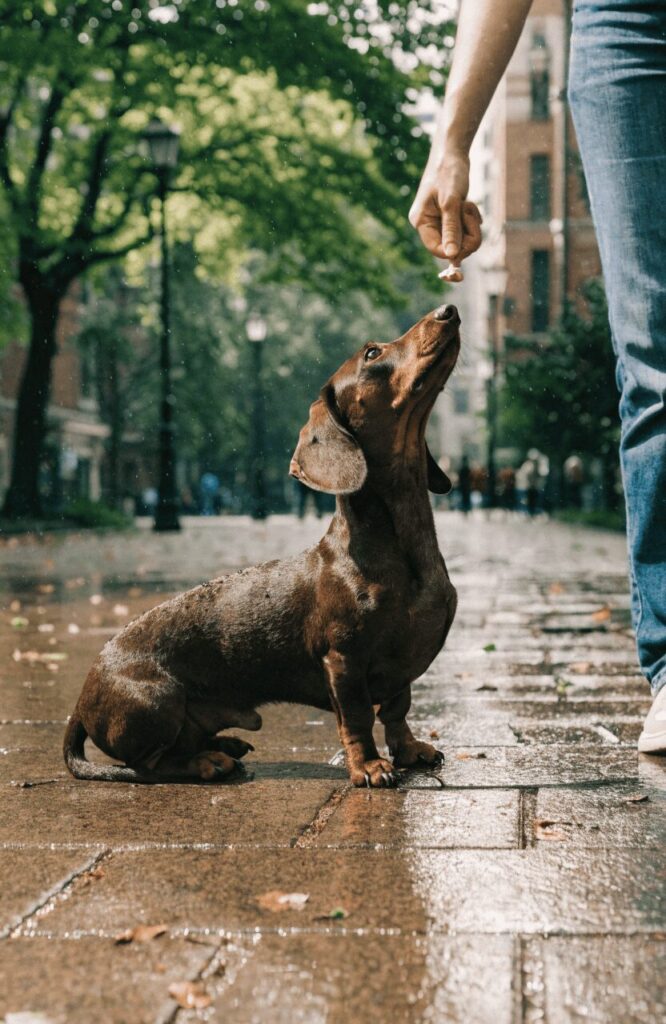
Don’t let the small size fool you. The Dachshund — also known as the wiener dog or sausage dog — is one of the boldest and most spirited brown dog breeds out there. They come in chocolate, red-brown, and tan shades, with coat types ranging from smooth to long-haired to wirehaired.
Dachshunds form deep bonds with their owners but can be stubborn during training. Early socialization is key. They adapt well to apartment living, but their long backs make them prone to spinal issues — jumping from heights should always be avoided.
2.3 German Shepherd (Brown/Sable Variant)
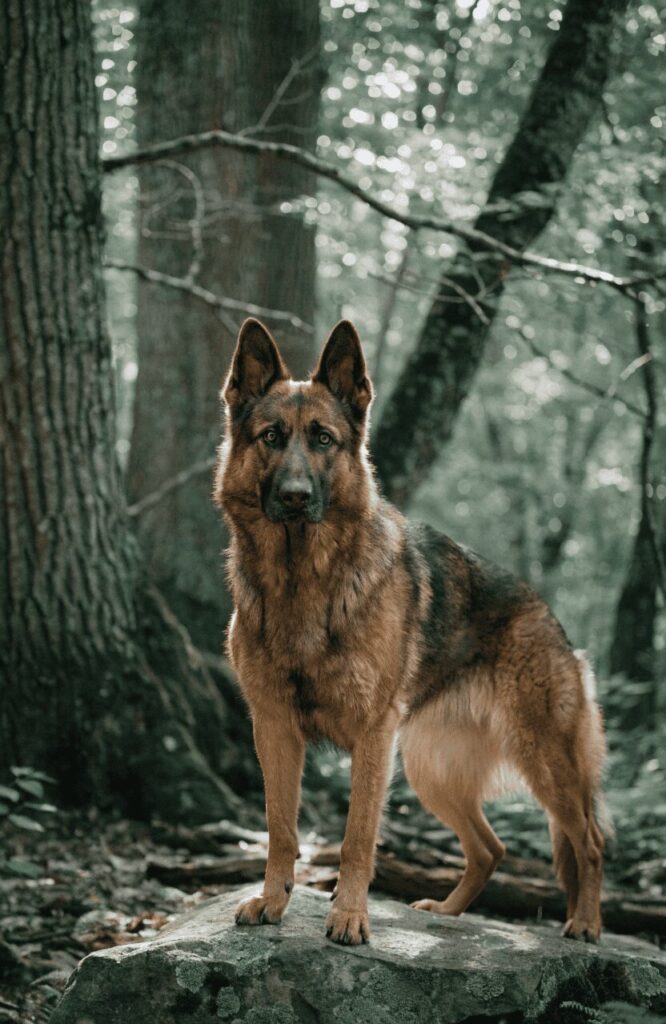
Most people picture a black and tan German Shepherd, but brown and sable variants are equally striking. The sable German Shepherd has brown-tipped hairs with darker roots, giving them a wolf-like, earthy appearance.
German Shepherds are intelligent, protective, and deeply loyal. They’re used by police and military forces worldwide for a reason. They’re also affectionate with families and great with children when properly socialized. Just know that this breed needs a lot of mental and physical stimulation — it is not a couch dog.
2.4 Chesapeake Bay Retriever
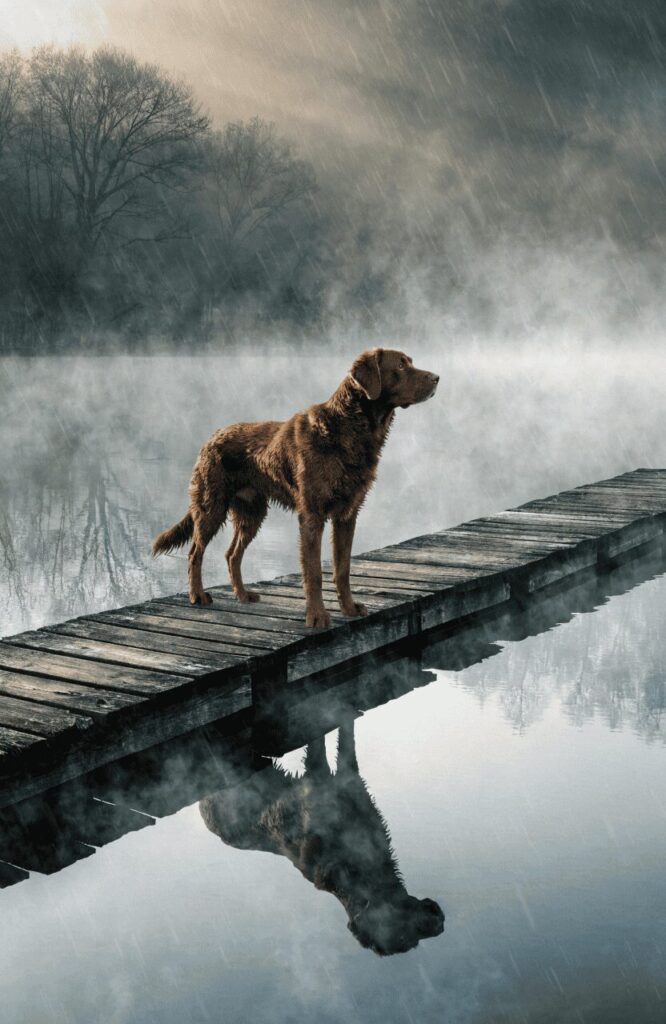
The Chesapeake Bay Retriever — or “Chessie” — is a powerfully built brown dog breed originally bred to retrieve waterfowl in cold, rough water. Their coat is uniquely oily and wavy, which makes it water-resistant and gives it a distinctive brown-to-tan color range.
Chessies are loyal and protective of their families. They’re smart but can be strong-willed, so consistent positive reinforcement training from a young age is essential. They thrive best with active owners who enjoy outdoor adventures.
2.5 Poodle (Chocolate & Café au Lait)
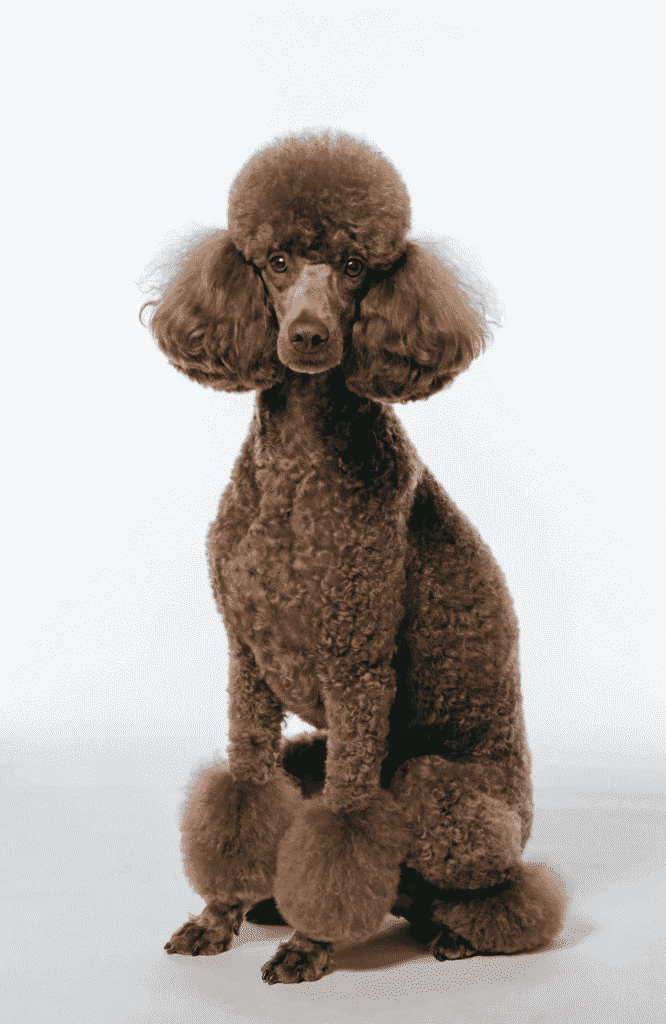
Poodles come in chocolate brown and a softer shade called café au lait — a shiny, warm light brown. They’re available in three sizes: toy, miniature, and standard. All three are exceptionally intelligent and among the easiest dog breeds to train.
Poodles are low-shedding and considered hypoallergenic, which makes them a great choice for allergy sufferers. Their curly coats need regular grooming and professional trimming every four to six weeks.
2.6 Cocker Spaniel
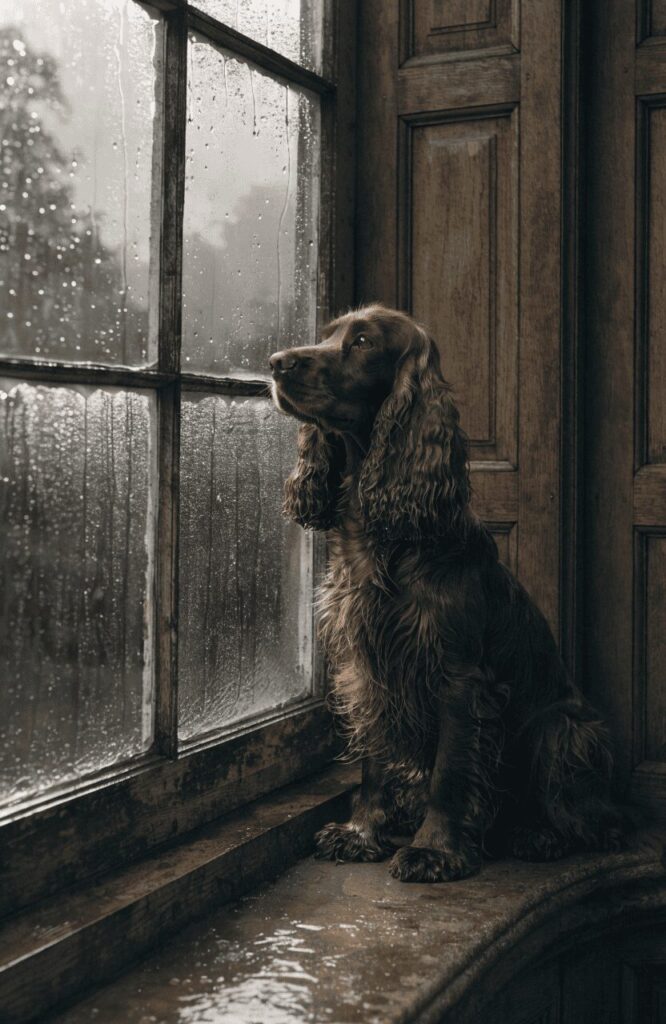
The Cocker Spaniel is one of the most beautiful brown dog breeds, with silky, flowing ears and a warm chocolate or roan-brown coat. They’re gentle, affectionate dogs that do wonderfully in family settings.
American Cocker Spaniels are slightly smaller than their English cousins. Both types are eager to please and respond well to reward-based training. They need regular coat brushing to prevent tangles and matting.
2.7 Boykin Spaniel
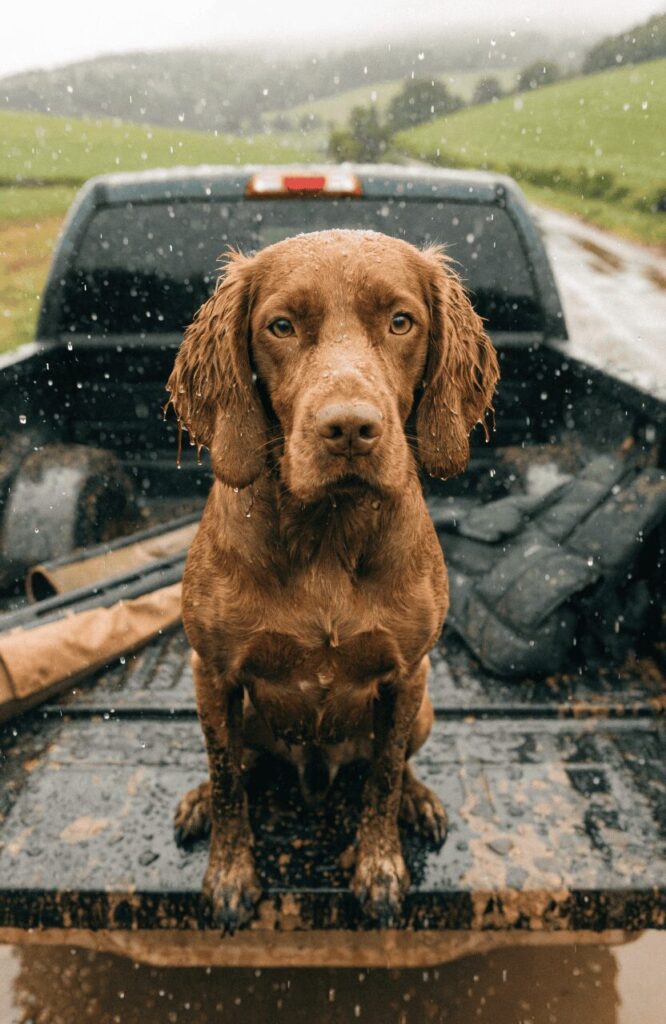
The Boykin Spaniel is South Carolina’s state dog and a firm favorite among hunters. They have a rich liver-brown coat with a wavy or curly texture, and they’re compact enough to fit in a small hunting boat — which is exactly where they earned their reputation.
Off the field, Boykins are friendly, enthusiastic, and fantastic family companions. They love water and do best with regular outdoor activity. If you’re browsing small dog breeds that are still athletic and capable, the Boykin deserves serious consideration.
2.8 Vizsla
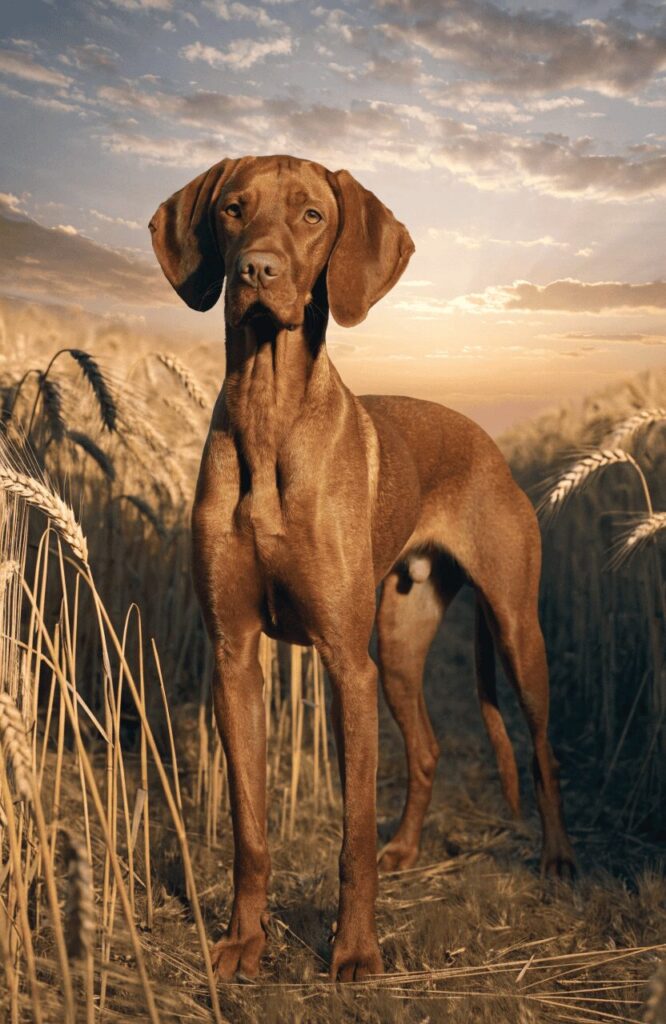
The Vizsla is one of the most striking brown dog breeds you’ll ever see. Their coat is a unique golden-rust brown — short, warm, and gleaming in sunlight. What makes them truly special is their personality: Vizslas are often called “velcro dogs” because they want to be with their owners at all times.
They’re athletic, sensitive, and highly trainable. However, they don’t do well when left alone for long periods. If you’re an active person looking for a devoted, all-day companion, the Vizsla is hard to beat.
3. Dark Brown Dog Breeds Worth Knowing
If you’re drawn to deep, rich, almost chocolate-black coats, these dark brown dog breeds deserve your attention. They’re a little less mainstream but equally impressive.
3.1 Irish Water Spaniel
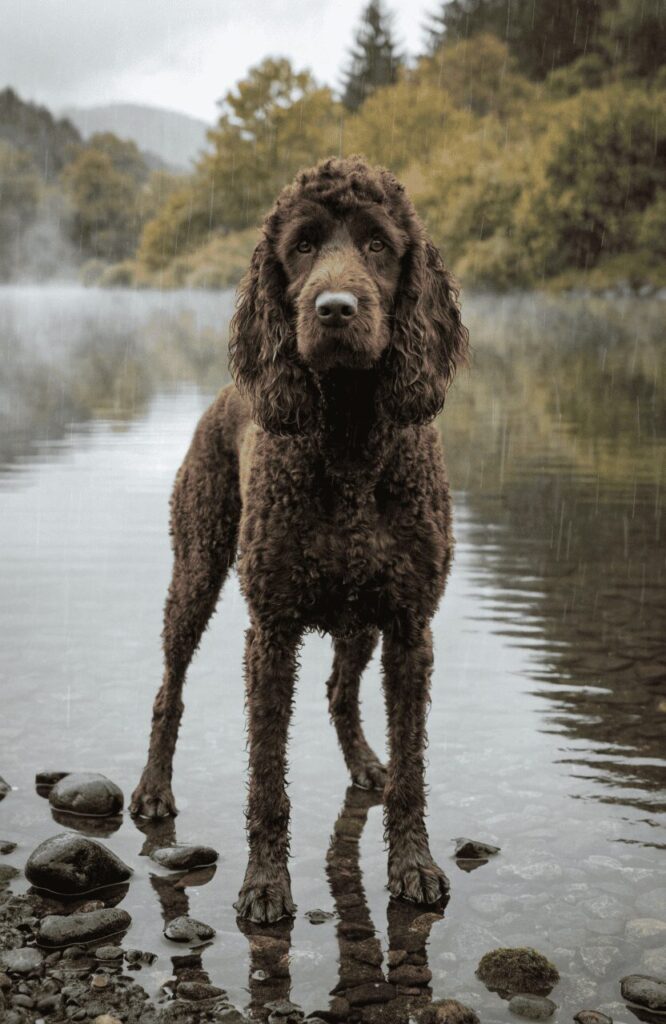
The Irish Water Spaniel is one of the largest spaniels and is easily recognized by its dense, liver-brown curly coat and distinctive tapered tail. Bred for retrieving in cold water, these dogs are strong, athletic, and full of character.
They’re playful and smart but can be a little independent-minded. They suit experienced dog owners who enjoy an active lifestyle. Their low-shedding coat is also a bonus for households with mild allergies.
3.2 Newfoundland (Brown Variant)
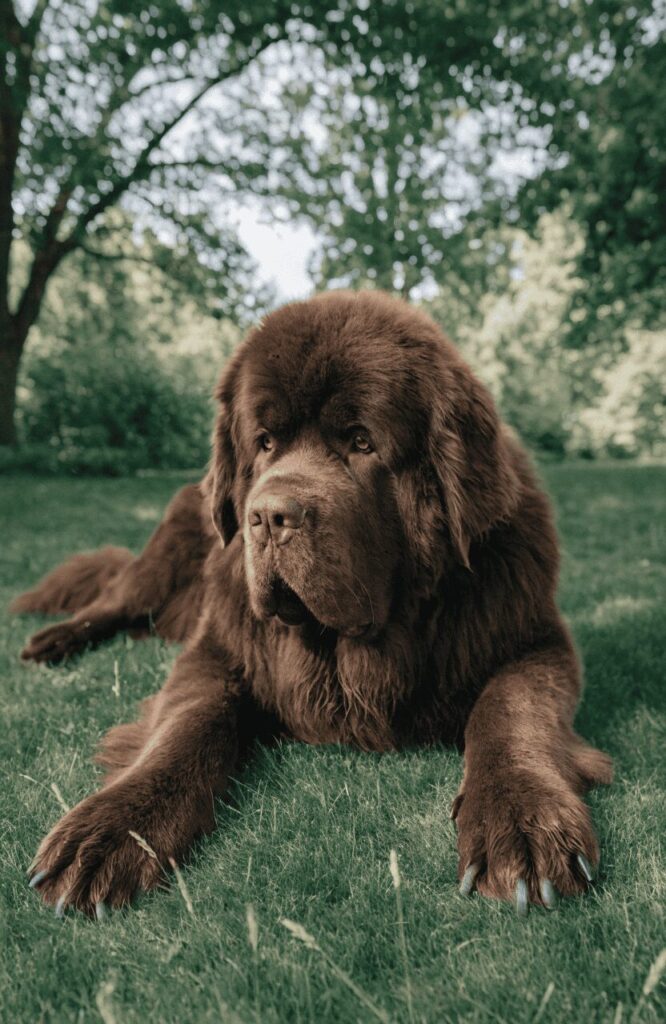
Most people know the Newfoundland as a big black dog, but they also come in a deep, rich brown. These gentle giants can weigh up to 150 pounds, yet they’re known for their calm and sweet nature. They consistently rank among the most loyal dog breeds in the world.
Newfoundlands are famously patient with children, earning them the nickname “nanny dog.” They’re devoted and easy to train despite their size. Their thick double coat requires regular brushing and sheds heavily — especially during shedding season.
3.3 Flat-Coated Retriever
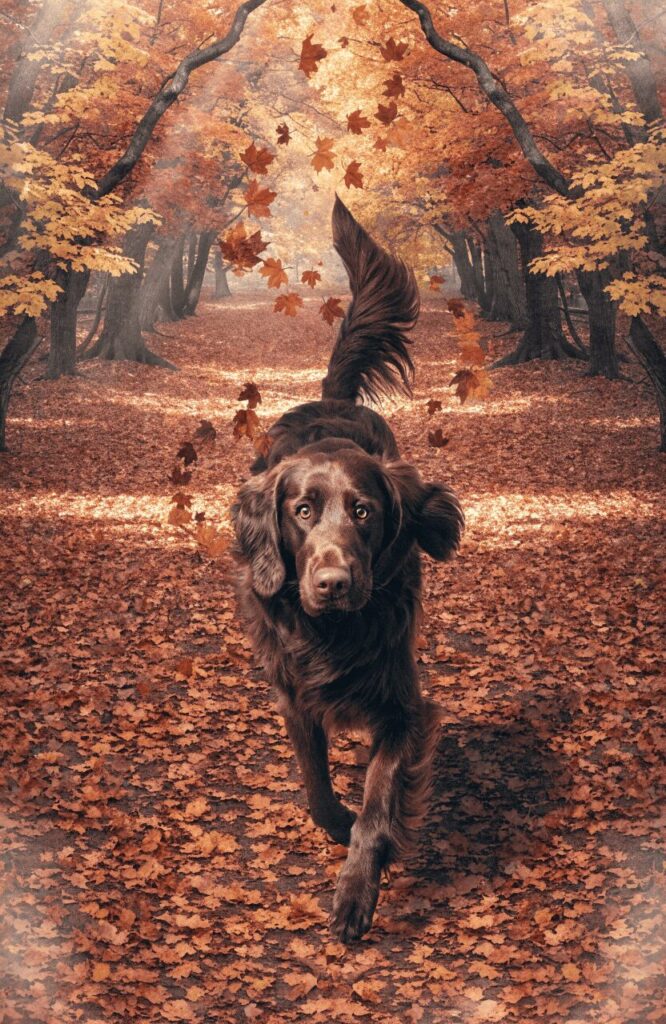
The Flat-Coated Retriever comes in liver (a dark, rich brown) and black. The liver version is one of the most underappreciated dark brown dog breeds on the market. They look similar to a Labrador but with a longer, silkier coat.
Flat-Coats are known for their permanently puppy-like personality — playful, goofy, and always enthusiastic. They need lots of exercise and mental stimulation. For a larger household looking for a fun-loving companion, they’re an excellent pick. For more options in this size range, see our full guide to big dog breeds.
4. Underrated Brown Dog Breeds You’ve Probably Never Heard Of
The same 10 breeds appear in almost every brown dog article online. These four are far less talked about — but they deserve a spot on your radar.
4.1 Field Spaniel
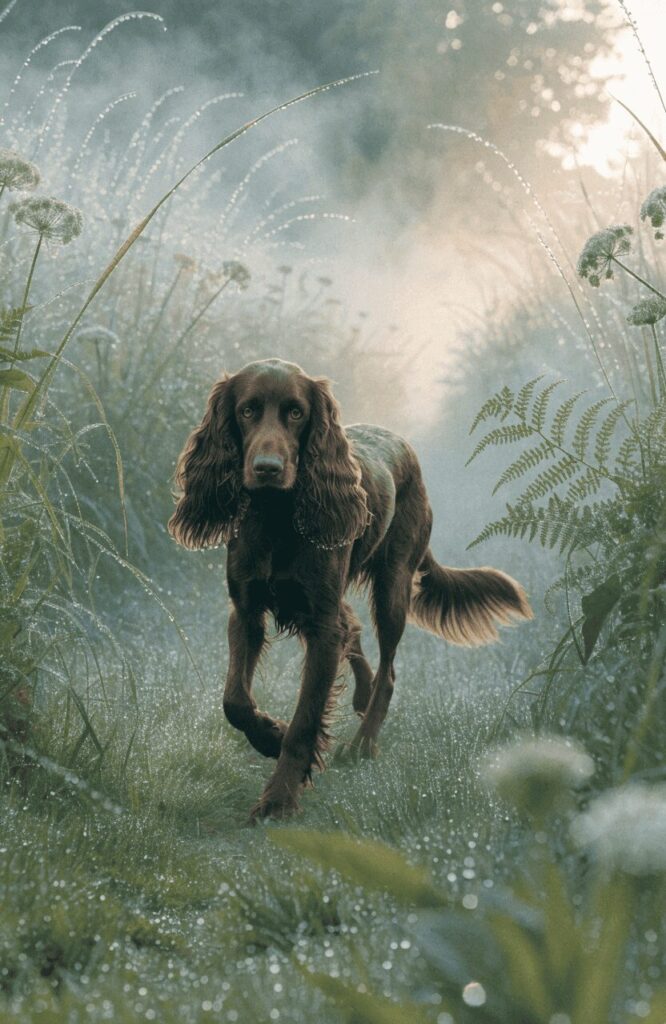
The Field Spaniel is a medium-sized, liver-brown dog that’s rarely discussed despite being a fantastic breed. They’re calm, curious, and adaptable — equally happy in the countryside or a suburban home. Their silky, flat coat gives them an elegant, understated appearance. They were nearly extinct in the early 20th century and remain a rare find today.
4.2 Plott Hound
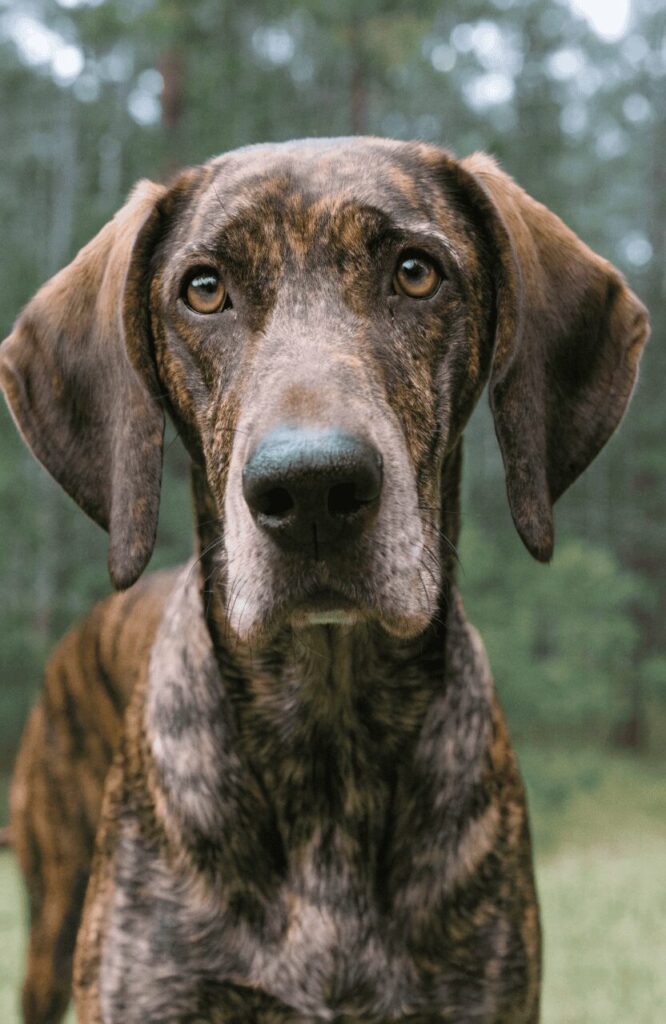
The Plott Hound is North Carolina’s state dog and one of the few American hound breeds not descended from British foxhounds. They often appear in brindle-brown — a striking pattern of dark and warm brown stripes running through the coat. They’re tenacious working dogs but loyal and devoted at home. If you want a brown dog with a unique look and a fascinating history, the Plott Hound is hard to beat.
4.3 Sussex Spaniel
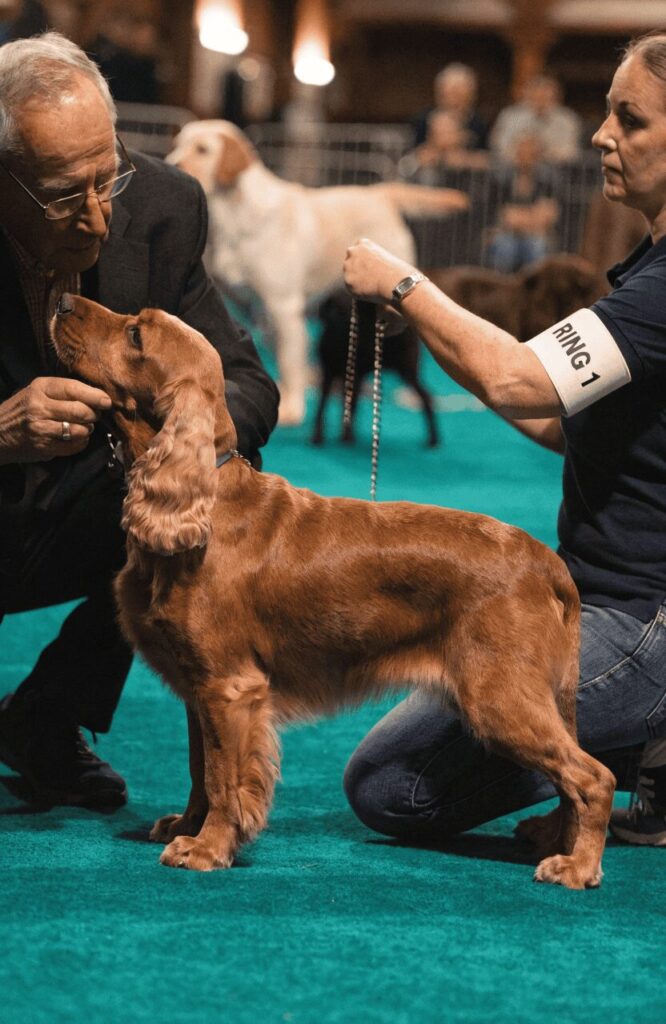
The Sussex Spaniel is a rare, low-built spaniel with a rich golden-liver brown coat unlike any other breed’s coloring. They’re calm, steady, and great with families. Unlike most spaniels, they’re not overly high-energy — they’re quite content with a moderate amount of daily exercise. They’re recognized by the AKC but remain one of the rarest dog breeds in the world.
4.4 Lagotto Romagnolo
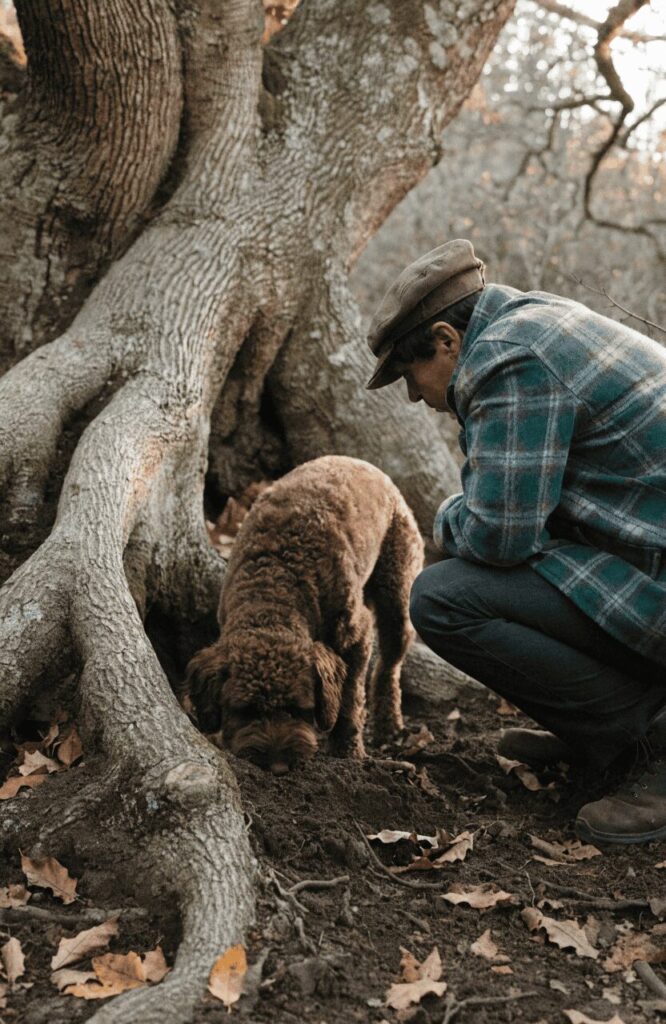
Originally bred in Italy to hunt truffles, the Lagotto Romagnolo has a dense, curly coat that ranges from off-white to rich chocolate brown. They’re highly intelligent, affectionate, and surprisingly easy to train. They’re also low-shedding, making them a great option for people with mild allergies. Think of them as a more exotic, rustic alternative to the Poodle.
5. Does Coat Color Affect a Dog’s Personality?
This is one of the most common questions people ask about brown dog breeds — and the short answer is: not really.
The most popular version of this myth involves Chocolate Labradors. You’ve probably heard that chocolate Labs are more hyperactive or harder to train than yellow or black Labs. This idea has been repeated so often that many people treat it as fact.
But a dog’s temperament is shaped by its breed genetics, upbringing, socialization, and training — not the color of its coat. A well-bred, well-socialized Chocolate Lab from working lines is just as trainable as a black Lab from the same lines.
The myth likely started because chocolate Labs were historically more popular in the show ring and pet community, while black Labs dominated working and hunting roles. People were comparing show-bred chocolates to working-line black Labs and incorrectly attributing behavioral differences to coat color rather than breeding purpose.
The same logic applies to all brown dog breeds. A sable German Shepherd isn’t more aggressive because of its darker coat. A liver-colored Chesapeake Bay Retriever isn’t more stubborn because of its brown fur.
The takeaway? Always choose a dog based on its energy level, temperament, and lifestyle compatibility — not the shade of its coat.
6. Grooming Tips for Brown-Coated Dogs
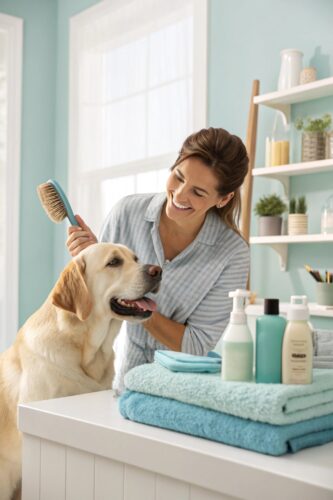
Brown coats are beautiful, but they come with some specific care needs that most general dog guides skip over entirely.
Coat fading is one of the most overlooked issues. Sun exposure can gradually bleach a rich chocolate coat into a dull reddish-brown over time. This is especially visible in short-coated breeds like the Chocolate Lab and Vizsla. To minimize fading, limit prolonged sun exposure and feed a diet rich in quality protein, which supports healthy coat pigmentation.
Tear staining is another brown-dog-specific concern. While it’s most visible on white-coated dogs, brown dogs can develop subtle streaking around the eyes that becomes noticeable in certain lighting. Regular gentle cleaning around the eye area with a damp cloth helps prevent buildup.
Grooming needs vary quite a bit depending on coat type:
Short, dense coats (Chocolate Lab, Vizsla, Chesapeake Bay Retriever) — Weekly brushing and occasional baths. Very low maintenance overall.
Wavy or silky coats (Cocker Spaniel, Boykin Spaniel, Field Spaniel) — Brush three to four times per week to prevent matting. Trim every eight to twelve weeks.
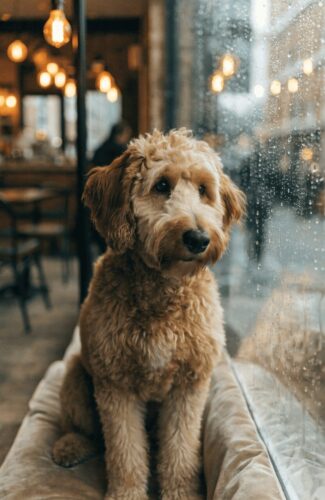
Curly coats (Poodle, Irish Water Spaniel, Lagotto Romagnolo) — Daily brushing is recommended. Professional trimming every four to six weeks. These coats don’t shed much but grow continuously.
Double coats (German Shepherd, Newfoundland) — Heavier shedding, especially seasonally. Regular brushing keeps it manageable and prevents matting.
If you’re new to dog ownership, it’s worth learning how to groom a dog at home before committing to a high-maintenance coat type.
Regardless of coat type, nail trimming, ear cleaning, and dental care apply equally to all brown dog breeds and should never be overlooked.
Conclusion
Brown dog breeds come in an amazing range of shades, sizes, and personalities. From the ever-popular Chocolate Labrador Retriever to the rare Sussex Spaniel, there is a brown dog out there for virtually every lifestyle and home.
The most important thing to remember is that coat color is just the starting point. A breed’s energy level, temperament, grooming needs, and lifestyle fit matter far more than the exact shade of brown you prefer.
Once you’ve found the right breed, you’ll want to think about the perfect name for your new companion — our brown dog names guide is a great place to start.
Whether you’re drawn to the gentle Newfoundland, the spirited Dachshund, or the rare Field Spaniel, one thing is certain — a brown dog has a way of making every day a little warmer.

Izzy is an experienced ranch worker who has a passion for exploring nature and getting up close to wildlife. With her connections to various animal organizations, Izzy is well-versed in animal care and rehabilitation.