Fearless Dog Breeds: The Bravest Dogs in the World
Some dogs bark at their own shadow. Others walk straight toward danger without flinching. What separates a nervous dog from a truly fearless one? And which breeds are known for having nerves of steel?
In this guide, we’ll explore the most fearless dog breeds in the world — from massive mountain guardians to surprisingly bold small dogs. We’ll also explain what real fearlessness looks like in dogs, how it’s different from aggression, and what it means for you as an owner.
Whether you’re looking for a brave protector or just curious about which dogs are wired for courage, you’re in the right place.
What Makes a Dog Truly Fearless?
Before diving into the breeds, it’s worth understanding what “fearless” actually means in the dog world.
A fearless dog isn’t one that attacks everything it sees. True canine fearlessness is about calm confidence — the ability to face a threat, an unfamiliar situation, or a loud noise without panicking or shutting down.
Behaviorists describe it as a low fear response threshold combined with high self-assurance. A truly fearless dog assesses a situation, holds its ground if needed, and doesn’t act out of panic.
This trait was deliberately bred into certain dogs over hundreds of years. Hunters needed dogs that would chase prey into dangerous terrain. Military commanders needed dogs that wouldn’t bolt under gunfire. Farmers needed dogs that could stand between their livestock and a wolf or bear.
The result? Specific breeds that carry fearlessness in their DNA.
1. German Shepherd — The Ultimate Brave Working Dog
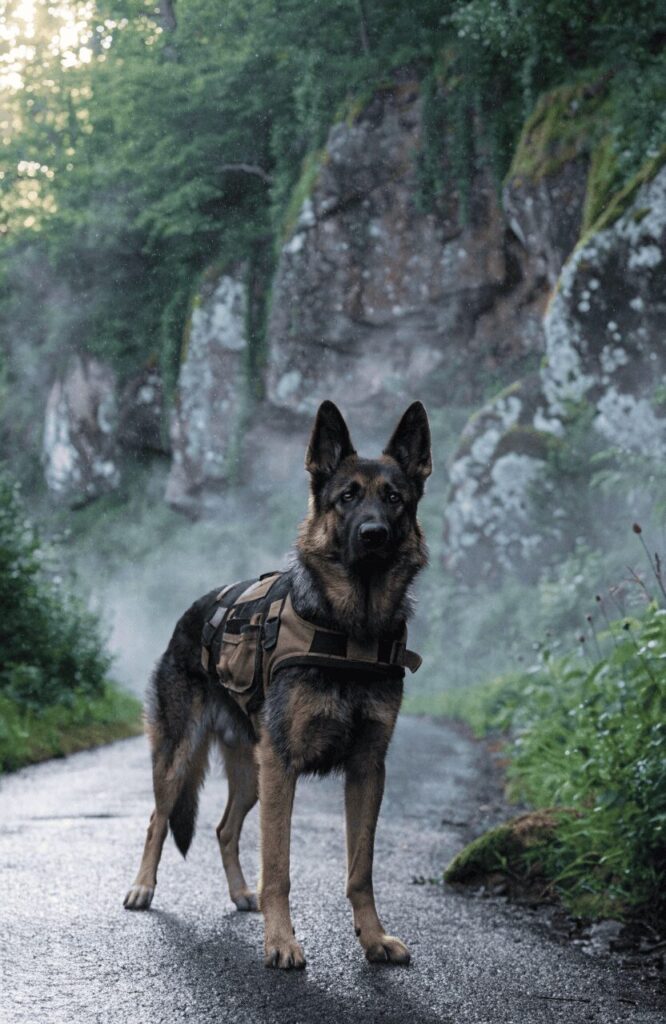
Few breeds have proven their fearlessness as consistently as the German Shepherd. These dogs have served alongside soldiers, police officers, search and rescue teams, and disaster responders all over the world.
What makes them stand out isn’t just physical strength — it’s their mental stability. A German Shepherd can walk into a burning building, track a missing person through a snowstorm, or apprehend a dangerous suspect, all while remaining focused and controlled.
They were originally bred in late 19th-century Germany to be versatile herding and working dogs. Their combination of intelligence, loyalty, and bold temperament made them natural candidates for high-pressure roles.
Ownership note: German Shepherds need mental stimulation and a clear leadership structure. Without proper training, their confidence can turn into stubbornness.
2. Rhodesian Ridgeback — The Dog That Hunted Lions
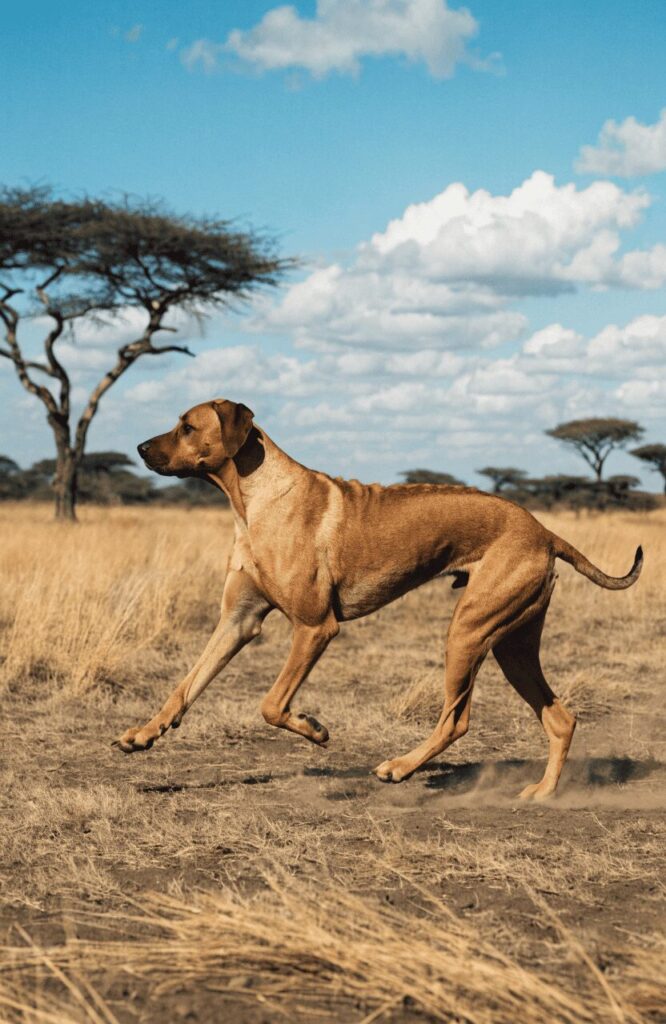
If you want a single fact that captures canine fearlessness, here it is: Rhodesian Ridgebacks were bred in southern Africa specifically to assist hunters tracking lions.
They didn’t kill lions. They held them at bay — staying just close enough to distract the lion and keep it occupied until the hunter arrived. That required an extraordinary combination of speed, endurance, and nerves that simply don’t crack.
Ridgebacks are named for the distinctive ridge of backward-growing hair along their spine. They are large, athletic dogs weighing between 70 and 85 pounds, and they carry themselves with a quiet, watchful confidence.
They don’t bark unnecessarily. They don’t panic easily. But when something is genuinely wrong, they are completely switched on.
This same boldness that made them effective against lions makes them excellent watchdogs today — particularly for larger properties where they can patrol and monitor.
3. Doberman Pinscher — Speed, Intelligence, and Nerve
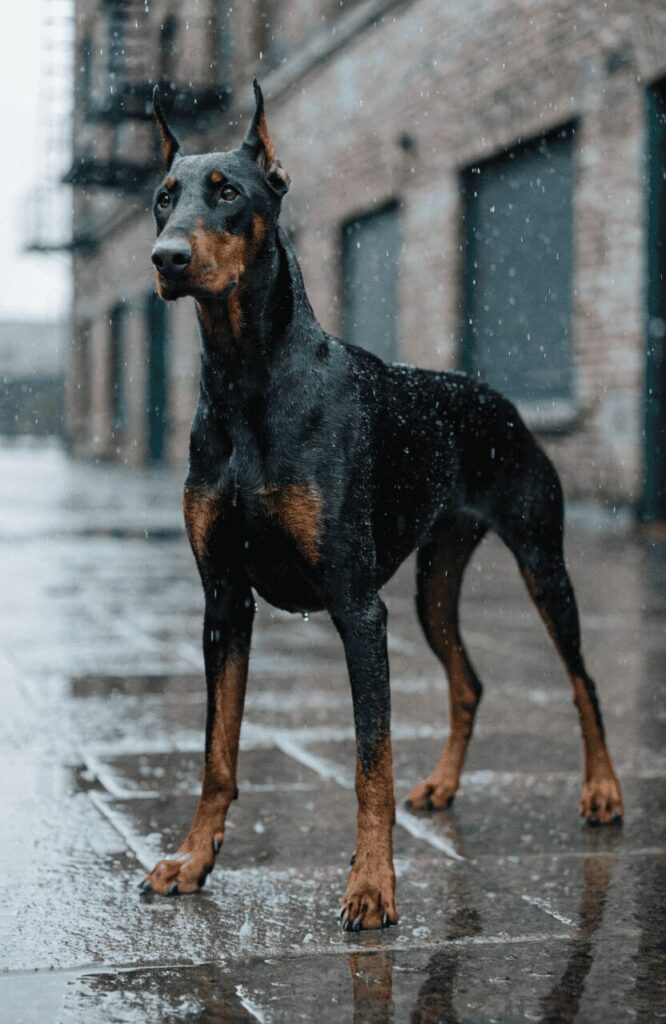
The Doberman Pinscher was literally engineered to be fearless. In the 1880s, a German tax collector named Louis Dobermann wanted a dog that could protect him on dangerous rounds through rough neighborhoods. He selectively bred what would become the Doberman — sleek, fast, highly intelligent, and completely unintimidated by confrontation.
Dobermans stand between 24 and 28 inches tall and can sprint at impressive speeds. Their fearlessness isn’t reckless — it’s calculated. They assess situations quickly and respond with precision.
What separates a Doberman from many other guard breeds is that its courage is paired with exceptional trainability. They want to work. They want a job. This makes them one of the most reliable fearless breeds for families who are willing to invest time in training.
Ownership note: Dobermans bond deeply with their family and can develop anxiety if left alone for long periods. Their fearlessness works best when channeled through structure and daily activity.
4. Belgian Malinois — The World’s Most Deployed War Dog
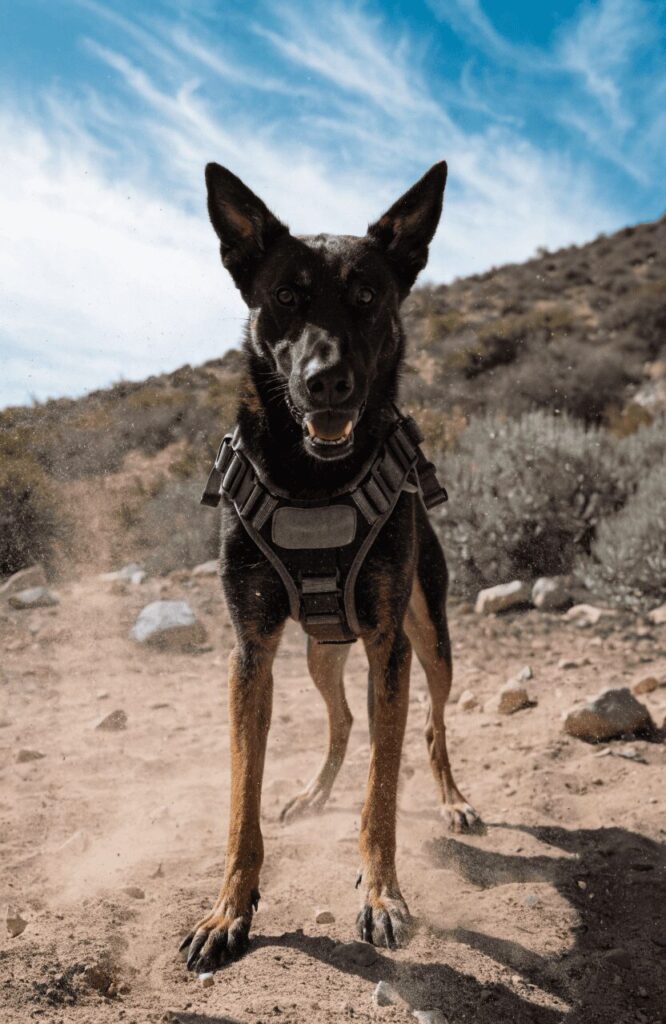
If you’ve seen footage of military dogs jumping out of helicopters or taking down armed suspects, chances are you were watching a Belgian Malinois.
This medium-sized breed has become the go-to choice for military and police work worldwide — including Navy SEAL units and the Secret Service. Their fearlessness isn’t just about physical courage. It’s about drive. A Malinois will work through pain, exhaustion, and stress without losing focus.
They look similar to a smaller German Shepherd but are faster, more agile, and even more intense. They have an almost obsessive work ethic that makes them unstoppable in the field.
For those living near wildlife zones, a well-trained Malinois also makes one of the best dogs to protect against coyotes — their alertness and speed make them difficult for any predator to challenge.
Ownership note: The Belgian Malinois is not a casual pet. This breed needs experienced owners, hours of daily exercise, and a purposeful task. Without it, their fearless energy becomes destructive.
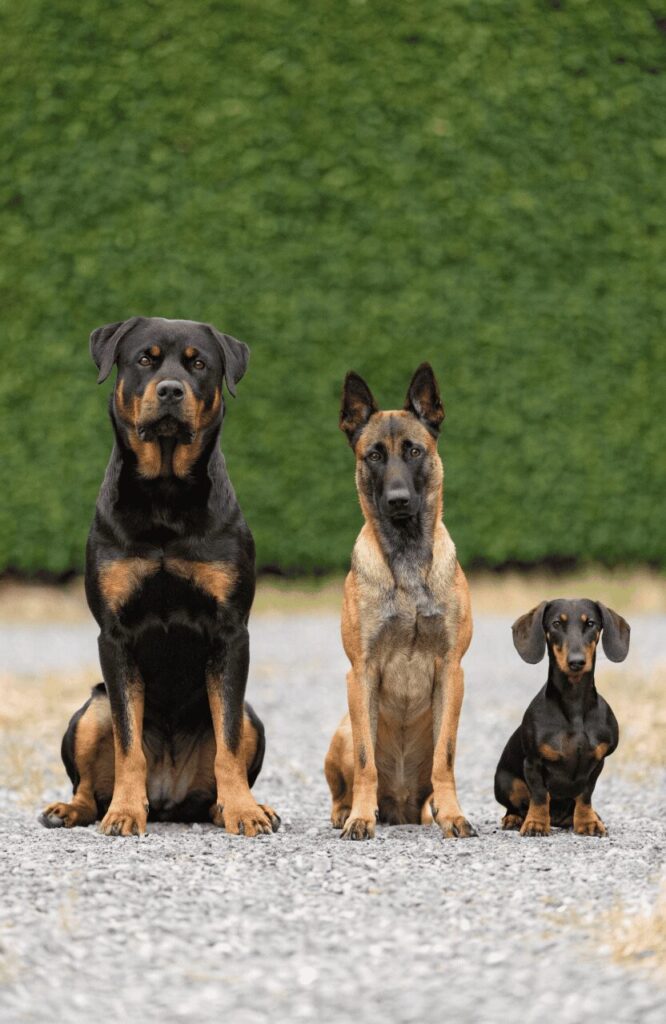
5. Rottweiler — Calm Power and Fearless Loyalty
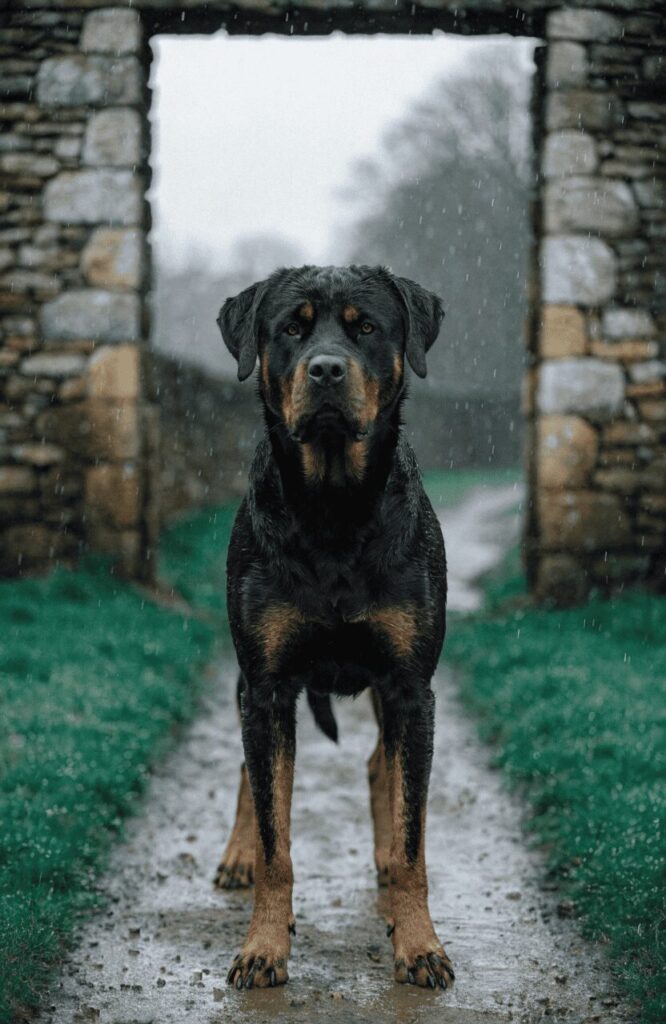
The Rottweiler’s fearlessness is quieter than most people expect. These dogs don’t bark and lunge theatrically at every stranger. Instead, they carry themselves with a calm, assured presence that communicates confidence without noise.
Rottweilers have a long working history — they were used by Roman armies as drover dogs, helping move and guard livestock across long distances. Later, they became cattle dogs in the German town of Rottweil, pulling butcher carts and guarding money pouches.
This centuries-long working heritage produced a dog that is steady under pressure, loyal to its family, and completely unbothered by perceived threats — until a real threat emerges.
The coyote vs. Rottweiler matchup is a good illustration of just how formidable this breed is. Coyotes — which are smart, quick, and bold predators — instinctively avoid confrontation with a healthy adult Rottweiler.
Ownership note: Rottweilers need early socialization and consistent training. An unsocialized Rottweiler can become overly suspicious, which undermines the calm confidence that defines the breed at its best.
6. Tibetan Mastiff — Guardian of the Himalayas
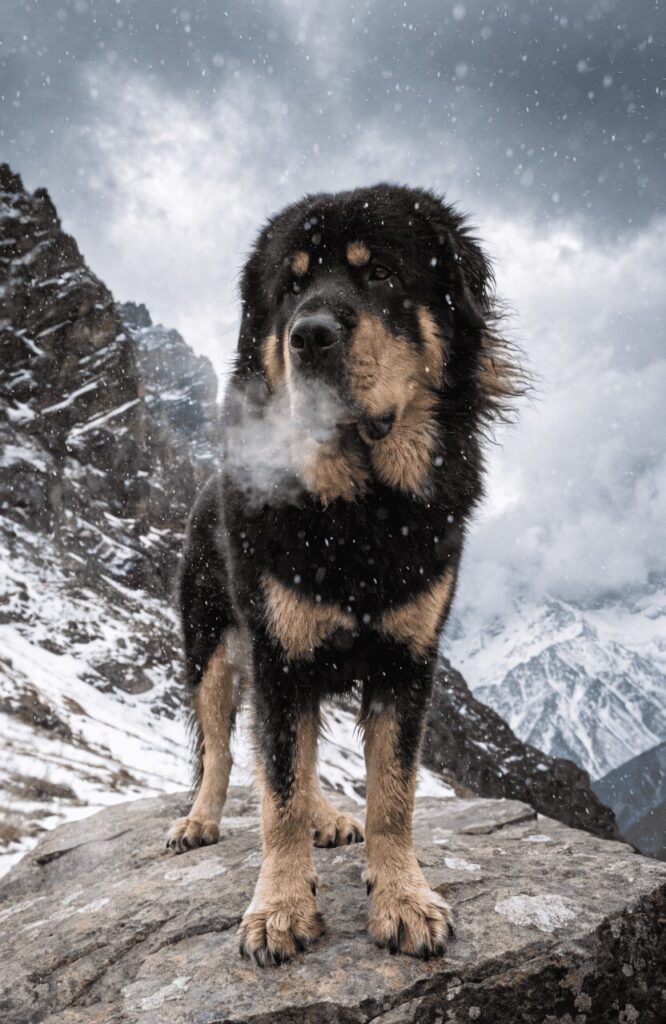
Few dogs on earth have faced the challenges a Tibetan Mastiff has been bred to handle. For centuries, these giant dogs guarded remote Himalayan villages and monasteries from wolves, leopards, and even bears — often working alone through the night in brutal mountain conditions.
They weigh between 70 and 150 pounds and carry a thick double coat that insulates them against freezing temperatures. Their sheer size combined with an independent, self-sufficient nature makes them uniquely fearless.
Unlike most guard dogs that rely on human direction, Tibetan Mastiffs make their own decisions. They don’t wait to be told when a threat is real. This independence is a product of centuries working in remote areas where no handler was nearby.
They are naturally aloof with strangers but deeply devoted to their family — a combination that makes them imposing sentinels rather than aggressive dogs.
Ownership note: This breed is not suitable for first-time dog owners. Their independence means they don’t respond well to heavy-handed training. They need patient, experienced guidance and significant space.
7. Dachshund — Small Body, Enormous Courage
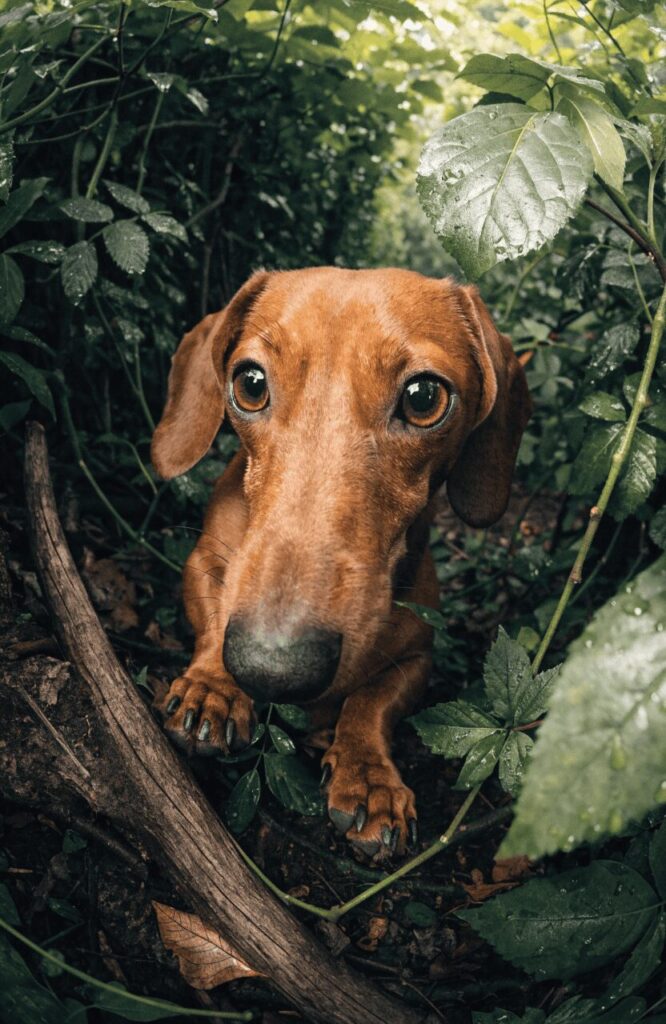
Most people think of the Dachshund as a cute, sausage-shaped companion dog. What they don’t know is that this little dog was bred for one of the most dangerous hunting jobs imaginable — chasing badgers into their underground tunnels.
The name “Dachshund” literally means “badger dog” in German. These dogs would crawl into tight underground burrows to confront a cornered badger — an animal known for its ferocity and powerful bite. To understand just how fierce a badger can be, consider that the dachshund vs. badger confrontation was routine work for this breed.
Their long, narrow bodies, short legs, and deep chest were all shaped by this purpose. And their fearless temperament? Completely essential.
Dachshunds are proof that fearlessness has nothing to do with size. These dogs are stubborn, bold, and surprisingly tenacious. They won’t back down from a challenge — which is both charming and occasionally exasperating for their owners.
8. Jack Russell Terrier — The Fearless Little Hunter
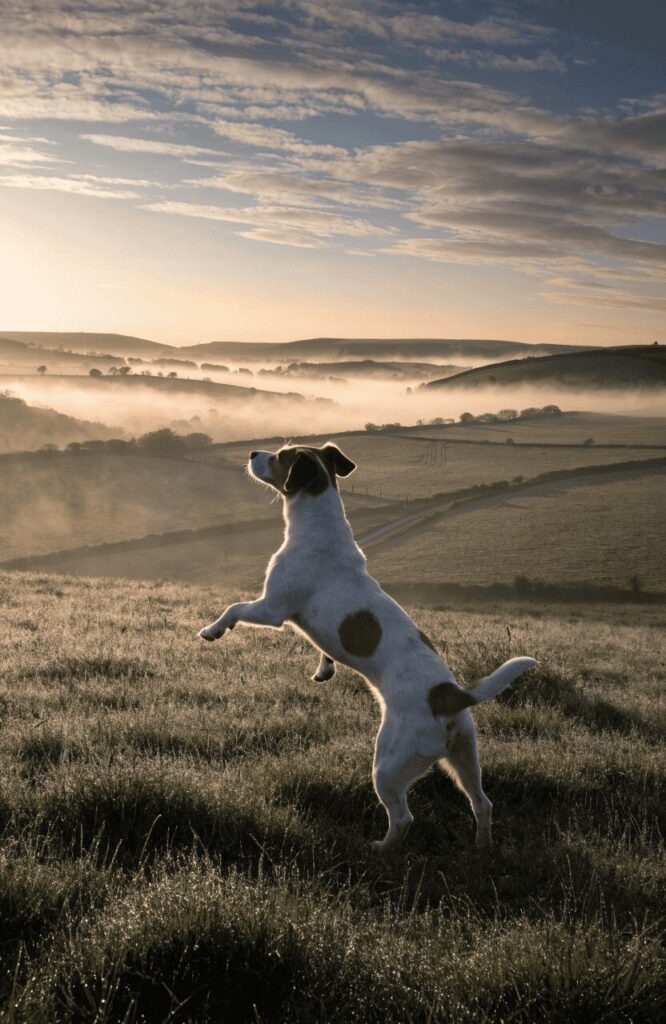
The Jack Russell Terrier may be one of the smallest breeds on this list, but in terms of pure confidence-to-size ratio, nothing beats them.
Developed in 19th-century England for fox hunting, Jack Russells were expected to follow foxes into underground dens and either flush them out or hold them at bay. Like the Dachshund, this required a dog that had zero instinct to retreat from a dark, tight space with an aggressive animal inside.
Jack Russells are electric — full of energy, curiosity, and an attitude that seems to forget they are small dogs. They will challenge dogs three times their size without hesitation, climb, dig, and explore relentlessly, and they rarely show anxiety in new environments.
For those interested in best small dog breeds that combine personality with courage, the Jack Russell Terrier belongs near the top of any list.
9. Cane Corso — Ancient Roman Warrior Dog
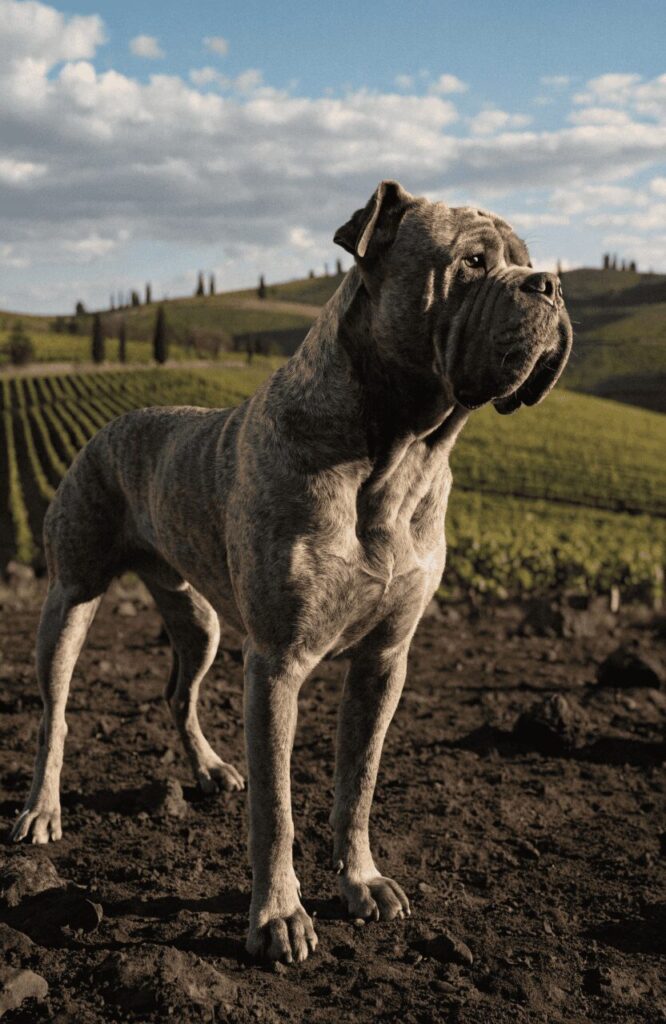
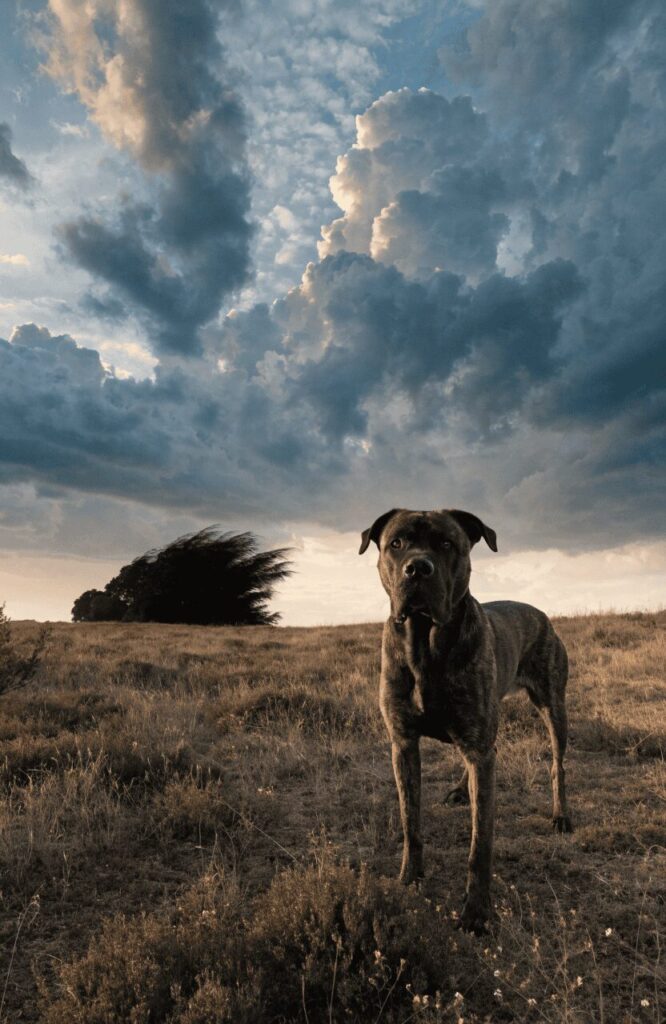
The Cane Corso’s history is written in battle. These powerful Italian dogs descended from ancient Roman war dogs — the Canis Pugnax — which were used in military campaigns and arena combat against wild animals.
After Rome’s fall, the Cane Corso became a working dog on Italian farms — guarding estates, herding livestock, and hunting large game like wild boar. Their name is believed to derive from the Latin word cohors, meaning guardian or protector.
Today’s Cane Corso carries all of that heritage in its temperament. They are large, muscular, and deeply calm. Their fearlessness isn’t loud or reactive — it’s a grounded confidence that comes from a breed that has faced genuine danger for over two thousand years.
They are not aggressive by nature. But they are absolutely unafraid, and that distinction matters.
Ownership note: Cane Corsos are strictly for experienced owners. They are powerful enough to be dangerous without proper training and socialization from an early age.
10. Airedale Terrier — The King of Terriers
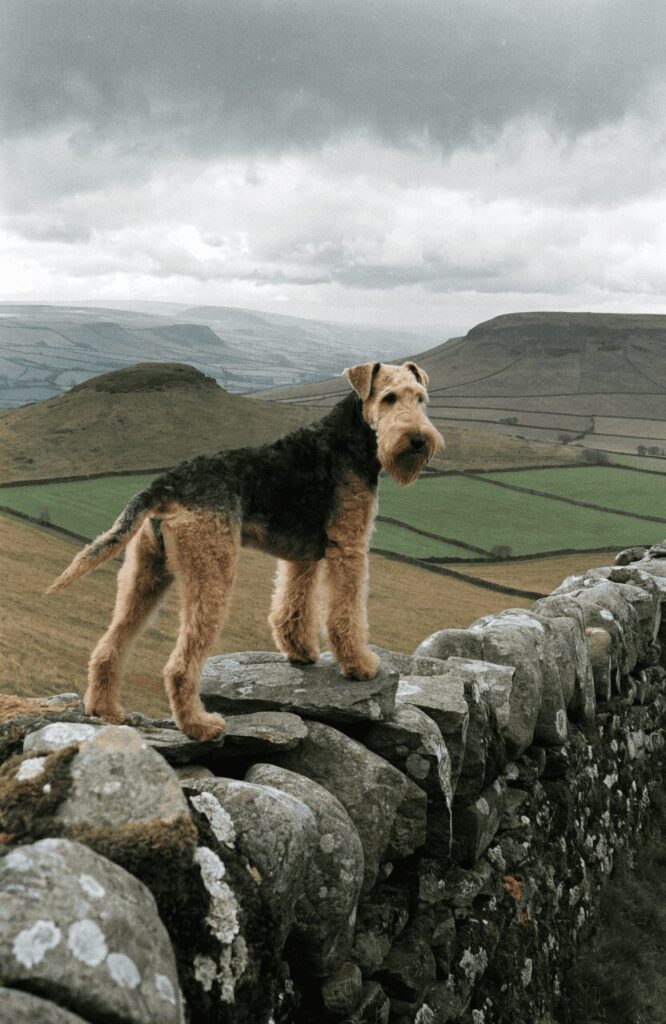
The Airedale Terrier earns its title as the “King of Terriers” through a combination of size, versatility, and documented bravery. It is the largest of all terrier breeds, and it has one of the most remarkable wartime records of any dog.
During World War I, Airedales served as messenger dogs, carrying dispatches through gunfire and artillery zones. Stories exist of Airedales completing their missions with serious injuries, refusing to stop until the message was delivered.
Originally bred in the Aire Valley of Yorkshire, England, these dogs were used to hunt otters and rats along riverbanks — a job that required both water confidence and a bold attitude toward prey.
They are intelligent, energetic, and independent — fearless in the field but also warm and playful with their families, making them one of the more well-rounded brave breeds on this list.
Fearless vs. Aggressive — Why the Difference Matters
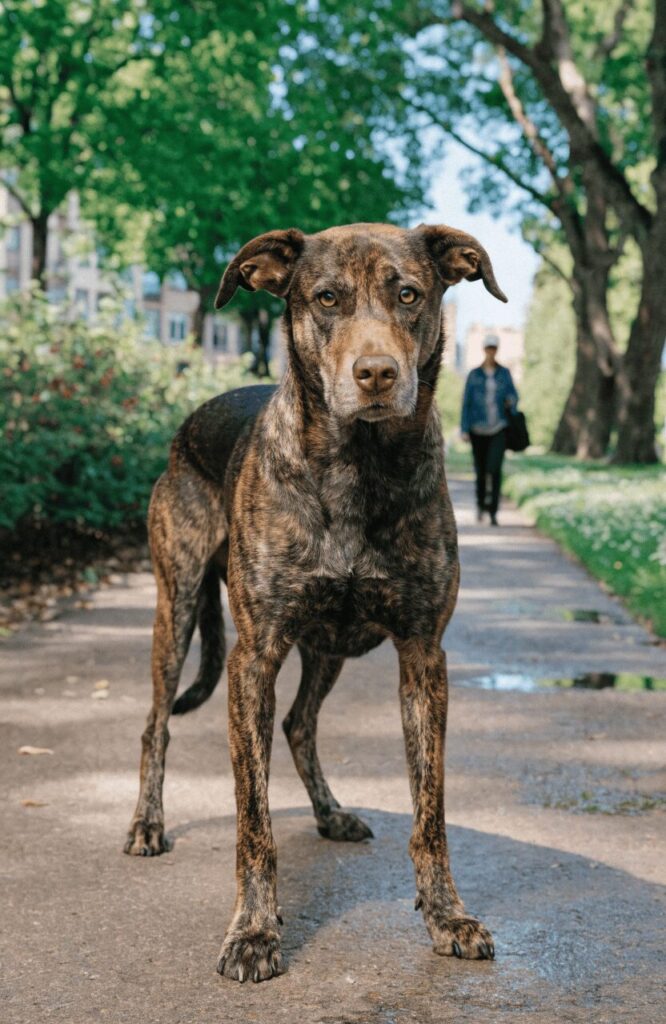
This is one of the most important distinctions any dog owner — or potential owner — needs to understand.
A fearless dog is calm in the face of a threat. It doesn’t panic, doesn’t lash out randomly, and doesn’t need to intimidate everything around it to feel safe.
An aggressive dog is often a scared dog. Fear-based aggression is one of the most common behavioral problems in dogs and it looks like this: snapping, lunging, and biting when an animal or person gets too close — not because the dog is brave, but because it is terrified and trying to make the threat go away.
These are opposite ends of the spectrum.
When you see a Rottweiler calmly watching strangers enter a yard, that is fearlessness. When you see a poorly socialized dog snapping frantically at everything that moves, that is fear — dressed up as aggression.
Understanding this difference helps you choose the right breed and the right training approach. Brave dogs need structure, not fear. They respond to positive reinforcement training far better than harsh, punishment-based methods, which can actually create the fear-aggression cycle you want to avoid.
Do Fearless Dog Breeds Make Good Family Pets?
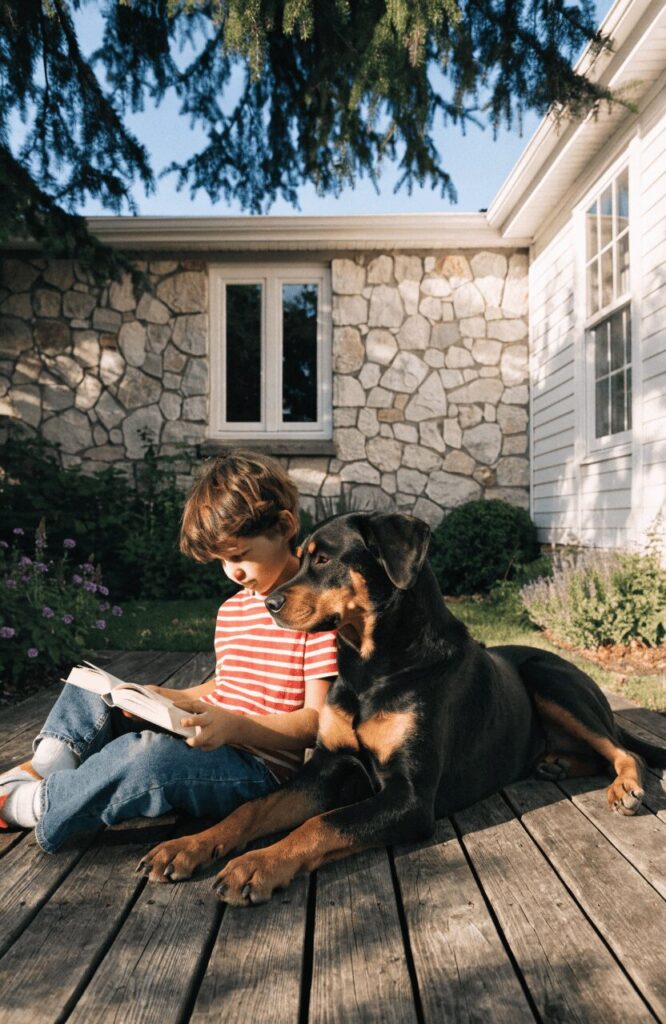
The honest answer is: it depends on the breed, the owner, and the training.
Many fearless breeds are wonderful family dogs. German Shepherds, Rottweilers, Dobermans, and Rhodesian Ridgebacks are all raised in family homes around the world with excellent results. Their confidence actually makes them steady and predictable around children — they don’t startle easily or react out of anxiety.
However, several fearless breeds on this list — particularly the Belgian Malinois, Tibetan Mastiff, and Cane Corso — are genuinely not recommended for first-time owners. Their power, independence, and intensity require someone who knows how to establish leadership calmly and consistently.
For any fearless breed, the fundamentals are the same:
- Early socialization — expose puppies to many different people, animals, sounds, and environments while young
- Consistent training — these dogs need clear boundaries and daily mental engagement
- Experienced handling — especially for the larger, more powerful breeds
Following essential puppy training tips from day one makes an enormous difference with any of these breeds.
Quick Comparison — Fearless Dog Breeds at a Glance
| Breed | Size | Original Role | Family-Friendly? | Experience Needed? |
|---|---|---|---|---|
| German Shepherd | Large | Military / Herding | Yes | Moderate |
| Rhodesian Ridgeback | Large | Lion hunting | Yes | Moderate |
| Doberman Pinscher | Large | Personal protection | Yes | Moderate |
| Belgian Malinois | Medium | Military / Police | With training | High |
| Rottweiler | Large | Droving / Guarding | Yes | Moderate |
| Tibetan Mastiff | Giant | Livestock guardian | With caution | High |
| Dachshund | Small | Badger hunting | Yes | Low |
| Jack Russell Terrier | Small | Fox hunting | Yes | Low-Moderate |
| Cane Corso | Giant | War / Estate guarding | With training | High |
| Airedale Terrier | Medium | Hunting / Military | Yes | Moderate |
Final Thoughts
True fearlessness in a dog is one of the most admirable — and most misunderstood — traits in the canine world. It isn’t about aggression, noise, or size. It’s about a deep, calm confidence that allows a dog to face the unknown without panic.
The fearless dog breeds on this list represent thousands of years of selective breeding for courage. From the lion-facing Rhodesian Ridgeback to the badger-hunting Dachshund, each breed carries its bravery in a unique way.
If you’re drawn to one of these breeds, take time to understand what they were built for. Match their energy, commit to their training, and you’ll have a loyal, fearless companion that will stand beside you no matter what.
And if you’re still exploring what kind of dog fits your life, check out our guide to the most loyal dog breeds — because fearlessness and loyalty almost always go hand in hand.

Izzy is an experienced ranch worker who has a passion for exploring nature and getting up close to wildlife. With her connections to various animal organizations, Izzy is well-versed in animal care and rehabilitation.