The Smartest Guard Dog Breeds Prove That Brains Matter More Than Size
You don’t just want a guard dog. You want one smart enough to know when to guard.
Any dog can bark. Any dog can look intimidating. But a truly effective guard dog does something much harder — it reads a situation, decides whether a threat is real, and responds accordingly. That takes intelligence, not just size or aggression.
The smartest guard dog breeds combine protective instincts with real brainpower. They learn commands faster, assess situations more accurately, and they know how to stand down just as well as they know how to step up. That combination is what separates a reliable guardian from a liability.
In this guide, you’ll meet 7 of the smartest guard dog breeds, understand what makes each one uniquely intelligent in a guarding role, and find out which one actually fits your life.
Why Intelligence Matters More Than Size in a Guard Dog
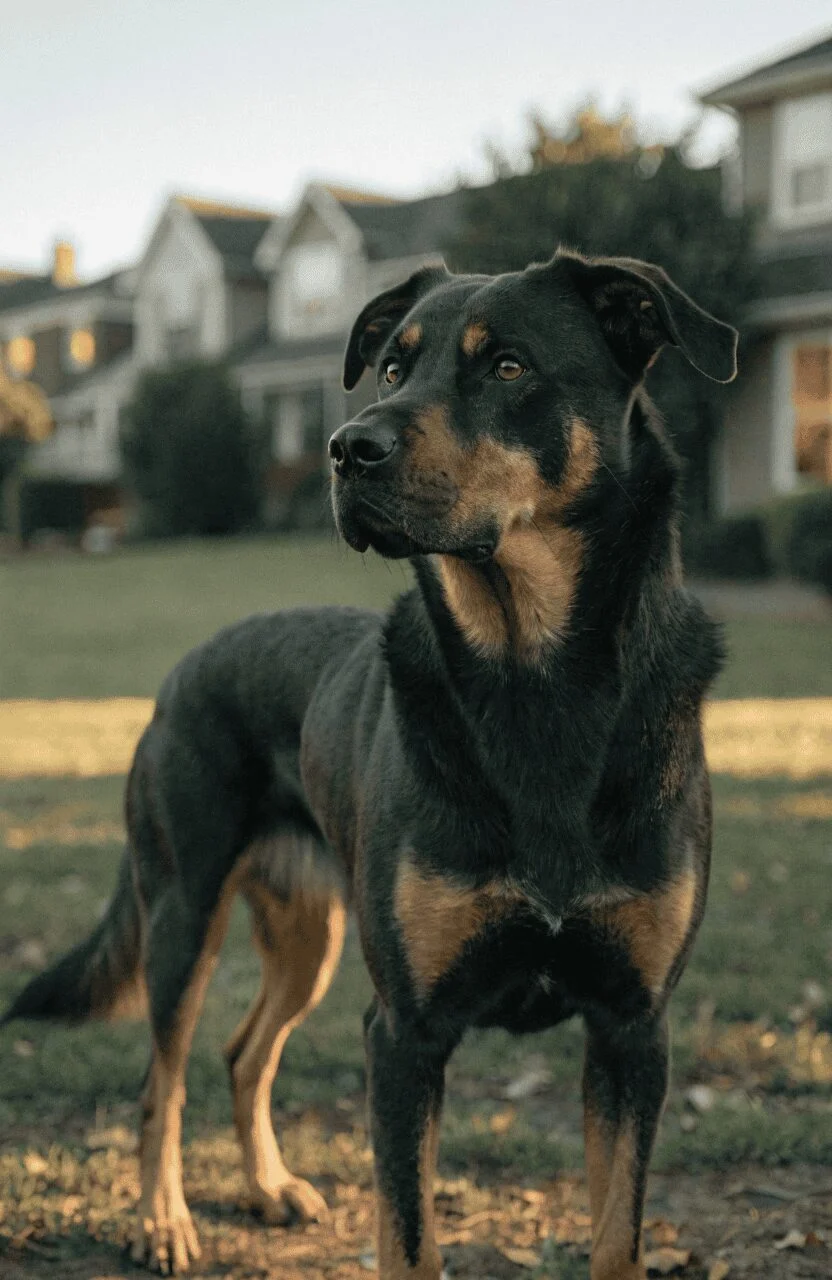
Here’s a myth worth busting: a big, scary-looking dog is not automatically a great guard dog.
Size and a deep bark can deter someone at the gate. But what happens when the threat gets past the gate? What if your dog can’t tell the difference between a stranger walking past and an actual intruder? What if it ignores your command under pressure, or worse — can’t stand down when you tell it to?
That’s where intelligence becomes everything.
Guard-specific intelligence isn’t just about how quickly a dog learns tricks. It involves three things that really matter in protection work.
Threat discrimination — Can the dog tell a real threat from a delivery driver? Smart guard dogs don’t react to everything. They observe, assess, and respond only when it counts.
Command retention under stress — A dog that obeys in a quiet training field but ignores commands when adrenaline is high is a problem. Highly intelligent guard dogs hold their training even in high-pressure moments.
The off-switch — This might be the most underrated quality of all. A smart guard dog knows when to stop. It can shift from full alert to calm on command. That control is what makes them safe to live with day to day.
The breeds on this list score high in all three areas. They’re also some of the most loyal dog breeds in the world — and their loyalty is backed by the brains to use it well.
The 7 Smartest Guard Dog Breeds — Ranked and Explained
1. Belgian Malinois — The Elite Operator
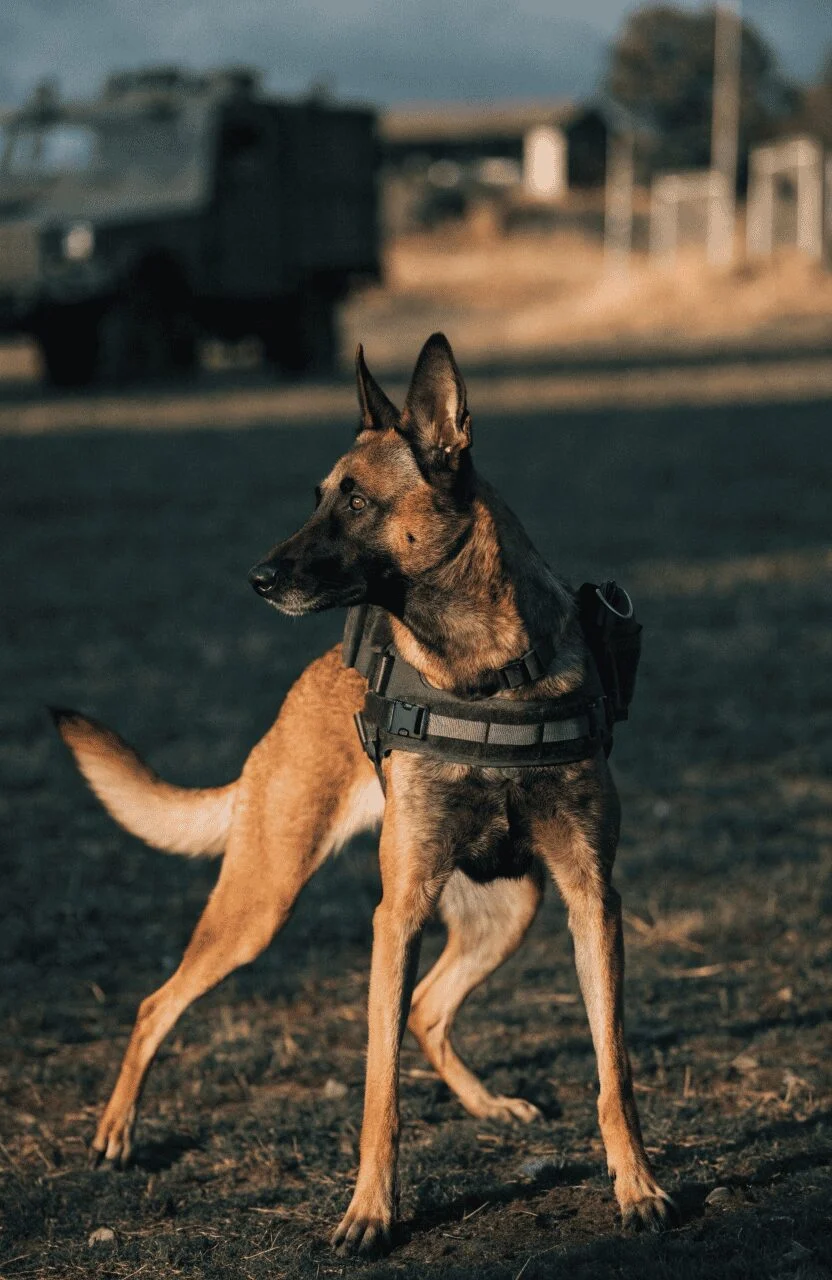
The Belgian Malinois is the guard dog of choice for the world’s most demanding security operations — including the U.S. Secret Service, Navy SEALs, and police K-9 units across the globe.
What makes the Malinois so intelligent in a guard context is its ability to process information at remarkable speed. It picks up on environmental cues — changes in body language, unusual sounds, unfamiliar scents — faster than almost any other breed. It doesn’t just react. It anticipates.
This breed is trained to make independent decisions in the field. That kind of judgment requires a very high level of adaptive intelligence — the ability to figure out the right response to a situation it has never encountered before.
Owner requirements: The Malinois is not for the average dog owner. It has extreme energy, an intense work drive, and a constant need for mental engagement. Without a clear job and hours of daily activity, it becomes anxious and destructive. This breed needs an experienced handler who can keep up — both mentally and physically.
2. German Shepherd — The Versatile Guardian
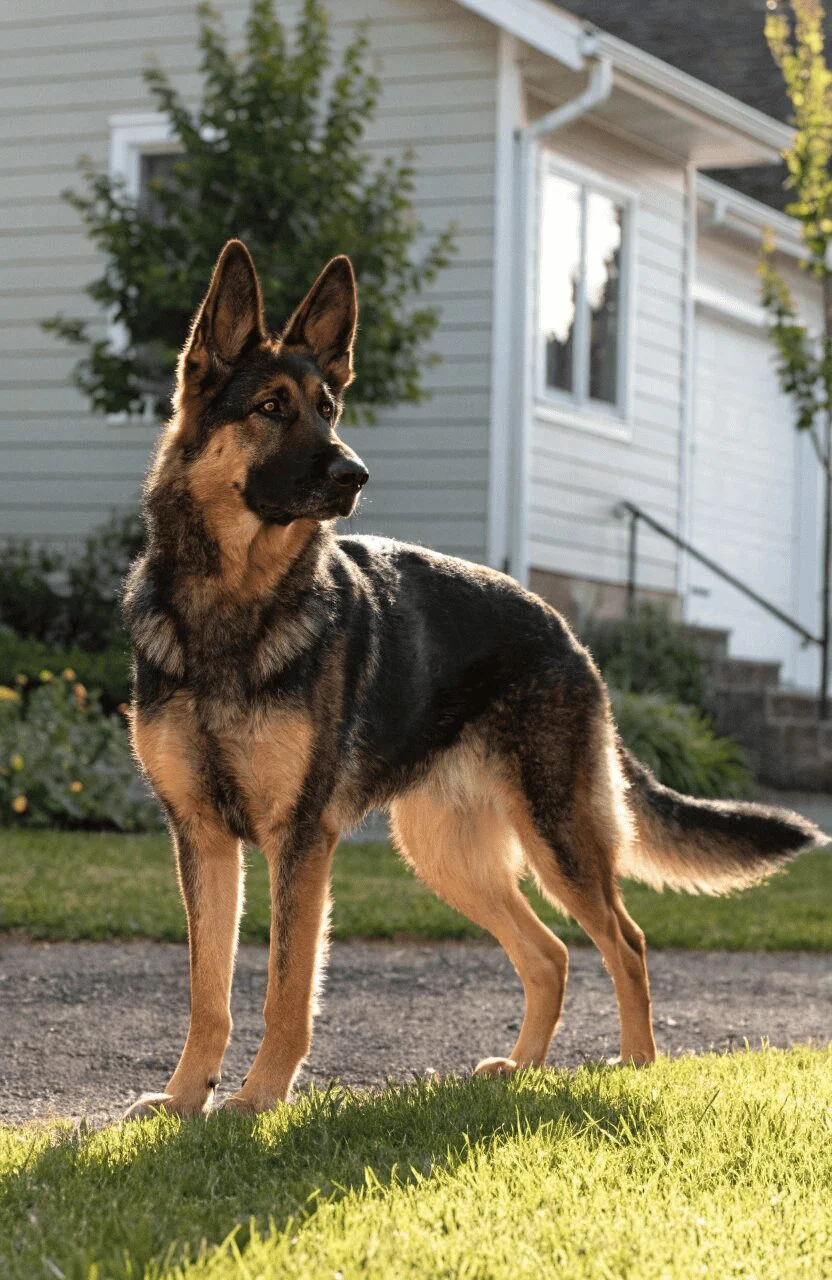
No breed has proven itself across more roles than the German Shepherd — and that’s not an accident. It’s the result of generations of selective breeding for intelligence, obedience, and adaptability.
German Shepherds are exceptional guard dogs because they pair strong protective instincts with an equally strong desire to work with their handler. They don’t act alone — they act as a partner. That teamwork is a key marker of high working intelligence.
What also sets the German Shepherd apart is its stability. It can be a focused protector one moment and a calm family companion the next — switching roles based on what the situation calls for.
Owner requirements: German Shepherds need consistent training, daily mental stimulation, and plenty of physical exercise. They bond deeply with their family and don’t do well when left alone for long periods. First-time owners can manage this breed, but genuine commitment to proper structure from puppyhood is non-negotiable.
3. Doberman Pinscher — The Thinking Protector
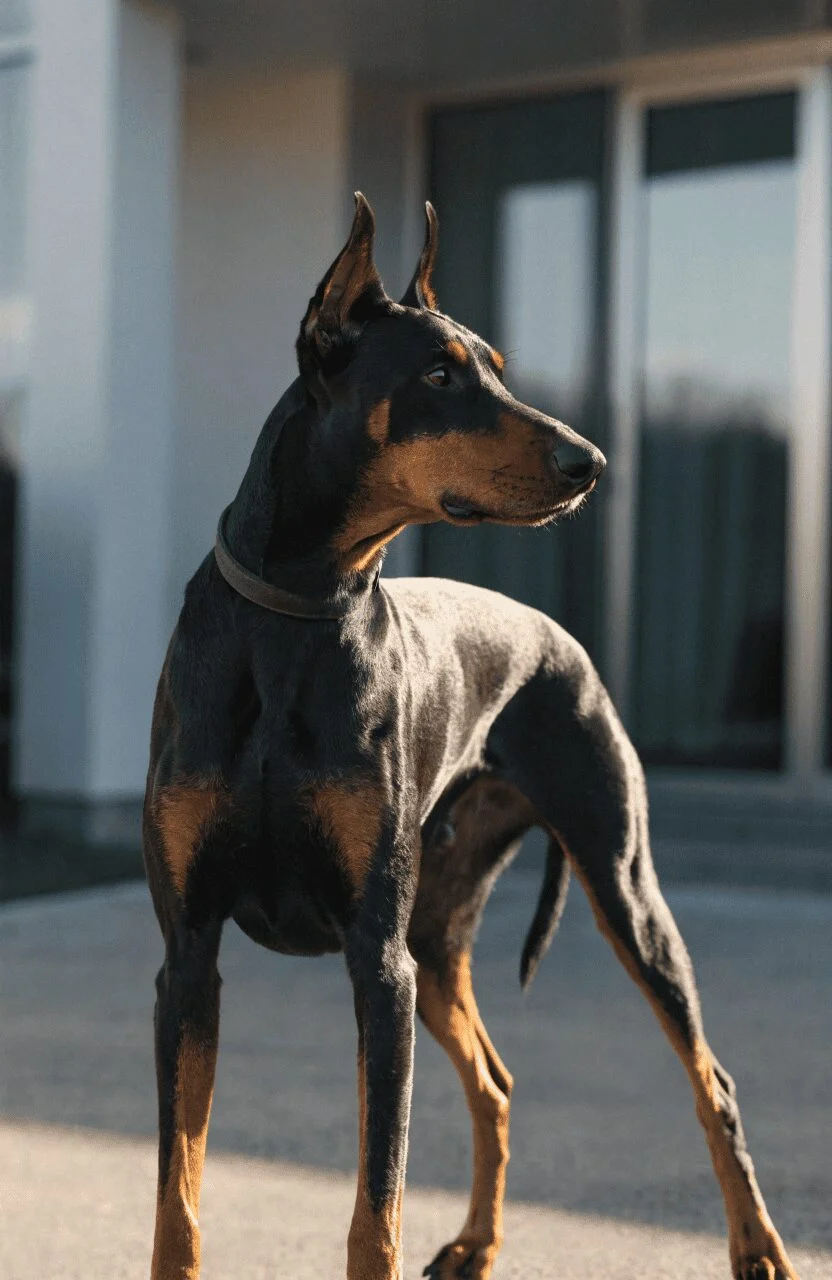
The Doberman Pinscher is built for speed — not just physical speed, but mental speed.
It processes commands, situations, and threats faster than most breeds. A Doberman doesn’t wait to figure out what’s happening. It’s already three steps ahead. This makes it one of the most effective personal protection dogs in the world when trained properly.
What sets the Doberman apart from other smart guard dogs is its awareness. It constantly scans its environment — tracking movement, noting what’s out of place, and staying tuned into its owner’s emotional state. That emotional sensitivity means it responds not just to visible threats, but to tension and unease in the people around it.
Owner requirements: Dobermans need structure, early socialization, and regular mental stimulation. They thrive with active families who can provide both a job to do and genuine affection. They are not naturally aggressive — but they need a confident, consistent owner to channel their intelligence in the right direction.
4. Rottweiler — The Calm Assessor
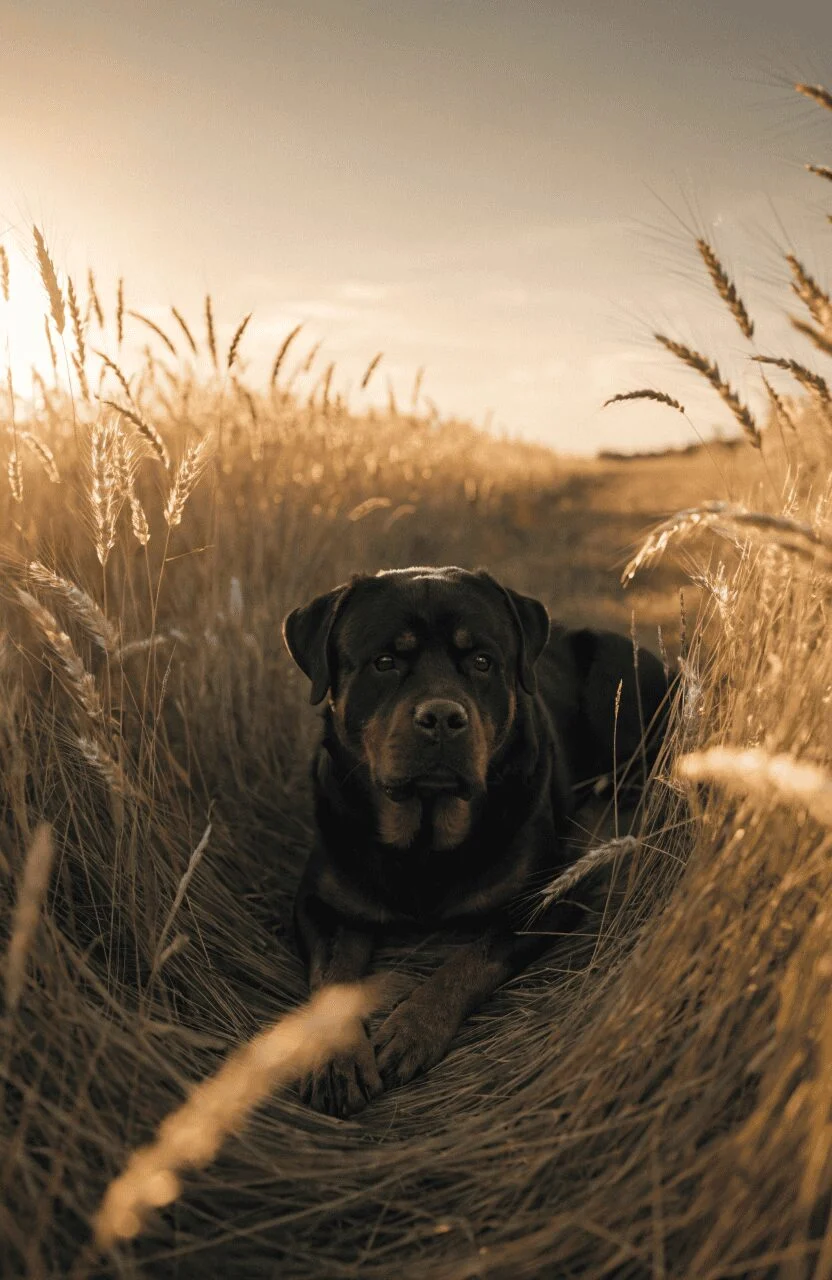
Most people think of the Rottweiler as a powerhouse. What they miss is how thoughtful this breed actually is.
Rottweilers are not reactive guard dogs — they are observational ones. When a stranger enters their space, they watch. They assess. They decide. That calm, calculated response to potential threats is a sign of high situational intelligence, and it makes them far more reliable than a dog that just barks at everything.
This breed is also remarkably good at reading people — distinguishing between someone who is nervous and someone who is genuinely dangerous. That level of social awareness requires real adaptive intelligence.
Owner requirements: Rottweilers need early socialization — exposure to different people, animals, and environments — to develop their natural judgment. They respond exceptionally well to positive reinforcement training and thrive when treated as a partner rather than just a guard. An owner who puts in the work early gets one of the most dependable protectors there is.
5. Giant Schnauzer — The Underestimated Intellect
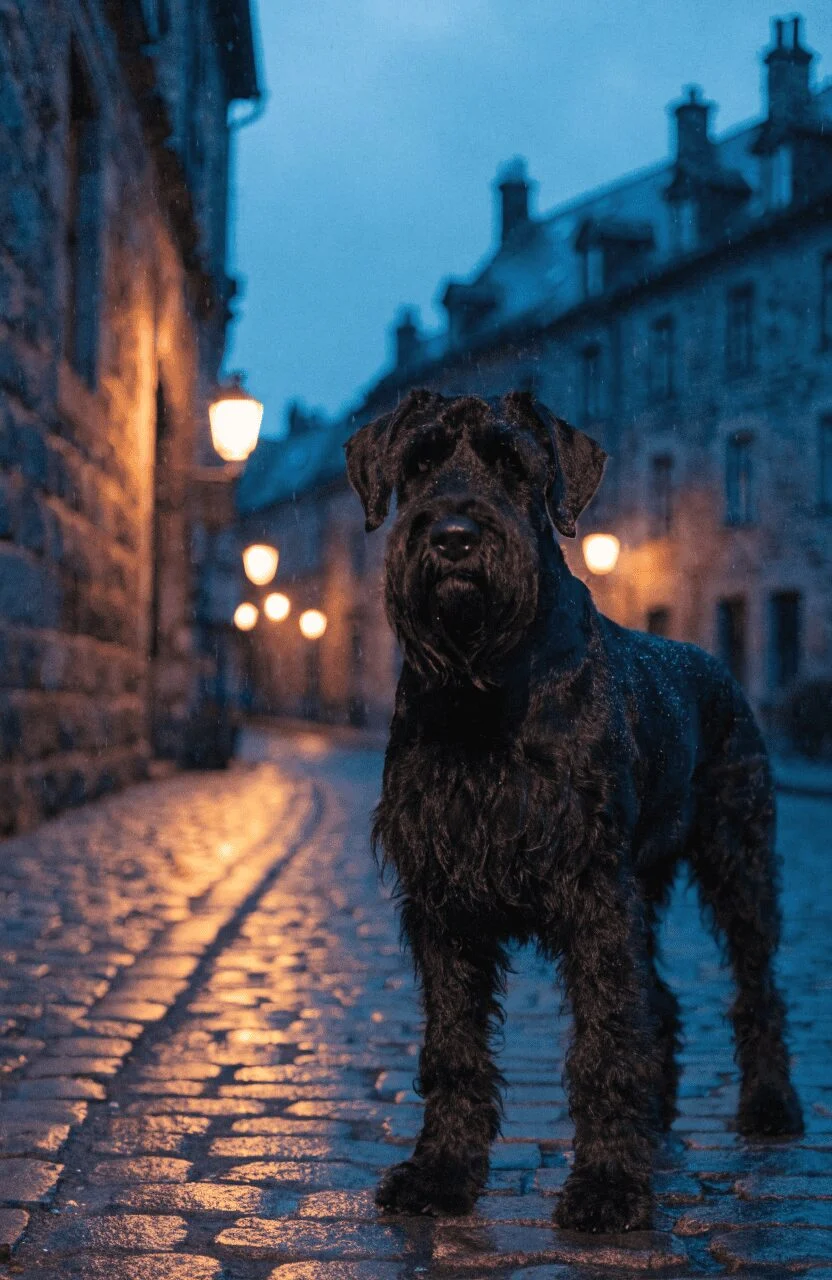
The Giant Schnauzer is one of the smartest guard dog breeds that almost nobody talks about — and that’s a mistake.
Originally bred in Bavaria to drive cattle and protect property, the Giant Schnauzer has a working history that goes back centuries. It is bold, alert, and intensely loyal. But what truly sets it apart is its problem-solving ability. It doesn’t just follow orders — it figures things out.
Giant Schnauzers learn commands quickly and retain them for life. They are naturally suspicious of strangers, making them excellent deterrents. But with proper socialization, they develop the judgment to tell a real threat from a harmless visitor — exactly what you want in a smart guard dog.
Owner requirements: This breed needs an experienced, confident owner. A Giant Schnauzer that senses weakness in its handler will try to take charge — and that’s not a safe dynamic in a large, powerful dog. It needs regular mental challenges, firm but fair leadership, and a clear sense of its role in the household.
6. Cane Corso — The Emotionally Intelligent Guardian
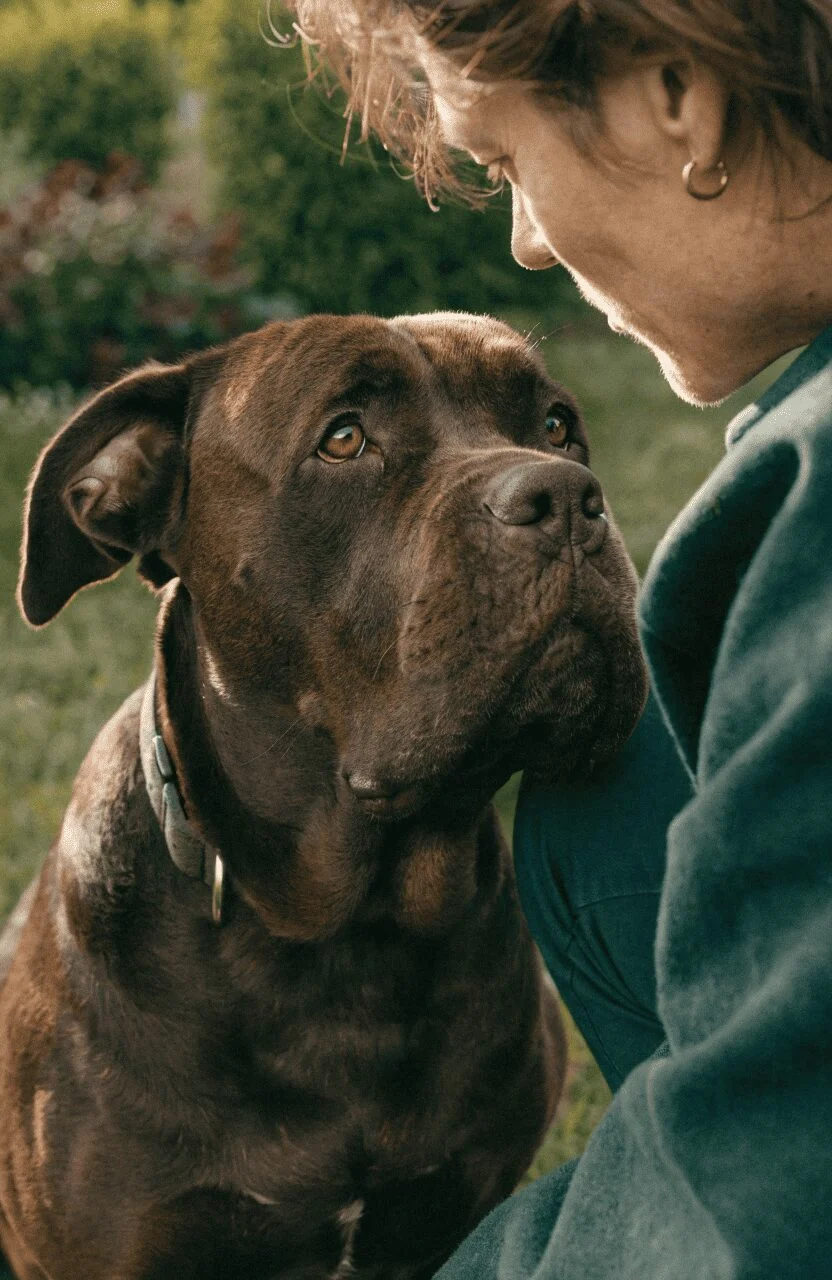
The Cane Corso (pronounced “Kah-nay Kor-so”) brings something to the table that most guard dog breeds don’t: emotional intelligence.
This Italian Mastiff is deeply attuned to its owner’s emotional state. It picks up on tension, anxiety, and confidence with remarkable sensitivity and mirrors the energy in its environment — calm when things are calm, alert when something feels off.
That emotional attunement makes the Cane Corso uniquely effective. It doesn’t rely solely on commands. It reads the room. When its family is relaxed, it rests. When its family feels threatened, it shifts into full protective mode without needing to be told. That kind of independent, context-driven intelligence is rare.
Owner requirements: The Cane Corso is a powerful breed that needs a confident, experienced owner. It bonds deeply with its family and remains naturally suspicious of outsiders. Early socialization is critical to ensure its protective instincts stay balanced. It also hates boredom — mental engagement and physical activity are essential for keeping it steady.
7. Bouvier des Flandres — The Hidden Gem

If you haven’t heard of the Bouvier des Flandres, that’s exactly why it belongs on this list.
While most guard dog articles cover the same breeds repeatedly, the Bouvier — a large, rugged herding dog from Belgium — is quietly one of the most well-rounded smartest guard dog breeds in the world. It served as a military dog in World War I, was trained for police work across Europe, and has been a trusted family protector for generations. It was reportedly one of President Ronald Reagan’s guard dogs.
The Bouvier’s intelligence is broad. It excels in obedience, tracking, and protection — sometimes all at once. What makes it especially appealing is its natural off-switch. Unlike some high-drive guard breeds, the Bouvier is calm and stable in a family environment, which makes it far easier to manage day to day.
Owner requirements: The Bouvier does best with an active family that provides structure and mental stimulation. It is more manageable than the Malinois or Giant Schnauzer for owners who are experienced but not professional handlers. Its thick double coat requires regular grooming — a practical commitment worth knowing about before you bring one home.
Smart Guard Dog Breed Comparison Table
Here’s a quick side-by-side look at how these smartest guard dog breeds compare across the qualities that matter most for potential owners.
| Breed | Trainability | Independence | Family-Friendly | Guard Aptitude | Energy Level |
|---|---|---|---|---|---|
| Belgian Malinois | ⭐⭐⭐⭐⭐ | High | Moderate | ⭐⭐⭐⭐⭐ | Extreme |
| German Shepherd | ⭐⭐⭐⭐⭐ | Moderate | High | ⭐⭐⭐⭐⭐ | High |
| Doberman Pinscher | ⭐⭐⭐⭐⭐ | Moderate | High | ⭐⭐⭐⭐⭐ | High |
| Rottweiler | ⭐⭐⭐⭐ | Low–Moderate | High | ⭐⭐⭐⭐⭐ | Moderate |
| Giant Schnauzer | ⭐⭐⭐⭐⭐ | High | Moderate | ⭐⭐⭐⭐ | High |
| Cane Corso | ⭐⭐⭐⭐ | Moderate | Moderate | ⭐⭐⭐⭐⭐ | Moderate |
| Bouvier des Flandres | ⭐⭐⭐⭐⭐ | Moderate | High | ⭐⭐⭐⭐ | High |
Matching the Right Smart Guard Dog to Your Lifestyle
Knowing which breeds are smart isn’t enough. The right choice depends on who you are and how you actually live. Here’s how to find your match.
Best for First-Time Owners
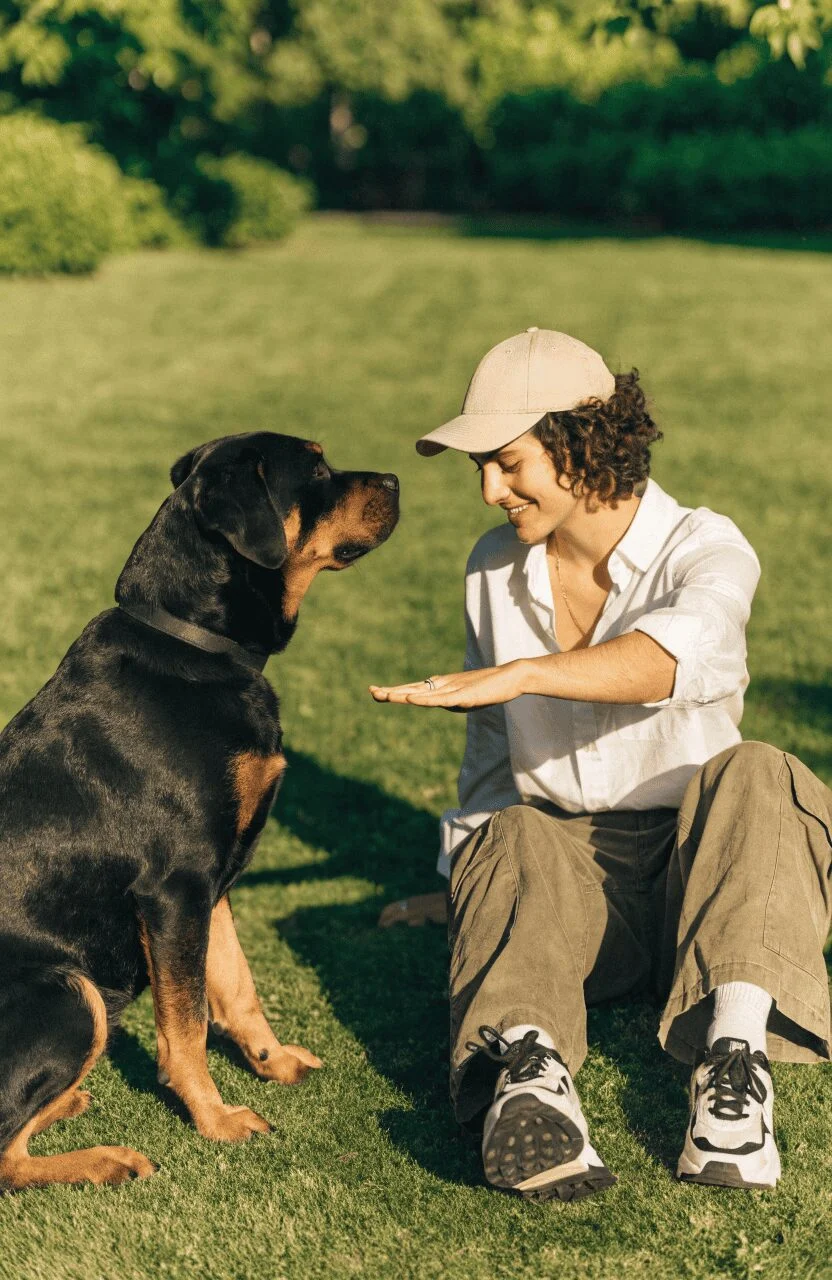
The Rottweiler and German Shepherd are the most accessible choices for people who haven’t owned a large guard dog before.
Both breeds are highly responsive to training, bond strongly with their families, and have predictable temperaments when properly socialized. They still need structure and consistency — but they are more forgiving of beginner mistakes than some of the higher-drive breeds on this list. The German Shepherd, in particular, is so eager to please that it naturally makes the training process smoother for a new owner.
Best for Experienced Handlers
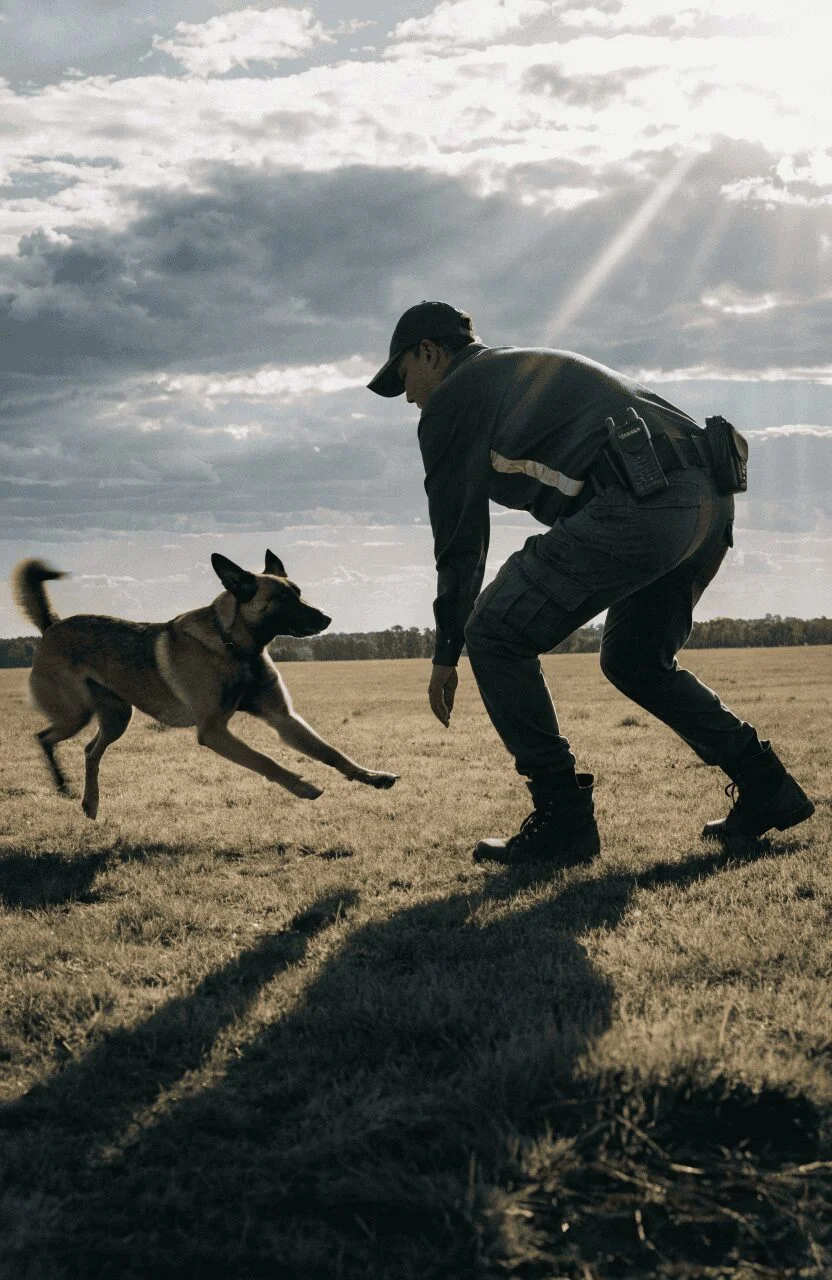
The Belgian Malinois, Doberman Pinscher, and Giant Schnauzer are all exceptional dogs — but they need experienced hands behind them.
These breeds have high energy, strong independent thinking, and a work drive that can tip into destructive behavior without proper channeling. An experienced handler who commits to structured puppy training from day one will get extraordinary results. In the wrong hands, though, these same qualities become serious challenges.
Best for Families with Kids
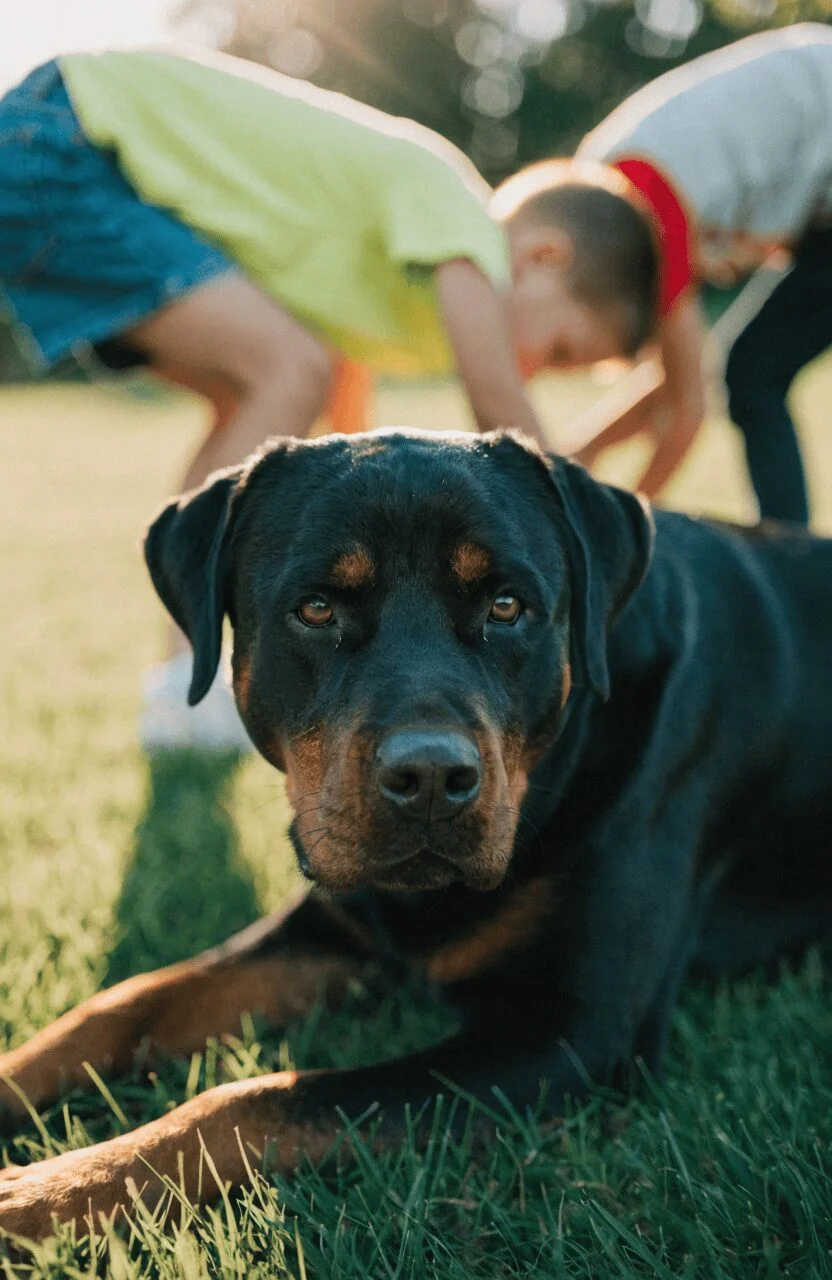
The Rottweiler and Bouvier des Flandres stand out as the top picks for families with children.
Both breeds are deeply loyal, naturally gentle with their inner circle, and stable enough to handle the unpredictable energy of kids. The Rottweiler is particularly known for its patience with children it has grown up around. The Bouvier’s calm temperament means it’s less likely to accidentally knock over a small child during an excited moment. Early socialization remains essential for both.
Best for Large Properties
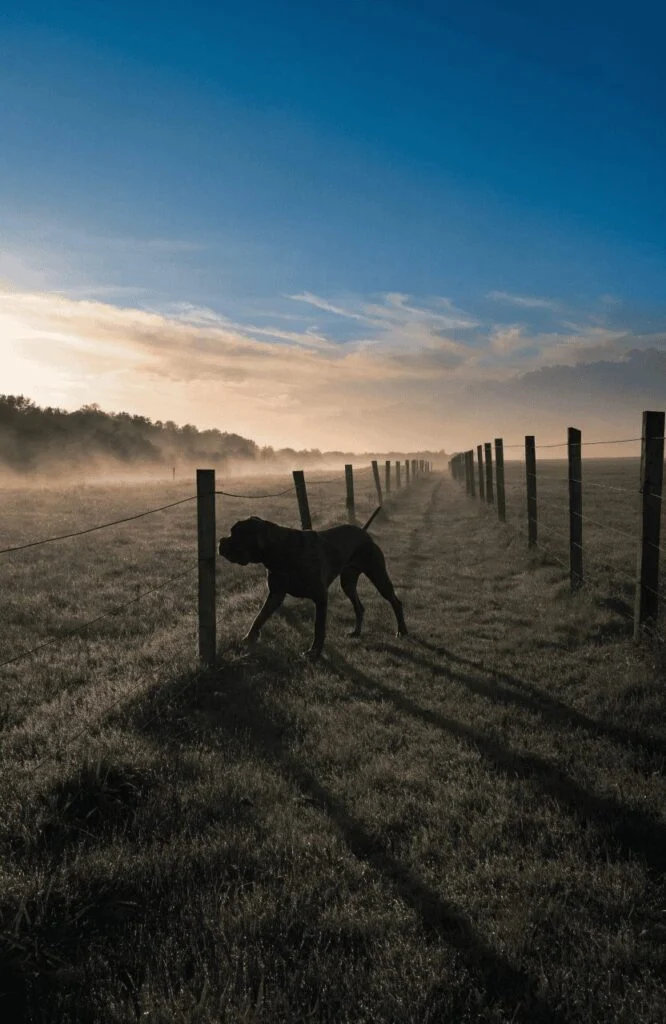
The Cane Corso and Bouvier des Flandres thrive in environments where they have space to patrol and a clear territory to protect.
The Cane Corso’s territorial instinct makes it a natural estate guardian — it will monitor its space with impressive dedication. The Bouvier, with its herding background, is equally comfortable covering large areas and keeping watch over a property. If you have land that needs protecting, either of these breeds will take that responsibility seriously.
For a broader look at large breeds that suit property living, this roundup of big dog breeds is worth exploring.
5 Things Every Smart Guard Dog Needs to Thrive
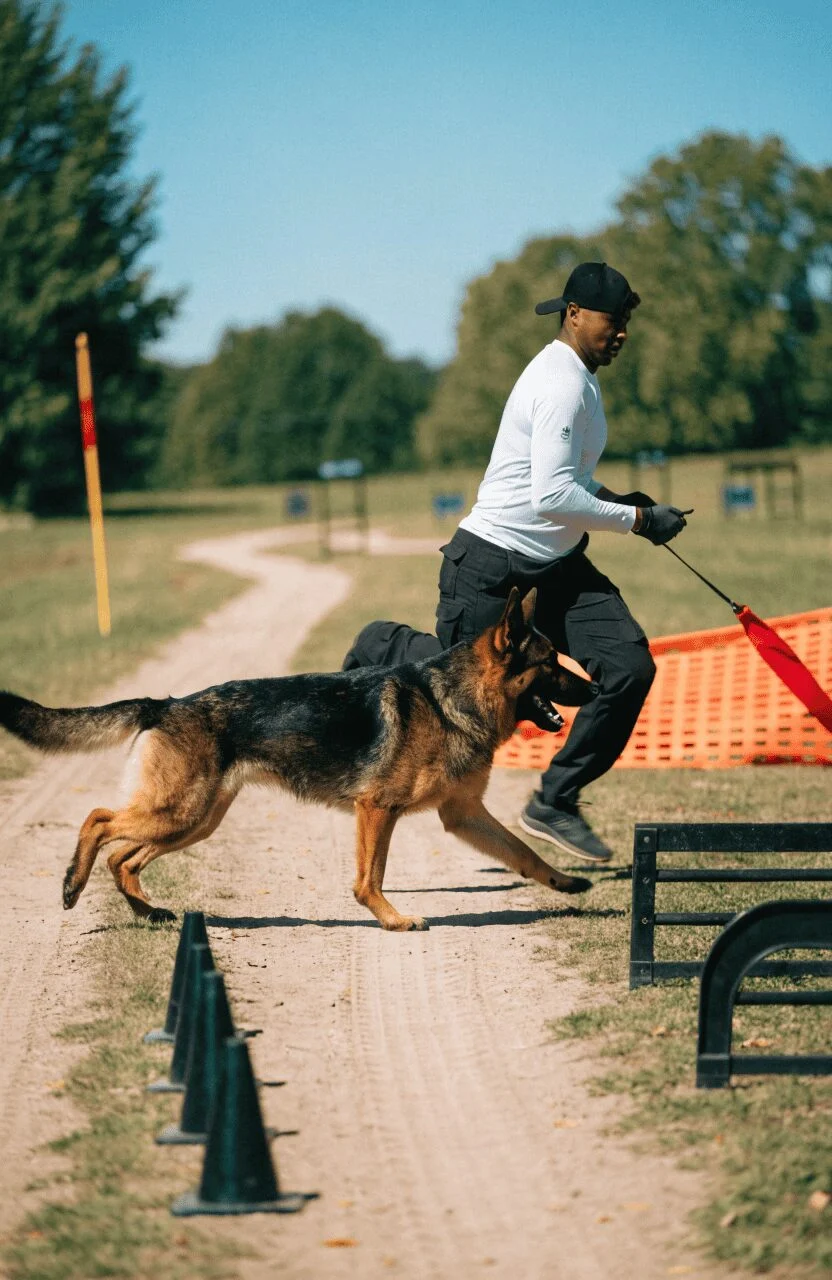
Choosing the right breed is only the first step. Intelligent guard dogs have specific needs that, if unmet, quickly become problems. Here’s what every owner must be prepared to provide.
1. Training from puppyhood Smart dogs learn fast — which means they also pick up bad habits fast. Start obedience training as early as possible and stay consistent. The foundation you build in the first year shapes everything that comes after.
2. Mental stimulation every single day A bored intelligent dog becomes a destructive dog. These breeds need more than a walk around the block. Puzzle toys, scent work, obedience drills, and structured play give their minds something to work on. Treat it like daily exercise — because it is.
3. Early and broad socialization Introduce your guard dog to different people, environments, sounds, and situations from an early age. A dog that only knows its own backyard will be anxious and overreactive everywhere else. Broad exposure builds confidence and sharper judgment.
4. Clear, consistent leadership Intelligent guard dogs need to understand their role in the household — and that role is not “in charge.” A calm, consistent owner who sets clear boundaries creates a dog that is confident, not confused. Confusion in a powerful guard dog is genuinely dangerous.
5. Physical exercise matched to their energy level Most breeds on this list have high to extreme energy. Daily structured exercise — running, fetch, swimming, agility work — is non-negotiable. A physically well-exercised guard dog is a calmer, more manageable companion inside the home.
Conclusion
The smartest guard dog breeds are not defined by size or an intimidating appearance. They are defined by how they think — how they read situations, hold their training under pressure, and protect the people they love without ever becoming a danger themselves.
Whether you’re drawn to the elite intensity of the Belgian Malinois, the steady reliability of the German Shepherd, or the calm power of the Rottweiler, the right choice comes down to your lifestyle, your experience level, and how much you’re genuinely willing to invest in your dog’s development.
Every breed on this list is capable of being an extraordinary companion and protector. But that potential only shows up with the right owner behind it. Choose wisely, train consistently, and you’ll have a guardian that’s as loyal as it is brilliant.

Izzy is an experienced ranch worker who has a passion for exploring nature and getting up close to wildlife. With her connections to various animal organizations, Izzy is well-versed in animal care and rehabilitation.