
What Are the Smartest Dog Breeds? 16 Intelligent Dog Breeds Ranked and Profiled
A Border Collie named Chaser learned the names of over 1,000 objects — more than any other non-human animal ever tested. A Standard Poodle can solve a puzzle toy in under a minute. A German Shepherd can learn a new command in fewer than five repetitions.
These aren’t party tricks. It’s how these dogs are wired.
But here’s what most articles on the smartest dog breeds won’t tell you: a genius dog in the wrong home is often a miserable dog — and a destructive one. Intelligence comes with real demands.
This guide gives you full profiles of the 16 most intelligent dog breeds — what makes each one smart, how that intelligence shows up in everyday life, and which type of owner each breed actually suits. Read it before you decide.
1. How We Ranked These Intelligent Dog Breeds

Psychologist Stanley Coren tested over 100 breeds and defined dog intelligence in three ways.
Instinctive intelligence is the skill a dog was bred for — herding, retrieving, guarding. Adaptive intelligence is problem-solving: how well a dog figures things out on its own. Obedience intelligence is how fast a dog learns commands from humans.
Most articles only rank breeds on obedience. This one considers all three.
Each profile below covers what type of intelligence drives the breed, what that looks like in real daily life, how much mental stimulation the dog needs, and a reality check for anyone thinking about bringing one home.
2. The Smartest Dog Breeds — Full Ranked Profiles
2.1 Border Collie — The Problem-Solving Workaholic
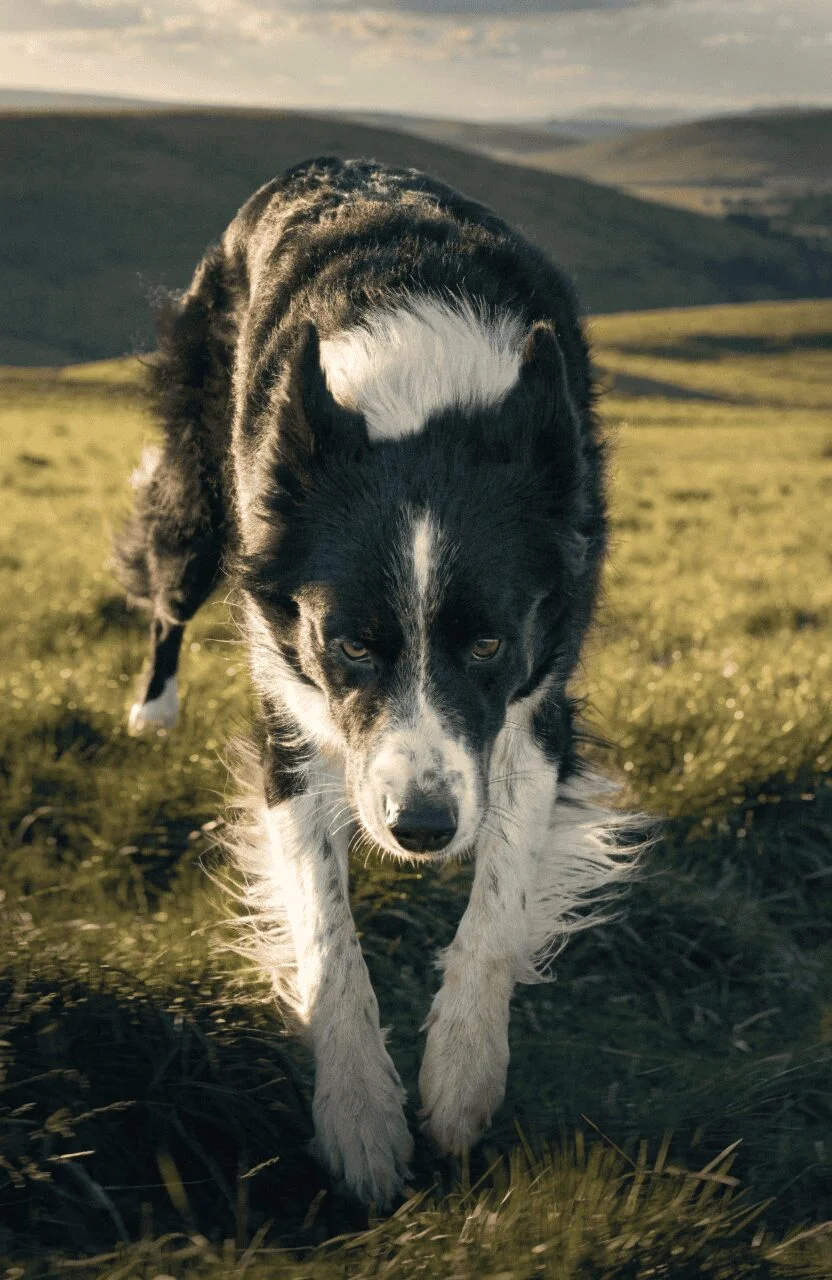
The Border Collie sits at the top of every smartest dog breeds list — and it earns that spot every single day.
This breed was developed to herd sheep across vast hillsides without constant instruction from a farmer. That means it reads situations, anticipates movement, and makes decisions independently. At home, that same drive gets pointed at whatever is available — your kids, your other pets, or your furniture.
Border Collies learn new commands in fewer than five repetitions and obey them over 95% of the time. They also get bored faster than almost any other breed.
Best for: Experienced, active owners with outdoor space and time to provide structured daily tasks. If you want a smart dog room ideas setup that actually gets used, a Border Collie will take full advantage of it.
Reality check: Without a job, this dog invents one. Usually not a job you’ll like.
2.2 Poodle — The Underestimated All-Rounder
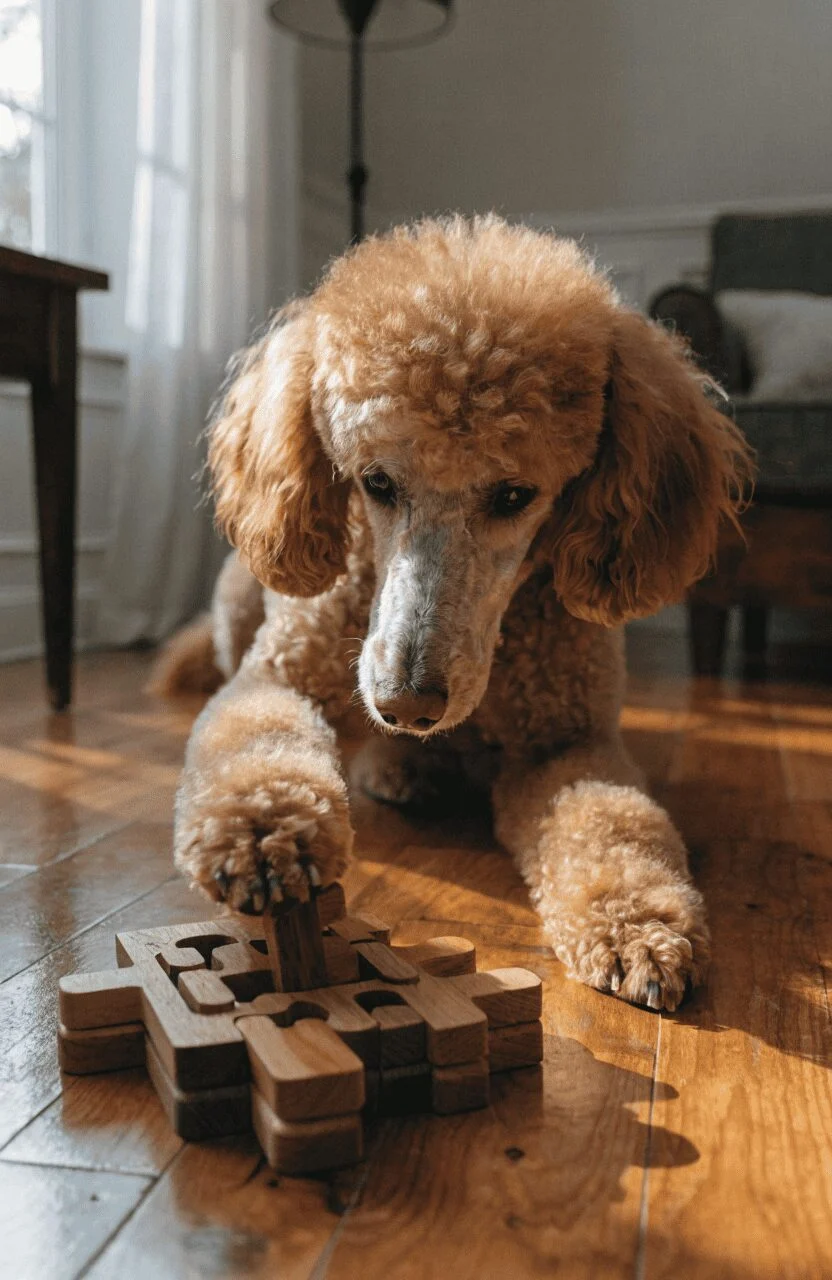
People see the haircut and underestimate the brain. That’s a mistake.
The Poodle — in Standard, Miniature, and Toy sizes — is one of the most cognitively versatile dogs alive. Originally bred as a water retriever, it combines sharp obedience intelligence with impressive adaptive problem-solving. Poodles pick up on human emotions quickly, adjust their behavior accordingly, and can master complex trick sequences faster than most breeds.
All three sizes share the same level of intelligence. The Toy Poodle is just as sharp as the Standard — just in a smaller package.
Best for: Families, allergy-sensitive households, and first-time owners willing to commit to consistent training.
Reality check: An under-stimulated Poodle develops anxious, repetitive behaviors. They need their brain worked, not just their legs.
2.3 German Shepherd — The Loyal Strategist
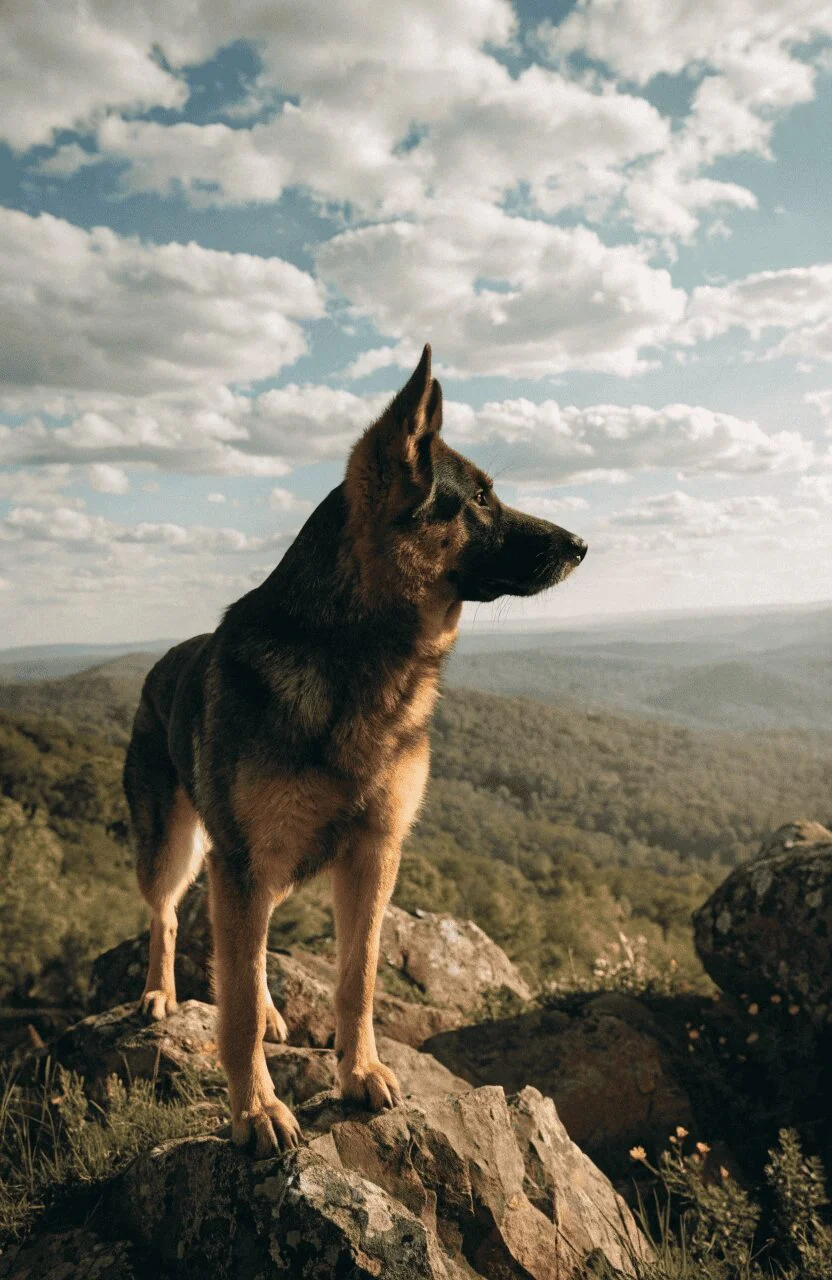
The German Shepherd is the most versatile working dog in the world. Police forces, military units, search and rescue teams, and disability assistance programs all rely on this breed — and for good reason.
GSDs score high across all three intelligence types. They learn fast, solve problems independently, and have an instinctive drive to protect and serve. They also read human body language with unusual accuracy, which makes them exceptional partners when trained well.
Best for: Experienced owners who can provide clear structure, early socialization, and consistent daily exercise.
Reality check: A German Shepherd with no structure and no job develops anxiety and reactivity. Intelligence without direction becomes a problem.
2.4 Golden Retriever — The Emotionally Intelligent Genius
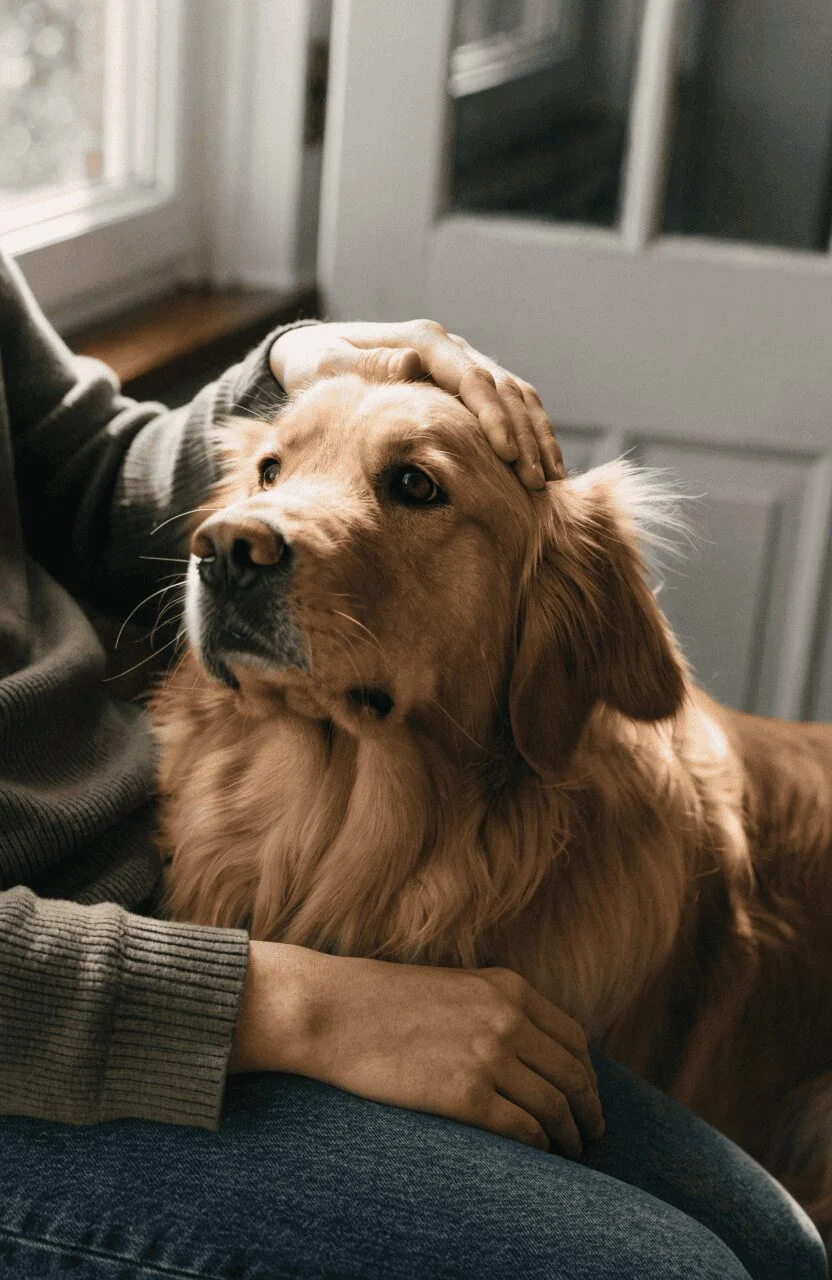
Golden Retrievers often get labeled as “just friendly.” That sells them short.
Goldens rank among the highest in social and emotional intelligence of any breed. They read human moods accurately, adjust their energy to match their owner, and form unusually deep bonds. This is exactly why they dominate therapy work, hospital visits, and emotional support roles.
They also rank in the top five for obedience intelligence, learning commands quickly and retaining them well. Among the most loyal dog breeds on the planet, they combine trainability with genuine warmth.
Best for: Families, first-time owners, seniors, and service dog handlers.
Reality check: Easy to train doesn’t mean low-maintenance. Goldens need more physical exercise than most new owners expect.
2.5 Doberman Pinscher — The Strategic Thinker
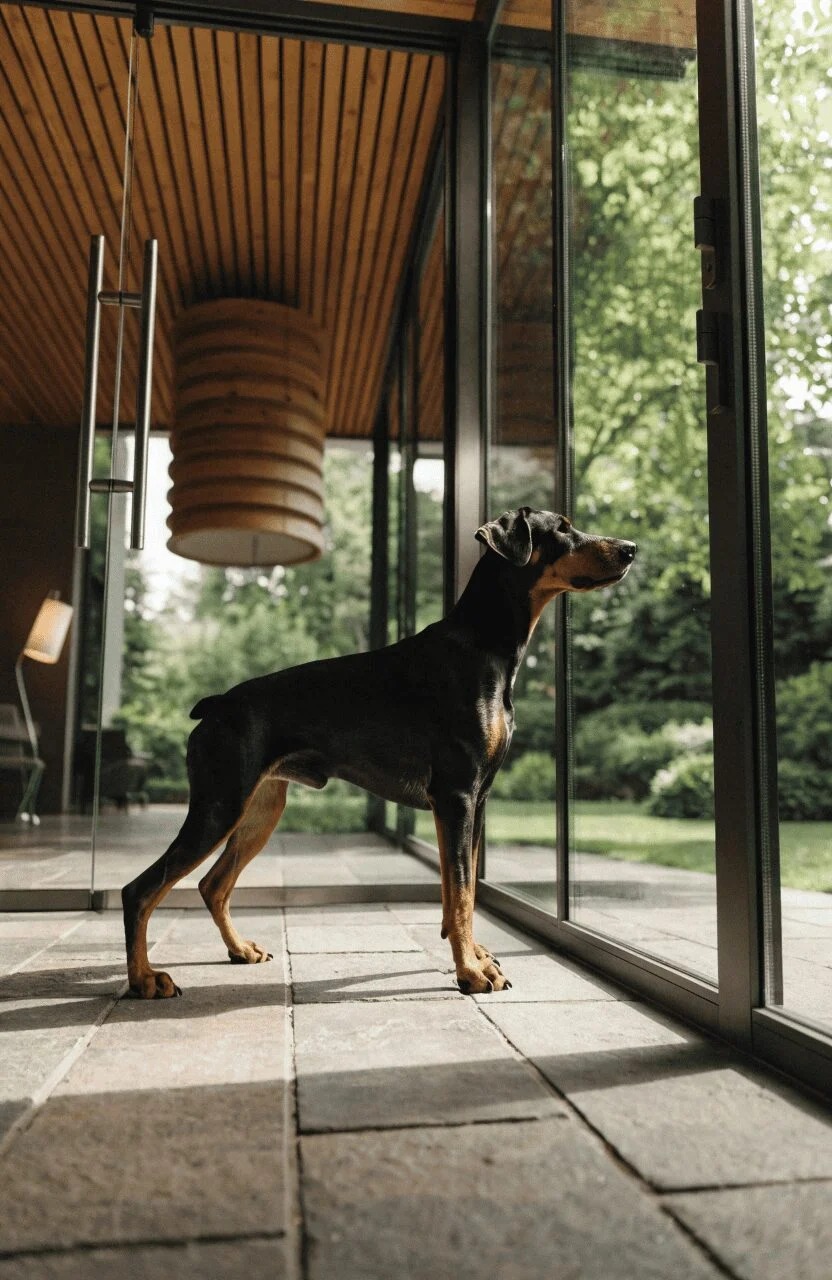
The Doberman was purpose-built to be intelligent. Louis Dobermann, a tax collector in 1800s Germany, bred it specifically for alertness, loyalty, and fast decision-making. The result is a dog that assesses situations rapidly, learns with minimal repetition, and bonds deeply with one family.
Dobermans are not just obedient — they think. They will test boundaries to understand where limits are, which means consistent, confident handling is non-negotiable.
Best for: Experienced owners who can match the dog’s energy and provide clear, firm leadership from day one.
Reality check: If you’re inconsistent, this dog will find and exploit every gap. That’s not aggression — it’s intelligence without boundaries.
2.6 Shetland Sheepdog — The Miniature Mastermind
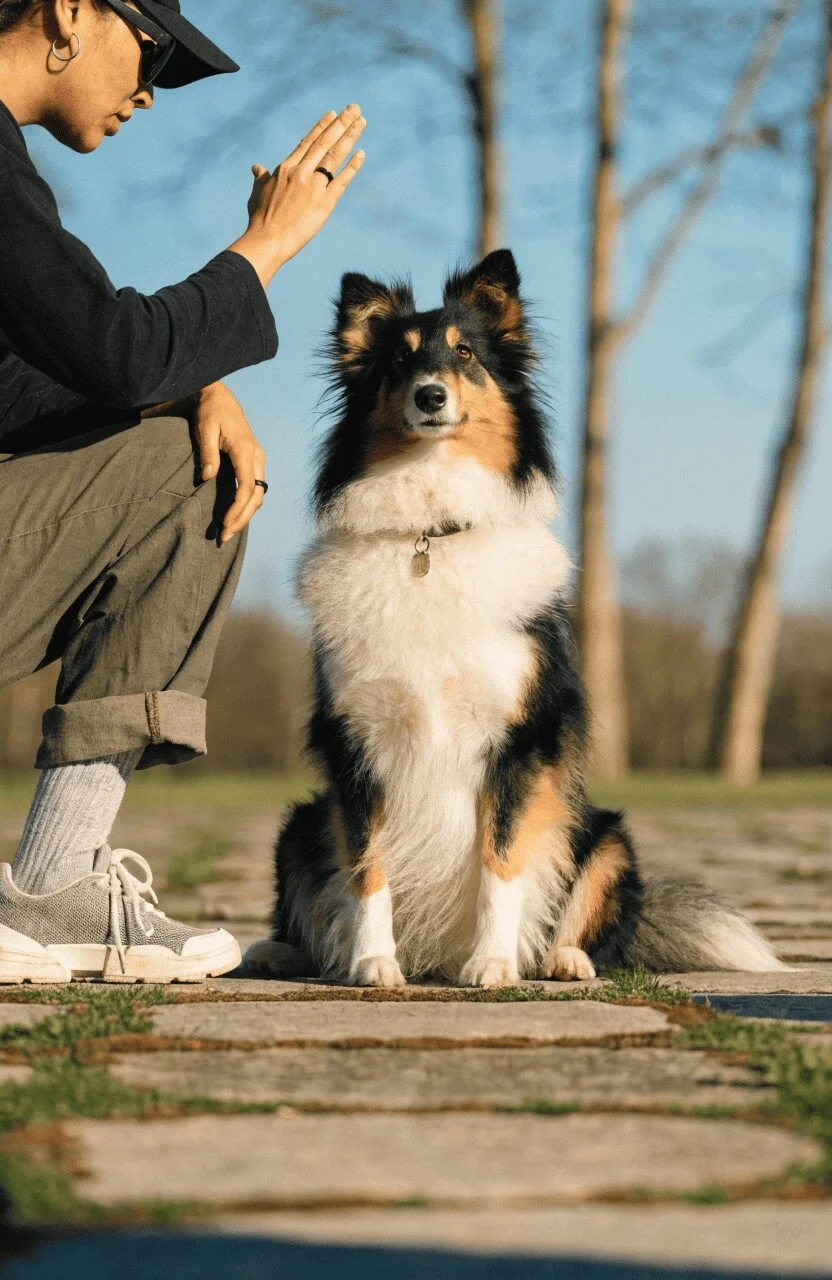
The Sheltie is one of the most underestimated breeds on this entire list.
Looking like a miniature Rough Collie, the Shetland Sheepdog was bred to herd sheep on the remote Shetland Islands with minimal instruction. The result is a dog with extraordinary instinctive and obedience intelligence packed into a compact 15-25 pound body.
Shelties consistently top agility and obedience competition rankings. They learn fast, remember commands long-term, and thrive when given structured tasks.
Best for: Active families, dog sport enthusiasts, and owners who want a highly trainable medium-small breed.
Reality check: When bored, Shelties bark. A lot. Mental stimulation isn’t optional with this breed.
2.7 Labrador Retriever — The Versatile People-Pleaser
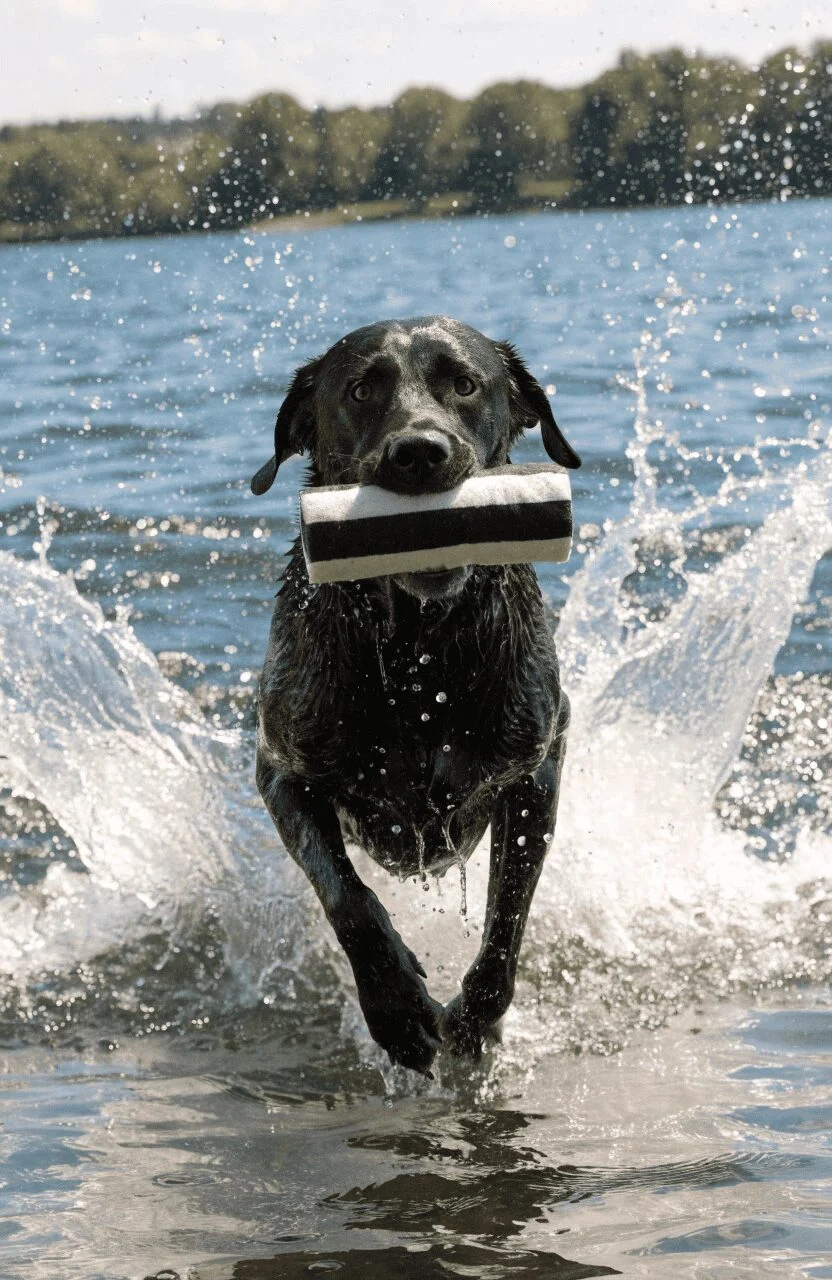
The Labrador Retriever has been the most popular dog breed in the United States for decades. That popularity isn’t accidental — Labs are one of the most trainable, adaptable, and socially intelligent dogs in existence.
They were bred to retrieve game birds from water and land, which required them to work closely with hunters, take direction quickly, and remain calm under pressure. Those traits translate directly into family life and working roles.
Best for: First-time owners, families with children, and service or therapy dog handlers.
Reality check: Labs are intensely food-motivated, which makes training easy but obesity a real risk. Structure around feeding is essential.
2.8 Papillon — The Smartest Small Dog Breed
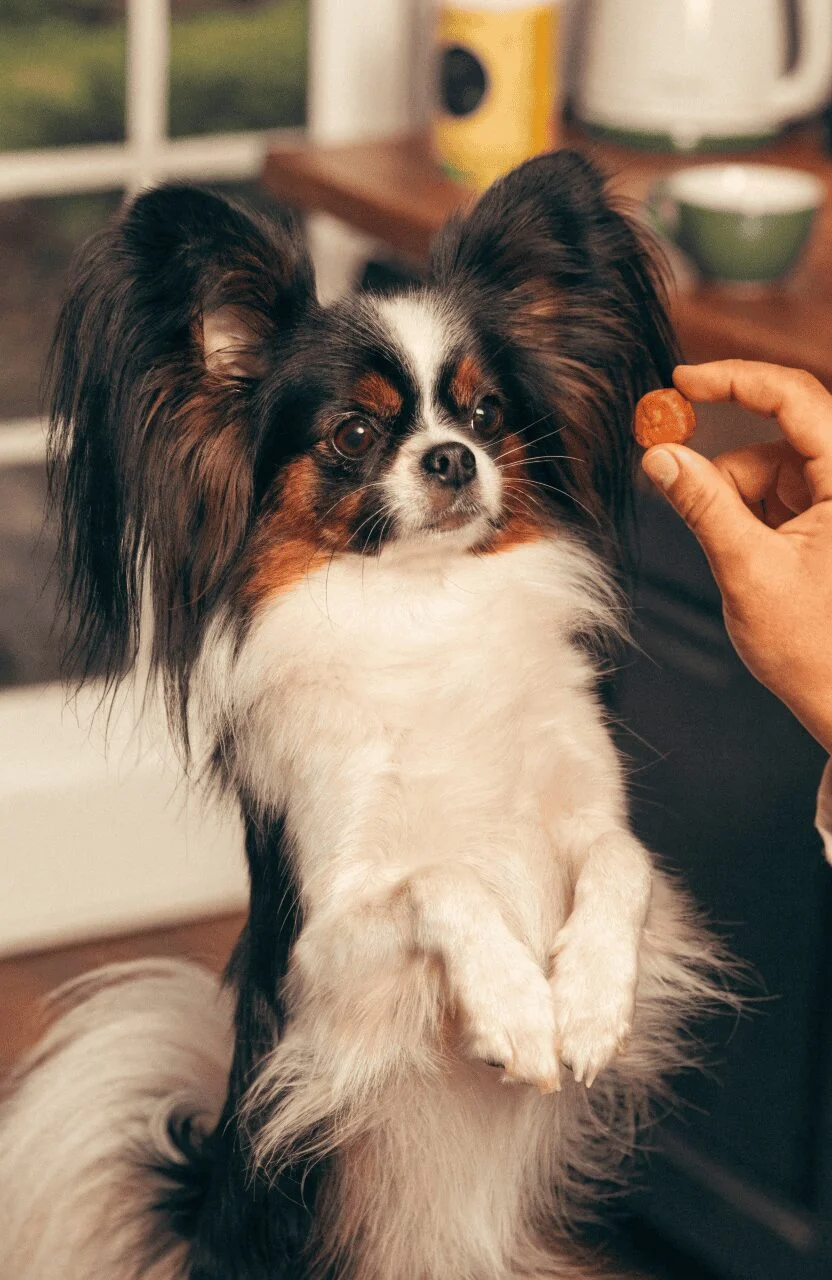
Don’t let the butterfly ears and toy-sized frame fool you. The Papillon consistently outperforms breeds three times its size in obedience and agility competitions.
Named for its distinctive wing-shaped ears, this breed was developed as a companion dog for European nobility — but it’s far from a passive lapdog. Papillons learn commands quickly, solve problems confidently, and have stamina that surprises most owners.
Among the best small dog breeds for people who want a high-IQ companion without the space demands of a large working breed, the Papillon stands alone.
Best for: Apartment dwellers, seniors, and owners who want a small dog with a big brain.
Reality check: Fragile build, bold personality. Papillons need supervision around larger dogs and children who play rough.
2.9 Rottweiler — The Confident Problem-Solver
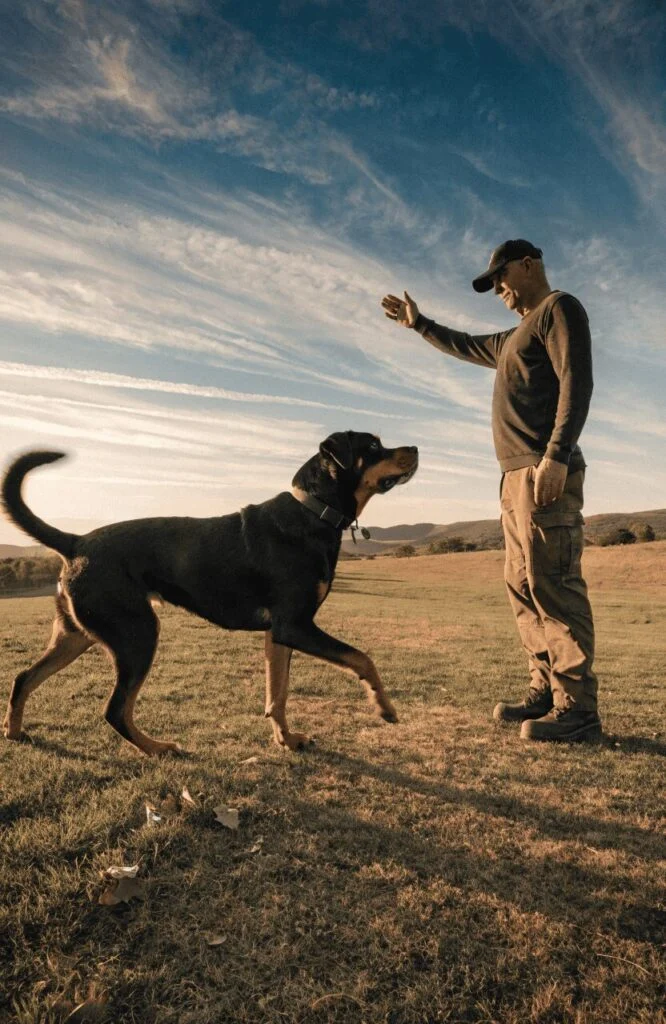
The Rottweiler has Roman roots — it descended from herding and drover dogs used by Roman legions. Centuries of working closely with humans in demanding roles have produced a dog with deep loyalty, calm confidence, and sharp situational intelligence.
Rottweilers read body language well and respond to calm, assertive handling far better than harsh correction. They are not reactive by nature — they are deliberate. A well-trained Rottweiler is one of the most controlled and obedient dogs on this list.
Best for: Experienced owners, families with older children, and those who want a protective yet trainable companion.
Reality check: Their size and strength mean that inconsistent training early on creates real problems later. Start structured training from puppyhood.
2.10 Australian Cattle Dog — The Relentless Thinker
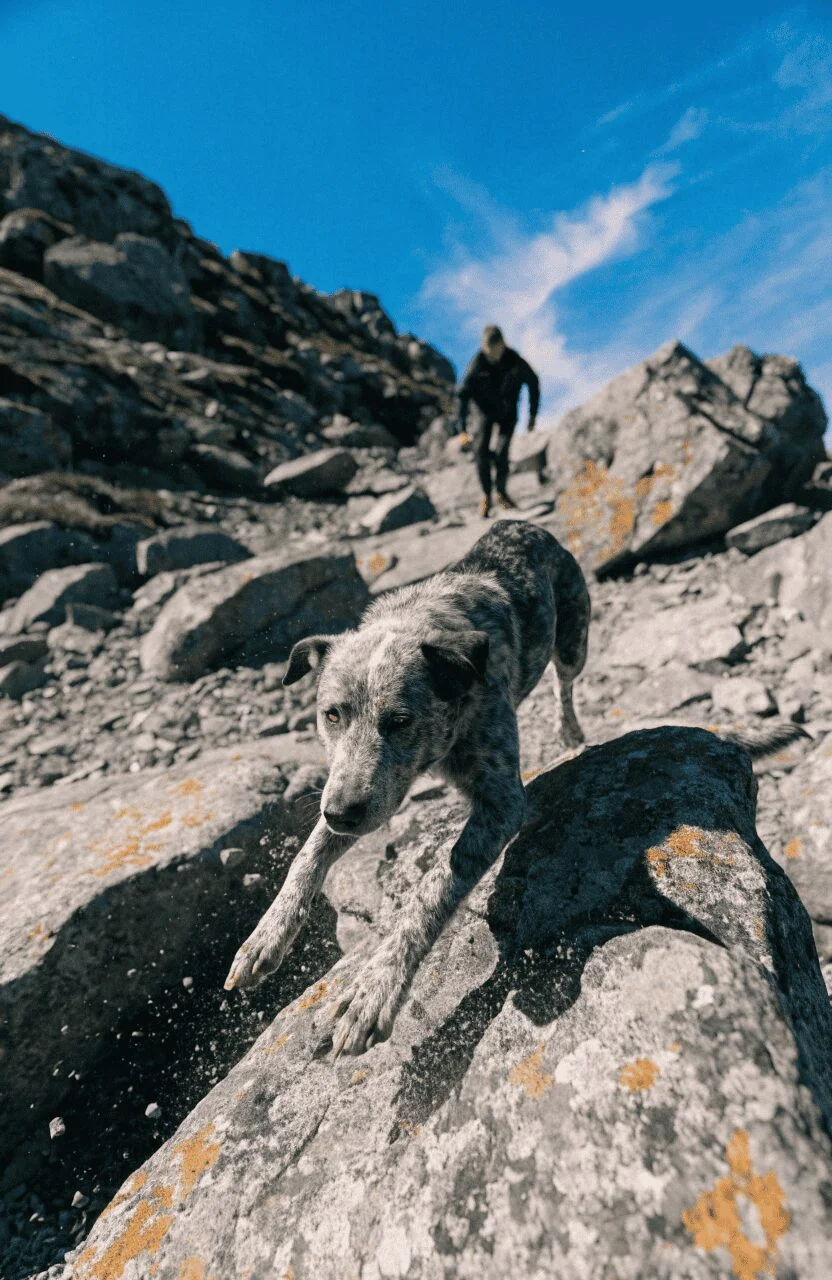
Bred to herd cattle across the harsh Australian outback, the Australian Cattle Dog — also called the Blue Heeler or Red Heeler — is one of the most driven and tenacious working dogs alive.
This breed doesn’t just follow instructions. It anticipates them. It was developed to work independently for hours in rugged terrain, making constant micro-decisions without human input. At home, that means a dog that is always thinking, always watching, and always looking for the next task.
Best for: Very active owners, farmers, and people who genuinely love high-intensity outdoor activity with their dog.
Reality check: This breed is not suitable for low-energy households. Period.
2.11 Pembroke Welsh Corgi — The Royal Thinker
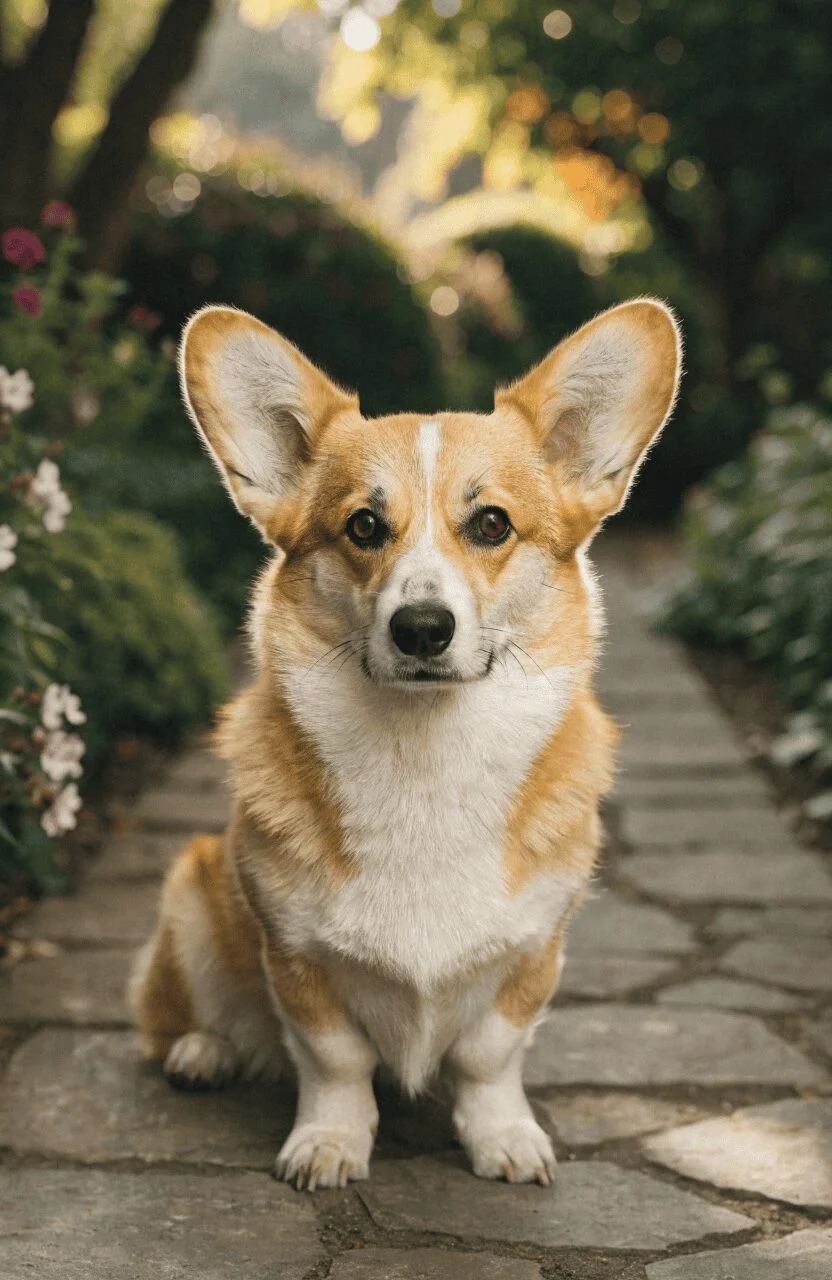
Made famous by Queen Elizabeth II, the Pembroke Welsh Corgi is a herding breed in a surprisingly small body. What it lacks in height it more than compensates for in brainpower and work ethic.
Corgis were used to herd cattle and ponies in Wales — animals many times their size. To do that job, they had to be quick, clever, and assertive. That same energy comes through in domestic life as sharp trainability, strong problem-solving, and a personality that’s larger than the dog itself.
Best for: Active families, first-time owners who want a trainable breed, apartment dwellers who commit to daily exercise.
Reality check: Corgis have a herding instinct that can lead to nipping at heels — especially with small children. Early training is essential.
2.12 Miniature Schnauzer — The Terrier-Group Overachiever
The Miniature Schnauzer is the only terrier on Coren’s top-ranking list, and it earns its place.
Originally bred as a farm ratter in Germany, the Mini Schnauzer had to be quick-thinking, independent, and persistent. Those qualities remain very much intact. This breed is alert, learns fast, and has a stubborn streak that comes directly from its terrier heritage — once it decides something, good luck changing its mind.
Best for: Families, apartment dwellers, and owners who want a small-to-medium dog with genuine intelligence and personality.
Reality check: The same stubbornness that makes them great problem-solvers can make them selective about when they listen. Consistency matters.
2.13 Belgian Malinois — The Elite Working Machine
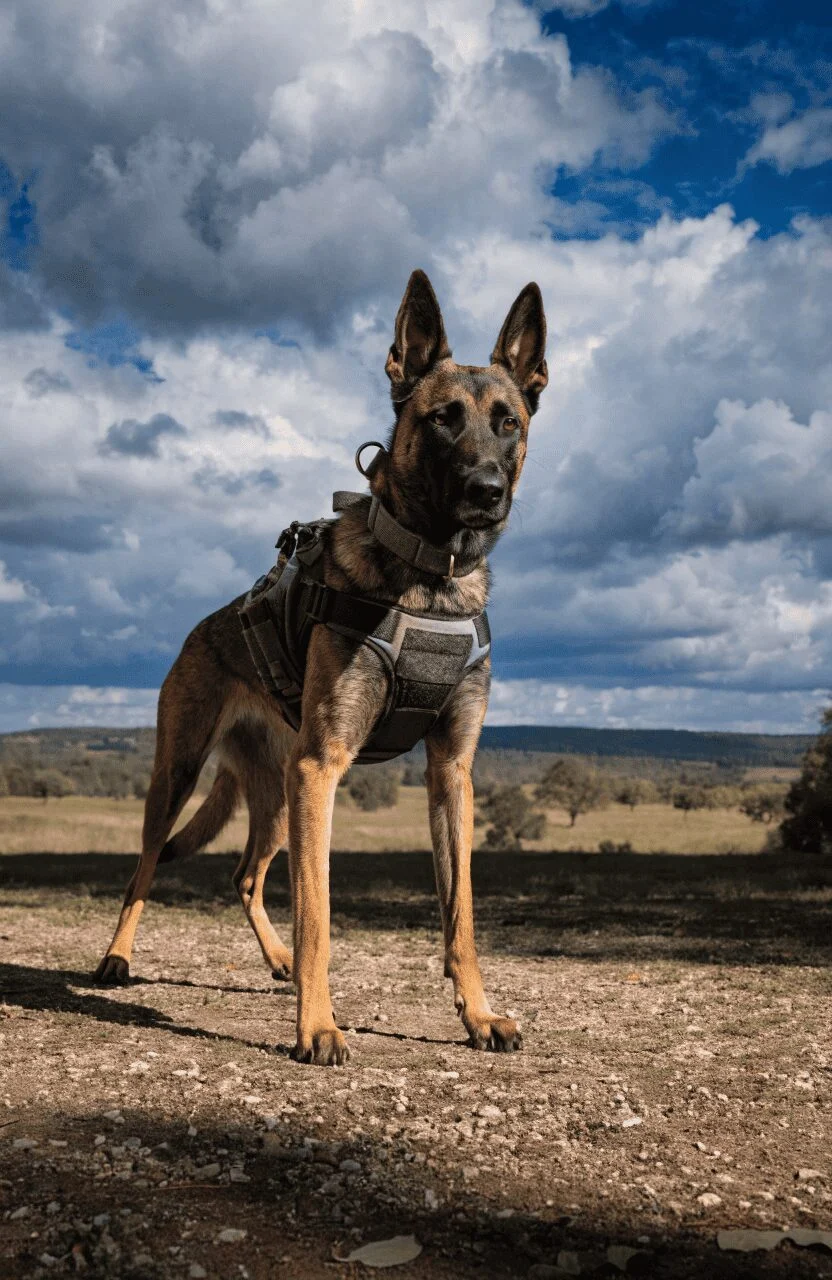
The Belgian Malinois is what you get when you push working dog intelligence to its upper limit. Used by military special operations units, police K9 divisions, and elite protection services worldwide, the Malinois operates at a level most pet owners are genuinely not equipped to handle.
Its drive, focus, and work capacity are almost unmatched. It learns at an extraordinary speed and can maintain concentration on tasks for long periods. But this breed needs more than an owner — it needs a handler with experience and a structured working program.
Best for: Highly experienced dog owners, working dog handlers, and sport dog enthusiasts (Schutzhund, IPO).
Reality check: This dog is not a pet for most people. Without serious structure and daily work, it becomes dangerous out of sheer frustrated energy.
2.14 Australian Shepherd — The Energetic Strategist
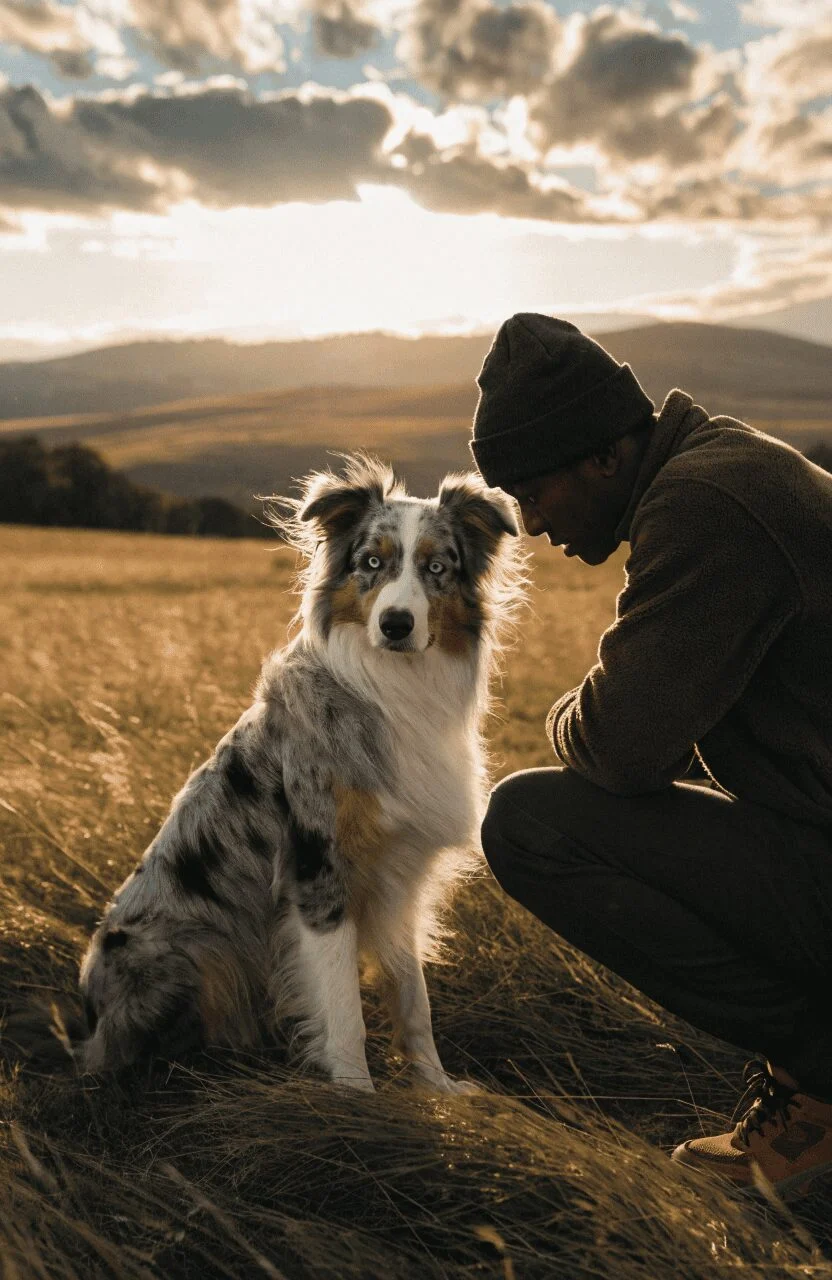
Despite the name, the Australian Shepherd was developed in the American West as a herding and ranch dog. It combines high obedience intelligence with intense instinctive drive, producing a dog that is both fast to learn and deeply motivated to work.
Aussies are sensitive to human emotion, highly responsive to training, and form strong bonds with their primary handler. They also have an eye — the intense herding gaze — that they will use on anything that moves, including children and other pets.
Best for: Active families, experienced owners, and people involved in dog sports like agility or flyball.
Reality check: This is a high-octane breed. Two hours of daily physical and mental exercise is a minimum, not a goal.
2.15 Weimaraner — The Athletic Problem-Solver
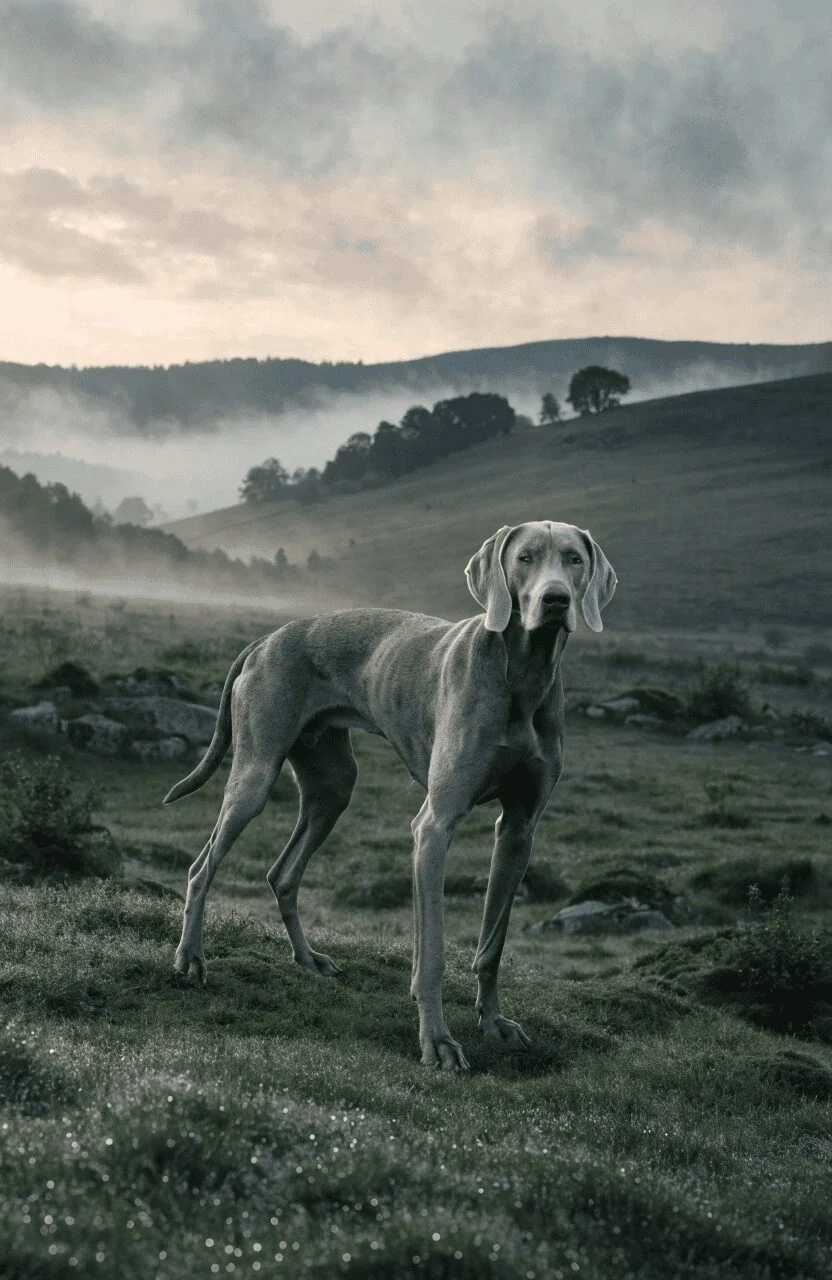
The Weimaraner — sometimes called the “Grey Ghost” for its distinctive silver coat — is a hunting breed with a sharp, inquisitive mind. Bred in Germany to hunt large game including boar and deer, it needed to work closely with hunters, hold commands under pressure, and problem-solve in unpredictable terrain.
At home, that intelligence makes the Weimaraner highly trainable and deeply bonded to its family. It is also one of the most emotionally expressive dogs on this list — it communicates clearly and reacts strongly to mood shifts in its household.
Best for: Active owners, hunters, and families who want a large, trainable dog with a sensitive side.
Reality check: Weimaraners suffer from separation anxiety more than most breeds. They are not built for long hours alone.
2.16 Vizsla — The Gentle Genius
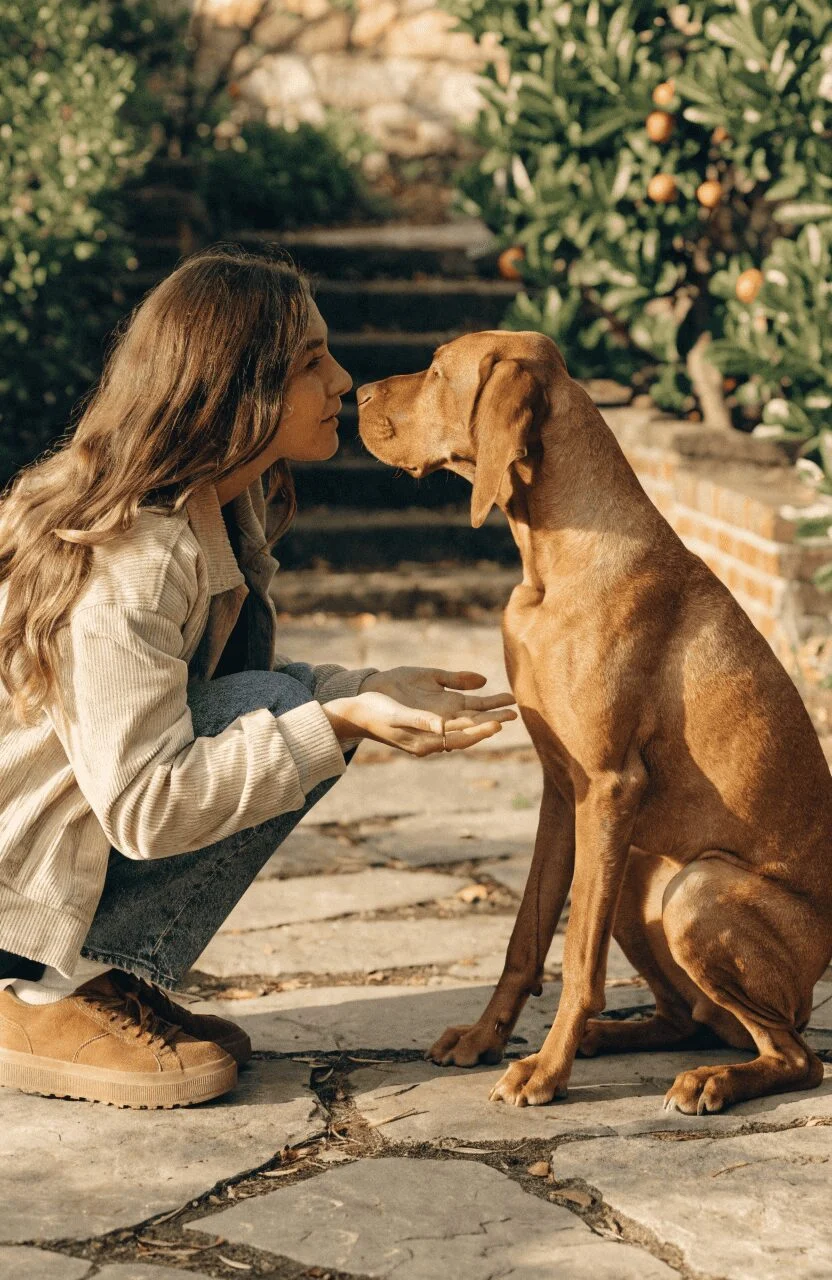
The Vizsla is one of the most affectionate dogs on this entire list — and one of the most underrated in terms of raw intelligence.
Developed in Hungary as a versatile hunting dog for both pointing and retrieving, the Vizsla had to adapt to many different terrains, commands, and hunting situations. The result is a breed with excellent adaptive intelligence, fast learning speed, and an unusually gentle temperament for a working breed.
Understanding why dogs behave this way — including why the Vizsla velcros itself to its owner — makes a lot more sense when you know it was bred to work in constant close partnership with a human hunter.
Best for: Active families, first-time owners with energy to match, and people who want a highly trainable breed that is also genuinely affectionate.
Reality check: The Vizsla’s nickname is “the Velcro dog.” It does not do well alone and needs to be with people as much as possible.
3. Quick Comparison — Smartest Dog Breeds at a Glance
| Breed | Intelligence Type | Stimulation Need | Good for First-Timers? | Size |
|---|---|---|---|---|
| Border Collie | Instinctive + Obedience | Very High | No | Medium |
| Poodle | Adaptive + Obedience | High | Yes | Small–Large |
| German Shepherd | All three | High | No | Large |
| Golden Retriever | Obedience + Social | Medium–High | Yes | Large |
| Doberman Pinscher | Adaptive + Obedience | High | No | Large |
| Shetland Sheepdog | Instinctive + Obedience | High | Yes | Small–Medium |
| Labrador Retriever | Obedience + Social | Medium | Yes | Large |
| Papillon | Obedience + Adaptive | Medium | Yes | Small |
| Rottweiler | Instinctive + Adaptive | Medium–High | No | Large |
| Australian Cattle Dog | Instinctive + Adaptive | Very High | No | Medium |
| Pembroke Welsh Corgi | Instinctive + Obedience | Medium–High | Yes | Small–Medium |
| Miniature Schnauzer | Adaptive + Obedience | Medium | Yes | Small |
| Belgian Malinois | All three | Extreme | No | Medium–Large |
| Australian Shepherd | Instinctive + Obedience | Very High | No | Medium |
| Weimaraner | Adaptive + Obedience | High | No | Large |
| Vizsla | Adaptive + Obedience | High | Yes | Medium–Large |
4. The Dark Side of Owning a Smart Dog
This is the part most articles skip.
Every breed on this list is genuinely impressive. They are also genuinely demanding. And understanding why dogs behave this way when they’re bored is the difference between a happy dog and a destroyed house.
4.1 Signs Your Dog Is Bored, Not Badly Behaved
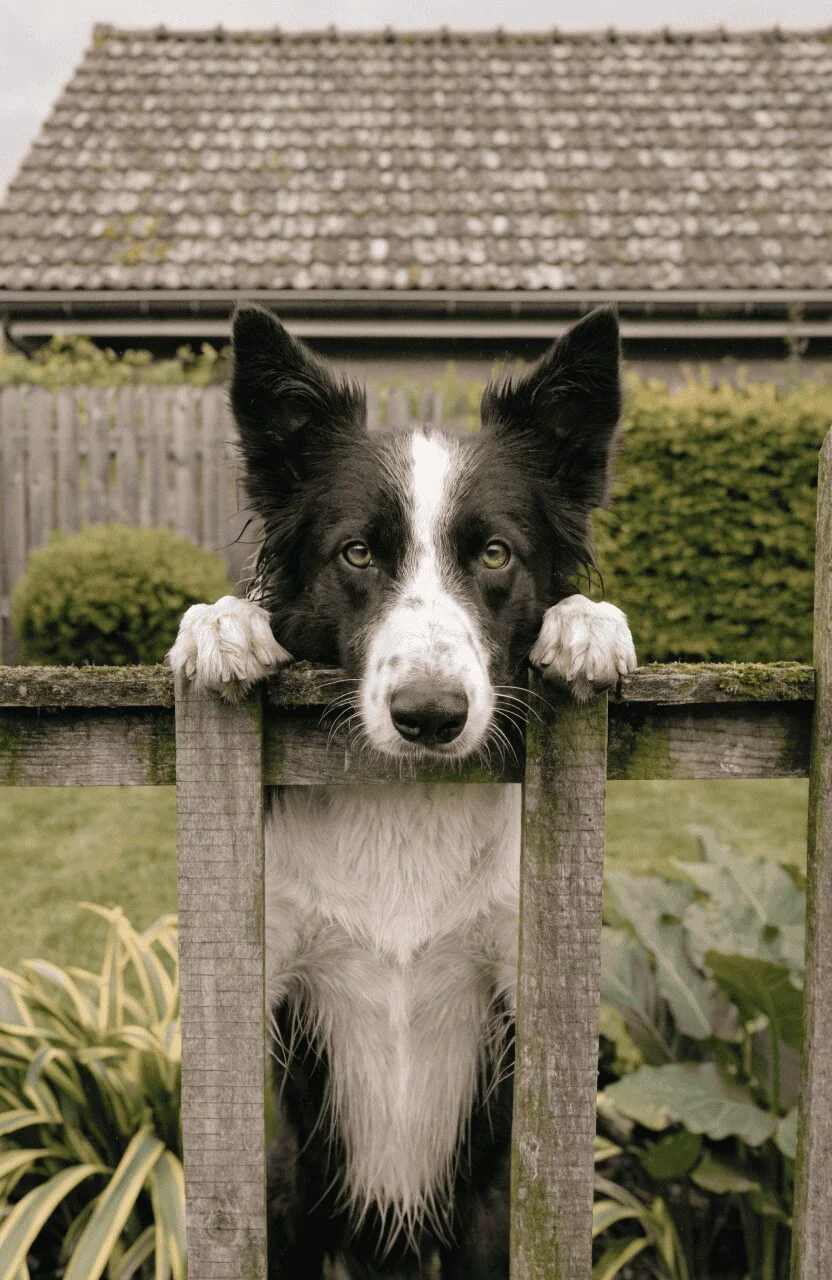
Smart dogs that aren’t stimulated don’t just sit quietly. They problem-solve their way into trouble. Common signs include excessive chewing, digging, escaping enclosures, barking for hours, and learning how to open doors, fridges, or baby gates.
These aren’t bad dogs. They’re under-stimulated dogs doing what their brains are built to do — find a challenge.
4.2 How Much Mental Stimulation Do These Breeds Actually Need?
As a rough guide: Border Collies, Australian Cattle Dogs, Belgian Malinois, and Australian Shepherds need 2+ hours of combined physical and mental activity daily. German Shepherds, Dobermans, and Weimaraners need at least 90 minutes. Poodles, Golden Retrievers, and Labradors are more flexible but still need structured daily engagement.
Puzzle feeders, scent work, obedience training, trick learning, and dog sports all count. A long walk alone is rarely enough for any breed on this list.
5. Honorable Mentions — More Smart Dogs Worth Knowing
These breeds didn’t make Coren’s original rankings — often because of small sample sizes during testing — but they belong in any conversation about smart dogs.
Border Terrier was bred to hunt fox and work alongside hounds. Its problem-solving instinct is exceptional and its ability to adapt to different environments makes it highly capable.
Jack Russell Terrier is relentlessly intelligent, fast-learning, and independent. It regularly competes at elite levels in agility despite being excluded from some formal rankings.
Bloodhound scores low on obedience tests because it couldn’t care less about commands. But its scent intelligence — the ability to track a trail days old across miles of terrain — represents a level of cognitive specialization no other breed can touch.
The Smartest Dogs title depends entirely on what kind of smart you’re measuring.
6. Frequently Asked Questions
Conclusion
The smartest dog breed isn’t necessarily the right dog breed.
A Border Collie in an apartment with a low-energy owner is not a happy Border Collie. A Vizsla left alone for eight hours every day is not thriving. Intelligence makes these dogs extraordinary — and it also makes the mismatch between dog and owner more expensive.
Use the comparison table. Be honest about your daily schedule, your energy level, and your experience. Then choose accordingly.
Start with solid puppy training tips from day one, because with any breed on this list, early habits shape everything that follows.
The right smart dog, in the right home, is one of the most rewarding relationships a person can have with an animal. Just make sure you’re ready for how much they’ll bring to it.

Izzy is an experienced ranch worker who has a passion for exploring nature and getting up close to wildlife. With her connections to various animal organizations, Izzy is well-versed in animal care and rehabilitation.


