Rare Dog Breeds: 15 Extraordinary Dogs Most People Have Never Seen
Most people can name a dozen dog breeds without thinking twice. Golden Retriever, German Shepherd, Poodle, Bulldog — these names come up at every dog park. But here’s something surprising: the American Kennel Club alone recognizes over 200 breeds, and the World Canine Organization lists nearly 360. So what about the dogs that didn’t make the popular list?
Rare dog breeds are some of the most fascinating animals on the planet. They carry ancient histories, unusual physical traits, and personalities unlike anything you’ll find at a typical shelter. Yet most people walk right past them — because they’ve simply never heard of them.
This guide covers 15 rare dog breeds with pictures-worthy looks and stories worth knowing. You’ll also find a comparison table, real ownership guidance, and a look at which breeds are dangerously close to disappearing forever. Whether you’re considering one of these dogs or just curious, you’re in the right place.
What Makes a Dog Breed Rare?
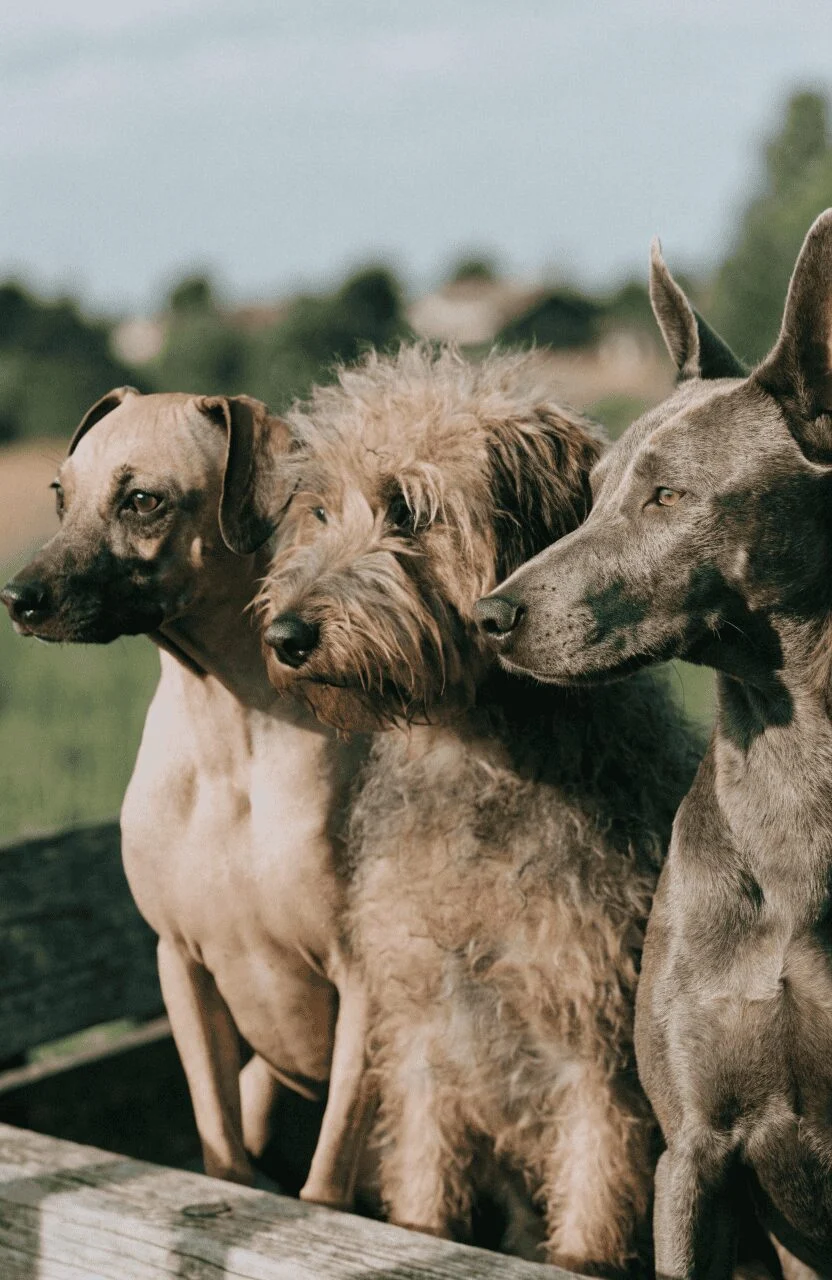
Before diving into the list, it helps to understand what “rare” actually means in the dog world.
A breed is generally considered rare when its registered population falls below a few thousand worldwide. Some breeds, like the Otterhound, have fewer than 1,000 individuals left on the entire planet. Others are rare simply because they exist primarily in one country and haven’t spread globally.
Rarity can come from several factors:
- Low demand — the breed never caught on commercially
- Geographic isolation — developed in a remote region and rarely exported
- Near-extinction events — wars, disease, or changing human needs wiped out most of the population
- Late kennel club recognition — without official registration, breeding stays limited
Many of these breeds are actively protected by dedicated clubs and conservationists who work to keep their populations stable. Without that effort, several would already be gone.
15 Rare Dog Breeds with Pictures
1. Otterhound
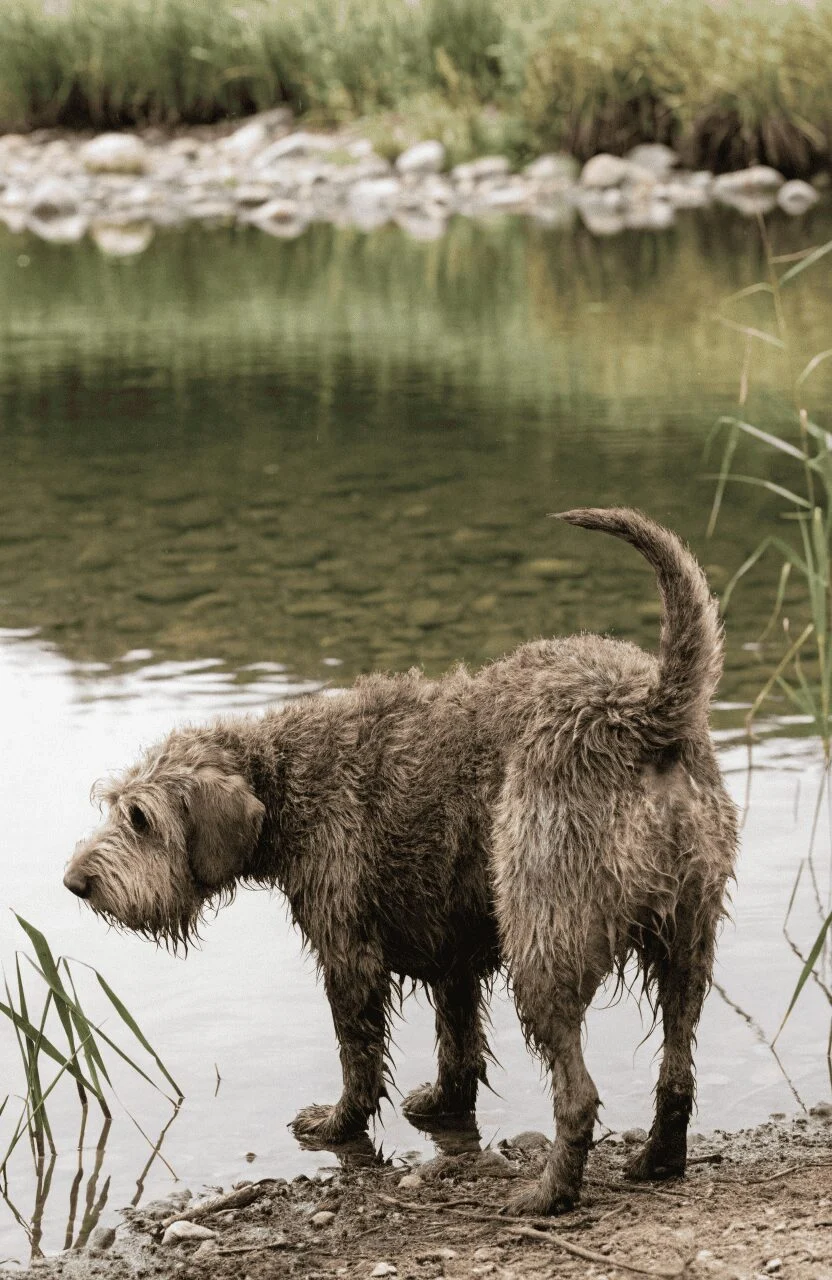
The Otterhound is a large, shaggy British breed developed in medieval England to hunt otters along riverbanks. With fewer than 1,000 individuals remaining worldwide, it holds the unfortunate title of one of the rarest dog breeds on Earth — rarer than many endangered wild animals.
Despite this, the Otterhound is an absolute joy to be around. It’s boisterous, affectionate, and deeply fond of water. Its rough, double-layer coat is nearly waterproof, and its webbed feet make it a natural swimmer. If you want a rare dog that acts like a happy, soggy teddy bear, this is it.
2. Norwegian Lundehund
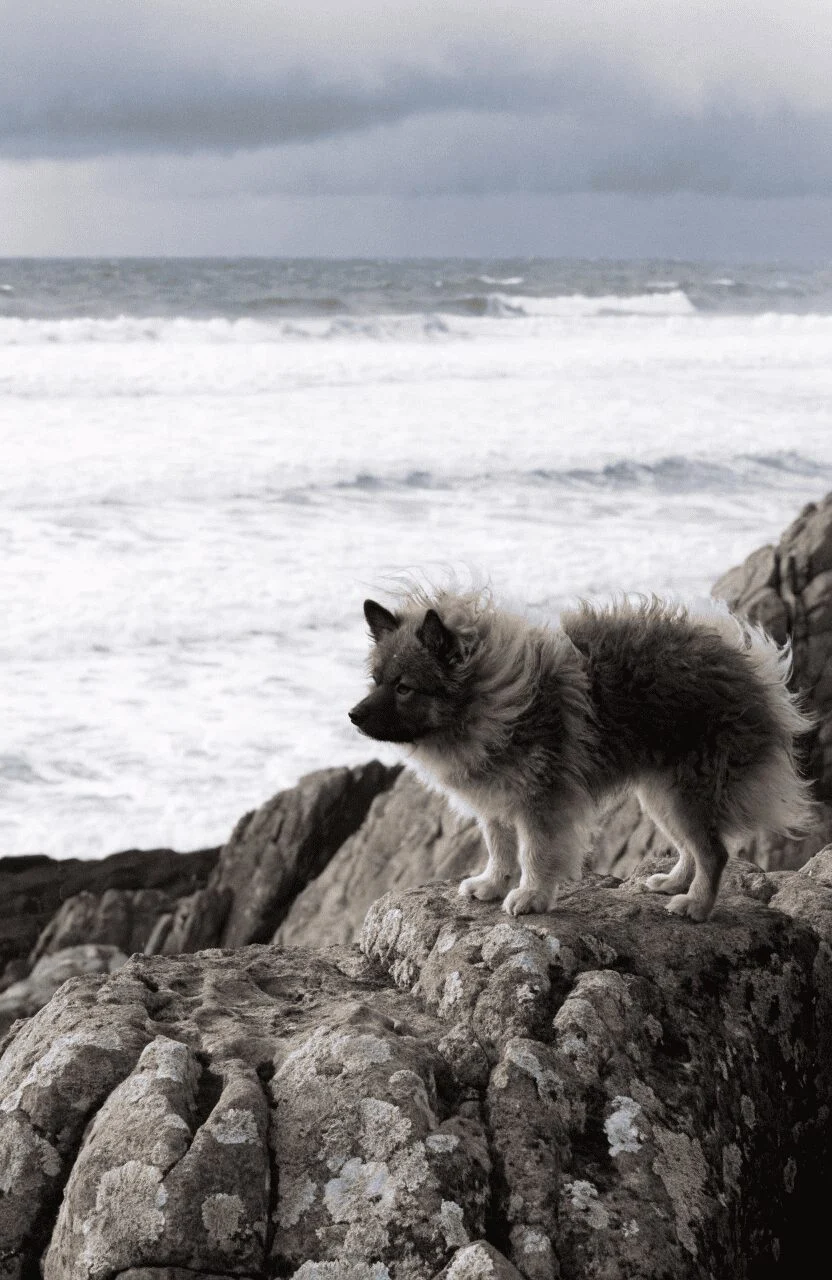
The Norwegian Lundehund is in a category of its own. This small spitz-type dog evolved on the remote islands of Norway and was specifically bred to hunt puffins from narrow cliff crevices — a job that required some extraordinary physical adaptations.
The Lundehund has six fully functional toes on each foot, can tilt its head backward until it touches its spine, and can fold its ears shut to keep out dirt and water. It nearly went extinct twice — once in the 1800s and again during World War II when a distemper outbreak on its home island killed almost the entire population. Today’s Lundehunds descend from just a handful of survivors.
3. Azawakh
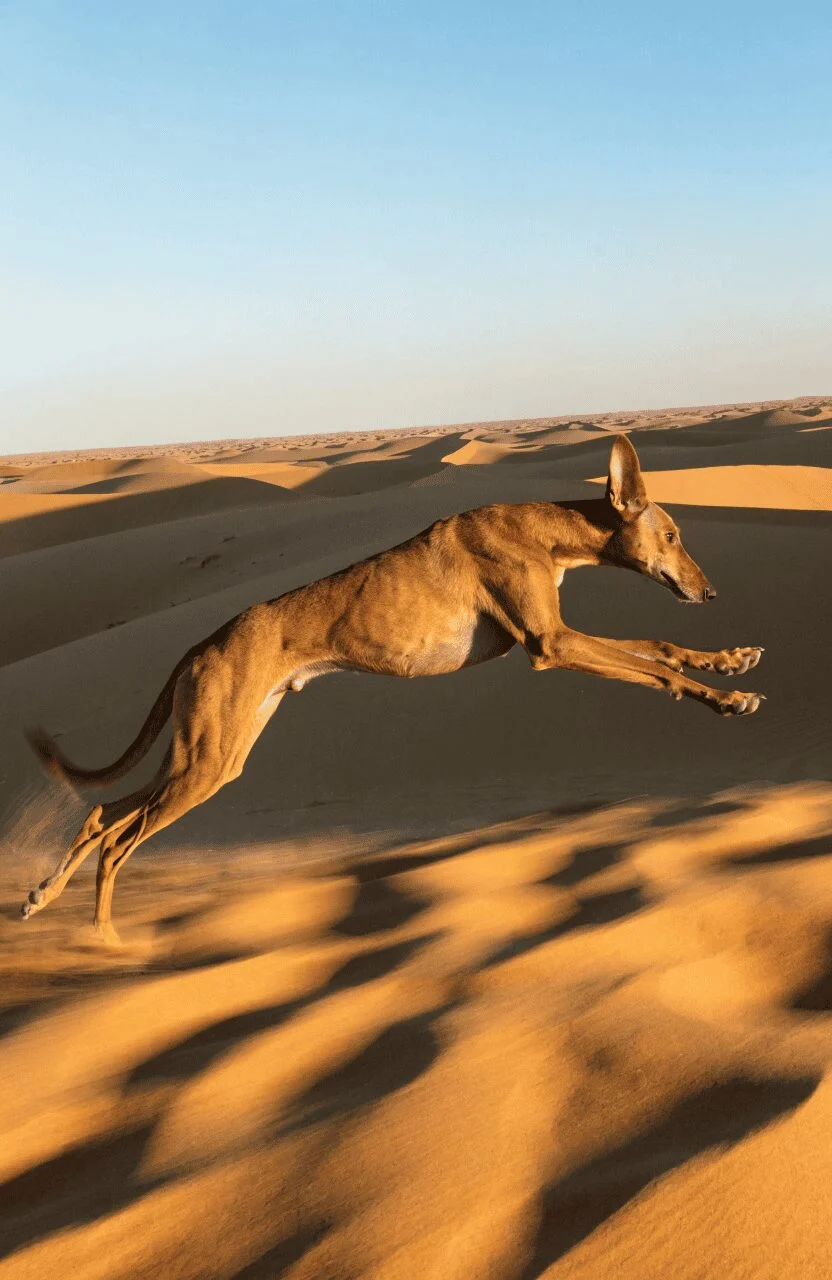
The Azawakh (pronounced “AH-za-wok”) is a sighthound from the Sahara and Sahel regions of West Africa. For centuries, the nomadic Tuareg people used these dogs to guard livestock and chase down gazelles across open desert — and they are extraordinarily fast, reaching speeds of up to 40 mph.
What makes the Azawakh visually striking is its extreme leanness. Muscle and bone are clearly visible beneath the skin, which can alarm first-time owners who aren’t familiar with the breed. They form intense bonds with their people but tend to be reserved with strangers. They do best in warm climates and need significant daily exercise.
4. Lagotto Romagnolo
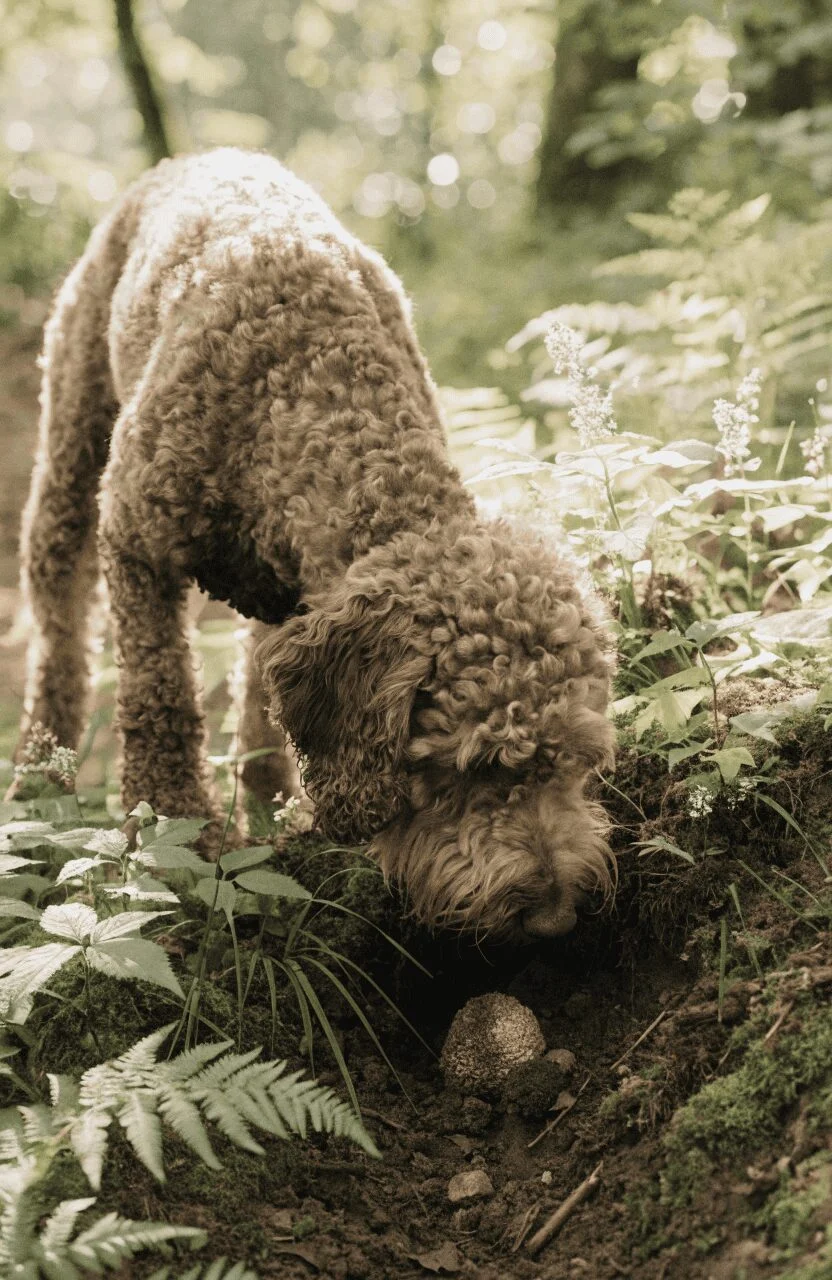
Italy’s best-kept secret in the dog world, the Lagotto Romagnolo started life as a water retriever in the wetlands of Romagna. When those wetlands were drained in the 19th century, the breed reinvented itself as the world’s premier truffle-hunting dog — a skill it still holds today.
The Lagotto nearly went extinct in the 1970s before Italian enthusiasts stepped in to save it. It has a thick, curly coat that is low-shedding and considered hypoallergenic, making it a good fit for allergy sufferers. Friendly, intelligent, and eager to work, the Lagotto is one of the most practical rare breeds you can own.
5. Stabyhoun
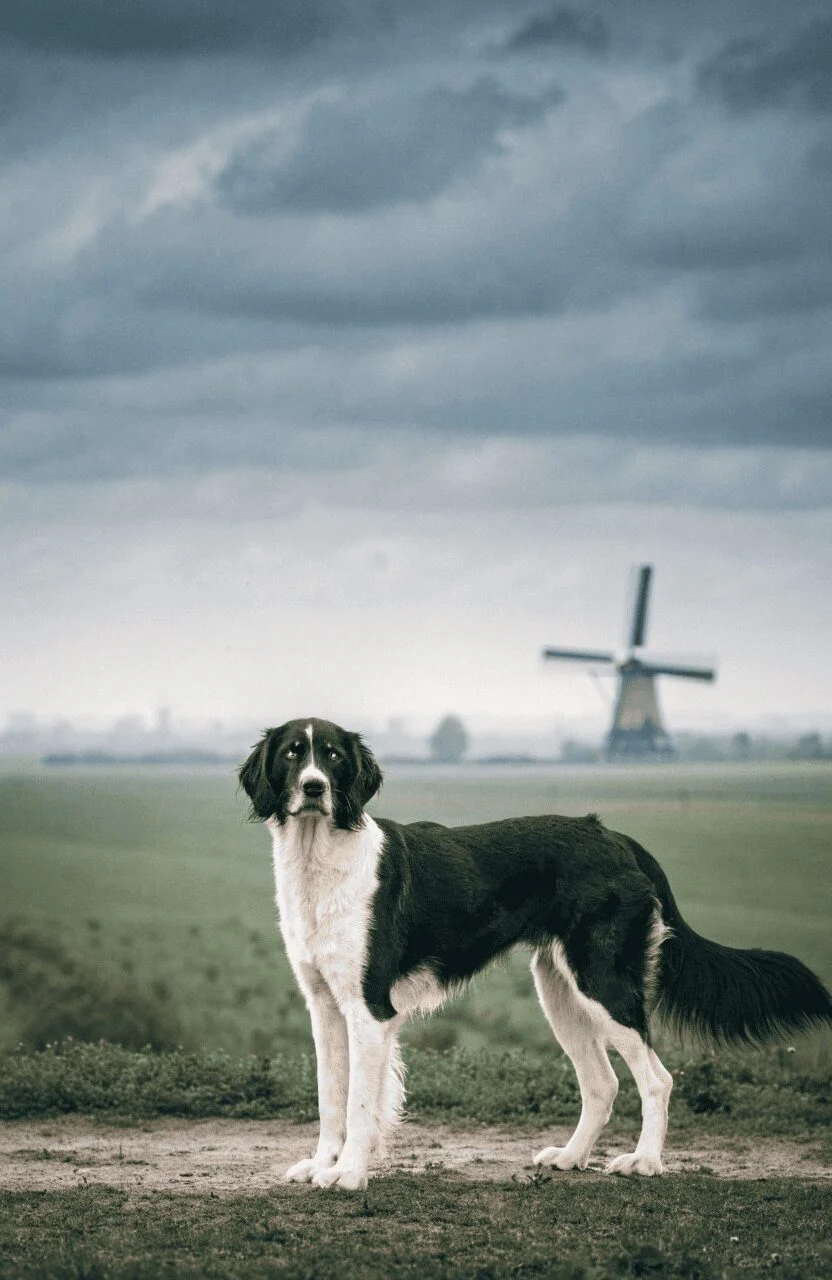
The Stabyhoun (pronounced “STAH-bay-hoon”) comes from the Frisian forests of the Netherlands and is considered a national treasure there. With a total population estimated at around 7,000 worldwide — almost all of them in the Netherlands — it barely exists outside its home country.
This breed is a true all-rounder: it hunts, retrieves, points, and makes an excellent family companion. It is gentle with children, easy to train, and has a calm but playful personality. If you’re looking for a rare dog that genuinely fits family life, the Stabyhoun deserves serious attention.
6. Mudi
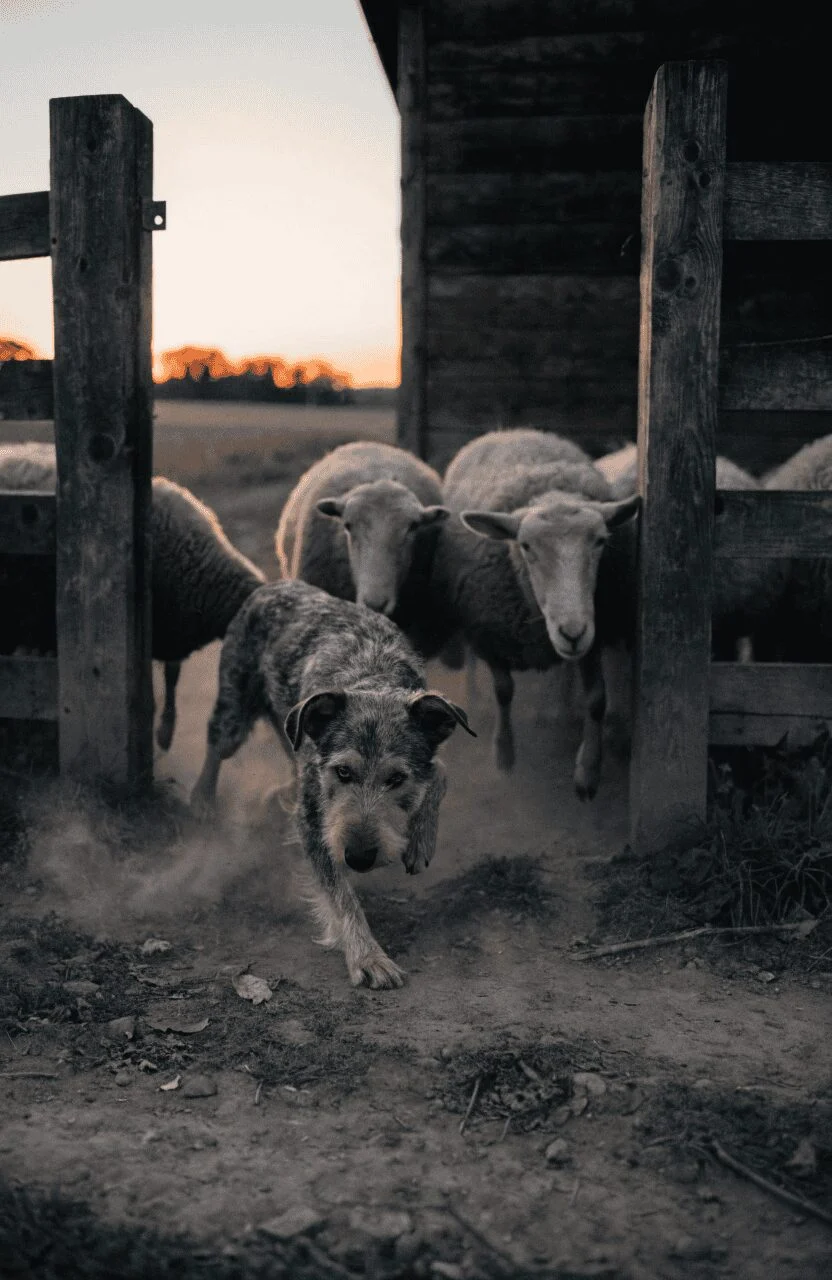
Hungary has produced some exceptional herding dogs, but the Mudi remains the least known of them. It’s a medium-sized, high-energy working dog with a distinctive wavy or curly coat that comes in a striking range of colors including merle, black, white, and brown.
The Mudi is exceptionally intelligent and excels in dog sports, agility competitions, search and rescue, and herding. Its numbers are small even within Hungary, and finding one outside of Europe requires patience. But owners who have one are consistently devoted — the Mudi has a way of becoming the center of its household’s life.
7. Thai Ridgeback
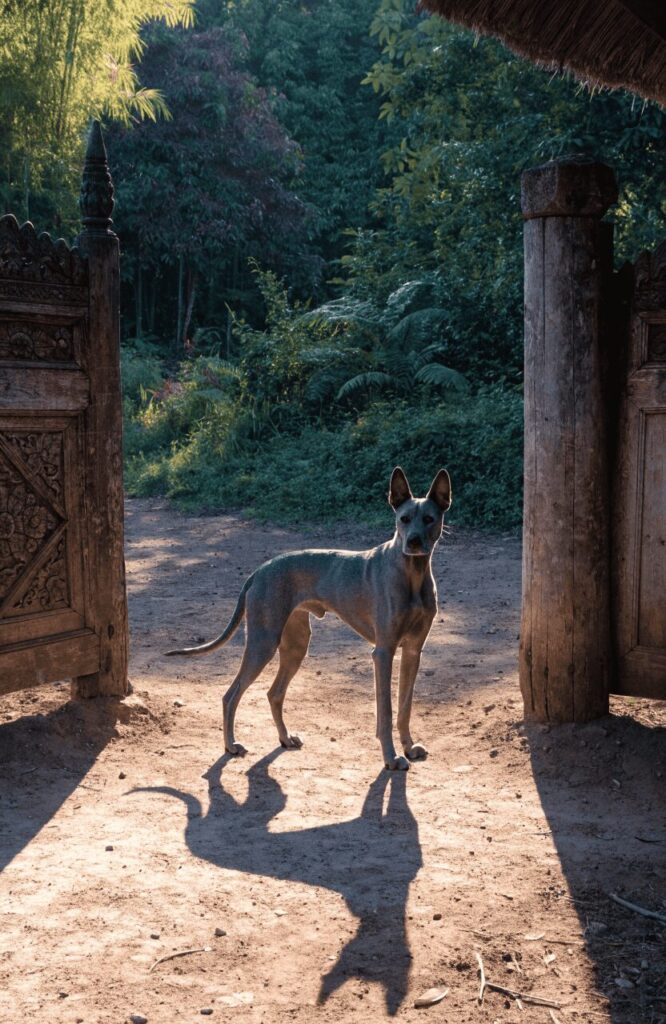
The Thai Ridgeback is one of only three breeds in the world that carry a ridge of hair growing in the opposite direction along their back — the others being the Rhodesian Ridgeback and the Phu Quoc Ridgeback. It’s an ancient breed from Thailand, used for centuries as a guard dog and hunting companion in the rugged eastern provinces.
Thai Ridgebacks are muscular, athletic, and deeply independent. They are not the easiest breed for first-time dog owners — they require confident handling and early socialization. But for experienced owners, they are fiercely loyal and highly capable dogs with a striking, sleek appearance.
8. Xoloitzcuintli
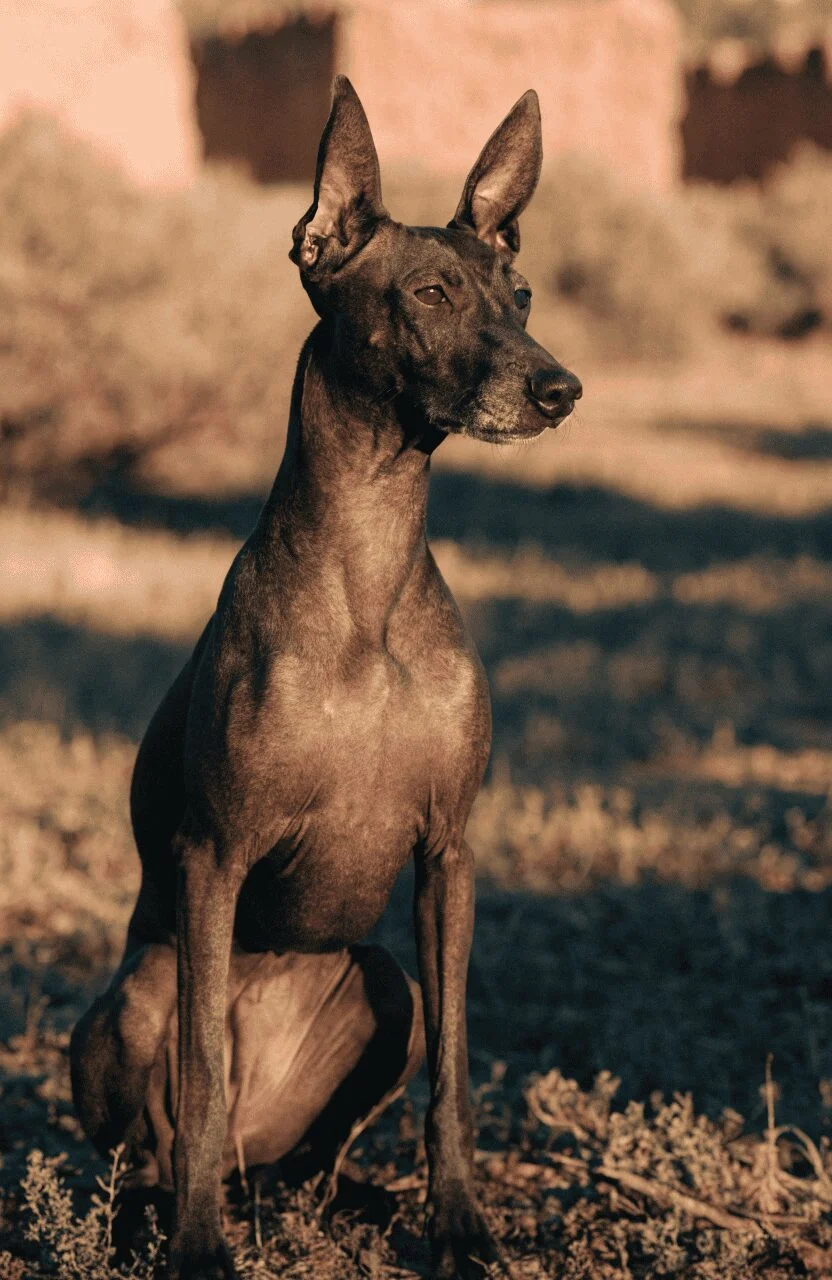
The Xoloitzcuintli (show-low-eets-QUEENT-lee), or Xolo for short, is one of the oldest and rarest dog breeds in the world, with a history stretching back more than 3,000 years to ancient Aztec civilization. Archaeological evidence suggests the Aztecs believed these dogs had healing properties and used them in religious ceremonies.
The Xolo comes in three sizes (toy, miniature, standard) and two varieties (hairless and coated). The hairless version requires sunscreen and skin moisturizer instead of grooming brushes — a genuinely unique ownership experience. Calm, loyal, and alert, the Xolo is an ancient companion that has survived millennia and still makes a wonderful modern pet.
9. Finnish Spitz
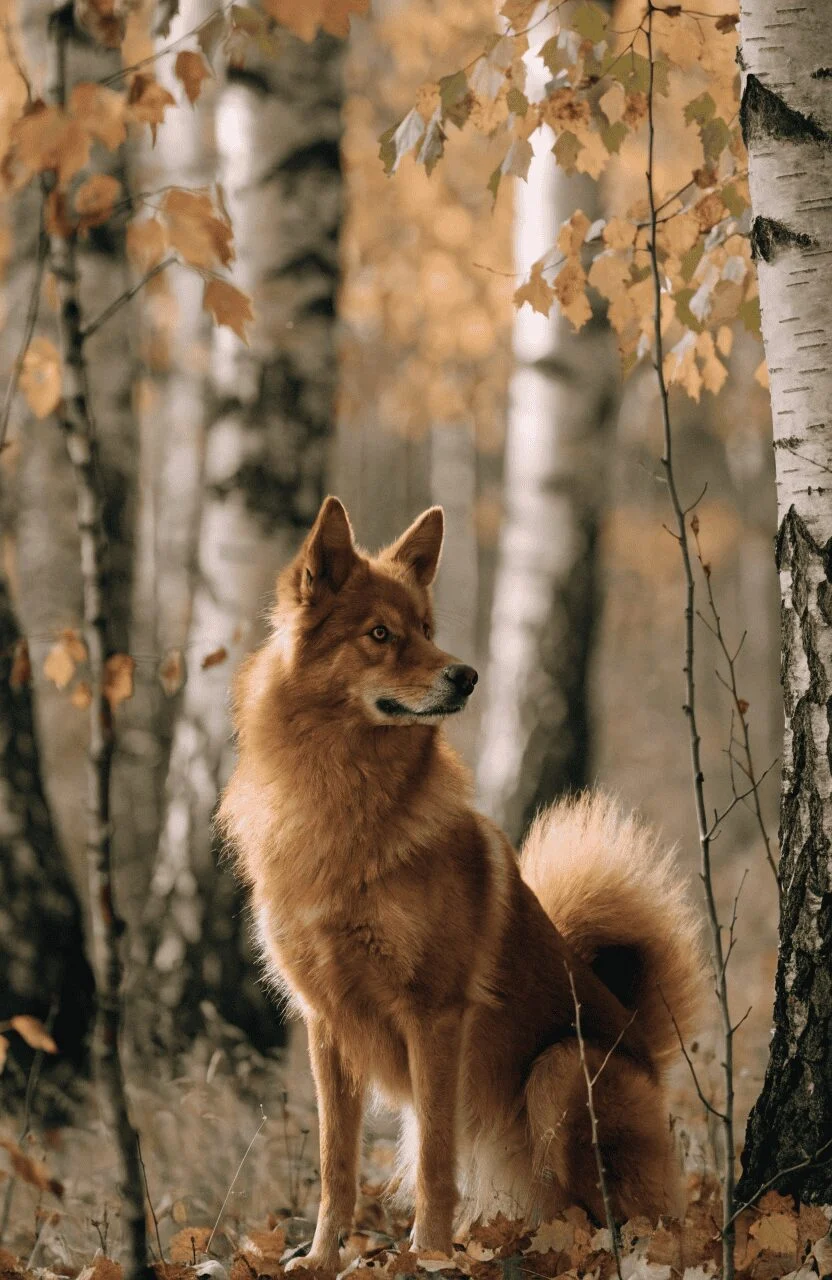
At first glance, the Finnish Spitz looks like a red fox wearing a dog costume. Its bright copper coat, pointed muzzle, and curled tail create a stunning appearance that turns heads wherever it goes. It is the national dog of Finland, yet almost unknown outside of Scandinavia.
Originally bred to hunt game birds by barking to alert hunters — it can bark up to 160 times per minute — the Finnish Spitz is vocal, energetic, and highly intelligent. It bonds closely with its family and does best with owners who enjoy an active lifestyle. This is not a quiet dog, but it is a magnificent one.
10. Peruvian Inca Orchid
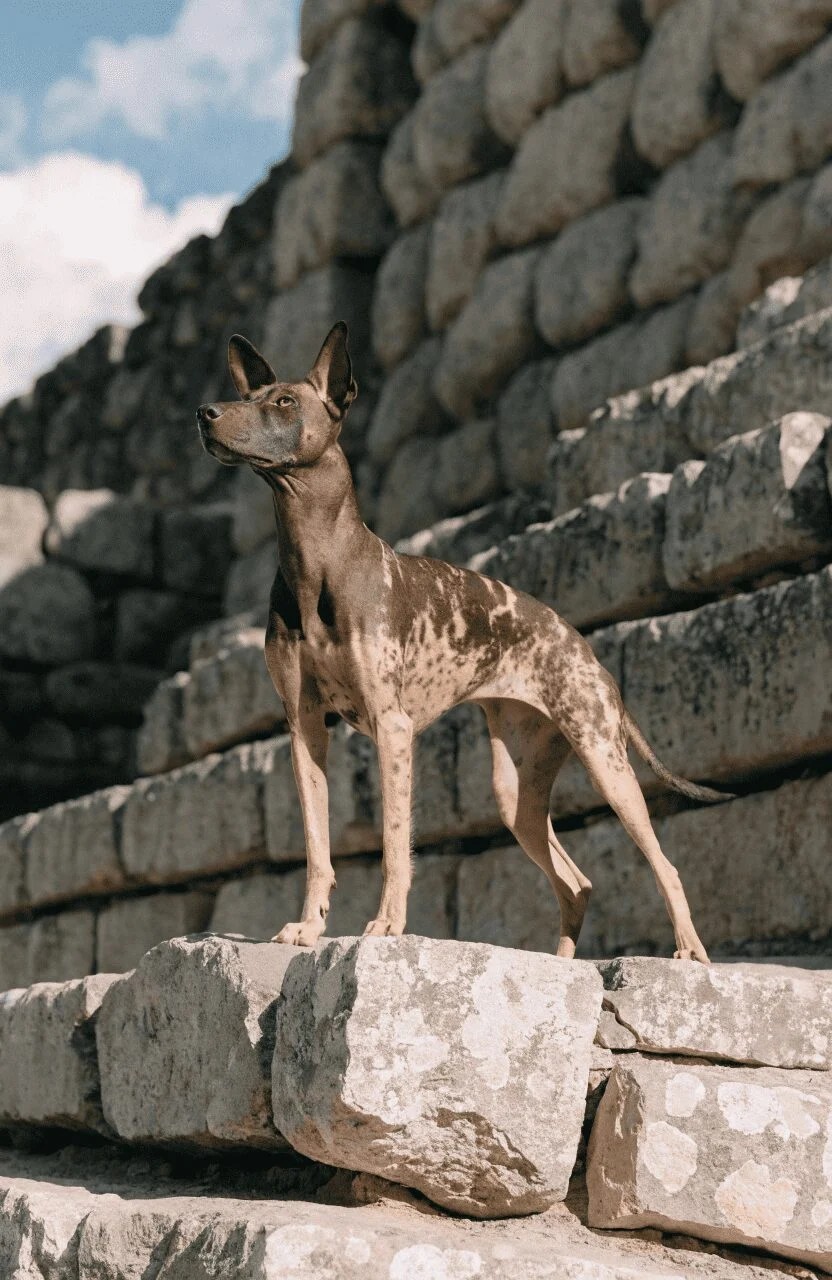
The Peruvian Inca Orchid, also called the Peruvian Hairless Dog, is another ancient breed with a history dating back to pre-Incan civilizations. Artifacts depicting this dog have been found in pottery from over 3,000 years ago. Like the Xolo, it exists in three sizes and both hairless and coated varieties.
These dogs are swift, elegant, and deeply affectionate with their families, though cautious around strangers. Their exposed skin makes them sensitive to sun and cold, so owners need to be mindful of climate and protection. Peru takes its national breed seriously — the Peruvian Inca Orchid is legally protected there.
11. Belgian Laekenois
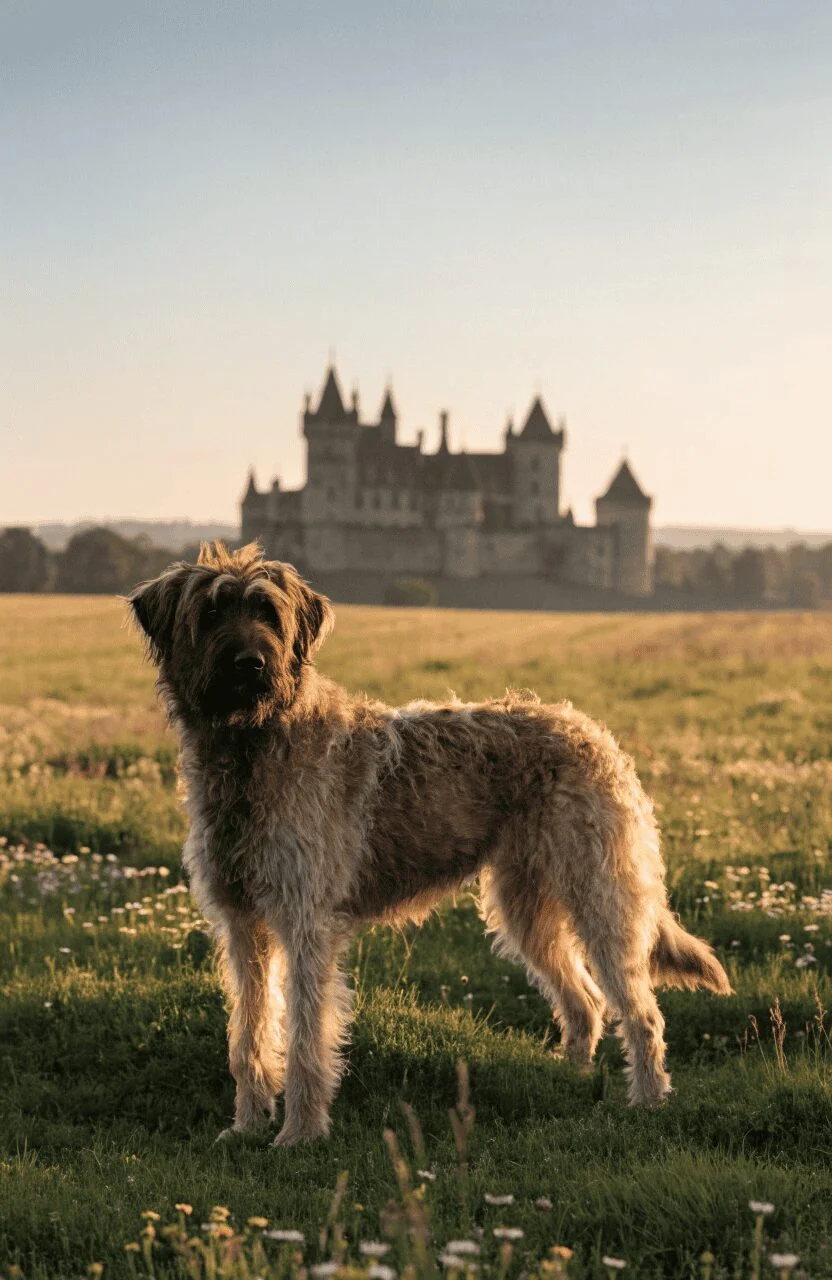
Belgium is home to four shepherd breeds — the Malinois, Tervuren, Groenendael, and Laekenois. The first three have found their audiences globally. The Laekenois has not. It is by far the rarest of the four, distinguished by a rough, tousled, almost woolly coat that gives it a scruffy, distinctive look.
Historically, the Laekenois guarded linen drying in the fields around the Royal Castle of Laeken — a real, if unusual, job description. Today it shares the intelligence and drive of its Belgian shepherd cousins. It needs plenty of exercise, mental stimulation, and a committed owner, but rewards that investment with deep loyalty.
12. Cirneco dell’Etna
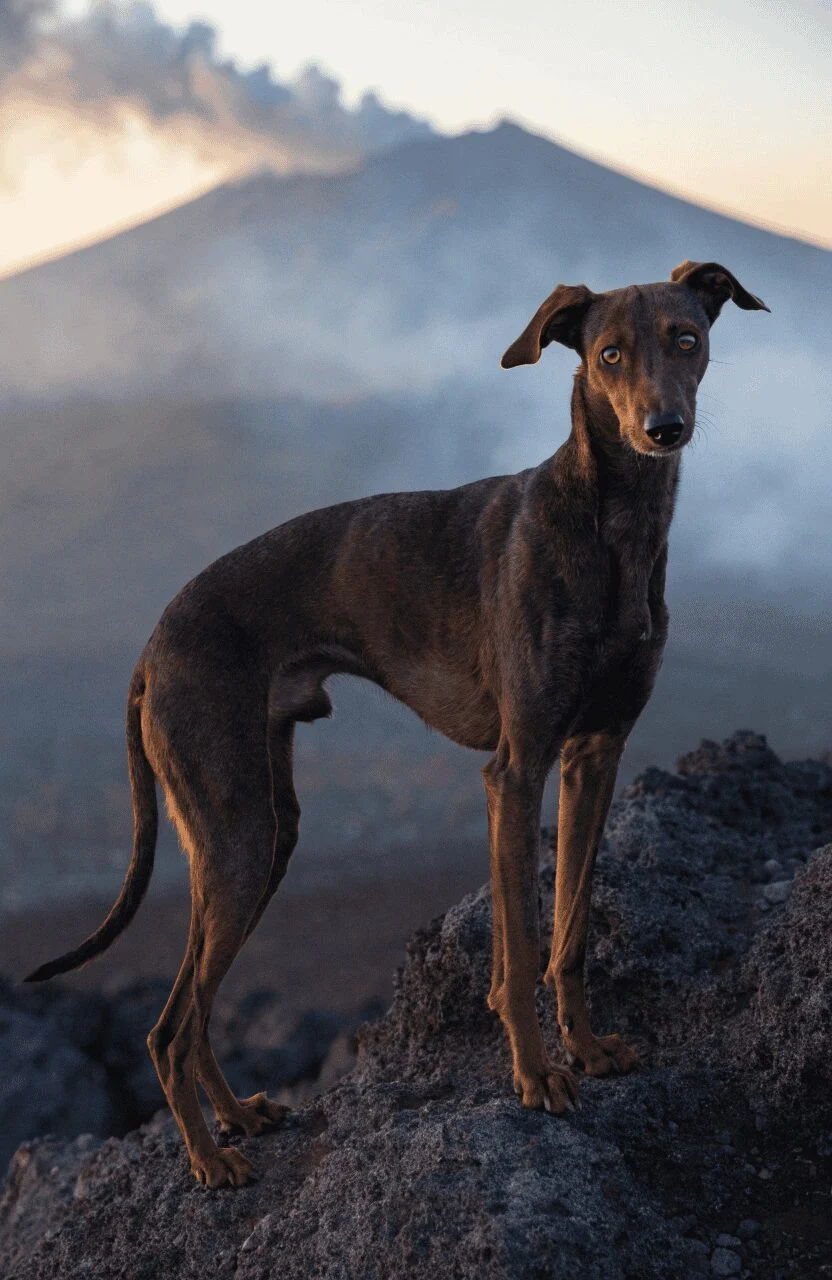
The Cirneco dell’Etna (cheer-NAY-ko) is a sleek, elegant hunting dog from Sicily that has roamed the slopes of Mount Etna for over 2,500 years. Coins featuring its image have been found dating back to 500 BC. For a breed that old, it remains remarkably unchanged from its ancient form.
Lightweight, lean, and built for speed over volcanic rock, the Cirneco is an athletic dog that is also surprisingly low-maintenance. It requires minimal grooming, adapts well to warmer climates, and is affectionate and gentle at home. It’s an ideal rare breed for active owners in warm regions who want something truly ancient and unique.
13. New Guinea Singing Dog
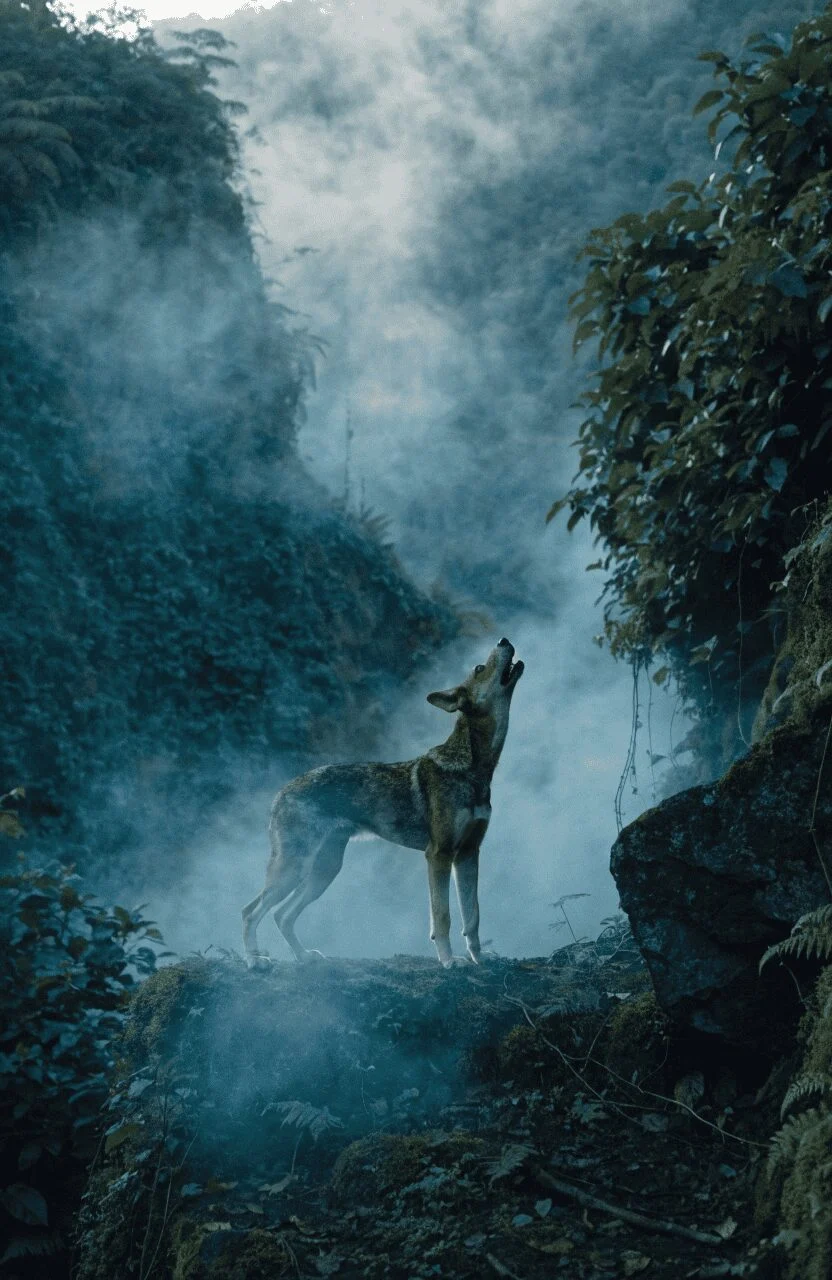
The New Guinea Singing Dog is arguably the most unusual entry on this list. Named for its distinctive, melodic howl — which rises and falls in a way unlike any other dog’s vocalization — it was discovered in the highlands of Papua New Guinea and is considered one of the most primitive dog breeds alive today.
Wild populations are critically rare and possibly functionally extinct in the wild. Most Singing Dogs today exist in conservation programs or as captive-bred companions. They are highly intelligent, incredibly agile (capable of climbing and jumping like a cat), and have a strong prey drive. Ownership is a serious commitment suited only to very experienced handlers.
14. Karelian Bear Dog
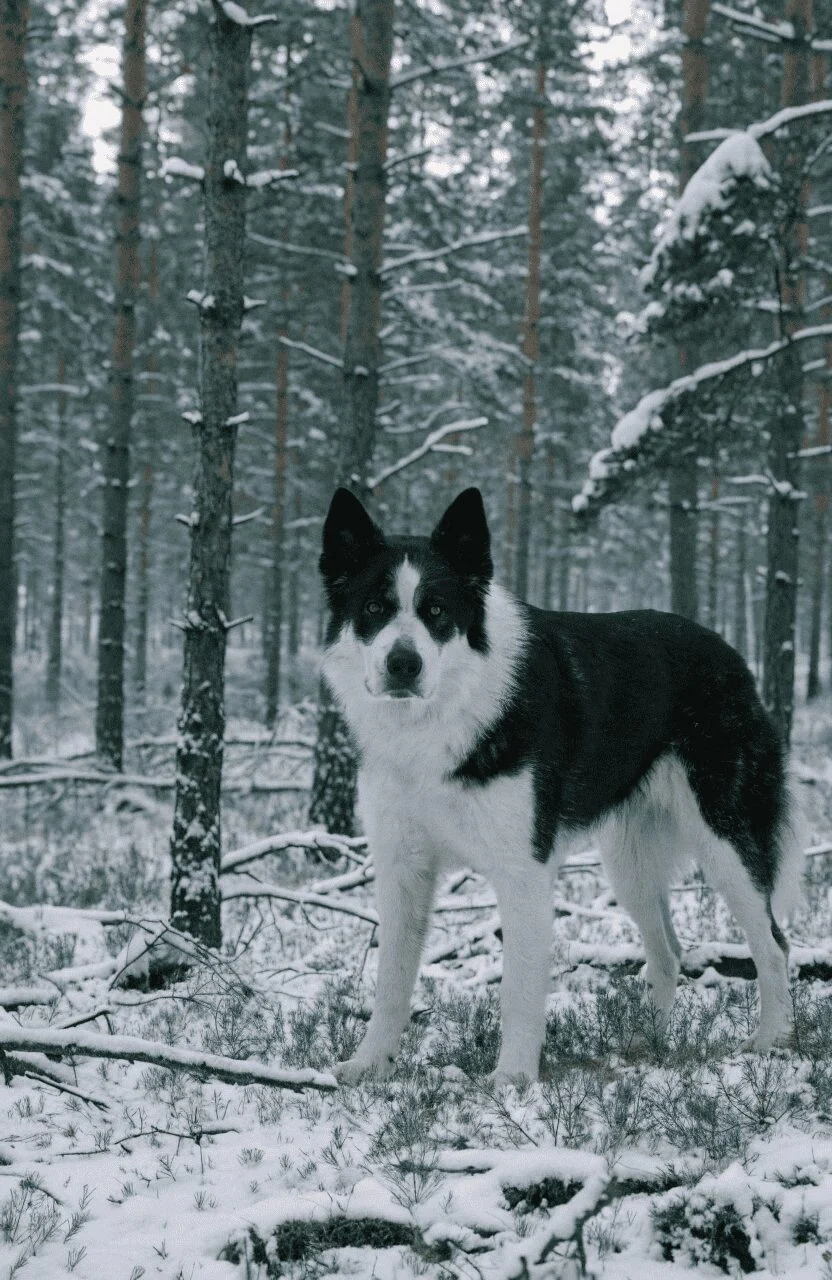
As the name makes absolutely clear, the Karelian Bear Dog from Finland was bred to hunt bears — and it does so fearlessly. It works by harassing large game and barking aggressively to hold them in place until the hunter arrives. In parts of North America, wildlife management agencies actually use Karelian Bear Dogs to haze habituated bears away from human settlements.
Black and white, medium-sized, and powerfully built, the Karelian Bear Dog is courageous, independent, and intensely prey-driven. It can be challenging to manage around other animals, but with proper training it makes a devoted, protective companion for experienced dog owners.
15. Catahoula Leopard Dog
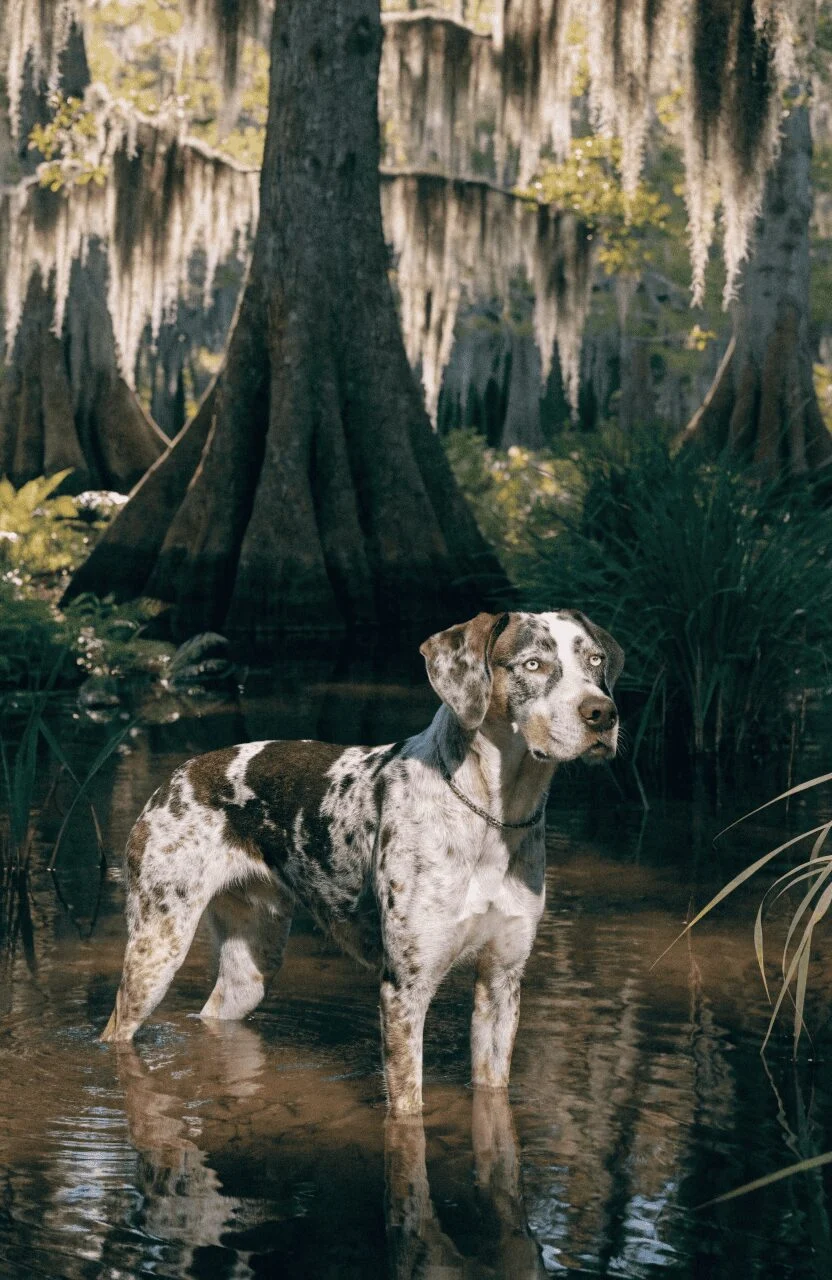
The Catahoula Leopard Dog is the official state dog of Louisiana and one of the most visually striking animals in the canine world. Its coat comes in wild merle, brindle, and solid patterns, and many individuals have haunting pale blue or “cracked glass” eyes. No two look exactly alike.
Developed from Native American dogs crossed with Spanish explorer breeds, the Catahoula was built to hunt and herd wild hogs through dense swampland — a task that requires both intelligence and toughness. It is energetic, strong-willed, and needs a job to do. In the right hands, it’s an extraordinarily capable and loyal dog. If you want a rare dog that looks one-of-a-kind, the Catahoula delivers.
Rare Dog Breeds at a Glance — Comparison Table
| Breed | Size | Energy Level | Grooming | Good for First-Timers? |
|---|---|---|---|---|
| Otterhound | Large | Moderate | High | Yes |
| Norwegian Lundehund | Small | Moderate | Low | With research |
| Azawakh | Large | Very High | Very Low | No |
| Lagotto Romagnolo | Medium | Moderate | Medium | Yes |
| Stabyhoun | Medium | Moderate | Medium | Yes |
| Mudi | Medium | Very High | Medium | No |
| Thai Ridgeback | Medium | High | Very Low | No |
| Xoloitzcuintli | Small–Large | Moderate | Minimal | Yes |
| Finnish Spitz | Medium | High | Medium | With patience |
| Peruvian Inca Orchid | Small–Large | High | Minimal | With research |
| Belgian Laekenois | Large | High | Medium | No |
| Cirneco dell’Etna | Small | High | Very Low | Yes |
| New Guinea Singing Dog | Medium | Very High | Low | No |
| Karelian Bear Dog | Medium | High | Low | No |
| Catahoula Leopard Dog | Large | Very High | Low | No |
What to Know Before Getting a Rare Breed
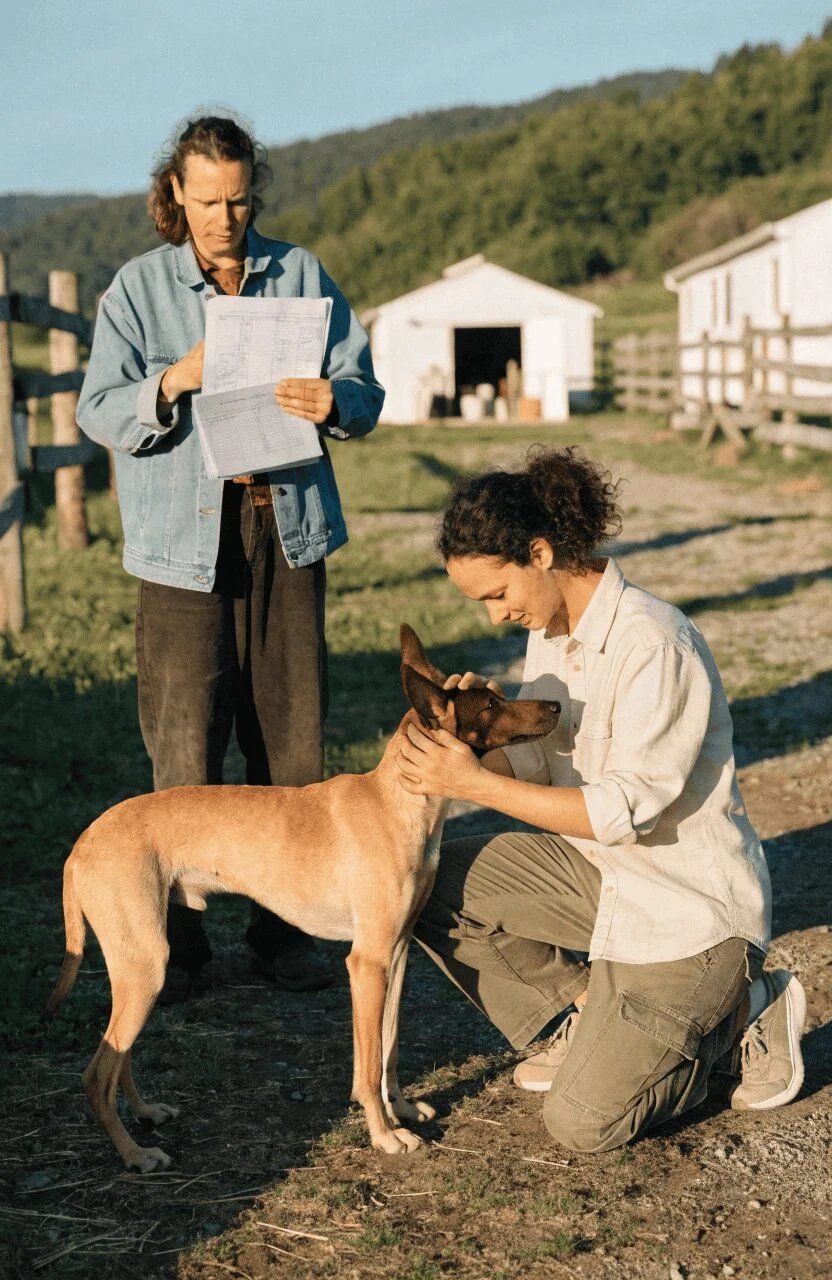
Owning a rare dog is genuinely rewarding, but it comes with real considerations that don’t apply to common breeds.
Finding a reputable breeder takes time. With small global populations, there are very few ethical breeders for most of these dogs. Expect to join a waitlist — sometimes 1 to 2 years. Be cautious of anyone offering immediate availability for a breed like the Stabyhoun or Norwegian Lundehund. Start by contacting the official breed club for your country.
The cost is usually higher. Rare breed puppies can range from $1,500 to over $5,000 depending on the breed, the breeder’s location, and import costs if the dog is coming from overseas. This reflects the genuine difficulty of ethical breeding at small scale, not inflated demand.
Health considerations are different. Small gene pools can lead to concentrated genetic health issues. The Norwegian Lundehund, for example, is prone to a serious digestive condition called Lundehund Syndrome. The Xoloitzcuintli needs careful skin care. Before committing, research the specific health profile of the breed and ask breeders for full health testing documentation.
Training needs vary widely. Some of these breeds — the Lagotto, Stabyhoun, and Cirneco — are relatively easy to train and suit a range of owners. Others, like the Thai Ridgeback, Karelian Bear Dog, and Catahoula, have strong working instincts and independent personalities that require experience and consistency. Match the breed’s needs honestly to your lifestyle. For practical tips on setting your dog up for success from day one, check out these essential puppy training tips and guidance on positive reinforcement vs. traditional dog training.
Are Rare Dog Breeds at Risk of Extinction?

The short answer is yes — several of them genuinely are.
The Otterhound has fewer than 1,000 registered individuals globally. To put that in perspective, there are more Amur leopards alive in the wild than there are Otterhounds. Breed clubs in the UK and US are actively working to increase numbers, but progress is slow.
The Norwegian Lundehund came within a hair’s breadth of disappearing entirely. In the 1940s, a distemper epidemic swept through the island of Værøy and killed nearly the entire population. The breed was saved by a single unaffected dog on a neighboring island, and today’s population descends almost entirely from that lineage. Numbers have since grown to a few thousand, but the genetic diversity remains extremely limited.
The Stabyhoun and Mudi both have active preservation programs in their home countries. The Netherlands and Hungary respectively treat these breeds as living cultural heritage and regulate breeding carefully to balance population growth with genetic health.
The New Guinea Singing Dog situation is particularly serious. While captive populations exist in zoos and with private owners, the wild population was considered possibly extinct for decades. A 2016 expedition found evidence of surviving wild individuals in the highlands of Papua New Guinea — a rare hopeful discovery for a breed on the edge.
What can you do? Choosing to adopt or purchase from a reputable breeder of a rare breed is itself an act of conservation. Supporting national breed clubs financially or through membership also helps. And simply telling other people these breeds exist keeps awareness — and demand for ethical breeding — alive. If you care about protecting animals more broadly, learning how to conserve wildlife can give you a wider framework for understanding why breed preservation matters.
Conclusion
Rare dog breeds are living proof that the dog world is far bigger and more surprising than most people realize. From a Finnish dog that sounds like a fox to a Sicilian hunter unchanged for 2,500 years, these breeds carry stories that no Labrador or Golden Retriever can match.
They also need champions. With small populations and limited public awareness, many of these breeds depend on people who are willing to look beyond the familiar names and give an extraordinary dog a home.
If you’re thinking about your next dog, consider going off the beaten path. Browse the most loyal dog breeds or explore the best big dog breeds to compare personality types — you might find a rare breed fits your life better than you expected.
The right dog doesn’t have to be the most popular one. Sometimes the best match is the one almost nobody else has heard of.

Izzy is an experienced ranch worker who has a passion for exploring nature and getting up close to wildlife. With her connections to various animal organizations, Izzy is well-versed in animal care and rehabilitation.