Dog Breeds That Look Like Wolves: The Complete Guide to Wolf-Like Dogs
There’s something almost magical about a dog that looks like it just stepped out of a forest. Maybe it was a scene from Game of Thrones. Maybe you once locked eyes with a Husky on the street and felt like you were staring at a wild wolf. Whatever sparked it, the obsession with wolf-like dogs is very real — and very understandable.
But here’s the thing most people don’t tell you: wolf-like dog breeds are not your average pets. Some of them genuinely have wolf DNA running through their veins. Others just look the part while being perfectly family-friendly. Knowing the difference before you bring one home could save you a lot of heartache.
This complete guide covers everything — from wolf-like dogs with real wolf ancestry, to safe lookalikes perfect for families, to the rare breeds most people have never even heard of. There’s also a breakdown of black dogs that look like wolves, a full comparison table, and honest advice on what ownership actually feels like.
Let’s start from the beginning.
1. Why Do Some Dogs Look Like Wolves?
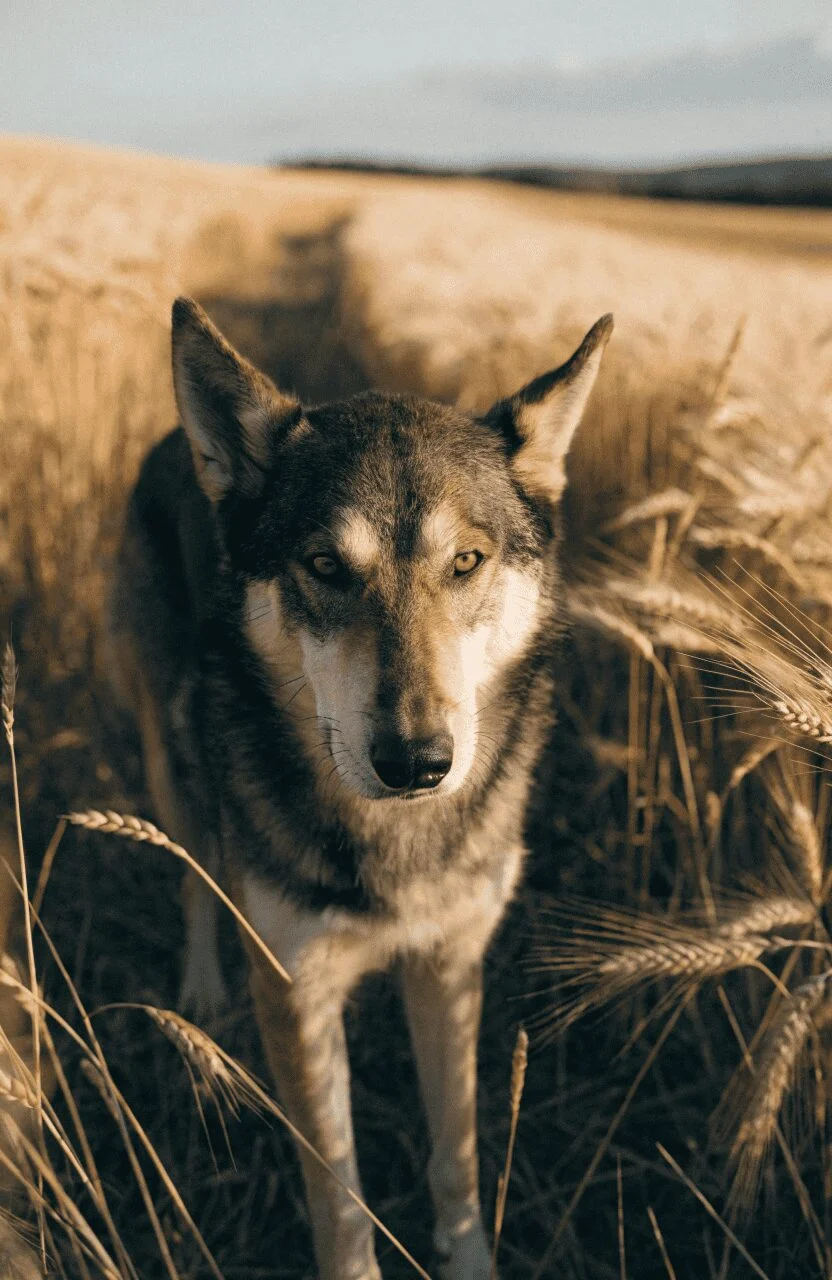
All domestic dogs descended from wolves thousands of years ago. Most modern breeds were shaped by humans to look and behave nothing like their wild ancestors. But some breeds kept those ancient, rugged features — either naturally or through selective breeding.
The physical traits that make a dog look wolf-like include:
- Erect, triangular ears that stand straight up
- A long, narrow muzzle with a strong jaw
- Almond-shaped eyes in amber, yellow, or pale colors
- A thick double coat in gray, sable, black, or cream
- A bushy tail that often curls slightly downward
- A lean, athletic build with long legs and smooth movement
Some breeds that show these features also share genetic closeness to wolves. Others were intentionally bred to capture the wolf aesthetic while keeping a gentle, domestic temperament.
If you’ve noticed that many wolf-like dogs also have pointy ears and upright posture, that’s no coincidence — check out this guide to dog breeds with pointy ears for more on that distinct look.
2. Wolf-Like Dog Breeds With Actual Wolf DNA
Most “wolf-like” dogs are 100% domestic. But a small group of breeds genuinely carries wolf ancestry — and that changes everything about how you own them.
These dogs can be wonderful companions in the right hands. But they require experienced owners, extensive socialization, and there’s one important legal issue: no approved rabies vaccine exists for wolf-dog hybrids in many countries. If a wolf-content dog bites someone, it may be treated as a rabies risk regardless of vaccination history. Some US states and countries ban wolf-content dogs entirely.
If you’re curious about similar crossbreed dynamics, the coydog (coyote-dog mix) raises many of the same ownership questions.
Czechoslovakian Wolfdog
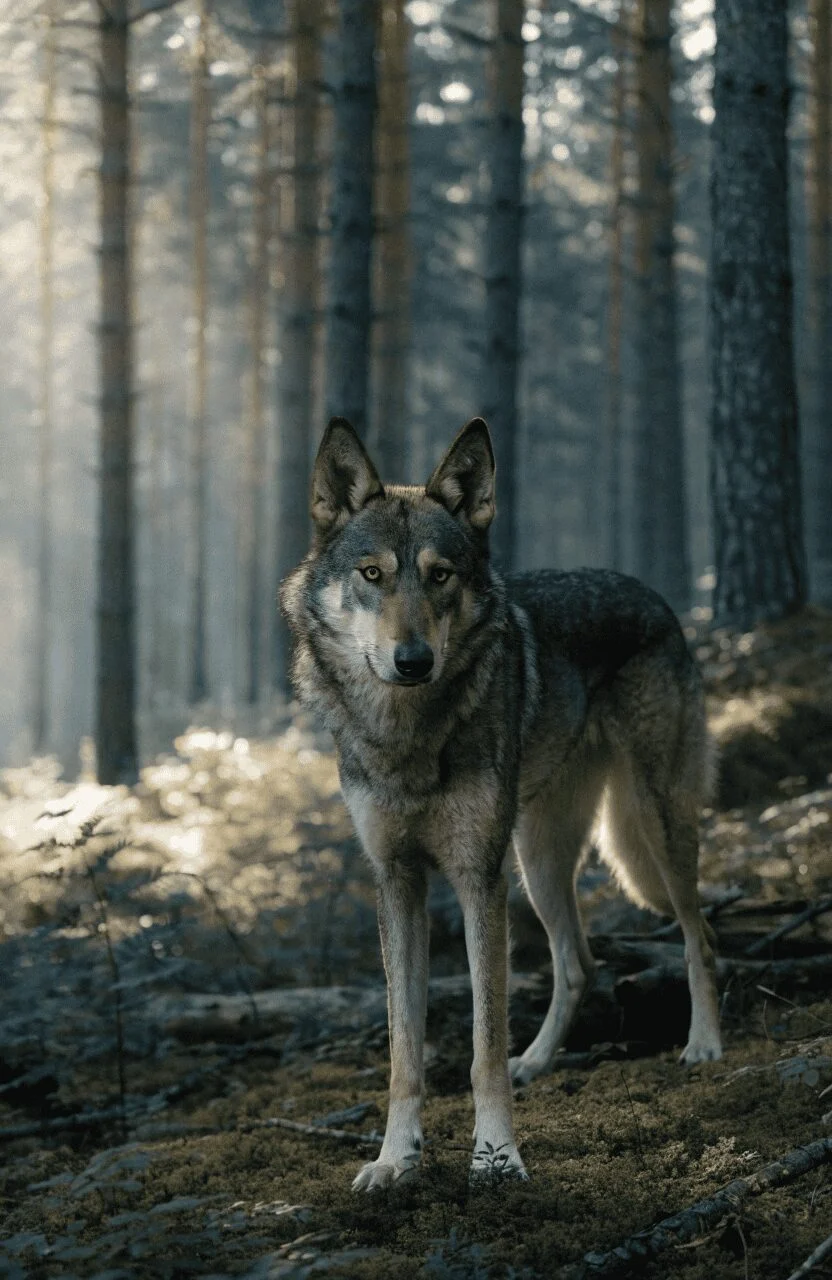
This breed was created in the 1950s when the Czech military crossed German Shepherds with Carpathian wolves. The goal was a dog with the intelligence and trainability of a GSD combined with the stamina and strength of a wolf.
The result is striking. Czechoslovakian Wolfdogs have long muzzles, amber eyes, dense coats, and a fluid, ground-eating gait that looks eerily similar to a wild wolf in motion. They’re loyal to their owners but naturally aloof with strangers.
Best for: Experienced handlers with active lifestyles. Not recommended for first-time owners or small living spaces.
Saarloos Wolfdog
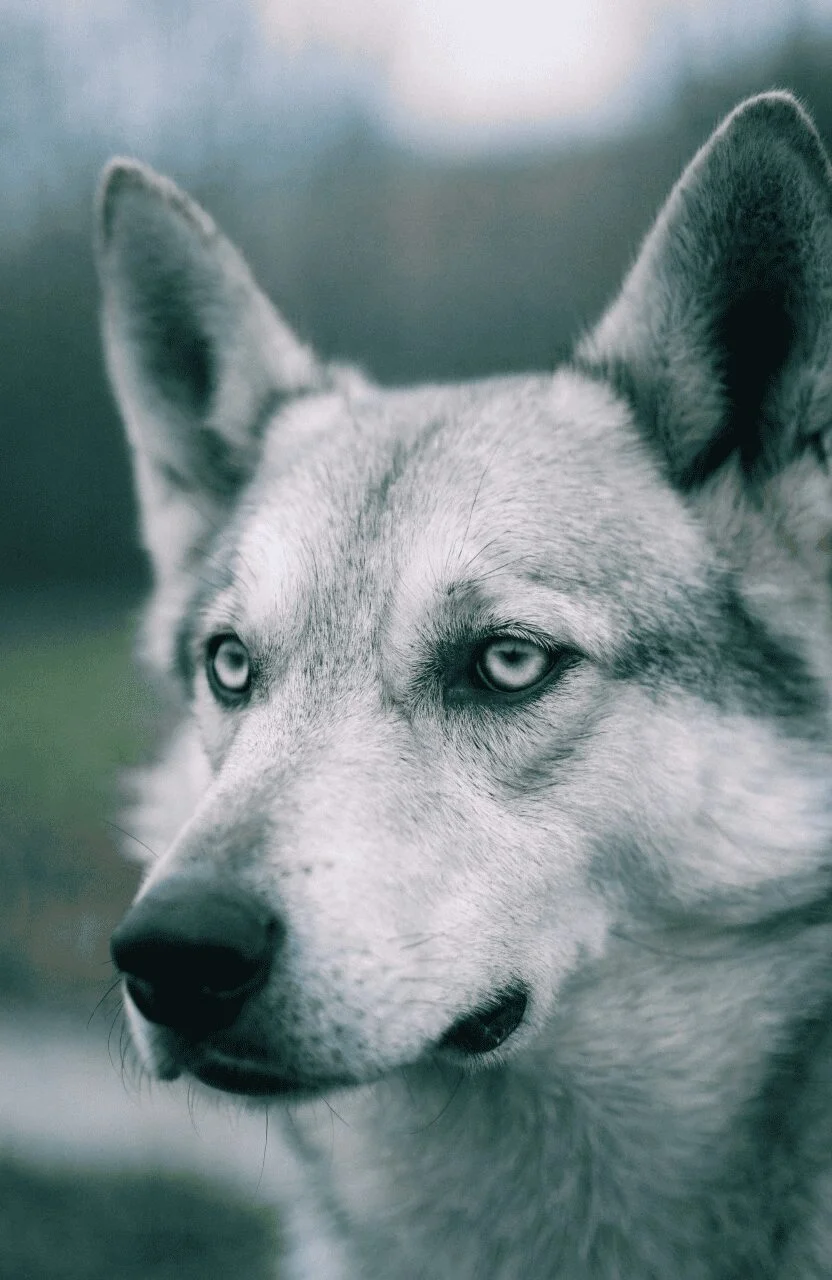
Dutch breeder Leendert Saarloos created this breed in the 1930s by crossing a German Shepherd with a European wolf. His goal was to produce a more natural, hardier working dog. What he got was one of the most visually stunning wolf-like dogs in existence.
Saarloos Wolfdogs are sensitive, gentle, and deeply bonded to their families. But they can be very shy around strangers and do poorly in chaotic or unpredictable environments. They need a calm, consistent home and an experienced owner who understands primitive dog behavior.
Best for: Quiet households with confident, experienced handlers.
Kugsha
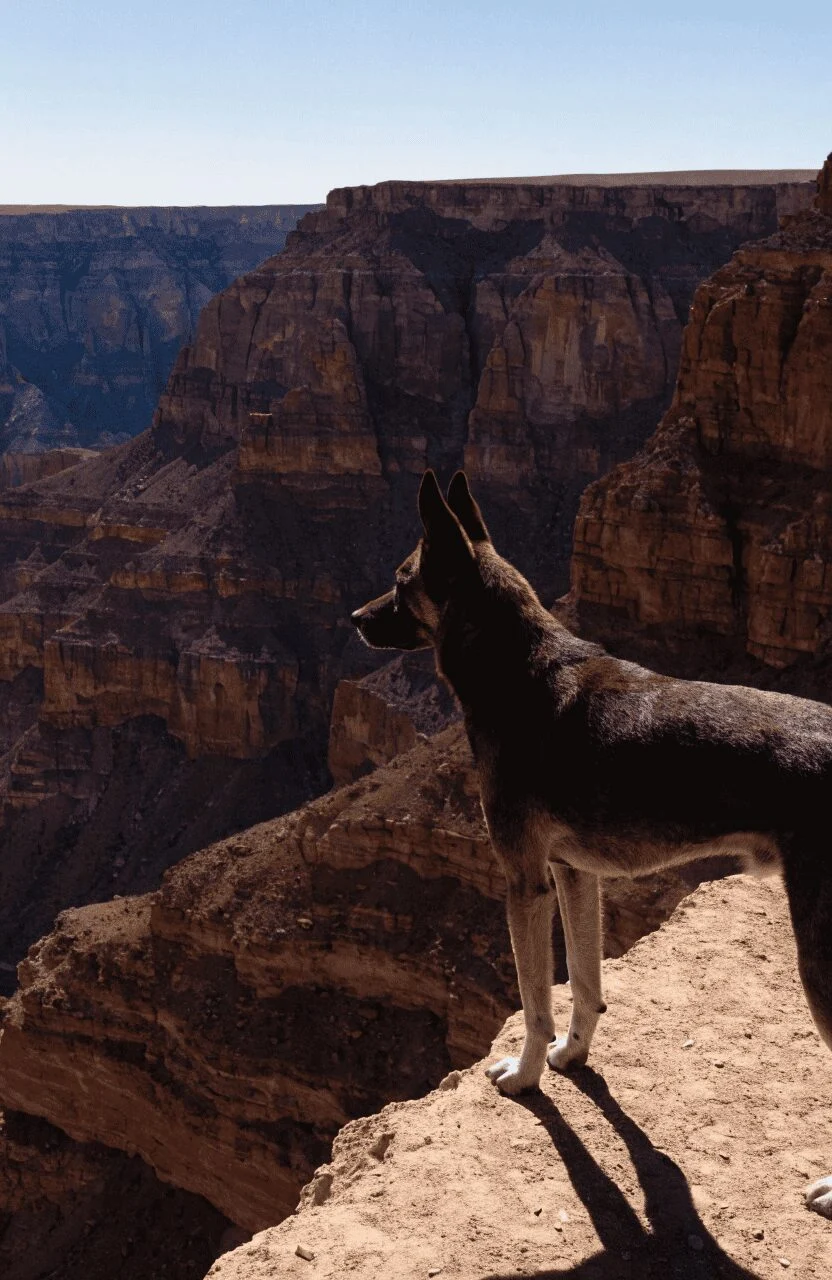
The Kugsha (sometimes called the American Husky) is a rare and somewhat mysterious breed developed in the United States. It’s believed to have wolf content, though documentation is limited. Physically, it resembles a large wolf with a broad skull, dense coat, and powerful body built for endurance work.
Kugsha dogs are independent, alert, and not suited for apartment life. They need a lot of space, vigorous daily exercise, and an owner who won’t be intimidated by a strong-willed dog.
Best for: Highly active, experienced owners with plenty of outdoor space.
3. 12 Wolf-Like Dog Breeds Without Wolf DNA
Good news: you don’t need wolf ancestry to get the wolf look. These 12 breeds turn heads everywhere they go — and most of them are much easier to live with.
Siberian Husky
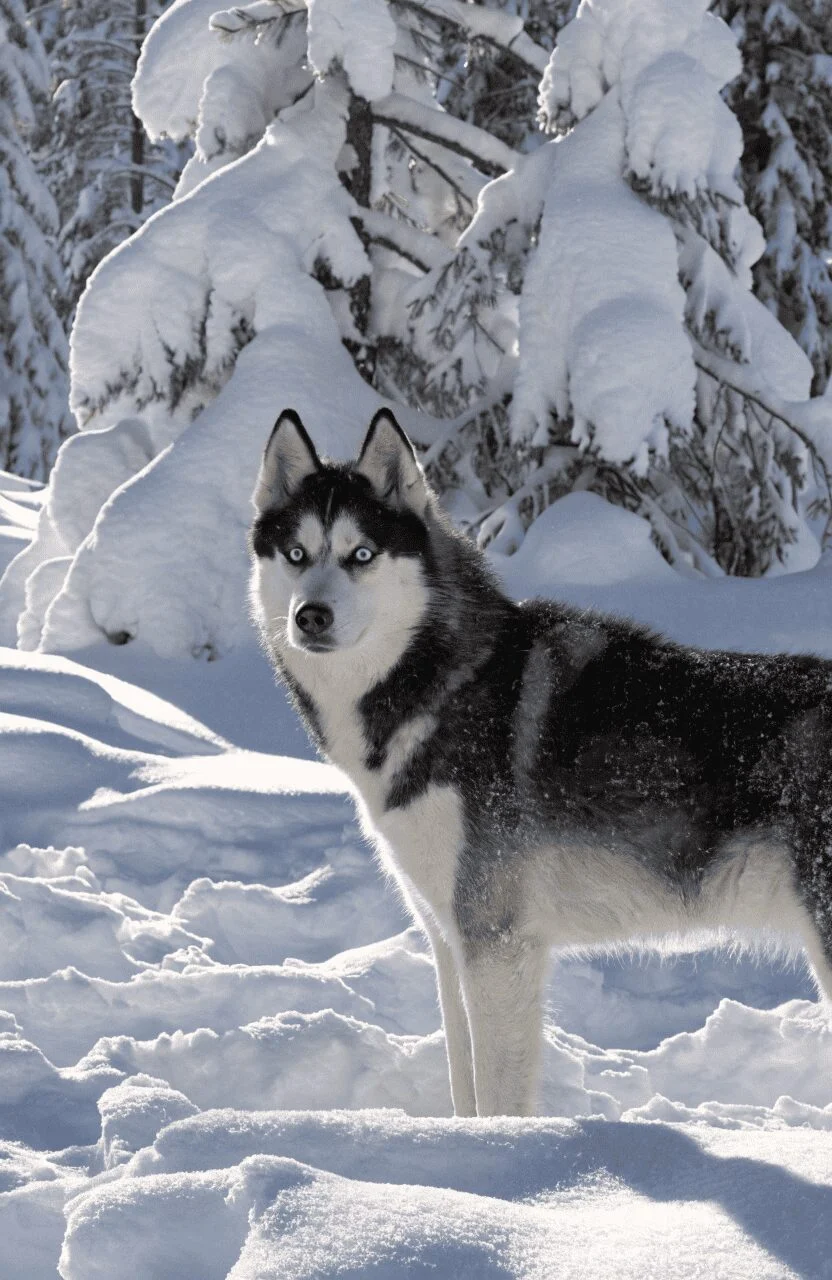
The Husky is probably the most recognized wolf-like dog on the planet. With piercing blue or multicolored eyes, a thick double coat, and a howl that will wake the neighbors, the Husky is built for cold climates and long distances. They’re playful, friendly, and endlessly energetic — but they’ll escape any yard that isn’t Fort Knox.
Alaskan Malamute
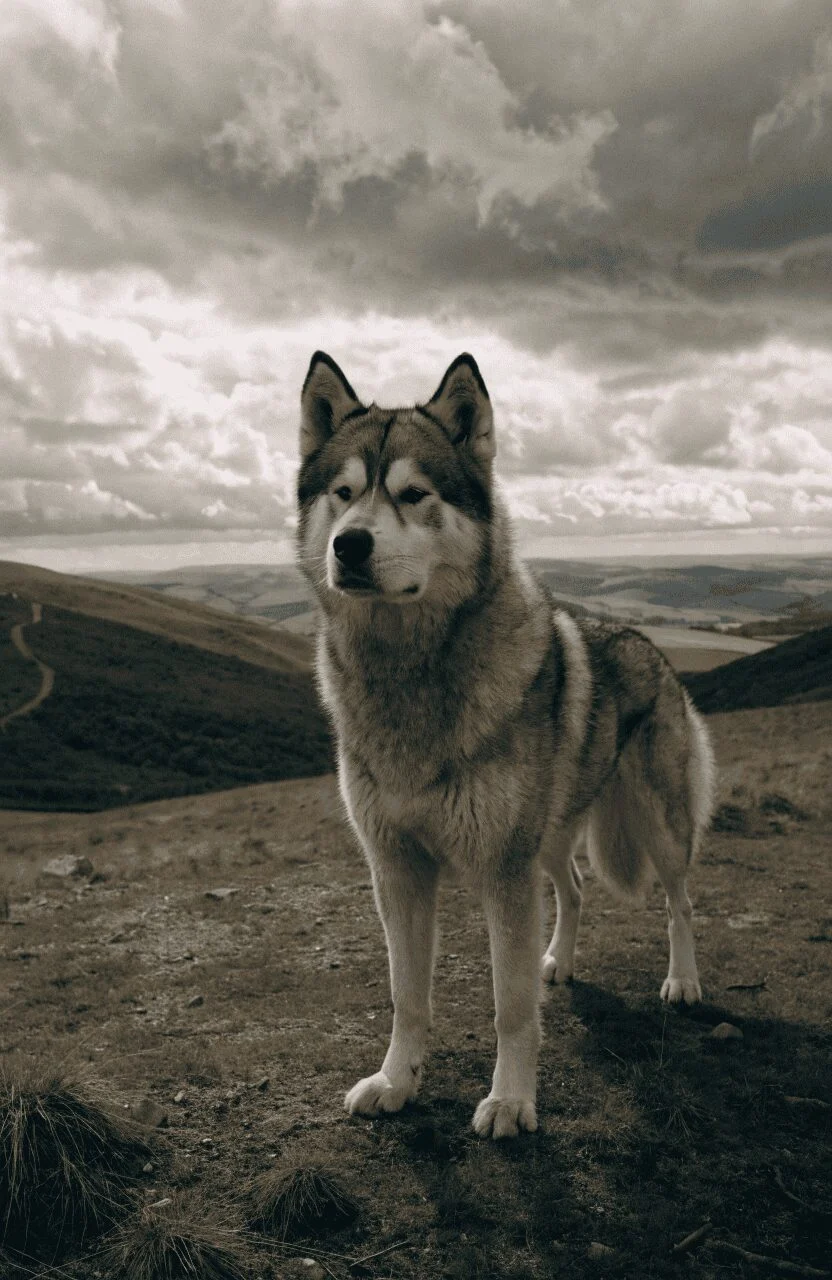
Bigger and more powerful than the Husky, the Alaskan Malamute was bred to haul heavy sleds through Arctic conditions. It has the wolf look — broad head, thick coat, wolf-gray coloring — but a warm, affectionate personality that loves people. Don’t let the size fool you; this dog craves attention and family time.
German Shepherd
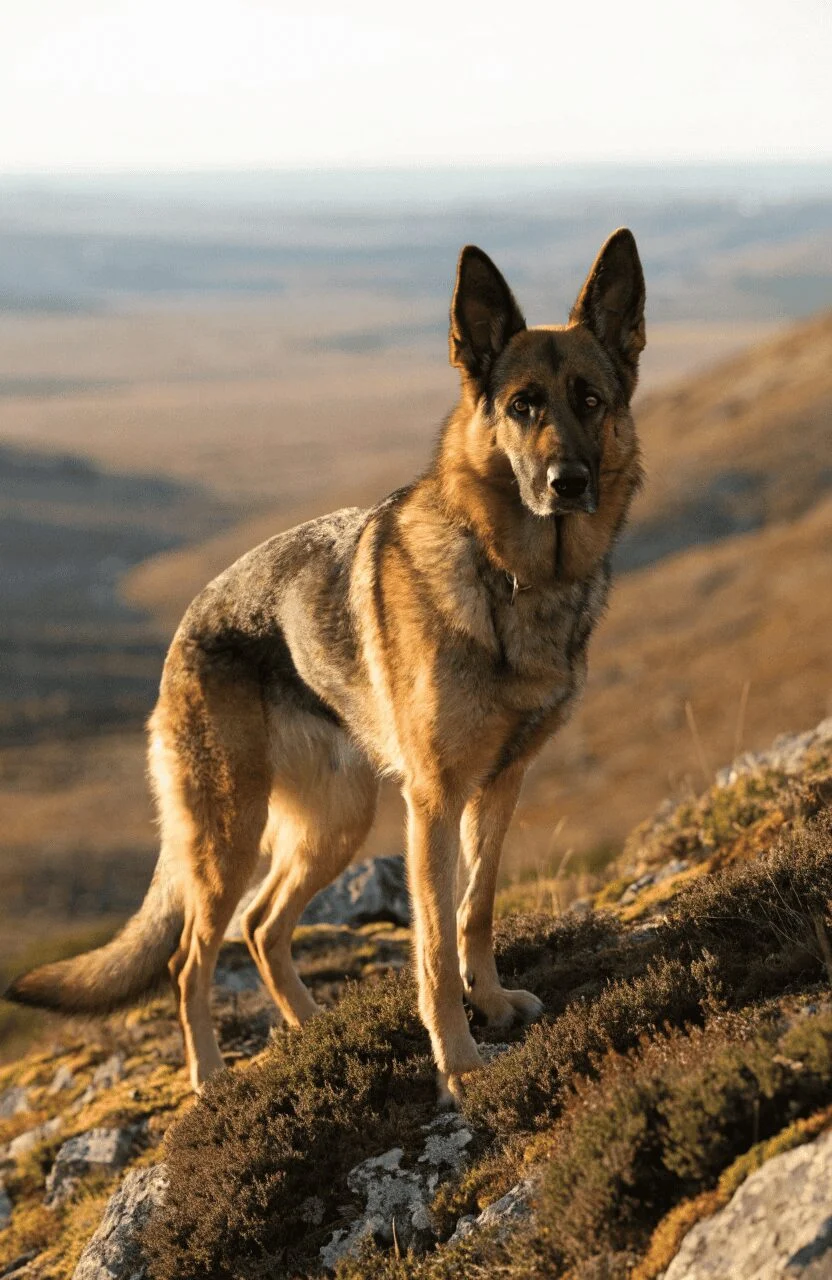
One of the most popular breeds in the world, the German Shepherd carries natural wolf-like features: erect ears, a strong muzzle, a confident gaze, and a lean muscular frame. They’re highly trainable, deeply loyal, and excel at almost any job given to them. The sable-colored variety looks especially wolf-like.
Northern Inuit Dog
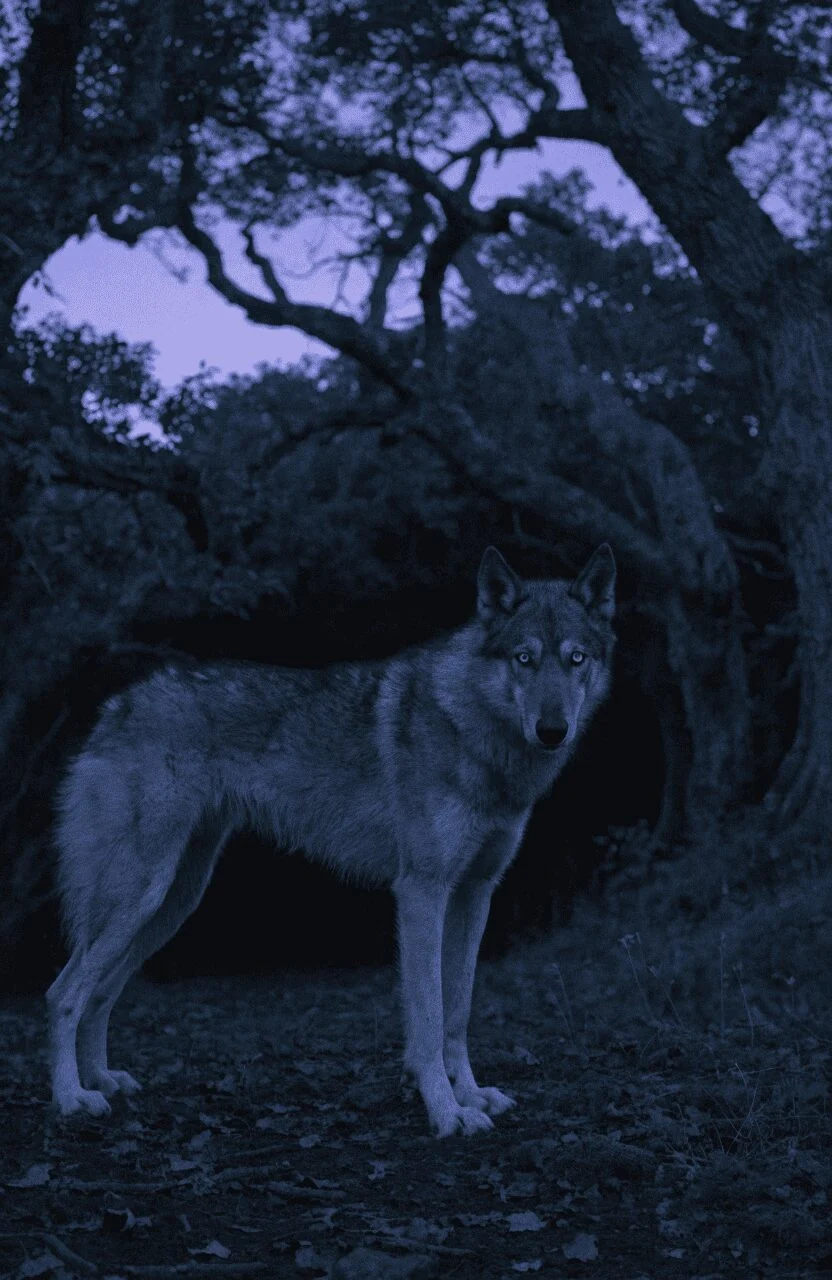
This is the breed that played the iconic direwolves in Game of Thrones. Developed in the UK using Huskies, German Shepherds, and other northern breeds, the Northern Inuit was specifically designed to look like a wolf while having a gentle, family-friendly temperament. It has no wolf DNA — but nobody would guess that from looking at it.
Tamaskan
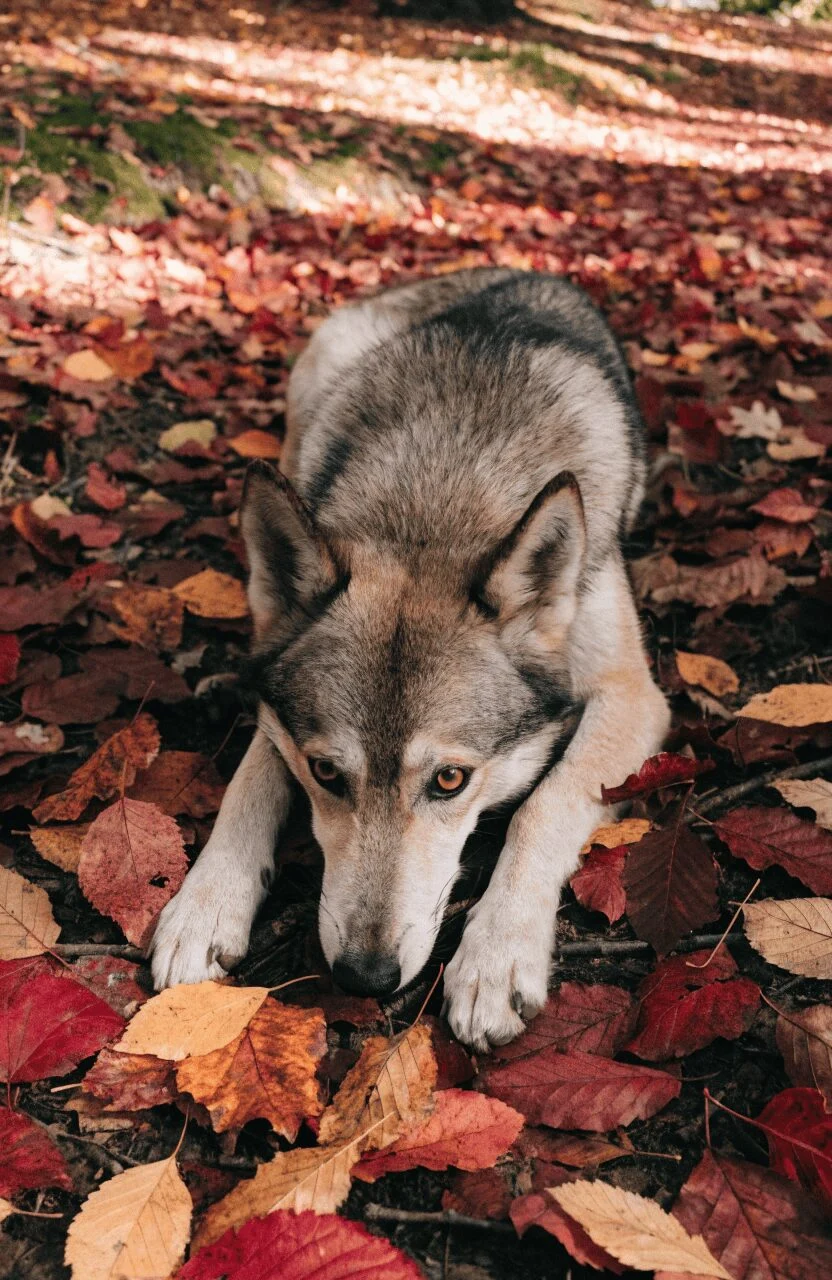
Bred in Finland from a mix of Siberian Huskies, Alaskan Malamutes, and German Shepherds, the Tamaskan is a rare breed with a striking wolf appearance. It comes in shades of gray, red-gray, and black-gray. “Tamaskan” reportedly means “mighty wolf” in some Northern American Indigenous languages — a name it absolutely lives up to. It’s intelligent, social, and eager to please.
Utonagan
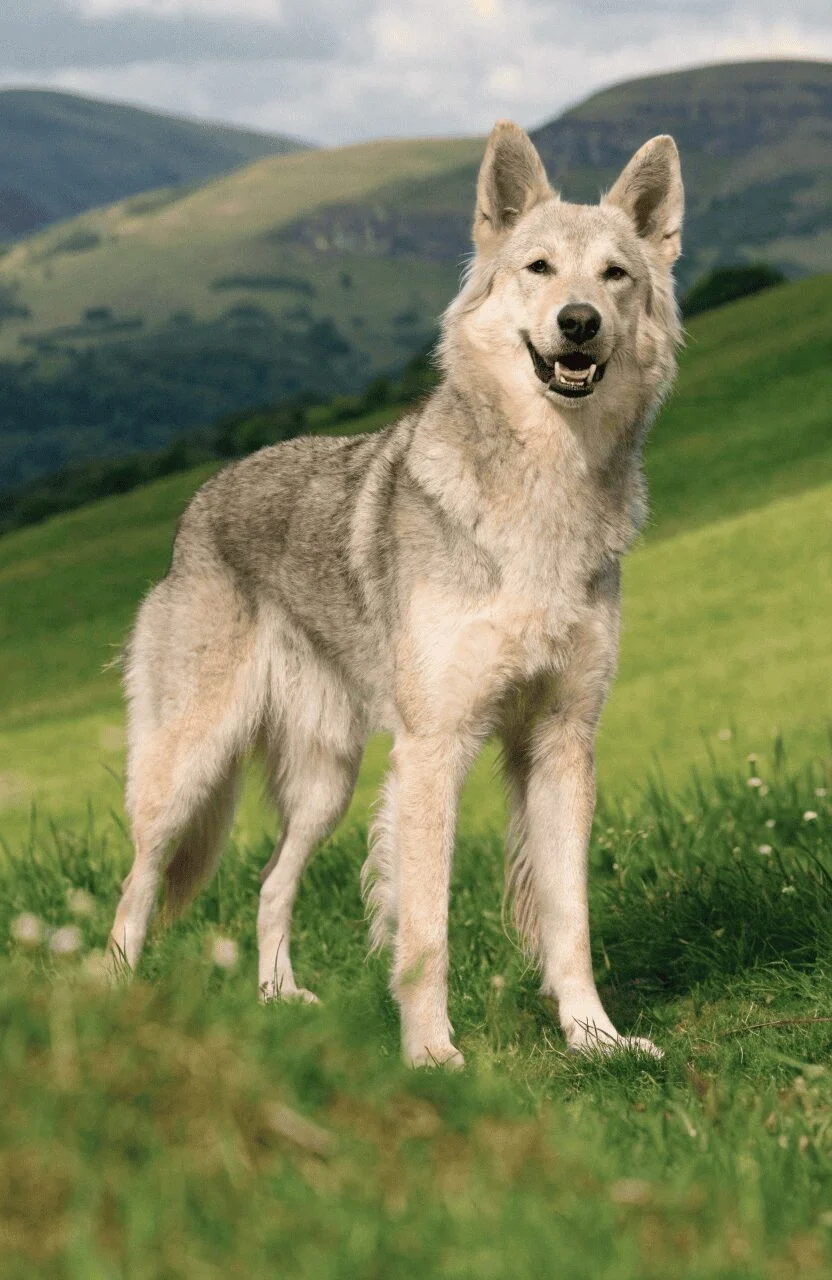
Also developed in the UK, the Utonagan shares its ancestry with the Northern Inuit — a blend of Husky, Malamute, and German Shepherd. The result is a gentle, friendly dog with a dramatic wolf silhouette. It tends to be slightly more relaxed than the Northern Inuit and does well in active family homes.
Samoyed
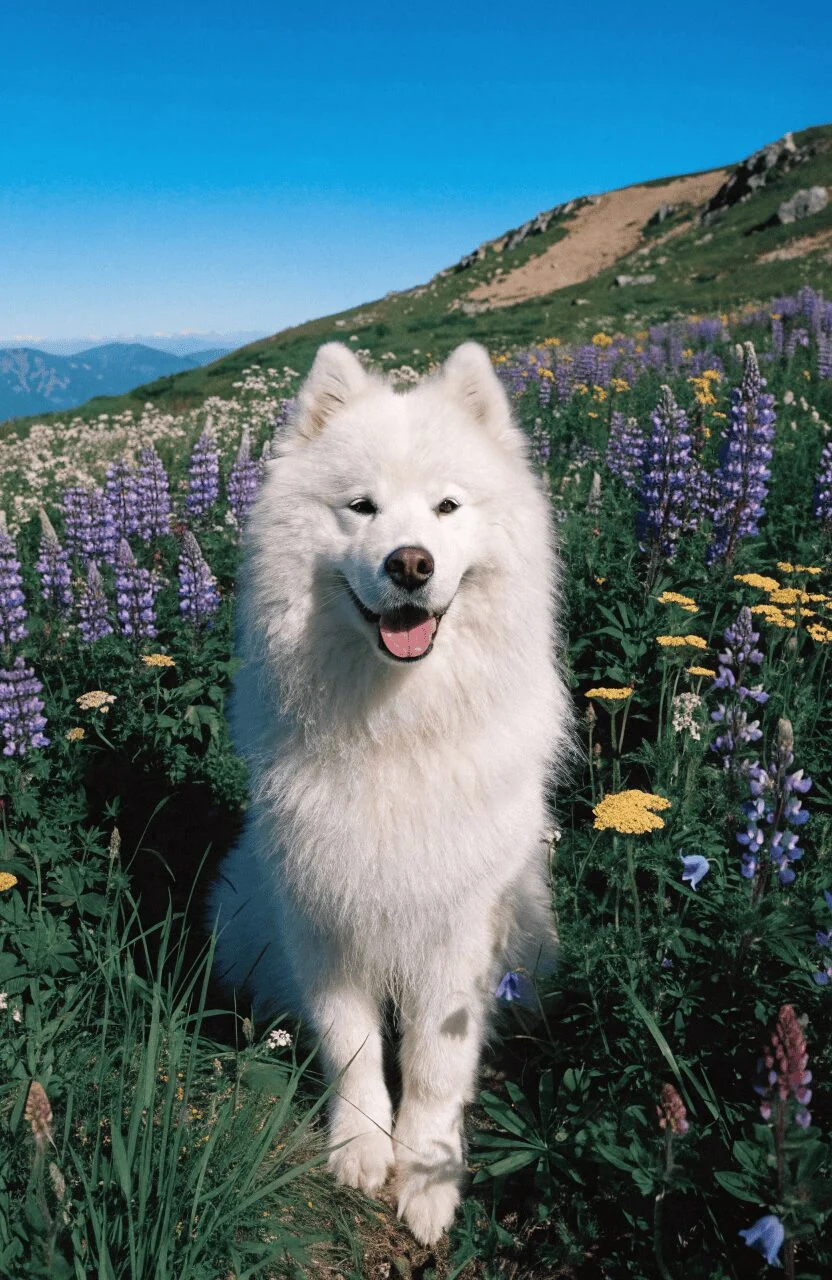
The Samoyed is a white wolf-like dog with a permanent smile and a warm heart. Originally bred by the Samoyedic people of Siberia for herding reindeer and pulling sleds, this breed has a thick, fluffy coat that is all white or cream. It’s adaptable, sociable, and one of the more manageable wolf-like breeds for active families.
Canadian Eskimo Dog
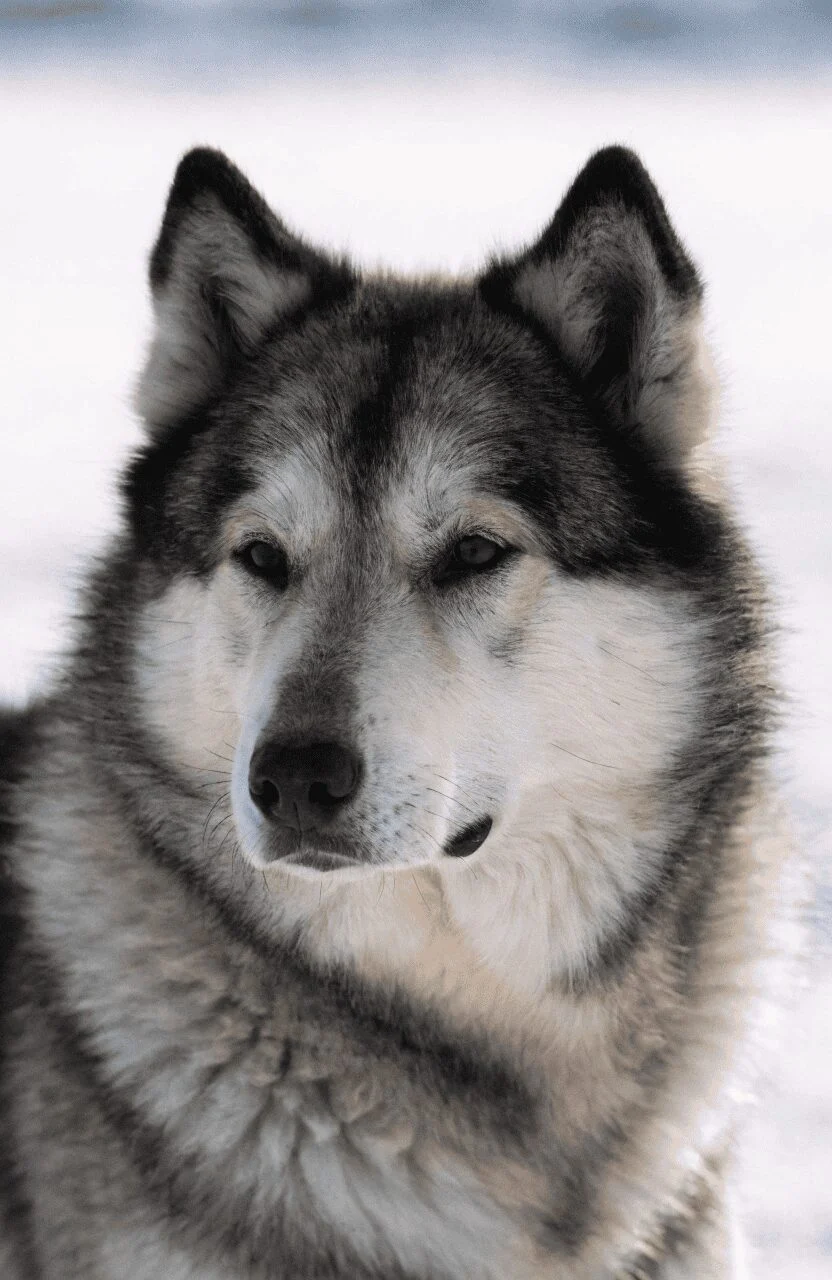
One of the oldest and rarest breeds in North America, the Canadian Eskimo Dog (also called the Canadian Inuit Dog) was developed by Indigenous Arctic peoples for sled pulling and hunting. Fewer than 300 are believed to exist today, making them critically rare. They’re alert, tough, and intensely loyal — built for extreme environments.
Swedish Lapphund
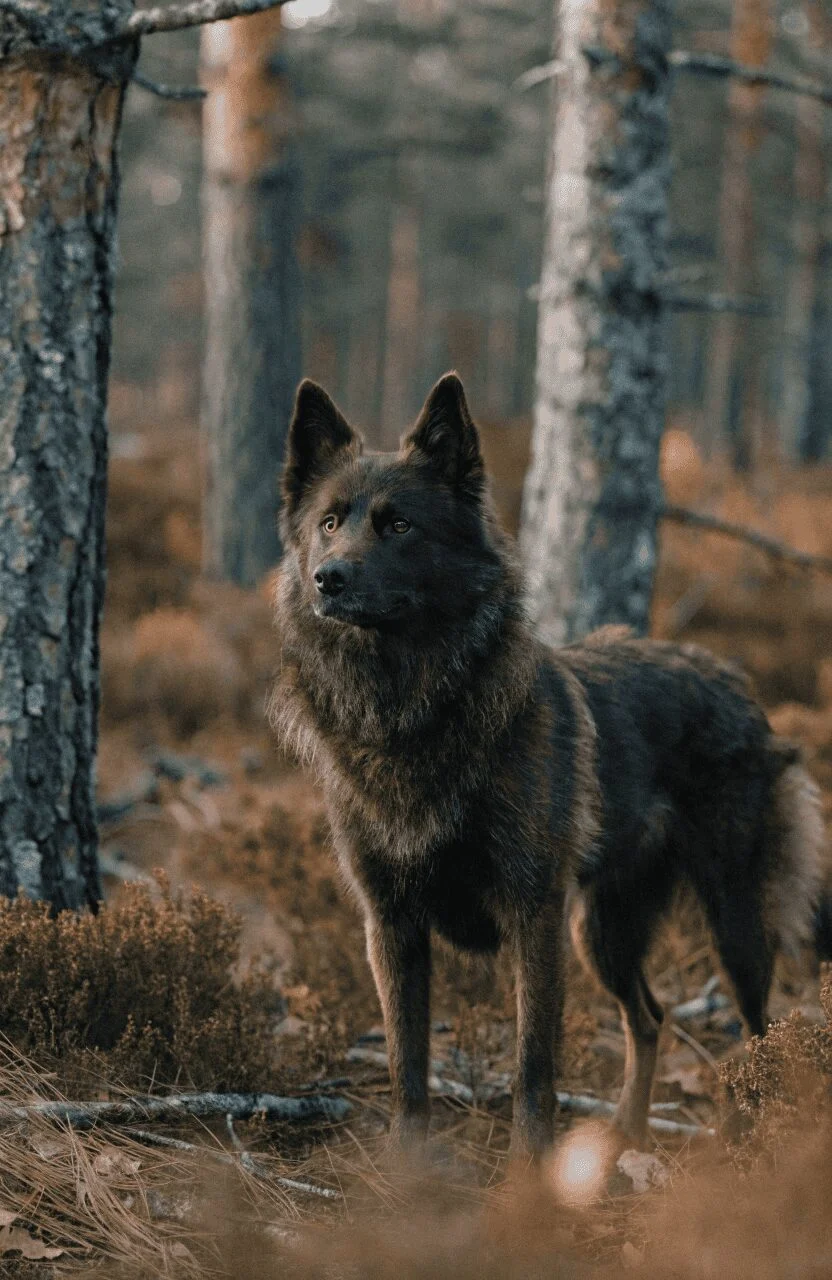
Less well-known than most on this list, the Swedish Lapphund is an ancient Scandinavian breed used for herding reindeer. It has a wolf-like face, a dense dark coat, and a spirited personality. This breed is intelligent, vocal (it loves to bark), and forms strong bonds with its family.
American Alsatian
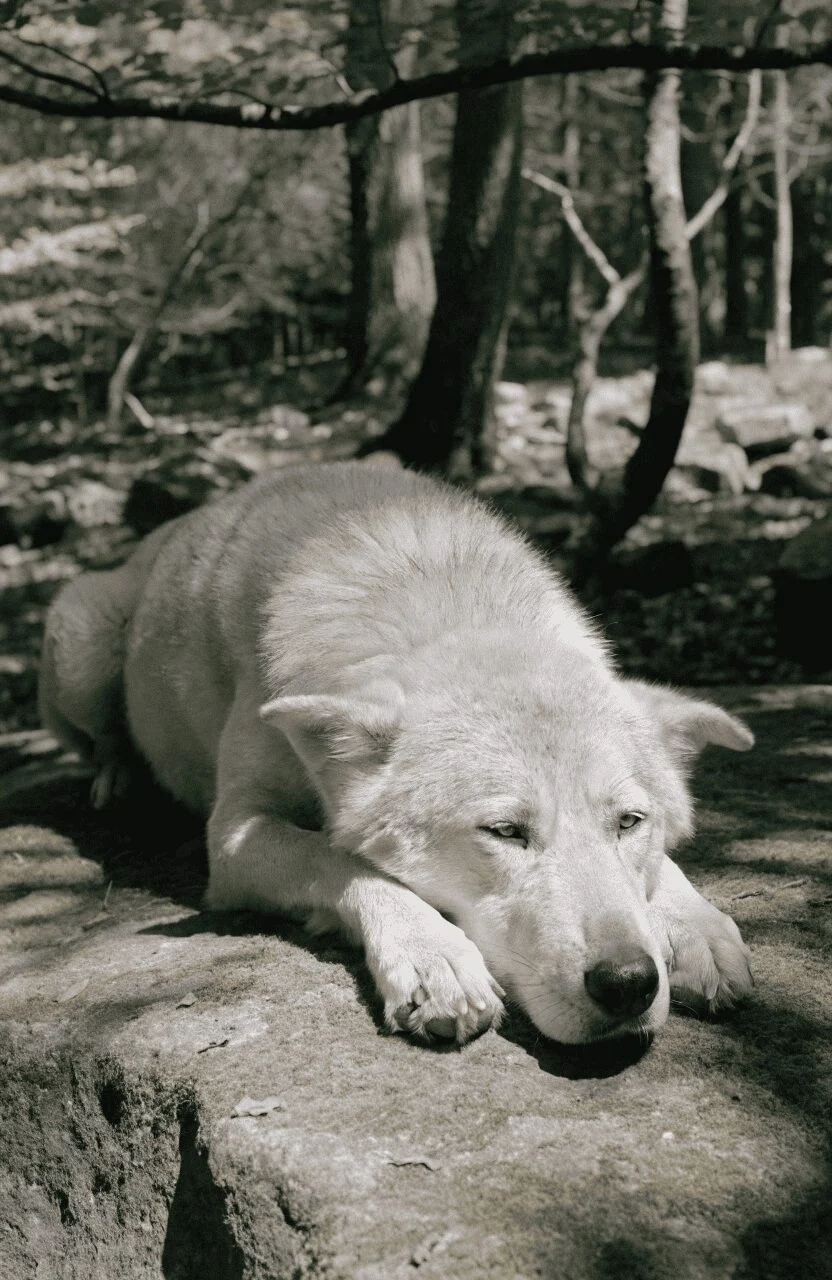
Developed in the United States with the goal of recreating the look of an ancient dire wolf, the American Alsatian is calm, quiet, and large. Unlike many wolf-like breeds, it has a low-energy temperament and is not especially vocal. It’s one of the few wolf-looking dogs that’s actually suited to a calmer household.
Belgian Tervuren
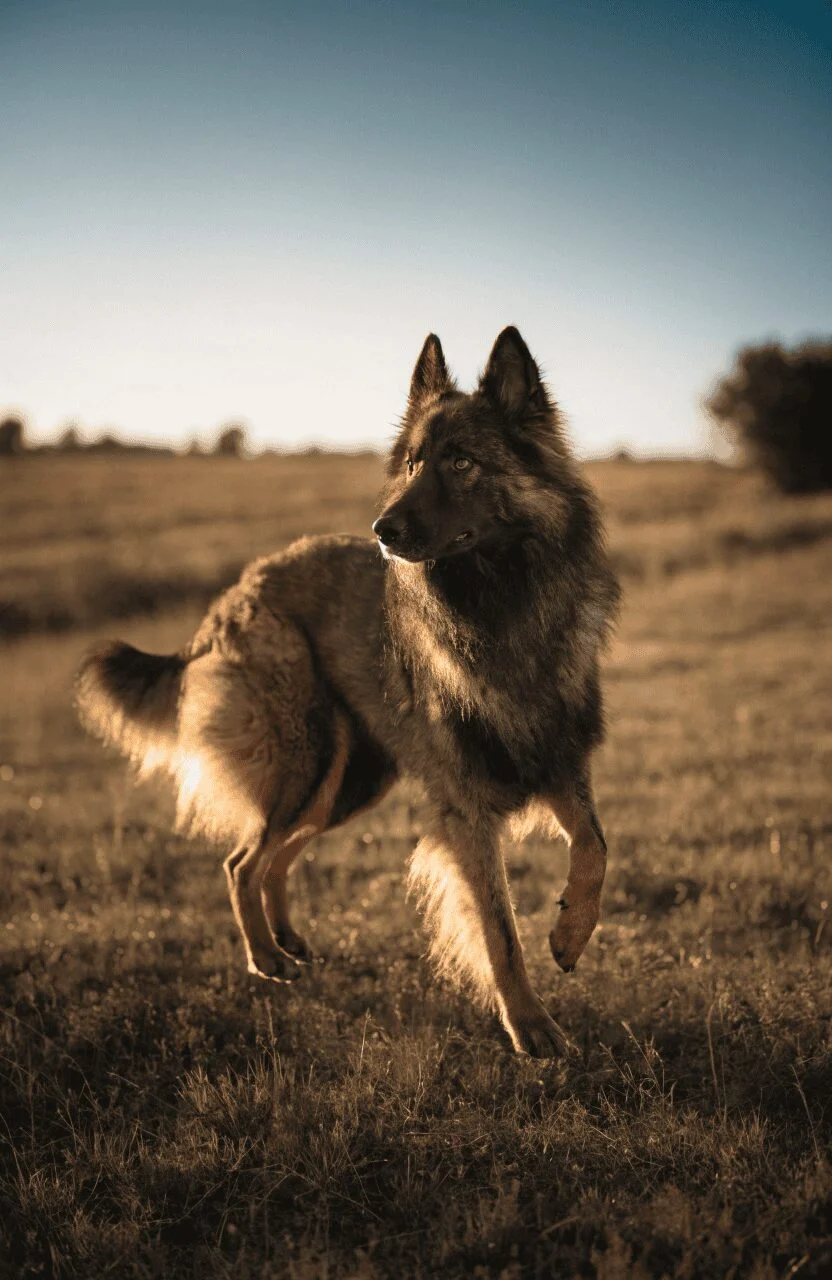
The Belgian Tervuren is a herding dog with a rich mahogany and black coat, a sharp wolfy face, and an athletic build. It’s highly intelligent and intensely active — one of the most driven working breeds on the planet. It doesn’t look like a gray wolf, but its facial structure and body type are unmistakably wolf-adjacent.
Akita
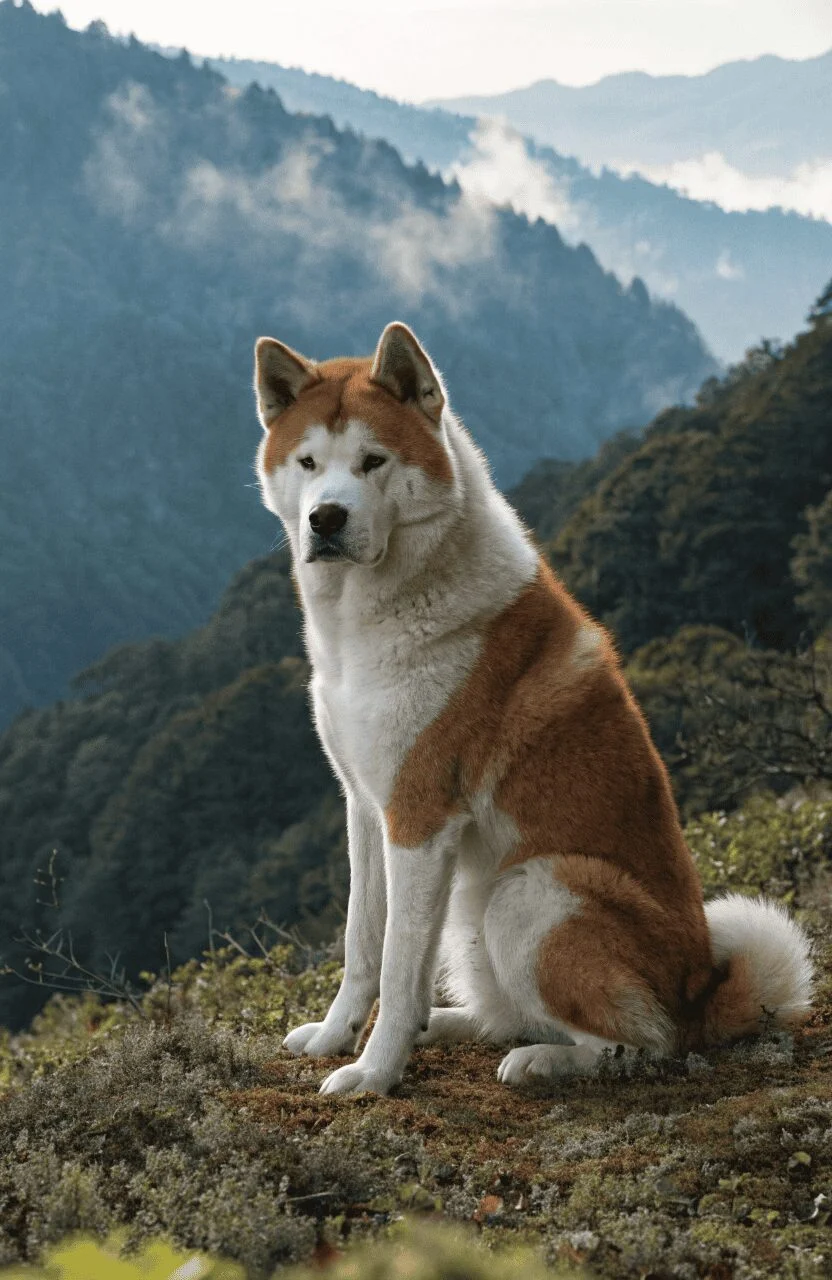
The Akita is a powerful Japanese breed with a broad head, thick coat, and commanding presence. It has the wolf’s serious expression and natural aloofness with strangers. Akitas are deeply loyal to their families but can be dominant and are best suited to experienced owners.
4. Black Dogs That Look Like Wolves

Searching for wolf like dog breeds with dark or all-black coats? The black wolf is one of nature’s most dramatic animals — and several domestic breeds can match that look.
The Black German Shepherd is the most striking example. Unlike the classic tan-and-black GSD, the all-black version is rarer and has a more intense, wild appearance. The black coat is a natural genetic variation — not a separate breed — and the temperament is identical to the standard German Shepherd. If you’re considering one, explore these black German Shepherd facts before you decide.
The Black Siberian Husky is another head-turner. Huskies can carry a solid black or black-and-white coat that makes them look even more like a dark timber wolf — especially with pale blue eyes.
Dark-phase Alaskan Malamutes also appear in near-black coloring with wolf-gray undercoats. Combined with their size and build, they’re one of the most imposing wolf-like dogs you can own.
Finally, the Northern Inuit Dog can appear in black-and-gray or full dark colorings that closely mirror a black wolf’s silhouette. It’s no surprise these were chosen for Game of Thrones — in dark coloring, they’re almost indistinguishable from a wild predator.
5. Rare Wolf-Like Dog Breeds You’ve Probably Never Heard Of
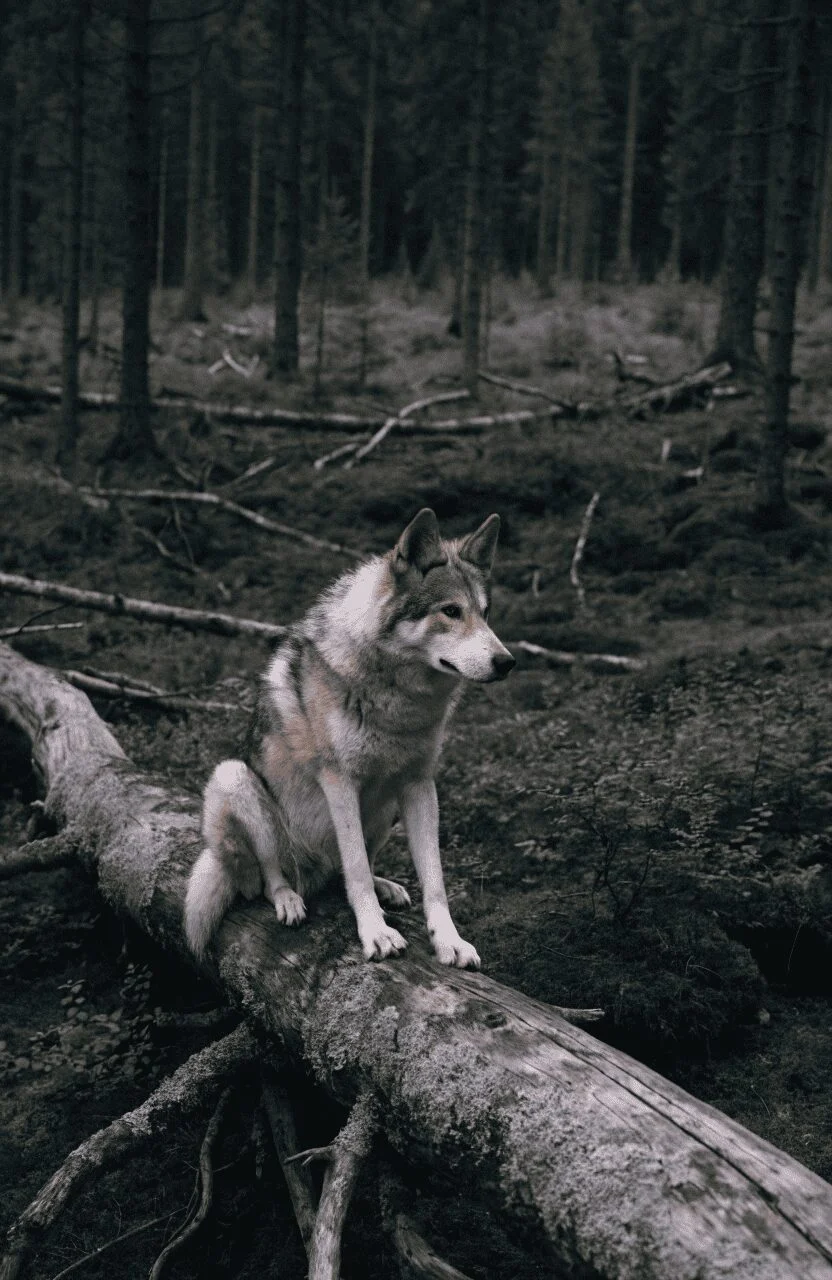
Most wolf-dog articles stick to the same familiar breeds. But there are some truly rare wolf like dogs that deserve a place on this list.
The Greenland Dog is one of the oldest Arctic sled breeds still in existence, developed with Inuit peoples of Greenland thousands of years ago. Bold, independent, and powerfully built, it resembles an Arctic wolf in both look and behavior.
The Yakutian Laika comes from the Sakha Republic in northeastern Russia. It’s a compact, athletic dog with a thick coat and wolf-like features — and unlike many Arctic breeds, it has a reputation for being more affectionate with people.
The West Siberian Laika was bred as a hunting dog in the Ural and Siberian regions of Russia. It has a wedge-shaped head, erect ears, and a keen, cautious nature that mirrors wild canid behavior closely.
The Seppala Siberian Sleddog traces its lineage directly to the famous 1925 serum run to Nome. Leaner and more wolfish than show-line Huskies, it was bred purely for performance — and that no-frills working build gives it a distinctly wild look.
For more breeds that fly under the radar, this list of rare dog breeds is worth a browse.
6. Wolf-Like Dog Breeds: Head-to-Head Comparison Table
| Breed | Size | Energy | Shedding | Family-Friendly | Wolf DNA | Novice-Friendly |
|---|---|---|---|---|---|---|
| Czechoslovakian Wolfdog | Large | Very High | Moderate | ⚠️ With training | ✅ Yes | ❌ No |
| Saarloos Wolfdog | Large | Moderate–High | Heavy | ⚠️ Sensitive | ✅ Yes | ❌ No |
| Kugsha | Large | Very High | Heavy | ⚠️ No small kids | ✅ Likely | ❌ No |
| Siberian Husky | Medium | Very High | Heavy | ✅ Yes | ❌ No | ⚠️ With research |
| Alaskan Malamute | Large | High | Very Heavy | ✅ Older kids | ❌ No | ⚠️ With research |
| German Shepherd | Large | High | Heavy | ✅ Yes | ❌ No | ⚠️ With training |
| Northern Inuit Dog | Large | Moderate–High | Heavy | ✅ Yes | ❌ No | ⚠️ With research |
| Tamaskan | Large | High | Heavy | ✅ Yes | ❌ No | ⚠️ With research |
| Utonagan | Large | Moderate–High | Heavy | ✅ Yes | ❌ No | ✅ Yes |
| Samoyed | Medium | Moderate | Heavy | ✅ Yes | ❌ No | ✅ Yes |
| Canadian Eskimo Dog | Large | Very High | Very Heavy | ⚠️ Experienced | ❌ No | ❌ No |
| American Alsatian | Large | Low–Moderate | Moderate | ✅ Yes | ❌ No | ✅ Yes |
| Belgian Tervuren | Large | Very High | Moderate | ✅ With training | ❌ No | ❌ No |
| Akita | Large | Moderate | Heavy | ⚠️ No small kids | ❌ No | ❌ No |
| Swedish Lapphund | Medium | Moderate | Moderate | ✅ Yes | ❌ No | ✅ Yes |
7. What It’s Really Like to Own a Wolf-Like Dog
Looking at a wolf-like dog in a photo is one thing. Living with one is another. Here’s what you should genuinely expect.
Exercise and Outdoor Life
Most wolf like dog breeds were built for serious work in brutal climates. They do not thrive sitting on a couch. Expect a minimum of one to two hours of vigorous exercise daily for most breeds on this list — and more for the high-drive breeds like the Czechoslovakian Wolfdog or Kugsha.
If you love the outdoors, that’s actually great news. Many of these breeds are incredible trail companions. For ideas on adventure activities, take a look at the best dog breeds for hiking — several wolf-like breeds top that list.
Grooming Realities
Every breed on this list has a double coat, and most of them shed — a lot. Twice a year, they “blow” their undercoat, which means you will find fur on every surface in your home for several weeks. Regular brushing (at least two to three times a week) is non-negotiable. Budget for professional grooming if needed.
Training Challenges
Wolf-like dogs tend to be highly intelligent — but intelligence in dogs doesn’t always mean easy to train. Many of these breeds are independent thinkers. They’ll learn commands quickly, but they may also decide not to follow them unless they see a reason to.
Early socialization and consistent, positive training from puppyhood are essential. These are also dogs that form incredibly strong bonds and are among the most loyal dog breeds you’ll find — which also means they can develop separation anxiety if left alone too long.
Costs to Expect
Wolf-like breeds are not budget-friendly. Puppies from reputable breeders for rarer breeds like the Tamaskan, Northern Inuit, or Czechoslovakian Wolfdog can cost anywhere from $1,000 to $3,000 or more. Monthly food costs for large, high-energy breeds run higher than average. Factor in grooming, veterinary care, and training classes — especially if you’re bringing home a wolf-content breed, which may require a specialist vet.
Frequently Asked Questions
Conclusion
Dog breeds that look like wolves offer something truly unique — that raw, wild beauty combined with the loyalty and companionship of a domestic dog. Whether you’re drawn to a real wolf-content breed like the Czechoslovakian Wolfdog, a family-safe lookalike like the Northern Inuit, or a striking black German Shepherd, there’s a wolf like dog breed out there that can fit the right home.
The key word is “right.” These are not low-maintenance pets. They need exercise, mental stimulation, grooming, training, and an owner who respects their instincts. Do your research, find a reputable breeder or rescue, and the reward is one of the most breathtaking companions in the dog world.

Izzy is an experienced ranch worker who has a passion for exploring nature and getting up close to wildlife. With her connections to various animal organizations, Izzy is well-versed in animal care and rehabilitation.