Big Mixed Dog Breeds: The Ultimate Guide to Large Hybrid Dogs
If you love dogs that can fill a room with their presence, then mixed dog breeds big in size might be exactly what you’re looking for. Large hybrid dogs are becoming one of the most popular choices for families, singles, and everyone in between. They combine the best traits of two breeds into one lovable, oversized package.
But owning a big mixed breed dog is not just about the wow factor. It comes with real responsibilities, real costs, and real rewards. This guide covers everything you need to know — from the most popular large dog mixed breeds to health tips, training advice, and whether one of these gentle giants is the right fit for your life.
1. What Are Big Mixed Dog Breeds?
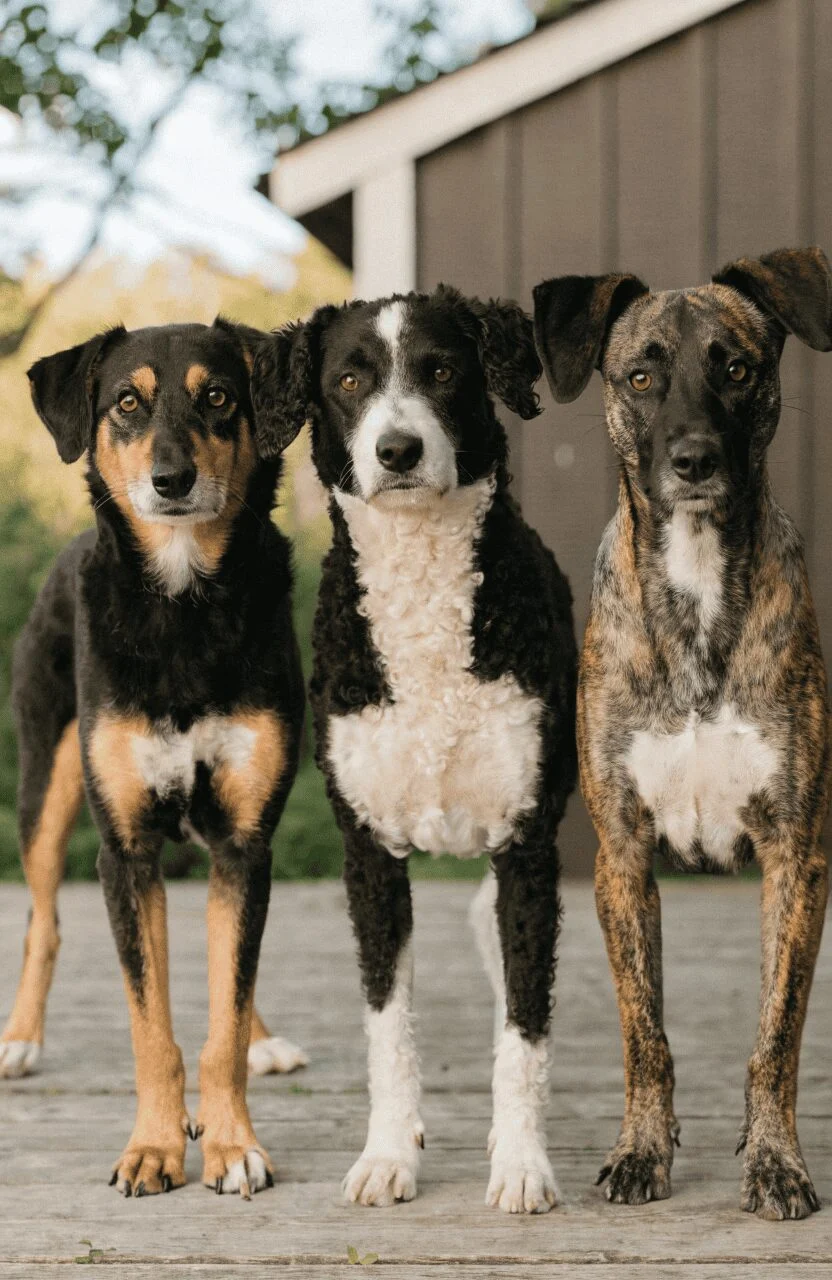
A mixed breed dog is any dog that comes from two or more different purebred parents. When both parent breeds are large, you usually end up with a large dog. But sometimes even one large parent breed can produce a surprisingly big pup.
In the dog world, “large” generally means a dog that weighs 50 pounds or more as an adult. “Giant” breeds typically exceed 100 pounds. Mixed dog breeds big in size can fall anywhere in this range — and that’s part of what makes them so interesting.
There are two main types of big mixed breeds:
Designer breeds are intentional crosses between two specific purebreds. Think Goldendoodle or Bernedoodle. Breeders plan these mixes carefully to get specific traits like low shedding or a calm temperament.
Random mixes are dogs whose background is unknown or unplanned. Many of these dogs end up in shelters and make wonderful pets. Their adult size can be harder to predict, but DNA testing can help you learn more about what’s in your dog.
One important thing to understand: even with designer breeds, size is never 100% guaranteed. A Goldendoodle might weigh 45 pounds or 90 pounds depending on which genes it inherits. Always ask breeders about the parent dogs’ sizes.
2. Top 10 Most Popular Mixed Dog Breeds Big in Size
Here are ten of the most loved large dog mixed breeds, complete with key facts to help you compare them.
2.1 Goldendoodle (Golden Retriever + Poodle)

Weight: 50–90 lbs | Lifespan: 10–15 years
The Goldendoodle is arguably the most famous large mixed breed dog in the world right now. It combines the friendly, gentle nature of the Golden Retriever with the intelligence and low-shedding coat of the Standard Poodle.
These dogs are great with kids, easy to train, and usually do well with other pets. They need daily exercise — about an hour of walks or play. Their wavy or curly coats require regular brushing to avoid matting.
Best for: Families, first-time dog owners, allergy sufferers.
2.2 Labradoodle (Labrador Retriever + Poodle)
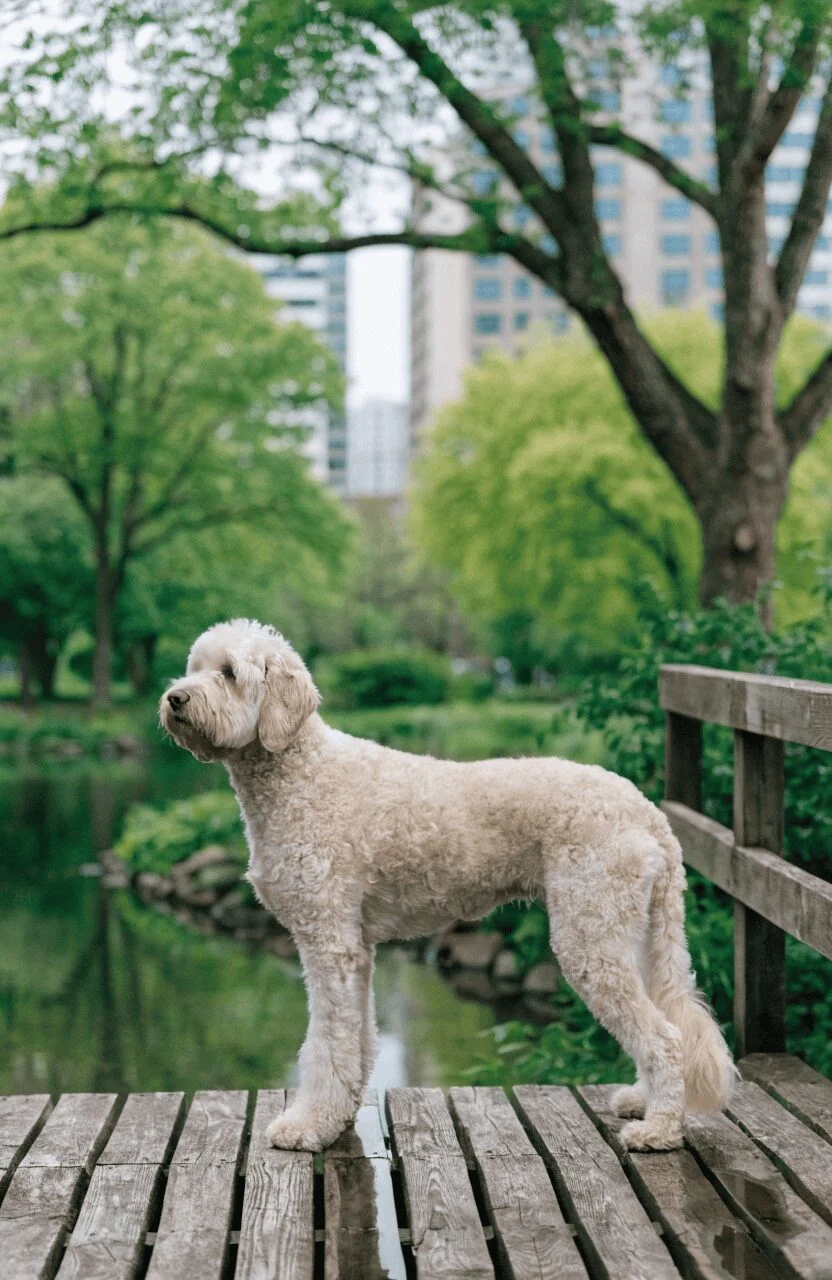
Weight: 50–65 lbs | Lifespan: 12–14 years
The Labradoodle was actually one of the first intentional designer dog crosses, originally bred in Australia in the 1980s to serve as a hypoallergenic guide dog. Labs bring loyalty and energy; Poodles bring brains and a low-shedding coat.
Labradoodles are playful, affectionate, and highly trainable. They do best with active owners who can give them space to run and play every day.
Best for: Active families, service dog candidates, outdoor lovers.
2.3 Bernedoodle (Bernese Mountain Dog + Poodle)
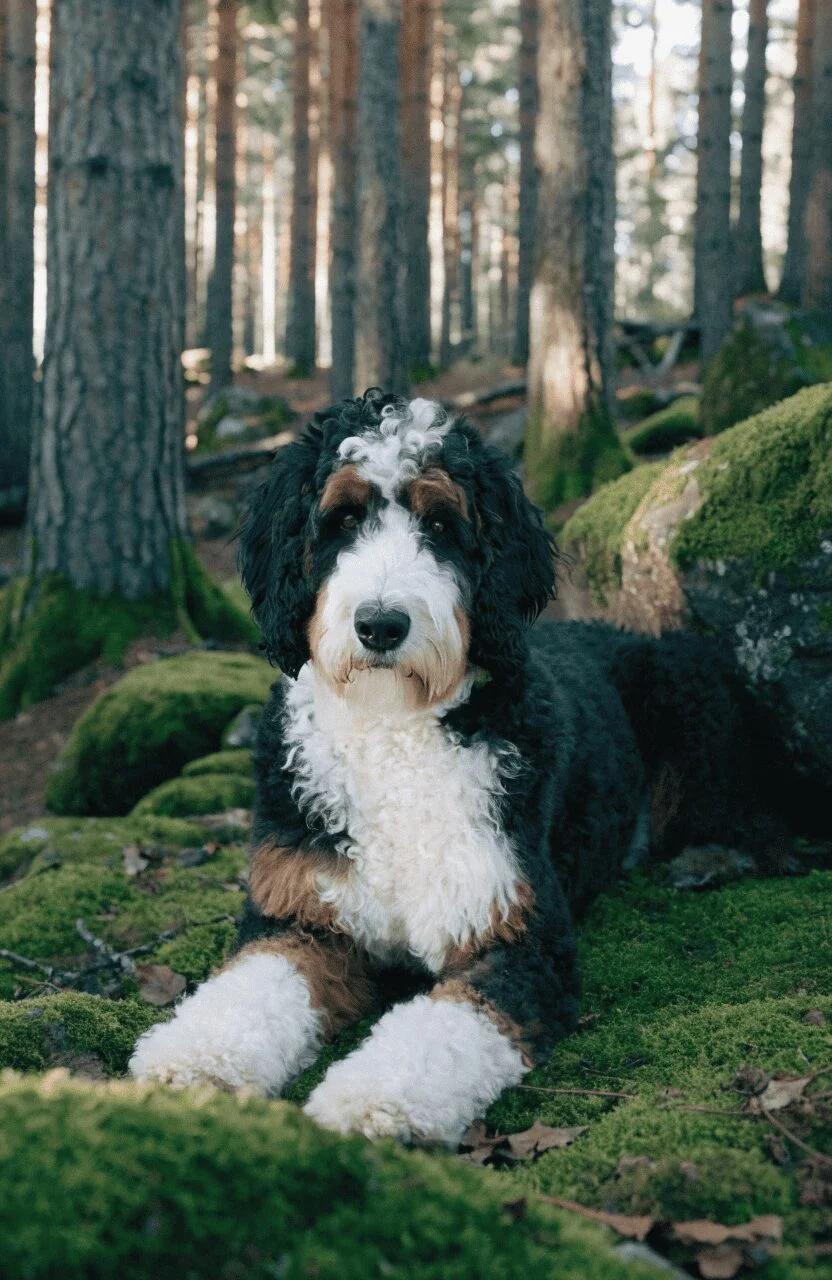
Weight: 70–90 lbs | Lifespan: 12–15 years
The Bernedoodle takes the striking tri-color markings of the Bernese Mountain Dog and combines them with the Poodle’s smarts and low-shedding coat. The result is a gentle, goofy, loving dog that tends to bond deeply with its family.
One thing to know: Bernedoodles can be a little stubborn. Early training is important. They also do better in cooler climates because of their thick coats.
Best for: Families with children, cold-climate homes, people who want a low-shedding large dog.
2.4 Sheepadoodle (Old English Sheepdog + Poodle)
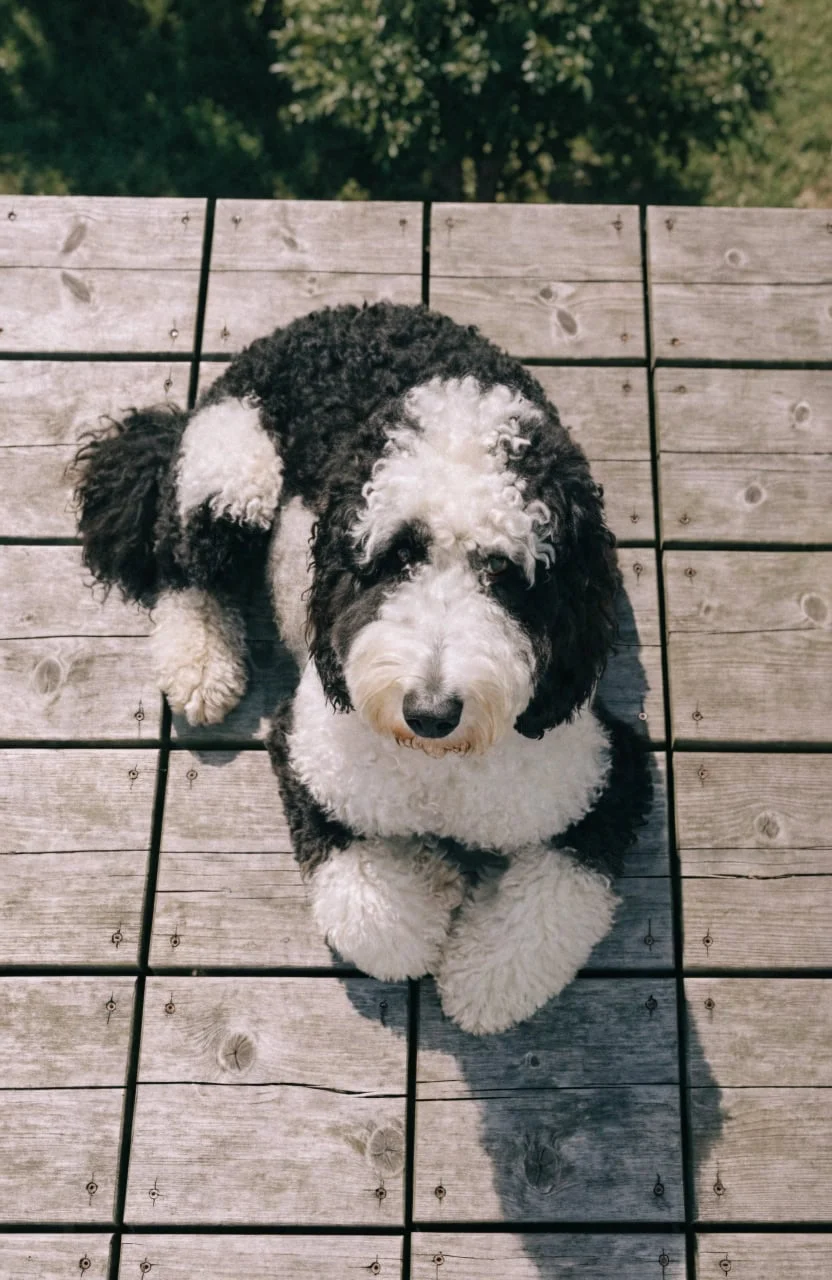
Weight: 65–85 lbs | Lifespan: 12–15 years
The Sheepadoodle is a big, fluffy ball of energy. Old English Sheepdogs are known for being playful and herding-oriented. Add Poodle genes and you get a dog that is both athletic and sharp.
These dogs love to be active. Without enough stimulation, they can become destructive. They’re also social animals that dislike being left alone for long periods.
Best for: Active families, homes with large yards, people who enjoy outdoor activities.
2.5 Boxador (Boxer + Labrador Retriever)

Weight: 60–110 lbs | Lifespan: 12–15 years
The Boxador is a powerhouse of a dog. Boxers are known for their muscular build and playful, loyal nature. Labs add friendliness and trainability. Together they make an energetic, affectionate family dog.
Boxadors are also natural watchdogs without being aggressive. They tend to be excellent with kids and protective of their families without being overly territorial.
Best for: Families with older kids, active households, people who want a natural guard dog.
2.6 Goberian (Golden Retriever + Siberian Husky)
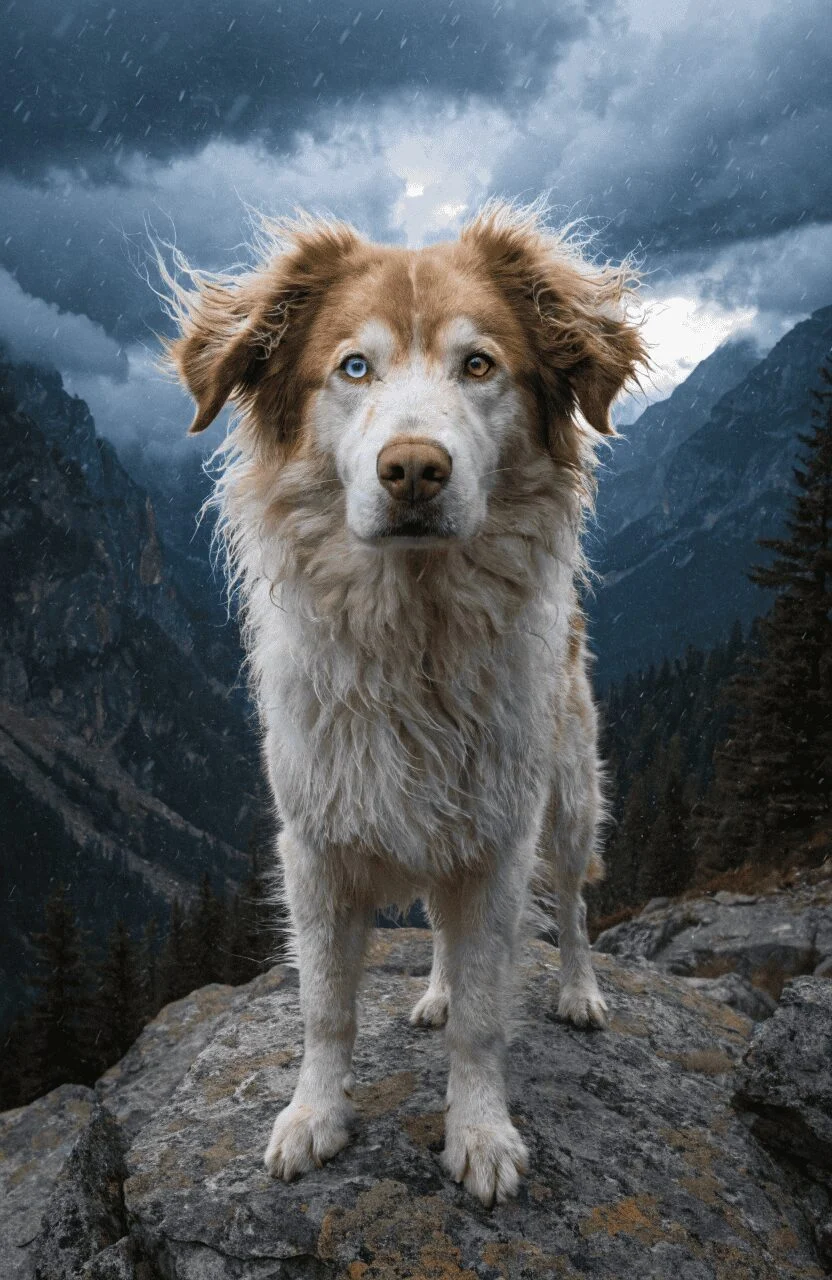
Weight: 55–90 lbs | Lifespan: 10–15 years
The Goberian is a striking dog with the beauty of a Husky and the warmth of a Golden Retriever. These dogs are energetic, independent, and stunningly good-looking with their often blue or mismatched eyes.
They do require a lot of exercise — think long daily runs or hikes. They can also be a bit independent-minded, which means training requires patience and consistency.
Best for: Experienced dog owners, active lifestyles, cold-weather climates.
2.7 Rottle (Rottweiler + Poodle)
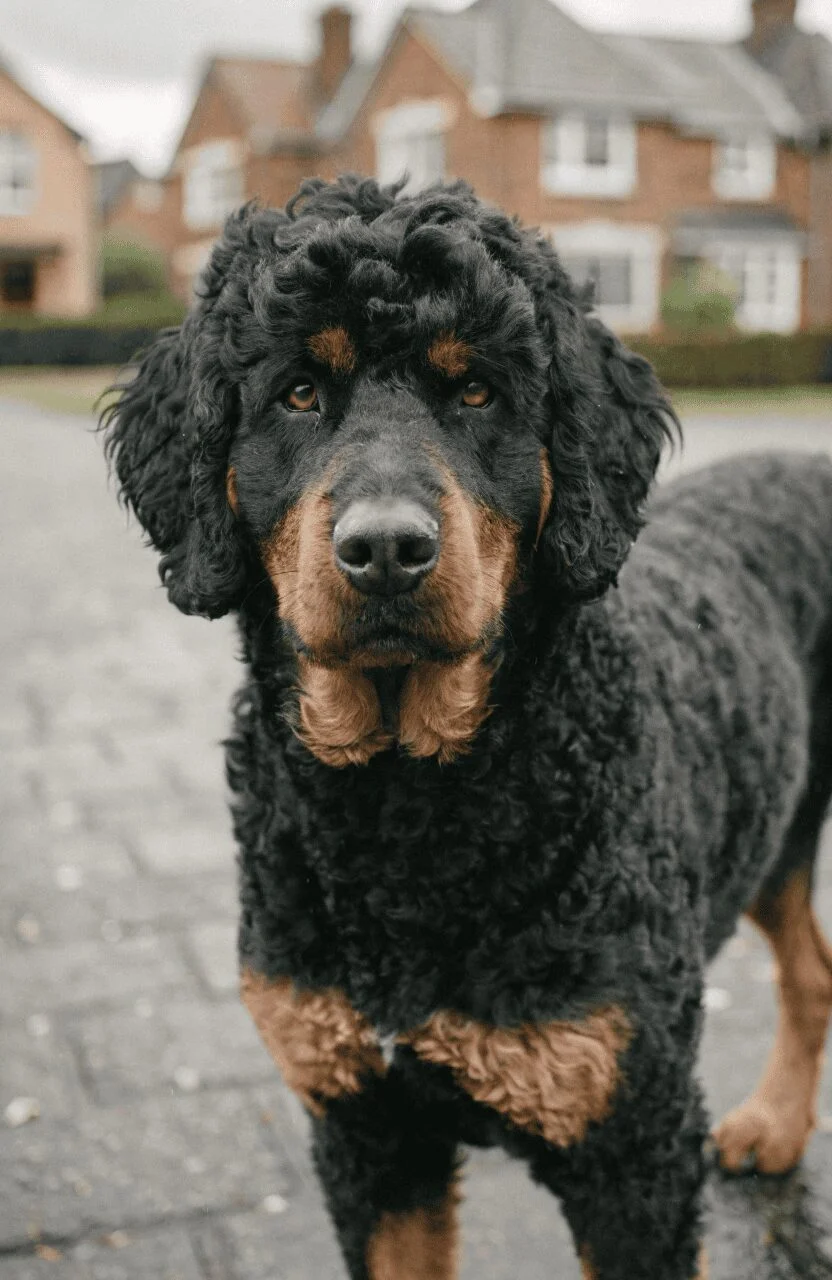
Weight: 60–90 lbs | Lifespan: 10–15 years
The Rottle combines the Rottweiler’s loyalty and protective instincts with the Poodle’s intelligence and low-shedding coat. This is a dog that is deeply devoted to its family and very alert to its surroundings.
Rottles can be strong-willed, so early socialization and firm but gentle training are essential. With the right owner, they are calm, confident, and wonderful companions.
Best for: Experienced owners, homes that want a protective but trainable dog.
2.8 Great Danoodle (Great Dane + Poodle)
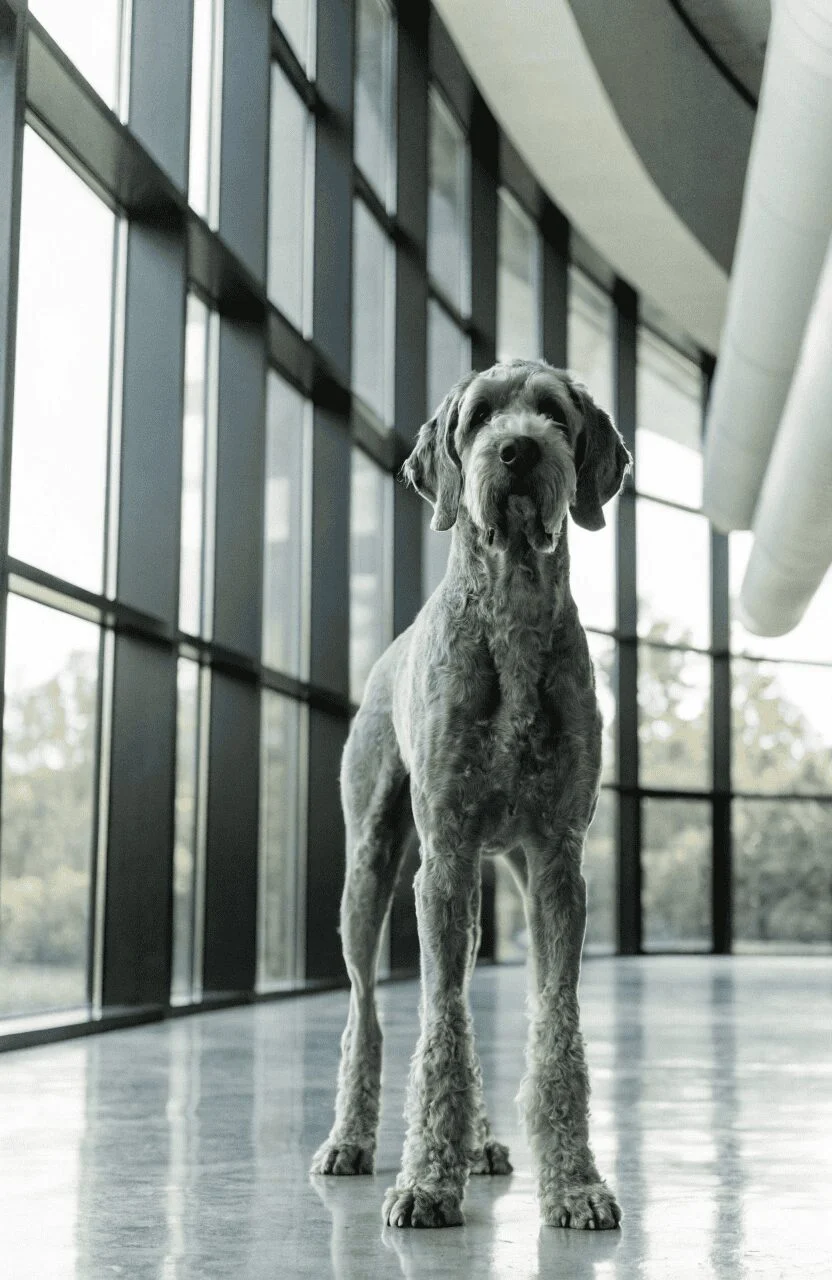
Weight: 80–110 lbs | Lifespan: 8–13 years
If you want truly big mixed breed dogs, the Great Danoodle delivers. Great Danes are one of the tallest dog breeds on the planet, and mixing them with a Standard Poodle creates a gentle giant with a smarter, low-shedding coat.
Despite their massive size, Great Danoodles are calm and affectionate indoors. They don’t need as much high-intensity exercise as you might expect, but they do need space to simply move around comfortably.
Best for: Spacious homes, people who want a calm giant breed, those with allergies.
2.9 Cane Corso Mix
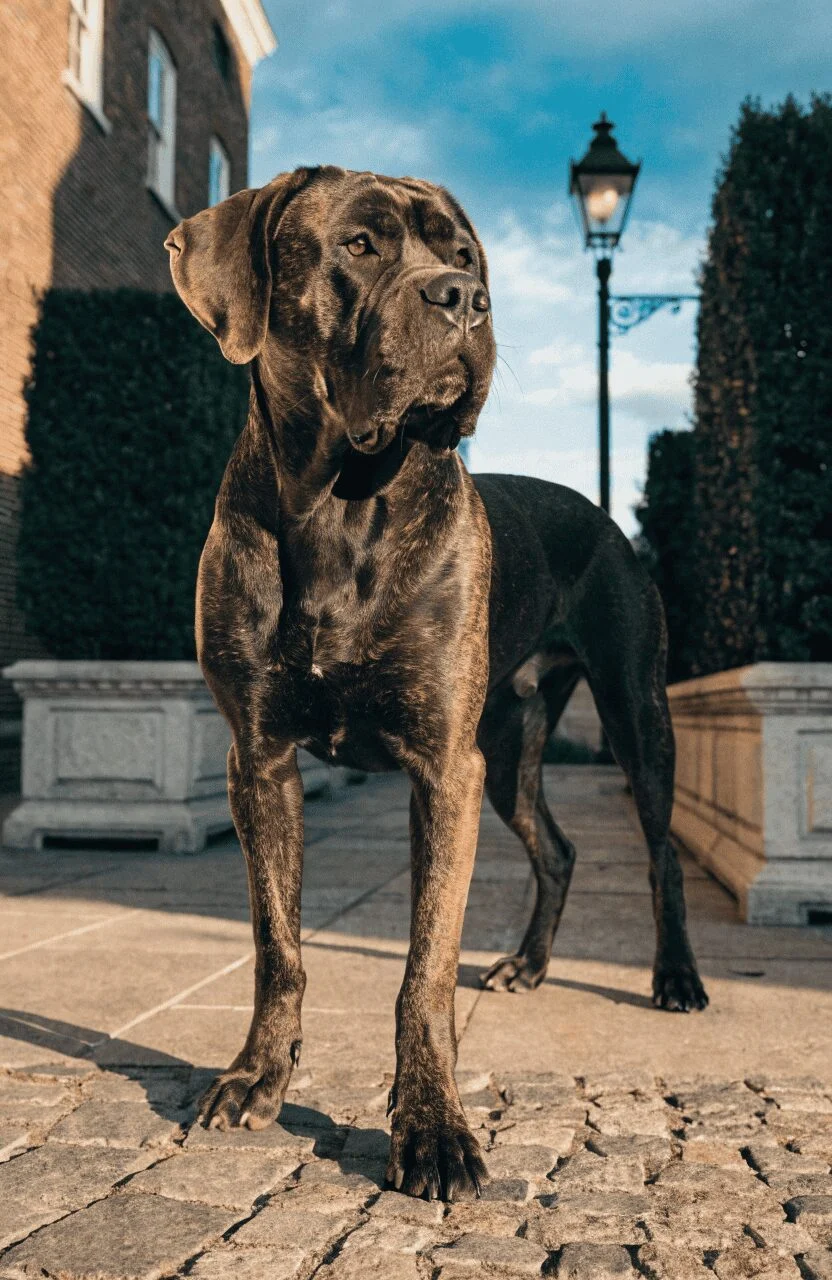
Weight: 80–120 lbs | Lifespan: 10–12 years
Cane Corso mixes vary widely depending on the second parent breed, but they almost always result in a large, powerful, highly loyal dog. Common mixes include Cane Corso + Labrador or Cane Corso + Rottweiler.
These dogs are not recommended for first-time owners. They need confident handling, strong leadership, and early socialization to be well-rounded adults. When well-trained, they are devoted protectors.
Best for: Experienced dog owners, homes without small children, people wanting a guard dog.
2.10 Mastador (Mastiff + Labrador Retriever)
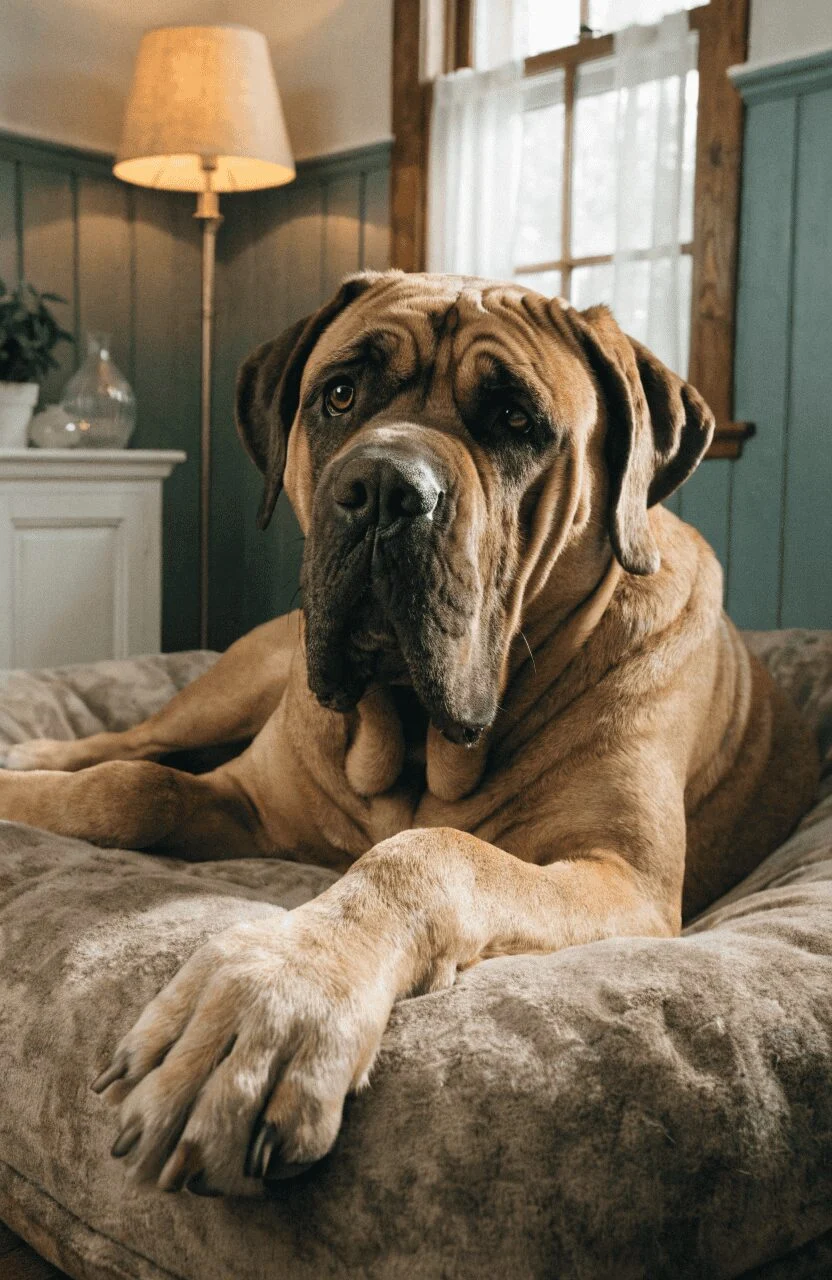
Weight: 100–200 lbs | Lifespan: 10–12 years
The Mastador might be the ultimate gentle giant among large dog mixed breeds. English Mastiffs are one of the heaviest dog breeds in the world, and the Lab’s influence makes this mix friendlier and more social than a purebred Mastiff.
Mastadors are calm, loyal, and good-natured. They don’t need intense exercise but do need daily walks to stay healthy. Their sheer size means they need enough space to live comfortably. If you want to explore even more options, check out this full list of big dog breeds to compare.
Best for: Relaxed households, experienced owners, people with large living spaces.
3. Benefits of Owning Large Dog Mixed Breeds

There are real advantages to choosing large dog mixed breeds over purebreds. Here are the biggest ones.
Hybrid vigor. When two different breeds are crossed, the offspring often inherit better overall health than either parent breed alone. This is called hybrid vigor. While it’s not guaranteed, many mixed breed owners report fewer inherited health conditions compared to purebred dogs.
Unique personalities. Mixed breeds often have wonderfully balanced temperaments. Instead of the extreme traits sometimes seen in purebreds — like obsessive herding instincts or extreme anxiety — mixed dogs tend to land somewhere in the middle.
Cost. Adopting a large mixed breed from a shelter is almost always much cheaper than buying a purebred puppy. Even purchasing from a designer breed breeder is often more affordable than a champion-line purebred. If you are also interested in dogs that won’t cover your couch in fur, take a look at large breeds that don’t shed for more options.
One of a kind. Every mixed breed dog is visually unique. No two Boxadors or Goberians look exactly the same, which means your dog truly stands out.
4. Health Considerations for Big Mixed Breed Dogs
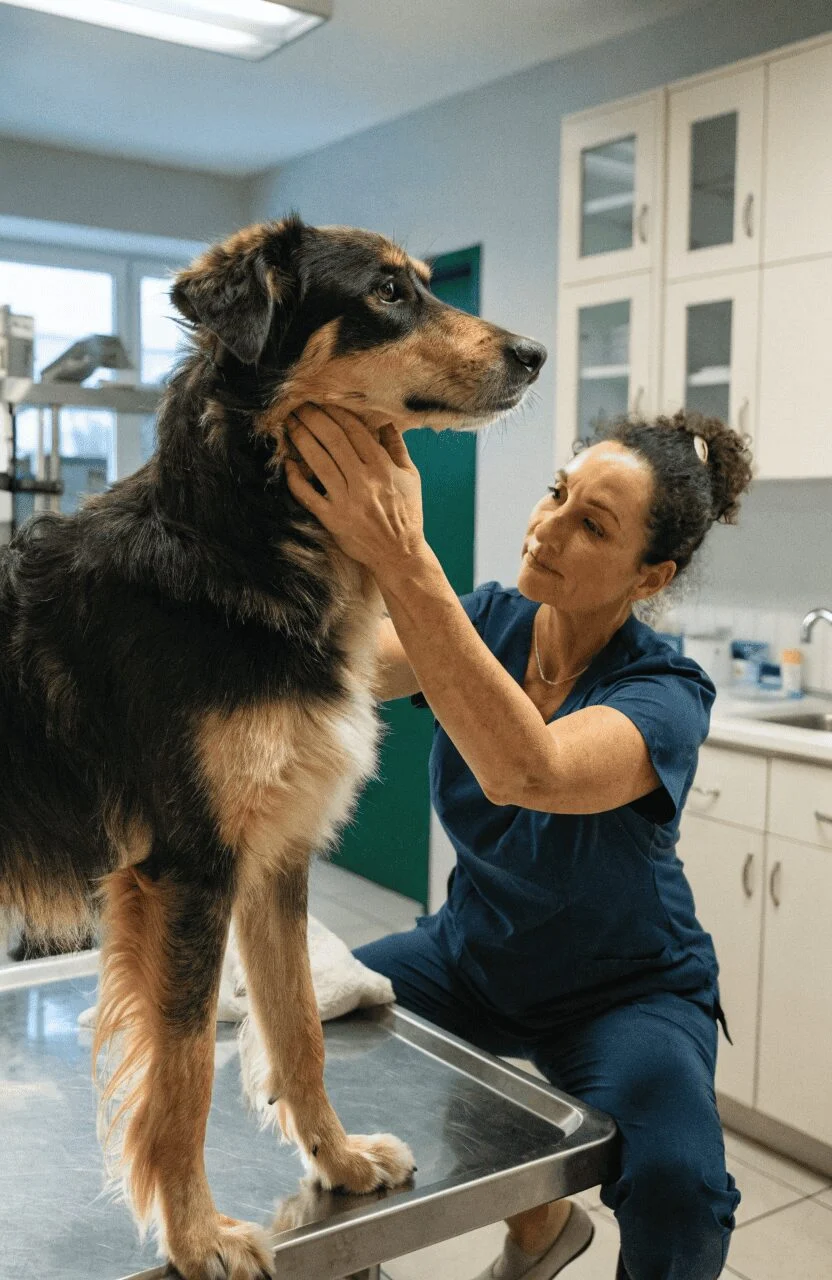
Big dogs come with some specific health concerns you should know about before bringing one home.
Joint problems. Large and giant breed dogs are more prone to hip dysplasia and elbow dysplasia. These are conditions where the joints don’t develop properly, leading to pain and mobility issues. Keeping your dog at a healthy weight is one of the best things you can do to reduce this risk.
Bloat (GDV). Gastric dilatation-volvulus, commonly called bloat, is a life-threatening condition more common in large, deep-chested breeds. It happens when the stomach fills with gas and twists. Symptoms include a swollen belly, restlessness, and attempts to vomit without success. If you see these signs, get to a vet immediately.
Shorter lifespan. Unfortunately, larger dogs tend to live shorter lives than small dogs. Most large mixed breeds live between 10 and 14 years. Giant breed mixes may live only 8 to 10 years. Knowing this helps you plan for the commitment involved.
Nutrition. Big dogs need large-breed-specific food, especially as puppies. Large breed puppy formulas are designed to support slow, steady bone and joint development. Starting your puppy on the right food matters a lot. Getting puppy vet care started early will help you stay on top of vaccines, joint screenings, and nutrition guidance.
5. Training Tips for Mixed Dog Breeds Big in Size
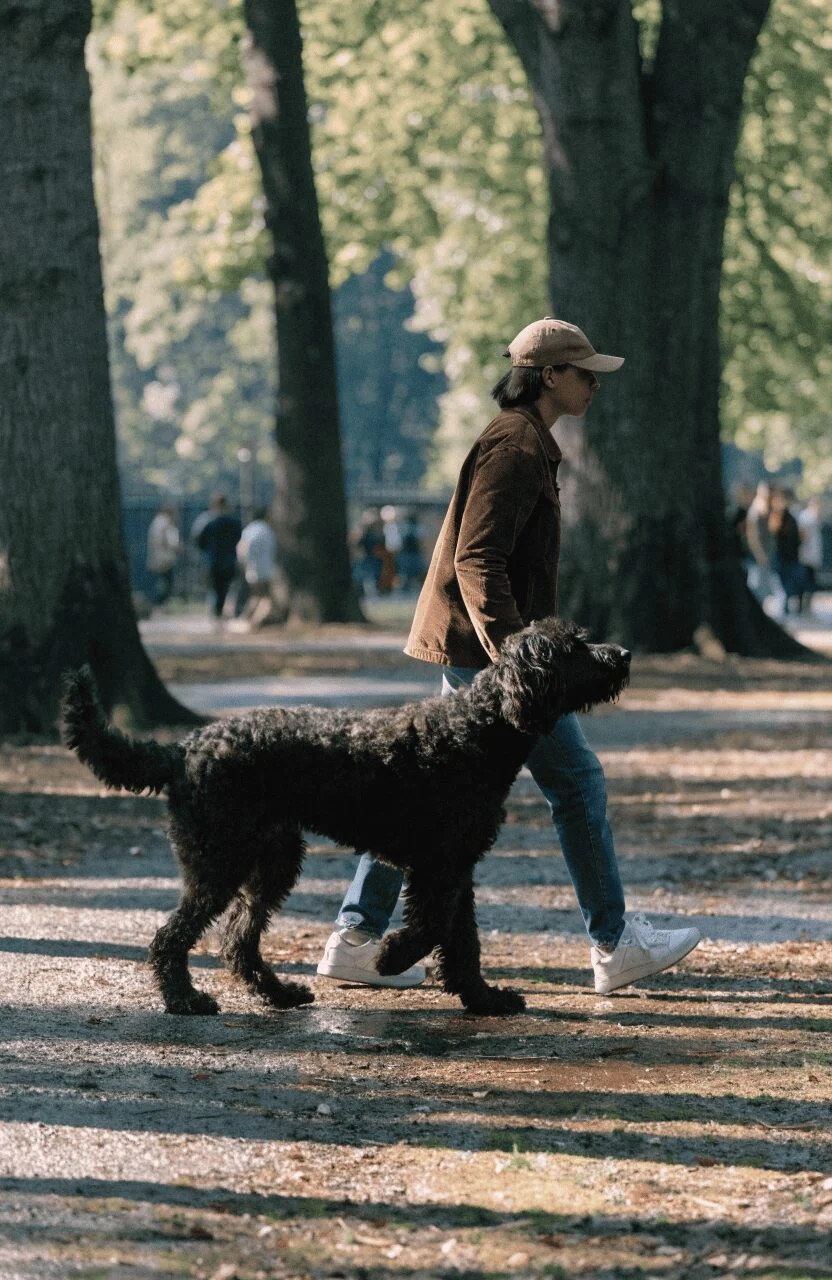
Training is non-negotiable with big dogs. A 20-pound dog jumping on a guest is annoying. A 90-pound dog doing the same can knock someone over.
Start early. Begin basic training as soon as you bring your puppy home, even at 8 weeks old. Sit, stay, come, and leash manners should all be introduced in the first few weeks.
Be consistent. Big mixed breed dogs are smart — especially those with Poodle, Lab, or Retriever in the mix. They will test boundaries if you’re inconsistent. Everyone in the household should use the same commands and rules.
Use positive reinforcement. Reward-based training works better than punishment for most large mixed breeds. Treats, praise, and play are powerful motivators. Positive reinforcement training is also safer and builds a stronger bond between you and your dog. You can also find more foundational advice in these essential puppy training tips that apply to large breeds too.
Socialize thoroughly. Expose your large mixed breed puppy to different people, places, sounds, and other animals from a young age. A well-socialized big dog is confident and calm rather than reactive or fearful.
6. How to Care for Large Dog Mixed Breeds
6.1 Exercise Needs
Most large dog mixed breeds need at least 60 to 90 minutes of physical activity per day. This can be split into morning and evening walks, backyard play sessions, swimming, or hiking.
Working breeds like the Goberian or Sheepadoodle may need even more. Without enough exercise, large dogs often become destructive, anxious, or vocal.
Mental stimulation matters just as much as physical exercise. Puzzle toys, training sessions, and nose work games are great ways to tire out a smart, large dog.
6.2 Grooming
Grooming needs vary a lot depending on which breeds are in the mix. Doodle-type large mixed breeds (Goldendoodle, Bernedoodle, etc.) need brushing several times a week to prevent matting. They also typically need professional grooming every 6 to 8 weeks.
Shorter-coated large mixed breeds like the Boxador or Mastador are much easier to maintain with weekly brushing. Learning how to groom your dog at home can save you significant money over time, especially with a large breed that needs regular maintenance.
6.3 Diet and Feeding
Large dogs eat a lot — that’s just the reality. A 70-pound mixed breed might go through 4 to 6 cups of dry food per day. Giant breeds like the Mastador may need even more.
Always choose a food formulated for large breeds. Look for real protein (chicken, beef, fish) as the first ingredient. Avoid foods with excessive fillers like corn syrup or artificial preservatives.
Feed adult large dogs twice a day rather than one big meal. This reduces the risk of bloat significantly.
7. Is a Big Mixed Breed Dog Right for You?
Before falling in love with a photo of a fluffy Bernedoodle or a striking Goberian, honestly ask yourself a few questions.
Do you have enough space? Large dogs need room to move. A small apartment can work for a calm giant breed like a Mastador, but an energetic Sheepadoodle will struggle without access to outdoor space.
Can you afford it? Big dogs cost more across the board. Food, vet bills, medications, boarding, and grooming all scale up with size. A large dog can easily cost $1,500–$3,000 per year just in basics.
Do you have time? Large mixed breeds are social animals. Most do not do well being left alone all day. If you work long hours with no flexibility, consider whether a dog — especially a large, energetic one — fits your lifestyle right now.
Is your family ready? Many large mixed breeds are wonderful with children, but their size alone can be overwhelming for toddlers. Always supervise interactions between large dogs and very young kids, no matter how gentle the dog is.
Are you prepared for training? Big dogs that aren’t trained are not just a nuisance — they can be genuinely dangerous. If you’re not willing to invest time in training or pay for professional help when needed, a large breed is not the right choice.
If you can honestly say yes to these questions, a large mixed breed dog could be one of the most rewarding companions you’ll ever have.
Conclusion
Mixed dog breeds big in size bring together the best of two worlds — the distinctive traits of two breeds rolled into one remarkable dog. Whether you’re drawn to the teddy-bear looks of a Bernedoodle, the athletic energy of a Boxador, or the calm dignity of a Mastador, there is a large mixed breed out there that fits your life.
The key is going in with your eyes open. Understand the size, health needs, training requirements, and costs before you commit. When you find the right match, a large mixed breed dog won’t just share your home — they’ll completely take it over, in the best possible way.

Izzy is an experienced ranch worker who has a passion for exploring nature and getting up close to wildlife. With her connections to various animal organizations, Izzy is well-versed in animal care and rehabilitation.