10 Smartest Rescue Dog Breeds That Excel at Search and Rescue Work
Have you ever heard the word “rescue” and thought about dogs saving people from avalanches or finding lost hikers? Or maybe you thought about adopting a dog from a shelter? Surprisingly, when people search for smartest rescue dog breeds, they usually mean both things at once.
Some dogs are smart enough to literally save human lives. Others are so intelligent that they end up misunderstood, under-stimulated, and surrendered to shelters — waiting for a second chance with someone who truly gets them.
This guide covers both worlds. Whether you are looking for a brilliant dog to adopt or curious about which breeds dominate search and rescue work, you are in the right place.
1. What Makes a Dog a “Smart Rescue Dog”?
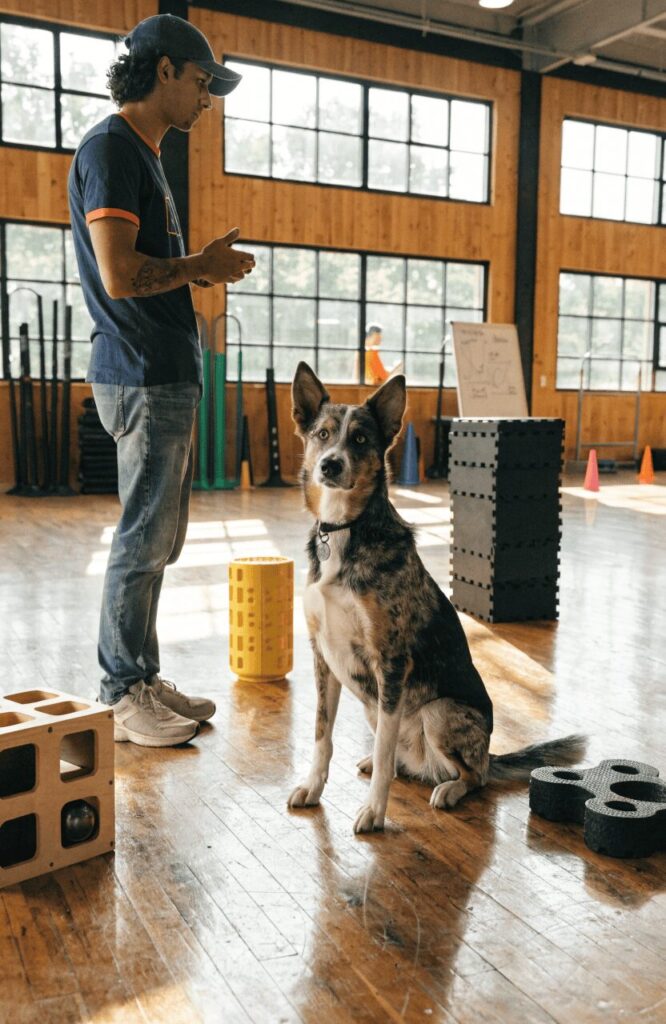
Not all dogs are equal when it comes to intelligence. Canine psychologist Stanley Coren studied hundreds of breeds and ranked them based on three things: how fast they learn new commands, how consistently they obey, and how well they solve problems on their own.
The smartest dogs can learn a new command in fewer than five repetitions and obey it more than 95% of the time. That is pretty impressive compared to the average dog, which needs 25 to 40 repetitions.
But intelligence in dogs goes beyond tricks and commands. Smart rescue dogs also show:
- Strong problem-solving ability
- High curiosity and alertness
- Excellent memory
- Emotional sensitivity to humans
- The ability to learn from watching others
Now, “rescue” has two meanings here. First, it refers to dogs used in professional search and rescue (SAR) missions — finding missing people, disaster survivors, and avalanche victims. Second, it refers to dogs available for adoption from shelters or rescue organizations. Many of the smartest breeds end up in both categories, and this guide explains exactly why.
2. Top 10 Smartest Rescue Dog Breeds
2.1 Border Collie
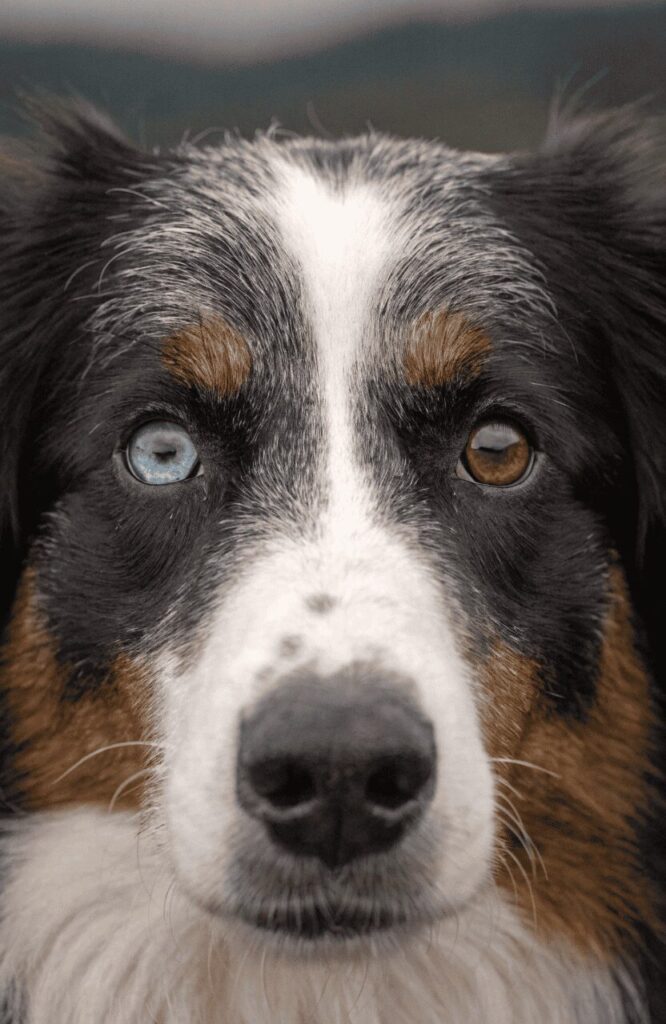
The Border Collie sits at the very top of nearly every dog intelligence ranking, and for good reason. Most Border Collies can learn a brand-new command in under five seconds. A famous Border Collie named Chaser learned the names of over 1,000 individual toys — a feat that stunned scientists worldwide.
In search and rescue, Border Collies excel at area searches, covering large amounts of ground quickly and efficiently. Their intense focus and work drive make them outstanding SAR partners.
However, that same brilliance makes them one of the most commonly surrendered breeds in shelters. Owners who are not prepared for their energy and mental needs often give them up. If you are thinking about adopting one, be ready to give them a serious job to do every single day.
2.2 German Shepherd
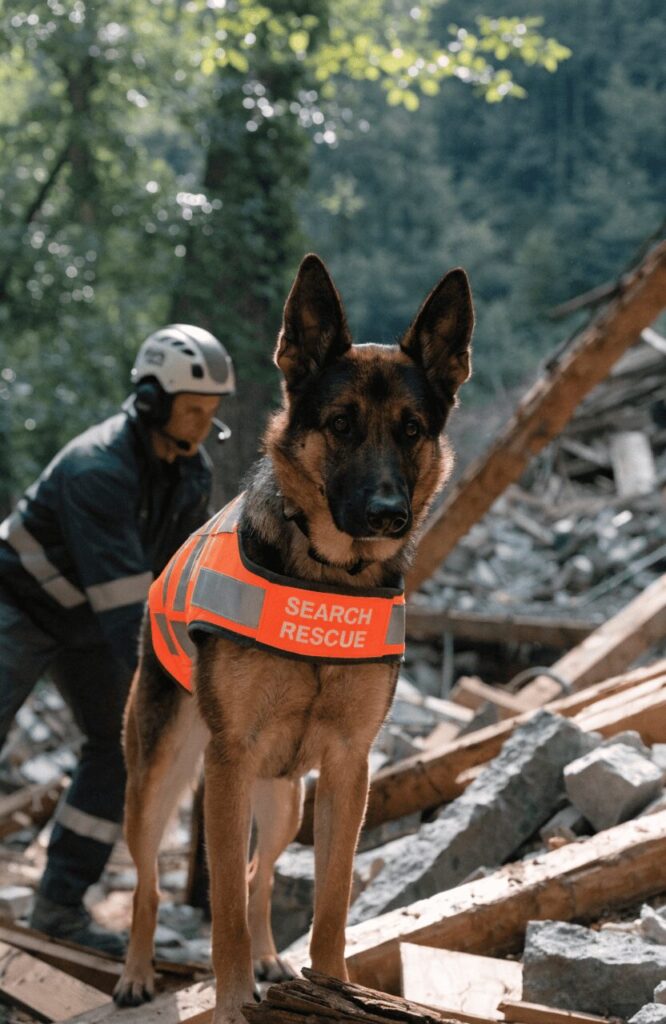
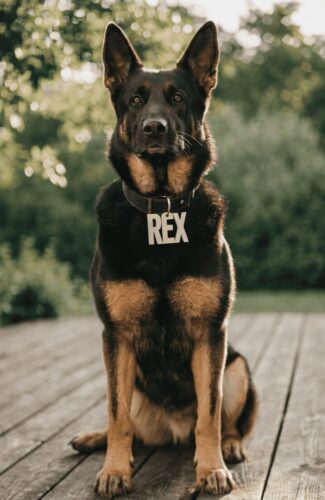
The German Shepherd is probably the most recognized working dog in the world. Police departments, military units, and search and rescue teams across the globe rely on them daily. They have a powerful nose, exceptional trainability, and the emotional stability needed to work in high-stress environments.
German Shepherds were actually the first breed used as guide dogs for the visually impaired. That alone tells you a lot about their intelligence and temperament.
They are also commonly found in shelters, often because owners underestimate how much exercise and mental stimulation they need. A bored German Shepherd can become destructive very quickly. With the right owner, though, they are one of the most loyal and capable companions you will ever find.
2.3 Labrador Retriever
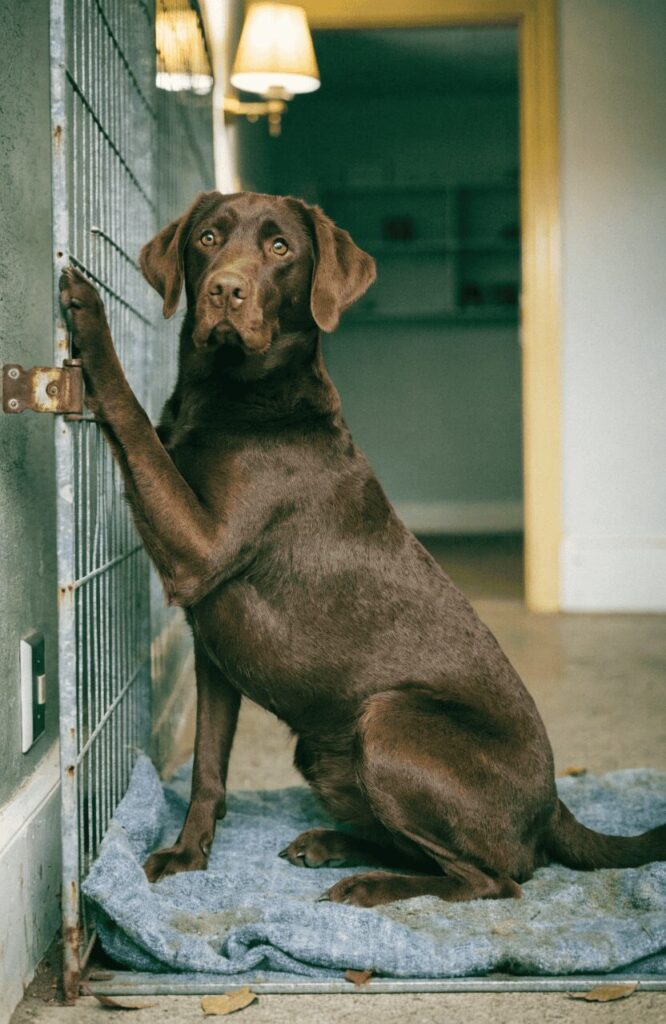
The Labrador Retriever is one of the most popular dog breeds in the world, and it earns that title for good reasons. Labs are warm, eager to please, and incredibly easy to train. They are used extensively in bomb detection, drug detection, therapy work, and search and rescue missions.
What makes Labs especially impressive in SAR work is their combination of a powerful nose and a calm, steady temperament. They do not get rattled easily, which is exactly what you need when searching for survivors in chaotic environments.
Labs are also one of the most commonly adopted dogs from shelters. They tend to adapt well to new homes, which makes them an excellent choice for first-time adopters looking for a smart rescue dog.
2.4 Belgian Malinois
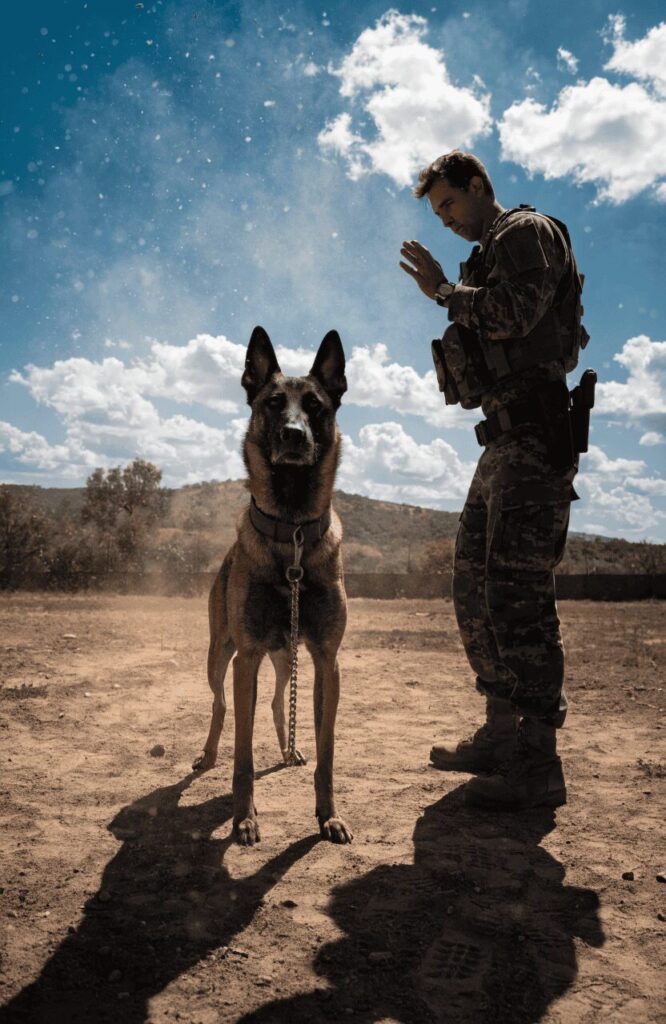
If you have ever watched a military or police dog demonstration, there is a good chance the dog you saw was a Belgian Malinois. This breed is lean, fast, and almost unnervingly focused. The U.S. military uses Malinois extensively for detecting explosives, tracking suspects, and search and rescue operations.
The Malinois learns extremely fast and has almost limitless energy. That combination makes them elite working dogs — but also incredibly challenging pets for unprepared owners. They are not a casual companion breed.
Because of this, many end up in rescues when families find they simply cannot keep up with them. Adopting a Malinois is a serious commitment that requires experience, space, and hours of daily activity.
2.5 Golden Retriever
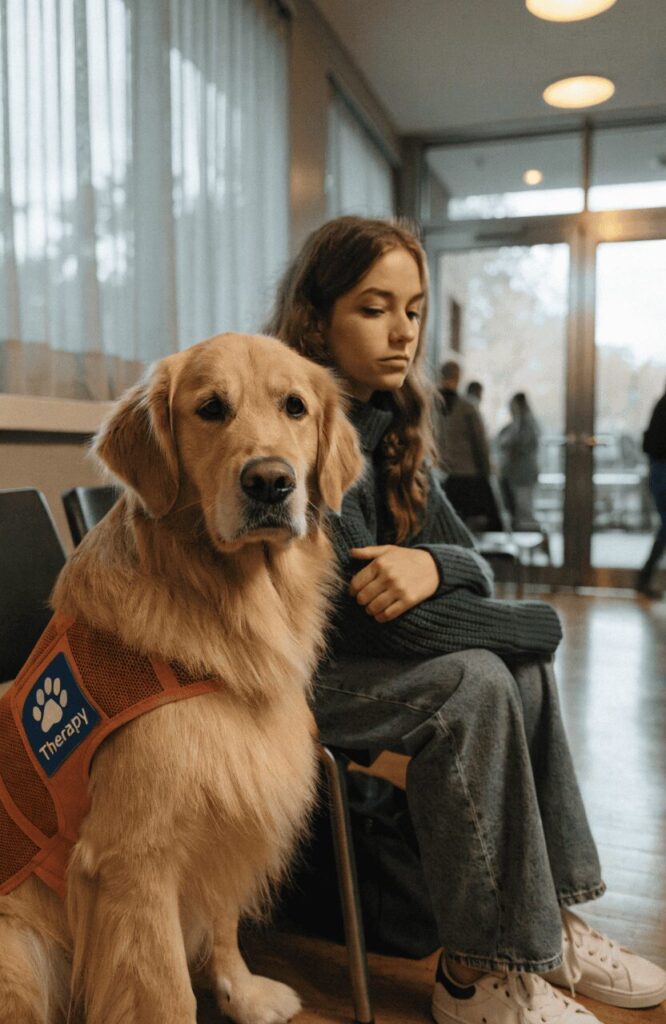
The Golden Retriever might surprise you on a list of smartest rescue dog breeds, but these dogs are genuinely exceptional. They consistently rank among the top breeds in obedience, agility, and therapy work. Their ability to read human emotions is almost uncanny.
In SAR operations, Goldens are widely used for wilderness searches and disaster response. Their friendly, calm nature also makes them ideal therapy dogs in hospitals and crisis situations.
Golden Retrievers found in shelters often come from families who could no longer care for them rather than behavioral problems, which means they tend to be well-adjusted and ready to bond quickly with a new family. You can learn more about training dogs with positive reinforcement to help a rescued Golden settle in faster.
2.6 Australian Shepherd
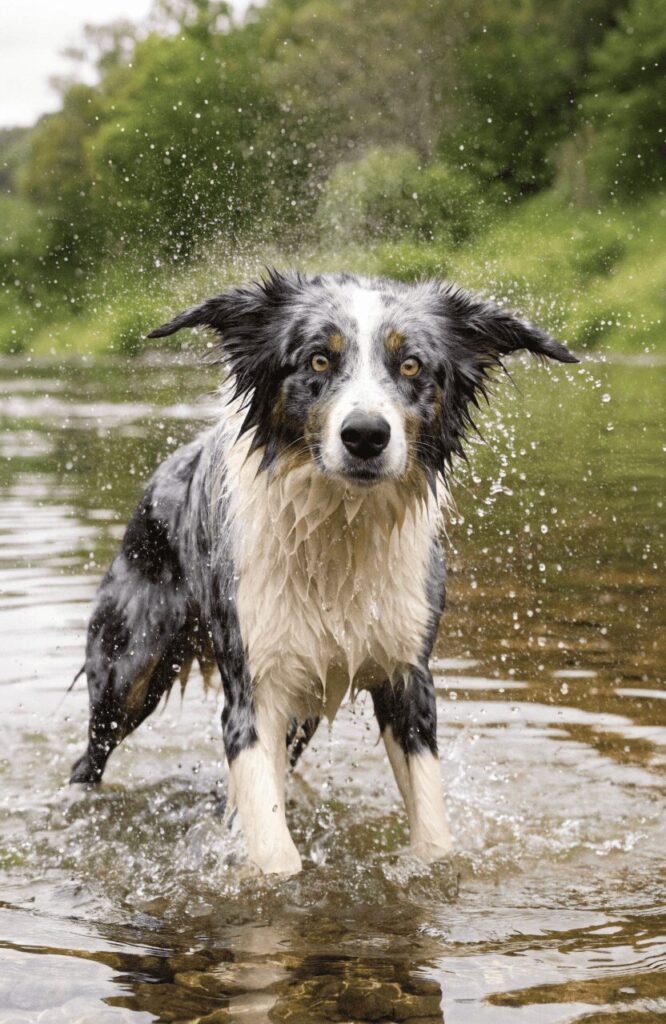
The Australian Shepherd is one of the most underrated breeds on this list. Often overshadowed by the Border Collie, Aussies are equally brilliant and just as energetic. They were bred to herd livestock all day across rough terrain, which means they are built for endurance, focus, and independent problem-solving.
Australian Shepherds are increasingly used in search and rescue teams, especially in wilderness and mountain environments. Their agility and stamina make them well-suited for rugged terrain.
Sadly, they are also one of the most common breeds in rescue shelters. Many people adopt them because of their beautiful coats without realizing just how demanding they are. An Aussie without a job to do will find one on its own — usually involving your furniture.
2.7 Bloodhound
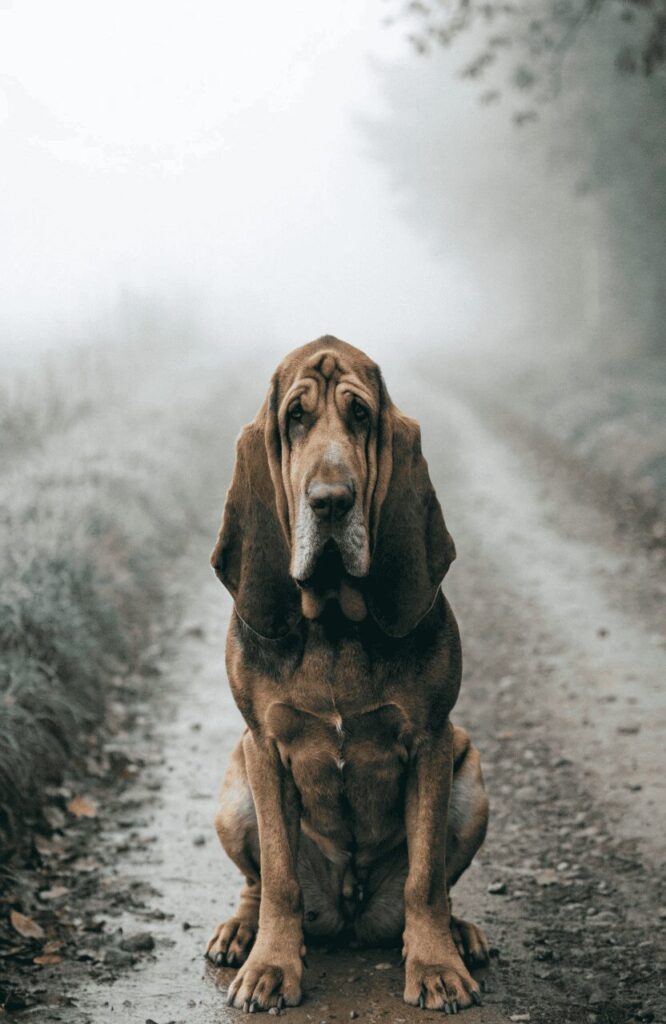
When it comes to scent tracking, no breed on earth rivals the Bloodhound. With over 300 million olfactory receptors — compared to about 5 million in humans — a Bloodhound can follow a trail that is several days old across more than 100 miles.
Law enforcement agencies use Bloodhounds to track missing persons, escaped inmates, and lost children with a success rate that no technology has yet managed to match. Their evidence is even admissible in court in many U.S. states.
Despite their elite nose, Bloodhounds are gentle, patient, and generally good-natured. They can be stubborn when a scent catches their attention, but with consistent proactive training, they make deeply loyal companions.
2.8 Standard Poodle
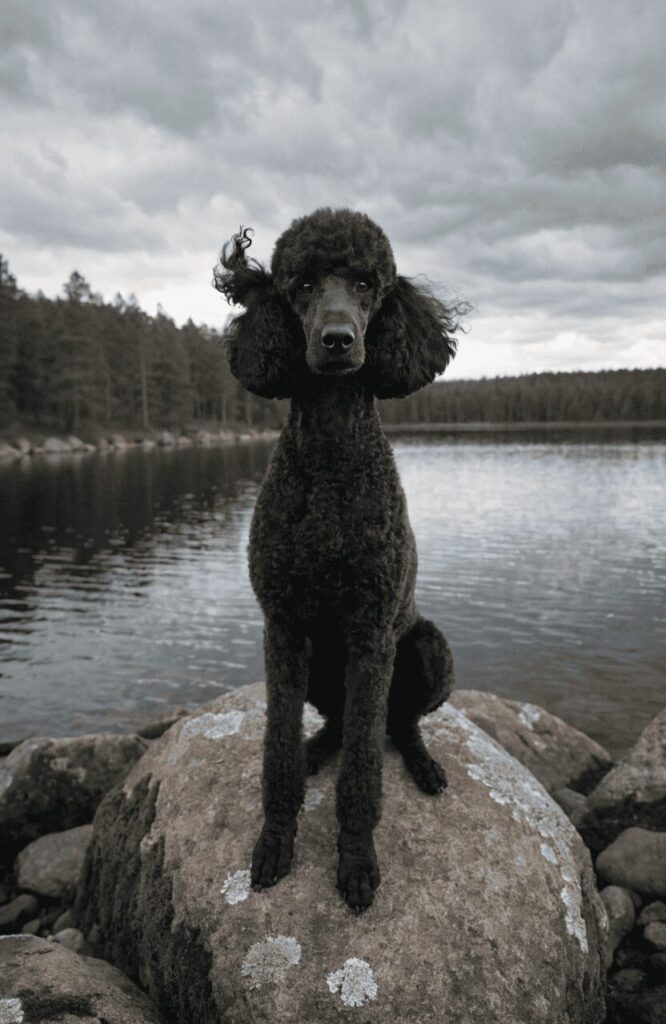
Most people think of fluffy show dogs when they hear “Poodle,” but the Standard Poodle is one of the most athletically and intellectually gifted breeds in existence. Poodles were originally bred as water retrievers — tough, capable working dogs.
Their intelligence is remarkable. Standard Poodles can learn complex command sequences, read human body language with impressive accuracy, and sometimes even anticipate what their owner is about to do before any gesture is made.
In rescue contexts, Standard Poodles have been trained for scent detection and are increasingly used as service dogs for people with medical conditions. They are also hypoallergenic, which makes them a practical choice for adopters with allergies.
2.9 Dobermann

The Dobermann is widely respected for its fierce intelligence and intense loyalty. Originally bred as a protection dog, the Dobermann has a natural ability to assess threats, follow complex instructions, and remain calm under pressure.
In working roles, Dobermanns serve in security, military, and police contexts. Their trainability is exceptional — they often master commands that would take other breeds weeks to learn, in just a few sessions.
They are also deeply affectionate with their families, which surprises many people who only see the intimidating exterior. A well-socialized Dobermann from a rescue can become an extraordinary family companion with the right guidance.
2.10 Shetland Sheepdog
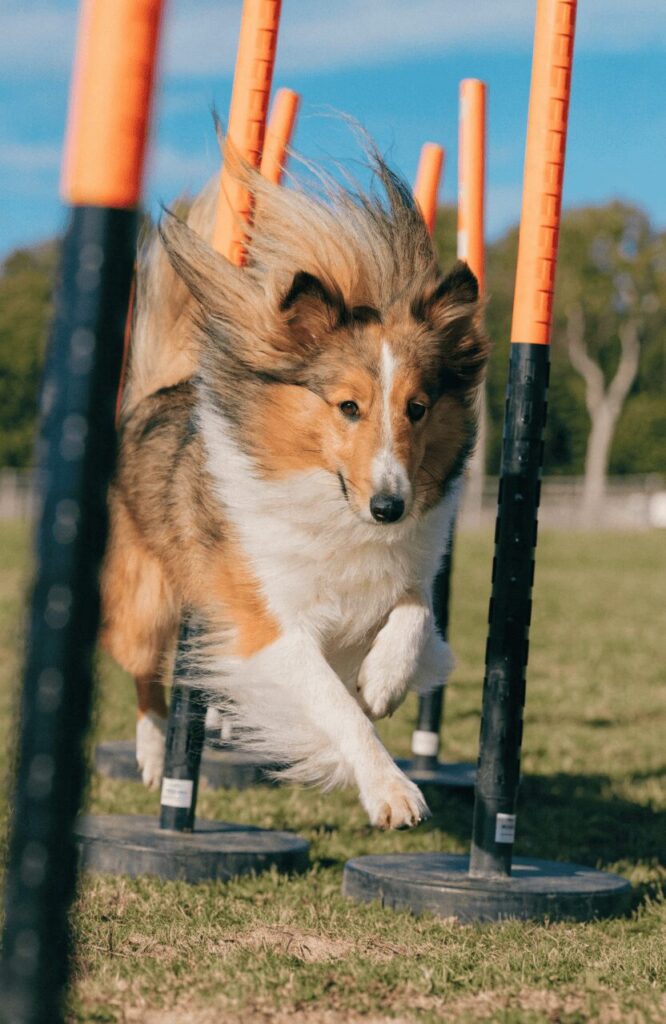
The Shetland Sheepdog, or Sheltie, looks like a miniature Lassie and acts like a tiny genius. They are among the fastest learners of any breed, often picking up new commands in fewer than five repetitions — matching the Border Collie in pure learning speed.
Shelties are alert, loyal, and endlessly devoted to their owners. Their herding instinct is so deeply wired that they have been known to try herding children and family members at home.
In rescue contexts, Shelties are excellent agility and obedience dogs. They are also one of the more commonly available intelligent breeds in shelters, making them a great option for adopters who want a highly trainable dog in a more manageable size.
3. Why Do Smart Dog Breeds End Up in Shelters?
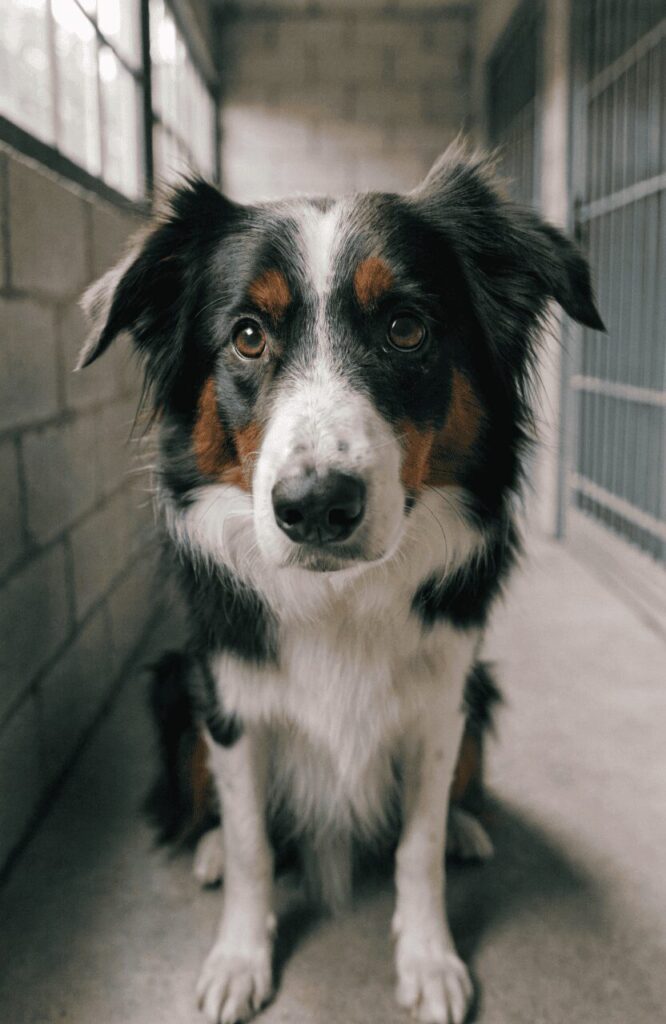
This is one of the most important things to understand about smart rescue dogs. Intelligence in dogs is a double-edged sword.
The same mental capacity that makes a Border Collie brilliant at herding or a German Shepherd exceptional at police work also makes them incredibly demanding as pets. When their minds are not engaged, things go wrong fast.
Here is what typically happens:
Boredom leads to destruction. Smart dogs that do not get enough mental and physical stimulation will find their own entertainment — chewing furniture, digging up yards, escaping enclosures, or barking non-stop.
Owners are not prepared. Many people adopt a beautiful Australian Shepherd or a sleek Belgian Malinois without researching what the breed actually needs. When reality sets in, the dog gets surrendered.
Behavioral issues get misread. A smart dog acting out from boredom is often labeled “aggressive” or “unmanageable” when the real problem is unmet needs. These dogs end up in shelters through no fault of their own.
Understanding this cycle is important for anyone considering adopting a highly intelligent breed. These dogs are not broken — they are just built for more than the average household provides. You can explore essential puppy training tips to get ahead of these challenges early.
4. What Makes a Smart Rescue Dog Great at Search and Rescue Work?

Search and rescue is one of the most demanding jobs any dog can perform. SAR dogs must work in chaotic, emotionally charged environments — collapsed buildings, dense forests, freezing mountain slopes — and remain focused the entire time.
The qualities that make the smartest rescue dog breeds exceptional at this work include:
Scenting ability. SAR dogs primarily locate people through scent. Breeds like Bloodhounds, German Shepherds, and Labs have powerful noses that can detect human scent even through rubble or water.
Trainability. SAR training takes months to years. A dog that learns quickly and retains commands reliably is essential. The breeds on this list can handle that level of sustained training.
Endurance and physical fitness. SAR missions can last hours or even days. Breeds with natural stamina — like the Belgian Malinois, Australian Shepherd, and Labrador Retriever — are especially suited for this.
Emotional stability. A dog that panics around loud noises, crowds, or strangers cannot function in a disaster zone. Smart breeds that are also emotionally steady — particularly German Shepherds, Goldens, and Labs — thrive in these environments.
Drive and motivation. The best SAR dogs genuinely love to work. They are not doing it because they have to — they are doing it because finding someone is deeply satisfying to them. That intrinsic motivation is hard to train; it is a natural trait of the smartest working breeds.
5. How to Tell If a Rescue Dog Is Highly Intelligent Before You Adopt
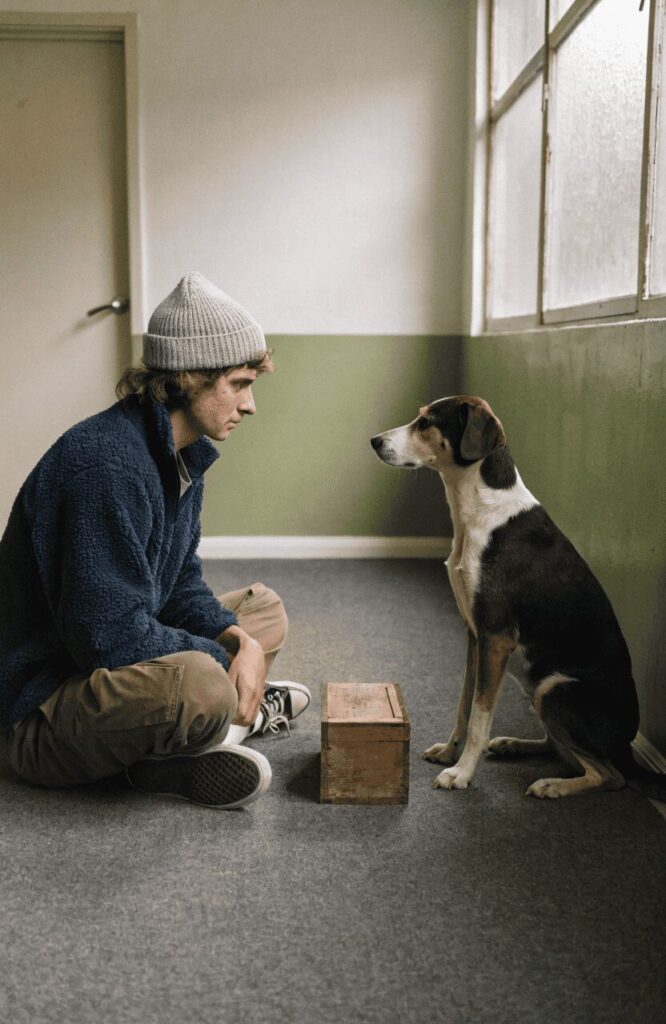
If you visit a shelter and want to spot a highly intelligent dog, here are some behavioral cues to watch for:
Problem-solving curiosity. Offer the dog a simple puzzle, like a treat tucked under a cup. A smart dog will immediately try different approaches to get to it rather than giving up.
Eye contact and focus. Highly intelligent dogs make and hold eye contact with humans. It shows they are tuned into you and reading your cues.
Fast learning during interaction. Say a simple word consistently, like “sit,” while gesturing. Smart dogs begin to make the connection quickly, even without formal training.
Alertness to environment. Intelligent dogs notice changes — a new person walking in, a sound from another room, an object moved in their space. They are always processing.
Emotional sensitivity. Smart dogs often mirror your emotional state. If you are calm, they settle. If you are excited, they perk up. This emotional mirroring is a sign of high social intelligence.
6. Tips for Training Smart Rescue Dogs at Home
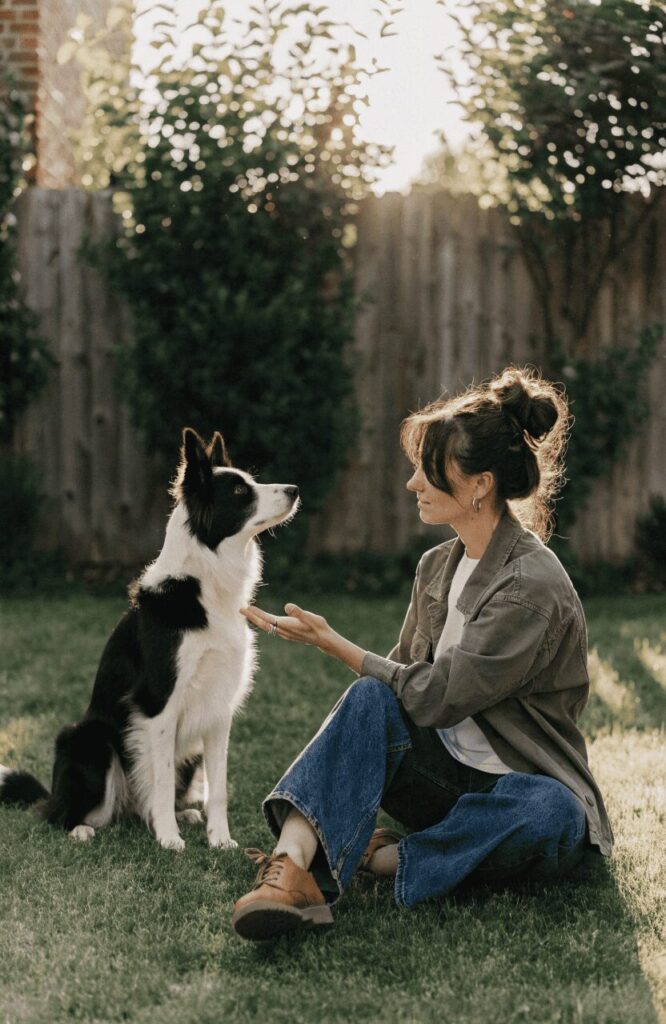
Bringing home a smart rescue dog is exciting, but it also requires a solid plan. Intelligent dogs need structure, consistency, and mental challenge every single day. Here is how to set them up for success:
Use positive reinforcement. Reward-based training works best with highly intelligent breeds. They respond exceptionally well to praise, treats, and play. Harsh corrections tend to backfire with smart dogs — they remember, and they may shut down or push back.
Keep sessions short and varied. Smart dogs get bored with repetition. Mix up commands, introduce new tasks, and keep training sessions to 10 to 15 minutes rather than long drills.
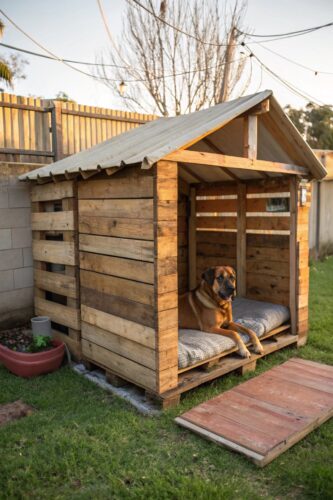
Give them a job. Even at home, smart dogs thrive when they have a purpose. This could be learning scent games, practicing agility in the backyard, or simply carrying a bag on walks. Check out ideas for a smart dog room to create a dedicated enrichment space.
Use puzzle toys and enrichment feeders. Mental stimulation between training sessions prevents boredom. Food puzzles, sniff mats, and Kongs stuffed with treats are simple but effective tools.
Build trust before pushing boundaries. Rescue dogs often carry past trauma. Smart dogs process that trauma deeply. Give them time to decompress before jumping into intensive training. Building trust first makes everything else faster and easier.
Stay consistent with routines. Intelligent dogs thrive on predictability. A consistent daily schedule for meals, walks, training, and rest helps them feel secure and focused. You might also find it helpful to understand why dogs do what they do to better read your rescue dog’s behavior signals.
Conclusion
The smartest rescue dog breeds are remarkable animals — capable of saving lives in disaster zones and equally capable of becoming your most devoted companion at home. From the Border Collie’s legendary learning speed to the Bloodhound’s unbeatable nose, each breed on this list brings something extraordinary to the table.
But intelligence comes with responsibility. These dogs need more than a bowl of food and a walk around the block. They need mental challenge, consistent training, and an owner who understands what they were built for.
Whether you are considering adopting a smart dog from a shelter or simply want to understand the breeds that make search and rescue possible, one thing is clear: these dogs deserve our very best — and when we give it to them, they give us back something truly extraordinary.

Izzy is an experienced ranch worker who has a passion for exploring nature and getting up close to wildlife. With her connections to various animal organizations, Izzy is well-versed in animal care and rehabilitation.