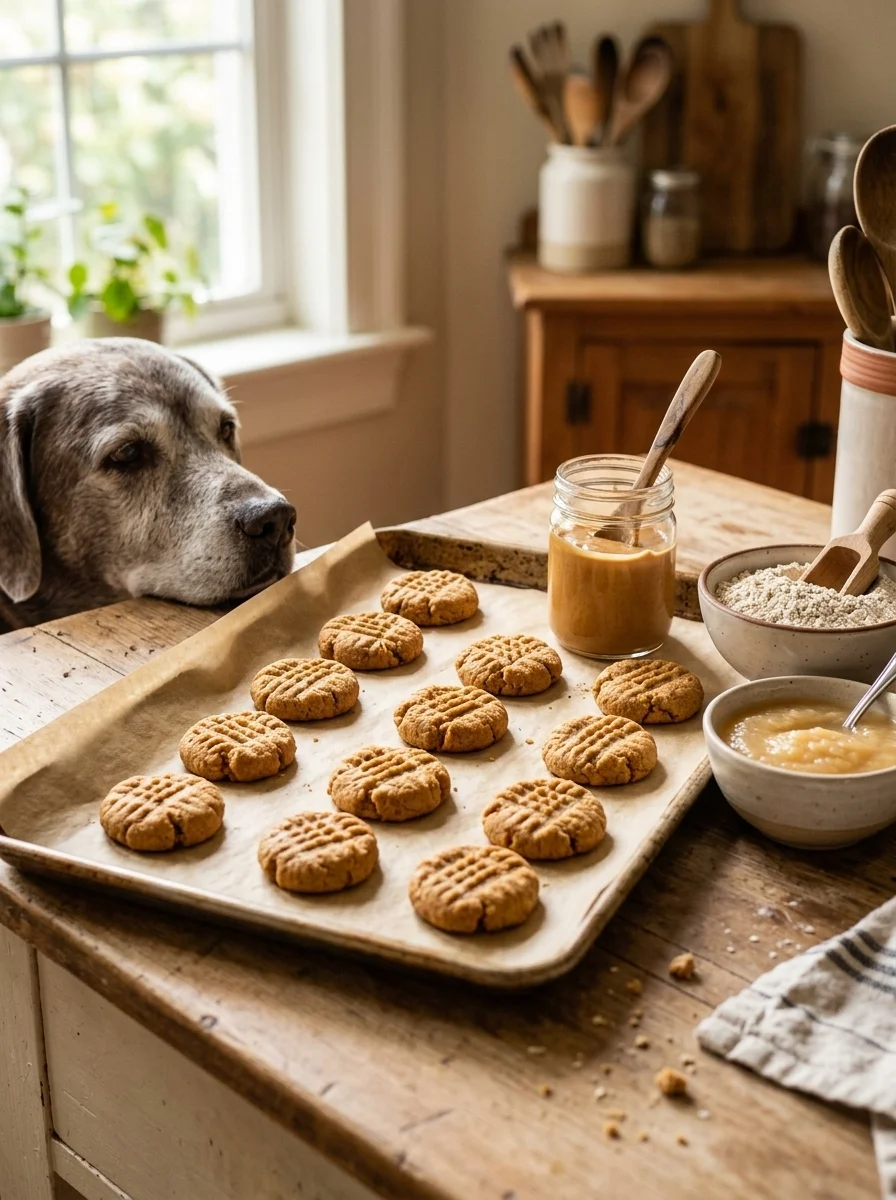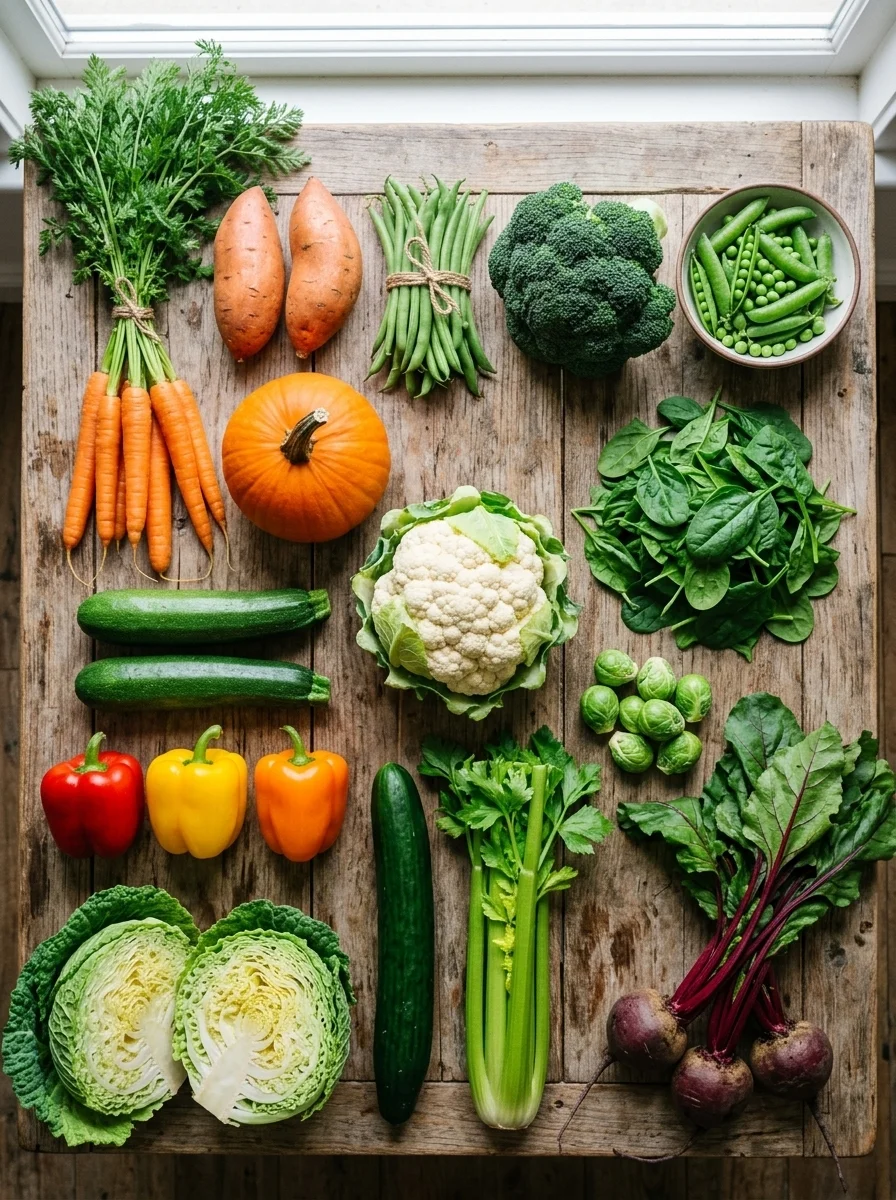
Senior Dog Food Toppers Recipes for Older Dogs
Older dogs can become more selective about food as they age. Some lose interest in their usual kibble, while others prefer softer textures that are easier to chew. A simple homemade topper can make an ordinary bowl more appealing without requiring you to completely change your dog’s regular diet.
These senior dog food toppers recipes are designed as small additions to a complete and balanced dog food. They include soft meats, pumpkin, sweet potato, rice, eggs, fish, vegetables, and other simple ingredients that are easy to prepare at home.
The recipes below use different textures and preparation methods, so you can choose something that matches your dog’s preferences. You will find spoonable toppers, soft mashes, smooth purées, a broth-based topper, a no-cook option, and a slow-cooker recipe for batch preparation.
Remember that a topper is an addition, not automatically a complete diet. Homemade toppers should generally remain a small part of the dog’s daily calories. Veterinary sources commonly recommend keeping treats and toppers to around 10% of daily calories so the main complete and balanced food remains the foundation of the diet. (American Kennel Club)
If your senior dog has kidney disease, diabetes, pancreatitis, heart disease, food allergies, or another medical condition, ask your veterinarian before introducing homemade toppers.
1. Soft Chicken and Pumpkin Topper
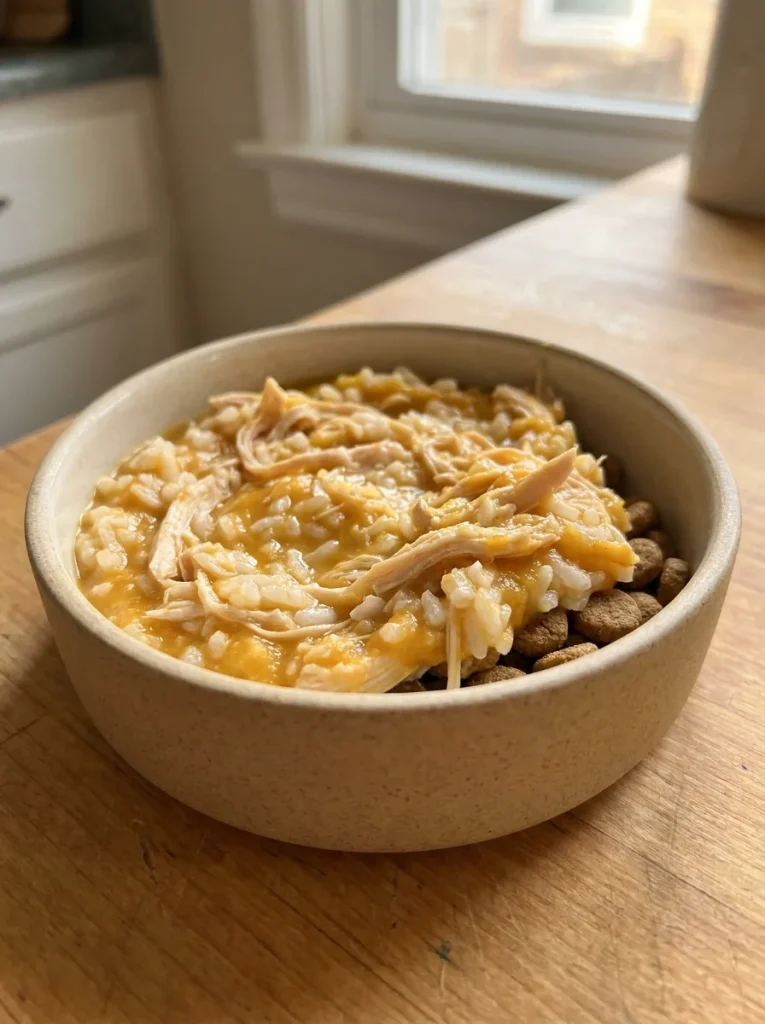
This is one of the easiest senior dog food toppers recipes to start with. Cooked chicken gives the topper a familiar meaty smell, while plain pumpkin adds moisture and creates a soft texture.
The finished mixture can be spooned directly over kibble or mixed into wet food. You can also add a little warm water if your dog prefers a softer consistency.
Recipe Card
Prep Time: 10 minutes
Cook Time: 15–20 minutes
Freeze Time: 2–3 hours, if freezing in portions
Yield: About 2 cups
Ingredients
- 1 cup cooked, skinless chicken breast
- ½ cup plain pumpkin purée
- ½ cup cooked white rice
- ¼ cup warm water, as needed
Instructions
- Cook the chicken thoroughly without salt, oil, onion, garlic, or seasoning.
- Allow the chicken to cool enough to handle safely.
- Shred or finely chop the chicken into small pieces.
- Cook the white rice until soft.
- Add the chicken, rice, and pumpkin to a bowl.
- Mash everything together with a fork.
- Add warm water a tablespoon at a time until you reach a soft, moist texture.
- Allow the topper to cool to room temperature before serving.
- Spoon a small measured amount over your dog’s normal food.
Notes
Use plain pumpkin purée rather than pumpkin pie filling. Pie filling can contain added sugar and spices that are not appropriate for dogs.
For an older dog with sensitive teeth, make the chicken pieces very small and mash the rice thoroughly. If your dog normally eats dry kibble, a little warm water can also soften the complete meal.
This recipe is best treated as a supplemental topper rather than a replacement for a nutritionally complete dog food.
2. Turkey, Rice, and Carrot Topper
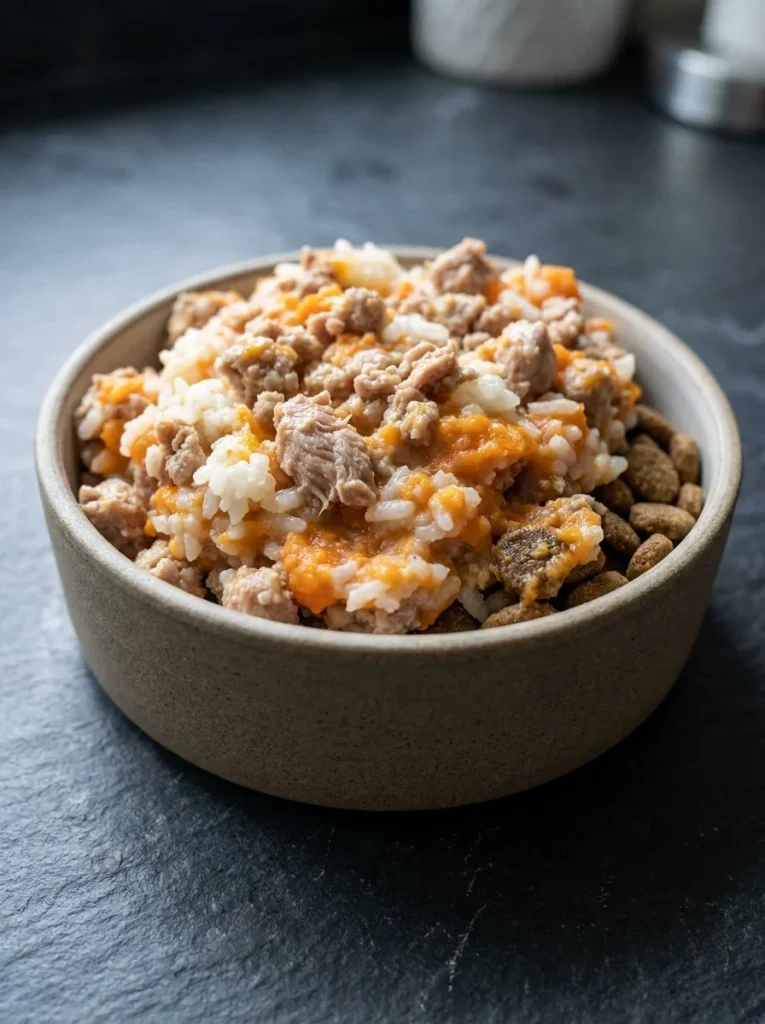
Turkey, rice, and soft carrots make a mild topper with a different flavor from the chicken recipe above. It is especially useful when your dog enjoys soft food but becomes bored with the same topper every day.
The key is to cook everything until tender. Senior dogs often appreciate foods that require less chewing, and softer ingredients can also be easier to mix with kibble.
Recipe Card
Prep Time: 10 minutes
Cook Time: 20–25 minutes
Freeze Time: 2–3 hours, if freezing in portions
Yield: About 2 cups
Ingredients
- 1 cup lean ground turkey
- ½ cup cooked white rice
- ½ cup cooked carrots
- ¼ cup warm water
Instructions
- Place the ground turkey in a plain skillet.
- Cook thoroughly, breaking the meat into very small pieces.
- Do not add salt, onion, garlic, butter, or seasoning.
- Drain excess fat after cooking.
- Cook the rice until soft.
- Steam or boil the carrots until they are very tender.
- Mash the carrots with a fork.
- Combine the turkey, rice, and carrots.
- Add warm water and stir until the mixture becomes moist and easy to spoon.
- Cool completely before adding a measured amount to your dog’s food.
Notes
Choose lean turkey when possible and remove excess visible fat. This is particularly sensible for dogs that need to watch their calorie intake.
If your dog prefers smoother food, mash the entire mixture rather than leaving larger pieces.
You can also add a little of the topper’s warm cooking water after it has cooled enough to handle. Extra moisture can make dry food more appealing, although the water should not contain salt or seasoning.
For senior dogs that are already eating a veterinary therapeutic diet, check with your veterinarian before routinely adding meat or other extras.
3. Beef and Sweet Potato Mash
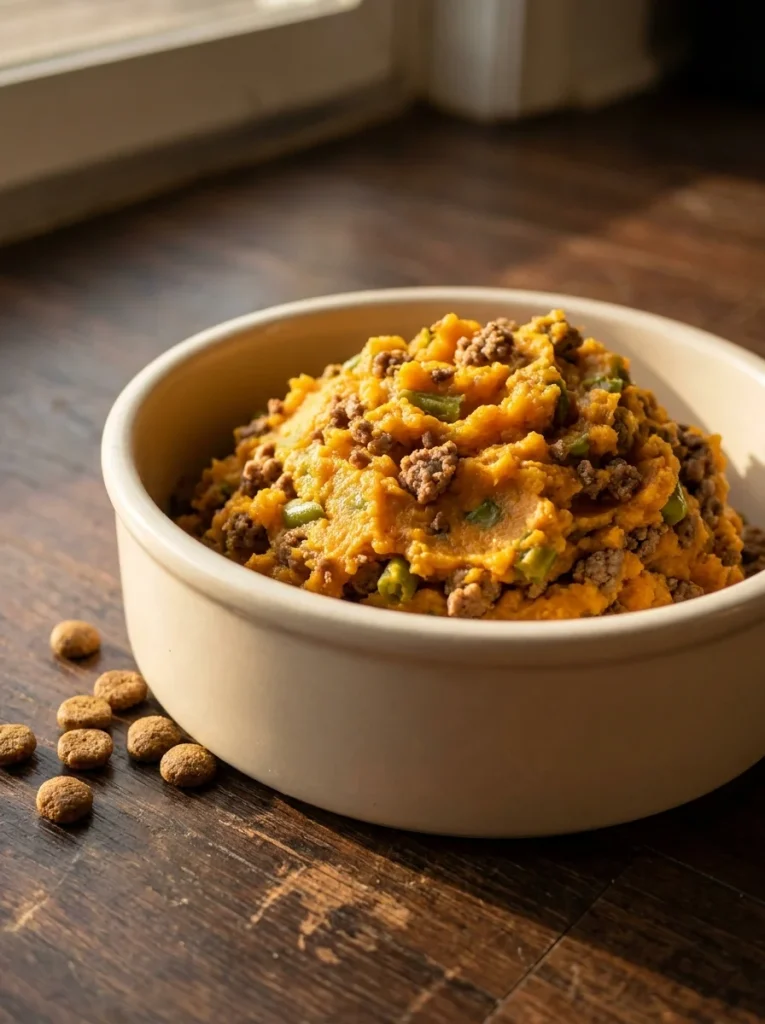
Some older dogs simply prefer a stronger meat aroma. This beef and sweet potato mash provides a soft, hearty texture while keeping the preparation straightforward.
Sweet potato needs to be cooked until completely tender. Once mashed, it can bind the cooked beef together without requiring a thick sauce.
Recipe Card
Prep Time: 10 minutes
Cook Time: 20–30 minutes
Freeze Time: 2–3 hours, if freezing in portions
Yield: About 2 cups
Ingredients
- 1 cup lean ground beef
- ¾ cup cooked sweet potato
- ¼ cup cooked green beans
- ¼ cup warm water
Instructions
- Peel and cut the sweet potato into small pieces.
- Boil or steam it until completely soft.
- Cook the ground beef thoroughly in a plain skillet.
- Drain excess fat from the beef.
- Cook the green beans until soft.
- Chop the green beans into very small pieces.
- Mash the sweet potato with a fork.
- Combine the beef, sweet potato, and green beans.
- Add warm water if the mixture is too thick.
- Stir until the topper has a soft, spoonable consistency.
- Cool before serving.
Notes
Lean beef is preferable to very fatty ground beef. Senior dogs can have lower calorie requirements, so adding large quantities of fatty meat can make it surprisingly easy to overfeed them.
If your dog has a history of pancreatitis or another condition where dietary fat needs to be restricted, ask your veterinarian before using this recipe. Low-fat food choices may be important for dogs with pancreatic disease. (Vca)
For dogs with dental discomfort, mash the green beans into the sweet potato instead of leaving pieces.
4. Salmon and Pumpkin Topper
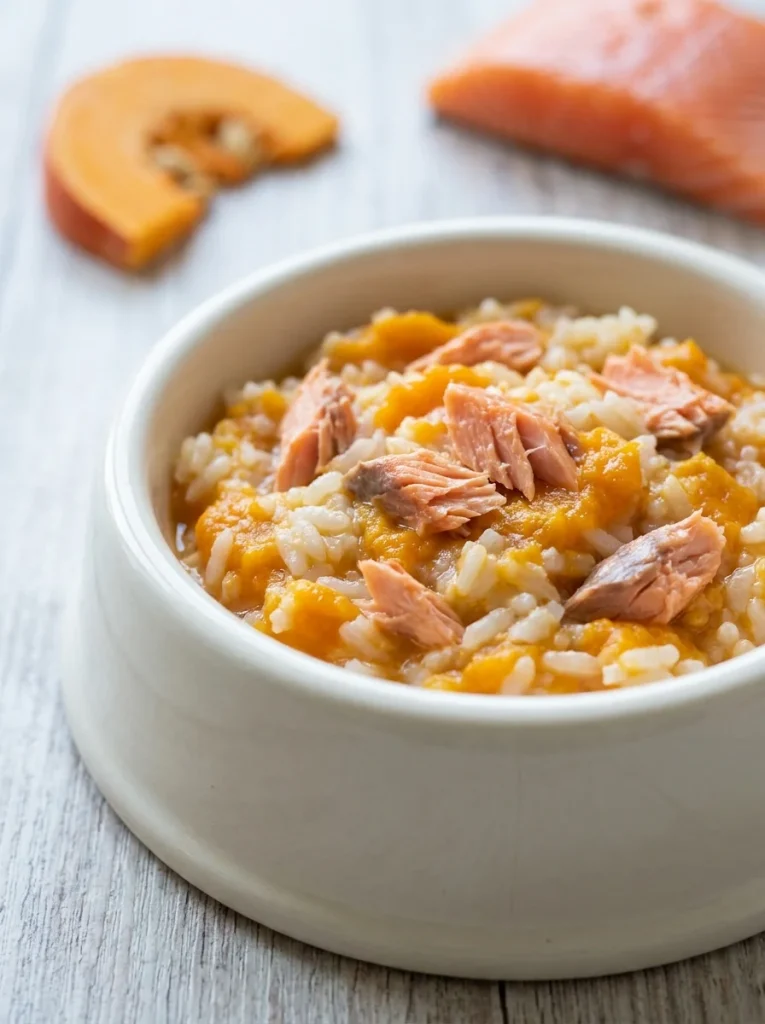
Salmon gives this topper a completely different flavor and texture. It also works well for dogs that enjoy fish more than poultry or beef.
Use plain cooked salmon or canned salmon packed in water without added salt. If using fresh salmon, carefully remove the skin and every visible bone before mixing.
Recipe Card
Prep Time: 10 minutes
Cook Time: 15–20 minutes
Freeze Time: 2–3 hours, if freezing in portions
Yield: About 1½–2 cups
Ingredients
- 1 cup fully cooked salmon, carefully checked for bones
- ½ cup plain pumpkin purée
- ½ cup cooked white rice
- ¼ cup warm water, as needed
Instructions
- Cook the salmon thoroughly without seasoning.
- Allow it to cool.
- Check the salmon carefully for bones.
- Flake the salmon into very small pieces.
- Cook the rice until soft.
- Combine salmon, rice, and pumpkin.
- Mash gently with a fork.
- Add warm water if you want a thinner consistency.
- Cool the mixture completely.
- Add a small measured portion to your dog’s regular food.
Notes
Never assume that a cooked fish fillet is completely bone-free just because it was sold as a fillet. Check it carefully before serving.
If using canned salmon, choose plain salmon in water and check the label for added salt or other ingredients.
This topper should not be used as a way to treat arthritis, cognitive decline, or another medical condition. Although certain nutrients can be useful in a dog’s diet, toppers should not replace veterinary treatment for a diagnosed problem. (American Kennel Club)
5. Egg and Oatmeal Soft Topper
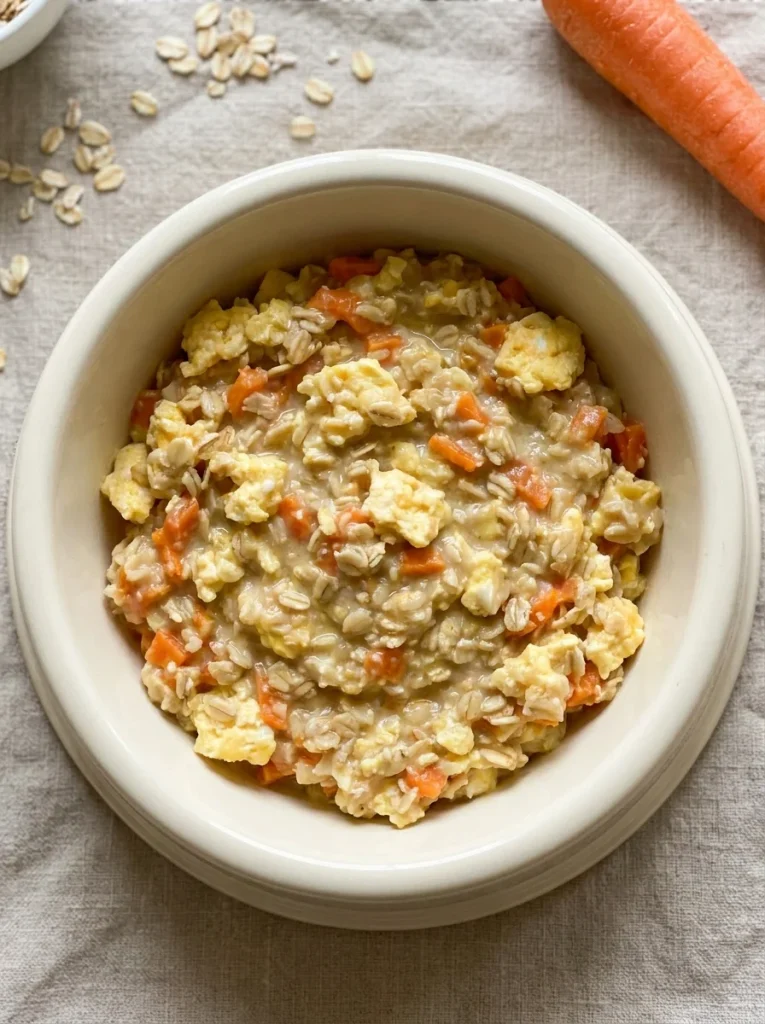
This recipe is useful when you want something quick and inexpensive. Egg and oatmeal create a soft mixture that can be prepared in a single small pan.
The oatmeal should be fully cooked and plain. Do not use flavored instant oatmeal containing sugar, spices, sweeteners, or other additives.
Recipe Card
Prep Time: 5 minutes
Cook Time: 10–12 minutes
Freeze Time: 1–2 hours, if freezing in portions
Yield: About 1½ cups
Ingredients
- 2 plain eggs
- ½ cup plain rolled oats
- 1 cup water
- ¼ cup cooked carrot, finely mashed
Instructions
- Add the oats and water to a small saucepan.
- Cook over low to medium heat until the oats become soft.
- Beat the eggs separately.
- Slowly add the beaten eggs to the cooked oatmeal.
- Stir continuously until the eggs are completely cooked.
- Add the mashed carrot.
- Stir everything together.
- Allow the mixture to cool completely.
- Spoon a small amount over your dog’s regular meal.
Notes
Do not add salt, sugar, butter, milk, cinnamon, or flavored oatmeal.
The finished topper should be soft rather than dry. If it becomes too thick, add a little plain warm water after cooking.
Because eggs and oats still provide calories, this should be counted as part of your dog’s daily extras rather than being treated as calorie-free food.
If your dog has previously reacted badly to eggs or another ingredient in this recipe, choose a different topper.
6. Chicken and Vegetable Purée
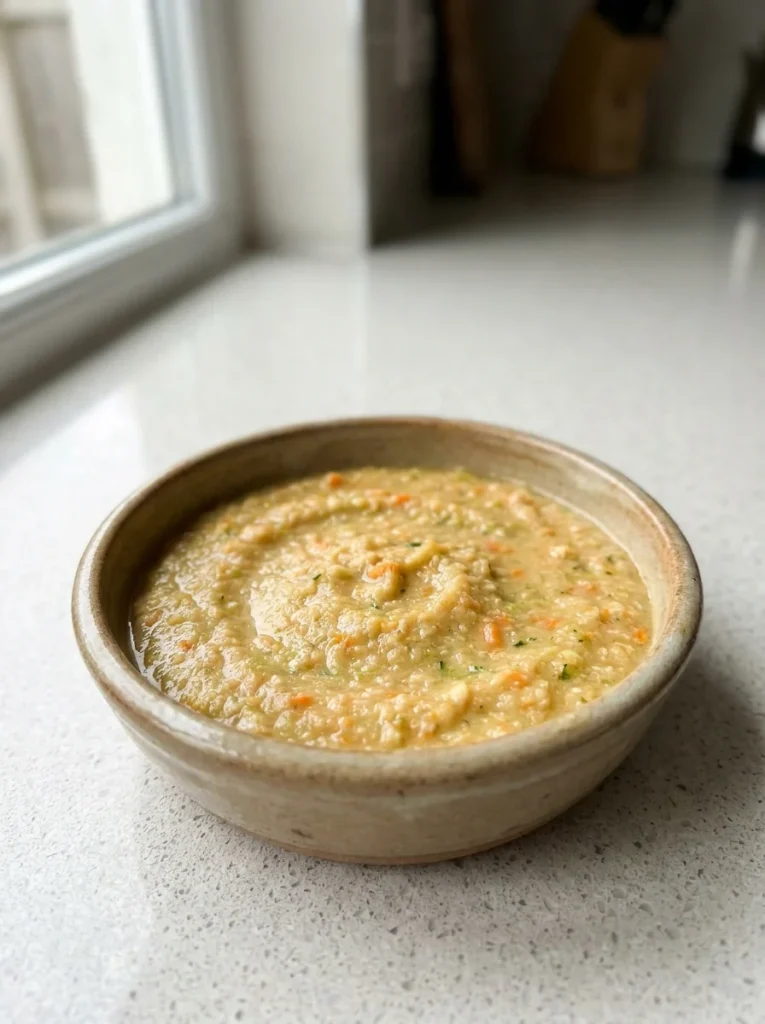
A smooth purée can be particularly convenient for an older dog that struggles with harder or chunky foods. Instead of asking your dog to chew pieces of meat and vegetables, everything is blended into a soft mixture.
This is also a good way to add moisture to dry food.
Recipe Card
Prep Time: 15 minutes
Cook Time: 20 minutes
Freeze Time: 2–3 hours, if freezing in portions
Yield: About 2 cups
Ingredients
- 1 cup cooked, skinless chicken breast
- ½ cup cooked carrots
- ½ cup cooked zucchini
- ½ cup warm water
Instructions
- Cook the chicken thoroughly without seasoning.
- Steam or boil the carrots until very soft.
- Cook the zucchini until tender.
- Cut the chicken and vegetables into small pieces.
- Add everything to a food processor or blender.
- Add half of the warm water.
- Blend until smooth.
- Add more water gradually until the purée reaches your preferred consistency.
- Allow it to cool before serving.
- Mix a small amount into your dog’s regular food.
Notes
The final texture should be smooth enough to lick easily but not so watery that it separates immediately.
This format can be useful for dogs that have difficulty chewing, but difficulty eating can also signal dental pain or another health problem. If an older dog suddenly struggles to chew food, a veterinary examination is more appropriate than simply changing the food texture.
You can also spread a thin layer of the purée over kibble and let it soften for a few minutes before serving.
If you regularly prepare homemade foods for your dog, remember that a simple topper is different from a complete homemade diet. Long-term homemade diets need careful nutritional formulation. (American Kennel Club)
7. Homemade Chicken Broth Gel Topper
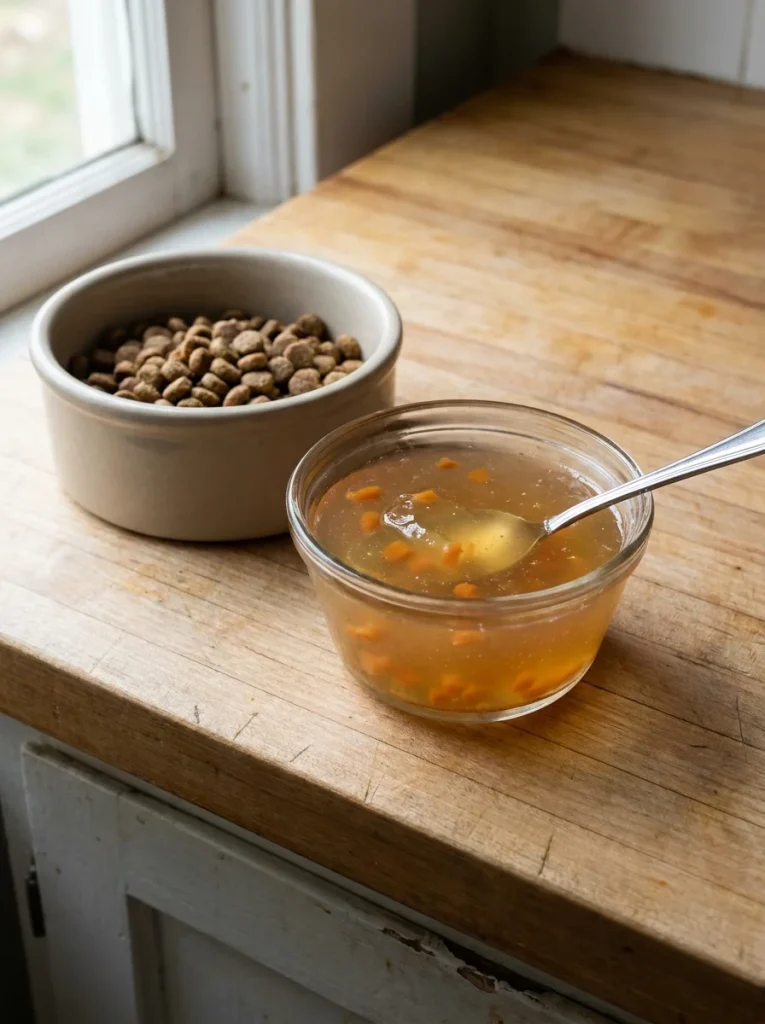
Not every topper needs to be a solid mixture. A plain chicken broth topper is useful when your main goal is to add moisture and aroma to a meal.
When chilled, a properly prepared broth may become slightly gelatinous. You do not need to make a concentrated bone broth or add supplements to create a useful topper.
Recipe Card
Prep Time: 10 minutes
Cook Time: 45–60 minutes
Freeze Time: 2–4 hours, if freezing in portions
Yield: About 2–3 cups
Ingredients
- 2 skinless, boneless chicken breasts
- 4 cups water
- ½ cup finely chopped carrot
Instructions
- Place the chicken and water in a saucepan.
- Bring the water to a gentle boil.
- Reduce the heat and simmer until the chicken is completely cooked.
- Add the carrot during the final portion of cooking and cook until very soft.
- Remove the chicken.
- Strain the liquid carefully.
- Allow the broth to cool.
- Refrigerate it until completely chilled.
- Remove any solid fat that rises to the surface.
- Store the broth in a clean covered container.
- Warm a small portion gently before serving if your dog prefers warm food.
Notes
Do not add onion, garlic, salt, seasoning, or stock cubes.
You can shred a small amount of the cooked chicken and mix it into the broth if you want a thicker topper.
Another option is to freeze the broth in small portions and thaw one portion when needed. Never serve it piping hot. Warm or room-temperature food is safer for your dog’s mouth.
Adding water or plain broth can sometimes make food more appealing, and VCA notes that a small amount of warm water can also release aromas from dry food. (Vca)
This recipe is intentionally simple. There is no need to add concentrated supplements, oils, or large quantities of fat just because the broth is being used for a senior dog.
8. Sardine and Sweet Potato Topper
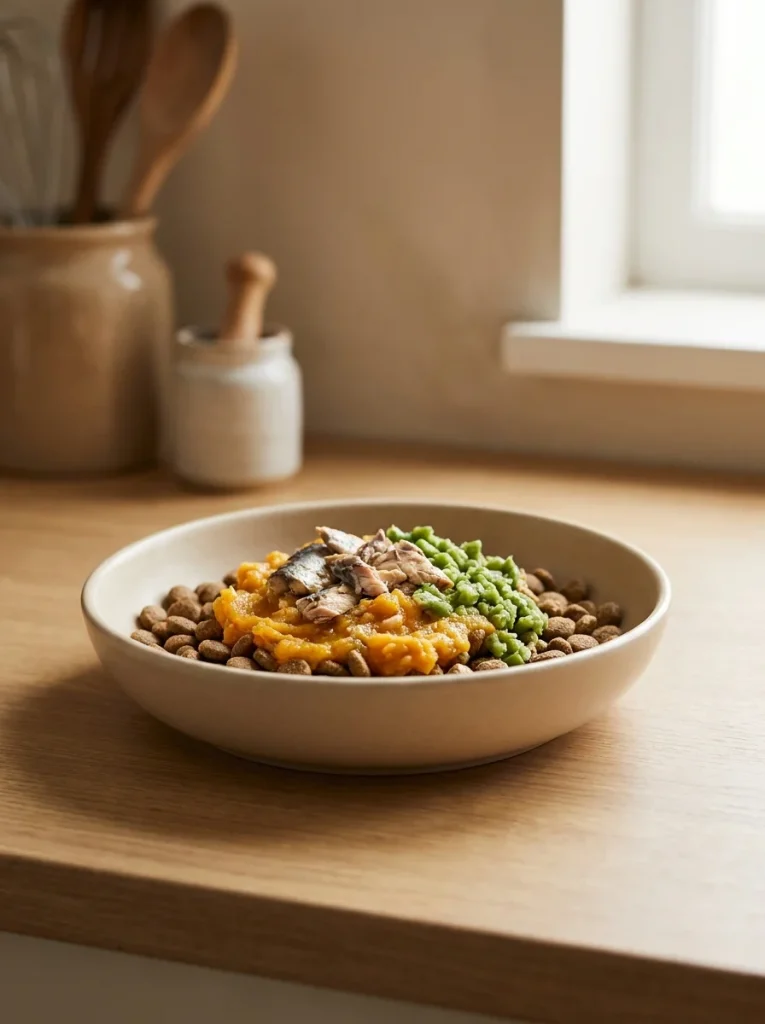
Sardines provide a strong smell that can attract dogs who have become less enthusiastic about ordinary food. Sweet potato softens the mixture and makes it easy to spoon over kibble.
Because sardines can be salty depending on how they are packaged, choose a plain product and check the label carefully.
Recipe Card
Prep Time: 10 minutes
Cook Time: 20 minutes
Freeze Time: 2–3 hours, if freezing in portions
Yield: About 1½ cups
Ingredients
- 1 small can of sardines packed in water, with no added seasoning
- ¾ cup cooked sweet potato
- ¼ cup cooked green beans
- ¼ cup warm water, as needed
Instructions
- Drain the sardines.
- Check them carefully for bones that may be unusually large or hard.
- Cook the sweet potato until completely soft.
- Steam the green beans until tender.
- Mash the sweet potato.
- Flake the sardines into small pieces.
- Finely chop or mash the green beans.
- Combine all three ingredients.
- Add warm water if necessary.
- Stir until soft and evenly mixed.
- Cool before serving.
Notes
Sardines have a strong aroma, so you may need only a small amount to make a meal smell more interesting.
Do not use sardines packed in spicy sauce, tomato sauce containing unsafe seasonings, or heavily salted preparations.
If your dog has never eaten sardines before, introduce a small amount first and watch for digestive upset.
This is a topper, not a complete fish-based diet. Keep the amount modest and continue feeding your dog’s nutritionally complete main food.
9. Cottage Cheese and Pumpkin No-Cook Topper
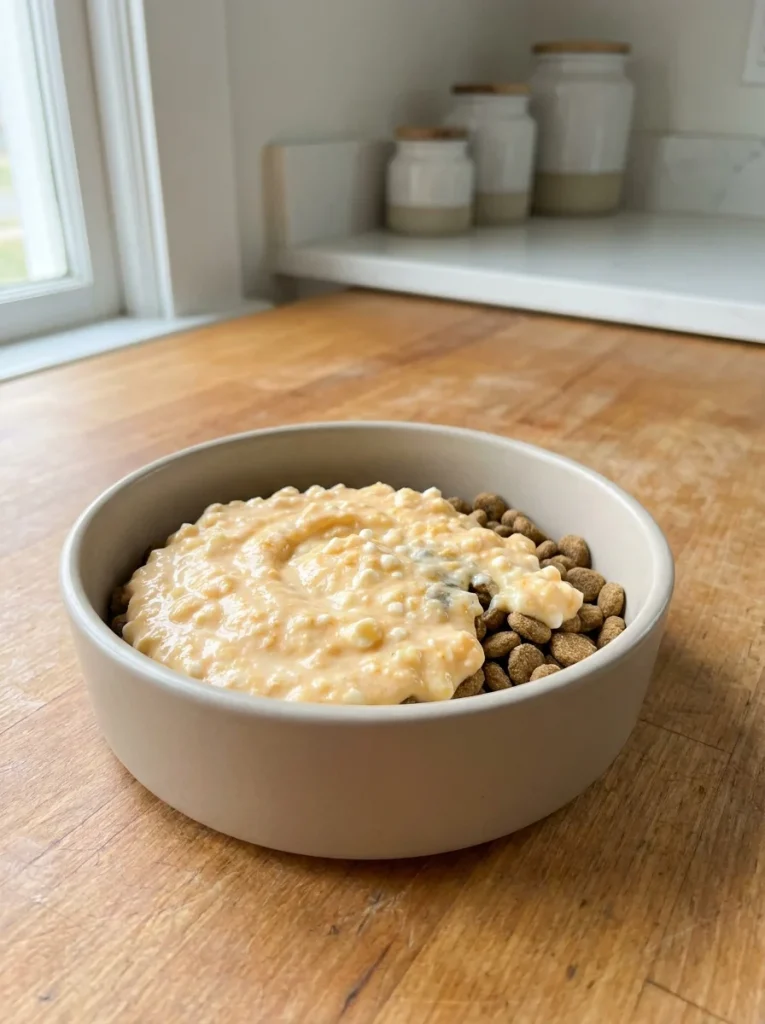
When you do not have time to cook meat, this simple no-cook option takes only a few minutes.
The texture is creamy and soft, making it easy to mix into dry food. It can also be useful for dogs that dislike chunky toppings.
Recipe Card
Prep Time: 5 minutes
Cook Time: None
Freeze Time: Not required
Yield: About 1 cup
Ingredients
- ½ cup plain low-fat cottage cheese
- ½ cup plain pumpkin purée
Instructions
- Add the cottage cheese to a clean bowl.
- Add the pumpkin purée.
- Mash together with a fork.
- Continue mixing until reasonably smooth.
- Add a small measured portion to your dog’s normal food.
- Refrigerate the unused mixture promptly.
Notes
Choose plain cottage cheese without added herbs, spices, sauces, or flavorings.
Because dairy products do not suit every dog, introduce this topper gradually. Stop using it if your dog develops digestive upset.
A lower-fat option may be preferable for dogs that need to control dietary fat, but dogs with medical conditions should follow their veterinarian’s dietary recommendations rather than general topper advice. VCA specifically notes that low-fat foods may be appropriate in some dogs with pancreatic disease. (Vca)
This recipe is intentionally small because it is a supplemental food. You do not need to cover the entire bowl with cottage cheese and pumpkin.
10. Slow-Cooker Chicken and Vegetable Topper
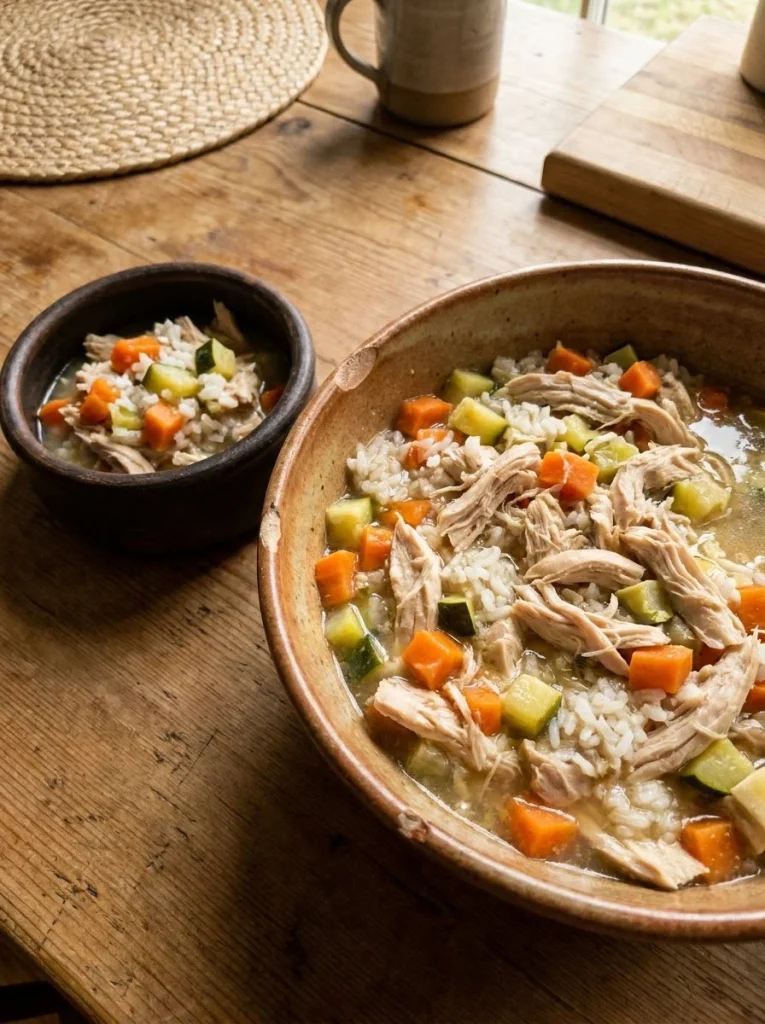
If you want to prepare several days of toppers at once, a slow cooker makes the process simple.
This recipe produces very tender chicken and vegetables that can be mashed together or left slightly chunky. It is especially convenient for households that prefer to prepare food in batches.
Recipe Card
Prep Time: 15 minutes
Cook Time: 4–6 hours on low
Freeze Time: 2–4 hours for individual portions
Yield: About 5–6 cups
Ingredients
- 2 pounds boneless, skinless chicken breast
- 1 cup carrots, chopped
- 1 cup zucchini, chopped
- 1 cup cooked white rice
- 2 cups water
Instructions
- Place the chicken in the slow cooker.
- Add the chopped carrots and zucchini.
- Add the water.
- Cover and cook on low until the chicken is completely cooked and tender.
- Remove the chicken and allow it to cool enough to handle.
- Shred the chicken into small pieces.
- Check that there are no unwanted pieces of bone or other debris.
- Return the chicken to the cooked vegetables and cooking liquid.
- Stir in the cooked rice.
- Mash some of the vegetables with a fork if you want a softer consistency.
- Allow the mixture to cool completely.
- Divide it into small portions before refrigerating or freezing.
Notes
Do not add onion, garlic, salt, seasoning, butter, or stock cubes.
For easier portion control, divide the finished topper into small containers or silicone freezer portions. This prevents you from repeatedly estimating how much food you are adding to each meal.
Refrigerate the amount you expect to use soon and freeze the remainder promptly.
The slow-cooker recipe is still a topper, not a nutritionally complete replacement for your dog’s regular food. If you want to feed a homemade diet as the primary diet rather than as a small addition, veterinary nutritional formulation is important because simply combining meat, vegetables, and carbohydrates does not guarantee complete nutrition. (Vca)
How to Add Homemade Toppers to Senior Dog Food
Once you have a recipe prepared, the next question is how much to put in the bowl.
Start small.
A topper should enhance your dog’s regular meal rather than become most of the meal. A spoonful may be enough for a small dog, while a larger dog may tolerate a larger measured amount. The correct amount depends on the dog’s size, calorie requirements, existing diet, activity level, and health.
Veterinary guidance commonly places treats and toppers at no more than about 10% of total daily calories. The important part is that this is a calorie limit, not simply 10% of the bowl by volume. (American Kennel Club)
If your dog receives training treats, dental treats, table scraps, or other snacks during the same day, those calories also count.
For example, if your dog already receives several treats during walks, you should not assume that an additional large portion of homemade topper is automatically appropriate.
A simple routine is to prepare the topper, divide it into consistent portions, and use approximately the same amount at each meal.
You can mix the topper directly into kibble. For dogs that prefer softer food, add a little warm water and let the meal sit briefly before serving.
Do not serve food that is extremely hot.
If your senior dog has suddenly become picky, do not keep adding increasingly exciting ingredients every time the dog refuses the regular meal. A sudden appetite change can sometimes be a sign of dental discomfort, gastrointestinal problems, pain, or another health issue.
Instead, monitor the change and speak with your veterinarian if it persists.
Why Senior Dogs May Benefit From Food Toppers
The biggest practical advantage of a topper is often palatability.
An older dog may be perfectly capable of eating its normal food but simply become less interested in it. Adding a small amount of moist, aromatic food can make the bowl more appealing.
Toppers can also increase moisture.
This can be useful for dogs that enjoy wet food or softer meals, although a topper should never be considered a substitute for providing fresh drinking water.
Another advantage is texture.
Some senior dogs prefer soft foods because chewing dry or hard pieces has become less comfortable. A mash or purée can make the eating experience easier.
However, difficulty chewing should not automatically be blamed on old age. Dental disease is common in dogs, and a dog that suddenly avoids hard food deserves attention.
Toppers also provide variety. Chicken one day and pumpkin-based food another day may make meals more interesting without requiring you to completely change the dog’s regular diet.
There is also a practical benefit for picky eaters. A small amount of a strongly aromatic ingredient can make a familiar meal more attractive.
VCA notes that toppers can be used to improve palatability and that examples include gravies, broths, meats, vegetables, mashed sweet potato, shredded chicken, and rice. (Vca)
Still, more food is not automatically better.
A topper that contains too many calories can contribute to weight gain. This matters particularly for senior dogs because some older dogs become less active and may require fewer calories.
Senior dogs should also have their body condition monitored rather than simply being fed based on appetite. If your dog is gaining or losing weight unexpectedly, discuss the change with your veterinarian.
What Ingredients Should You Avoid?
Homemade food gives you control over the ingredients, but that also means you are responsible for leaving out unsafe ones.
The easiest rule is to keep homemade dog toppers plain.
Avoid onion and garlic, including powdered versions. These ingredients can appear in foods that seem harmless, such as prepared broths, sauces, gravies, and seasoning mixes.
Avoid grapes and raisins, chocolate, xylitol, macadamia nuts, and other known toxic foods. The American Kennel Club specifically lists chocolate, xylitol, avocado, grapes, raisins, onions, garlic, and macadamia nuts among potentially unsafe ingredients for dogs. (American Kennel Club)
Do not add salt simply to make the recipe taste better.
Dogs do not need human-style seasoning on their food.
Avoid cooked bones as well. Even if you are making a broth, remove bones and strain the liquid carefully before serving.
Be cautious with fatty leftovers.
A piece of plain cooked meat is very different from greasy table scraps covered in butter, gravy, sauces, or seasoning.
This is especially important for dogs with a history of pancreatitis or other conditions where fat intake needs to be controlled. (Vca)
Also avoid assuming that an ingredient is beneficial simply because it is natural.
Homemade does not automatically mean balanced.
If you want to feed a homemade diet as your dog’s primary food, work with a veterinarian or veterinary nutritionist rather than simply increasing the number of homemade ingredients.
How to Store Homemade Dog Food Toppers
Good storage is just as important as good ingredients.
After cooking, allow the topper to cool appropriately and place it in a clean, covered container. Refrigerate portions that you plan to use soon.
For larger batches, freezing can make preparation easier.
Divide the food into individual portions before freezing. Small containers, freezer-safe bags, or appropriately sized silicone molds can all work.
The advantage of individual portions is convenience.
Instead of repeatedly opening a large container, you can take out only the amount you need.
Label frozen portions with the recipe name and preparation date. This is especially useful if you regularly make more than one topper.
Thaw frozen food safely in the refrigerator rather than leaving it sitting at room temperature for long periods.
Before serving, check the food’s smell and appearance. If something looks or smells spoiled, discard it.
Do not keep repeatedly warming and cooling the same large batch.
A better approach is to remove one portion, warm it gently if needed, and return the remaining portions to cold storage.
If your dog eats only a small amount of topper each day, freezing is often more practical than preparing a large refrigerated batch.
How Much Topper Should You Give a Senior Dog?
There is no single spoonful that is correct for every senior dog.
A 5-pound dog and a 70-pound dog have very different calorie requirements. A sedentary senior dog may also need fewer calories than a highly active adult dog.
That is why topper portions should be based on the dog’s overall diet rather than simply on the amount that fits comfortably in the bowl.
As a general guideline, treats and toppers should account for no more than about 10% of daily calories, with the remaining calories coming from the dog’s complete and balanced main food. (Vca)
This also means you should count all extras.
If your dog gets biscuits in the morning, training treats during a walk, dental chews at night, and a homemade topper at dinner, all of those extras contribute calories.
For a dog that needs a calorie-controlled diet, ask your veterinarian how much room there is for toppers.
Weight should also be monitored over time.
If you notice that your dog is gradually gaining weight after introducing homemade toppers, reduce the extras and discuss appropriate portions with your veterinarian.
Likewise, unexplained weight loss should not simply be handled by adding increasingly calorie-dense toppers. A senior dog that is losing weight without an obvious reason should be evaluated.
When to Talk to Your Veterinarian
Homemade toppers can be useful, but they should not hide a medical problem.
Talk with your veterinarian if your senior dog suddenly stops eating or has a major change in appetite.
The same applies if your dog is losing weight, vomiting, developing persistent diarrhea, drinking much more than usual, or showing signs of pain.
Difficulty chewing also deserves attention.
A dog that previously ate crunchy kibble but suddenly wants only soft food may have dental disease or another painful problem.
Do not assume that making the food softer solves the underlying issue.
Dogs with diagnosed kidney disease, liver disease, diabetes, pancreatitis, heart disease, food allergies, or other chronic conditions may need carefully controlled diets. A homemade topper that is perfectly reasonable for one dog may not be appropriate for another.
This is especially important with senior dogs because several health conditions can occur at the same time.
Your veterinarian can also help determine whether your dog’s normal food should be changed rather than simply covered with increasingly large amounts of topper.
A topper should make a good diet more appealing, not compensate for a diet that is unsuitable for the dog’s medical needs.
Final Thoughts
These senior dog food toppers recipes give you several simple ways to make an older dog’s regular meals more appealing.
The chicken and pumpkin topper is an easy starting point, while turkey and rice offers a mild alternative. Beef and sweet potato creates a hearty mash, salmon and pumpkin provides a fish-based option, and egg and oatmeal is useful when you need something quick.
For dogs that prefer very soft food, the chicken and vegetable purée is easy to mix into a meal. The broth topper adds moisture, while sardine and sweet potato provides a stronger aroma for dogs that are difficult to tempt. Cottage cheese and pumpkin requires no cooking, and the slow-cooker chicken recipe is convenient when you want to prepare several portions at once.
The most important thing is moderation.
Keep the topper portion small, use plain ingredients, avoid unsafe foods, and make sure your dog’s complete and balanced main food remains the foundation of the diet.
If your senior dog’s appetite, weight, chewing ability, or digestion changes suddenly, treat that as a reason to investigate rather than simply adding more toppings.
A well-chosen topper can make mealtime more enjoyable for an older dog. The goal is not to create an elaborate homemade meal every day. It is to provide a simple, safe, appropriately sized addition that helps your senior dog enjoy a nutritious regular diet.
Izzy is an experienced ranch worker who has a passion for exploring nature and getting up close to wildlife. With her connections to various animal organizations, Izzy is well-versed in animal care and rehabilitation.