Homemade Cheesecake for Dogs Recipe: Creamy, No-Bake & Easy
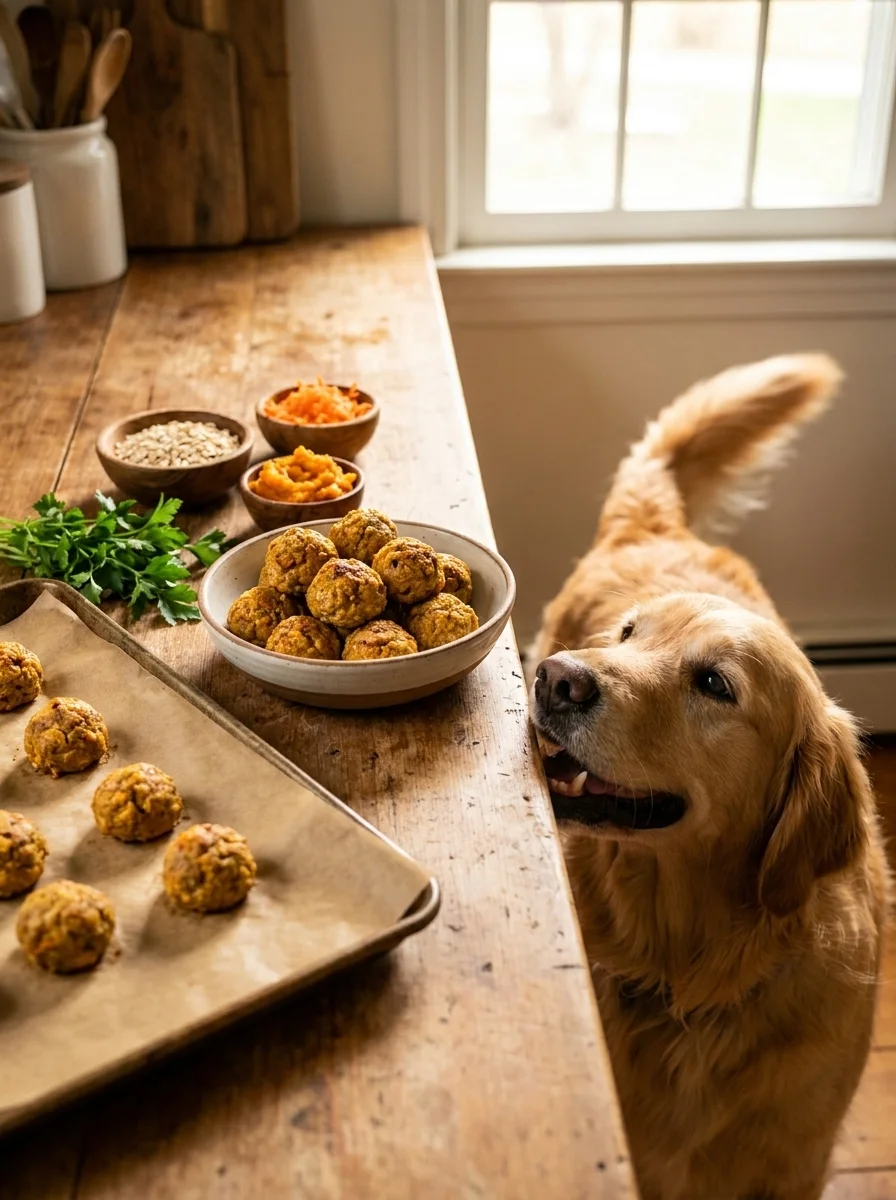
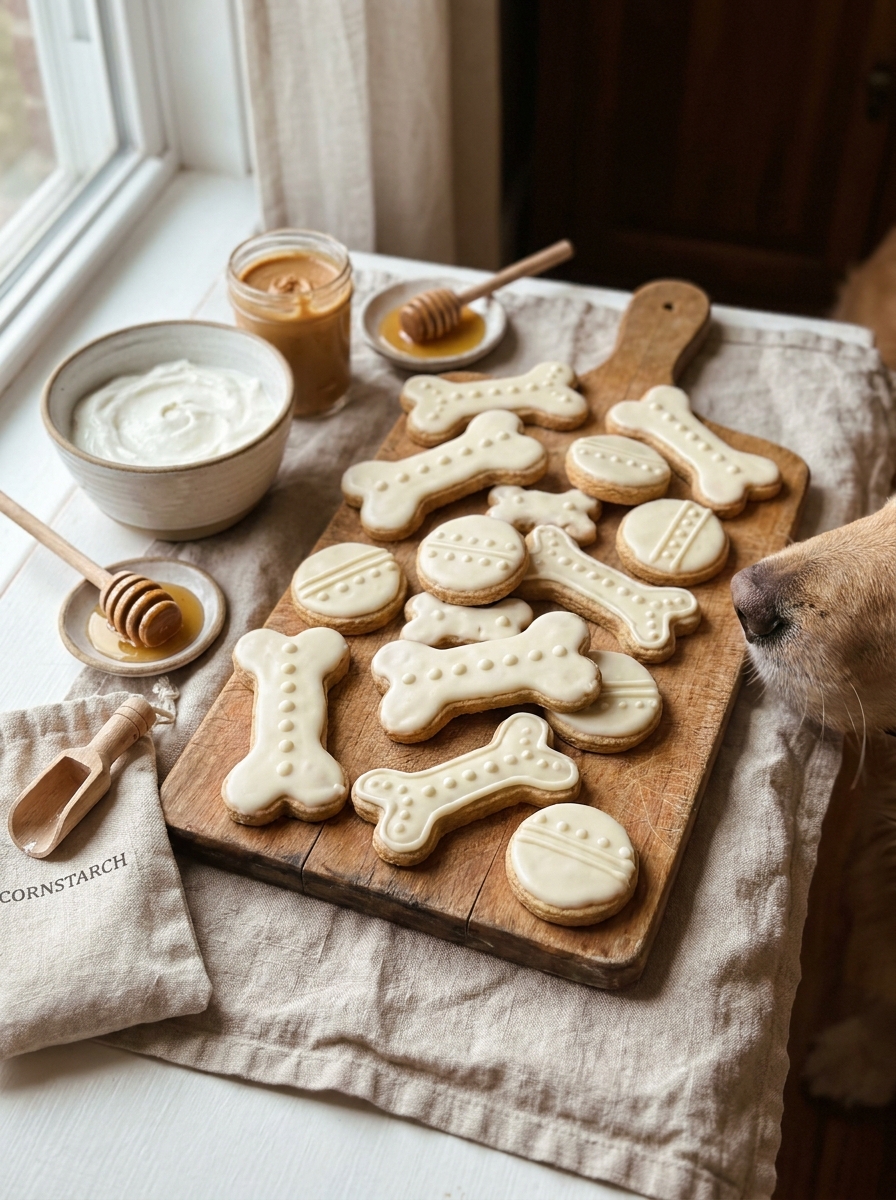
Cheesecake is a staple in human kitchens, so it’s natural that owners wonder whether their pups can share in the creamy flavor. The answer is yes, as long as you use the right ingredients and scale the portions down to dog size. You’ll be making a soft, protein-rich treat that’s safe for most healthy adult dogs, not a rich dessert plate. If you want another quick, no-bake protein snack to try alongside this, this recipe for cottage cheese works beautifully in the same spirit. It’s all about swapping out human-sugar-heavy recipes for dog-safe versions that still feel indulgent on your dog’s face.
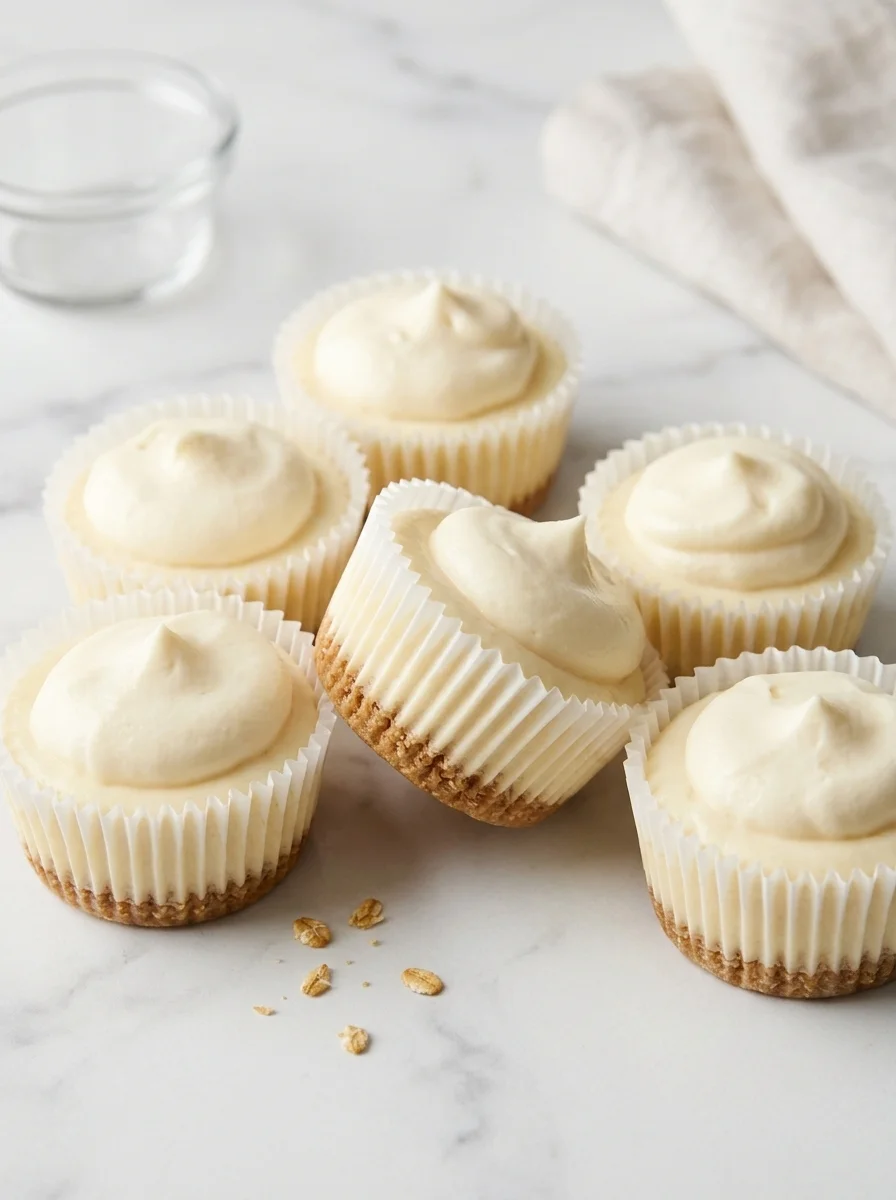
The trick is to skip the sugar, heavy cream, and vanilla extracts that can sit heavy in a dog’s stomach, and instead lean on Greek yogurt, cream cheese, and a little fruit. You’ll also skip the sugar-based crusts and reach for oat flour instead, which adds gentle fiber. Because we’re working with a muffin tin here, the entire batch makes six small mini cheesecakes, each roughly the size of a dog biscuit. That keeps the portions from turning into a calorie bomb.
Why Cheesecake Works for Dogs
Dogs can handle small amounts of dairy when it’s plain and low-sugar. Greek yogurt adds live cultures that support gut health, and cream cheese contributes protein and a bit of fat that’s easy to digest for most adult dogs. Oat flour is a mild, gluten-free-ish grain (oats are naturally low in gluten and generally well-tolerated), and it binds the crust without needing butter-heavy pastry or sugar. Lemon juice is a safe, tiny amount of acidity that adds flavor and keeps the texture fresh.
The key is moderation. Cheesecake is rich, so even in dog-safe form it should be an occasional treat, not a daily thing. One mini cheesecake is the right ballpark for most dogs, and two or three should be plenty for a really good day. If your dog has lactose sensitivities or a known dairy intolerance, you can reduce the cream cheese and increase the Greek yogurt, which many dogs handle more easily. If you’re exploring a broader range of dairy-based treats, try a batch of homemade cheese dog treats for variety, but keep the portions small.
The no-bake method also makes it practical: you don’t need to bake, and the chilling time does the work of setting the texture for you. That means you can make a batch in under an hour of active time, then let the fridge finish the job while you go about your day. It’s a smart way to make something that feels special but is genuinely safe when you stay dog-focused.
Recipe 1: Classic No-Bake Cheesecake
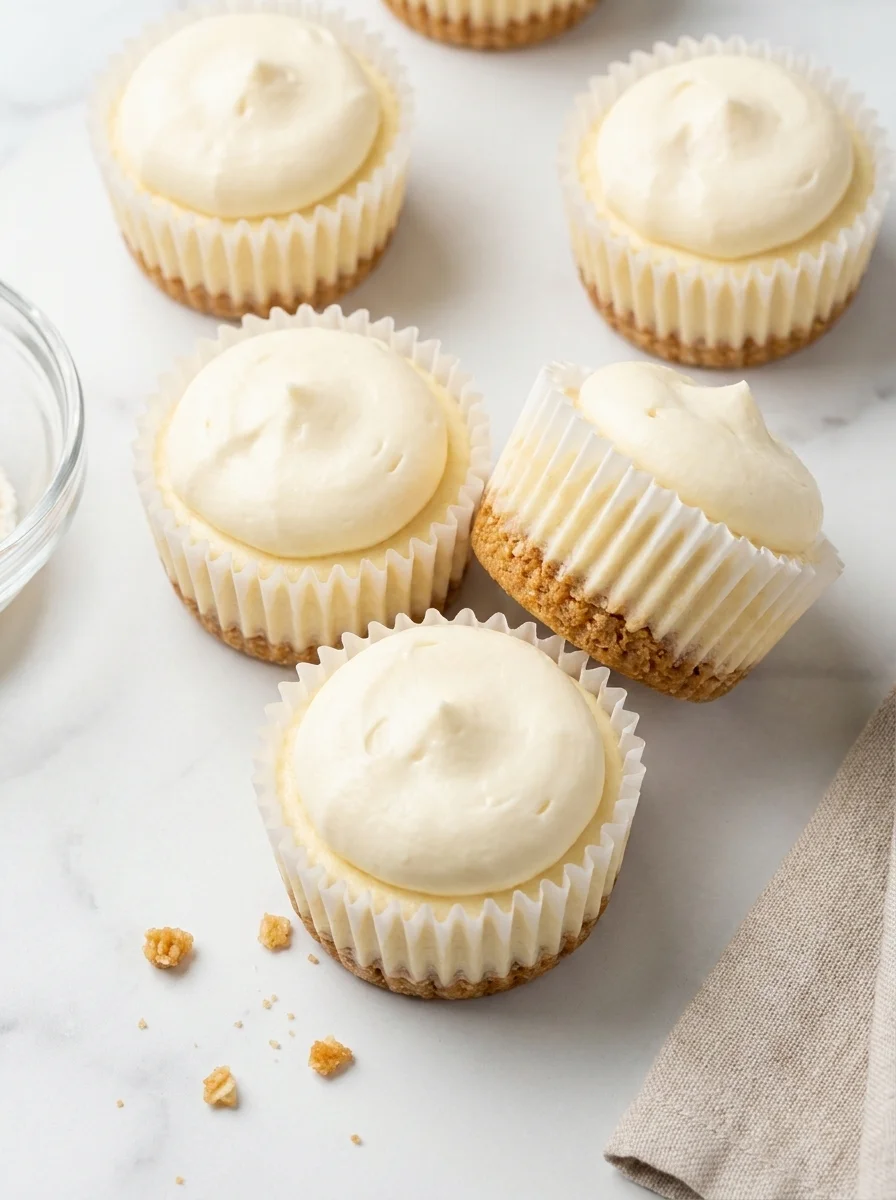
This classic version is the base recipe. It uses oat flour and a touch of unsalted butter for the crust, then blends plain cream cheese, plain Greek yogurt, a small amount of honey, and a splash of lemon juice into a smooth filling. The filling is piped or spooned into six muffin tins, then chilled until firm. It’s simple, dog-safe, and easy to scale.
Ingredients
- 1/4 cup oat flour
- 1 tablespoon unsalted butter, melted
- 2 ounces plain cream cheese, softened
- 1/2 cup plain Greek yogurt
- 1 teaspoon honey (omit for puppies under 1 year)
- 1 teaspoon lemon juice
- Fresh blueberries or a few berries for topping (optional)
Step-by-Step Instructions
- Line a 6-cup muffin tin with paper liners.
- Stir together the oat flour and melted butter until it forms a crumbly mixture. Press about a tablespoon of the mixture evenly into the bottom of each cup, leaving a thin layer.
- In a medium bowl, mix the cream cheese, Greek yogurt, honey, and lemon juice until completely smooth and no lumps remain.
- Spoon the filling over the crust in each cup, spreading it evenly.
- If desired, top each cup with a few blueberries, pressing them gently so they stick.
- Cover the tin with plastic wrap or transfer the cups to a tray covered with foil, then refrigerate for at least 4 hours or up to 24 hours until the cheesecakes are firm.
- When ready to serve, pop the minis out and place them in a dog bowl or on a feeding mat.
This version is the cleanest starting point. If your dog loves berries but you want a little extra flavor, a raspberry dog muffins recipe is a great companion bake (with dog-safe ingredients) to keep their nose busy. The honey note matters: only add it for adult dogs. For puppies under one year, leave the honey out and consider swapping in a bit more Greek yogurt to keep the texture creamy.
Cheesecake Variations
Once you’ve made the classic version, you can adjust the recipe with two quick variations. Both stay dog-safe and keep the no-bake, muffin-tin format. The blueberry version adds freshness, and the peanut butter swirl adds a flavor most dogs can’t resist, as long as the peanut butter is xylitol-free.
Variation 1: Blueberry Cheesecake
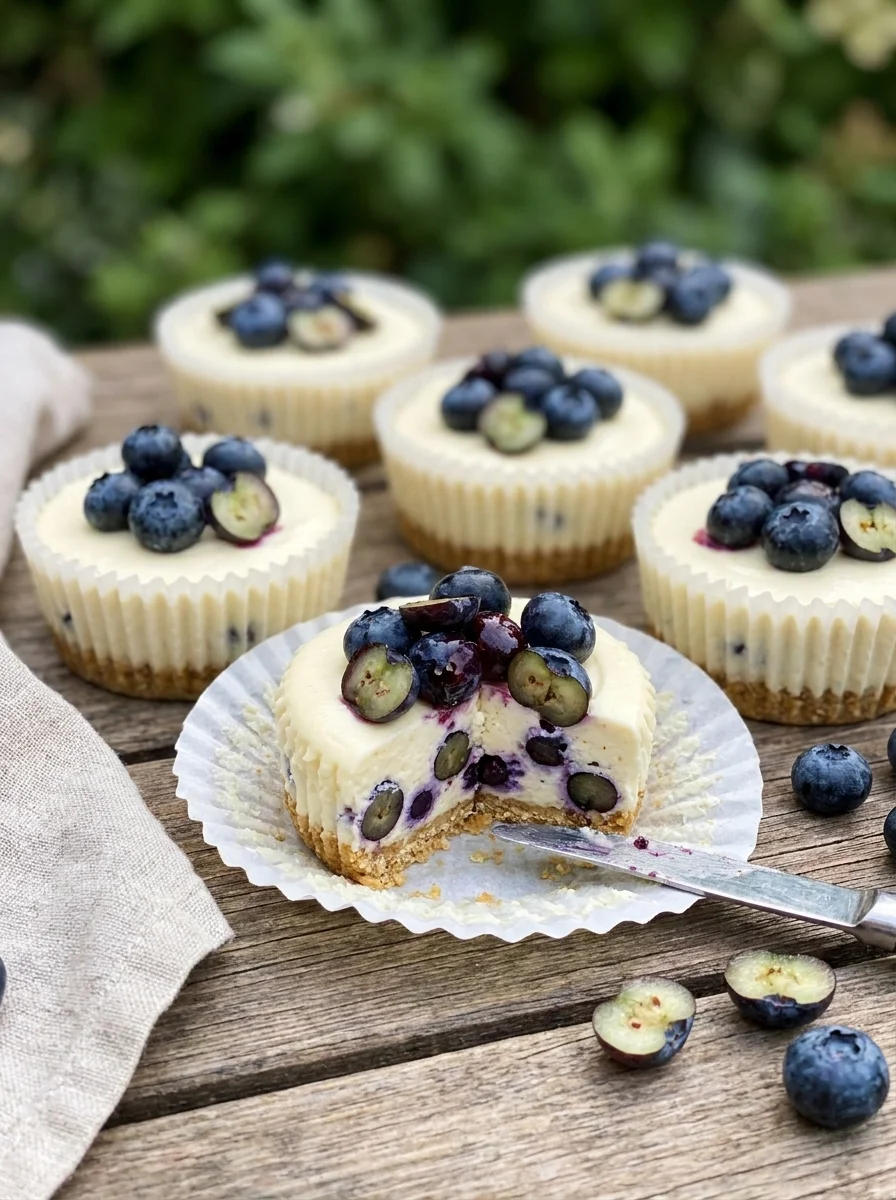
This variation loads the classic filling with fresh blueberries. You’ll still use the same oat crust and creamy base, but the blueberries add natural sweetness and antioxidants. It’s great for dogs that love berries and for owners who want a little color on the plate.
Ingredients
- 1/4 cup oat flour
- 1 tablespoon unsalted butter, melted
- 2 ounces plain cream cheese, softened
- 1/2 cup plain Greek yogurt
- 1 teaspoon honey (omit for puppies under 1 year)
- 1 teaspoon lemon juice
- 1/2 cup fresh blueberries, halved
Step-by-Step Instructions
- Line a 6-cup muffin tin with paper liners.
- Mix the oat flour and melted butter; press into each cup as a thin crust layer.
- Whisk together cream cheese, Greek yogurt, honey, and lemon juice until smooth.
- Spoon the filling over the crust.
- Scatter the halved blueberries over each cup, pressing them slightly into the filling.
- Refrigerate, covered, for at least 4 hours or up to 24 hours to set.
- Serve in a dog bowl or on a mat.
The blueberries make this one a bit more festive, but it’s still a treat, not a meal. If you’re building out a pantry of dog-friendly bakes, a batch of homemade pumpkin dog cupcakes is a great fall-friendly companion that also stays dog-safe and low in sugar.
Variation 2: Peanut Butter Swirl Cheesecake
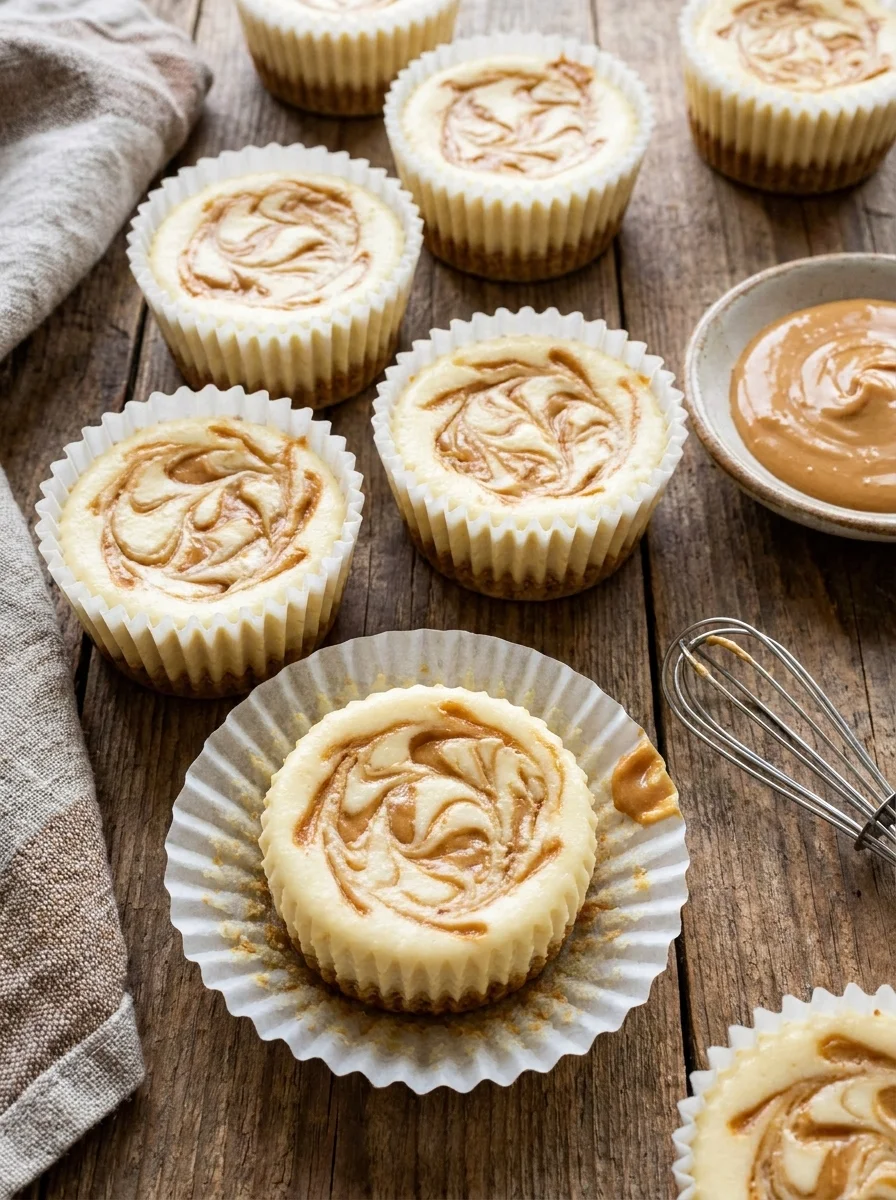
This version adds a swirl of xylitol-free peanut butter into the filling for a flavor most dogs adore. The peanut butter must be plain and xylitol-free; xylitol is extremely toxic to dogs, even in small amounts. Use a natural or creamy brand that lists only peanuts as the ingredient.
Ingredients
- 1/4 cup oat flour
- 1 tablespoon unsalted butter, melted
- 2 ounces plain cream cheese, softened
- 1/2 cup plain Greek yogurt
- 1 teaspoon honey (omit for puppies under 1 year)
- 1 teaspoon lemon juice
- 2 tablespoons xylitol-free peanut butter (plain, no sugar, no salt, no xylitol)
Step-by-Step Instructions
- Line a 6-cup muffin tin with paper liners.
- Make the oat crust as above and press it into each cup.
- Mix cream cheese, Greek yogurt, honey, and lemon juice until smooth.
- Drop small dabs of the xylitol-free peanut butter into the filling, then swirl with a knife for a marbled look.
- Refrigerate, covered, for at least 4 hours or up to 24 hours to set.
- Pop out the minis and serve in a dog bowl or on a mat.
The peanut butter keeps things simple and safe when the label is right. Double-check the ingredient list every time you buy, because some “natural” brands still sneak in xylitol. A tiny swirl is enough to make this one a favorite without pushing the calorie count too high.
Serving by Dog Size
Sizing matters because cheesecake is dense and rich. A good rule is to base the number of minis on your dog’s weight and activity level, then adjust from there. For most healthy adult dogs, one mini cheesecake is a sensible single serving. It’s roughly the size of a standard dog biscuit, so it’s easy to track.
For toy and small breeds (under 15 pounds), one mini is a generous treat. For medium dogs (15 to 50 pounds), one to two minis is a reasonable range, depending on the day. For large dogs (over 50 pounds), two to three minis is still an appropriate serving, not more. If you’re giving the treat on a quiet day when they’ve had a regular meal earlier, stick to the lower end.
Serve the minis in a dog bowl or on a feeding mat, not on a human dessert plate. It keeps the framing right and makes cleanup easy. If your dog is a fast eater, you can crumble a mini over their regular meal as a topper; it slows them down and adds flavor. If you want another low-calorie filler to pair with it, a simple batch of 2-ingredient pumpkin dog treats is a great way to add bulk without extra richness.
Storage and Freezing
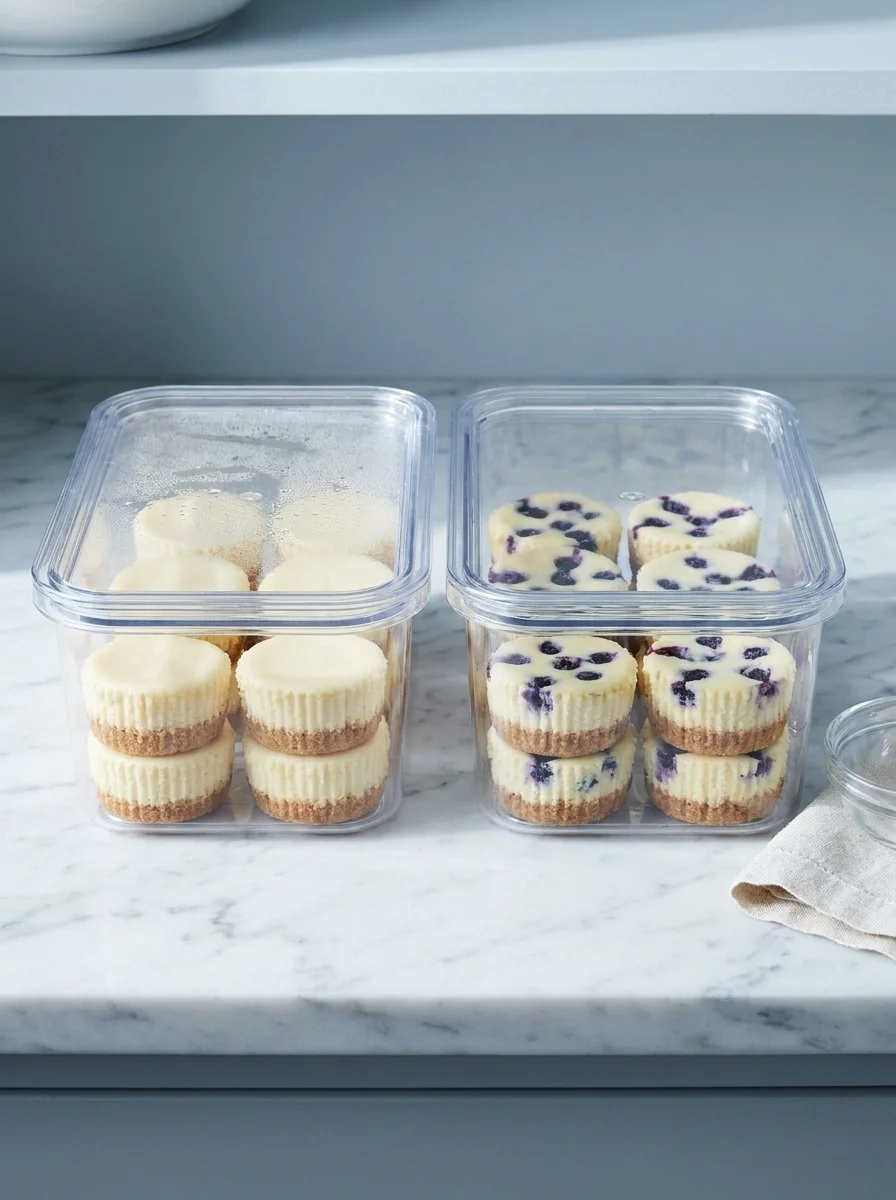
Cheesecake for dogs is best made in small batches, because you can only make six at a time in a standard muffin tin. That also makes storage easy. Keep the minis in the refrigerator in a sealed container or in the muffin tin covered with foil, and use them within 3 to 4 days for best texture. The filling will soften as it warms, so refrigeration is the key to keeping it firm.
You can also freeze individual minis for up to one month. Place the set cheesecakes in a single layer on a parchment-lined tray, freeze until hard, then transfer to a labeled freezer bag. When you’re ready to serve, thaw a mini in the fridge for a few hours or on the counter for about 15 to 20 minutes. Freezing is a great way to make a batch when you want treats that last longer than a few days, especially if you’re keeping the freezer stocked for busy weeks.
Don’t add the blueberries or the peanut butter swirl until the cheesecakes are set and you’re ready to serve. If you want to freeze the blueberry or peanut butter versions, make the base cheesecakes, let them set, then add the toppings and freeze the finished minis. That way the fruit and swirl stay intact and don’t bleed color into the frozen filling.
Troubleshooting
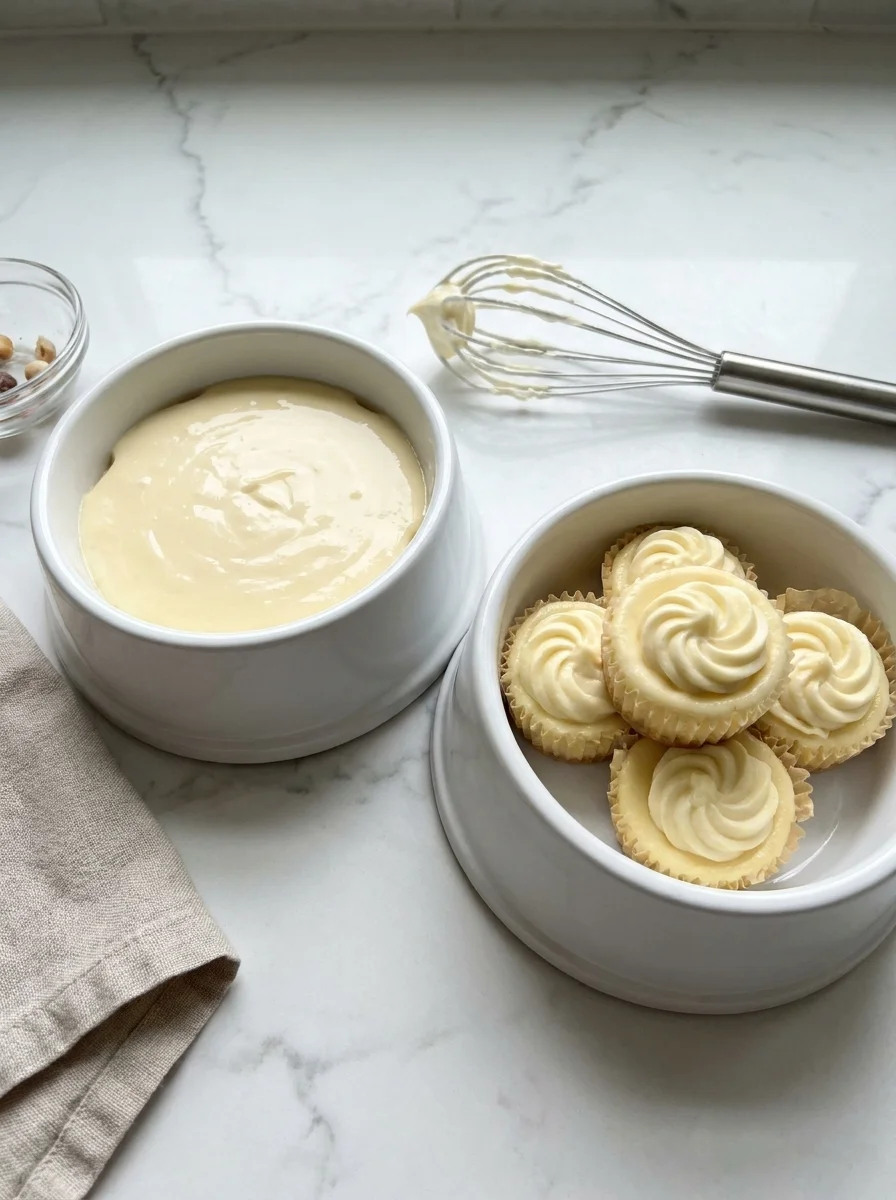
The most common problem is texture: the filling is still soft when you remove it from the tin. Cheesecake for dogs needs the full chilling time to set. If you rush the fridge time, the minis will crumble or slide out. Give it the full 4 hours, or ideally overnight, and the filling will firm up enough to pop out cleanly.
If the crust feels too dry or crumbly, you may have overworked the oat-flour-and-butter mixture. Keep the pressing gentle, and aim for a thin, even layer. If it’s too wet, add a half teaspoon more oat flour at a time until it holds together. If the crust is too thick, the mini will be more crumb-heavy than creamy; aim for a quarter of an inch of crust under the filling.
If the cheesecake tastes too plain for your dog, that’s a good sign you’re using the right base: it should be mild. A few blueberries or a swirl of xylitol-free peanut butter adds flavor without adding sugar. If your dog seems to dislike the texture, try crumbling a mini over their regular food as a topper instead of serving it whole. Some dogs prefer the flavors mixed in rather than a dense cake.
If your dog has a known dairy sensitivity, swap the cream cheese for a slightly higher ratio of Greek yogurt. Most dogs do better with the higher yogurt ratio, and you can still keep the same overall volume. If you want to be extra cautious, you can also make a tiny test batch: one mini and watch for any signs of mild stomach upset. If you’re looking for more dairy-friendly ideas, a cottage cheese dog-treats approach is a good next step because it’s lighter on fat.
Frequently Asked Questions
Final Thoughts
This dog-scale cheesecake is a small, creamy, protein-rich treat that still feels special without the human-dessert baggage. The no-bake method, the muffin-tin format, and the dog-safe ingredients keep it practical: you make six minis in under an hour of hands-on time, then let the fridge do the rest. Serve one mini to most dogs, adjust for size, and keep the treat on the occasional side of the ledger.
The variations are easy: blueberries add freshness, and a xylitol-free peanut butter swirl adds flavor for a crowd-pleasing touch. Stick to small portions, keep the honey out for puppies, and you’ll have a treat that’s genuinely built for dogs. It’s a small batch, it’s safe, and it’s the kind of thing that makes your dog’s tail wag for entirely the right reasons.
Izzy is an experienced ranch worker who has a passion for exploring nature and getting up close to wildlife. With her connections to various animal organizations, Izzy is well-versed in animal care and rehabilitation.