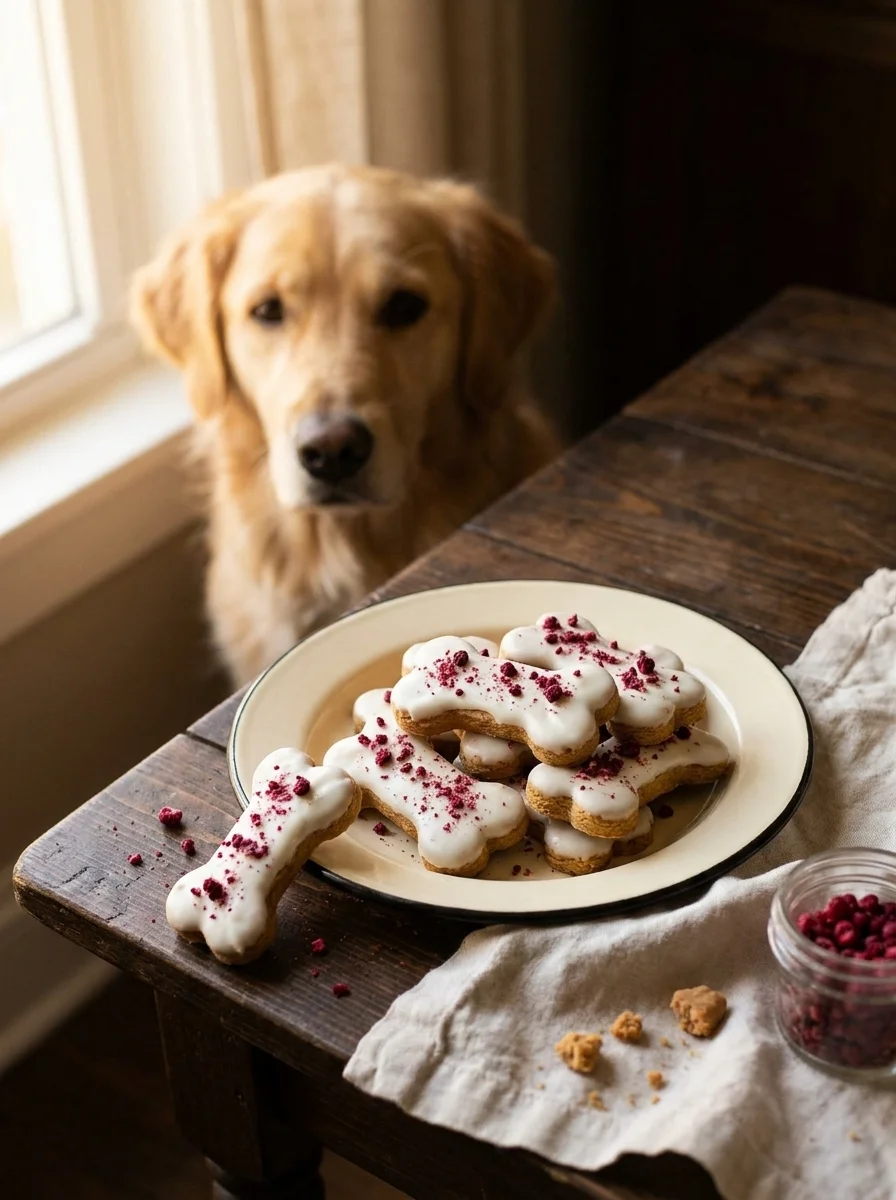
4-Ingredient Bacon Cheese Dog Treats: Cheddar, Sweet Potato & Apple
Few rewards capture a dog’s attention quite like the savory, warm aroma of bacon and cheese. For many pet owners, the challenge is finding a treat that feels special enough for training milestones without introducing the high-sodium, high-fat risks of human-grade processed meats. The four-ingredient approach solves this by stripping the recipe down to its safest, most functional components. By focusing on low-sodium bacon, high-quality cheddar, and binding agents like oat flour or natural starches, you create a biscuit that is dense, flavorful, and structurally sound.
This article explores how to make crisp, baked bacon cheese treats that hold their shape and offer a satisfying crunch. Unlike soft, chewy toppers that often spoil quickly in warm environments, these baked bites last well when stored properly. The goal is not to replace a balanced meal, but to provide an occasional high-value reward that you can portion precisely. Because the ingredients are limited, you have total control over what goes into each bite, ensuring there are no hidden fillers, artificial flavors, or excessive oils.
The specific addition of sweet potato and apple in the variations brings a subtle sweetness that balances the rich, salty profile of the bacon and cheese. Many dogs have a strong preference for fruity-savory combinations, making these variations excellent for picky eaters who might ignore standard savory biscuits. The baking process transforms the fats and proteins into a firm matrix, creating a treat that is durable enough for pocket-carrying during walks yet soft enough to crumble if needed for smaller breeds.
Understanding the mechanics of baking these treats is crucial for success. You are working with a dough that contains fat, which means the oven temperature and baking time must be precise. Too hot, and the exterior burns before the interior sets. Too low, and the treats remain soft and greasy, which can lead to digestive upset or rancidity during storage. This guide breaks down the method so you can produce a batch of 24 small, consistent bites that your dog will eagerly anticipate, whether you are using the classic cheddar base or the sweet potato and apple variations.

Rendering and Draining
The quality of your bacon cheese dog treats hinges entirely on the preparation of the bacon. You must render the bacon slowly to extract as much fat as possible before it is crumbled into the dough. Start by placing your low-sodium bacon strips in a large skillet over medium-low heat. Do not rush this step. Rapid cooking seals the fat inside the meat, resulting in a soggy, greasy final product. Instead, let the bacon cook gently until it becomes uniformly crisp and shatters when you press it against the edge of the skillet.
Once the bacon is crisp, it must be drained thoroughly. Transfer the cooked strips to a plate lined with multiple layers of paper towels. Let them sit for at least ten minutes, allowing the residual grease to wick out of the meat. You may need to swap the paper towels once or twice during this period. This step is critical because bacon fat is the primary cause of soft, crumbly treats that fail to bake into a solid biscuit. If the dough is too oily, the starches cannot form the necessary network to hold the cheese and protein together.
When the bacon is drained and cooled, you can crumble it into small, pea-sized pieces. This size ensures that the bacon is distributed evenly throughout the dough and does not create large pockets of fat that can cause structural weak spots in the baked treat. The rendered fat that remains on the paper towels should be discarded, not saved for cooking. By removing this excess grease, you are reducing the caloric density of the treat and preventing the treats from turning rancid during storage.
This method ensures the treats are dog-appropriate by minimizing the intake of saturated animal fats. While bacon is not toxic to dogs in tiny amounts, the high fat content in standard grease-laden bacon can cause pancreatitis in susceptible animals. By controlling the fat load at the preparation stage, you make the treat safer for occasional consumption. The resulting dough will be manageable, not sticky or slippery, allowing you to form uniform bites that bake evenly. If you are looking for other ways to utilize cooked vegetables safely for your pet, check out our guide on homemade cheese dog treats for additional protein-based ideas.
Recipe 1: Classic Bacon Cheddar Bites

This original recipe relies on the savory punch of cheddar combined with the smoky depth of bacon. Oat flour acts as the binding agent, providing the fiber and structure necessary to hold the moist ingredients together during the baking process. The result is a dense, chewy-crisp bite that is easy for dogs to chew and digest.
Ingredients
- cooked bacon (low-sodium, drained and crumbled)
- shredded cheddar cheese
- oat flour
- egg
Step-by-Step Instructions
- Preheat your oven to 350 degrees Fahrenheit and line a baking sheet with parchment paper.
- In a large mixing bowl, combine the crumbled bacon, shredded cheddar cheese, and one egg.
- Add the oat flour to the bowl and mix until a stiff, cohesive dough forms.
- If the dough is too dry, add a teaspoon of water. If it is too wet, add a tablespoon of oat flour.
- Divide the dough into 24 equal portions and roll them into small, flat discs.
- Place the discs on the prepared baking sheet, ensuring they are spaced slightly apart.
- Bake for 18 to 20 minutes, or until the edges are golden brown and firm to the touch.
- Remove from the oven and let them cool completely on a wire rack before storing.
These bites are best served at room temperature to allow the crust to set fully. You can store them in an airtight container in the refrigerator for up to two weeks. For a fun twist on baked snacks that utilize similar binding techniques, take a look at the 4-ingredient puppuccino recipe for dogs.
Bacon Cheese Variations
You do not need to stick to just the classic profile. By swapping the binding agent or adding a natural fruit element, you can create variations that cater to specific taste preferences or dietary considerations. Both of these options maintain the four-ingredient promise while introducing natural sweetness and moisture that changes the texture of the final treat.
Variation 1: Sweet Potato Bacon Cheese Bites

This version uses mashed sweet potato as a partial binder and flavor component. The natural starches in the sweet potato help hold the bacon and cheese together, while the subtle sweetness makes the treat highly palatable for dogs who prefer fruity notes. The sweet potato also adds a vibrant orange color to the bark.
Ingredients
- cooked bacon (low-sodium, drained and crumbled)
- shredded cheddar cheese
- mashed sweet potato
- oat flour
Step-by-Step Instructions
- Preheat your oven to 350 degrees Fahrenheit and line a baking sheet with parchment paper.
- In a large bowl, mix the mashed sweet potato, crumbled bacon, and shredded cheddar.
- Gradually add oat flour until the mixture holds its shape when pressed.
- Form 24 small discs from the dough and place them on the baking sheet.
- Bake for 20 to 22 minutes until the edges are browned and the center is firm.
- Cool completely on a wire rack before transferring to storage.
The slightly longer bake time ensures that the moisture from the sweet potato is evaporated, preventing a gummy center. For more sweet, vegetable-based ideas that your dog can enjoy, try the sweet potato dog waffles.
Variation 2: Apple Bacon Cheese Bites

Finely diced apple adds a fresh, crisp element to these treats. The fruit provides natural pectin and moisture, while the acidity cuts through the richness of the cheese. This variation is excellent for dogs who enjoy a slightly tart flavor profile. Make sure the apple is core-free and chopped very small to ensure even distribution.
Ingredients
- cooked bacon (low-sodium, drained and crumbled)
- shredded cheddar cheese
- finely diced apple
- oat flour
Step-by-Step Instructions
- Preheat your oven to 350 degrees Fahrenheit and line a baking sheet with parchment paper.
- Combine the finely diced apple, crumbled bacon, and shredded cheddar in a large bowl.
- Mix in the oat flour until the ingredients are evenly distributed and the dough holds together.
- Roll the dough into 24 small, flat balls or discs.
- Bake for 18 to 20 minutes, or until the apple pieces are caramelized and the bites are firm.
- Allow the treats to cool completely before serving or storing.
If you are experimenting with apple in your dog’s diet, you might also enjoy the carrot and apple waffles for dogs, which offer a similar fruity-savory dynamic.
Troubleshooting

Soft centers: If your treats are crisp on the outside but gummy in the middle, they were likely underbaked. Increase the bake time by two to three minutes. Alternatively, the dough may have been too wet, so reduce the moisture by adding a little more oat flour in future batches.
Greasy treats: If the bites are oily or leaves a residue on your fingers, the bacon was not drained adequately. Next time, ensure you let the rendered bacon sit on paper towels for at least ten minutes and swap the towels if they become saturated.
Treats too hard: If the treats are so hard that your dog has trouble chewing them, you may have overbaked them or baked at too high a temperature. Try lowering the oven to 325 degrees Fahrenheit and extending the time slightly to dry them out without scorching the edges.
Dog will not eat them: Some dogs are simply not interested in the texture of baked biscuits. Try crumbling the treats into a fine powder and sprinkling it over their regular kibble as a topper. This often encourages them to eat it as part of their main meal rather than as a standalone snack. If you want more tips on making treats that picky eaters accept, review our article on homemade apple pie for dogs to see how different textures are handled.
Frequently Asked Questions
Final Thoughts
Creating four-ingredient bacon cheese dog treats is a straightforward way to provide a high-value reward that feels homemade and safe. The key to success lies in the preparation of the bacon; rendering it slowly and draining the grease thoroughly ensures that the final product is crisp and digestible. Whether you choose the classic cheddar, the sweet potato, or the apple variation, you are giving your dog a treat that is free from unnecessary additives.
Remember that these treats are meant for occasional use, not as a daily snack. A few small bites as a training reward or a special celebration treat is all your dog needs. This moderation protects their digestive system and maintains the value of the treat in your training program. By portioning carefully, you ensure that the calorie count remains in check.
If you are new to baking dog treats, start with a small batch to perfect the technique. Pay attention to the color and texture of the bites, and adjust your oven time as needed. Your dog will likely be very excited to see the warm aroma of bacon and cheese, making the cleanup and storage process quick and easy. Enjoy the process of creating a safe, homemade reward for your furry companion.

Izzy is an experienced ranch worker who has a passion for exploring nature and getting up close to wildlife. With her connections to various animal organizations, Izzy is well-versed in animal care and rehabilitation.