4 Easy Crockpot Dog Recipes for Senior Dogs — With Full Measurements
If your older dog has started turning his nose up at the same kibble he used to love, you are not alone. Senior dogs go through real changes as they age — their digestion slows down, their teeth get more sensitive, and their appetite becomes unpredictable.
The good news? A simple crockpot can fix a lot of those problems.
Slow-cooked homemade meals are soft, warm, and smell incredible. They are easier on aging stomachs, gentler on sore teeth, and far more exciting than dry kibble sitting in a bowl. Best of all, you control every single ingredient that goes into your dog’s food.
This article gives you 4 crockpot dog recipes for senior dogs — with full measurements, step-by-step instructions, and practical tips you will not find in most recipe articles. Whether your dog is slowing down, losing weight, or just getting picky, these recipes are a great place to start.
Always check with your vet before making major changes to your dog’s diet, especially if your senior dog has a health condition like kidney disease or diabetes.
What Makes a Good Senior Dog Crockpot Recipe?
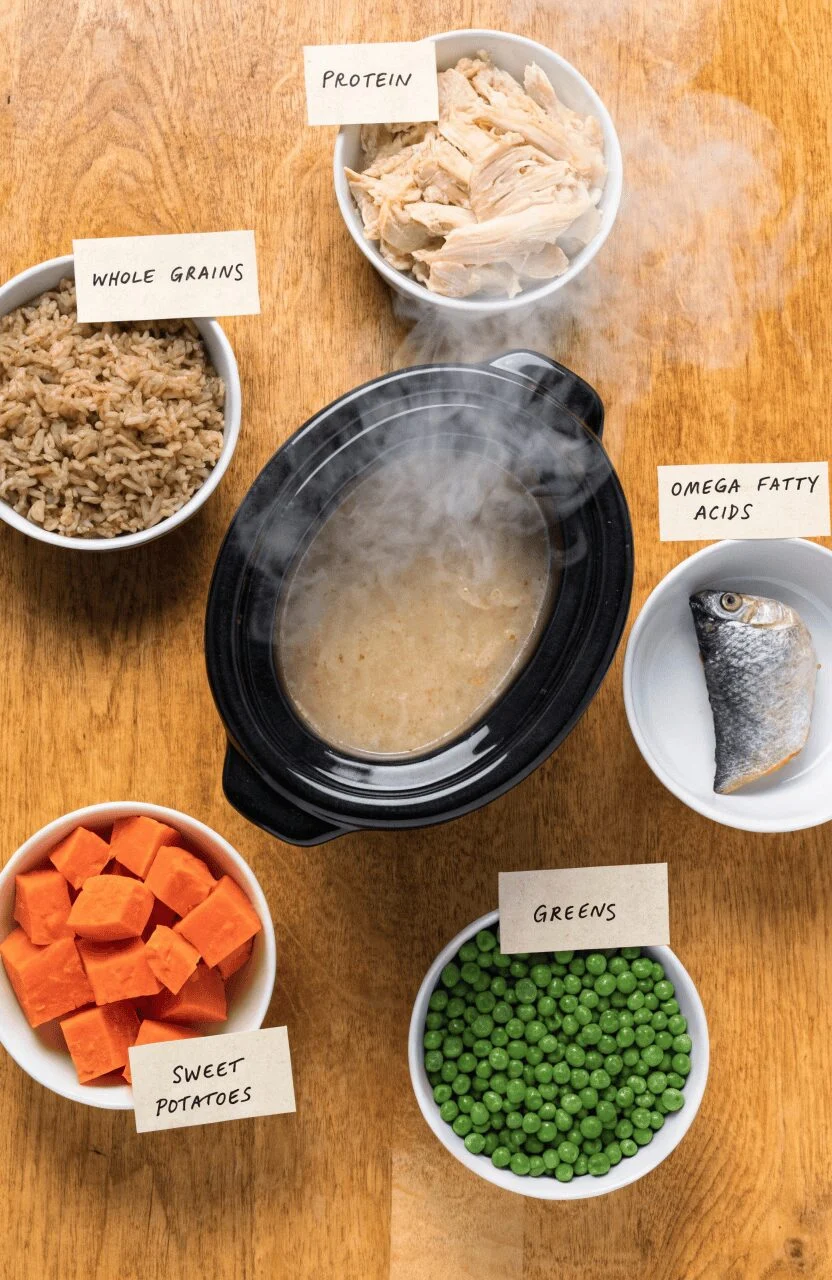
Not every dog food recipe works for older dogs. Senior dogs have specific needs that are different from puppies or adult dogs.
Here is what to look for in a good senior dog recipe:
Soft texture — Aging dogs often have dental pain or missing teeth. Slow-cooked food breaks down into a soft, spoonable consistency that is easy and comfortable to eat.
Lean protein — Senior dogs actually need more protein than younger dogs to maintain muscle mass. Choose lean options like chicken breast, turkey, or fish to avoid excess fat.
Digestible carbohydrates — Brown rice, oats, and sweet potatoes are gentle on the gut and provide steady energy without spiking blood sugar.
Joint-friendly ingredients — Salmon, sardines, and flaxseed are rich in omega-3 fatty acids, which help reduce inflammation and support mobility in older dogs.
High moisture content — Senior dogs are more prone to dehydration. Slow-cooked meals with broth or water help keep them hydrated naturally.
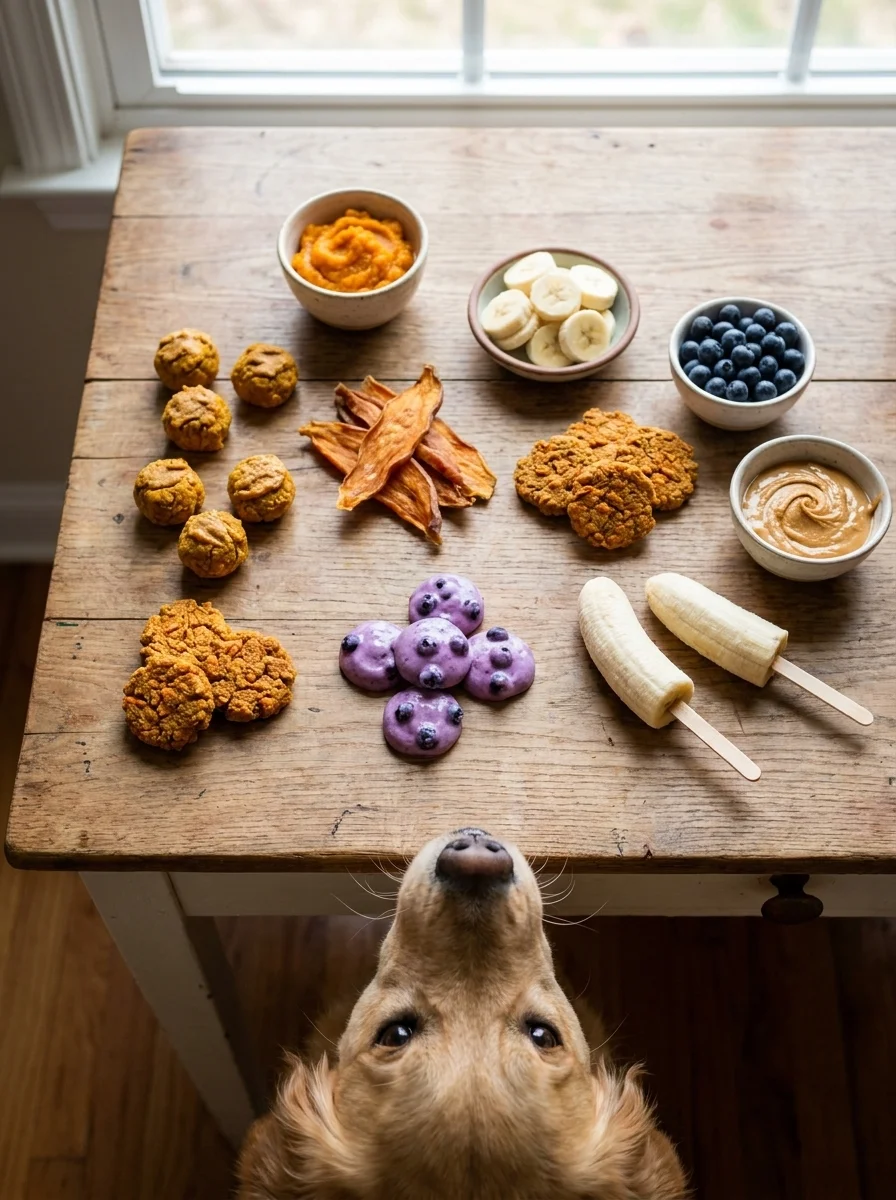
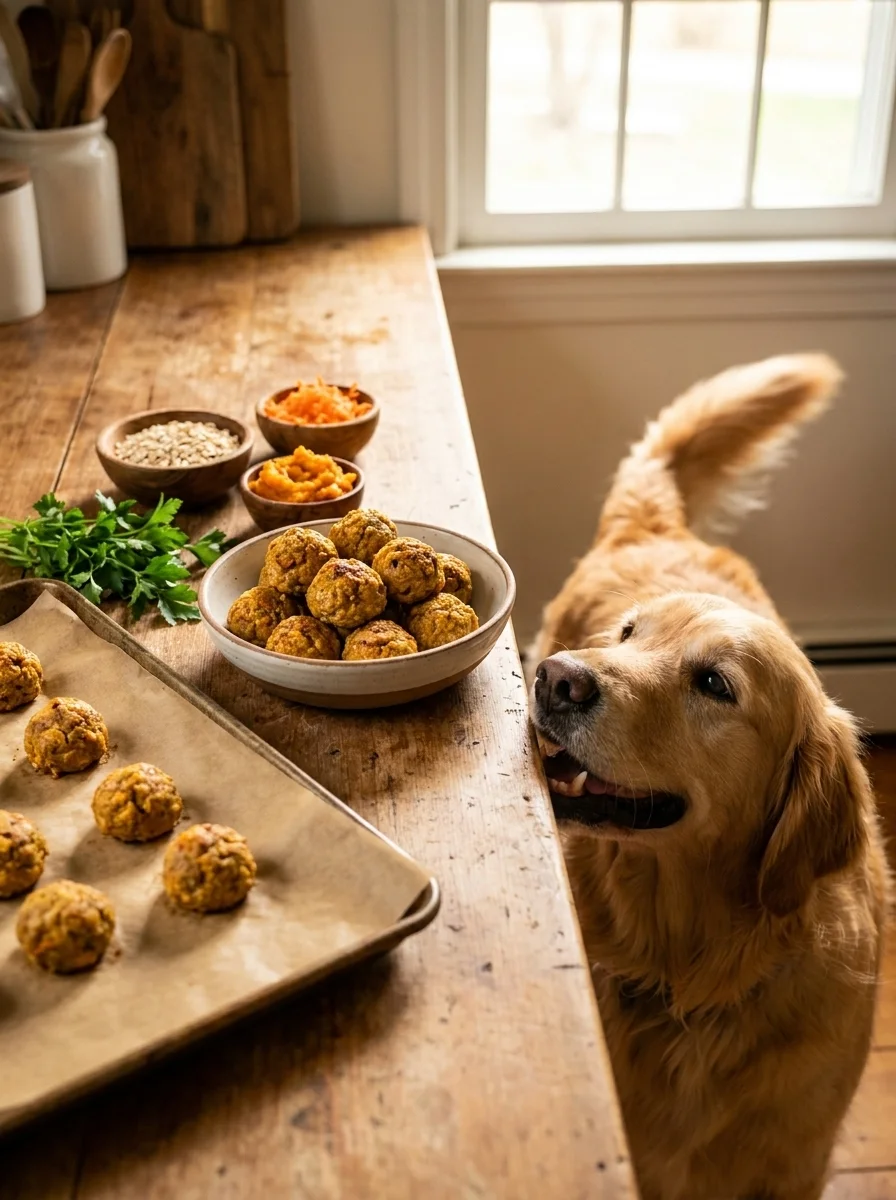
If you are also thinking about what snacks to pair with these meals, check out these homemade dog treats recipes that use simple, safe ingredients.
⚠️ Ingredients to Never Put in Your Dog’s Crockpot
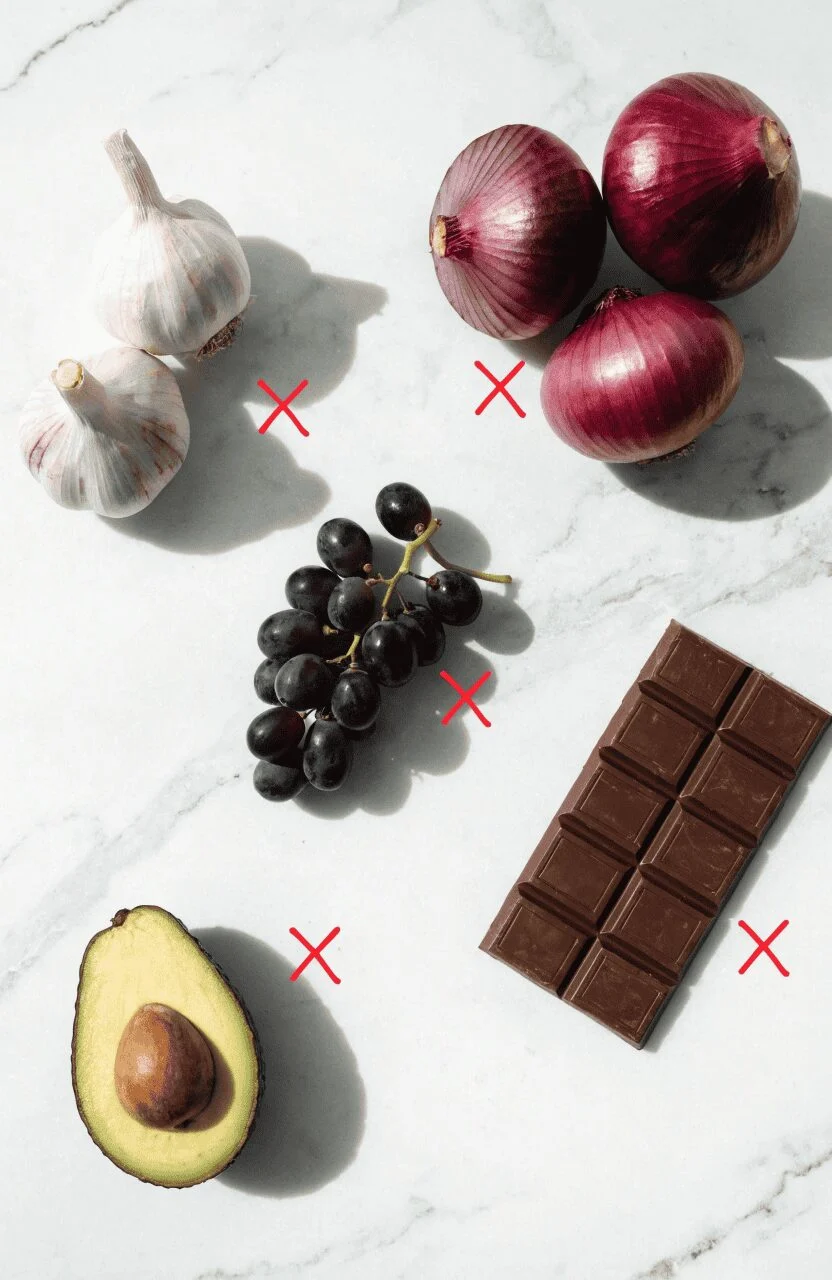
Before you start cooking, keep this list on your fridge. These common ingredients are toxic to dogs:
- Onions and garlic — Damage red blood cells and cause anemia
- Grapes and raisins — Can cause sudden kidney failure
- Xylitol — A sweetener found in some peanut butters; extremely toxic
- Macadamia nuts — Cause weakness, vomiting, and tremors
- Avocado — Contains persin, which is harmful to dogs
- Nutmeg — Toxic even in small amounts
- Salt — Use only low-sodium broths and avoid adding table salt
- Chocolate, coffee, or anything caffeinated
When in doubt, leave it out.
Recipe 1: Chicken, Carrot & Sweet Potato Stew

Best for: Senior dogs with sensitive stomachs or low appetite
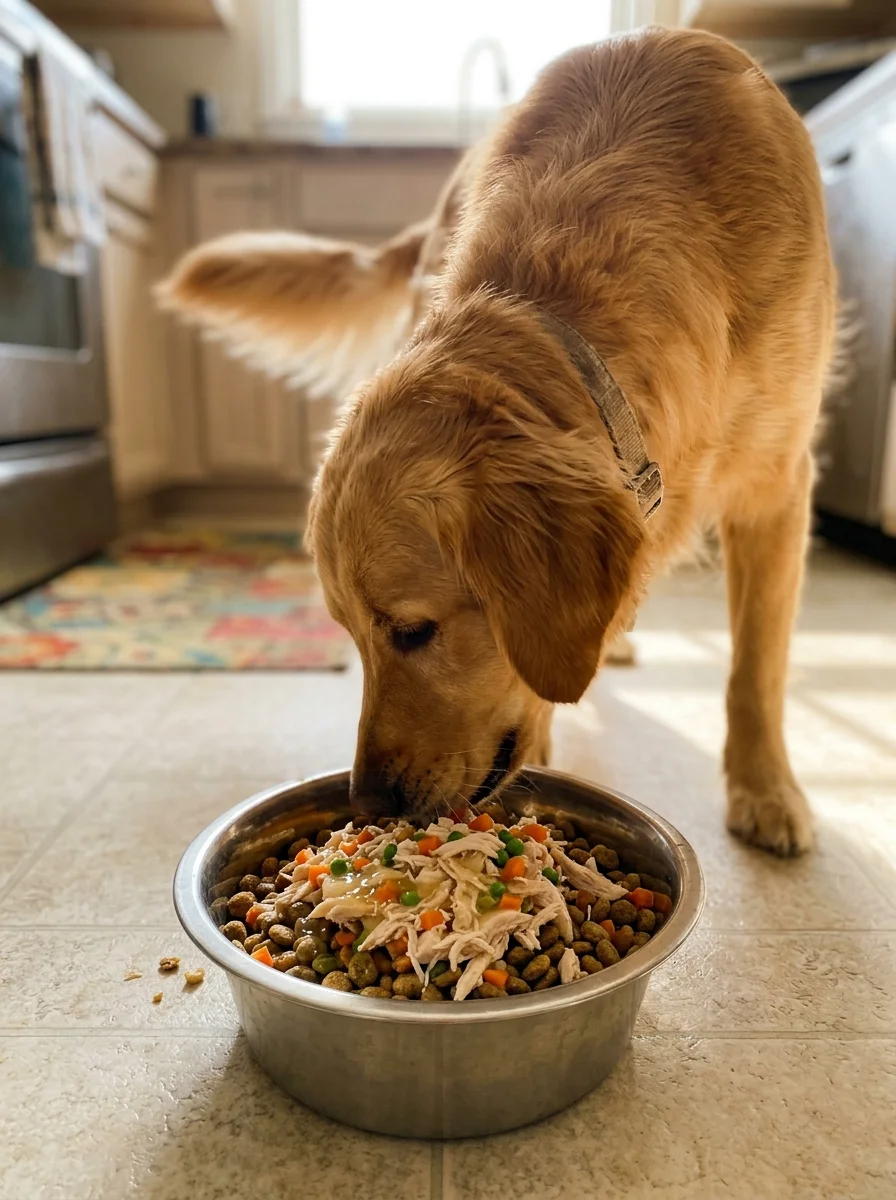
This is the most beginner-friendly recipe on the list. Chicken is easy to digest, sweet potato is naturally anti-inflammatory, and carrots provide fiber and beta-carotene. Together they create a warm, thick stew that even the pickiest senior dogs tend to eat without hesitation.
The smell alone is usually enough to get a disinterested dog to the bowl.
Ingredients (makes approx. 6 cups)
- 1.5 lbs boneless, skinless chicken breast
- 1 cup sweet potato, peeled and diced
- 1 cup carrots, chopped
- ½ cup brown rice
- ½ cup green peas (frozen is fine)
- 3 cups low-sodium chicken broth
- 1 cup water
Step-by-Step Instructions
- Add the brown rice, diced sweet potato, and chopped carrots to the crockpot first. Spreading them evenly at the bottom helps them cook through properly.
- Place the chicken breasts on top of the vegetables.
- Pour the chicken broth and water over everything.
- Cook on low for 6–7 hours or high for 3–4 hours.
- Once the chicken is fully cooked and tender, shred it using two forks directly in the crockpot.
- Stir in the green peas during the last 20 minutes of cooking.
- Let the entire mixture cool completely before serving. Never serve hot food to your dog.
Vet-Informed Tip
Sweet potato is a great source of soluble fiber, which helps regulate digestion in senior dogs. If your dog has been having loose stools or constipation, this recipe is a solid choice to try.
Serving Size Guide
- Small dog (under 20 lbs): ½ cup per meal
- Medium dog (20–50 lbs): 1 cup per meal
- Large dog (50+ lbs): 1.5–2 cups per meal
Always adjust based on your dog’s weight, activity level, and vet’s recommendation.
Storage
- Refrigerator: up to 4 days in an airtight container
- Freezer: up to 2 months in portioned freezer bags
Recipe 2: Salmon, Pea & Brown Rice Bowl
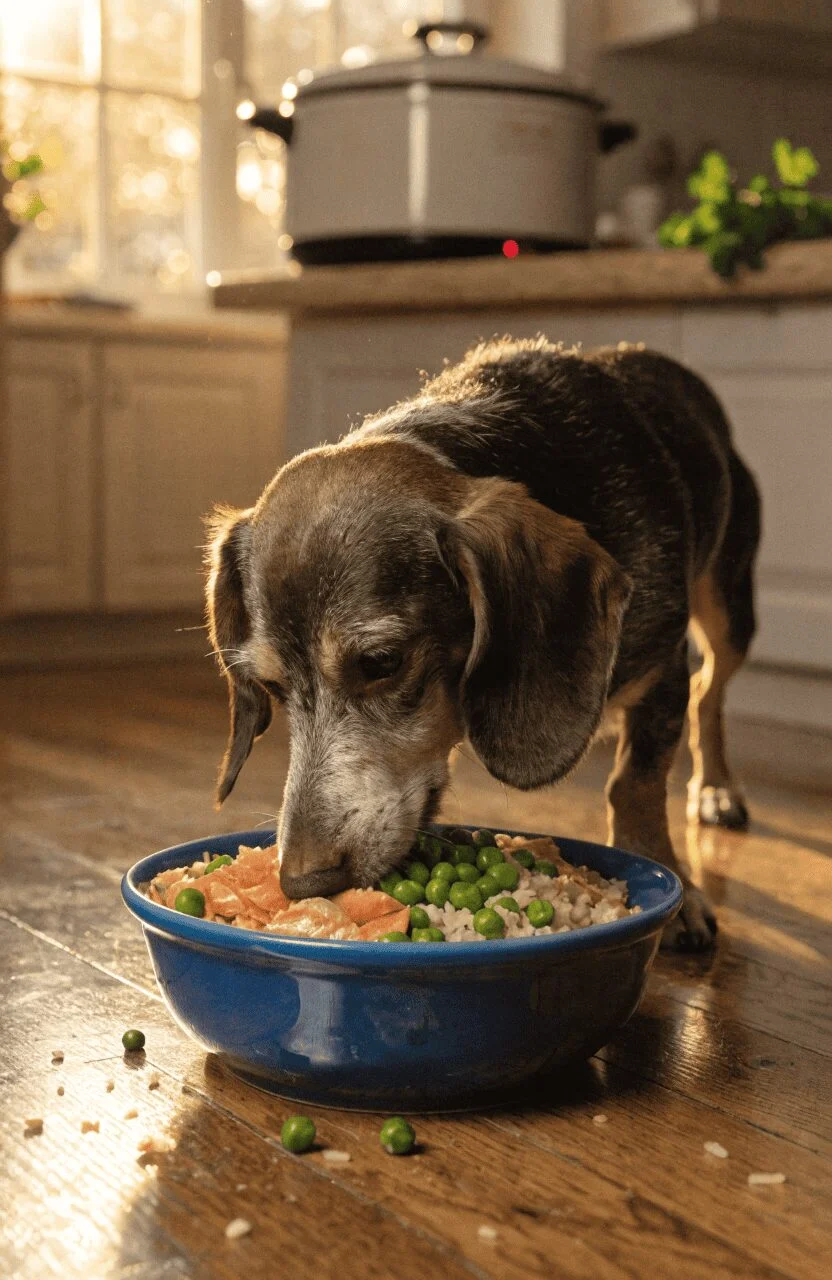
Best for: Senior dogs with joint stiffness or mobility issues
Salmon is one of the best foods you can give an aging dog. It is packed with omega-3 fatty acids, which have been shown to reduce joint inflammation and support brain health. This matters because older dogs can experience cognitive decline — similar to dementia in humans.
This recipe has a flaky, moist texture that dogs find very appealing. It also comes together with minimal prep.
Ingredients (makes approx. 5 cups)
- 1 lb fresh salmon fillet (boneless) — canned salmon in water also works
- ¾ cup brown rice
- 1 cup carrots, chopped
- ½ cup green peas
- 2 tablespoons fresh parsley, chopped (optional — supports kidney health)
- 3 cups low-sodium vegetable or fish broth
- 1 cup water
Step-by-Step Instructions
- Place the brown rice and chopped carrots into the crockpot.
- Lay the salmon fillet on top. If using canned salmon, drain it first.
- Pour the broth and water over the ingredients.
- Cook on low for 4–5 hours. Salmon cooks faster than chicken or beef, so check it at the 4-hour mark.
- Once done, carefully remove any visible bones (especially important with fresh salmon).
- Flake the salmon thoroughly with a fork and mix everything together.
- Stir in peas and parsley in the last 15 minutes.
- Cool completely before serving.
Vet-Informed Tip
Omega-3 fatty acids in salmon support joint lubrication, which can make movement more comfortable for dogs with arthritis. If your senior dog struggles to get up or moves stiffly after rest, consider making this a weekly meal.
Serving Size Guide
- Small dog (under 20 lbs): ½ cup per meal
- Medium dog (20–50 lbs): 1 cup per meal
- Large dog (50+ lbs): 1.5 cups per meal
Storage
- Refrigerator: up to 3 days (fish spoils faster than chicken or turkey)
- Freezer: up to 6 weeks
Recipe 3: Ground Turkey, Pumpkin & Green Bean Dinner

Best for: Overweight senior dogs or dogs with sluggish digestion
Many senior dogs gain weight as they slow down, which puts extra pressure on already-aging joints. This recipe is lower in fat than beef-based meals while still being satisfying and flavorful.
Pumpkin is the real hero here. Plain pumpkin puree (not pie filling) is one of the most effective natural remedies for both diarrhea and constipation in dogs. It is gentle, fiber-rich, and most dogs genuinely enjoy the taste.
Ingredients (makes approx. 6 cups)
- 1.5 lbs lean ground turkey
- ½ cup plain pumpkin puree (canned, no spices or sweeteners)
- ¾ cup brown rice
- 1 cup carrots, diced
- 1 cup green beans, chopped (fresh or frozen)
- 2.5 cups low-sodium chicken broth
- 1 cup water
Step-by-Step Instructions
- Add the brown rice and diced carrots to the crockpot.
- Place the ground turkey on top and break it into rough chunks — it will break down further during cooking.
- Pour the broth and water over everything.
- Cook on low for 5–6 hours.
- In the last hour, stir in the pumpkin puree and green beans.
- Mix everything thoroughly until the turkey is fully crumbled and evenly distributed.
- Allow the meal to cool completely before portioning.
Vet-Informed Tip
Plain pumpkin contains soluble fiber that slows digestion and helps dogs feel fuller for longer — useful for dogs that overeat or beg constantly. Use exactly ½ cup per batch. Too much fiber at once can cause gas.
Serving Size Guide
- Small dog (under 20 lbs): ½ cup per meal
- Medium dog (20–50 lbs): 1 cup per meal
- Large dog (50+ lbs): 1.5–2 cups per meal
Storage
- Refrigerator: up to 4 days
- Freezer: up to 2 months
Recipe 4: Lean Beef, Oat & Zucchini Crockpot Meal

Best for: Senior dogs losing muscle mass or needing extra protein
As dogs age, they naturally lose muscle. One of the best ways to slow that process is to make sure they are eating enough high-quality protein. Lean ground beef delivers that protein with a strong, rich flavor that dogs have a hard time refusing.
Rolled oats absorb all the cooking juices and create a thick, hearty texture — soft enough for sensitive teeth but filling enough to count as a real meal.
Ingredients (makes approx. 6 cups)
- 1.5 lbs lean ground beef (90% lean or higher)
- ¾ cup rolled oats (not instant)
- 1 cup carrots, diced
- 1 cup zucchini, chopped
- 1 cup spinach (added at the end)
- 3 cups low-sodium beef broth
- 1 cup water
Step-by-Step Instructions
- Place the rolled oats and diced carrots in the crockpot as the base layer.
- Add the ground beef on top, breaking it into pieces slightly.
- Pour in the beef broth and water.
- Cook on low for 5–6 hours.
- Add the chopped zucchini during the last hour of cooking.
- Stir in the fresh spinach in the final 10 minutes — it wilts quickly and does not need long cooking.
- Mix everything well and allow to cool fully before serving.
Vet-Informed Tip
Spinach is a good source of iron and antioxidants, but it should be used in moderation for dogs with kidney issues due to its oxalate content. If your senior dog has any kidney concerns, swap spinach for kale or simply leave it out.
Serving Size Guide
- Small dog (under 20 lbs): ½ cup per meal
- Medium dog (20–50 lbs): 1 cup per meal
- Large dog (50+ lbs): 1.5–2 cups per meal
Storage
- Refrigerator: up to 4 days
- Freezer: up to 6 weeks
Quick Ingredient Swaps for Dogs With Special Needs
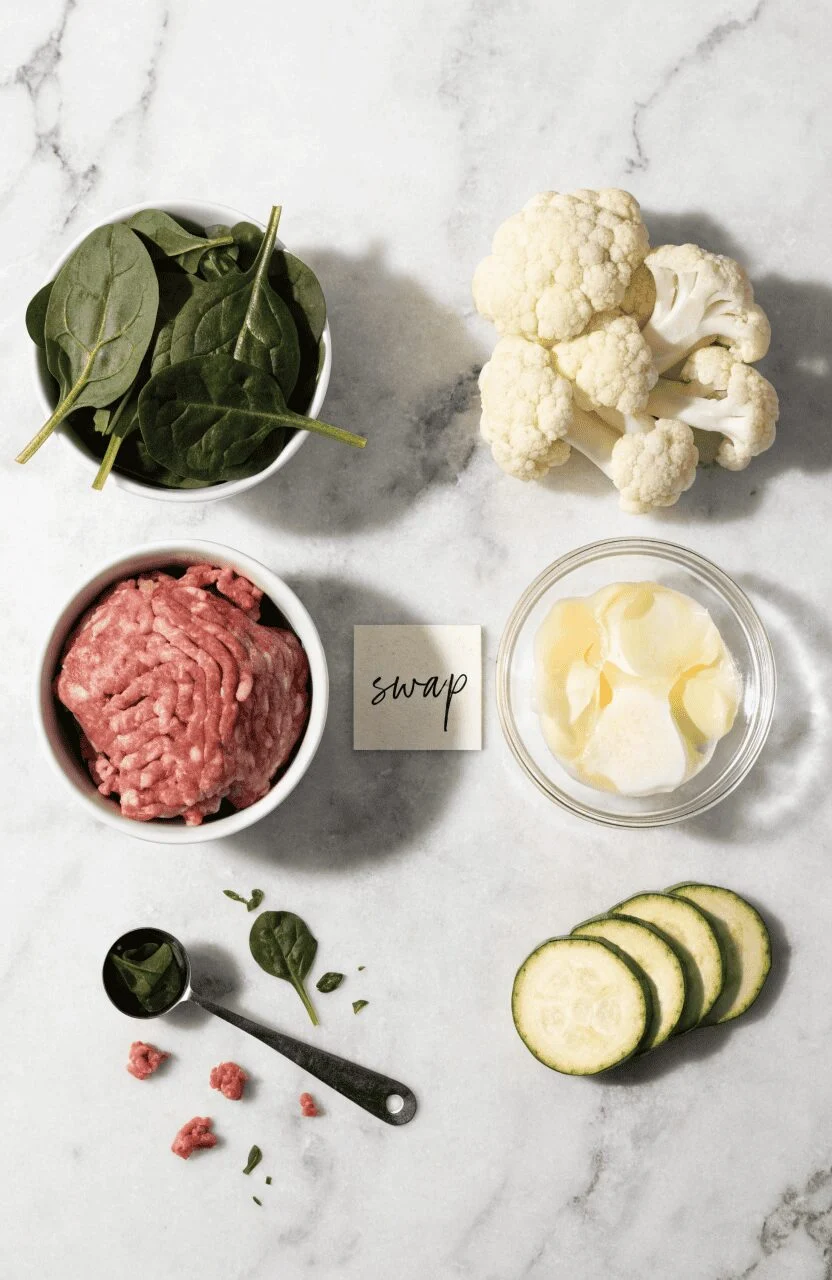
Every senior dog is different. Here is a simple reference if your dog has a specific condition:
| Condition | Swap Out | Swap In |
|---|---|---|
| Kidney disease | High-protein meats, spinach | Egg whites, cauliflower, cabbage |
| Arthritis | — | Salmon, sardines, parsley |
| Overweight | Ground beef, oats | Ground turkey, zucchini, pumpkin |
| Dental problems | Any chunky pieces | Blend or mash the final mixture |
| Food allergies | Chicken (common allergen) | Turkey, rabbit, or pork |
If your dog has been diagnosed with a specific condition, always run these recipes by your vet before making them a regular part of the diet. You can read more about general dog health topics like reverse sneezing in dogs and excessive licking in dogs — both of which can sometimes signal dietary issues worth discussing with your vet.
5 Things to Know Before Switching to Homemade Food
1. Transition Slowly Over 7 Days
Do not switch cold turkey from kibble to homemade food. A sudden change can cause diarrhea, vomiting, or refusal to eat.
Follow this simple transition schedule:
- Days 1–2: 75% old food + 25% new food
- Days 3–4: 50% old food + 50% new food
- Days 5–6: 25% old food + 75% new food
- Day 7: 100% new food
Watch for any digestive upset during this process. If it continues past day 4, slow the transition down.
2. Homemade Food Is Often Nutritionally Incomplete
This is the most important thing most recipe articles leave out. Homemade dog food, even well-made recipes, usually lacks certain nutrients — especially calcium, vitamin D, and zinc.
Talk to your vet about adding a canine multivitamin or a vet-approved supplement blend to your dog’s homemade meals. This is not optional for long-term feeding.
3. Portion Size Matters More Than You Think
A senior dog that gets too many calories will gain weight, putting stress on joints. Too few calories and they lose muscle. Use the serving size guides above as a starting point, then adjust based on weekly weigh-ins.
4. Warm Food Smells Better — and That Matters
Senior dogs often have a reduced sense of smell. Warming food slightly (not hot — just above room temperature) releases more aroma and makes the meal more appealing to picky eaters. This trick alone can turn a dog that refuses to eat into one that cleans the bowl.
5. Talk to Your Vet First
This is especially important if your senior dog has been diagnosed with kidney disease, diabetes, liver issues, or cancer. Some ingredients safe for healthy dogs can worsen existing conditions. A quick vet visit before starting is always worth it. For a helpful guide on general vet needs, see this article on puppy veterinary needs — many of the checkup principles apply to senior dogs too.
Batch Cooking & Storage Guide
One of the biggest advantages of crockpot cooking is that you can make a large batch and store it for the whole week. Here is how to do it efficiently:
Choose the right crockpot size. A 6-quart slow cooker is ideal for most of these recipes. You can double any recipe above and still fit it comfortably.
Cool before storing. Always let food reach room temperature before transferring to containers. Putting hot food directly into the fridge raises the internal temperature and can lead to bacterial growth.
Use the right containers. Portion the food into meal-sized containers before refrigerating or freezing. This way you just grab one container per meal — no measuring required each time.
Label everything. Write the recipe name and date on each container. Refrigerated food is only safe for 3–4 days; frozen food is safe for up to 2 months.
Defrost safely. Move frozen portions to the fridge the night before you need them. Never defrost dog food on the counter at room temperature.
If you want more ideas for organizing your dog’s feeding routine, check out these dog feeding station ideas — a dedicated feeding area can make mealtime smoother for both of you.
Final Thoughts
Senior dogs deserve meals that actually work for their aging bodies — soft enough to eat comfortably, nutritious enough to support muscle and joint health, and flavorful enough to get even the pickiest eaters excited about dinner.
These 4 crockpot dog recipes for senior dogs cover the most common needs: sensitive digestion, joint support, weight management, and muscle maintenance. Each one uses real, whole ingredients with full measurements so you can actually cook them — not just read about them.
Start with one recipe, watch how your dog responds, and rotate through the others over time. A wagging tail and an empty bowl are usually the clearest sign you are on the right track.
And always keep your vet in the loop — especially when your dog is getting older and every meal counts a little more.
For more ideas on caring for your dog at every stage of life, explore these helpful reads: homemade dog food recipes, dog bones and treat ideas, and tips on how to enjoy life with a new puppy if you have a younger dog in the house too.

Izzy is an experienced ranch worker who has a passion for exploring nature and getting up close to wildlife. With her connections to various animal organizations, Izzy is well-versed in animal care and rehabilitation.