Raspberry Dog Muffins: Sweet Enough for Pups, Without the Sugar
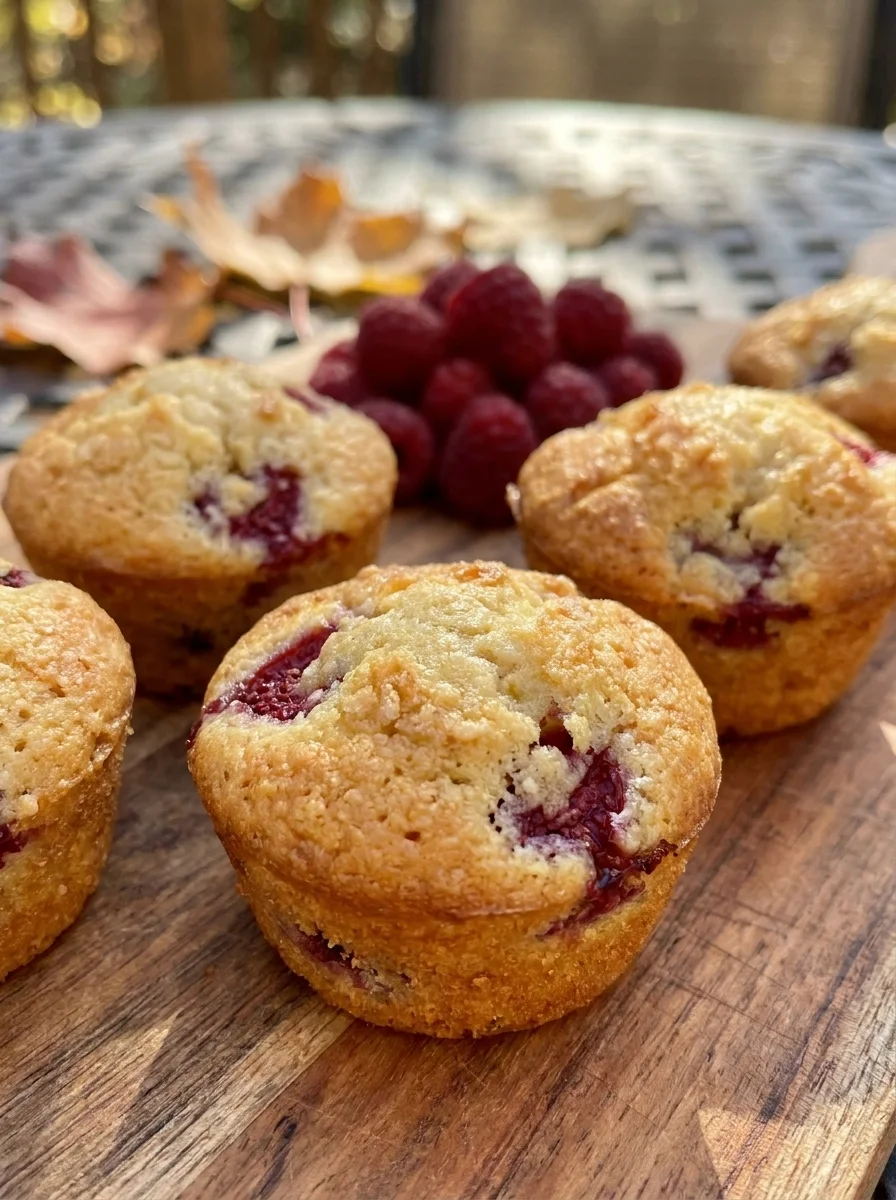
Raspberry dog muffins are a simple baked treat made for dogs, using fresh raspberries as the main source of sweetness. The goal is not a human-style dessert. It is a small, dense, dog-scale snack that your pup can enjoy in a bowl or on a mat, sometimes crumbled as a topper over kibble or plain boiled rice. Each batch produces miniature muffins sized for one or two per dog, depending on size, and the recipe intentionally leaves out added sugar so the flavor comes from ripe fruit and natural moisture.
Why raspberries alone can make the batter taste sweet enough is the core of this article. Ripe raspberries carry strong aromatic sugars, a mild tartness, and a lot of volatile flavor compounds that release during baking. When combined with mashed banana, the result is a batter that feels naturally sweet to a dog’s palate without needing any sweetener. That keeps the treat list short, the ingredients dog-safe, and the whole thing easier to repeat.
The structure below gives you one core recipe, two variations, and clear rules on serving and storage. It also covers the safety basics: why raspberries are fine in small amounts, why the fruit’s tiny natural xylitol content means these should remain an occasional treat food rather than a daily staple, and how to wash berries before baking to remove surface residue. If you want more dog-friendly dessert options, you can also try a 4-ingredient puppuccino recipe for dogs on cooler days.
Baking these muffins at home takes one bowl, one mini muffin tin, and about half an hour from start to finish. The muffins come out small, soft, and lightly sweet, with raspberry pieces baked through a golden oat crumb. This article walks through the classic recipe first, then two simple variations, plus serving sizes, storage, and answers to the questions dog owners ask most.
Why Raspberries Work for Dogs
Antioxidant and fiber benefits: Raspberries contain ellagic acid, anthocyanins, and other polyphenols, along with soluble and insoluble fiber. For dogs, these compounds contribute to a treat that is not empty calories; the fiber supports digestion and the antioxidants are a minor but real benefit compared to highly processed snacks. That is one reason this muffin works better as a “real” dog treat than a plain dough ball.
Natural sweetness without added sugar: Ripe raspberries are noticeably sweeter than many berries, and when mashed into batter, their sugars and acids spread evenly. Paired with a ripe banana, the sweetness reaches the level where most dogs will accept the muffin as a special snack without any external sweetener. No sugar, honey, maple syrup, or artificial sweetener is used in any version in this article.
Moderation rule and washing: Raspberries are safe for dogs in small amounts, but the fruit itself contains a very small amount of natural xylitol. That is not the same as added xylitol sweeteners, which are dangerous to dogs, but it still means raspberries should stay an occasional treat food, never a daily staple. Also, always wash berries before baking to remove surface residues. If you are building a small library of dog-safe sweets, you can also look at a homemade apple pie for dogs for a different flavor profile.
Ripe raspberries do most of the sweetening work on their own. A fully ripe berry is soft, deeply colored, and fragrant, and that ripeness is what keeps these muffins sweet without a spoonful of sugar. Raspberries also bring fiber, which supports steady digestion in small amounts, and antioxidants that help the body handle everyday wear. Pick berries that are plump and dry, not mushy or leaking juice, and sort out any moldy ones before they touch the bowl.
Recipe 1: Classic Raspberry Oat Muffins
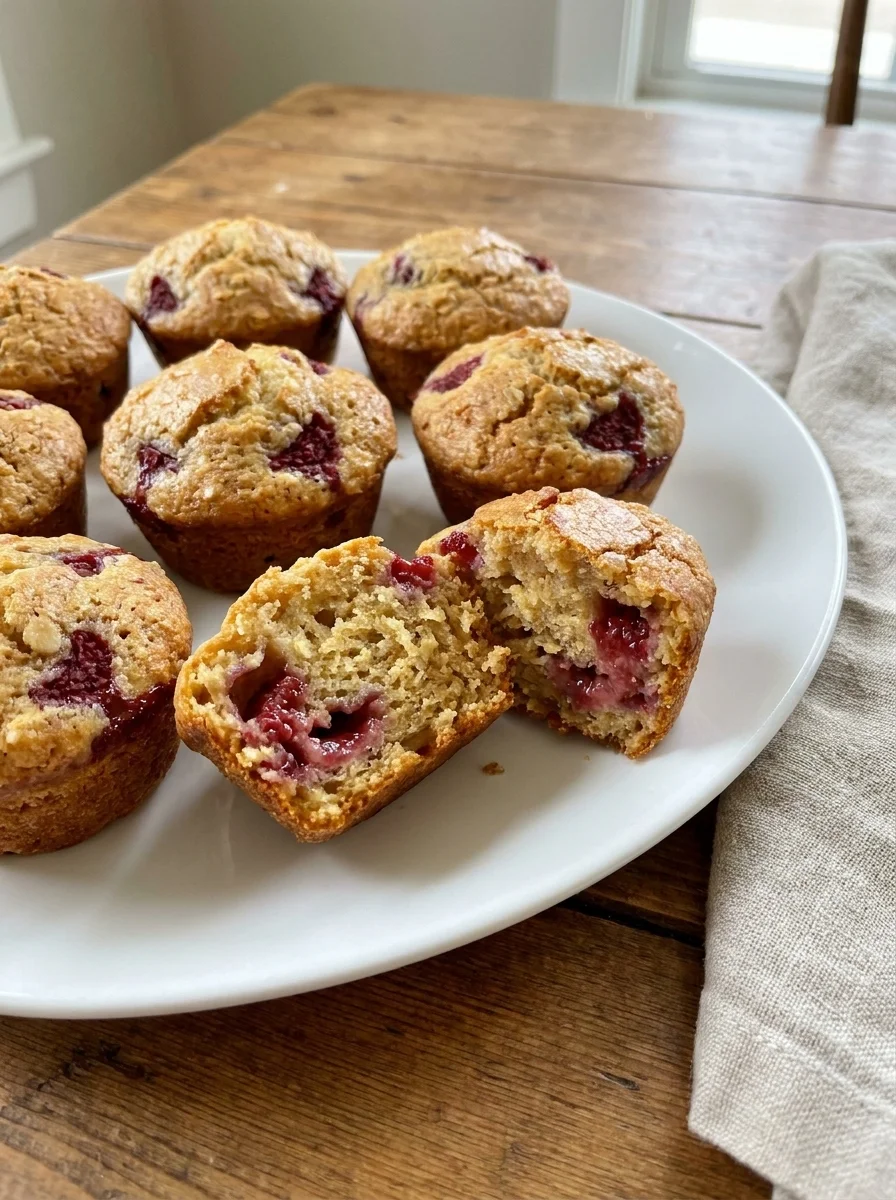
This is the base version of raspberry dog muffins. It uses oat flour for digestibility, egg for structure, and mashed banana plus raspberries for moisture and sweetness. The texture comes out soft and dense, not airy like human muffins, which is better for small, occasional treats. If your dog enjoys simple fruit-forward snacks, this one is a good starting point.
Ingredients
- fresh raspberries
- oat flour
- egg
- ripe banana (mashed)
- baking powder
- plain Greek yogurt
Step-by-Step Instructions
- Preheat the oven to 350°F (175°C) and line a mini muffin tin with paper liners.
- Wash the raspberries and drain them on a clean kitchen towel.
- Mash the banana in a bowl until smooth, then stir in the egg and yogurt until combined.
- Add the oat flour and baking powder, mixing just until the batter holds together without being runny.
- Gently fold in the raspberries, leaving a few whole for texture.
- Spoon the batter into the muffin cups and bake for 20 minutes, until the tops spring back slightly.
- Let the muffins cool for 10 minutes before transferring to a wire rack.
These muffins are best served at room temperature. A quick sniff test is a good idea, because some dogs prefer them slightly cooled rather than fully cold.
Let the muffins cool in the tin for five minutes, then move them to a rack so the bottoms stay dry. A muffin is done when the top springs back lightly under a fingertip and a toothpick comes out with only a few moist crumbs. If you only have a standard muffin tin, fill each cup halfway and check a few minutes early, since larger muffins need a little more time.
Raspberry Muffin Variations
These two variations keep the same safe ingredient logic, but shift the flavor or texture. They are useful when your dog is selective or when you want to rotate treats without repeating the exact same muffin every time. You can also try carrot and apple waffles for dogs if you want a different breakfast-style dog treat.
Rotating flavors keeps treat time interesting without changing the safety rules. Each variation below swaps one ingredient and keeps the rest of the base the same, so the muffins stay dog-safe and sugar-free. Bake the classic first to learn the base, then try a variation the next time your dog is ready for something a little different.
Variation 1: Coconut Raspberry Muffins
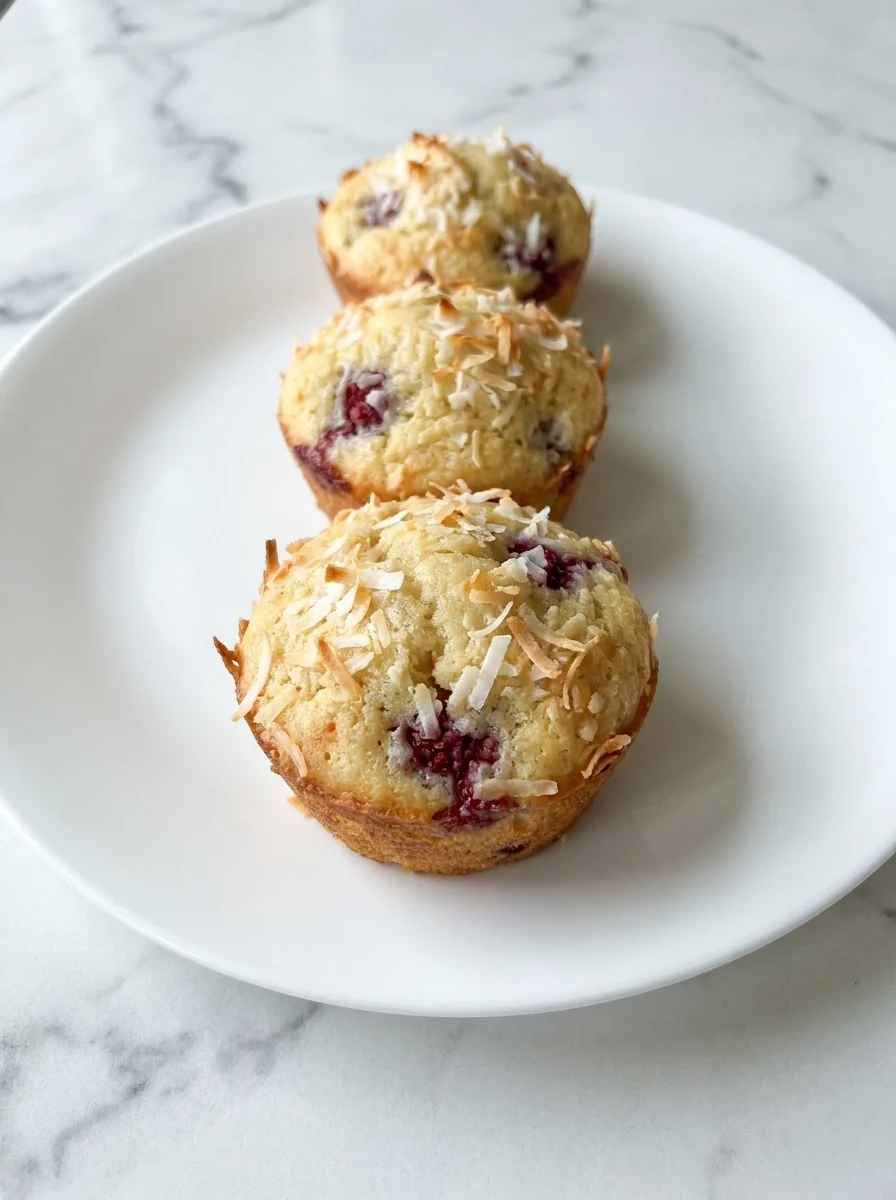
This version adds a mild, nutty note from unsweetened shredded coconut. It works well with the tartness of raspberries and gives the crumb a slightly grainy texture that most dogs enjoy. The coconut is unsweetened, so no sugar is introduced.
Ingredients
- fresh raspberries
- oat flour
- egg
- ripe banana (mashed)
- unsweetened shredded coconut
- plain Greek yogurt
Step-by-Step Instructions
- Preheat the oven to 350°F (175°C) and prepare a mini muffin tin with liners.
- Wash and drain the raspberries.
- Mash the banana, then mix in the egg and yogurt.
- Stir in the oat flour and the unsweetened shredded coconut.
- Fold in the raspberries, keeping the batter thick.
- Bake for 20 minutes, then cool on the rack for 10 minutes.
The coconut version holds up well when crumbled as a topper. You can also consider homemade cheese dog treats for a protein-forward alternative.
Variation 2: Blueberry Raspberry Muffins
This variation adds fresh blueberries for a second berry flavor and a slightly sweeter, more rounded taste. Both berries are dog-safe in moderation, and the combination makes the muffin visually appealing while keeping the ingredient list tight.
Ingredients
- fresh raspberries
- fresh blueberries
- oat flour
- egg
- ripe banana (mashed)
- plain Greek yogurt
Step-by-Step Instructions
- Preheat the oven to 350°F (175°C) and line a mini muffin tin.
- Wash the raspberries and blueberries, then drain them well.
- Mash the banana and combine it with the egg and yogurt.
- Mix in the oat flour until the batter is thick and sticky.
- Gently fold in both berries so the muffins retain color and texture.
- Bake for 20 minutes and cool before serving.
This version is a good choice if your dog prefers berries with a deeper flavor. The double berry mix also helps mask the tartness of raspberries for picky eaters.
Serving
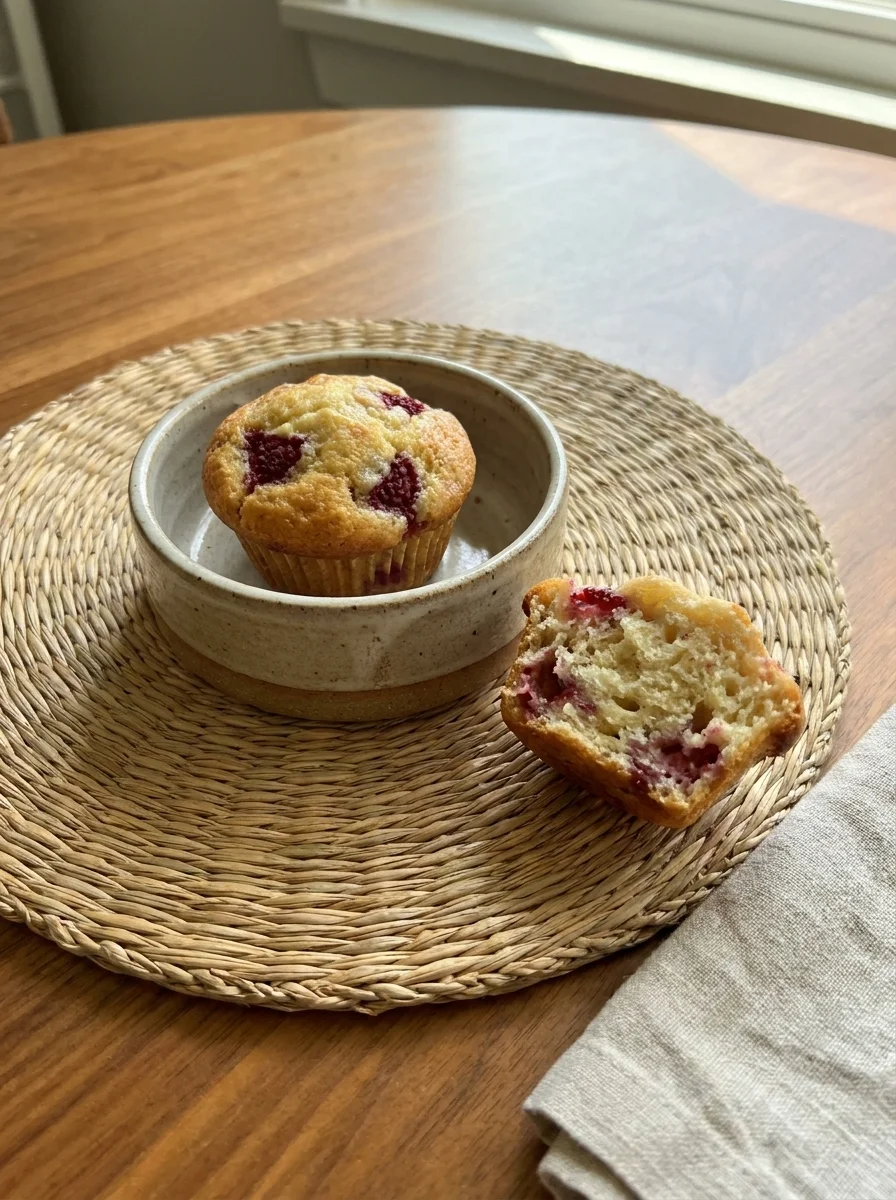
Portion by dog size: One mini muffin is the standard serving for small dogs. For large dogs, you can offer up to two mini muffins at a time, but still only as an occasional treat. These muffins are dense, so they go further than fluffier human-style muffins. Always serve them in a bowl or on a mat, not as part of a human meal.
Timing: Offer the muffin as a separate treat moment, not mixed into the main meal unless you are intentionally crumpling it as a topper. A common pattern is one or two after a walk, or as a reward during training, but not daily. If you are crumpling it, sprinkle a small amount over kibble or plain boiled rice so your dog associates the muffin with the food they are already eating.
Serve muffins at room temperature, never straight from the oven or the freezer. Watch your dog the first time with any new treat: soft stools or a grumbly stomach mean the portion was too big or the food is too new, so wait a few days before trying again. Keep fresh water nearby, as with any dry baked treat.
Storage
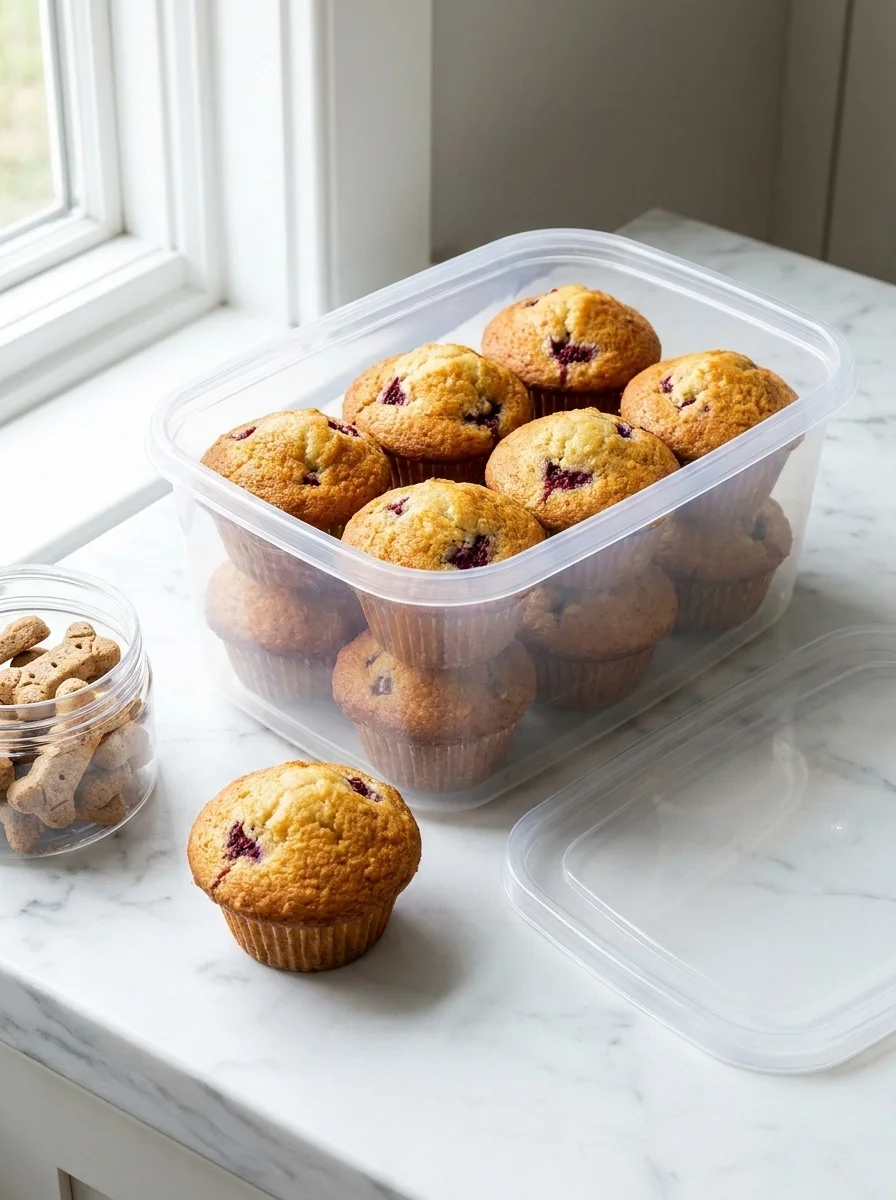
Fridge: Store the muffins in an airtight container in the refrigerator for up to 5 days. Keep them in a single layer if possible so the texture does not turn gummy.
Freezer: For longer storage, freeze the muffins in an airtight container for up to 2 months. Thaw them at room temperature before serving. Never serve them frozen, and do not re-freeze after thawing. If you are expanding your dog-treat pantry, you can also try sweet potato dog waffles for a different seasonal option.
Frequently Asked Questions
Final Thoughts
Raspberry dog muffins are a simple, naturally sweet way to make a treat that feels special to your dog without adding sugar or risky sweeteners. The core recipe is short, easy to repeat, and works well as an occasional snack that can be rotated with other homemade options.
The variations let you adjust flavor and texture while keeping the same safety logic: no added sugar, no xylitol sweeteners, and raspberries only in moderation. If your dog is picky, the blueberry version often gets through, and the coconut version is a good switch when you want a different mouthfeel.
Serve these muffins in a bowl or on a mat, keep them out of reach from humans, and store them properly. When used as an occasional treat, they are a solid addition to your dog’s diet, and the natural sweetness of ripe raspberries is enough to make them feel like a real special snack.
These muffins prove that a dog treat can be sweet without sugar, as long as the fruit does the work. Bake a small batch, watch your dog enjoy it, and keep the rest of the batch for the week ahead.

Izzy is an experienced ranch worker who has a passion for exploring nature and getting up close to wildlife. With her connections to various animal organizations, Izzy is well-versed in animal care and rehabilitation.