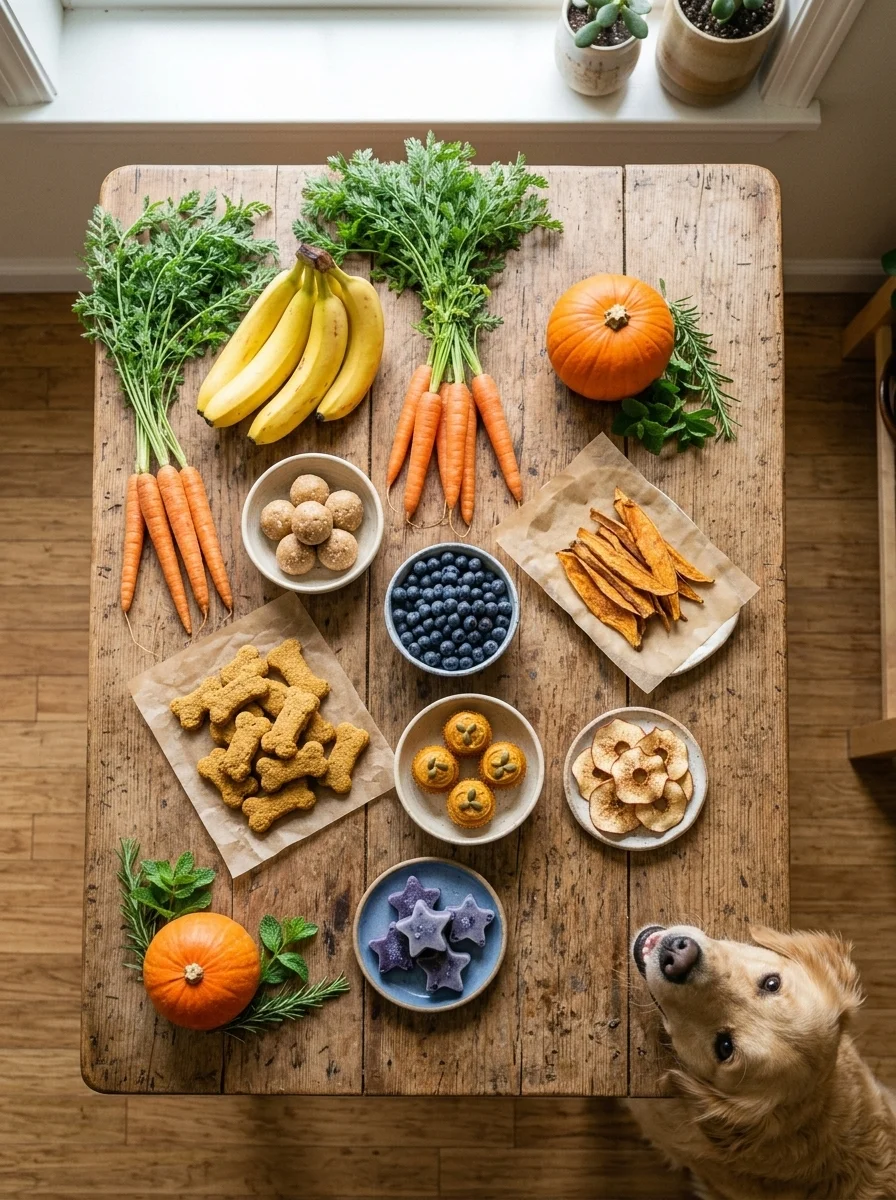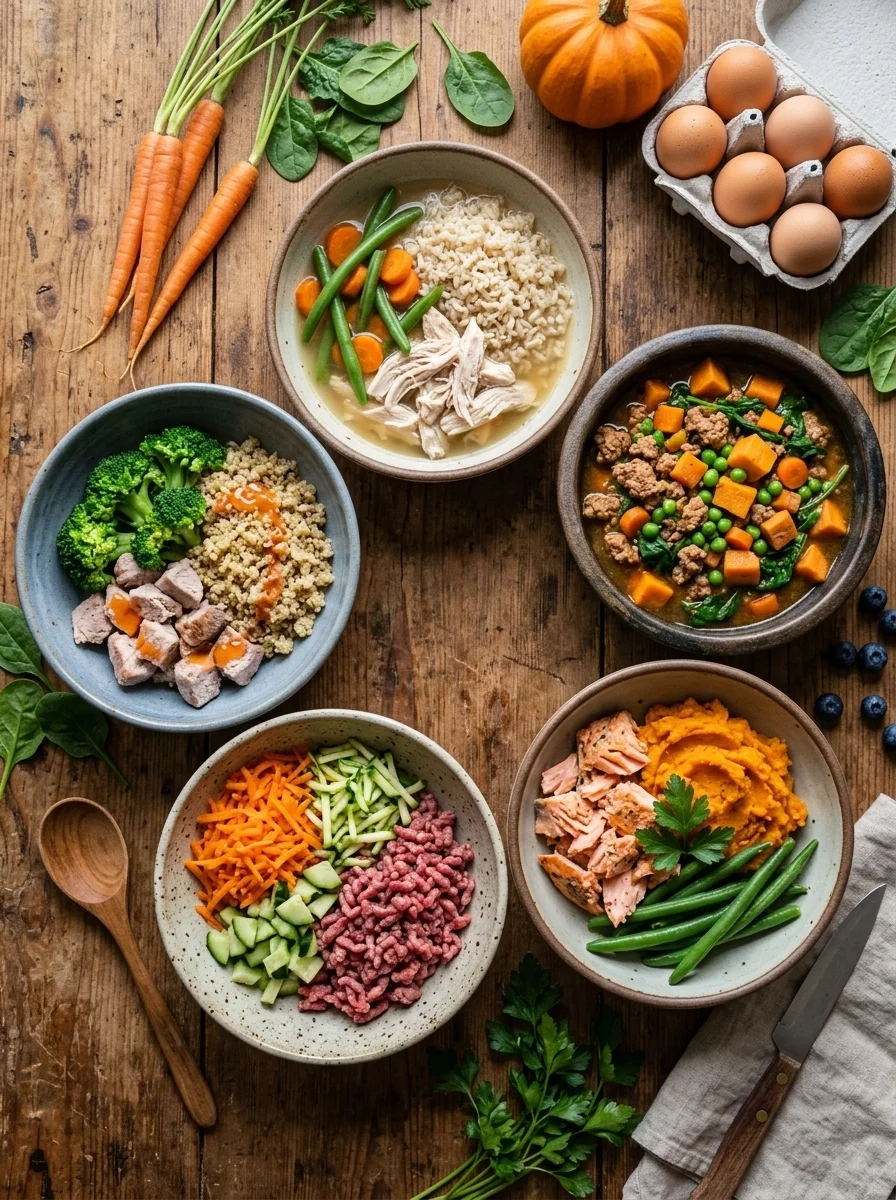
High Protein Dog Food Toppers for Picky Eaters and Seniors
If your dog’s bowl gets a half-hearted sniff and a walk-away, high protein dog food toppers can fix that fast. A topper is simply a small amount of extra food spooned, sprinkled, or poured over your dog’s regular kibble or wet food. Done right, it boosts protein, adds real flavor, and gets even the pickiest eater excited about mealtime again.
This guide skips the fluff and gets straight to what works. You’ll find a base recipe you can make tonight, five more topper formats inspired by what’s actually working for other dog owners, three ingredient variations, and quick tips on feeding amounts and storage. Every recipe below is written in a clean, copy-and-paste card so you can print it, save it, or stick it on the fridge.
Let’s get cooking.
1) The Base High Protein Dog Food Topper Recipe
This is the topper to start with if you’ve never made one before. It uses lean chicken, sweet potato, and a couple of dog-safe vegetables, and it comes together in under 30 minutes on the stovetop. It’s also a great entry point if you’re curious about moving toward fuller homemade dog food recipes down the road.
Recipe Card: Skillet Chicken & Sweet Potato Topper
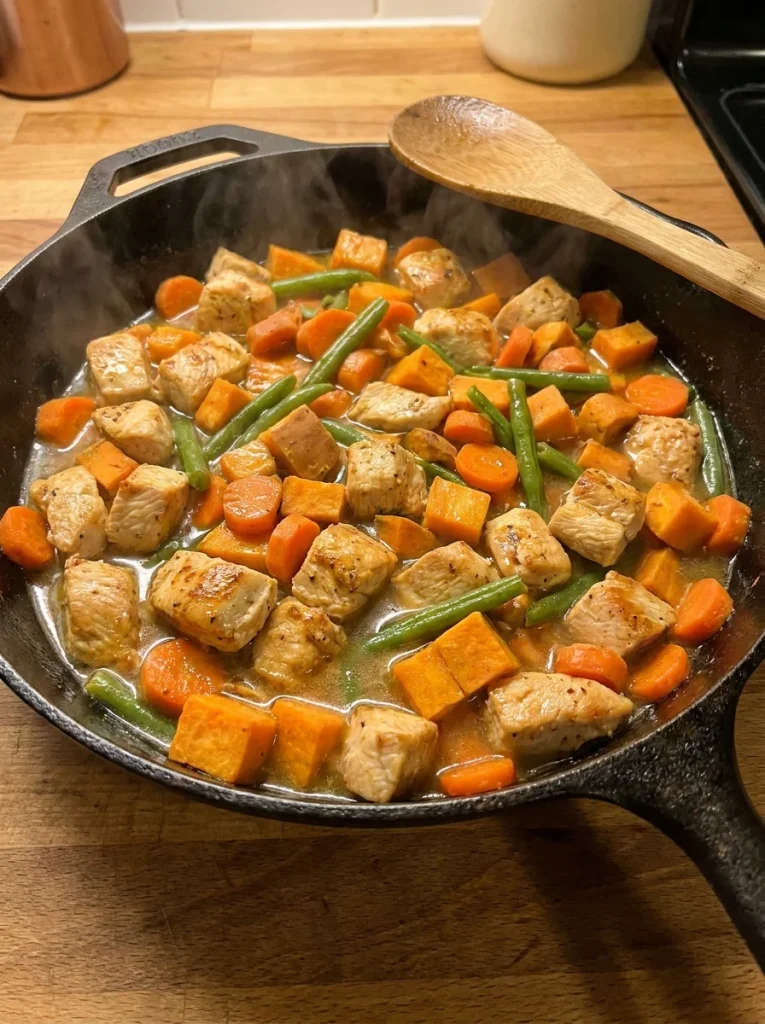
Prep Time: 10 minutes
Cook Time: 20 minutes
Yield: About 3 cups (roughly 12 servings for a 30–40 lb dog)
Storage: Refrigerate up to 4 days, or freeze up to 3 months
Ingredients:
- 1 lb boneless, skinless chicken breast or thighs, diced small
- 1 medium sweet potato, peeled and diced small
- 1/2 cup chopped carrots
- 1/4 cup chopped green beans
- 1 tablespoon plain olive oil
- 1/2 cup low-sodium chicken broth (no onion or garlic)
Instructions:
- Heat the olive oil in a large skillet over medium heat.
- Add the diced chicken and cook until no longer pink, about 7–8 minutes, stirring often.
- Add the sweet potato, carrots, and green beans to the skillet.
- Pour in the broth, cover, and simmer for 10–12 minutes until the vegetables are soft and the chicken is fully cooked.
- Remove from heat and let cool completely before serving.
- Mash lightly with a fork if your dog is a puppy or senior, or leave chunky for adult dogs.
Notes:
- Never use broth, onion, or garlic seasoning blends made for humans — always plain or dog-safe broth.
- Spoon 2–4 tablespoons over your dog’s regular food per meal, adjusting for size.
- Portion into ice cube trays or small containers before freezing so you can thaw only what you need.
2) Freeze-Dried Style Topper (No-Cook Method)
Freeze-dried toppers are one of the most popular store-bought formats right now, mainly because they’re shelf-stable and mess-free. You can’t truly freeze-dry at home without special equipment, but this low-and-slow oven method gets you a very similar crispy, high-protein result without buying a machine.
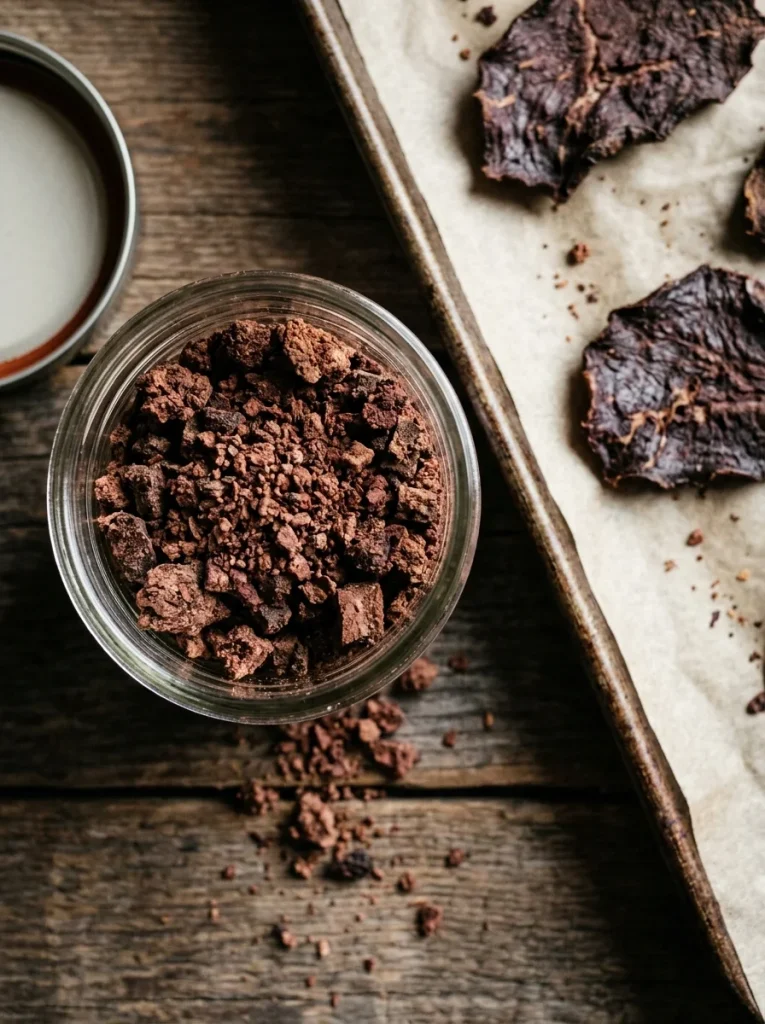
Recipe Card: Oven-Dried Beef Liver Crumbles
Prep Time: 5 minutes
Cook Time: 3–4 hours
Yield: About 1.5 cups
Storage: Airtight container, room temperature, up to 3 weeks
Ingredients:
- 1 lb beef liver, sliced very thin (1/8 inch)
- Parchment paper
Instructions:
- Preheat your oven to its lowest setting, ideally 170°F or below.
- Line a baking sheet with parchment paper and lay the liver slices flat, not touching.
- Bake for 3–4 hours, flipping once halfway through, until the slices are fully dry and brittle.
- Let cool completely, then break or crumble into bite-sized pieces.
- Store in an airtight jar away from heat and light.
Notes:
- This format is naturally shelf-stable, making it perfect for travel or camping trips — pair it with the tips in our travel essentials to pack for dog guide before your next trip.
- Sprinkle 1–2 tablespoons over food as a topper, or use as a training treat.
- Liver is very rich, so start with smaller amounts to avoid an upset stomach.
3) Bone Broth-Based Topper (Pourable Format)
Bone broth toppers are ideal for dogs who need extra hydration, have dental issues, or are recovering from illness. This format also happens to be one of the easiest to batch-cook and freeze in advance.
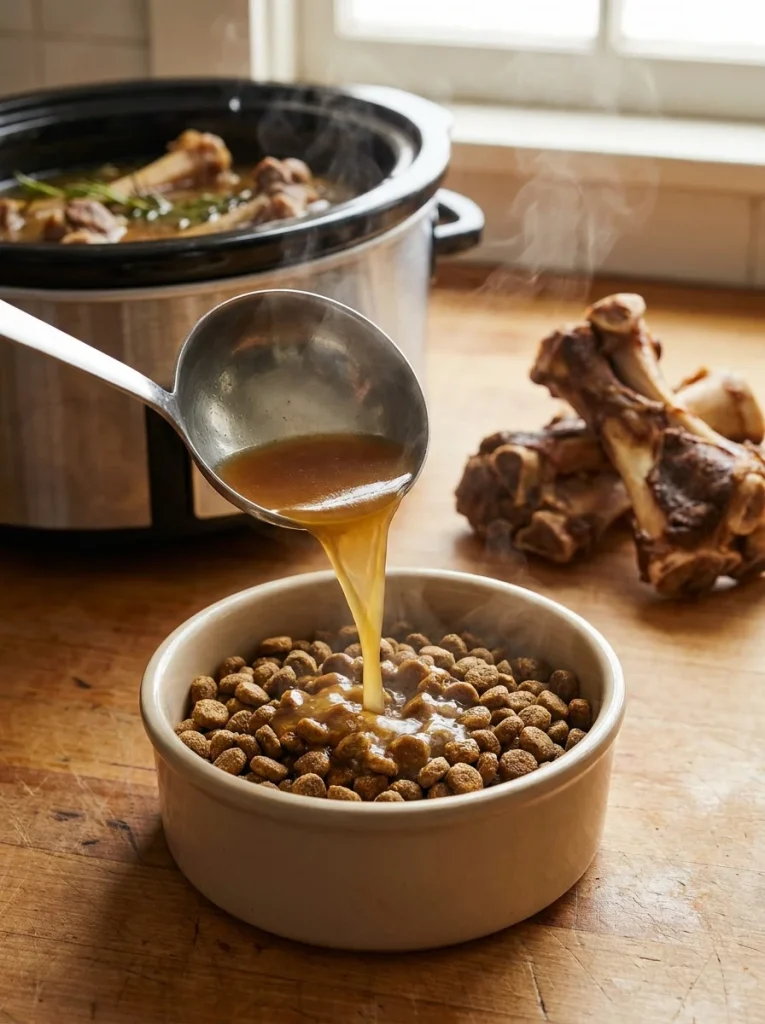
Recipe Card: Slow Cooker Beef Bone Broth Topper
Prep Time: 10 minutes
Cook Time: 12–24 hours (slow cooker)
Yield: About 8 cups
Storage: Refrigerate up to 5 days, or freeze up to 4 months
Ingredients:
- 2 lbs beef marrow bones or knuckle bones
- 2 tablespoons apple cider vinegar
- 8 cups water
- 1 cup chopped carrots
- 1 cup chopped celery (leaves removed)
Instructions:
- Place the bones, vinegar, and water into a slow cooker.
- Let sit for 30 minutes before turning on the heat — this helps draw out nutrients from the bone.
- Add the carrots and celery.
- Cook on low for 12–24 hours. The longer it cooks, the richer the broth.
- Strain out the bones and vegetables, then let the broth cool completely.
- Skim off any excess fat from the surface before serving.
Notes:
- If you’re already comfortable running your slow cooker for dog meals, check out these slow cooker dog food recipes for more batch-friendly ideas.
- Pour 2–4 tablespoons over dry food, or freeze in ice cube trays for single servings.
- This topper is especially useful for senior dogs with reduced appetite or dental pain.
4) Dehydrated Powder Topper (Add-Water Format)
This is the format used by several popular commercial brands: a shelf-stable powder you rehydrate with warm water right before serving. It’s a great option if you want the convenience of a store-bought topper but prefer to control exactly what goes into it.
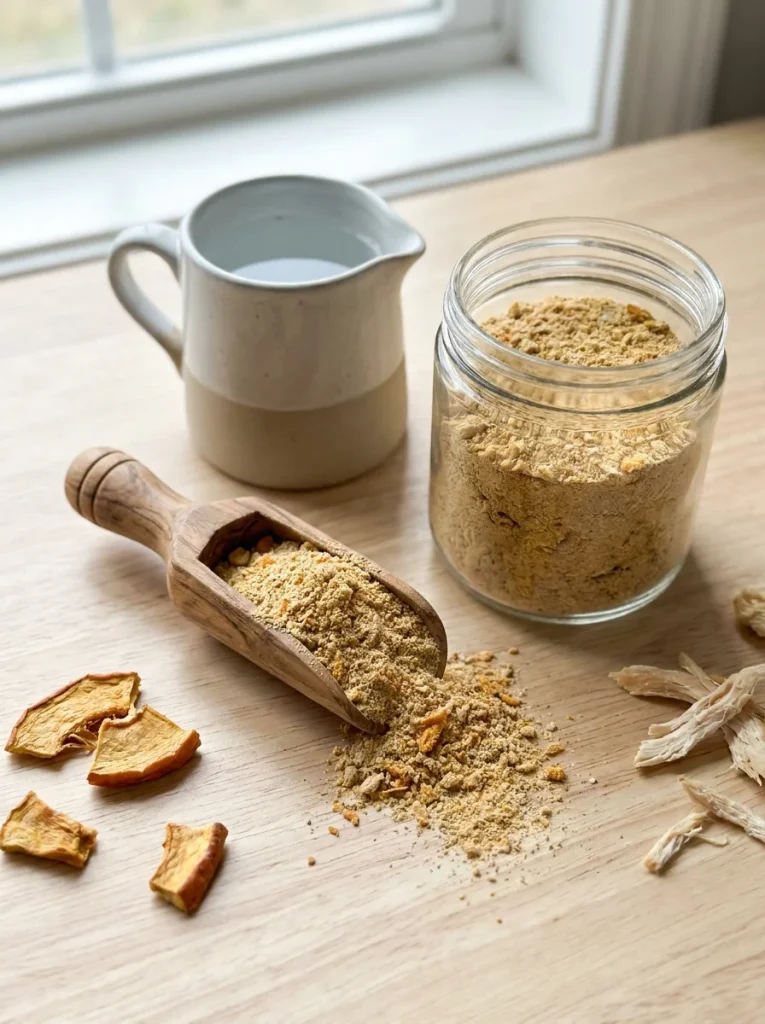
Recipe Card: Chicken & Pumpkin Protein Powder Topper
Prep Time: 10 minutes
Cook Time: 4–6 hours
Yield: About 1 cup dry powder (makes roughly 20 servings once rehydrated)
Storage: Airtight container, cool dry place, up to 1 month
Ingredients:
- 1 lb chicken breast, thinly sliced
- 1/2 cup pure pumpkin puree (not pie filling), spread thin on parchment and dehydrated separately
- Pinch of ground ginger (optional, aids digestion)
Instructions:
- Preheat oven to 170°F or your dehydrator’s meat setting.
- Lay chicken slices flat on a lined baking sheet, and spread the pumpkin puree thinly on a separate lined sheet.
- Dehydrate both for 4–6 hours, checking every hour, until completely dry and brittle.
- Let everything cool, then pulse in a food processor or blender until it forms a coarse powder.
- Mix in the optional ginger and store in an airtight jar.
Notes:
- To serve, mix 1–2 tablespoons of powder with a splash of warm water and stir into your dog’s bowl.
- This format travels well and doesn’t need refrigeration, making it handy for busy weeks or boarding stays.
- Great option if your dog has been dealing with a sensitive stomach, alongside general house rules around what treats and snacks table scraps they get, like avoiding anything spicy or fatty.
5) Baked Topper Crumbles (Oven-Baked Format)
Baked crumbles are a sturdier, less messy alternative to raw or wet toppers. They hold their shape, don’t require refrigeration for a few days, and are easy to portion by hand — which also makes them useful as training rewards, similar in spirit to classic dog bones and treats.
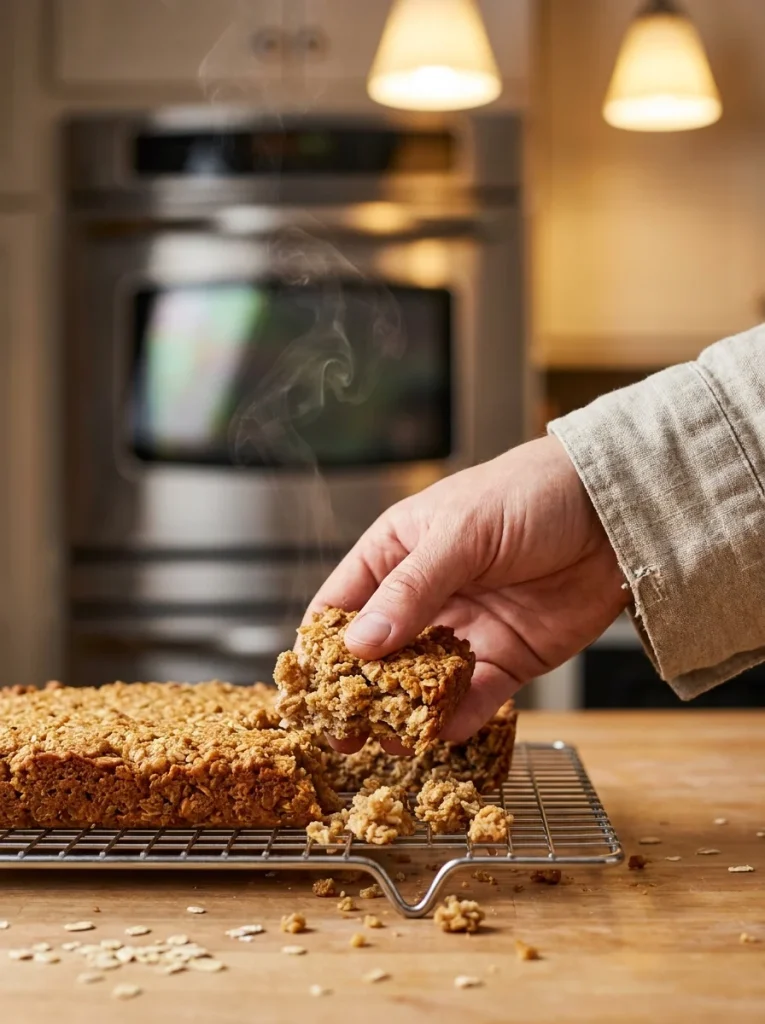
Recipe Card: Baked Turkey & Oat Crumble Topper
Prep Time: 10 minutes
Cook Time: 25 minutes
Yield: About 2.5 cups
Storage: Refrigerate up to 5 days, or freeze up to 3 months
Ingredients:
- 1 lb ground turkey (93% lean)
- 1/2 cup rolled oats
- 1 egg
- 1/4 cup finely chopped spinach
- 2 tablespoons plain pumpkin puree
Instructions:
- Preheat oven to 350°F and line a baking sheet with parchment paper.
- In a large bowl, mix the ground turkey, oats, egg, spinach, and pumpkin puree until well combined.
- Spread the mixture evenly onto the baking sheet, about 1/2 inch thick.
- Bake for 25 minutes, or until fully cooked through and lightly golden.
- Let cool completely, then crumble by hand into bite-sized pieces.
Notes:
- This crumble format holds up well in a bowl without going soggy, so it’s a good choice if you use a dedicated feeding setup — see our dog feeding station ideas for inspiration on organizing toppers, bowls, and treats in one spot.
- Serve 2–3 tablespoons per meal depending on your dog’s size.
- Freezes well in small silicone molds for easy single-serving portions.
6) Three Ingredient Variations of the Base Recipe
Once you’re comfortable with the base skillet recipe from section 1, these three variations let you rotate proteins and nutrients without changing the method. Rotating recipes also helps prevent food boredom and reduces the odds of your dog developing a sensitivity to any single ingredient.
A. Salmon & Omega-3 Variation
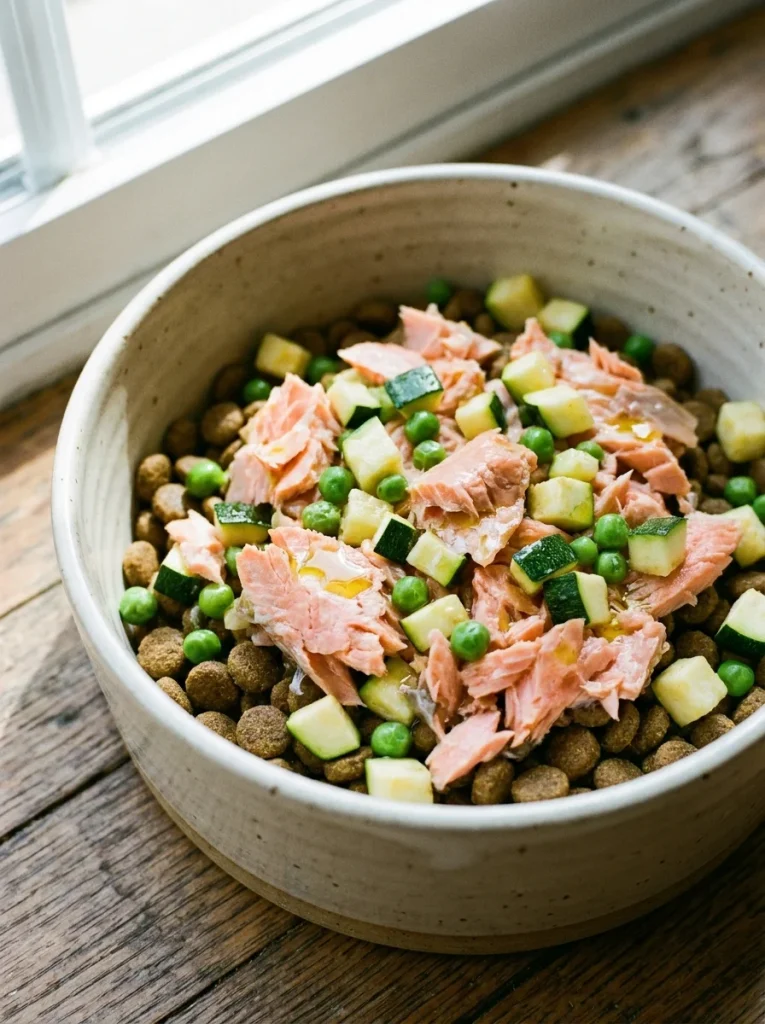
Prep Time: 10 minutes | Cook Time: 15 minutes | Yield: About 3 cups
Ingredients:
- 1 lb salmon fillet, skin removed
- 1/2 cup diced zucchini
- 1/4 cup peas
- 1 tablespoon flaxseed oil
Instructions:
- Bake or steam the salmon until fully cooked and flakes easily, about 12–15 minutes.
- Flake the salmon into small pieces, removing any bones.
- Steam the zucchini and peas until soft, about 5 minutes.
- Mix everything together with the flaxseed oil once cooled.
Notes: Great for dogs with dry, flaky skin or a dull coat, since salmon is rich in omega-3 fatty acids.
B. Beef & Organ Meat Variation
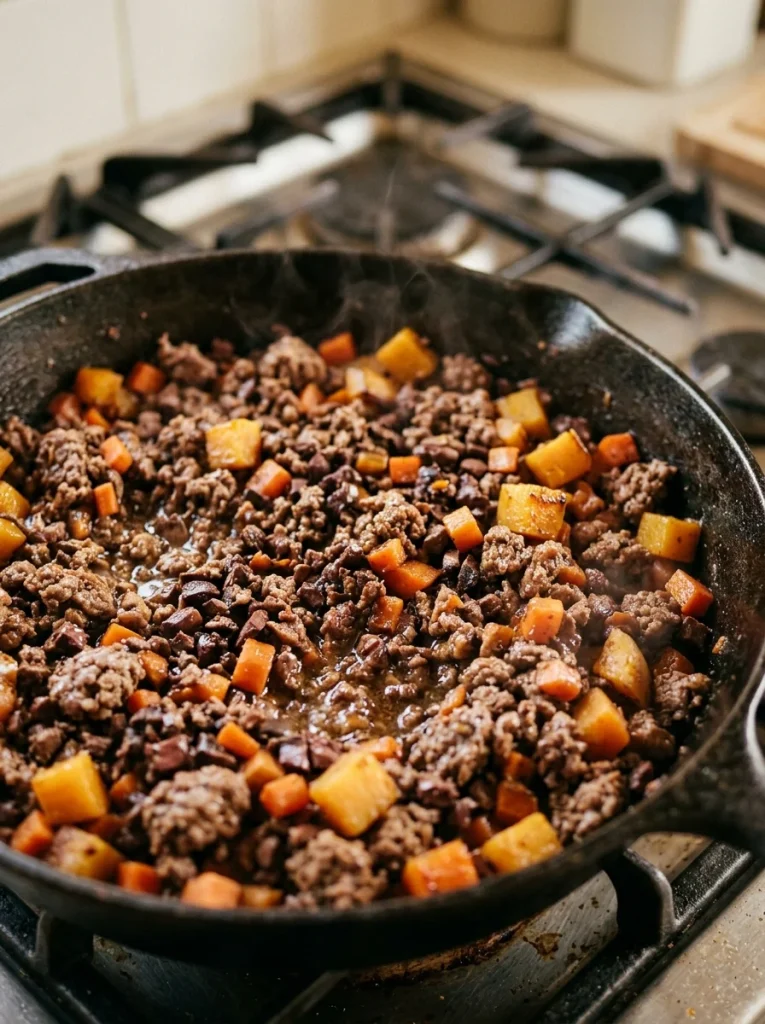
Prep Time: 10 minutes | Cook Time: 20 minutes | Yield: About 3 cups
Ingredients:
- 3/4 lb lean ground beef
- 1/4 lb beef liver, finely chopped
- 1/2 cup diced carrots
- 1/4 cup diced pumpkin
Instructions:
- Brown the ground beef and liver together in a skillet over medium heat, breaking it apart as it cooks.
- Add the carrots and pumpkin, and cook for another 8–10 minutes until soft.
- Drain excess fat, then let cool before serving.
Notes: This one is calorie-dense thanks to the organ meat, so keep portions on the smaller side — about 1–2 tablespoons per meal for medium dogs.
C. Egg-Boosted Protein Variation
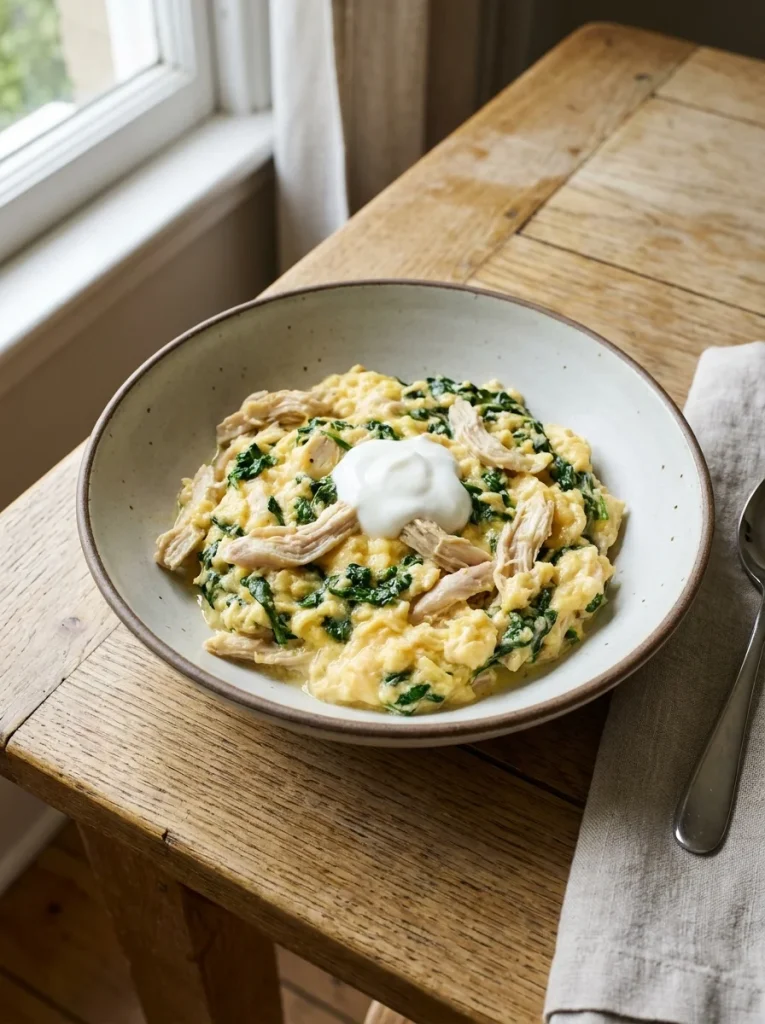
Prep Time: 5 minutes | Cook Time: 10 minutes | Yield: About 2 cups
Ingredients:
- 3 large eggs
- 1/2 cup shredded cooked chicken
- 1/4 cup finely chopped spinach
- 1 tablespoon plain Greek yogurt (unsweetened, no xylitol)
Instructions:
- Scramble the eggs in a dry, non-stick pan over low heat until fully cooked, with no oil, salt, or butter.
- Mix in the shredded chicken and spinach while the eggs are still warm.
- Let cool, then stir in the Greek yogurt.
Notes: This is one of the highest-protein-per-bite variations on this list and works well for active or working dogs who burn through calories quickly. If you’re feeding this to a growing puppy, it’s worth double-checking your feeding amounts against a vet’s guidance on general puppy veterinary needs first.
7) How Much Topper to Feed Your Dog
Toppers are meant to supplement your dog’s regular food, not replace it. As a general starting point:
- Small dogs (under 20 lbs): 1–2 tablespoons per meal
- Medium dogs (20–50 lbs): 2–4 tablespoons per meal
- Large dogs (50+ lbs): 4–6 tablespoons per meal
If your dog eats a full meal’s worth of kibble already, reduce the kibble portion slightly to account for the added calories in the topper. This keeps your dog’s overall calorie intake balanced instead of adding extra weight over time.
Introduce any new topper gradually over 3–5 days, mixing in small amounts alongside your dog’s usual food. This gives their digestive system time to adjust and makes it easier to spot any reaction, such as loose stool or itching.
8) Storage and Batch Prep Tips
Making toppers in batches saves time and keeps your dog eating fresh, high protein meals all week.
- Freeze in small portions. Ice cube trays, silicone muffin molds, or small freezer bags all work well for single-serving portions.
- Label everything. Write the recipe name and date on each container so nothing sits in the freezer too long.
- Thaw in the fridge overnight. Avoid microwaving frozen toppers, which can create hot spots and destroy some nutrients.
- Keep wet and dry formats separate. Powdered and dehydrated toppers should stay in airtight containers away from moisture, while cooked wet toppers belong in the fridge or freezer.
- Rotate your stock. Use older batches first, and aim to use frozen toppers within 3 months for the best flavor and texture.
9) What Makes a Topper “High Protein”?
A topper generally qualifies as high protein when at least one animal-based ingredient — like chicken, beef, fish, turkey, or eggs — makes up the majority of the recipe. Animal protein gives dogs the essential amino acids their bodies can’t produce on their own, which support muscle repair, a healthy coat, and steady energy levels.
High protein toppers are especially useful for:
- Active or working dogs that need extra fuel
- Senior dogs losing muscle mass with age
- Picky eaters who need more flavor to finish a meal
- Dogs recovering from illness or surgery
That said, more protein isn’t automatically better for every dog. Dogs with certain kidney conditions may need a vet-approved lower-protein diet, so it’s worth a quick conversation with your vet before making high protein toppers a daily habit, particularly for puppies or dogs with existing health conditions.
10) Common Mistakes to Avoid
A few small mistakes can turn a good topper into a problem, so keep these in mind:
- Using seasoned or salted broth. Many broths made for humans contain onion or garlic powder, both of which are toxic to dogs.
- Overfeeding the topper. Too much added protein and fat can lead to weight gain or an upset stomach.
- Skipping the cooling step. Always let hot toppers cool fully before serving to avoid burns.
- Using unsafe vegetables. Stick to dog-safe options like carrots, green beans, pumpkin, and spinach, and avoid onions, grapes, or anything from the allium family.
- Ignoring your dog’s individual needs. Puppies, seniors, and dogs with health conditions may need adjusted portions or ingredients, so check with your vet if you’re unsure.
Final Thoughts
High protein dog food toppers don’t have to be complicated or expensive. Whether you go with the skillet-style base recipe, a shelf-stable dehydrated powder, or a rich bone broth pour-over, the goal is the same: real, simple ingredients that make mealtime something your dog actually looks forward to.
Start with one recipe, see how your dog responds, and build a small rotation from there. A little variety goes a long way — both for keeping your dog interested in their food and for making sure they’re getting a well-rounded mix of nutrients over time.

Izzy is an experienced ranch worker who has a passion for exploring nature and getting up close to wildlife. With her connections to various animal organizations, Izzy is well-versed in animal care and rehabilitation.