The Complete Guide to Backyard Dog Run Ideas That Actually Work
Your dog deserves more than a random patch of yard to call their own. But let’s be honest — without a plan, that “open yard” quickly turns into muddy paw prints on your floors, torn-up flower beds, and a lawn that looks like a construction site.
The good news? The right backyard dog run ideas can solve all of that. A dedicated dog run gives your pup a safe space to run, play, and burn energy — while keeping the rest of your yard intact.
In this guide, you’ll find 15 real, buildable ideas with honest cost ranges, DIY difficulty ratings, and tips for making sure your setup actually works for your dog. Whether you have a tiny side yard or a sprawling half-acre, there’s something here for every home and every budget.
1. What Makes a Great Dog Run In Backyard? (The 3-Part Rule)
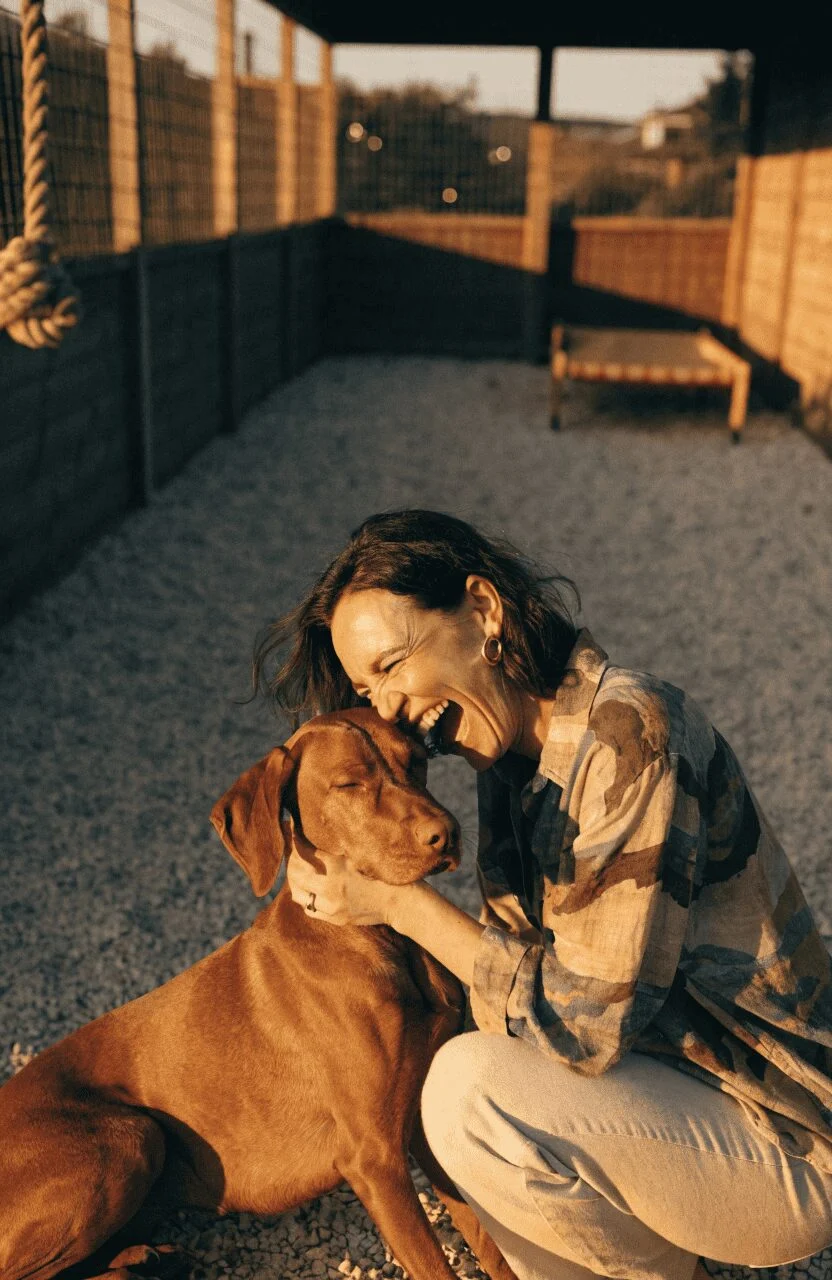
Before you start digging post holes or ordering fencing, understand what separates a good dog run from a great one.
Every excellent dog run in backyard has three things:
Safe containment. Your dog should not be able to jump over, dig under, or chew through the boundary. This sounds obvious, but most run failures come from underestimating a determined dog.
A comfortable surface. The ground your dog walks and lies on matters more than most owners think. Hot concrete, muddy soil, and sharp gravel can hurt paws and joints over time.
Mental stimulation. A run that’s just an empty box gets boring fast. Bored dogs bark, dig, and find creative ways to escape. Even small enrichment elements make a huge difference.
Keep these three in mind as you browse the ideas below.
2. How Big Should a Backyard Dog Area Be?
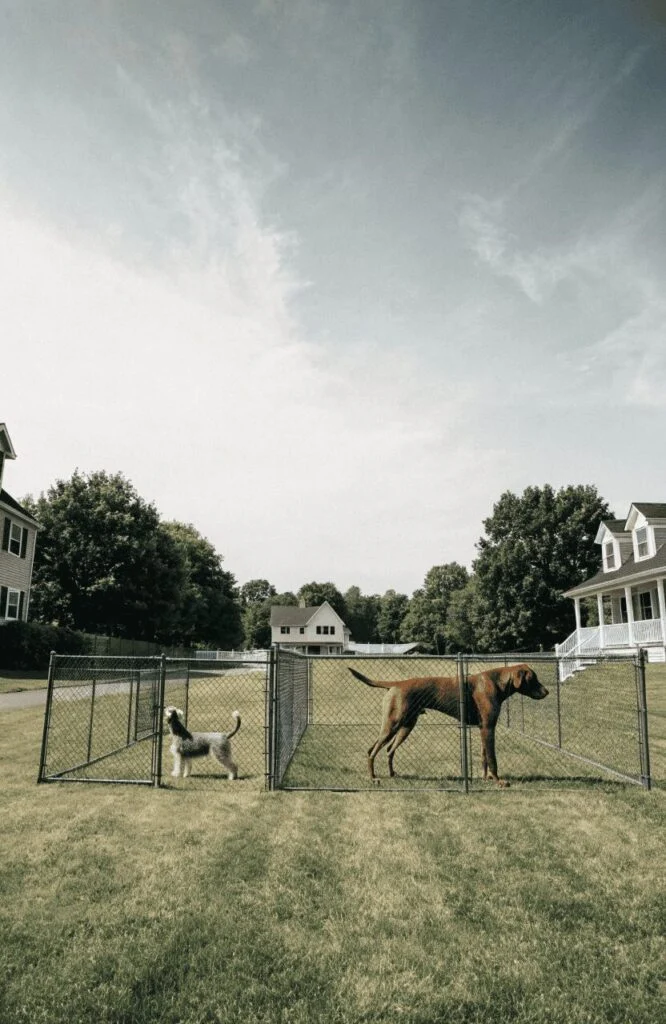
Size is the question everyone gets wrong — usually by going too small.
I. Sizing by Dog Weight and Energy Level
Here’s a simple guide to minimum recommended square footage for a backyard dog area:
| Dog Size | Weight | Minimum Run Size | Recommended Size |
|---|---|---|---|
| Small | Under 25 lbs | 4 ft × 8 ft (32 sq ft) | 4 ft × 12 ft |
| Medium | 25–60 lbs | 5 ft × 10 ft (50 sq ft) | 6 ft × 15 ft |
| Large | 60–90 lbs | 6 ft × 15 ft (90 sq ft) | 8 ft × 20 ft |
| Extra Large | 90+ lbs | 8 ft × 20 ft (160 sq ft) | 10 ft × 30 ft |
High-energy breeds like Border Collies, Huskies, and German Shepherds need the larger end of the range — or more. A dog that needs two hours of exercise daily will not thrive in a minimum-sized pen.
II. The Minimum You Can Get Away With
If space is genuinely tight, the floor minimum for any dog is 4 feet wide and 8 feet long. Anything smaller functions more like a crate than a run.
That said, a narrow side yard corridor of 4 ft × 20 ft gives more meaningful exercise than a wide 8 ft × 8 ft square. Length matters more than width — dogs run forward, not in circles.
3. 15 Easy Dog Run Ideas for Your Backyard
Each idea below includes who it’s best for, a realistic cost estimate, and a DIY difficulty rating.
Difficulty scale: 🟢 Easy (no tools needed) | 🟡 Medium (basic tools, one weekend) | 🔴 Hard (post-setting, may need help)
1. Classic Chain-Link Corridor
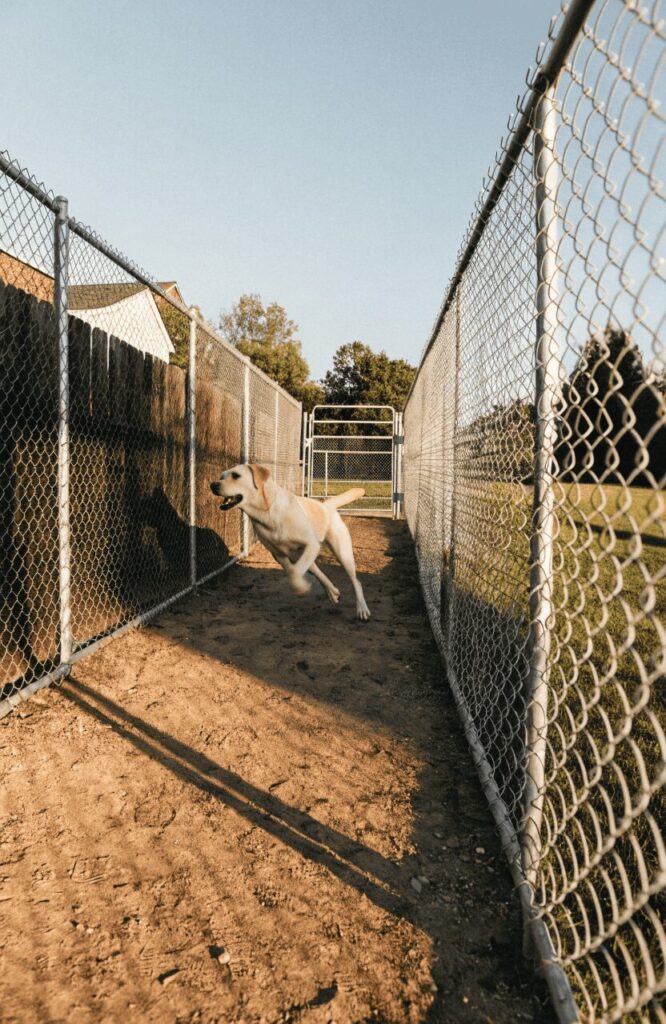
The tried-and-true option. A long, narrow run built with galvanized chain-link fencing along a property line or fence. It’s transparent (so your dog doesn’t feel isolated), strong, and fast to build.
Best for: Medium to large active dogs. Any yard with a straight edge. Approx. cost: $300–$800 for a 6 ft × 20 ft run (DIY) Difficulty: 🔴 Hard (post setting required)
2. Gravel Run with Landscape Border
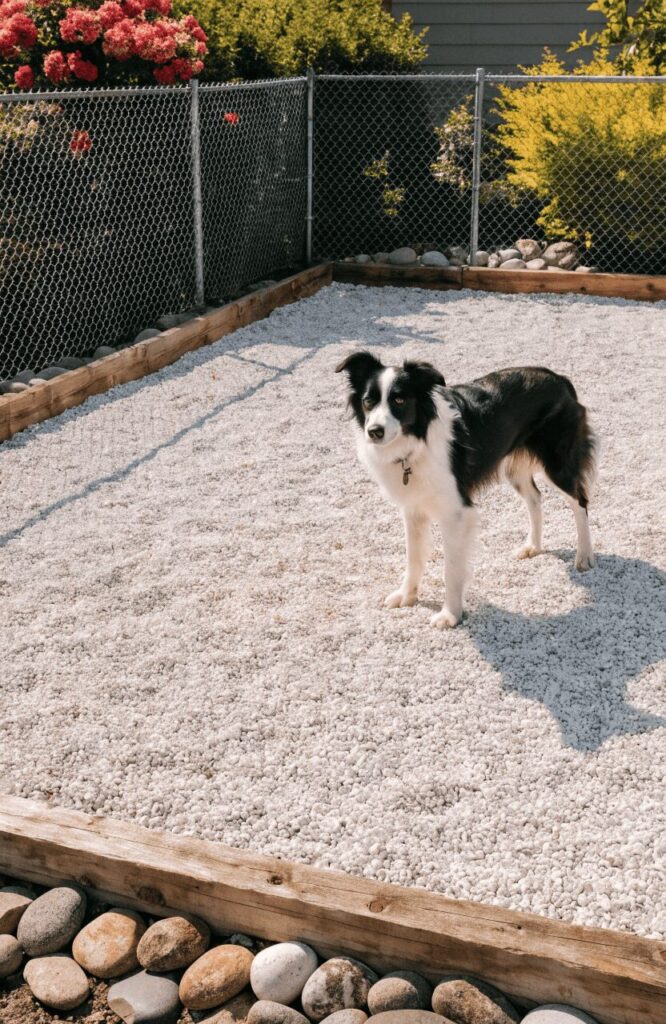
A gravel surface bordered by landscape timbers or stone edging. Use a base layer of coarse gravel for drainage topped with pea gravel or decomposed granite for paw comfort.
Best for: Most dog sizes. Yards with poor drainage. Budget-conscious owners. Approx. cost: $150–$400 depending on size Difficulty: 🟡 Medium
3. Artificial Turf Dog Run
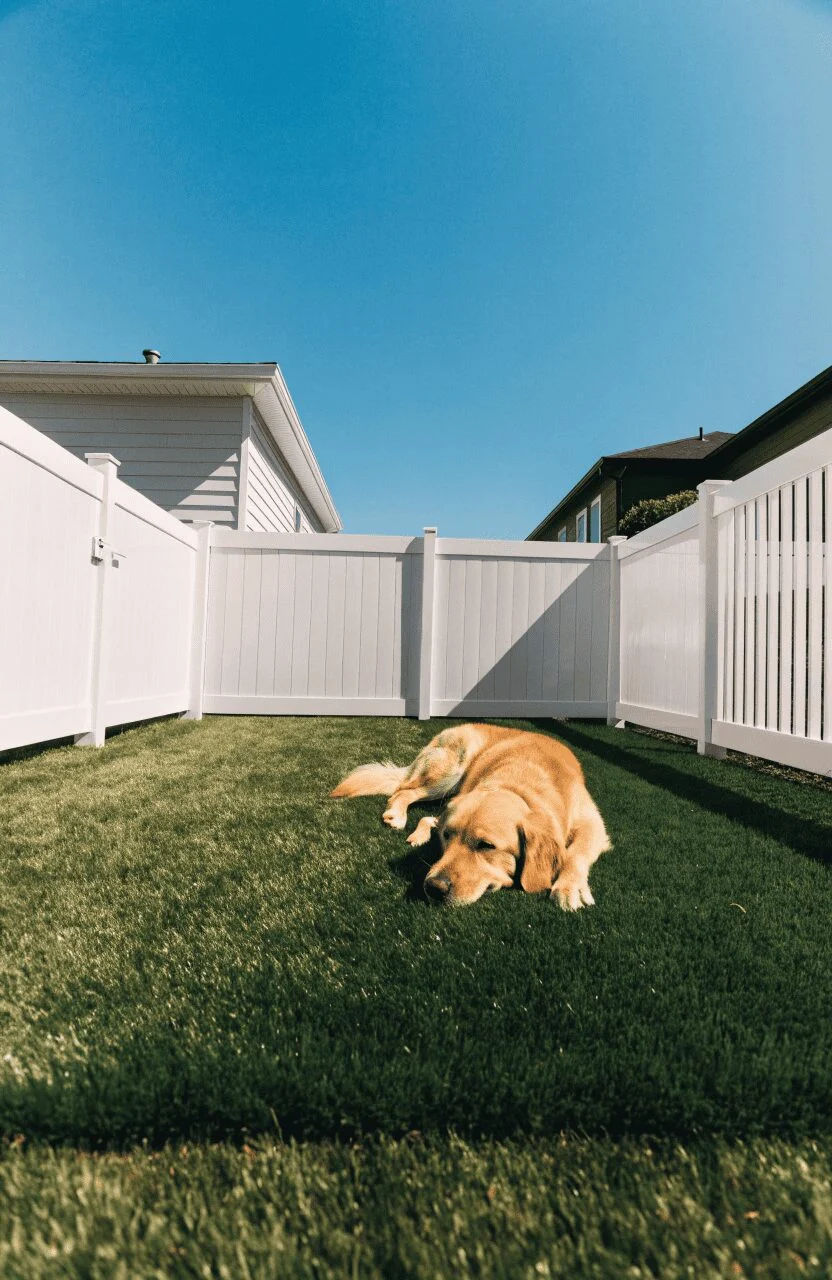
Modern pet turf looks great year-round, drains quickly, and eliminates mud entirely. Quality pet turf includes antimicrobial backing to control odor. It’s one of the most popular easy dog run ideas for homeowners who want a clean, low-maintenance setup.
Best for: Any dog size. Owners who hate mud. Approx. cost: $800–$2,500 installed (size dependent) Difficulty: 🟡 Medium (base prep is key)
For more on surfaces that hold up under heavy paw traffic, check out these dog kennel flooring ideas.
4. Concrete Pad with Drainage Slope
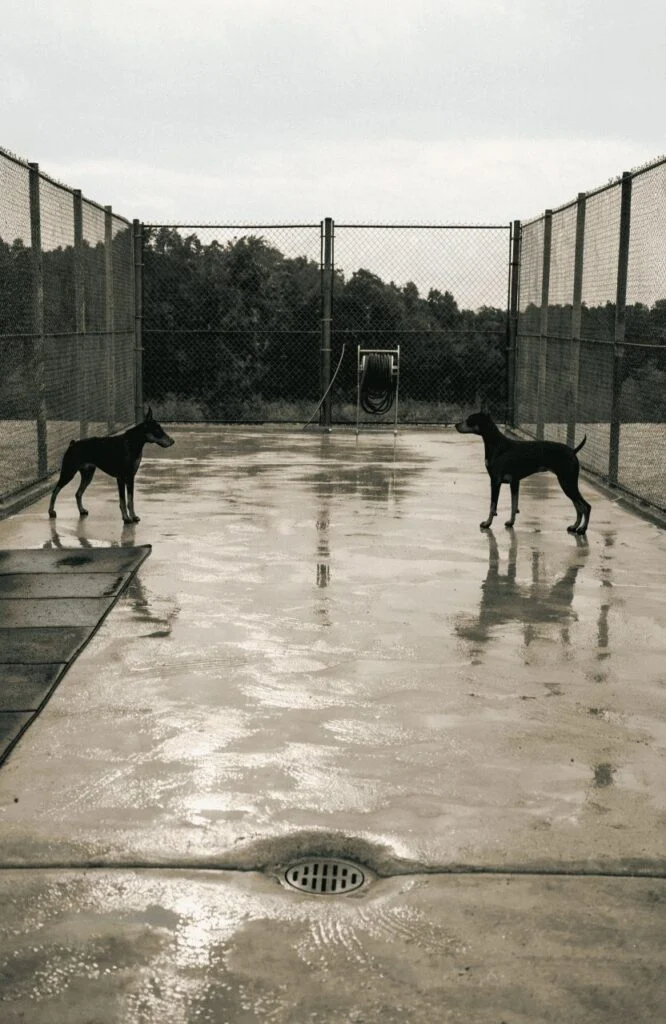
A poured concrete surface sloped slightly toward a drain point. Extremely durable, easy to hose down, and impossible for dogs to dig through. Add a rubber mat or turf section for a comfortable resting zone.
Best for: Large or multiple dogs. Owners prioritizing hygiene. Approx. cost: $1,200–$3,000 (typically requires a contractor) Difficulty: 🔴 Hard
5. Mulch and Cedar Chip Run
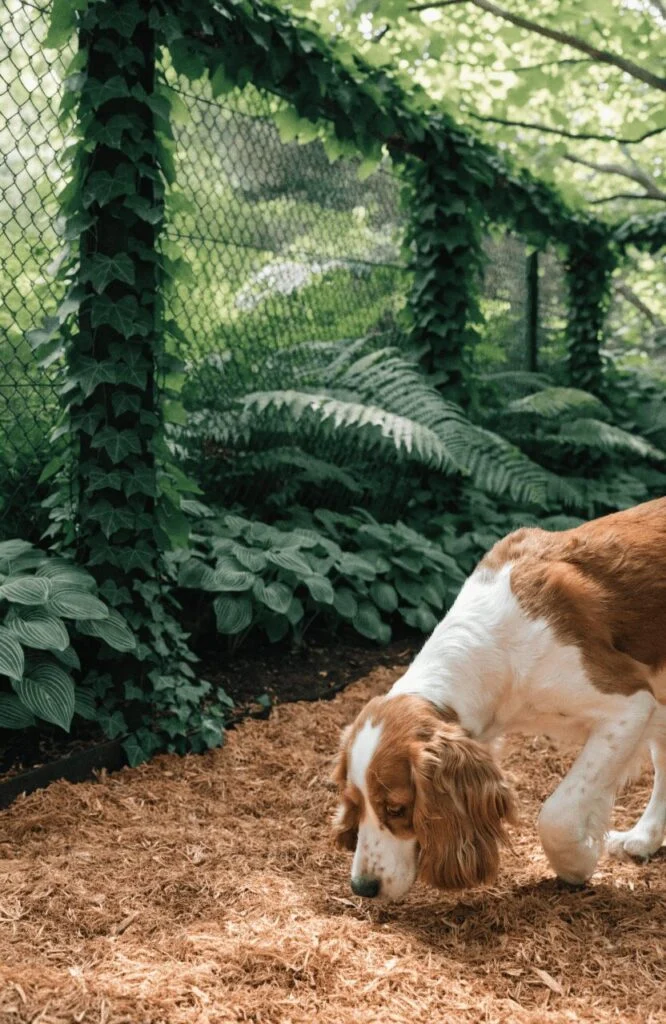
Organic cedar or pine mulch is one of the most underrated dog run surfaces. It’s soft on paws, naturally pest-repelling, drains well, and costs very little to start. You’ll need to top it up every 1–2 years as it breaks down.
Best for: Small to medium dogs. Budget builds. Wooded or garden-style yards. Approx. cost: $80–$250 (DIY, ongoing material cost) Difficulty: 🟢 Easy
⚠️ Never use cocoa mulch — it contains theobromine, which is toxic to dogs.
6. Side Yard Corridor (Using Existing Walls)
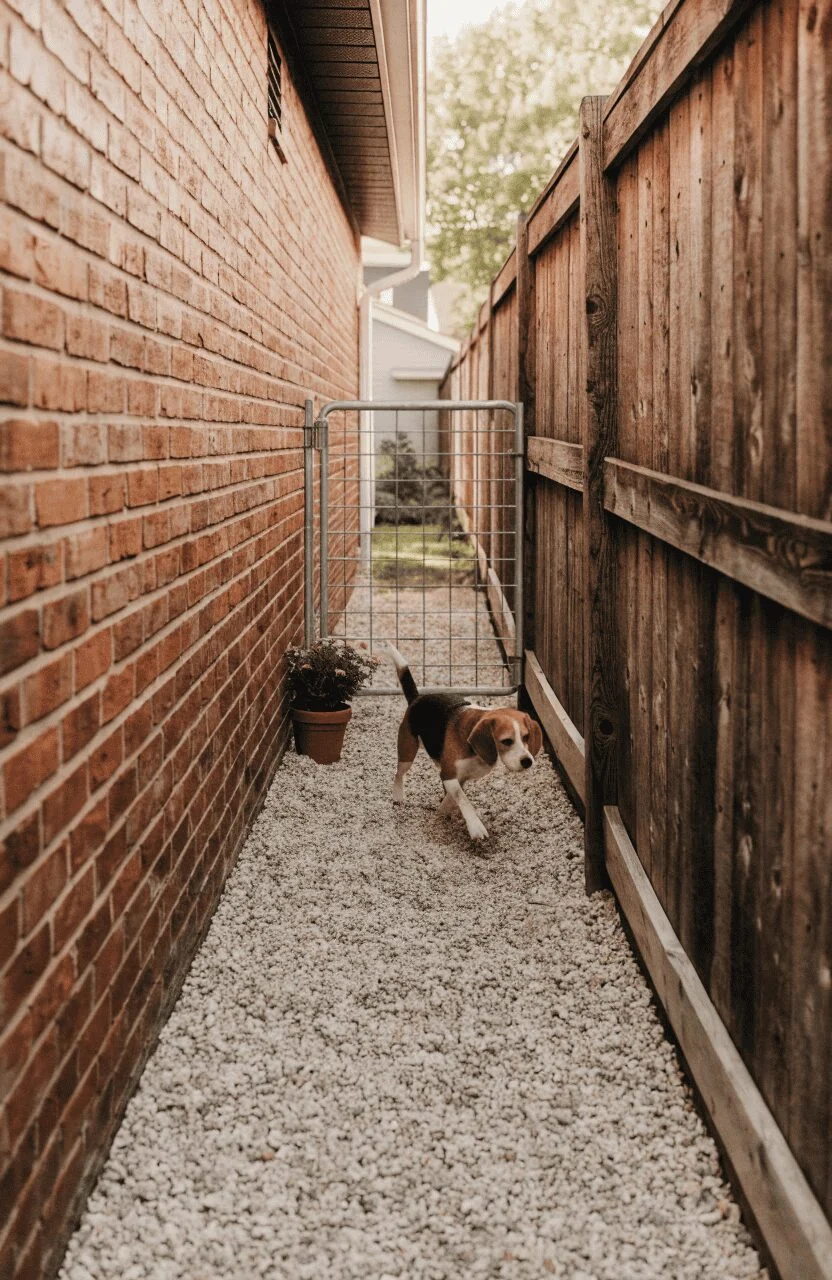
That narrow strip between your house and fence? It’s prime real estate for a dog run. The house wall acts as one boundary, cutting fencing costs significantly. Add a gate at each end and you have a contained corridor with almost no buildout.
Best for: Urban lots. Small to medium dogs. Budget builds. Approx. cost: $100–$400 (gate + one fence panel side) Difficulty: 🟡 Medium
7. L-Shaped Corner Run
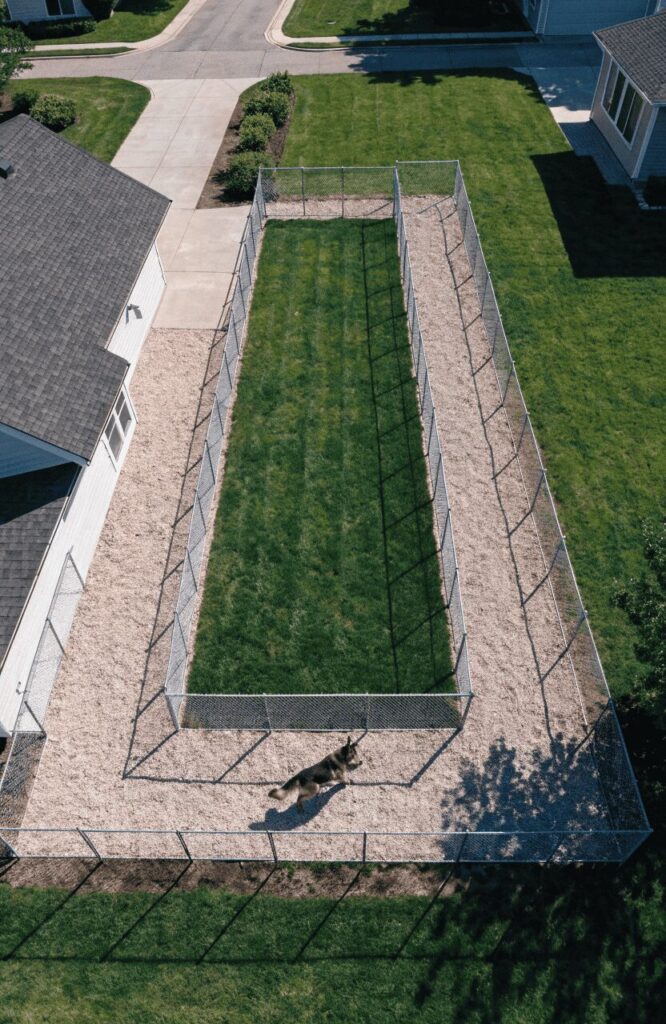
Wrapping a dog run around a corner of your yard creates a longer running path in a compact footprint. The L-shape keeps dogs mentally engaged with changing sightlines — they never feel like they’re running in circles.
Best for: Properties with existing corner fencing. Active medium/large breeds. Approx. cost: $400–$1,000 depending on length Difficulty: 🔴 Hard
8. Shaded Pergola Run
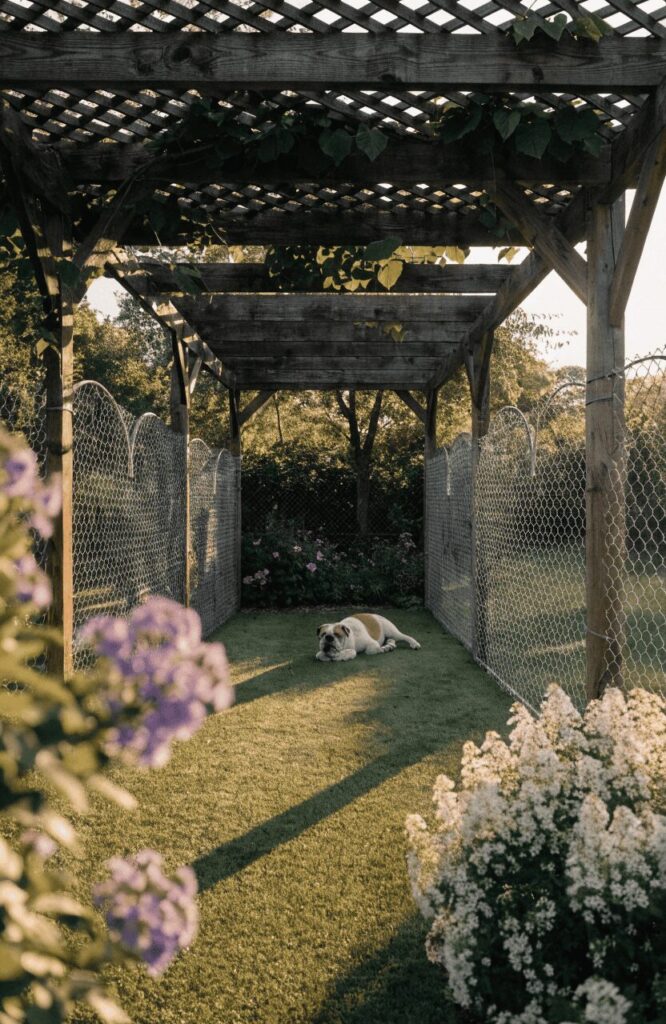
A pergola structure built over (or beside) a dog run creates natural shade during summer and a visual focal point in your yard. You can grow climbing vines over it, add a fan for hot days, or install a retractable shade cloth for adjustable coverage.
Best for: Hot climates. Brachycephalic breeds (Bulldogs, Pugs) who overheat easily. Owners who want an attractive setup. Approx. cost: $600–$2,500 (DIY pergola kit + run fencing) Difficulty: 🔴 Hard
9. Under-Deck Enclosed Run
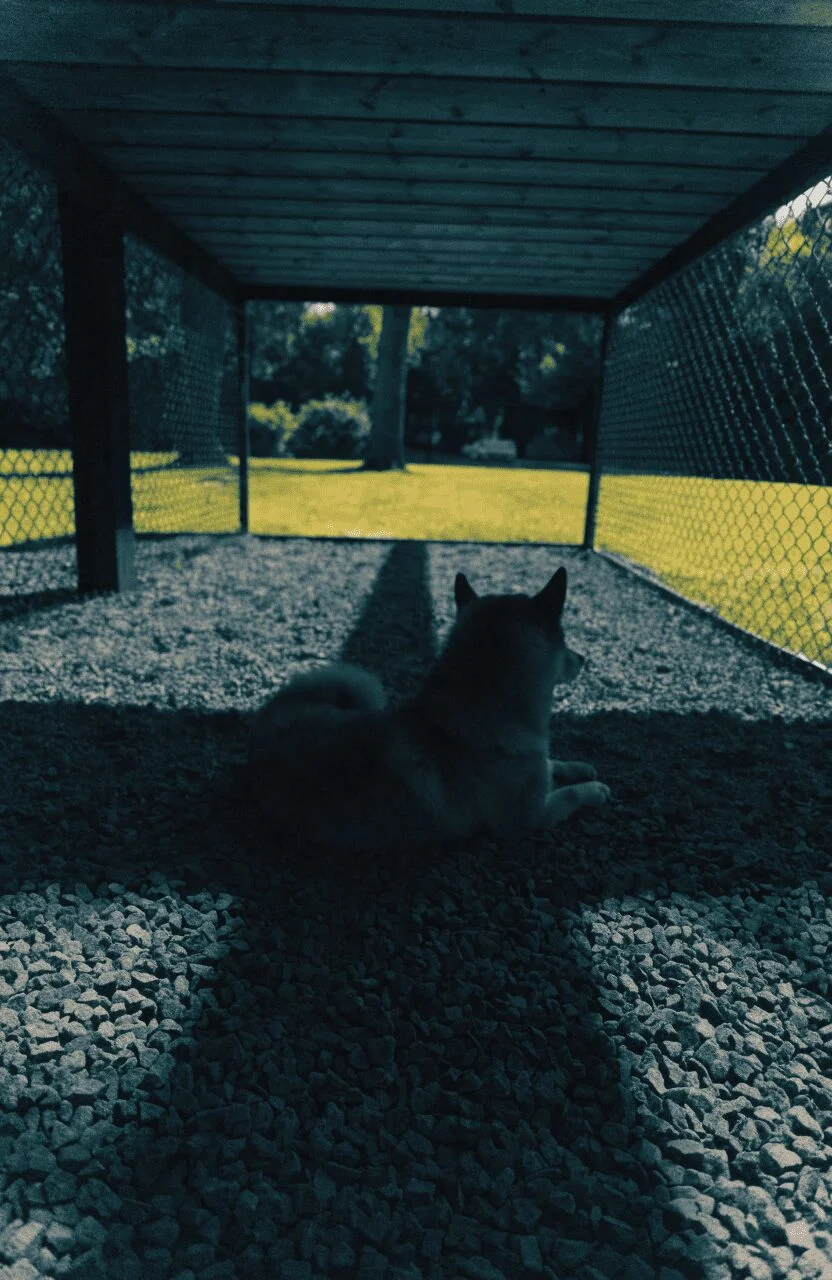
The empty space under a raised deck is naturally shaded, dry during rain, and structurally bounded on top — you just need to enclose the sides. It’s one of the most space-efficient backyard for dogs solutions available.
Best for: Homes with elevated decks. Dogs who overheat. Owners short on open yard space. Approx. cost: $200–$600 (side fencing + gate) Difficulty: 🟡 Medium
10. Modular Panel Run (Renter-Friendly)
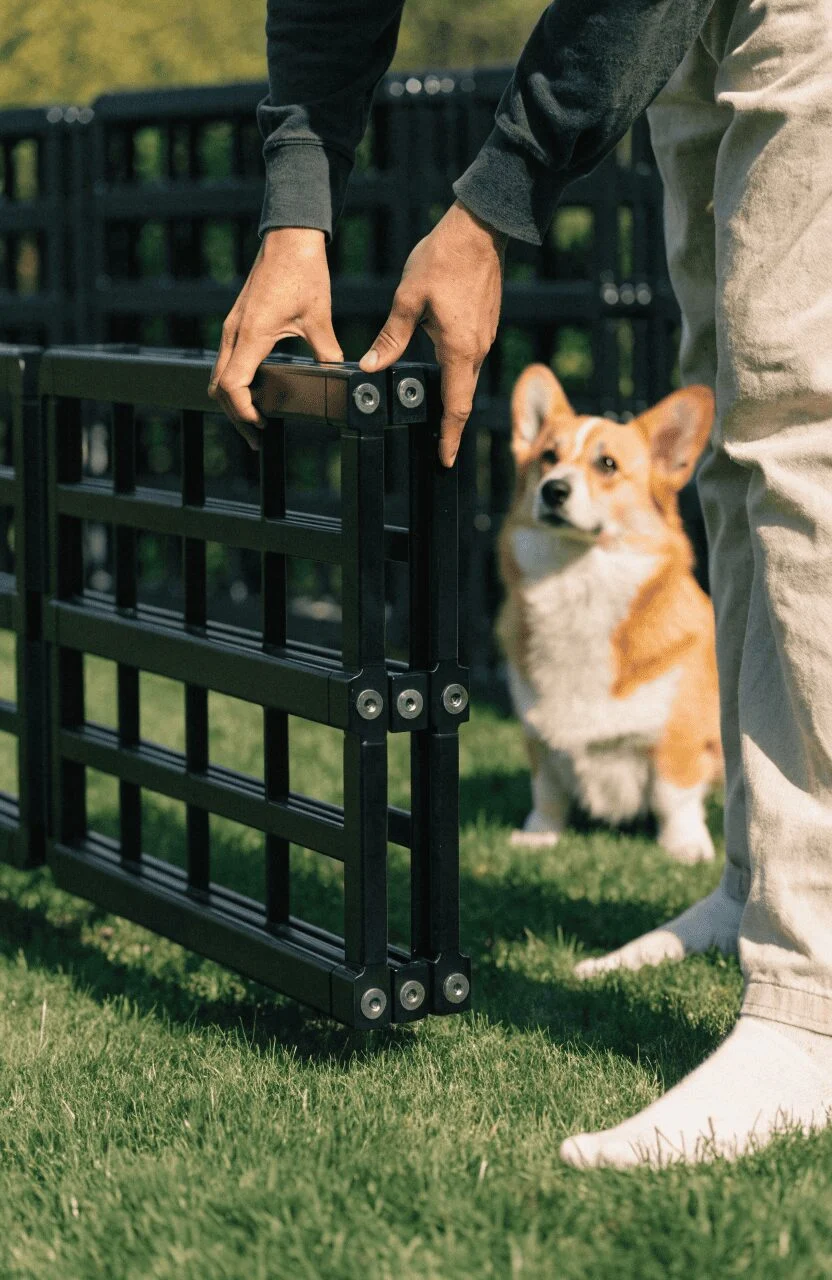
Interlocking metal or heavy-duty plastic panels require no post holes, no concrete, and no permanent modifications. You can configure them in any shape, expand when needed, and take the whole thing with you if you move.
Best for: Renters. Temporary setups. Owners who want flexibility. Approx. cost: $150–$500 depending on panel count and brand Difficulty: 🟢 Easy
11. Sensory and Enrichment Run (Mixed Surfaces)
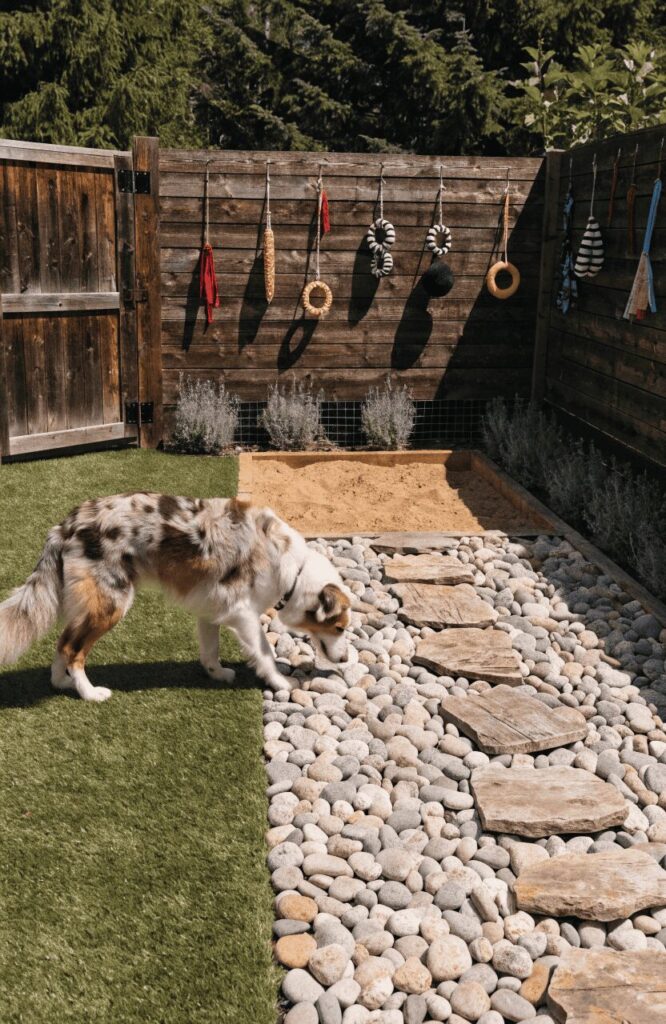
This idea uses multiple surface types side by side — artificial turf, smooth stepping stones, a small sandbox section, and gravel — to create a sensory-rich environment. Dogs use their paws and nose to explore, which burns mental energy just as much as physical running.
Best for: High-intelligence breeds (Border Collies, Poodles, Australian Shepherds). Dogs that get bored easily. Approx. cost: $400–$1,200 (varies by materials) Difficulty: 🟡 Medium
12. Agility Course Run
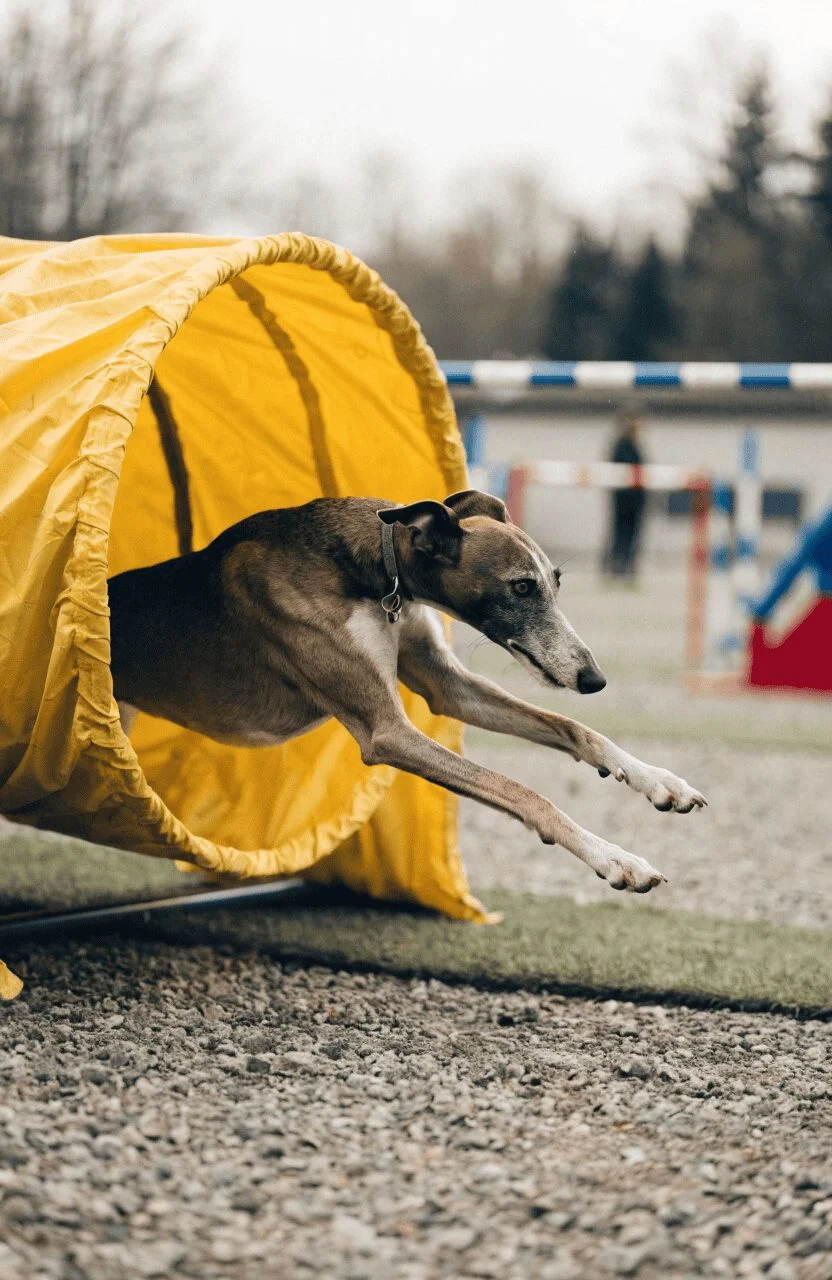
Add low jumps, weave poles, a PVC tunnel, and a balance board to a standard fenced run. You don’t need to buy a full commercial set — many agility elements can be DIY’d from PVC pipe and plywood for under $100.
Best for: Athletic, high-energy breeds. Dogs in obedience training. Approx. cost: $200–$800 (DIY agility elements + basic fencing) Difficulty: 🟡 Medium
For training ideas that pair well with an agility setup, read these essential puppy training tips.
13. Natural Landscaped Dog Run with Dog-Safe Plants
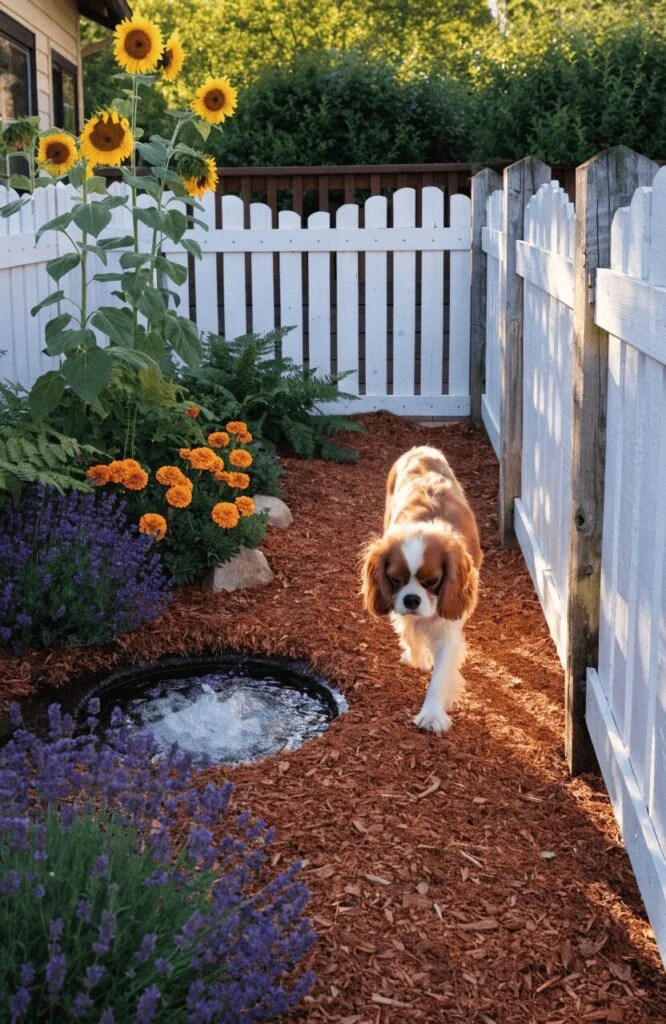
Frame your dog run with dog-safe border plants like rosemary, lavender, marigolds, and sunflowers. This creates a run that looks like a garden feature rather than a cage. Use mulch or gravel for the floor to keep things tidy and drainage-friendly.
Best for: Aesthetics-focused homeowners. Calm or small breeds. Yards where the run is visible from the house. Approx. cost: $300–$900 (fencing + plants + mulch) Difficulty: 🟡 Medium
Plants to absolutely avoid near your dog run: sago palm, oleander, azalea, and foxglove — all highly toxic.
14. Raised Deck Platform Run
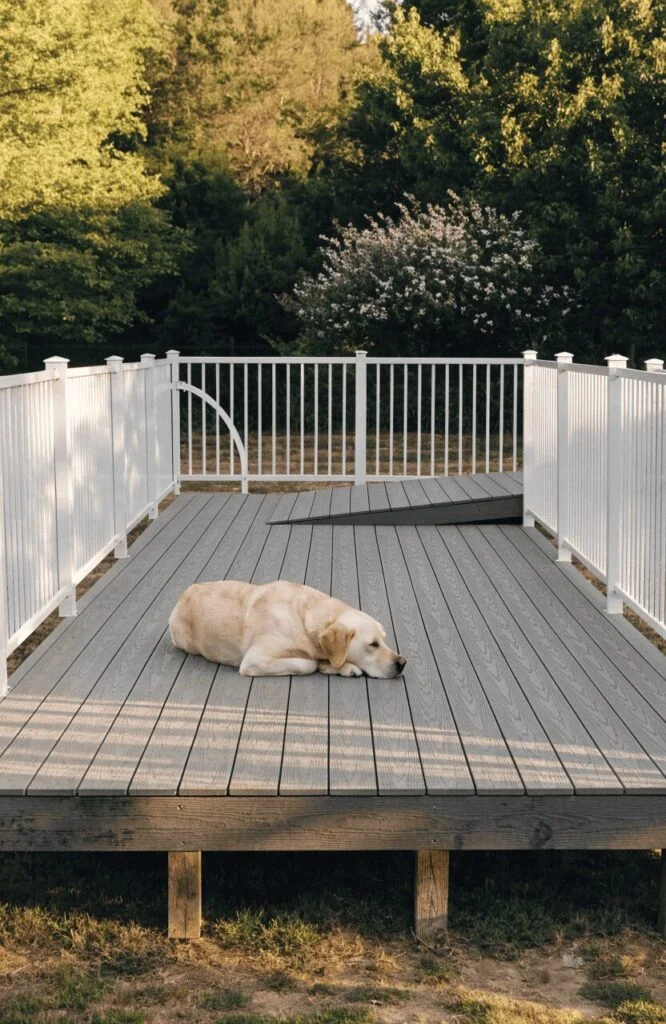
Build a wooden or composite deck platform elevated 8–12 inches off the ground. This solves drainage completely (water flows away underneath), keeps paws dry, and gives older dogs a joint-friendly surface. Add a ramp rather than steps for senior dogs.
Best for: Rainy climates. Senior dogs. Owners who want a premium, permanent setup. Approx. cost: $800–$3,000 depending on size and materials Difficulty: 🔴 Hard
15. Budget Gravel Starter Run (~$150 DIY)
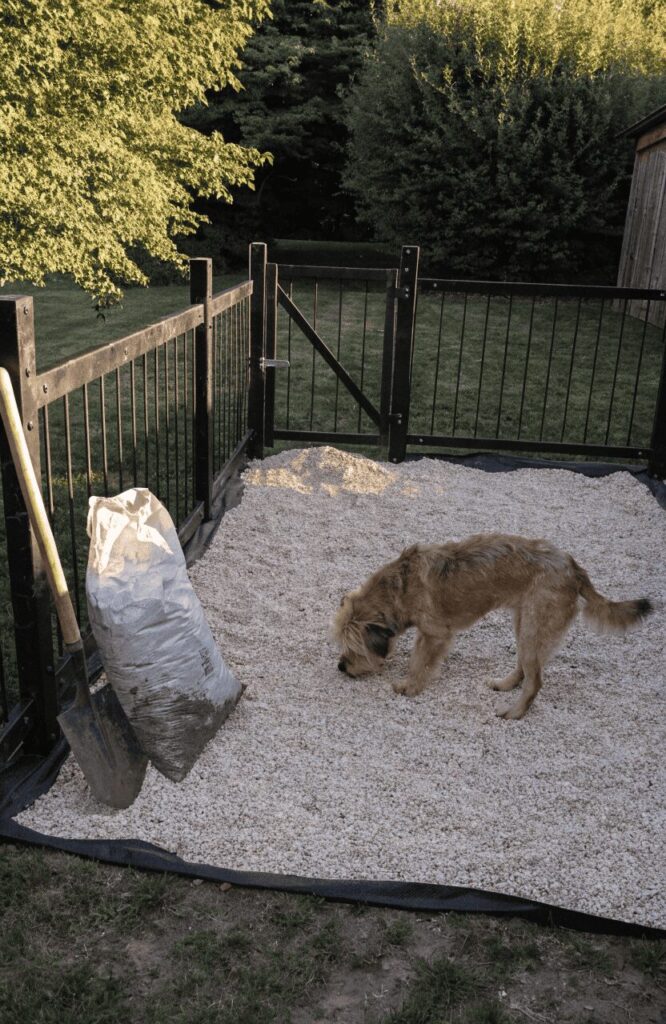
No post-setting. No contractor. Just: define the area with landscape stakes, line the ground with weed fabric, fill with pea gravel 3–4 inches deep, and enclose with a temporary modular panel fence. This is the fastest legitimate dog run you can build in a weekend.
Best for: First-time dog owners. Renters. Anyone who wants to test a layout before committing. Approx. cost: $100–$200 all-in Difficulty: 🟢 Easy
For more inspiration on outdoor setups, browse these outdoor dog kennel ideas.
4. Choosing the Right Flooring — Quick Comparison
| Surface | Cost (per sq ft) | Drainage | Paw Comfort | Odor Control | Maintenance |
|---|---|---|---|---|---|
| Pea gravel | $0.50–$1.50 | ★★★★★ | ★★★☆☆ | ★★★☆☆ | Low |
| Artificial turf | $2–$6 | ★★★★☆ | ★★★★★ | ★★★★☆ | Low |
| Concrete | $4–$8 | ★★★★☆ | ★★☆☆☆ | ★★★★★ | Very low |
| Cedar mulch | $0.30–$1 | ★★★★☆ | ★★★★☆ | ★★★☆☆ | Medium |
| Natural grass | $0–$0.50 | ★★☆☆☆ | ★★★★★ | ★★☆☆☆ | High |
| Rubber mats | $1–$3 | ★★★☆☆ | ★★★★★ | ★★★☆☆ | Low |
The best flooring depends on your climate, your dog’s size, and how much time you want to spend cleaning. In hot, dry regions, artificial turf can overheat midday — always pair it with a shaded section. In wet climates, gravel and concrete with proper slope outperform everything else.
If you want to go deeper on flooring options for an enclosed setup, these DIY dog kennel ideas cover the build side in detail.
5. How to Escape-Proof Your Backyard Dog Run
A dog run is only useful if your dog actually stays in it. Here’s how to close the most common escape routes.
I. Fence Height by Breed Type
Most dogs are stopped by a 5-foot fence. But some breeds make that look like a suggestion.
- Small breeds (under 25 lbs): 3–4 feet is usually fine
- Medium breeds: 5 feet minimum
- Large athletic breeds (Huskies, Labs, Shepherds): 6 feet minimum
- Exceptional jumpers (Belgian Malinois, Greyhounds): 6–8 feet, or add a coyote roller or inward-angled top
II. Stopping Diggers — The Buried Apron Method
If your dog digs, height means nothing. The fix is an apron: bury the bottom of your chain-link fence 12–18 inches underground, bent outward in an L-shape. You can also lay a 2-foot-wide strip of chicken wire or hardware cloth flat on the ground along the fence perimeter, covering it with gravel or soil.
Dogs try to dig at the fence line — the moment they hit the buried wire, they stop.
III. Gate Security Tips
Gates are the most common weak point in any dog run. Use these fixes:
- Install a self-closing spring hinge so the gate shuts automatically
- Add a double-latch (one at the top, one at the bottom)
- Make the gate open inward so a dog pressing on it can’t push it open
- For persistent problem-solvers, use a carabiner clip through the latch
6. Keeping Your Dog Happy in the Run
A run that bores your dog creates a dog that doesn’t want to use it. These additions make the space genuinely enjoyable.
Shade: Non-negotiable in summer. A pergola, shade sail, or even a large beach umbrella keeps your dog from overheating. Always provide shade even if the run is partly covered.
Fresh water: A fixed mounted water bowl or an automatic waterer is far better than remembering to bring out a bowl every time. Dogs in outdoor runs need access to water at all times.
Rotating toys: Leave 2–3 toys in the run and swap them out every few days. Novelty matters to dogs — the same ball for three weeks stops being interesting.
A comfortable resting spot: Even an outdoor dog bed or a raised cot gives your pup somewhere to decompress after running. Look for weatherproof options with mold-resistant fabric.
A dedicated feeding zone: If your dog eats outside, a proper station keeps things clean and organized. These dog feeding station ideas work just as well in an outdoor run as indoors.
7. 3 Mistakes to Avoid When Building a Dog Run
I. Skipping Proper Drainage
This is the number one mistake. A run with no drainage plan turns into a muddy swamp after every rain. Every surface choice — gravel, turf, concrete — should be paired with a drainage solution. Grade the ground slightly (1–2% slope), use a gravel base layer, or install a French drain if your yard holds water.
II. Choosing a Surface That Overheats
Dark gravel and black rubber mats absorb heat and can reach dangerous temperatures in direct summer sun. Concrete is better, but still gets hot. If your run is in a sunny spot, either choose a light-colored surface, add shade, or pick artificial turf with a heat-resistant infill.
III. Building Too Narrow
A 4-foot-wide run for a 70-pound Labrador is going to frustrate your dog quickly. Width matters for dogs that like to sniff around, circle, or simply change direction. Always go wider than you think you need — you can always add more enrichment to a large run, but you can’t make a small one bigger without rebuilding.
Conclusion
Building a great backyard dog run doesn’t have to be complicated or expensive. Whether you start with a simple $150 gravel run on a weekend or invest in a landscaped pergola setup, the goal is the same: give your dog a safe, engaging space to be a dog.
Use the 3-part rule (containment, surface, stimulation) as your guide. Pick an idea that fits your yard size, your budget, and your dog’s personality. Then escape-proof it properly from the start — because fixing a security gap after the fact is always harder than getting it right the first time.
Your dog will thank you. Probably with zoomies.

Izzy is an experienced ranch worker who has a passion for exploring nature and getting up close to wildlife. With her connections to various animal organizations, Izzy is well-versed in animal care and rehabilitation.