
15 Best Dog Breeds for Hiking (With Mileage, Size & Climate Guide)
If you love spending time outdoors on the trail, having the right dog by your side can make every hike even better. But here’s the truth — not every dog is cut out for hiking. Some breeds thrive on long, rugged trails. Others are better off on the couch.
Choosing the best dog breeds for hiking means thinking about more than just energy level. Climate, trail type, size, and age all matter. Whether you’re planning a casual weekend walk in the woods or a full-day backcountry adventure, this guide will help you find your perfect trail partner.
We’ve also included a quick-reference table, a section on which dog breeds to avoid on the trail, and age-specific hiking tips you won’t find anywhere else.
Let’s get into it.
1. Quick-Reference Table — Best Hiking Dogs at a Glance
| Breed | Size | Best Climate | Energy Level | Max Miles/Day | Best Trail Type |
|---|---|---|---|---|---|
| Siberian Husky | Medium | Cold | Very High | 10–20 miles | Long & rugged |
| Australian Shepherd | Medium | Temperate | Very High | 8–15 miles | All terrain |
| Labrador Retriever | Large | All | High | 8–12 miles | Beginner-friendly |
| German Shepherd | Large | Cool–Cold | High | 10–15 miles | All terrain |
| Rhodesian Ridgeback | Large | Hot | High | 10–15 miles | Dry, rocky trails |
| Bernese Mountain Dog | Giant | Cold | Medium | 8–12 miles | Mountain trails |
| Vizsla | Medium | Warm | Very High | 10–15 miles | Open terrain |
| Border Collie | Medium | Temperate | Very High | 10–20 miles | Technical trails |
| Alaskan Malamute | Large | Cold | High | 10–18 miles | Snow & cold |
| German Shorthaired Pointer | Medium | All | Very High | 10–15 miles | Any terrain |
| Golden Retriever | Large | Temperate | High | 8–12 miles | Family hikes |
| Weimaraner | Large | Warm | High | 8–12 miles | Warm-weather trails |
| Jack Russell Terrier | Small | Temperate | Very High | 5–8 miles | Light to moderate |
| Pembroke Welsh Corgi | Small | Temperate | Medium-High | 5–8 miles | Moderate trails |
| Miniature Schnauzer | Small | All | Medium | 4–7 miles | Easy to moderate |
2. How We Picked These Hiking Dog Breeds
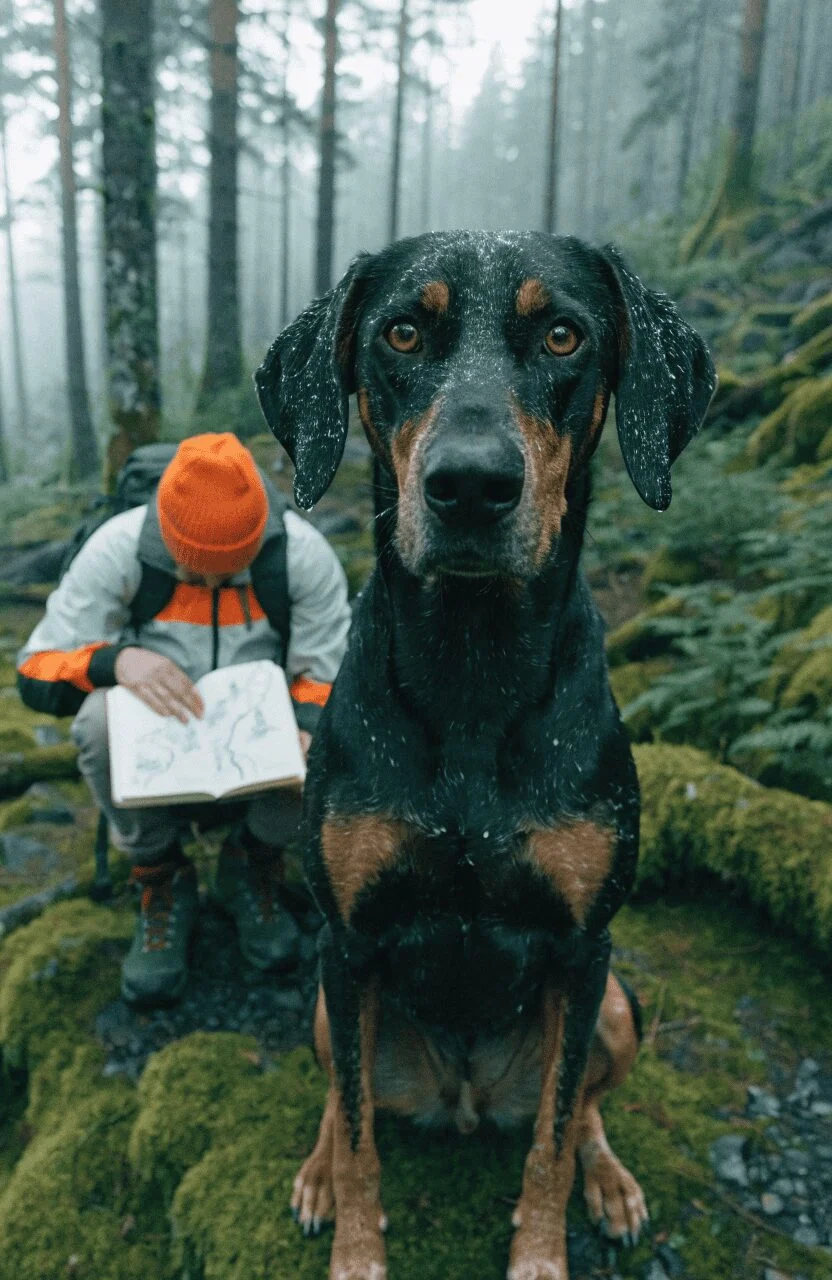
Not every energetic dog makes a great hiking companion. We evaluated each breed based on five key factors:
- Stamina — Can the dog sustain hours of physical activity without wearing out?
- Coat type — Does the coat protect the dog in heat, cold, or rain?
- Temperament — Is the breed manageable around other hikers and wildlife?
- Trainability — Can it learn trail commands and stay focused outdoors?
- Paw durability — Are the paw pads tough enough for gravel, rock, and uneven terrain?
Every breed on this list scores well across most of these categories. That said, every individual dog is different — breed is a starting point, not a guarantee.
3. Top 15 Best Dog Breeds for Hiking
1. Siberian Husky

The Siberian Husky is one of the most iconic adventure dogs in the world. Originally bred to pull sleds across frozen Arctic terrain, huskies have almost unlimited endurance in cold weather.
They can cover 10 to 20 miles in a day without breaking a sweat — literally. In fact, they prefer cool temperatures. If you’re a cold-weather hiker, it’s hard to find a better trail partner. Just keep hikes shorter and shaded during summer months.
Best for: Long cold-weather hikes, snow trails, multi-day treks
2. Australian Shepherd
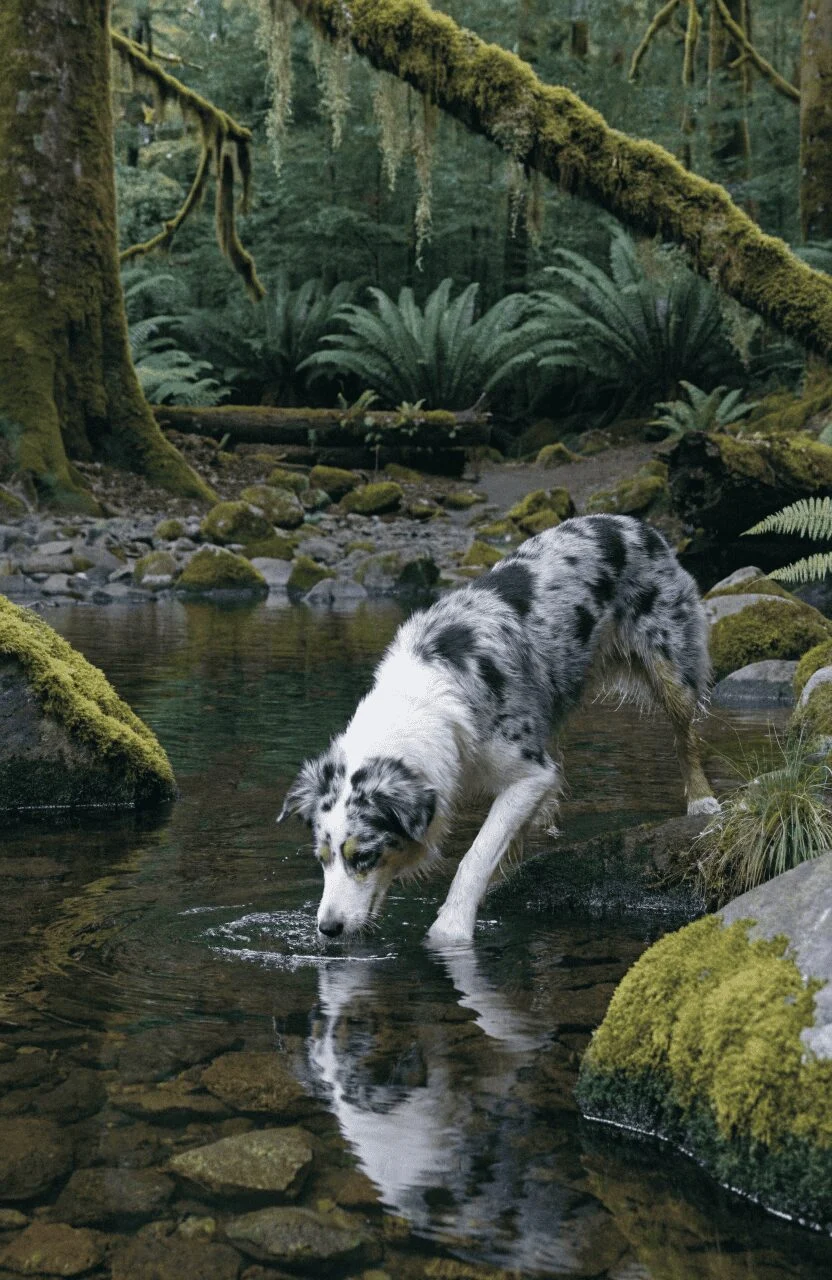
The Australian Shepherd is an all-terrain hiking machine. These dogs are incredibly smart, highly athletic, and love having a job to do. A long hike gives them exactly that.
Aussies are agile enough for rocky scrambles and have the stamina for full-day adventures. They bond closely with their owners, which makes them easy to manage on the trail. Just know that a bored Aussie is a destructive Aussie — regular hikes keep them happy.
Best for: Technical trails, active families, all-day hikes
3. Labrador Retriever
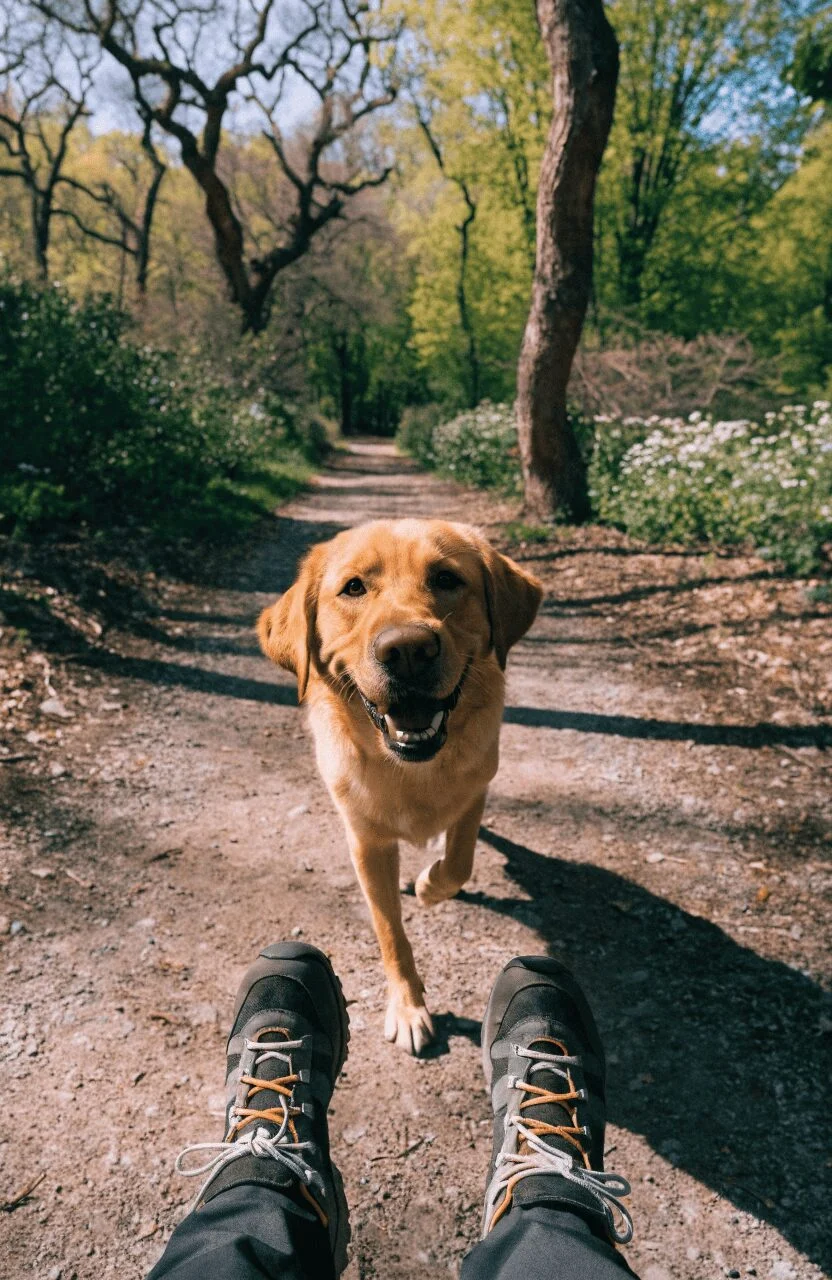
If you’re new to hiking with dogs, the Labrador Retriever is your best starting point. Labs are friendly, eager to please, and adapt well to almost any terrain or climate. They’re also natural swimmers, so stream crossings are no problem.
Labs have solid endurance for moderate to long hikes. They’re gentle enough around other hikers and dogs, making them ideal for busy trails. This is one of the most well-rounded perfect dogs for hiking for families and beginners alike.
Best for: Beginner hikers, family trails, mixed terrain
4. German Shepherd
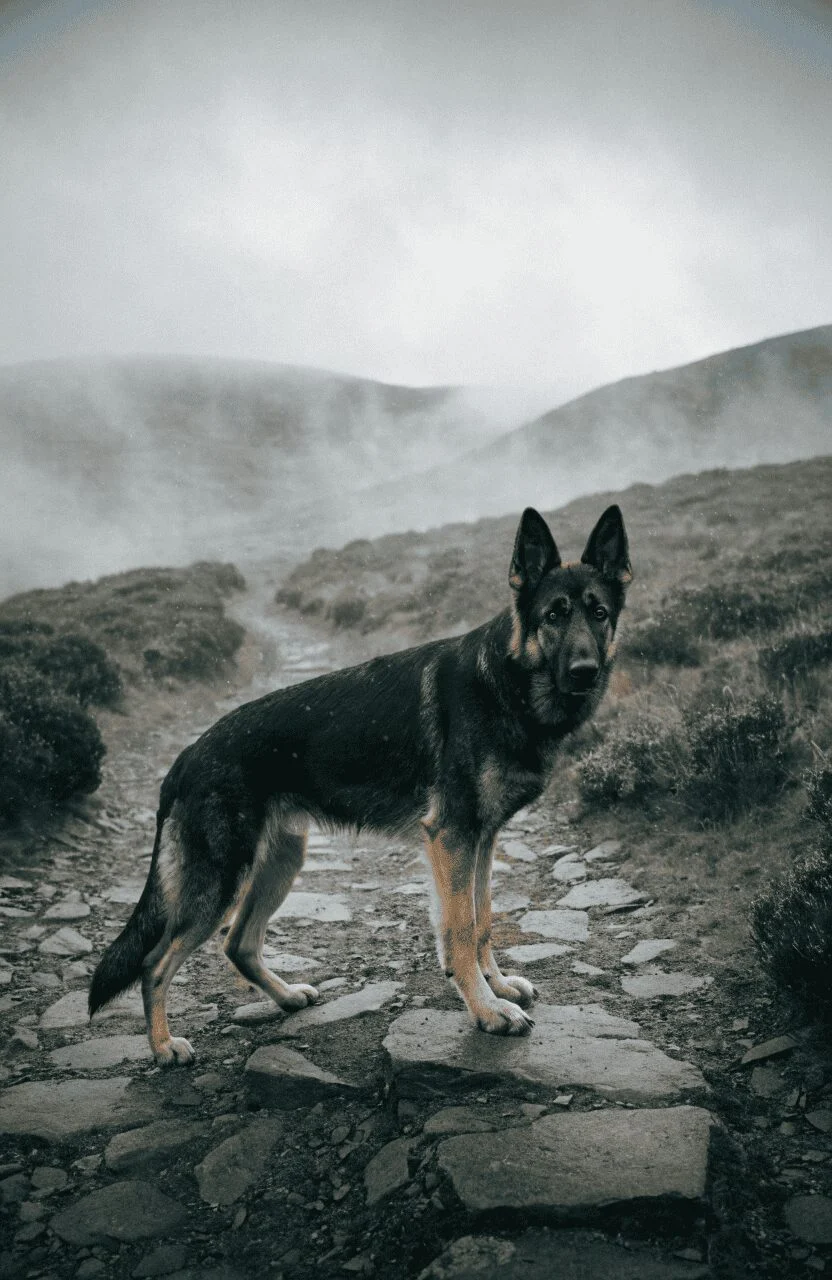
German Shepherds are loyal, brave, and built for outdoor work. Their thick double coats handle cold and wet conditions well. They’re also incredibly focused, which makes them easy to train for off-leash trail behavior.
With a working dog background, a German Shepherd thrives when given purpose. A challenging hike provides exactly the physical and mental outlet they need. They’re naturally protective, which is a bonus on remote trails.
Best for: All-day hikes, cool climates, solo hikers seeking a protective companion
5. Rhodesian Ridgeback
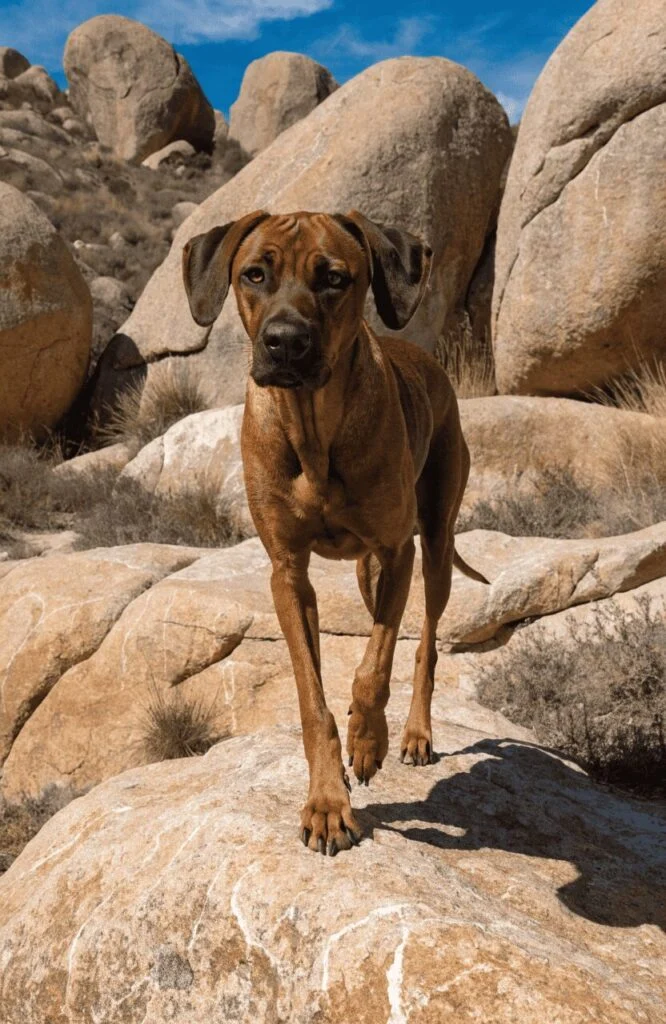
Most hiking breeds struggle in extreme heat. The Rhodesian Ridgeback doesn’t. Originally bred in southern Africa to track big game over long distances in scorching temperatures, this breed is built for hot, dry conditions.
Their short coat requires minimal grooming and their thick paw pads handle rocky terrain with ease. They’re strong, fast, and loyal — an excellent adventure dog for desert or warm-climate hikers.
Best for: Hot-weather hiking, dry and rocky trails, experienced dog owners
6. Bernese Mountain Dog
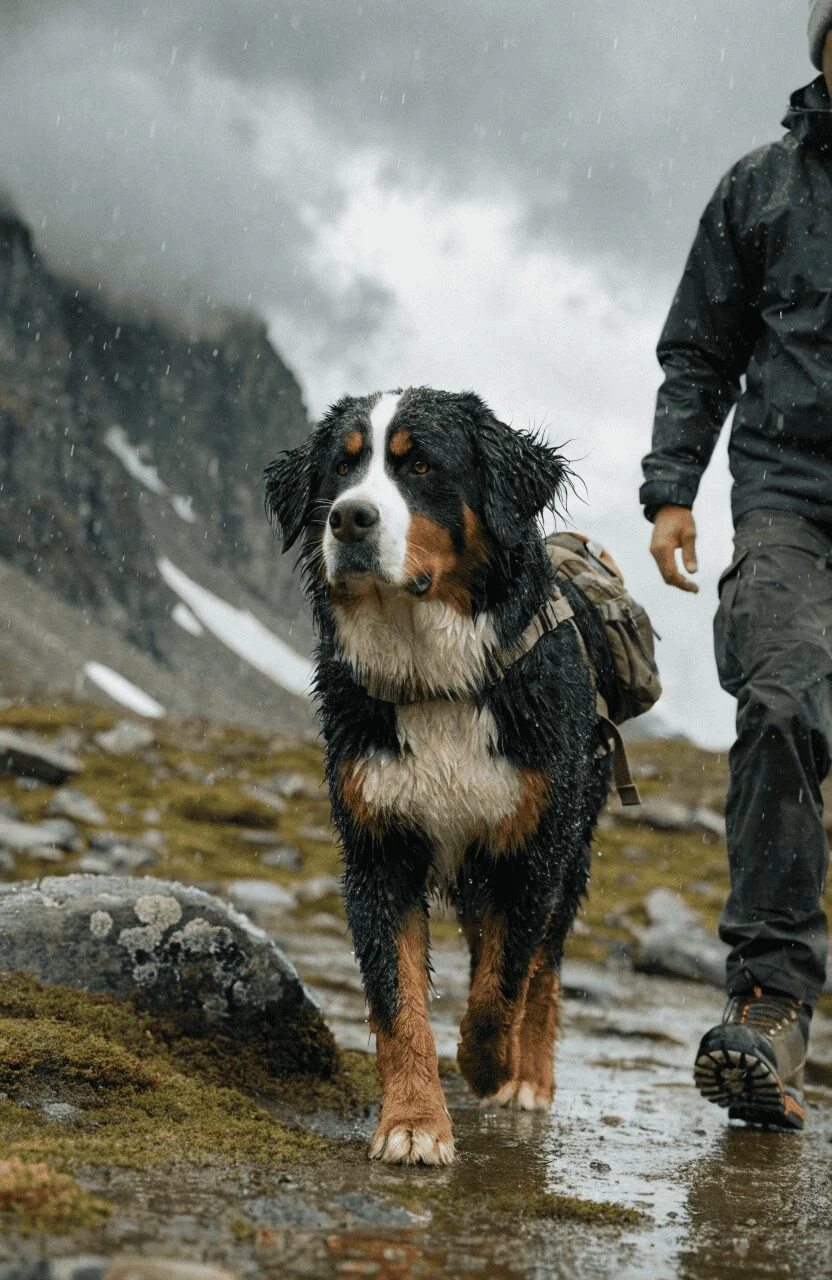
The Bernese Mountain Dog was literally born for mountain terrain. Developed in the Swiss Alps to herd cattle and haul loads, Berners are powerful enough to carry a dog pack on the trail and calm enough to be around families and strangers.
Their thick, tri-colored coat keeps them warm in cold and wet mountain conditions. Because of their large size, they can be prone to joint issues as they age, so monitor your senior Berner closely on long hikes. Check out our best big dog breeds list for other large breeds worth considering.
Best for: Mountain trails, cold climates, families with kids
7. Vizsla
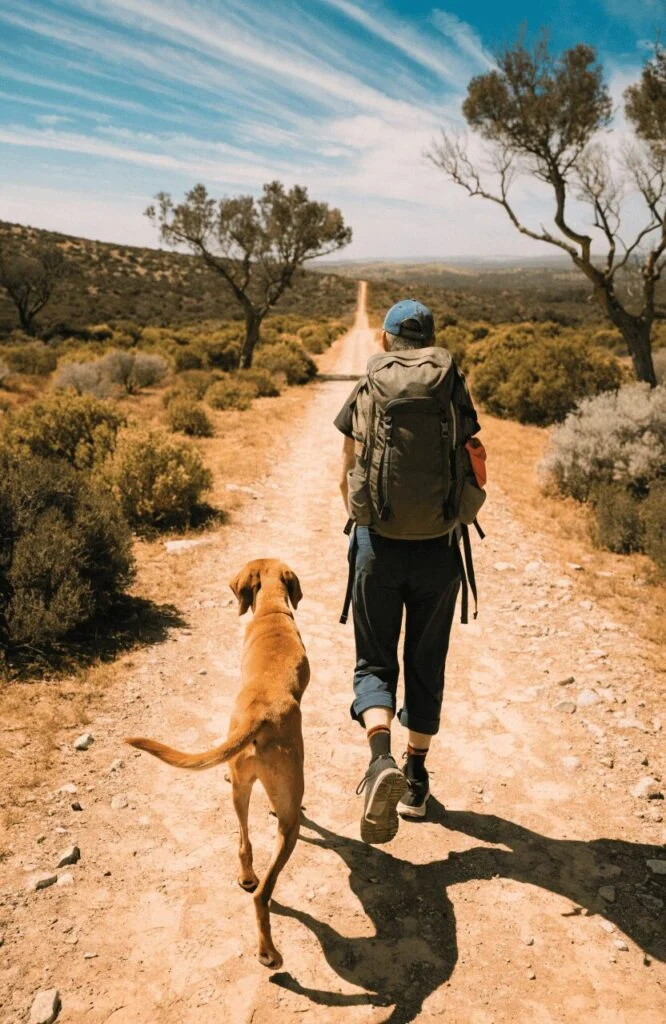
The Vizsla is a lean, golden-coated hunting dog that thrives in warm to temperate climates. Their short coat makes them well-suited for hikes in warmer conditions where double-coated breeds would overheat.
Don’t let their sleek build fool you — Vizslas have remarkable endurance and can easily cover 10 to 15 miles in a day. They are affectionate and love staying close to their owner, making off-leash trail management much easier.
Best for: Warm-weather hiking, open trails, active owners who hike regularly
8. Border Collie
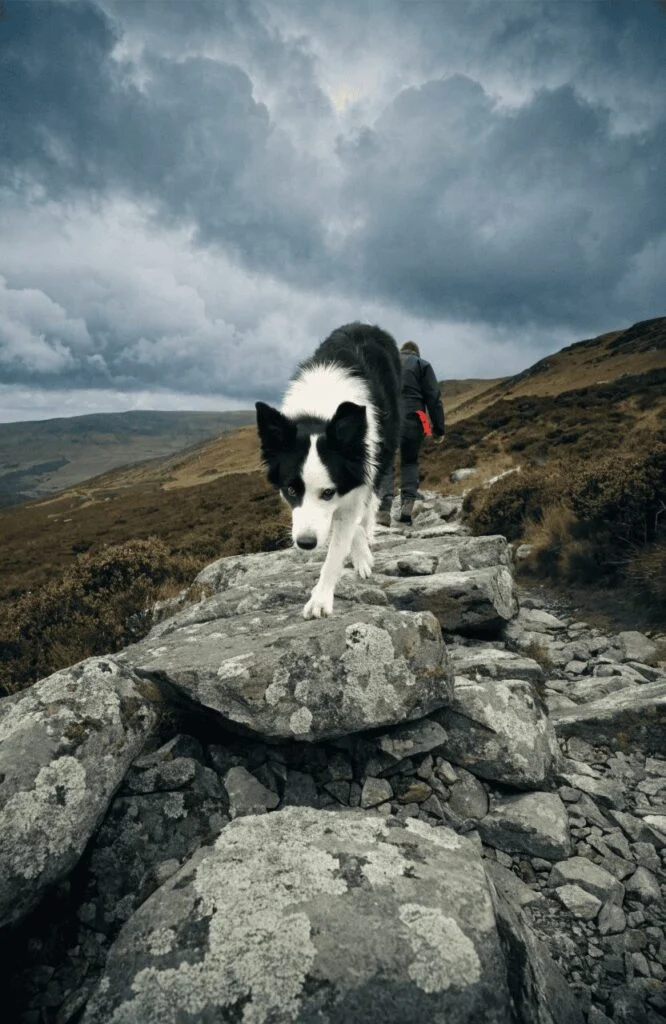
Border Collies are arguably the most athletic dog breed on earth. They were built for full days of hard physical work, and a demanding hike is right in their wheelhouse.
Their intelligence means they read terrain well, respond quickly to commands, and stay engaged throughout the hike. However, their strong herding instinct may kick in around other hikers or animals, so solid recall training is essential before hitting the trail.
Best for: Technical and long-distance hiking, experienced dog owners, frequent hikers
9. Alaskan Malamute
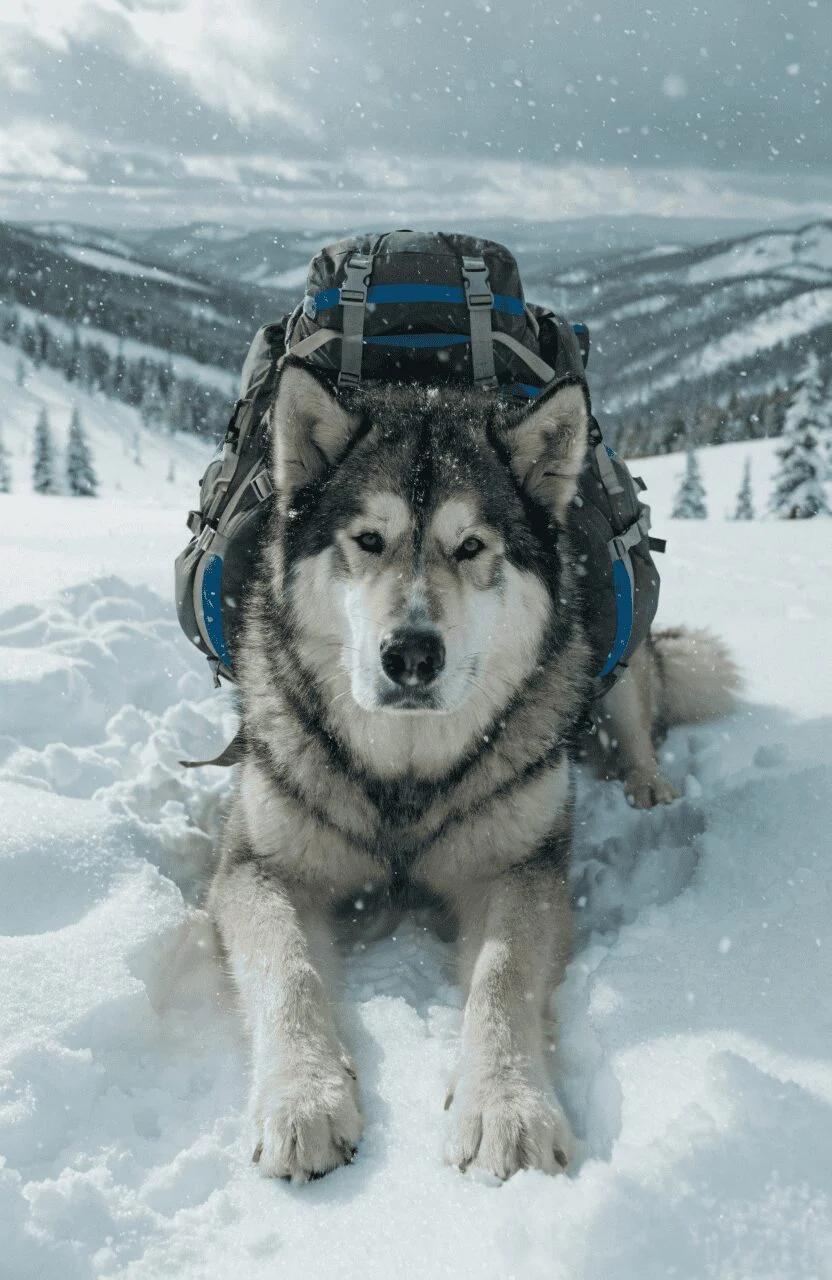
The Alaskan Malamute is a close relative of the Siberian Husky but larger and even more powerful. Bred for hauling heavy loads across snow, Malamutes are absolute beasts in cold, snowy terrain.
They’re well-insulated with thick double coats and have extraordinary endurance for long-distance hikes. Like Huskies, they can overheat quickly in warm climates, so stick to cold-weather adventures with this breed.
Best for: Winter hiking, snowy terrain, load-carrying on multi-day trips
10. German Shorthaired Pointer
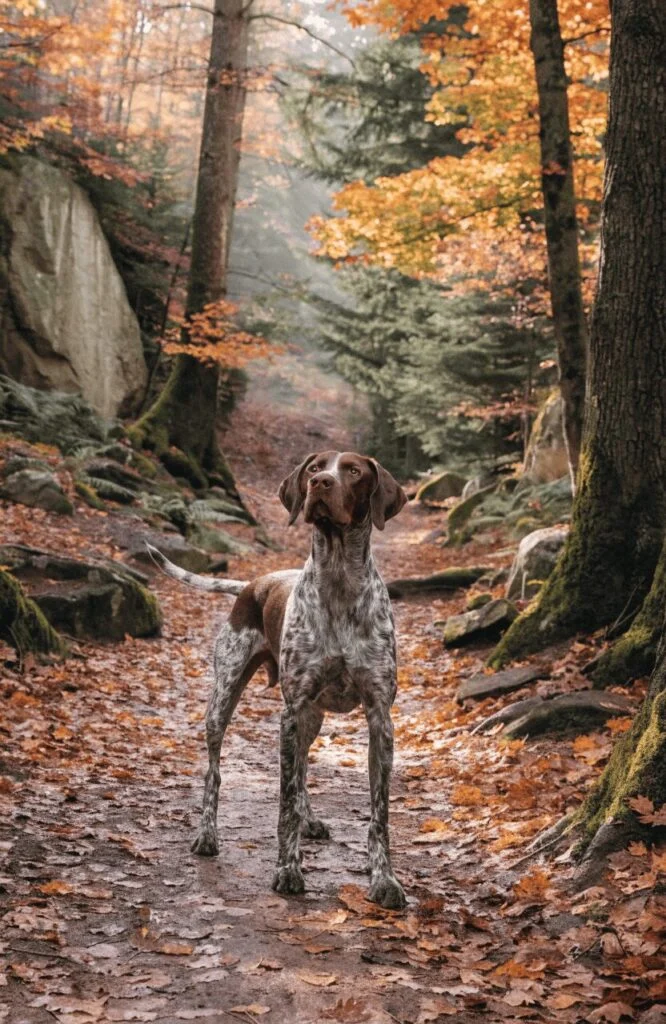
The German Shorthaired Pointer (GSP) is one of the most versatile hiking dogs available. Originally bred as a hunting dog, the GSP is fast, tireless, and comfortable in any terrain or weather condition.
Their short, water-resistant coat makes them easy to care for after muddy hikes. They do have a strong prey drive, so investing in solid recall training before trail adventures is a must.
Best for: Any terrain, hunting-adjacent trails, owners who hike year-round
11. Golden Retriever
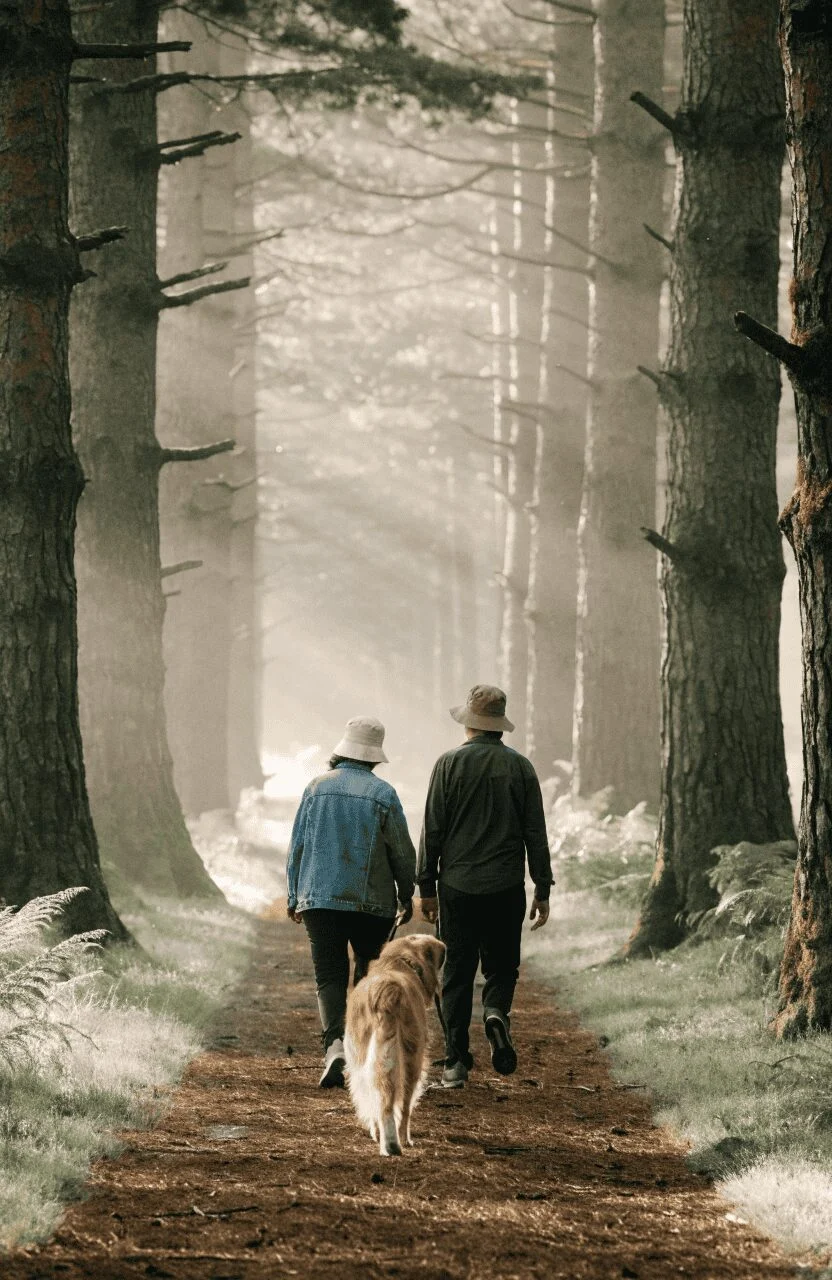
Golden Retrievers combine high energy with an easy-going personality that makes them one of the most popular best hiking dogs for families. They handle moderate to long hikes well and absolutely love water, so trails near rivers or lakes are a Golden’s dream.
They’re also excellent with children and other dogs on the trail, making them a stress-free choice for group hikes or popular national park trails.
Best for: Family hikes, water-adjacent trails, beginner-friendly adventures
12. Weimaraner
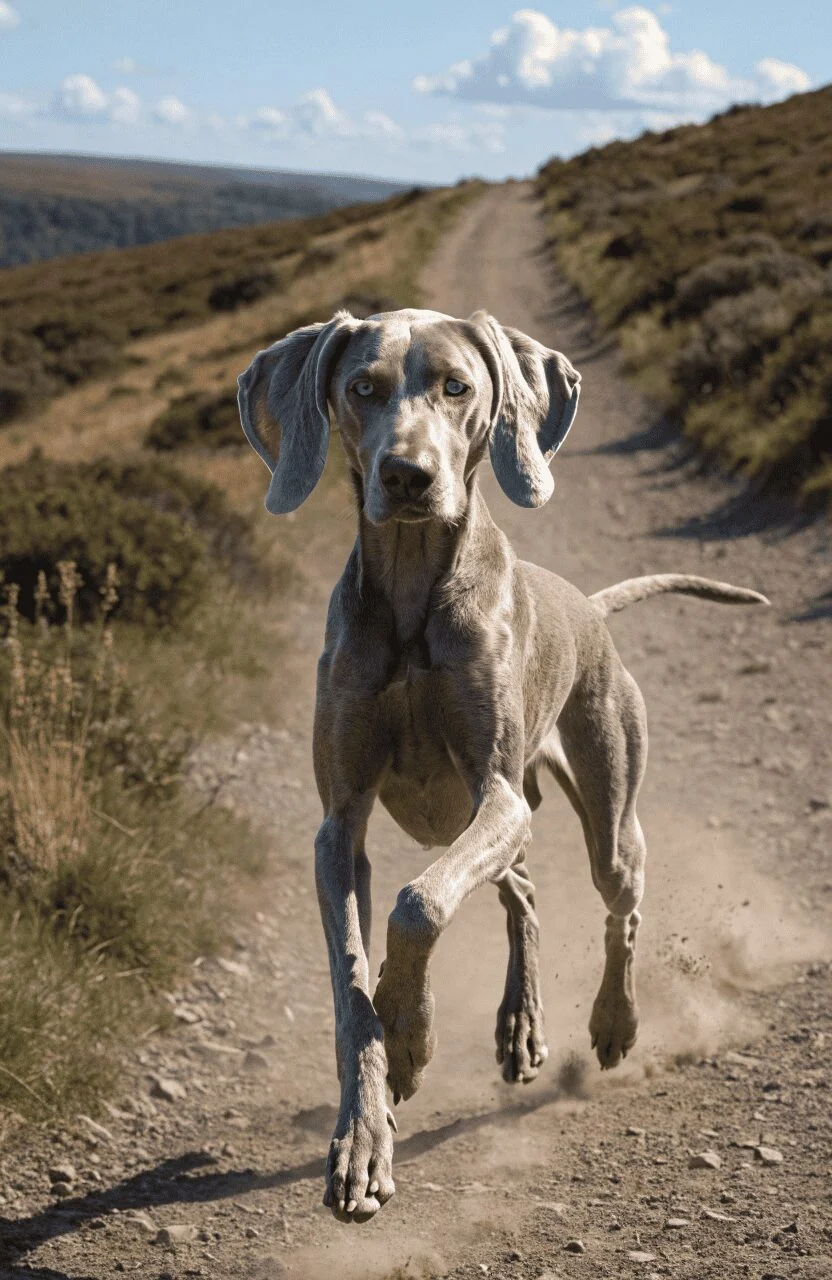
The sleek, silver-gray Weimaraner is a powerful and athletic breed with impressive stamina. Their short, tight coat makes them better suited to warm and temperate climates than cold, snowy conditions.
Weimaraners are deeply bonded with their owners and often called “velcro dogs” — they stay close, which is a real advantage on the trail. They need significant daily exercise, so hiking is a perfect lifestyle match.
Best for: Warm-weather trails, active single owners or couples, long-distance hikes
13. Jack Russell Terrier — Small but Mighty
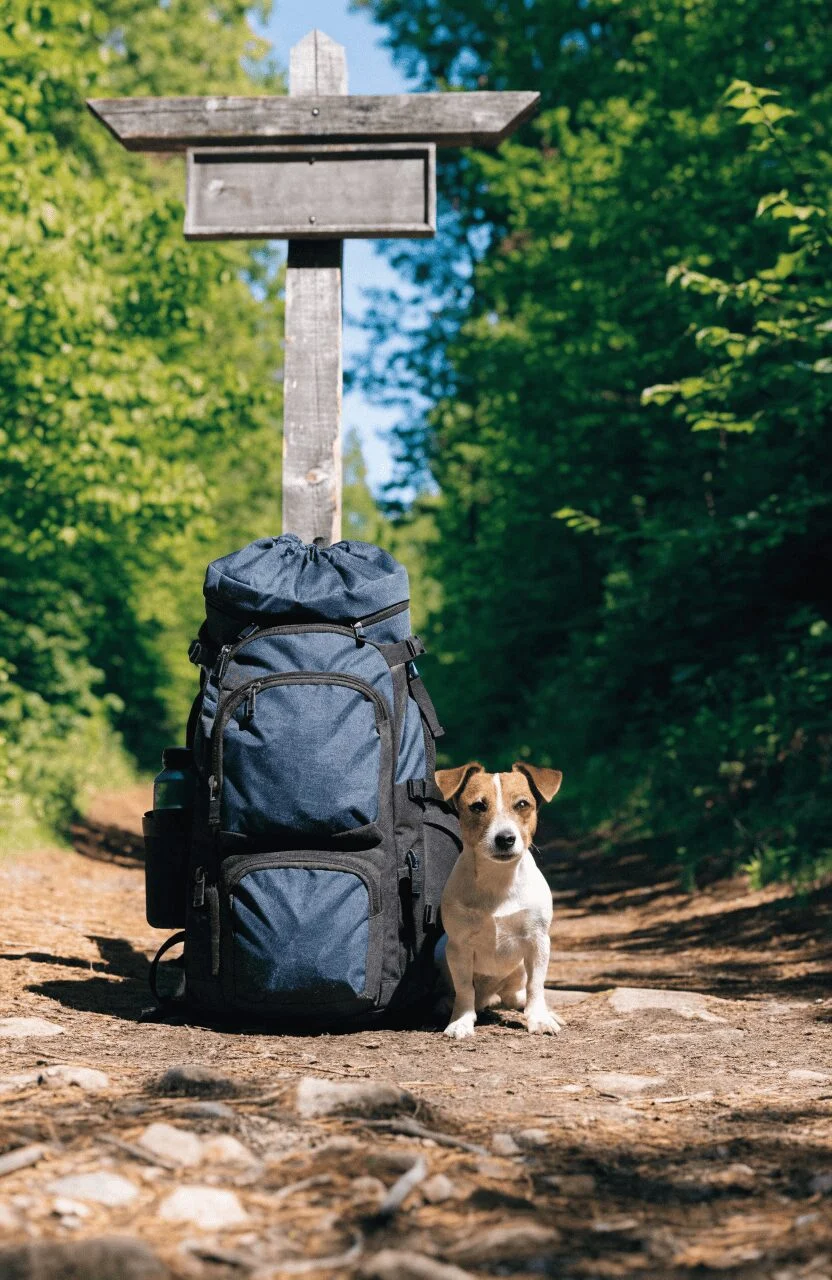
Don’t underestimate small hiking dogs. The Jack Russell Terrier packs an enormous amount of energy into a tiny body. These fearless little dogs can handle 5 to 8 miles easily and tackle uneven terrain with surprising agility.
They’re a great choice for hikers who want an adventure dog but live in a smaller space. Explore our guide to the best small dog breeds if you’re specifically looking for a compact trail companion.
Best for: Light to moderate trails, hikers in apartments or smaller homes
14. Pembroke Welsh Corgi
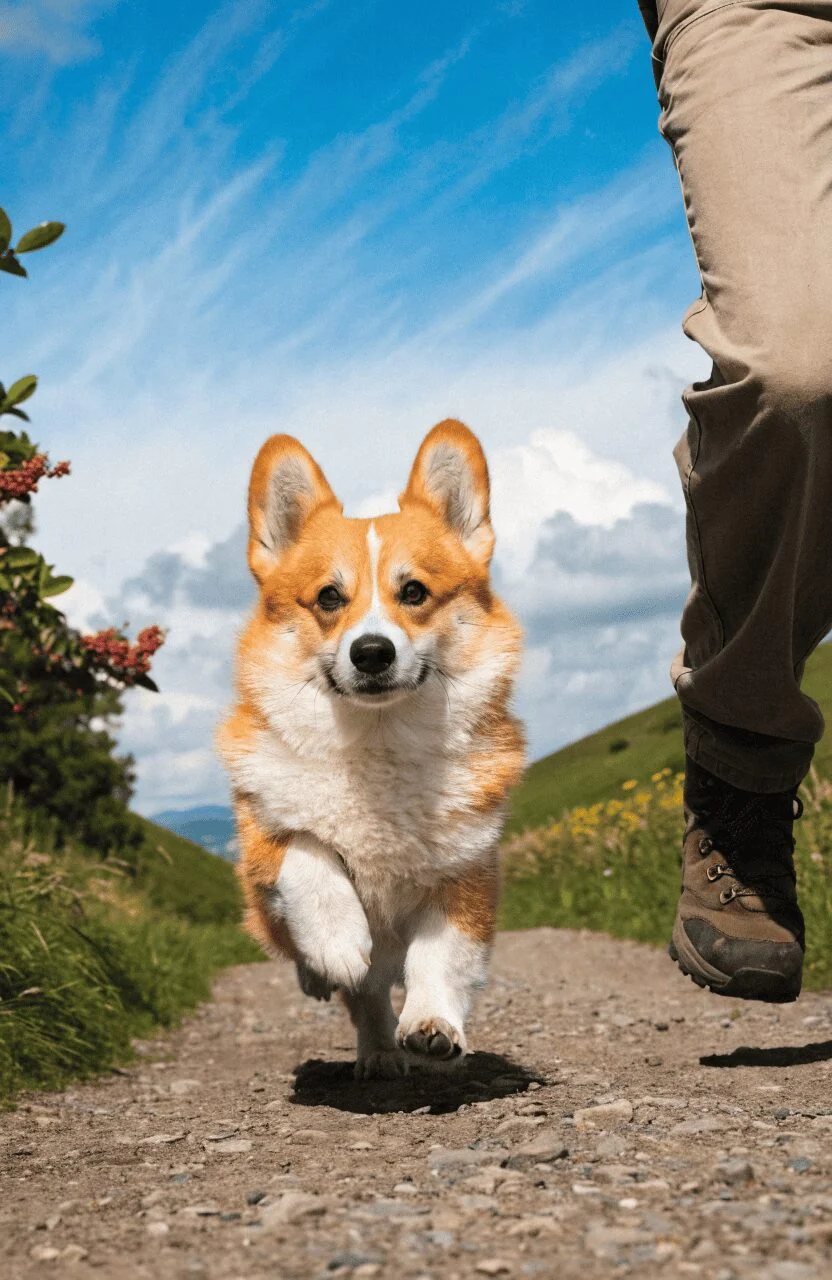
The Corgi’s short legs are surprisingly capable on the trail. Their herding background gives them strong stamina and a natural drive to keep moving. Corgis handle moderate hikes well and are generally easy to manage around other hikers.
They’re social, cheerful, and tough — qualities that make every hike more enjoyable. Just avoid extremely steep or technically scrambling trails where their low ground clearance becomes a limitation.
Best for: Moderate trails, family hikes, hikers wanting a small but sturdy dog
15. Miniature Schnauzer

The Miniature Schnauzer rounds out our list as an all-weather, all-rounder small hiking dog. Their double coat handles cool temperatures well, and their compact size makes them easy to carry if needed.
Schnauzers are alert, smart, and bond strongly with their owners. They’re a great option for casual hikers or those who want a manageable trail dog that fits easily into everyday life.
Best for: Easy to moderate trails, cool climates, casual hikers
4. Dog Breeds You Should NOT Take Hiking
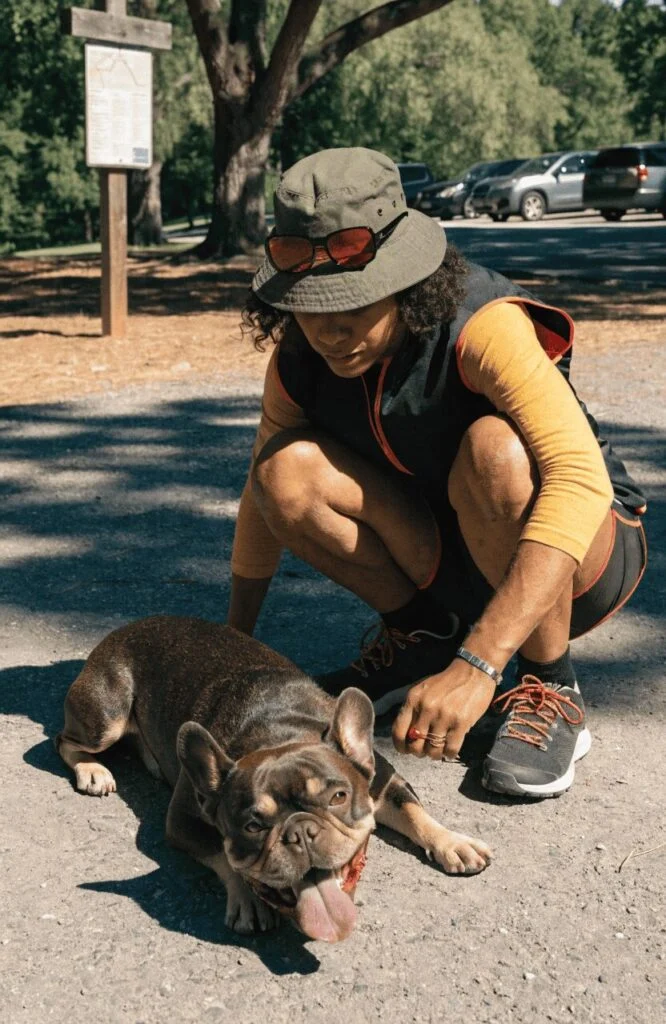
This is something every hiker needs to know — and no other guide talks about it enough.
Brachycephalic breeds (flat-faced dogs) should generally not be taken on demanding hikes. This includes Bulldogs, Pugs, French Bulldogs, and Shih Tzus. Their shortened airways make breathing during intense exercise dangerously difficult. They overheat quickly, tire fast, and can experience respiratory distress on even moderate inclines.
Other breeds to avoid on demanding trails:
- Basset Hound — low stamina, prone to overheating
- Dachshund — long spine vulnerable to injury on rough terrain
- Chow Chow — heavy coat, poor heat tolerance, can be unpredictable around strangers
- Great Dane — prone to joint problems and overheating despite their impressive size
This doesn’t mean these dogs can’t enjoy gentle, flat walks. It means long or rugged hikes are not safe for them.
5. Hiking With Dogs at Every Life Stage
Puppies — Slow It Down
Puppies under 12 to 18 months old (depending on breed size) have growth plates that are still developing. Too much intense exercise too soon can cause permanent joint damage.
Limit puppies to short, easy walks until your vet gives the green light for longer hikes. Start with 15 to 20 minutes and build up gradually. Check out our essential puppy training tips to prepare your pup for life on the trail the right way.
Adult Dogs — Prime Hiking Years
Dogs aged 2 to 7 are generally at their peak physical fitness. This is the window to build mileage, tackle harder trails, and take on multi-day adventures. Always build distance gradually — even a fit adult dog shouldn’t jump from 3 miles to 15 overnight.
Senior Dogs — Read the Signs
Senior dogs (7+ years for large breeds, 10+ for smaller breeds) can still enjoy hiking, but shorter and gentler is the rule. Watch for signs of fatigue: lagging behind, excessive panting, limping, or reluctance to continue. More rest stops, shorter distances, and softer terrain make hiking sustainable for older dogs.
6. Trail Safety Tips for Hiking With Dogs
Training and Recall Come First
Before any trail adventure, your dog needs a reliable recall command — that means coming back to you every single time, no matter what. This is non-negotiable, especially around wildlife and other hikers.
Positive reinforcement is the most effective approach. Read our guide on proactivity vs. passivity in dog training to build the kind of trail-ready obedience that keeps your dog and others safe.
Paw Care and Terrain Hazards
Different terrains affect paw pads differently. Hot asphalt, sharp gravel, icy trails, and rocky scrambles can all damage unprotected paws. Check paws before and after every hike. Dog boots are worth considering for extreme conditions. Paw balm helps prevent cracking on dry or rocky terrain.
Hydration and Nutrition on the Trail
A dog needs approximately 1 ounce of water per pound of body weight per day — and significantly more during active hiking. Bring more water than you think you need. A collapsible bowl is a must-have.
For hikes over 3 hours, bring high-protein snacks to keep energy levels stable. Avoid feeding a large meal right before a hike to prevent bloat in deep-chested breeds.
Wildlife Awareness
On any trail, your dog may encounter wildlife — deer, squirrels, snakes, or even predators. Dogs with high prey drives can bolt in an instant. Keep a close eye in dense vegetation or at dawn and dusk when wildlife is most active. For trail-specific wildlife concerns, our guide on dogs that protect against coyotes is worth a read if you hike in coyote country.
7. What to Pack When Hiking With Your Dog
Keep your dog’s pack list simple but complete:
- Collapsible water bowl — lightweight and essential
- Extra water — at least 8 oz per hour of hiking per medium-sized dog
- High-protein treats or snacks — for energy and positive reinforcement
- Dog first aid kit — bandages, antiseptic wipes, tick remover
- Leash and backup leash — always bring a spare
- Paw balm or dog boots — for rough terrain
- Dog ID tag and collar — with your current phone number
- Waste bags — always, on every trail
For a more complete packing checklist, see our full guide on travel essentials to pack for your dog.
8. Frequently Asked Questions
Conclusion
Finding the best dog breed for hiking comes down to matching the dog to your lifestyle — your climate, your trail style, and how often you hit the trail. A Siberian Husky is a dream companion in the mountains of Montana but would struggle on a hot desert trail in July. A Rhodesian Ridgeback thrives in that heat but doesn’t belong on a snowy winter trek.
Whatever breed you choose, prepare them properly with training, gradual mileage building, and the right gear. A well-prepared dog and a well-prepared owner make the perfect hiking team.
Now get out there — the trail is waiting.

Izzy is an experienced ranch worker who has a passion for exploring nature and getting up close to wildlife. With her connections to various animal organizations, Izzy is well-versed in animal care and rehabilitation.