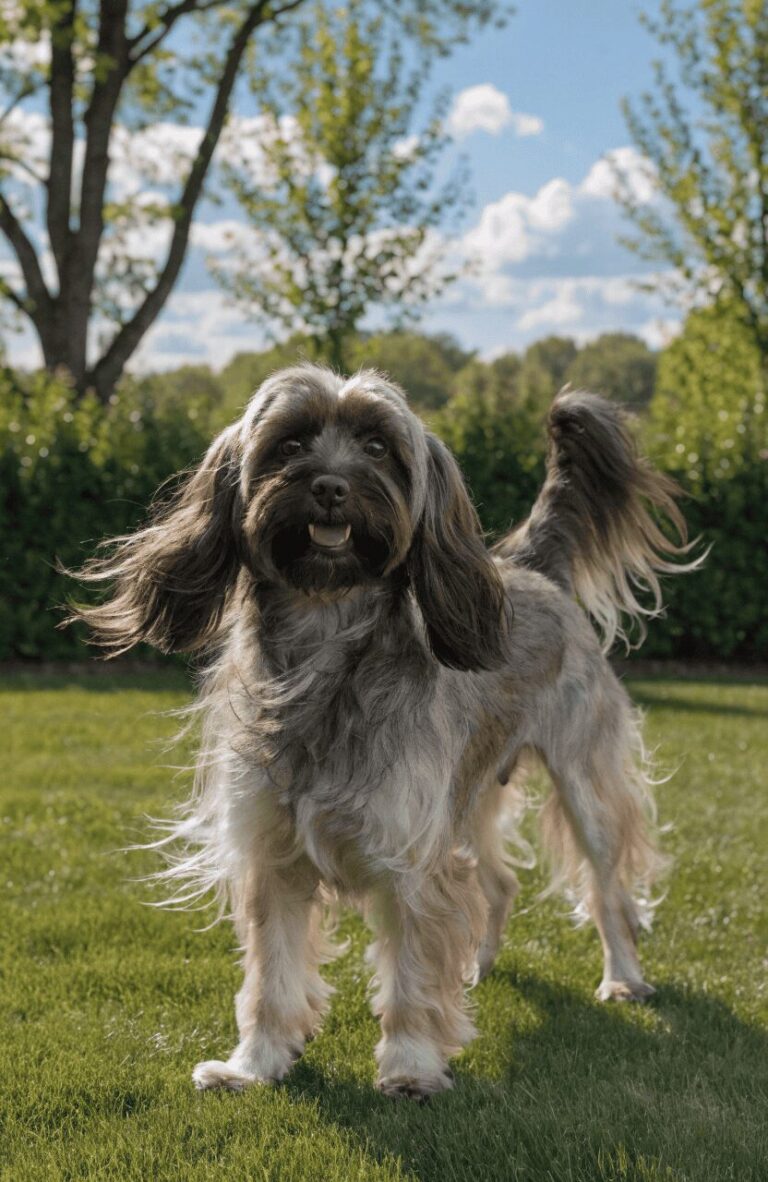
Most Aggressive Dog Breeds: 12 Breeds Ranked by Real Behavior Data
If you’ve ever searched for the most aggressive dog breeds, you’ve probably found lists that either scare you or confuse you. Some say Pit Bulls are the most dangerous. Others say Chihuahuas bite more often. So what’s the truth?
The truth is that aggression in dogs is real, but it’s also complicated. Some breeds are wired by genetics to be more reactive, territorial, or dominant. But how a dog is raised, trained, and treated plays just as big a role. This guide will walk you through the 12 most aggressive dog breeds, explain what kind of aggression each one shows, and help you understand what to actually do about it.
Let’s start with the breeds themselves.
The 12 Most Aggressive Dog Breeds
1. American Pit Bull Terrier
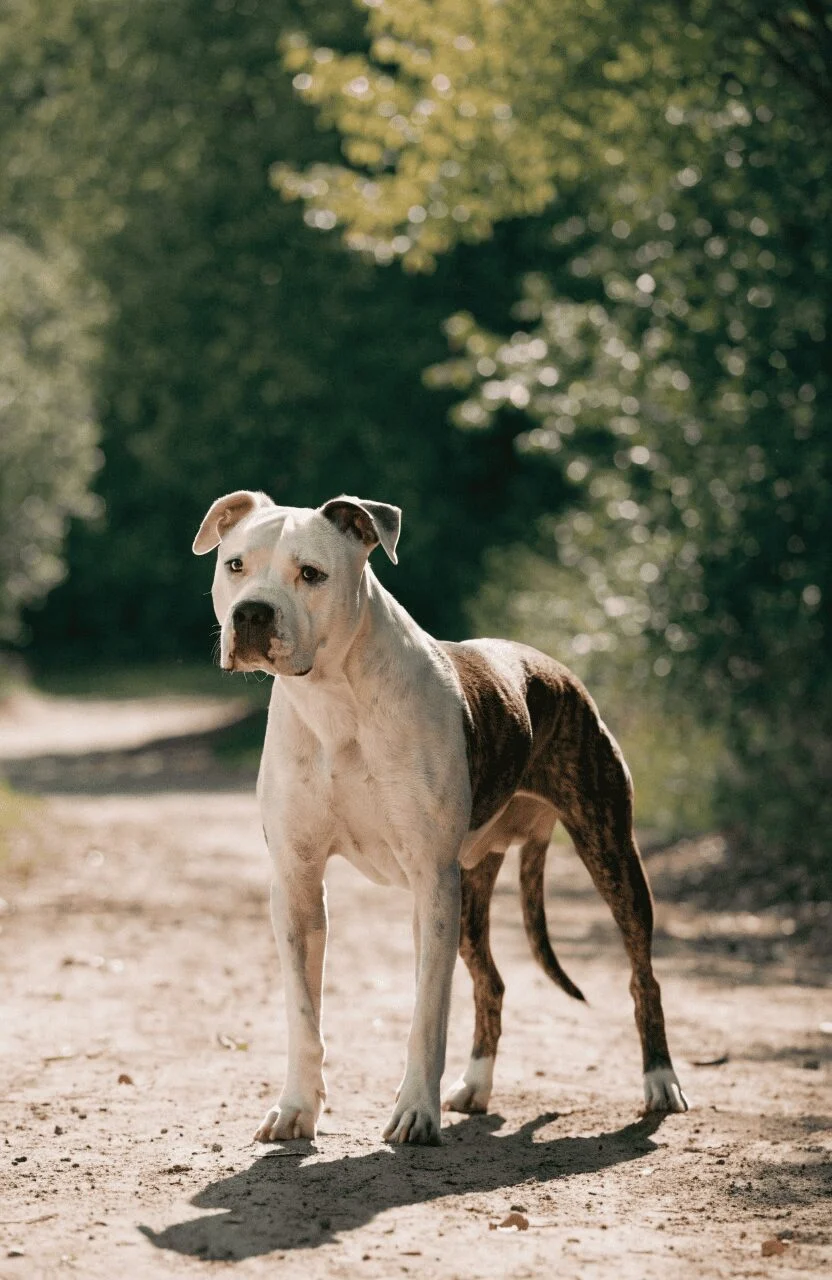
The Pit Bull is the breed most people think of first when they hear “aggressive dog breeds.” And the data does support some of that concern. Between 2005 and 2017, Pit Bulls were involved in the majority of fatal dog attacks in the United States.
But here’s what most lists leave out: Pit Bulls were originally bred for bull-baiting and dog fighting. That means their aggression is largely directed toward other animals, not humans. A poorly socialized or abused Pit Bull, however, can become dangerous to people too.
They are powerful, high-energy dogs with strong jaws. Without consistent training and firm boundaries, they can be a serious risk. If you’re considering one, read up on coyote vs. pitbull to understand just how powerful this breed really is.
Aggression type: Animal-directed and human-directed when mistreated Risk level: High Most dangerous to: Other animals, strangers, children when unsupervised
2. Rottweiler
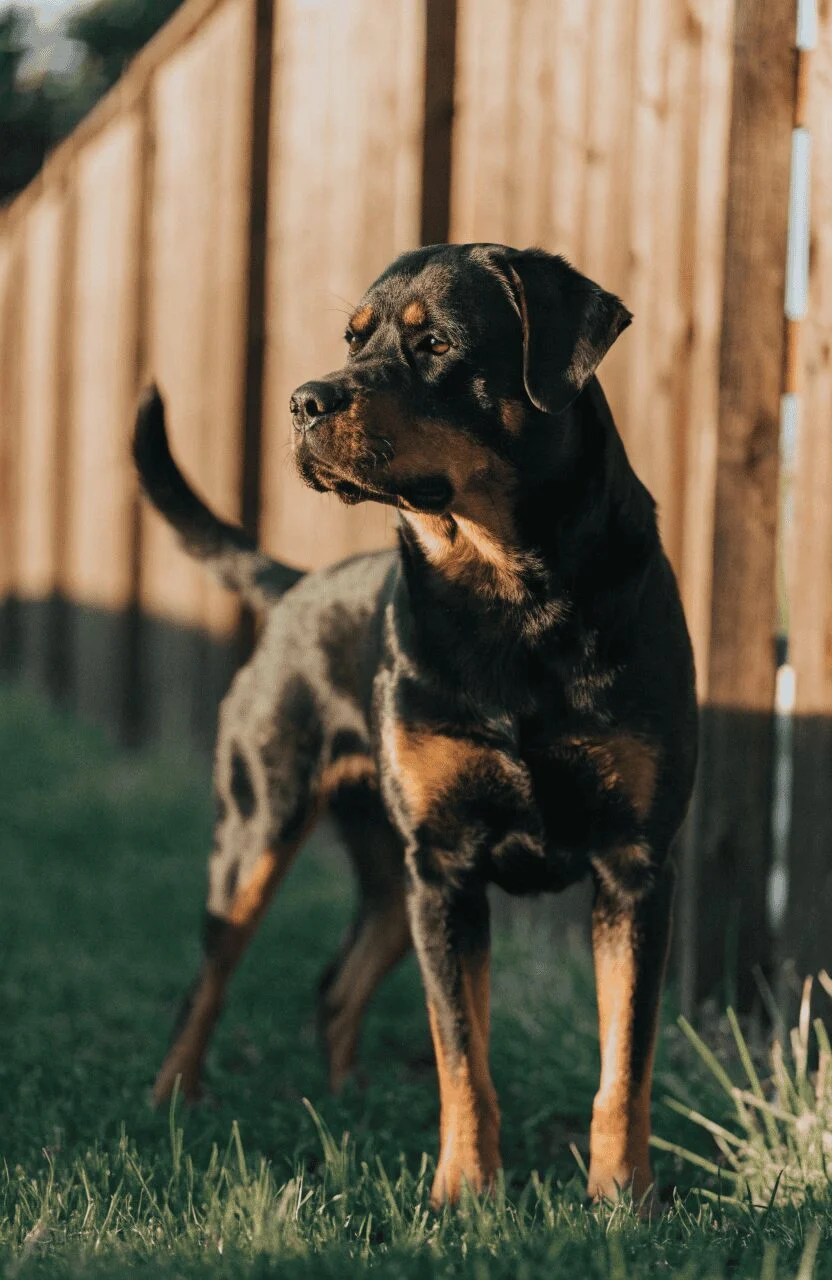
Rottweilers are big, confident, and deeply loyal to their families. They were originally bred to herd cattle and guard property in Germany. That protective instinct is still very much alive today.
Rottweilers are the second most common breed involved in fatal dog attacks in the US. Together with Pit Bulls, these two breeds account for the large majority of dog bite fatalities in recorded data.
Their aggression is mostly territorial and protective. They don’t attack randomly. But if they perceive a threat to their home or owner, they act fast and with enormous force. An untrained Rottweiler with a dominant personality is a serious liability. You can learn more about their raw power in this breakdown of coyote vs. Rottweiler.
Aggression type: Territorial and protective Risk level: High Most dangerous to: Strangers, intruders, unfamiliar dogs
3. German Shepherd
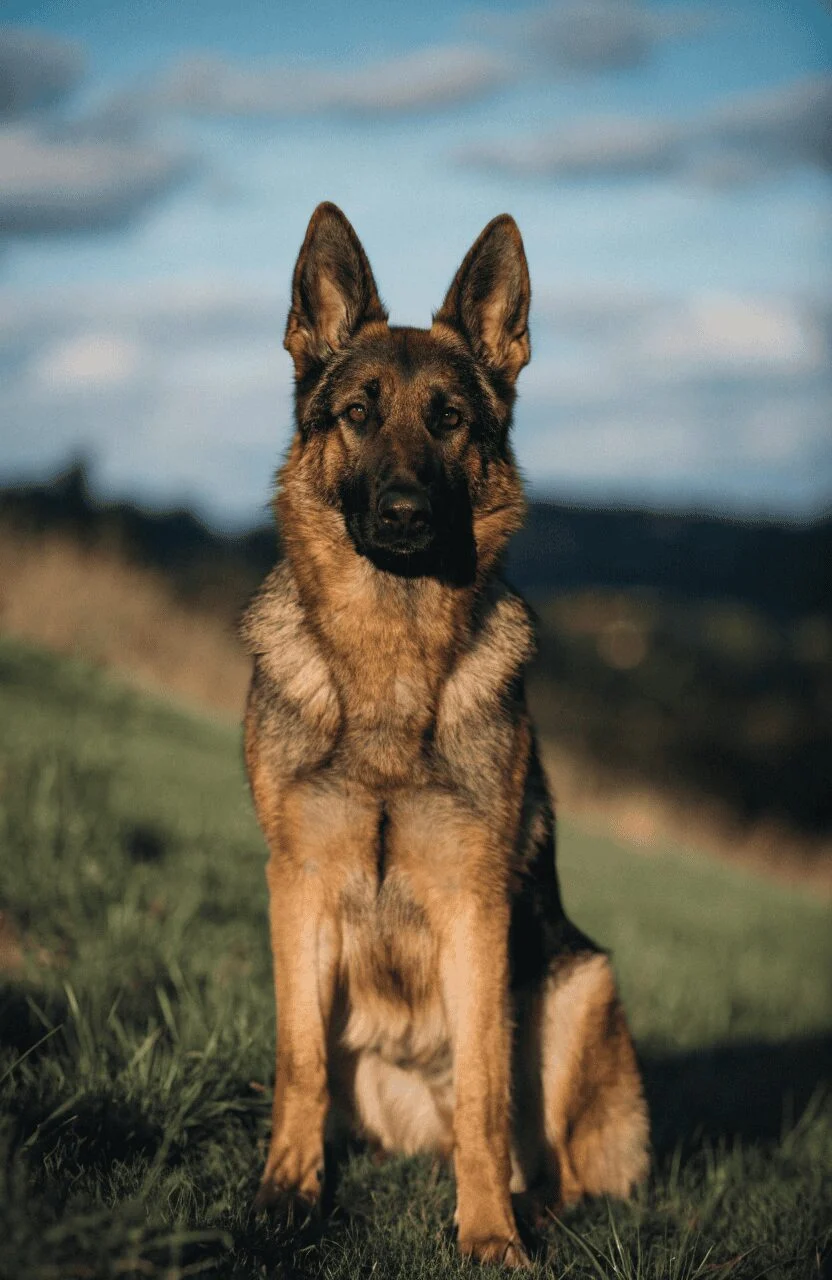
German Shepherds are one of the most popular dog breeds in the world, and also one of the most frequently involved in bite incidents. They are used by police and military forces globally precisely because of their controlled aggression and willingness to bite on command.
The problem arises when that drive is not channeled properly. German Shepherds are highly intelligent and deeply bonded to their owners. When they feel their family is threatened, they don’t hesitate.
They can be excellent family dogs with proper socialization. But they have a strong prey drive and can be reactive toward strangers and other animals. A well-trained German Shepherd is a loyal guardian. An untrained one is unpredictable.
Aggression type: Protective and fear-based Risk level: Medium-high Most dangerous to: Strangers, unfamiliar dogs, children who run or shriek
4. Doberman Pinscher
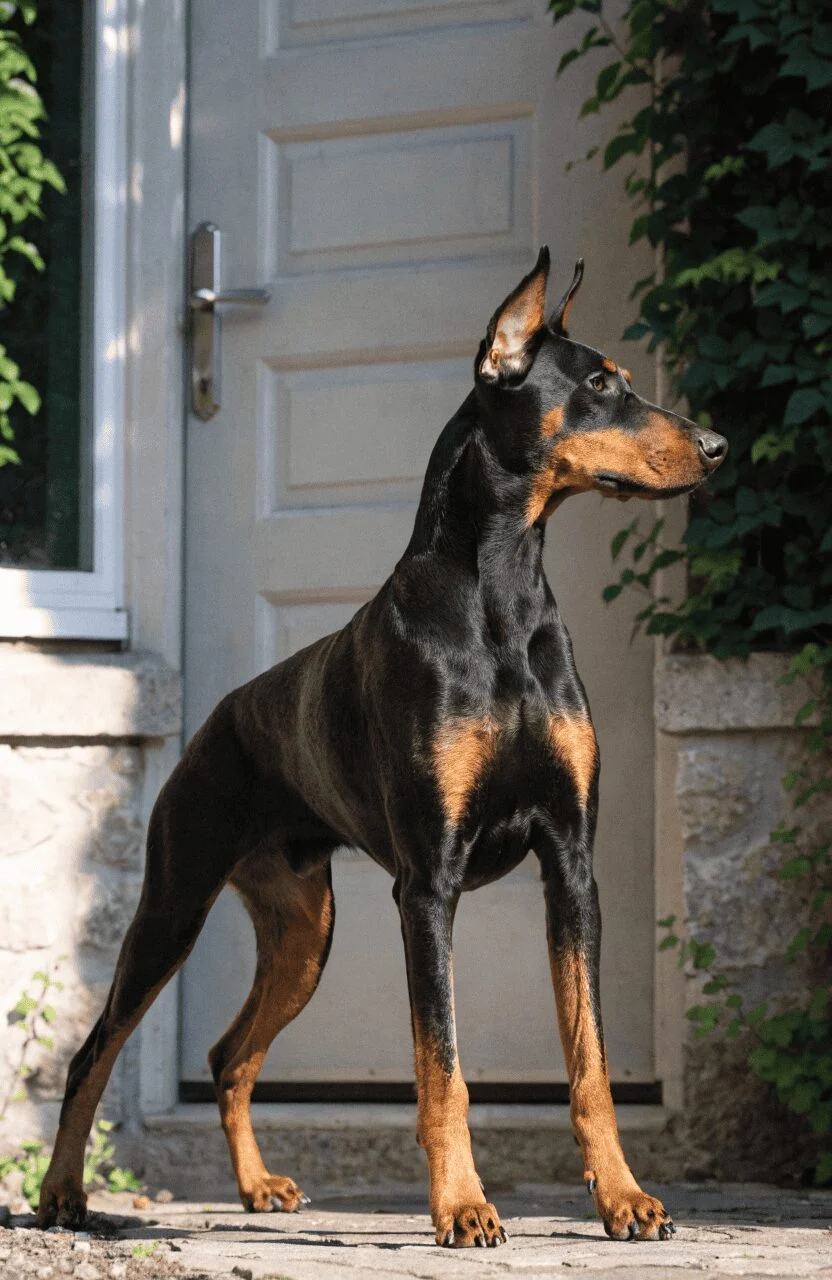
Dobermans were bred in the late 1800s specifically to be the perfect guard dog — alert, fast, fearless, and intimidating. They are one of the smartest dog breeds alive, which makes them highly trainable. But it also means they can become bored, anxious, and destructive if under-stimulated.
Their aggression is mostly defensive. They rarely attack without reason, but when they feel cornered or believe their owner is in danger, they move with speed and precision. Doberman fatalities spiked notably in the 1970s when the breed surged in popularity and many were poorly trained.
Aggression type: Defensive and protective Risk level: Medium-high Most dangerous to: Strangers who enter the home, unfamiliar people at night
5. Akita
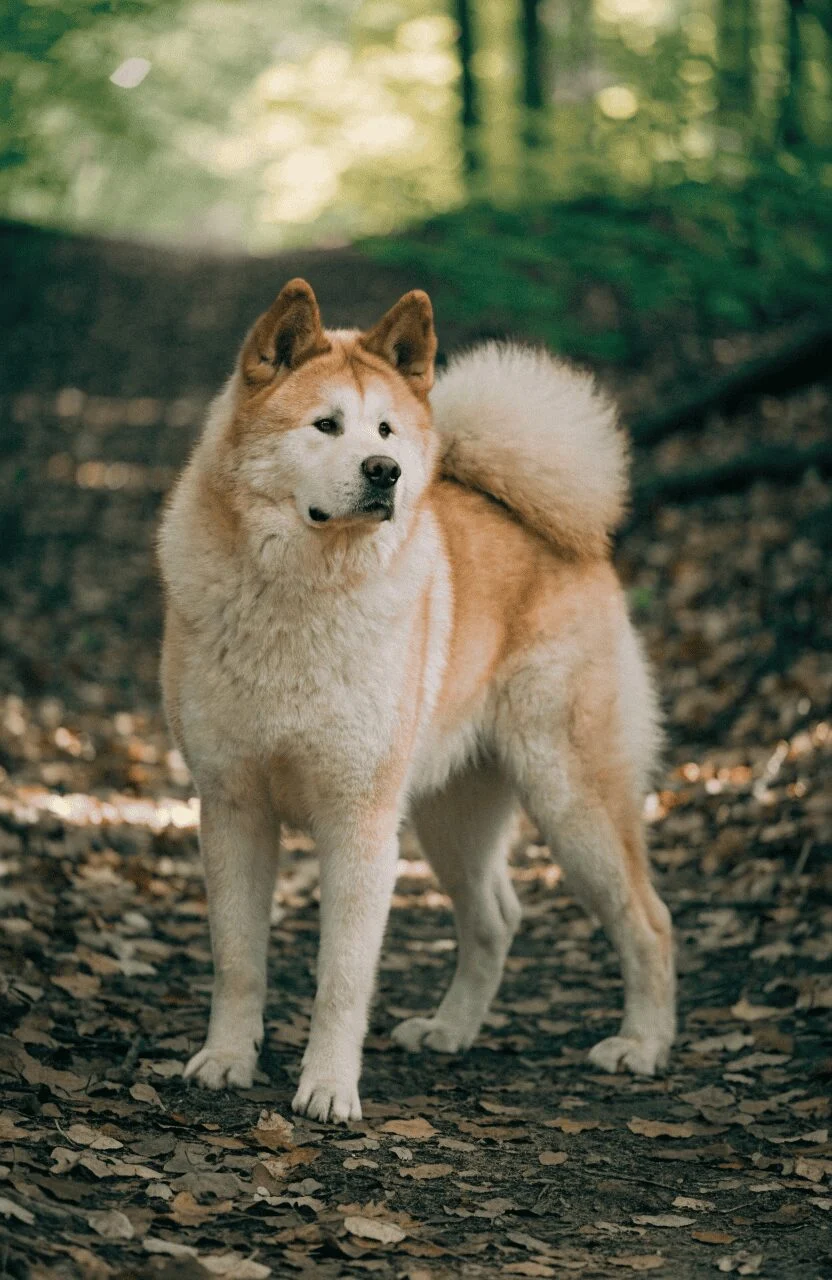
The Akita is a Japanese breed built for hunting large game like bears and boar. They are powerful, dignified, and intensely loyal to one person or family. Outside that circle, they are cold and often aggressive.
Akitas have a very high prey drive and do not naturally get along with other dogs, especially those of the same sex. They are not a breed that warms up to strangers easily. In Japan, Akitas are considered a national treasure, but they also come with strict ownership responsibilities.
In the United States, Akitas have been responsible for numerous serious bite incidents. They require an experienced owner who understands dominant breeds.
Aggression type: Territorial, prey-driven, and inter-dog aggression Risk level: High Most dangerous to: Other dogs, unfamiliar adults, small children during rough play
6. Chow Chow
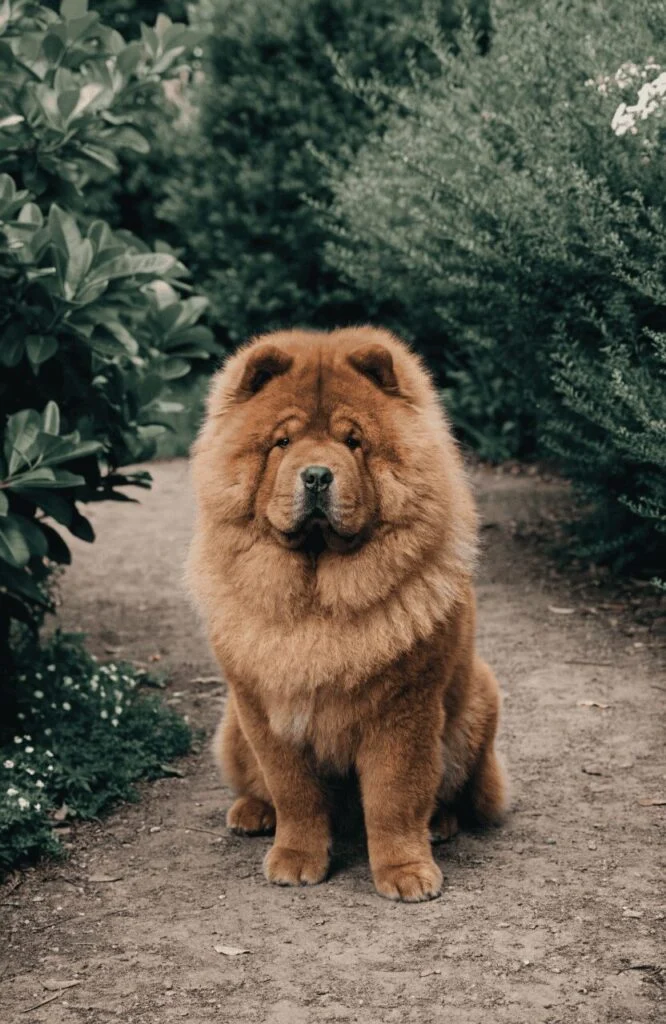
Chow Chows look like fluffy, adorable teddy bears. But multiple studies have placed them in the top three breeds responsible for serious bite incidents. Their appearance is deeply misleading.
Chow Chows are one of the oldest dog breeds in the world, originally used for hunting, herding, and guarding in China. They are fiercely independent, naturally suspicious of strangers, and can be dominant even with their own family.
Unlike Pit Bulls or Rottweilers, Chow Chows are not obviously intimidating. This makes them more dangerous in some ways — people approach them without caution. They do not give a lot of warning before snapping.
Aggression type: Territorial and stranger-directed Risk level: Medium-high Most dangerous to: Strangers, visitors to the home, children who approach without warning
7. Dachshund
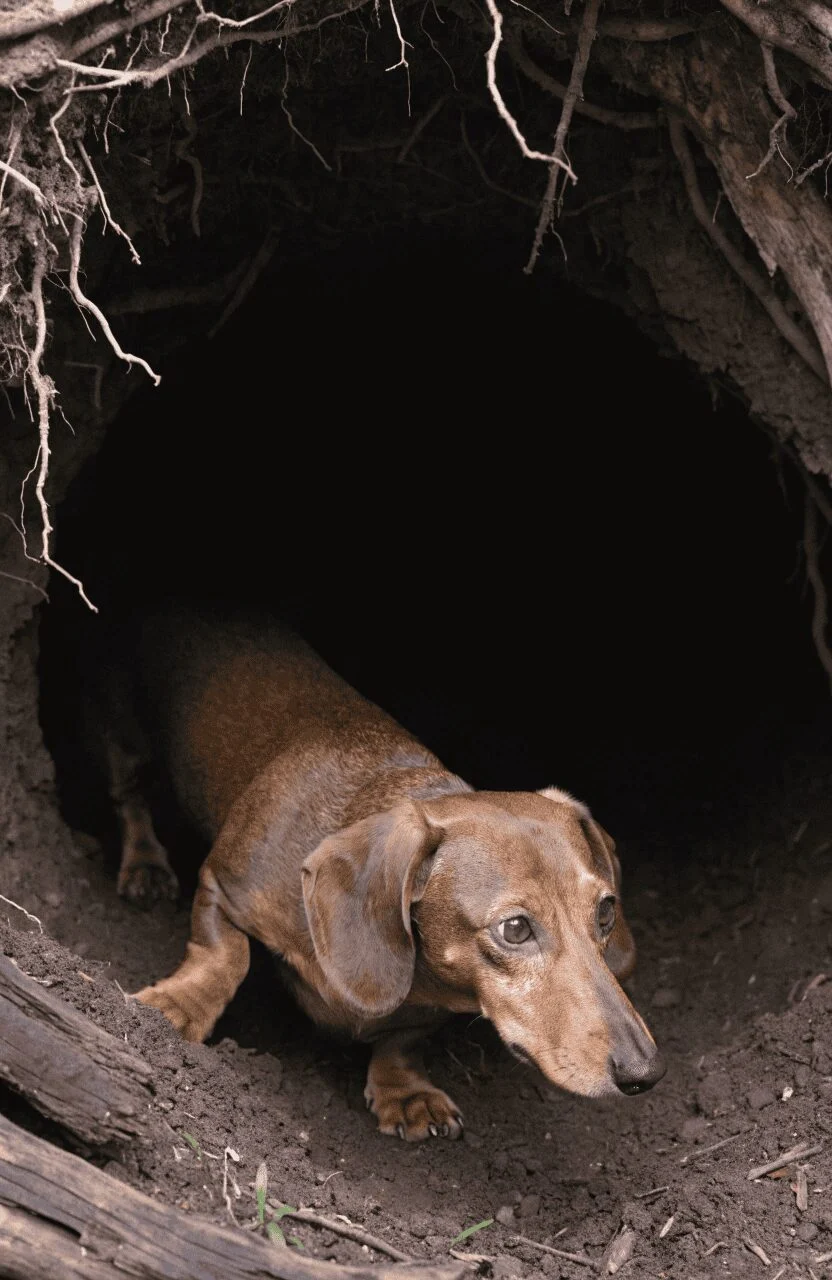
This one surprises most people. Dachshunds are small, funny-looking dogs with short legs and long bodies. How aggressive can they really be?
According to a well-known study published in the journal Applied Animal Behaviour Science, Dachshunds ranked as one of the most aggressive dog breeds toward both strangers and their own owners. They were bred to hunt badgers — animals that fight back hard. That prey drive and fearlessness never left them. You can actually see this stubbornness on full display in the dachshund vs. badger comparison.
They are small enough that their bites rarely cause hospitalization, which is why they don’t appear in fatality statistics. But bite frequency? They are near the top.
Aggression type: Fear-based, owner-directed, and stranger-directed Risk level: Low physical danger, high frequency Most dangerous to: Strangers, children who handle them roughly, other dogs
8. Chihuahua

Like Dachshunds, Chihuahuas are frequently aggressive but rarely make the “most dangerous” lists because they don’t kill people. But ask any veterinarian or dog groomer which breed bites the most — Chihuahuas come up almost every time.
They are nervous, easily startled, and tend to bond intensely with one person. That creates a dog that is suspicious of everyone else. Chihuahuas are also often over-protected by their owners, which means they rarely learn that not everything is a threat. They develop what behaviorists call “small dog syndrome” — where a lack of boundaries creates an anxious, reactive dog.
Aggression type: Fear-based and owner-protective Risk level: Low physical danger, very high frequency Most dangerous to: Strangers, children, other dogs
9. Wolf-Dog Hybrid
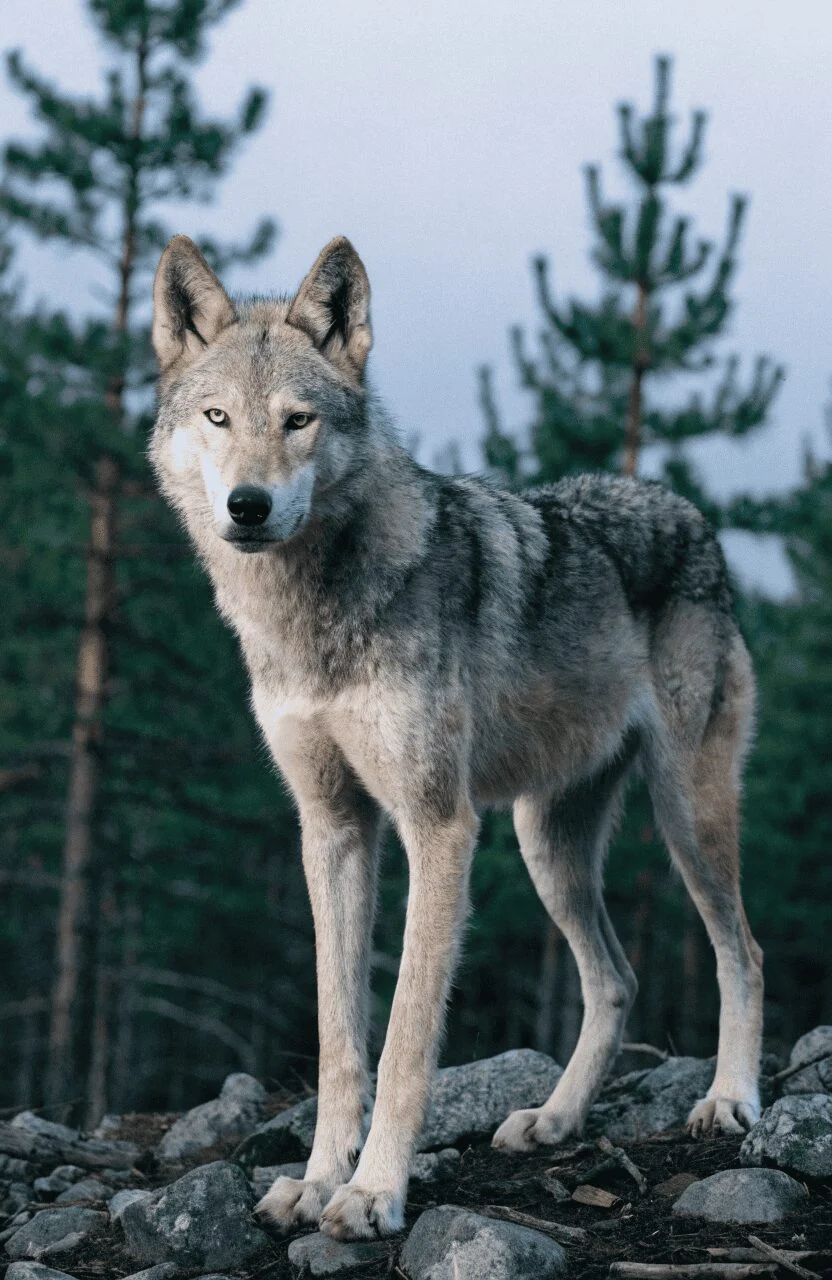
Wolf-dog hybrids sit in a unique and genuinely dangerous category. They are part domesticated dog, part wild animal. Their behavior is unpredictable in a way that no fully domesticated breed is.
The problem is that even with the same training as a regular dog, the wolf genetics can surface at any time, especially under stress. They have high prey drives, poor impulse control compared to domestic breeds, and do not respond to training the same way. Many wolf-dog owners are completely unprepared for what they’ve brought home.
There are estimated to be over one million wolf-dog hybrids kept as pets in the United States. Many are abandoned or euthanized within two years because their owners can’t manage them.
Aggression type: Predatory and fear-based Risk level: Very high Most dangerous to: Children, small animals, strangers
10. Jack Russell Terrier
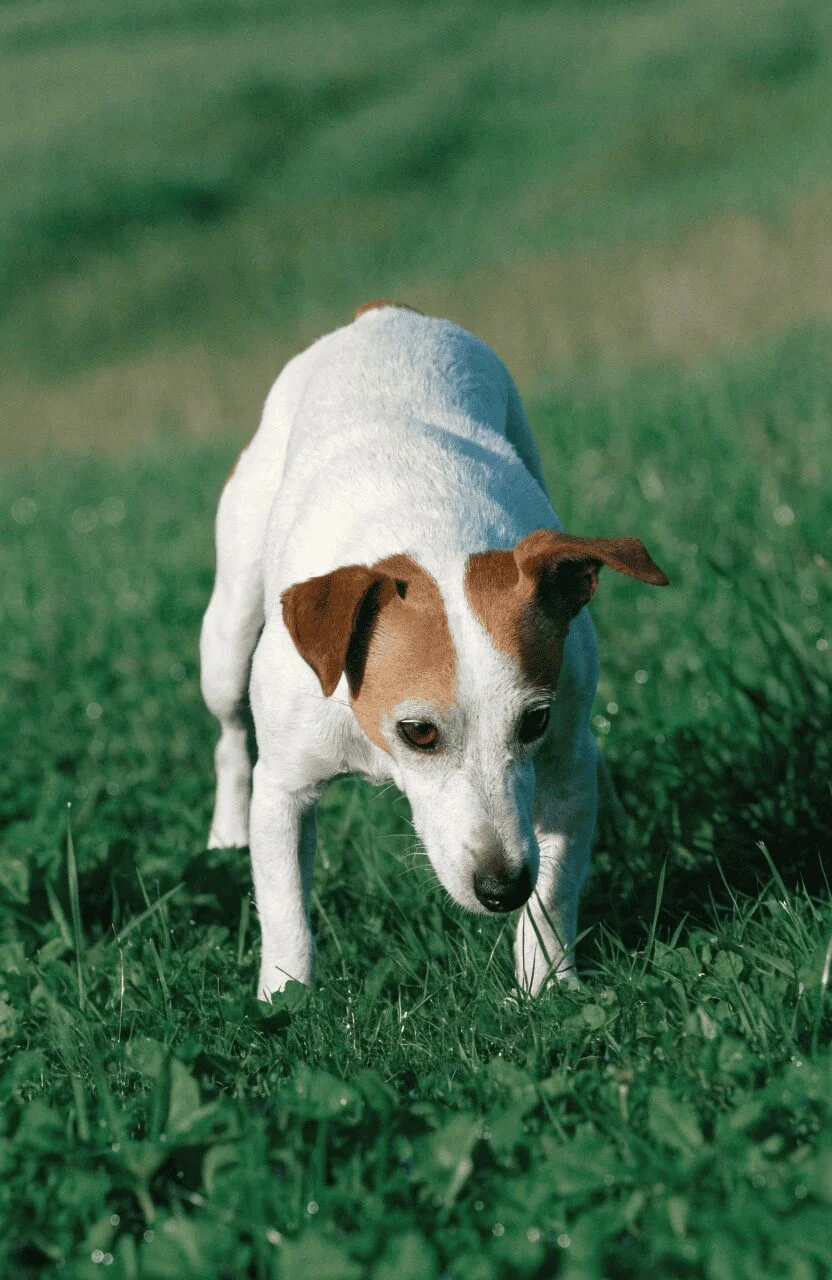
Jack Russells are energetic, clever little dogs that almost never appear on aggression lists — and that’s a mistake. They were bred to hunt foxes underground, which required fearlessness, tenacity, and a willingness to fight in tight spaces.
That personality hasn’t changed. Jack Russells are frequently aggressive toward other dogs and can be snappy with children or strangers who startle them. They have more energy than most owners expect, and when that energy has nowhere to go, it becomes reactivity and biting.
Aggression type: Prey-driven and inter-dog aggression Risk level: Low physical danger, medium-high frequency Most dangerous to: Small animals, other dogs, young children
11. Siberian Husky
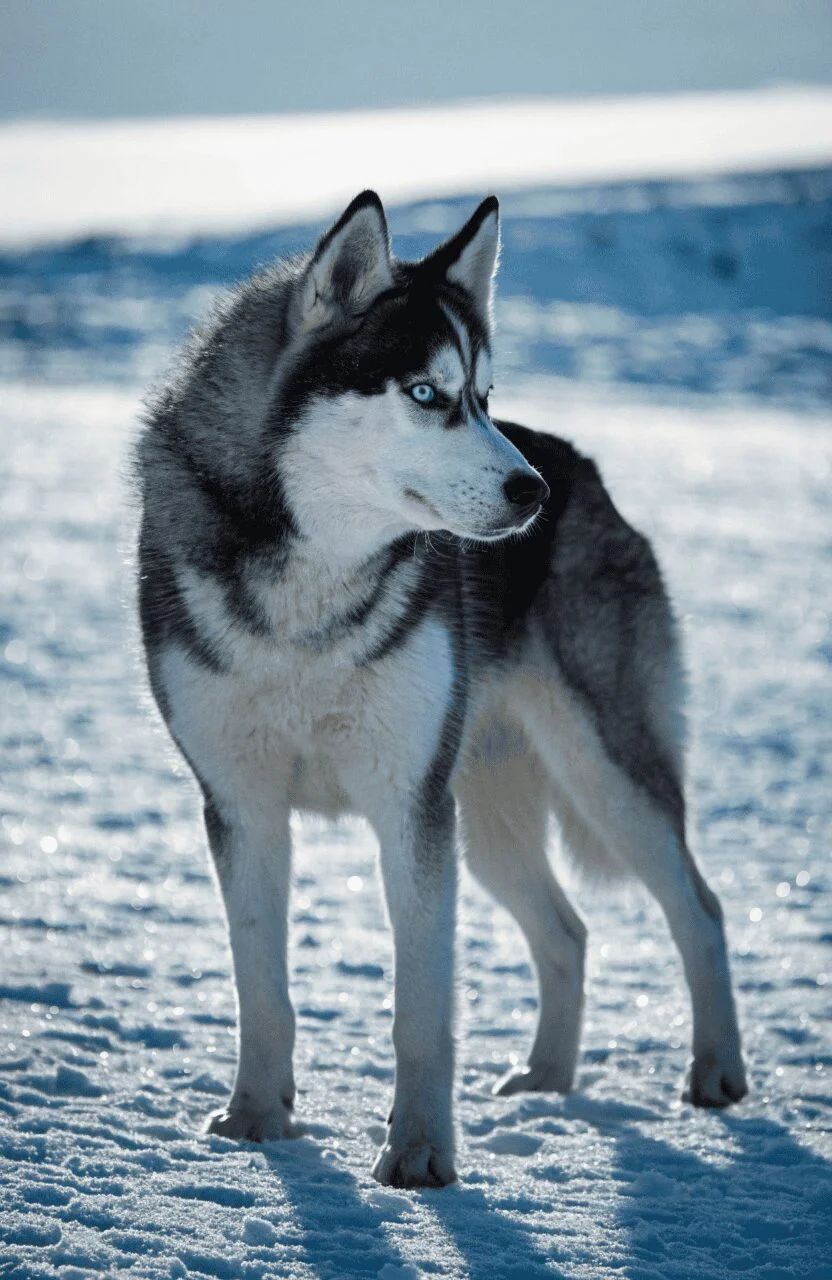
Huskies don’t look dangerous. They look like wolves from a movie. But between 1979 and 1998, Siberian Huskies were responsible for 15 human deaths in the United States — more than many breeds considered far more aggressive.
Their aggression is mostly predatory, not territorial. Huskies have an extremely high prey drive. They were bred to run for hours across frozen tundra. In a suburban home without enough exercise and stimulation, that drive turns into destruction and reactive behavior. They can be particularly dangerous around small children and small animals.
Aggression type: Predatory Risk level: Medium Most dangerous to: Small children, small pets, people who trigger prey response
12. Boxer

Boxers are playful, goofy, and deeply affectionate with their families. Most Boxers are not aggressive in the way Rottweilers or Pit Bulls are. But they are powerful, high-energy dogs with strong protective instincts that can tip into aggression when not properly managed.
They can be dog-aggressive, especially males with other males. When they do bite, their jaw strength means the damage is serious. A well-bred and trained Boxer is one of the best family dogs around. A poorly socialized one is a different story entirely. If you are thinking about getting a Boxer puppy, understanding how breeding affects temperament is worth researching — how breeders shape quality Boxer puppies is a good starting point.
Aggression type: Protective and inter-dog Risk level: Medium Most dangerous to: Other male dogs, strangers in threatening situations
Why Are Some Dog Breeds More Aggressive Than Others?
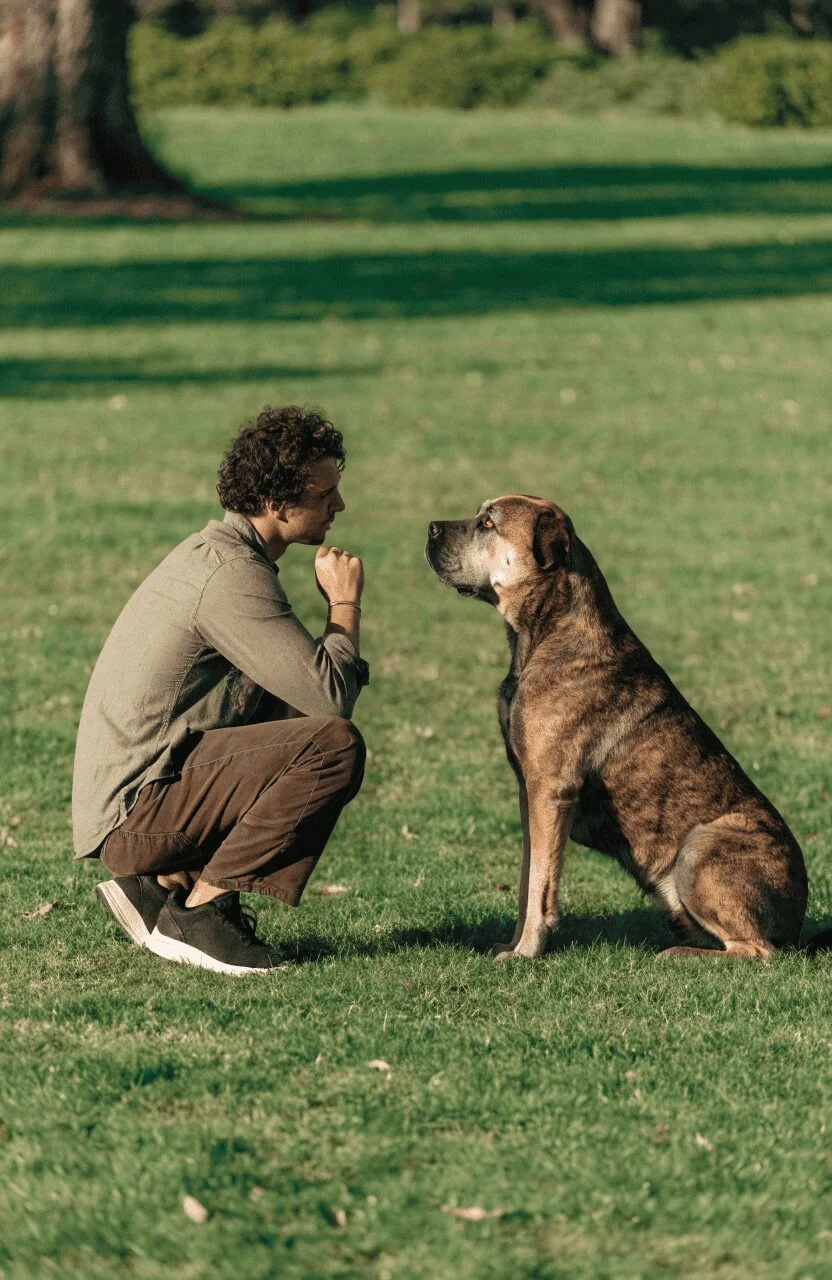
Now that you’ve seen the list, it’s worth understanding why these breeds tend toward aggression. It comes down to four main factors.
1. Breeding History
Every breed on this list was developed for a job that required either fighting, guarding, hunting, or some combination of all three. That history is written into their genetics. You can train it, manage it, and redirect it — but you can’t completely erase it.
2. Socialization During the Critical Window
Dogs have a socialization window roughly between 3 and 14 weeks of age. What they experience during this time shapes how they respond to the world for the rest of their lives. A Rottweiler puppy that meets dozens of people, dogs, and environments during this window will behave very differently from one that didn’t.
Getting this right from the start is one of the most important things you can do. Reading up on essential puppy training tips is a smart first step.
3. Training Methods
How you train a dog matters enormously. Punishment-based methods can increase fear and anxiety in already reactive breeds, which makes aggression worse. Research consistently shows that reward-based methods produce more stable behavior. Understanding the difference between positive reinforcement and traditional dog training can genuinely change outcomes with aggressive breeds.
4. Owner Experience and Environment
High-drive, dominant breeds need experienced owners. A first-time dog owner who gets an Akita or a Doberman without doing serious research is setting both themselves and the dog up for failure. Consistent rules, mental stimulation, exercise, and clear leadership reduce aggression in almost every breed.
Warning Signs of Aggression You Shouldn’t Ignore
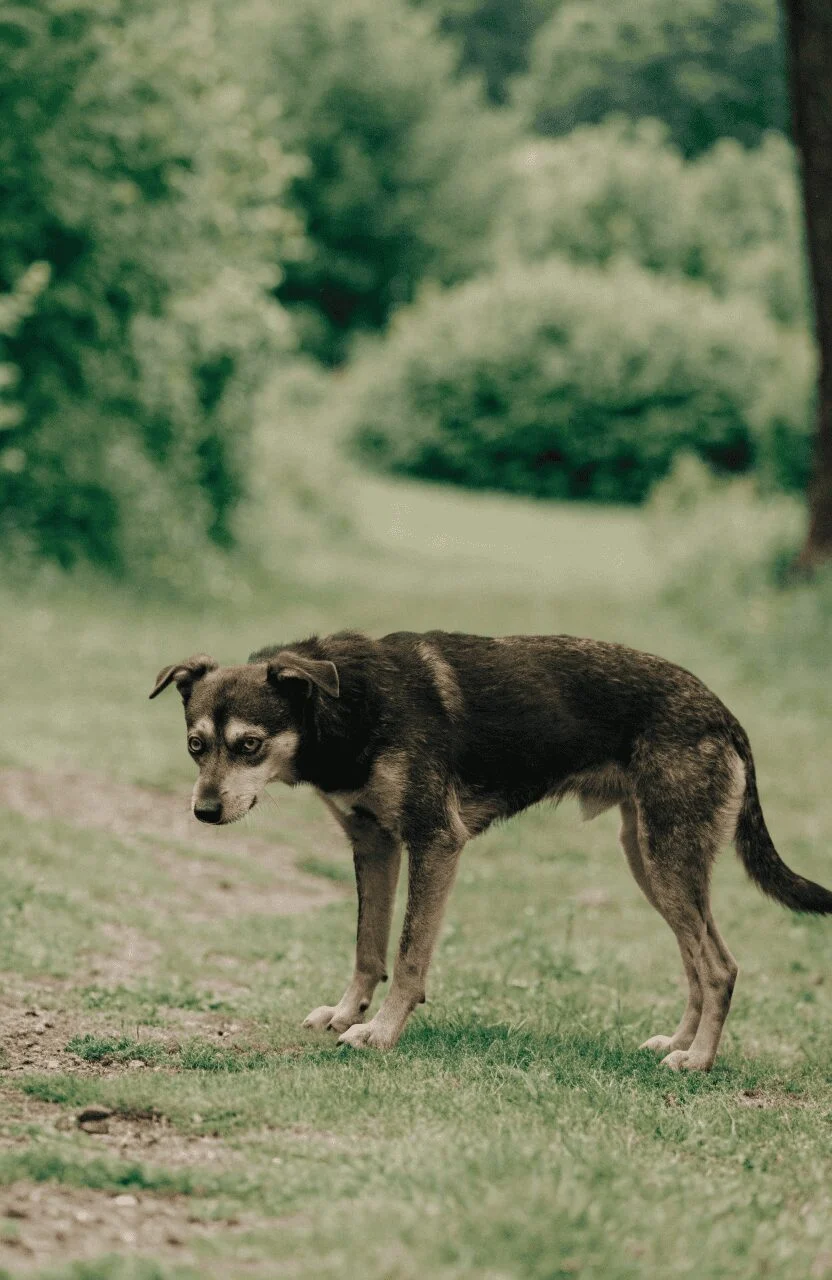
Aggressive dogs rarely bite without warning. Most go through a clear escalation before a bite happens. Here is what to watch for:
Early signals: Yawning, lip licking, turning away, whale eye (showing whites of eyes) Mid-level signals: Stiff body posture, low growl, raised hackles, fixed stare High-level signals: Snarling, snapping at air, lunging
If your dog is showing mid or high-level signals regularly, it’s time to consult a certified animal behaviorist — not just a basic trainer.
Aggressive Breeds vs. Dangerous Breeds: Not Always the Same
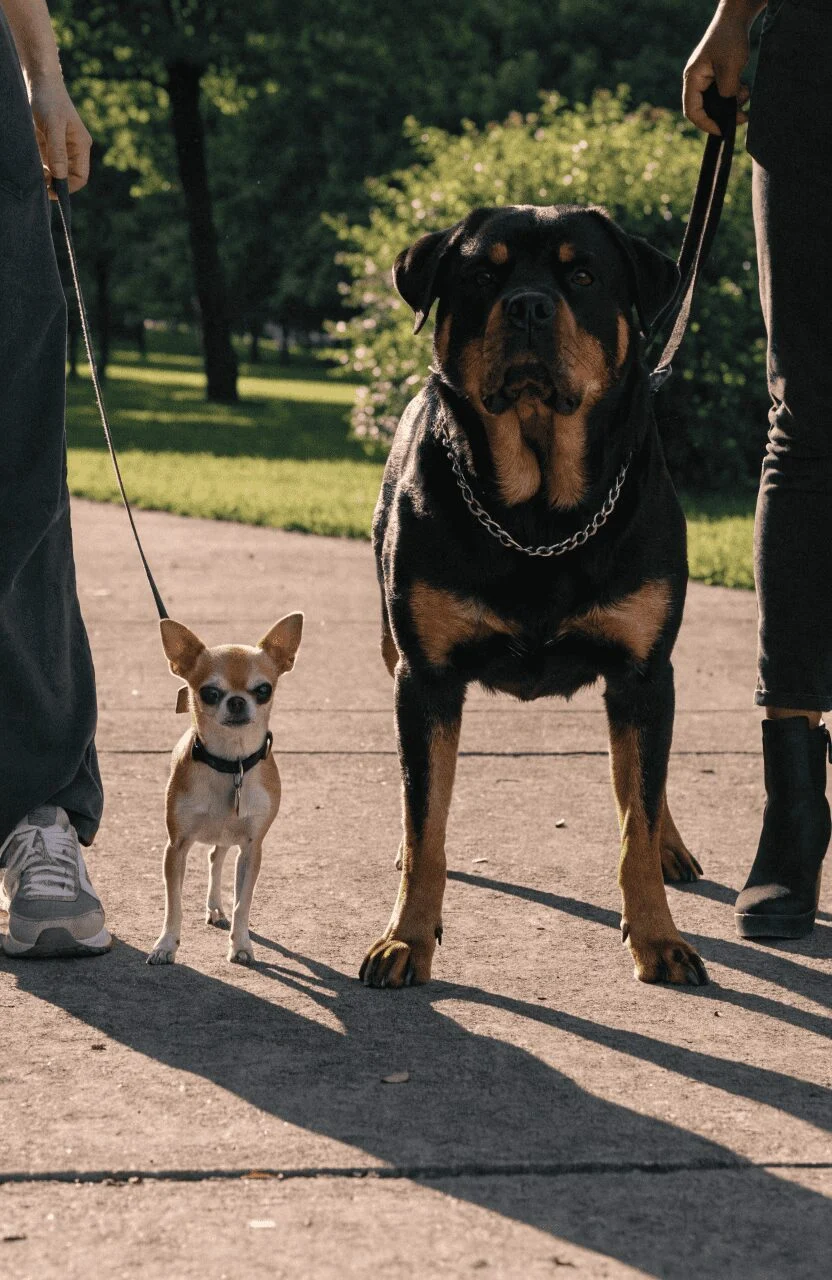
This is the distinction most articles miss entirely. A frequently aggressive breed bites more often. A dangerous breed causes more severe injury when it does bite.
Chihuahuas and Dachshunds are frequently aggressive. But because of their size, they cause minor injuries in most cases. Pit Bulls and Rottweilers may not bite as often in percentage terms, but when they do, the outcome is far more severe.
This matters when choosing a dog. If you have young children, a breed that is frequently snappy — even a small one — creates stress and risk. If you have elderly family members, a powerful breed with any protective aggression is a serious concern.
Are Aggressive Breeds Right for You?
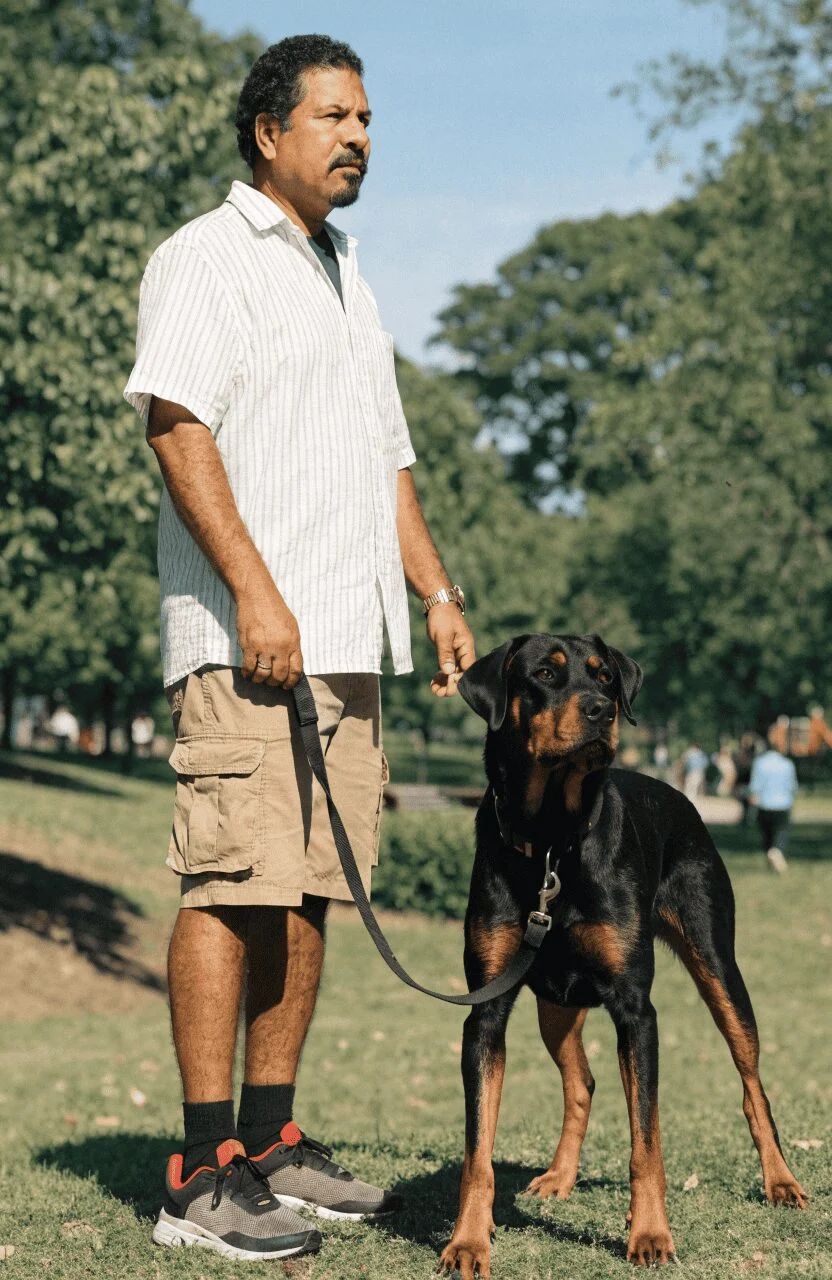
Owning any of the breeds on this list is absolutely possible. Millions of people do it successfully every year. But it requires honesty about your lifestyle, experience, and home environment.
Ask yourself: Do you have time for daily exercise and mental stimulation? Are you willing to invest in professional training? Do you have small children or elderly people in the home? Do you live somewhere with Breed Specific Legislation (BSL) that may ban or restrict certain breeds?
If the answer to the last question is uncertain, look into your local laws before choosing a breed. Some cities and countries have outright bans on Pit Bulls, Rottweilers, and other breeds. Insurance companies and landlords can also restrict or penalize owners of certain breeds.
Final Thoughts
The most aggressive dog breeds are not monsters. They are animals shaped by centuries of selective breeding for specific, often demanding jobs. When that power is paired with responsible ownership, proper training, and genuine understanding, most of these breeds can be wonderful companions.
The danger comes from the mismatch between a dog’s needs and what an owner is willing or able to provide. If you are considering any breed on this list, go in with open eyes. Learn about the breed deeply, invest in training early, and never skip socialization.
For more on what shapes dog behavior from the inside out, take a look at why dogs do what they do — it’s worth reading before you bring any high-drive breed home.

Izzy is an experienced ranch worker who has a passion for exploring nature and getting up close to wildlife. With her connections to various animal organizations, Izzy is well-versed in animal care and rehabilitation.