18 DIY Dog Jacket Pattern Ideas for Every Coat Type and Season
If your dog shivers every time the temperature drops, you don’t need to spend a fortune on a store-bought coat. With the right DIY dog jacket pattern ideas, you can sew or crochet something warmer, better-fitting, and a lot more fun than anything off the shelf. Whether you’re a beginner with a sewing machine or a crochet hobbyist with a basket full of yarn, there’s a pattern style here for you.
This list covers 18 different DIY dog jacket pattern ideas, from five-minute fleece pullovers to fully lined technical coats. Each one is based on a real design, so you can see exactly what the finished jacket looks like before you start cutting fabric. Let’s get into it.
How to Choose the Right DIY Dog Jacket Pattern
Before picking a pattern, think about your dog’s coat type. Short-haired breeds like Dachshunds and French Bulldogs lose heat fast and need more insulation. Long-haired or double-coated dogs, on the other hand, may only need a light layer for rain or wind. If you’re not sure which category your dog falls into, this guide on shaggy and hairy dog breeds breaks down how different coats handle cold weather.
Also think about your dog’s daily routine. A dog that goes on long hikes needs something tougher than a dog that just does quick walks around the block. Keep this in mind as you go through the ideas below, since some patterns are built for comfort and others for serious weather protection.
18 DIY Dog Jacket Pattern Ideas to Sew or Crochet at Home
1. Quilted Floral Coat with Fleece Turtleneck Collar
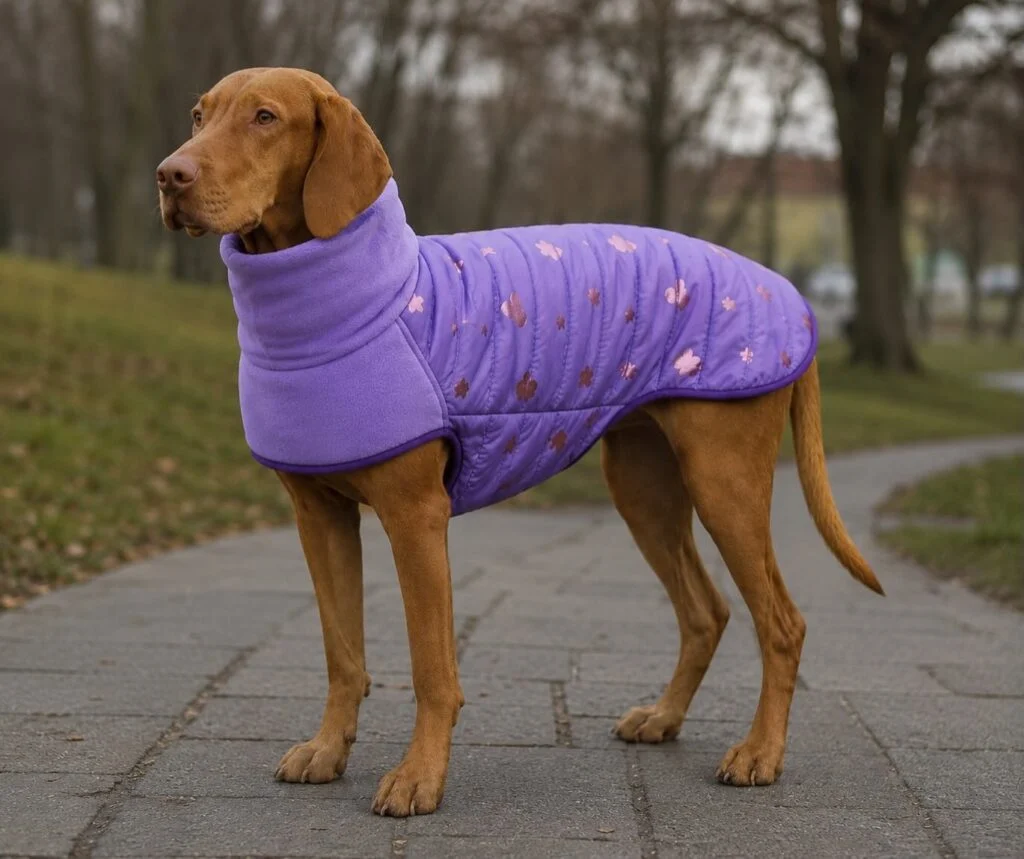
This jacket pairs a quilted, water-resistant outer shell with a soft fleece turtleneck collar that pulls up high around the neck. The quilting isn’t just decorative — it’s made by stitching straight vertical lines through two layers of fabric with a thin layer of batting in between, which traps air and adds warmth without adding bulk.
Skill level: Intermediate
To recreate this at home, cut your quilted panel as one curved piece that covers the back and sides, then sew a separate fleece tube for the collar and attach it at the neckline. A metallic or printed fabric on top adds a fun finishing touch, but a plain quilted cotton works just as well if you want something simpler. Velcro or a side zipper keeps the belly closed without digging into your dog’s skin.
📸 Photo credit: Instagram @kalma_bas
2. Fleece Vest with Contrast Bound Trim
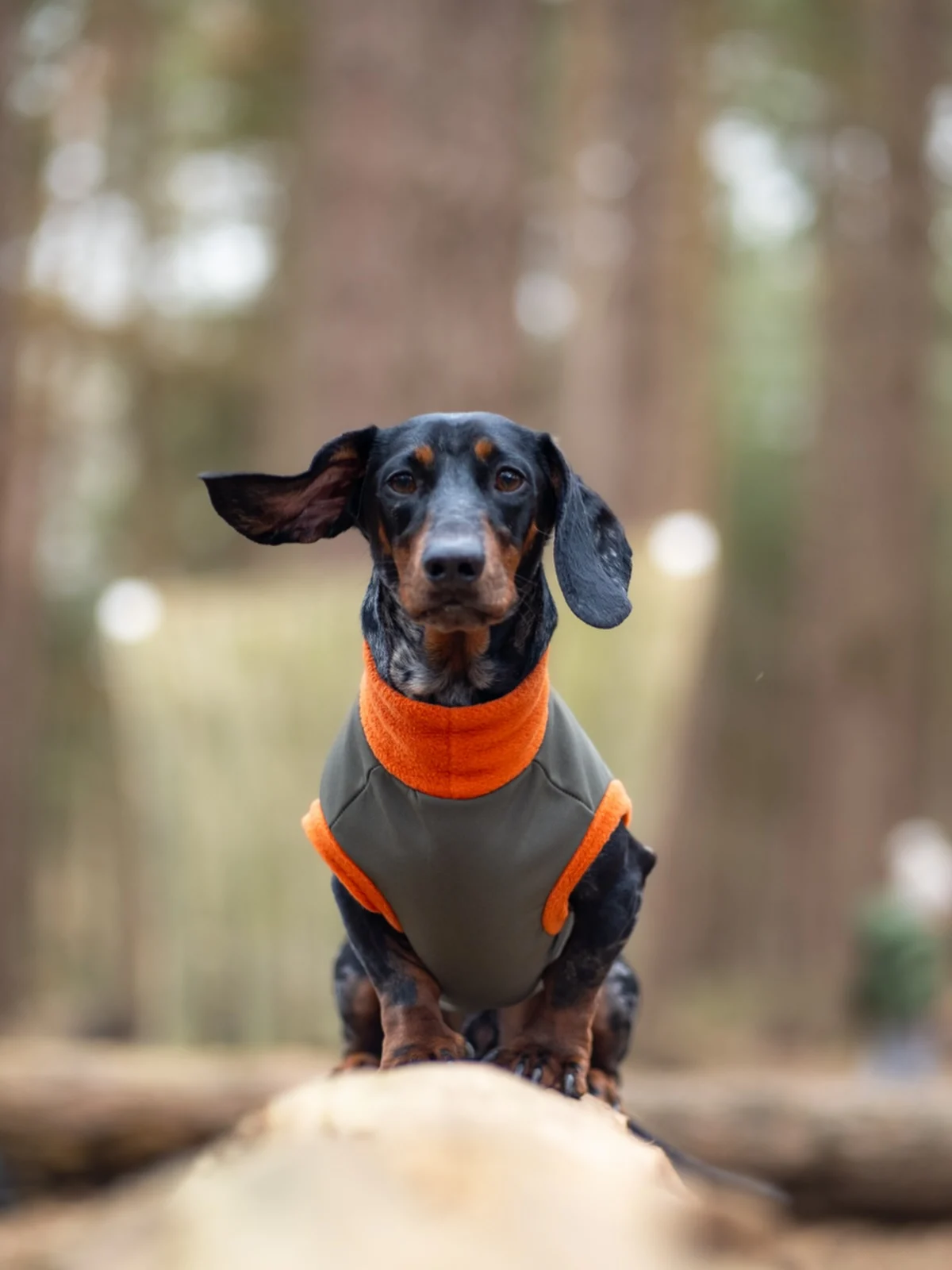
This pattern is one of the easiest on this list, which makes it perfect if you’re new to sewing for dogs. It’s basically two fleece panels sewn together at the shoulders and sides, with a contrasting fleece color used to bind the raw edges around the neck and armholes.
Skill level: Beginner
Because fleece doesn’t fray, you don’t need to hem the edges at all — just fold the contrast strip over the raw edge and topstitch it down. This is a great pattern to practice fitting and proportions before moving on to anything with zippers or buttons. It works especially well for small, short-coated breeds that need a layer but not a full winter coat.
📸 Photo credit: Instagram @rileyrooandottotoo
3. Minimalist Puffer with Snap Collar
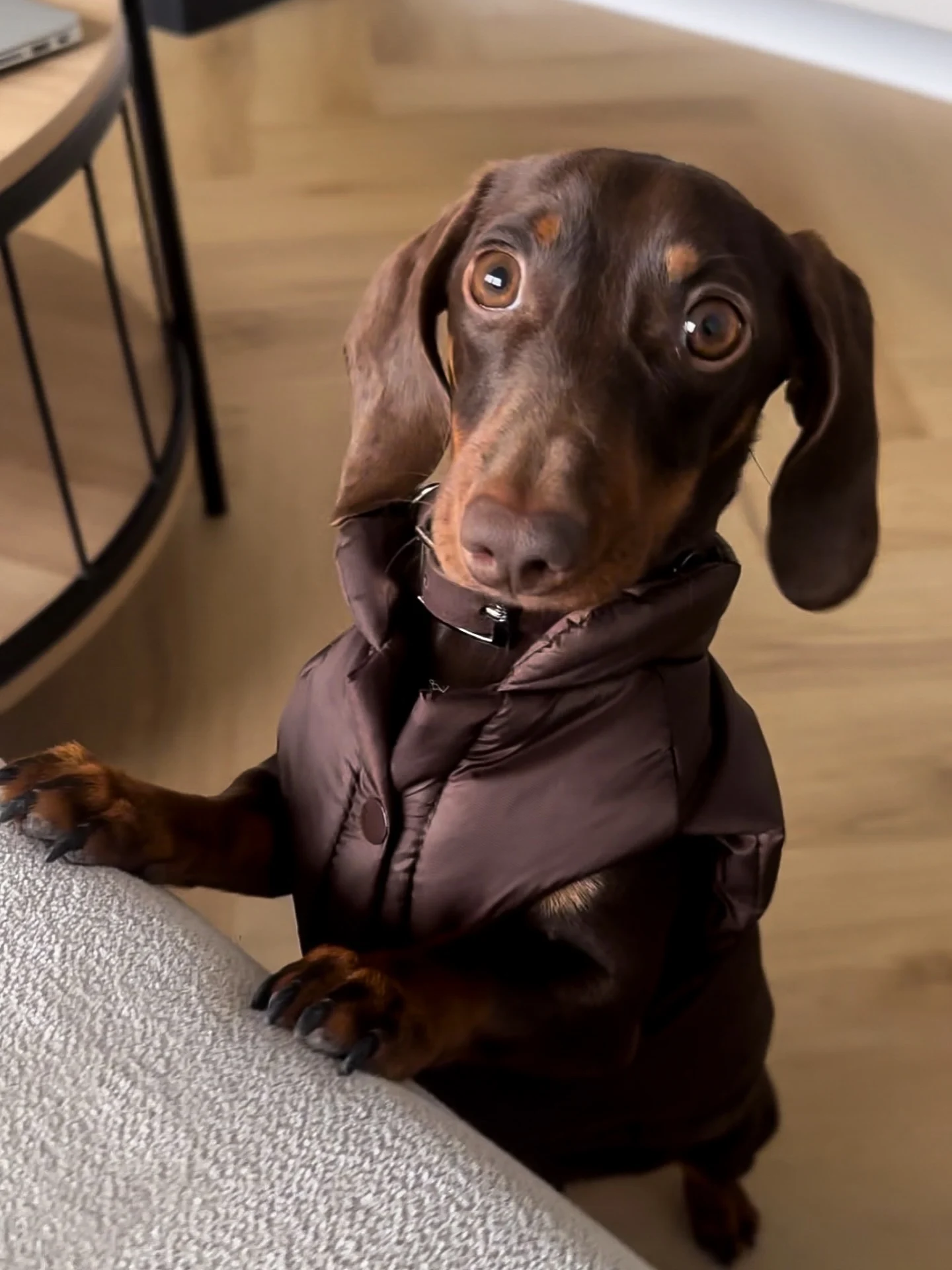
This sleek little puffer jacket skips all the extra trims and focuses on a clean, simple shape. The body is made from a glossy puffer-style fabric stuffed lightly with polyester filling, and the only closure is a single front snap at the chest along with a snap collar.
Skill level: Beginner to Intermediate
To sew this pattern, cut two matching panels (one for the outer fabric, one for a lining), sandwich a thin layer of batting between them, then quilt or box-stitch the layers together before joining the side seams. Keeping the design minimal like this means fewer steps and fewer chances to mess up your first attempt. It’s a smart starter pattern if you want something polished without tackling hoods or sleeves yet.
📸 Photo credit: Instagram @hauhaucom
4. Faux Shearling Aviator Jacket
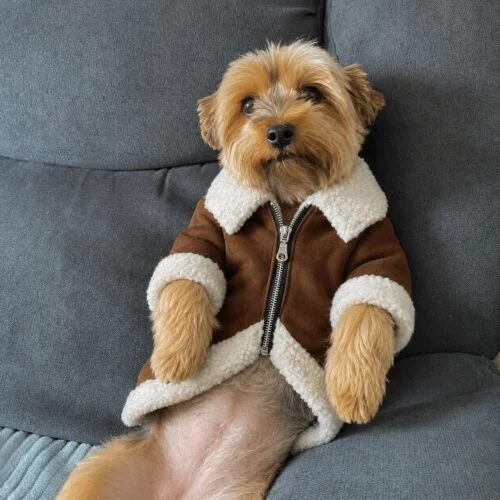
This one has serious style points. It uses a suede-look outer fabric paired with fluffy faux shearling on the collar, cuffs, and hem, mimicking the look of a real shearling aviator jacket but scaled down for a small dog.
Skill level: Advanced
The tricky part of this pattern is sewing two very different fabric weights together neatly. Cut your faux suede as the main body, then sew strips of sherpa or shearling fabric along the edges before attaching the front zipper. A separate fleece or shearling collar piece gets stitched on last so it stands up around the neck. This pattern takes more time, but it’s one of the most eye-catching builds on this entire list.
📸 Photo credit: Instagram @thanos_collection
5. Color-Block Jacket with Printed Snood Collar
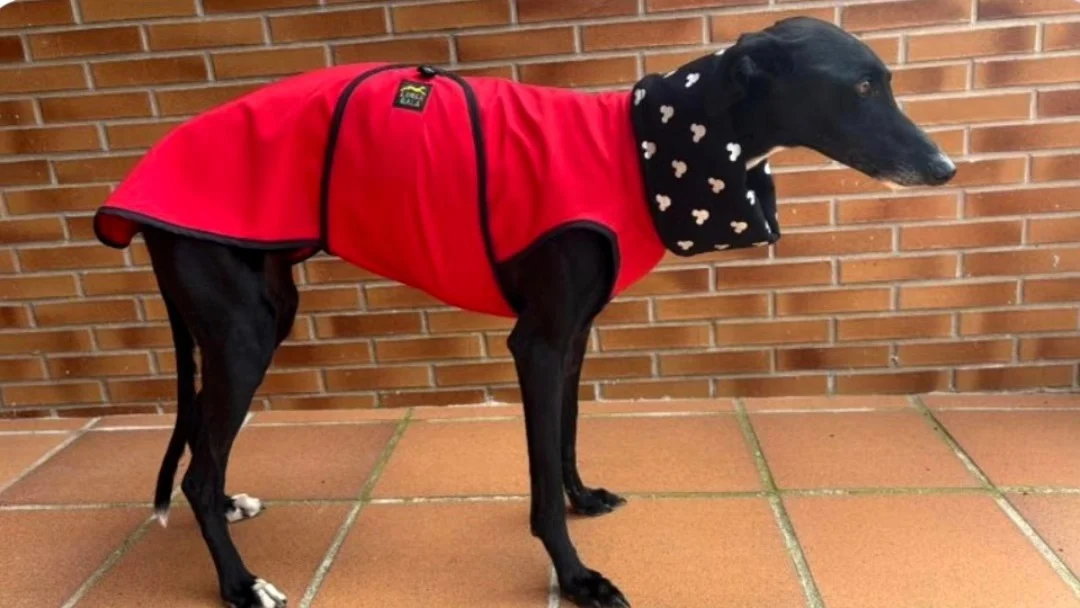
This design stands out because of the contrast between a solid-colored body and a printed, patterned fabric used for the snood-style neck piece. The neck piece is cut generously so it bunches up like a cowl rather than lying flat like a normal collar.
Skill level: Intermediate
To make the snood look right, cut your neck piece roughly 1.5 times wider than the actual neck measurement so it has room to fold and gather. Attach it to the main body at the shoulder seam, then let the extra fabric drape naturally. This is a great pattern if you have small scraps of fun printed fabric left over from other projects, since the snood doesn’t need much yardage.
📸 Photo credit: Instagram @lineagala
6. Branded-Style Color-Block Puffer with Sleeves
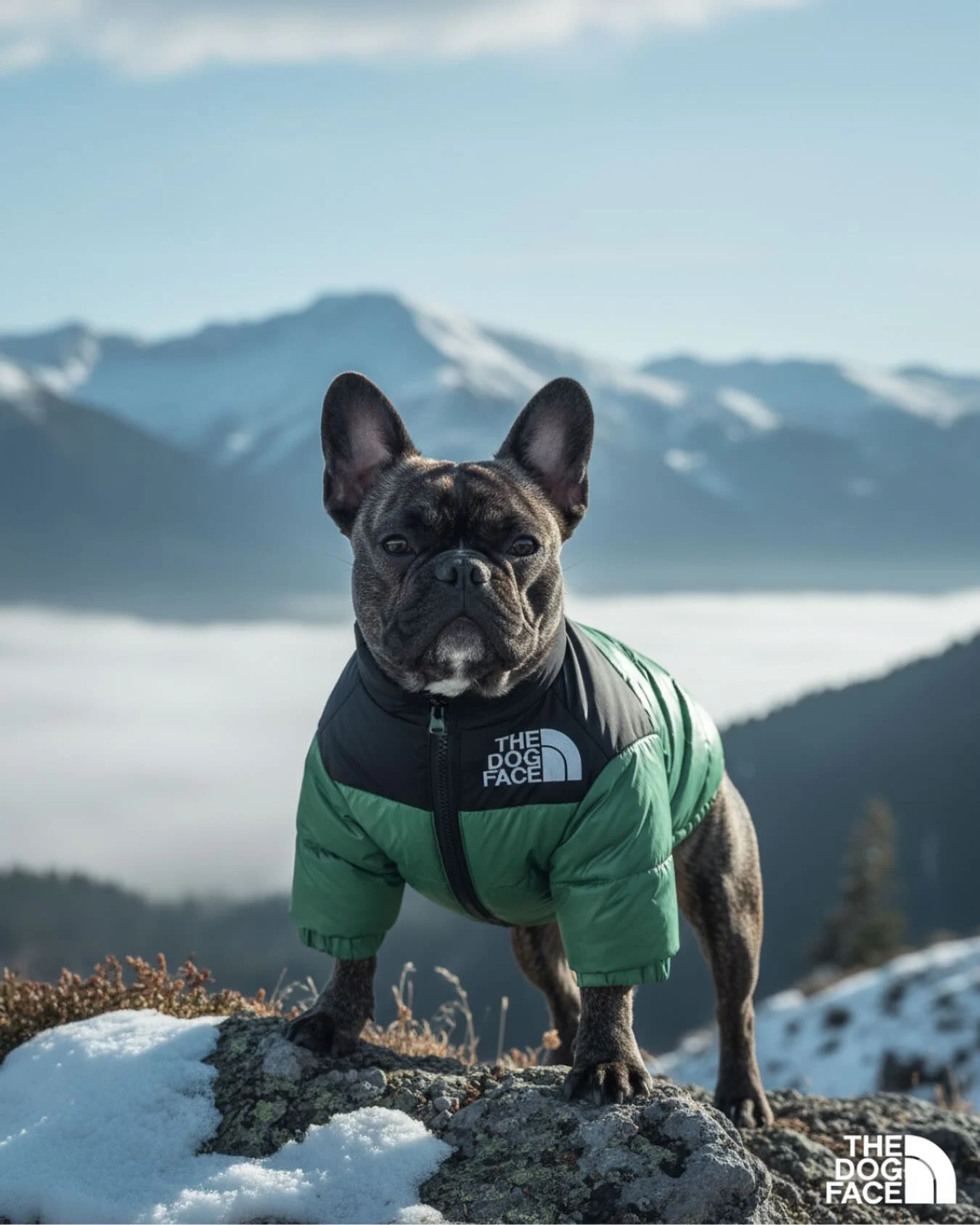
This pattern mimics the look of a name-brand puffer jacket, complete with color blocking and full sleeve coverage down each leg. Unlike vest-style jackets, this one wraps fully around the body and includes fitted sleeve tubes for all four legs.
Skill level: Advanced
Sleeves are the part that trips up most beginners, so start by measuring your dog’s leg circumference at the widest point and add a half inch for ease. Sew each sleeve as a separate tube, then set it into the armhole the same way you’d set a sleeve into a human jacket. Quilting the body panels first, before attaching sleeves, makes the whole thing much easier to manage under your sewing machine.
📸 Photo credit: Instagram @supremedoggarage
7. Hooded Snap-Button Raincoat
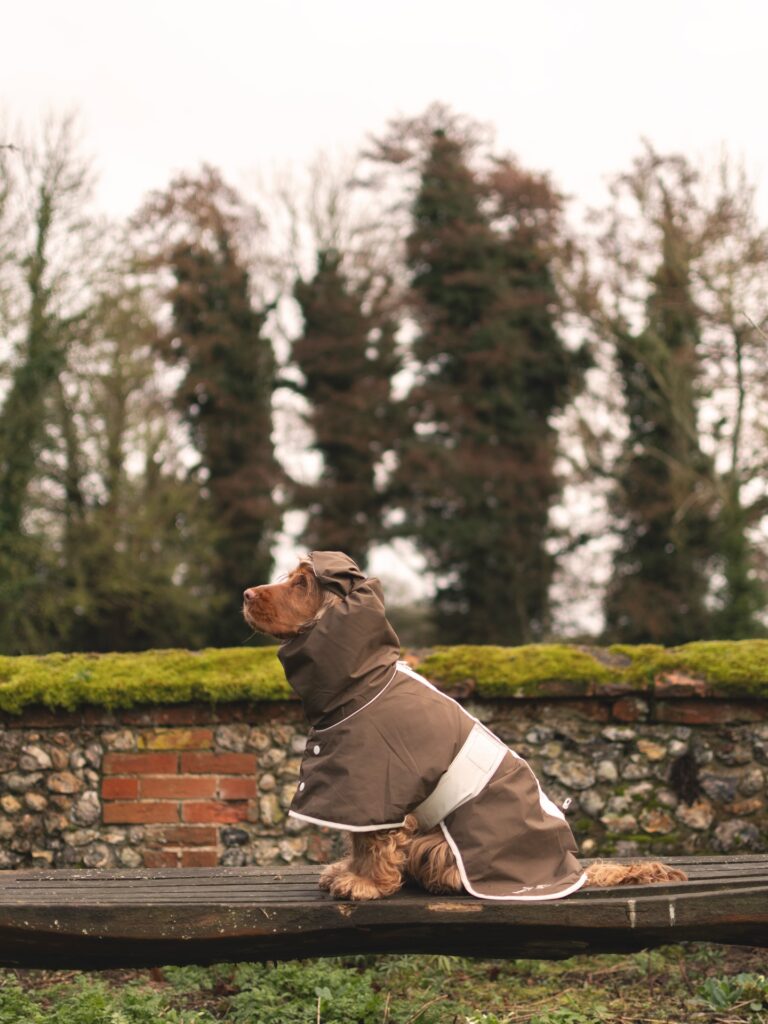
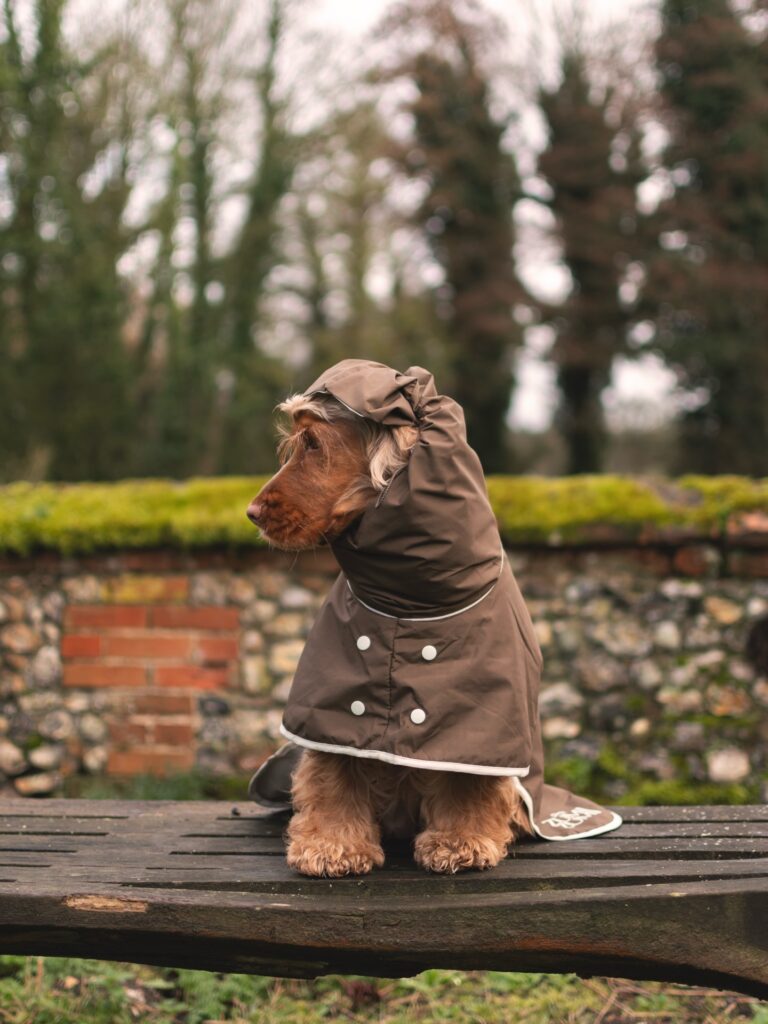
This raincoat pattern uses a waterproof fabric shell with a drawstring hood and a row of snap buttons running down the back for closure. It’s built specifically to keep rain off without trapping heat, which makes it different from the insulated jackets earlier on this list.
Skill level: Intermediate
Use a non-quilted, water-resistant fabric like coated nylon or PUL for the body so water beads off instead of soaking in. The hood is just a curved triangle piece gathered with a drawstring channel sewn along the front edge. Snap buttons work better than zippers here since they’re easier to operate with wet hands during a walk.
📸 Photo credit: Instagram @livwithlottie
8. Full-Body Waterproof Rain Suit
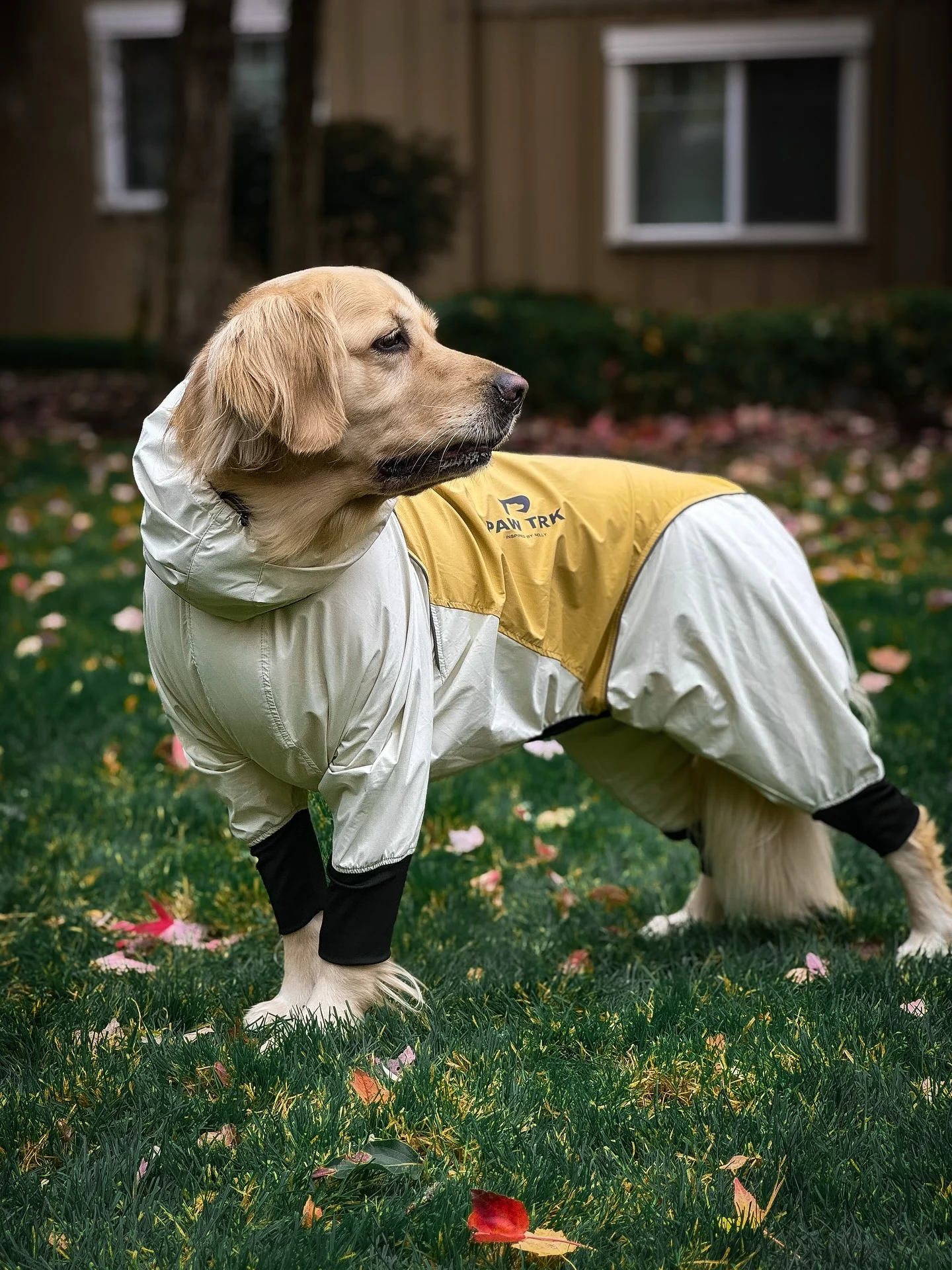
This is the most coverage you’ll get from any pattern on this list. It’s a full rain suit with a hood and four individual leg cuffs, designed to keep a dog’s entire body dry, not just the back and sides.
Skill level: Advanced
Because it covers the legs, this pattern needs four fitted leg pieces in addition to the main hooded body, which means more cutting and more seams to manage. Elastic or ribbed cuffs at the end of each leg piece keep the suit from riding up while your dog walks. If your dog hates getting their belly wet on rainy walks, or if you’re planning a trip and want something packable, this pattern is worth the extra effort — and pairs well with a broader travel packing checklist if you’re hitting the road.
📸 Photo credit: Instagram @pawtrk
9. Plaid Back + Cable-Knit Sweater Combo Coat
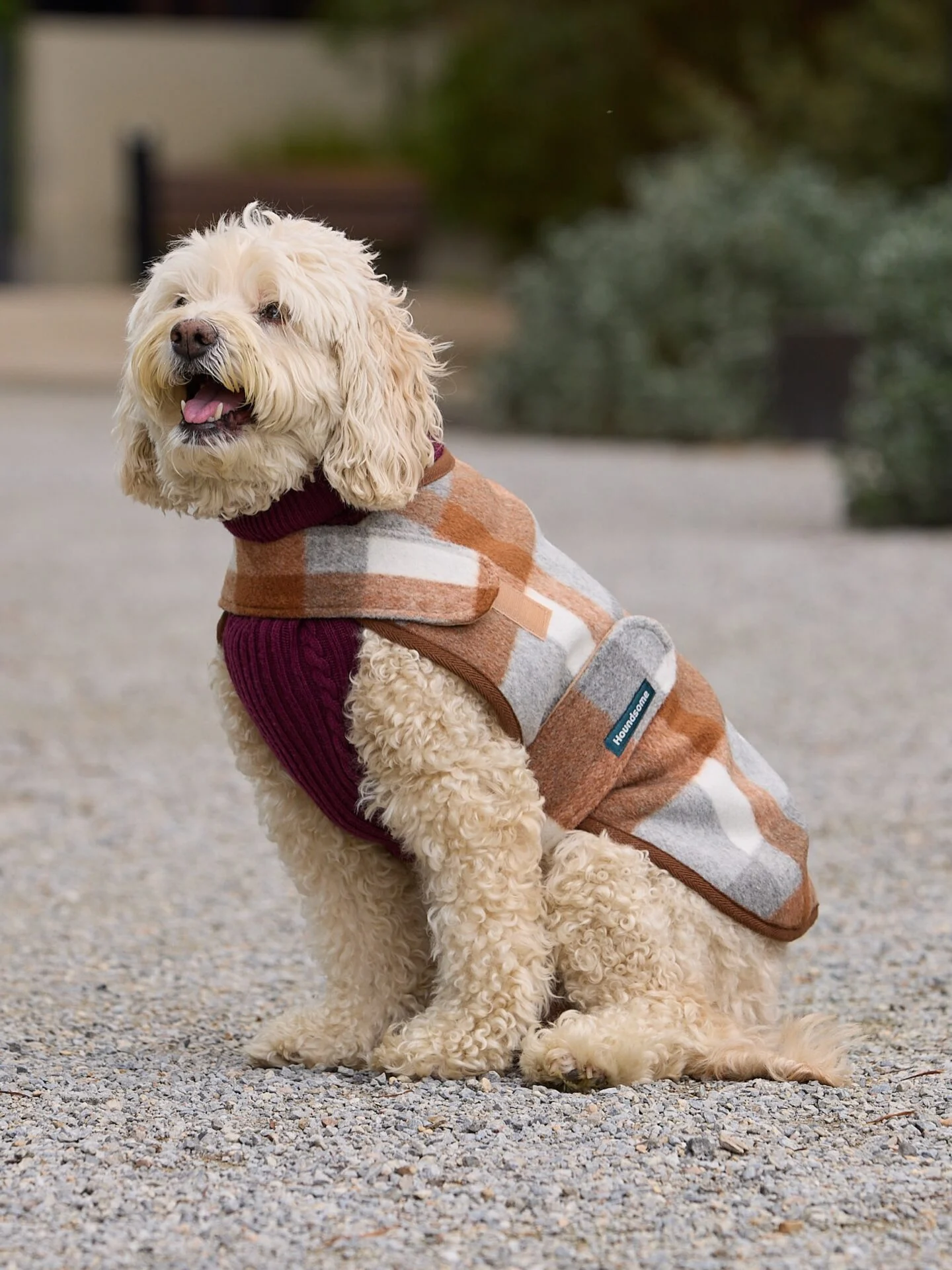
This pattern mixes two different materials in one jacket: a woven plaid fabric for the outer back panel and a ribbed cable-knit fabric for the chest and front. The combination gives it a layered, sweater-meets-coat look without actually requiring two separate garments.
Skill level: Intermediate
Sew the knit chest panel first since stretchy fabric is easier to work with when it’s not yet attached to anything stiff. Then attach the woven plaid back panel along the shoulder and side seams, using a wide hook-and-loop strap underneath the belly for closure. This pattern is a great way to use up smaller fabric scraps since neither piece needs to be very large.
📸 Photo credit: Instagram @houndsome.dog
10. Corduroy Jacket with Shearling Lining
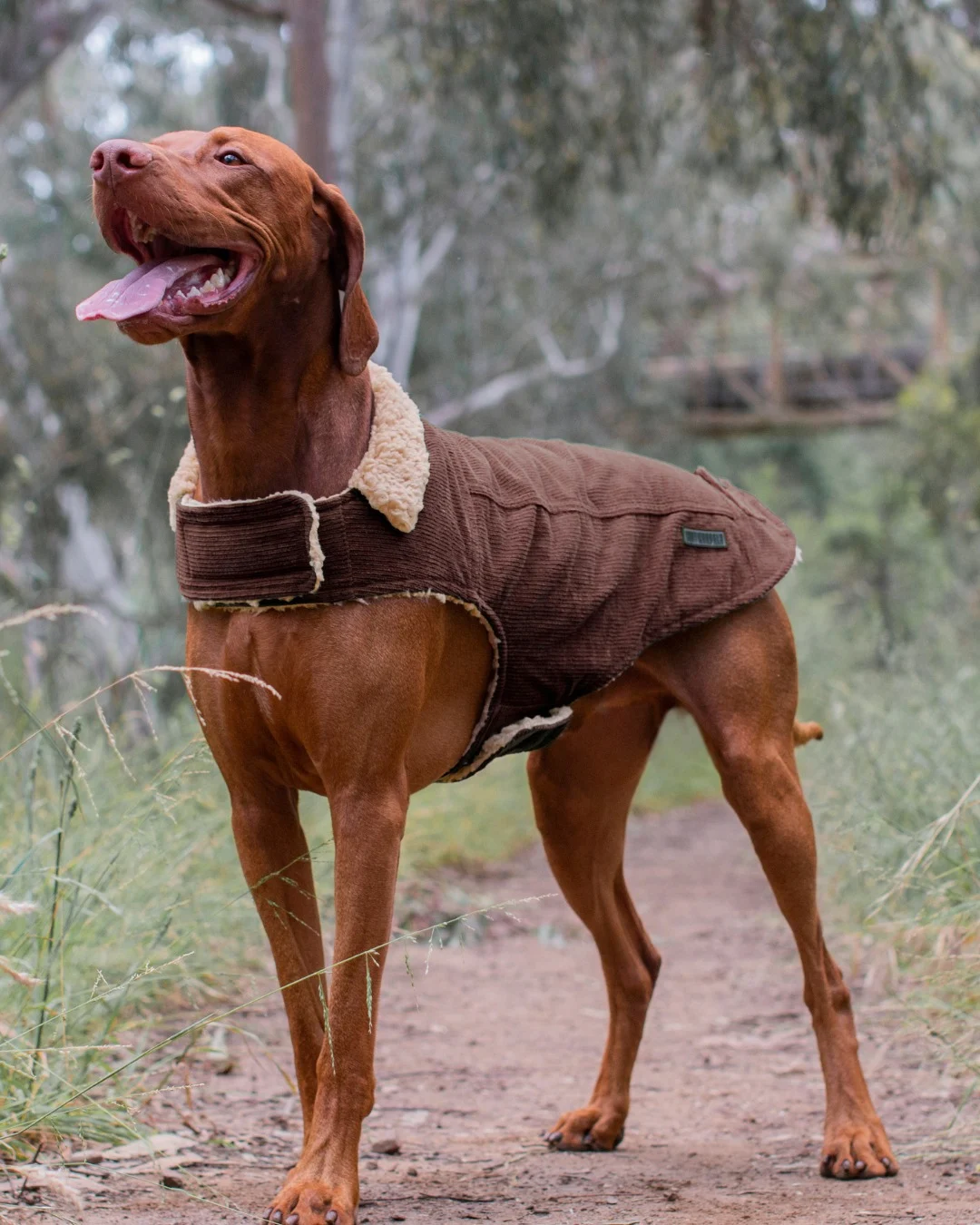
This jacket uses ribbed corduroy fabric on the outside and a soft faux shearling lining on the inside, with the shearling peeking out at the collar and hem for a cozy, layered look. It’s a heavier-weight pattern meant for genuinely cold weather rather than light chill.
Skill level: Intermediate to Advanced
Cut your corduroy and shearling pieces as matching shapes, then sew them right sides together and flip them inside out so the shearling lining sits against the dog’s fur. Leave the shearling slightly visible at the collar and hem by cutting the lining about a quarter inch larger than the outer fabric at those edges. A wide belly strap with hook-and-loop closure makes this pattern easy to fit on dogs with deeper chests.
📸 Photo credit: Instagram @ruffnruggedaus
11. Fleece Animal-Print Four-Leg Tracksuit
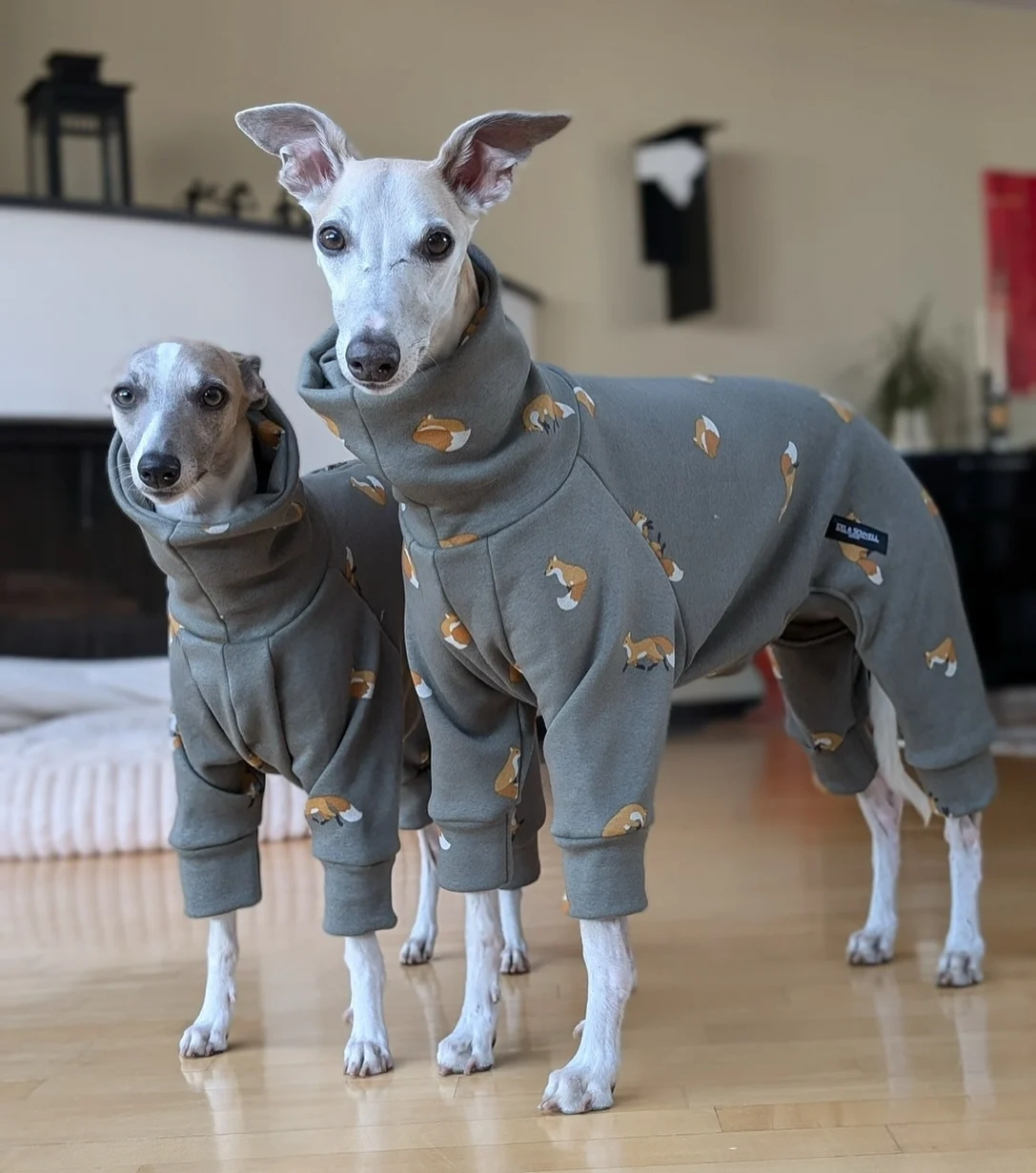
This is a full tracksuit-style onesie with sleeves down all four legs, made entirely from stretchy fleece. The animal print pattern is purely a style choice, but the real value of this pattern is the four-leg coverage, which is great for thin-coated breeds that get cold all over, not just on their backs.
Skill level: Advanced
Because fleece has some natural stretch, this pattern is more forgiving than working with woven fabric, even though it has more pieces overall. Sew the body tube first, then attach each leg sleeve at the matching armhole or leg hole, finishing the cuffs with a simple fold-over hem. This pattern works especially well for sighthounds and other lean breeds with very little natural insulation.
📸 Photo credit: Instagram @edel_und_schnell_berlin
12. Teddy Bear Costume Hoodie
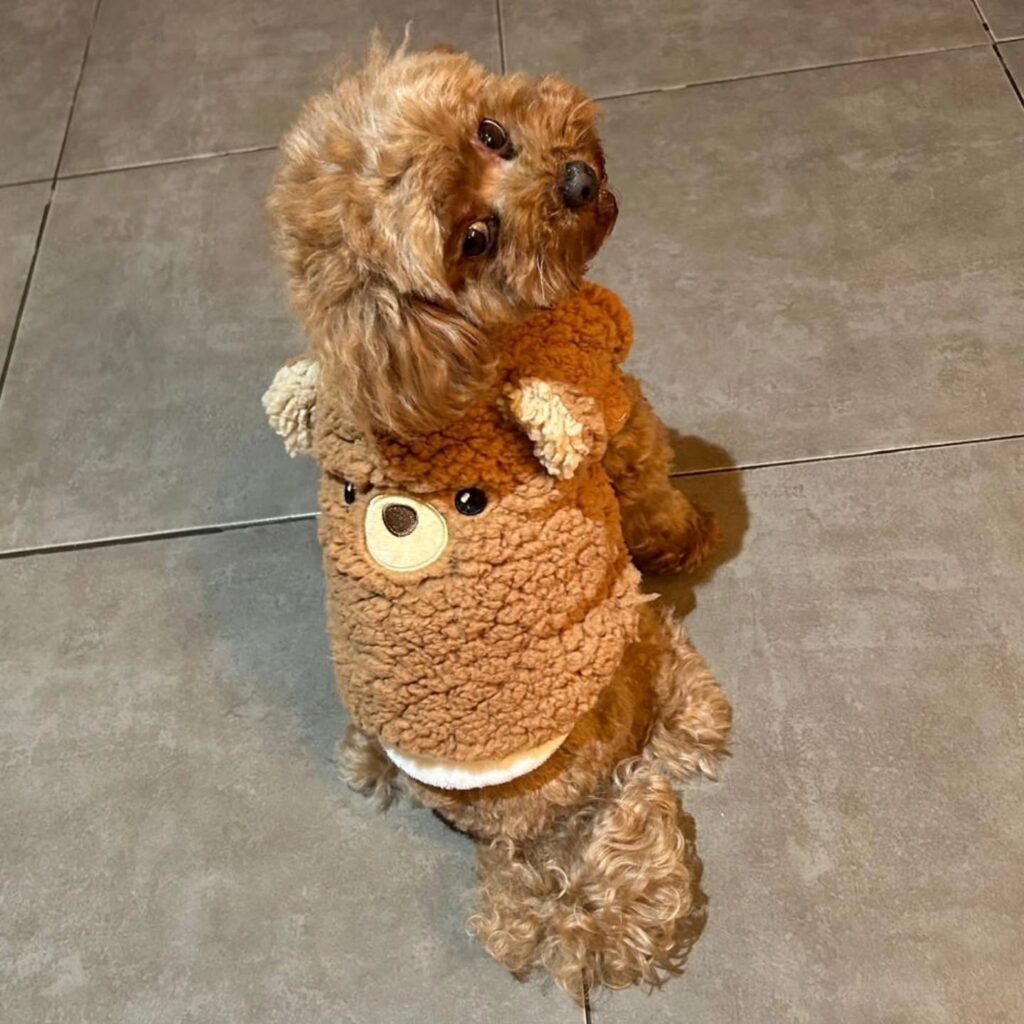
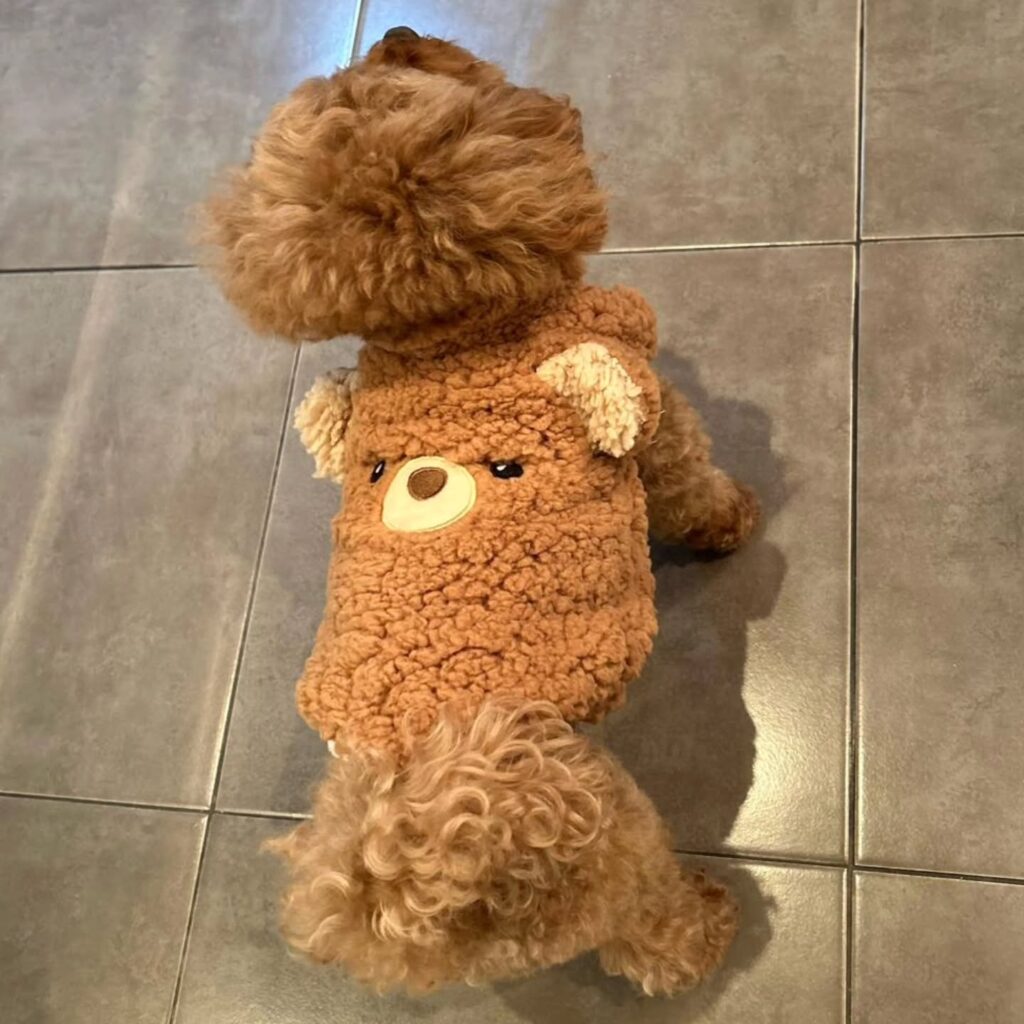
This one is pure fun. It’s a hooded jacket made from curly sherpa fabric with embroidered or appliqué bear ears and a face patch sewn onto the hood, turning your dog into a walking teddy bear. It’s a costume-style pattern, but it’s also genuinely warm thanks to the thick sherpa material.
Skill level: Intermediate
The hood is the star of this pattern, so cut it generously and add two small fabric ear shapes stitched into the hood seam before you finish attaching it to the body. A simple felt or fabric face appliqué (nose, eyes, muzzle patch) gets stitched onto the front of the hood last. This kind of costume pattern tends to look especially adorable on round-faced, fluffy breeds — similar to the dogs featured in this list of teddy bear dog breeds.
📸 Photo credit: Instagram @mindythetoy
13. Quilted Vest with Belly Strap and Sherpa Collar
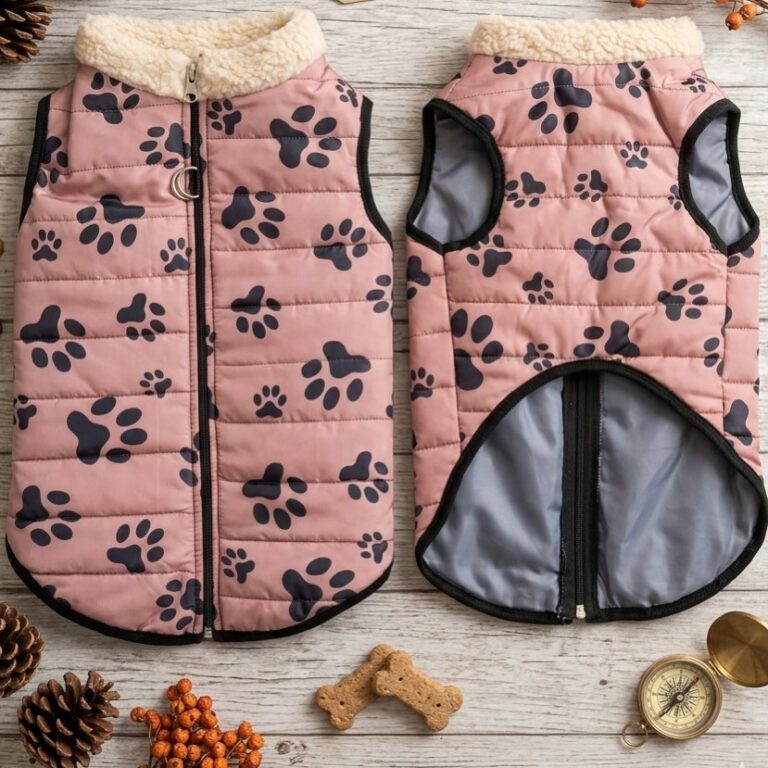
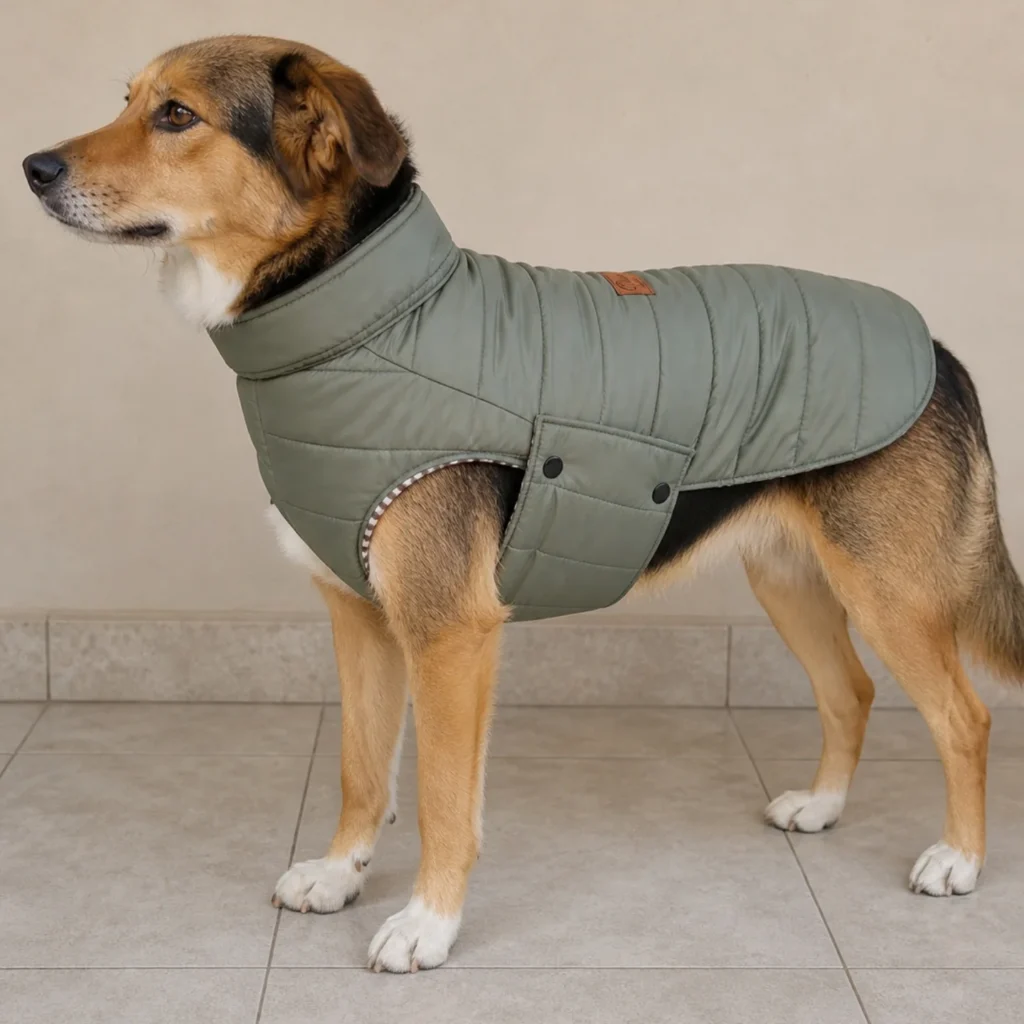
This pattern is a dependable, classic shape: a quilted puffer-style vest with a stand-up sherpa collar and an adjustable belly strap that closes with snaps. It comes together easily in either a solid color or a printed fabric, like a paw-print design, without changing the construction at all.
Skill level: Beginner to Intermediate
Quilt your outer fabric to a thin batting layer first, then cut your vest shape from the quilted fabric so the stitching lines run the way you want. The sherpa collar is just a folded strip of sherpa fabric sewn around the neckline, and the belly strap is a separate rectangular piece attached at the side seam with snaps on the loose end. Because the pattern pieces are simple, this is one of the easiest jackets to resize for different dogs once you’ve made it once.
📸 Photo credit: Instagram @handmade.olivia.sr and @pet_floyds
14. Crochet Granny Square Patchwork Coat
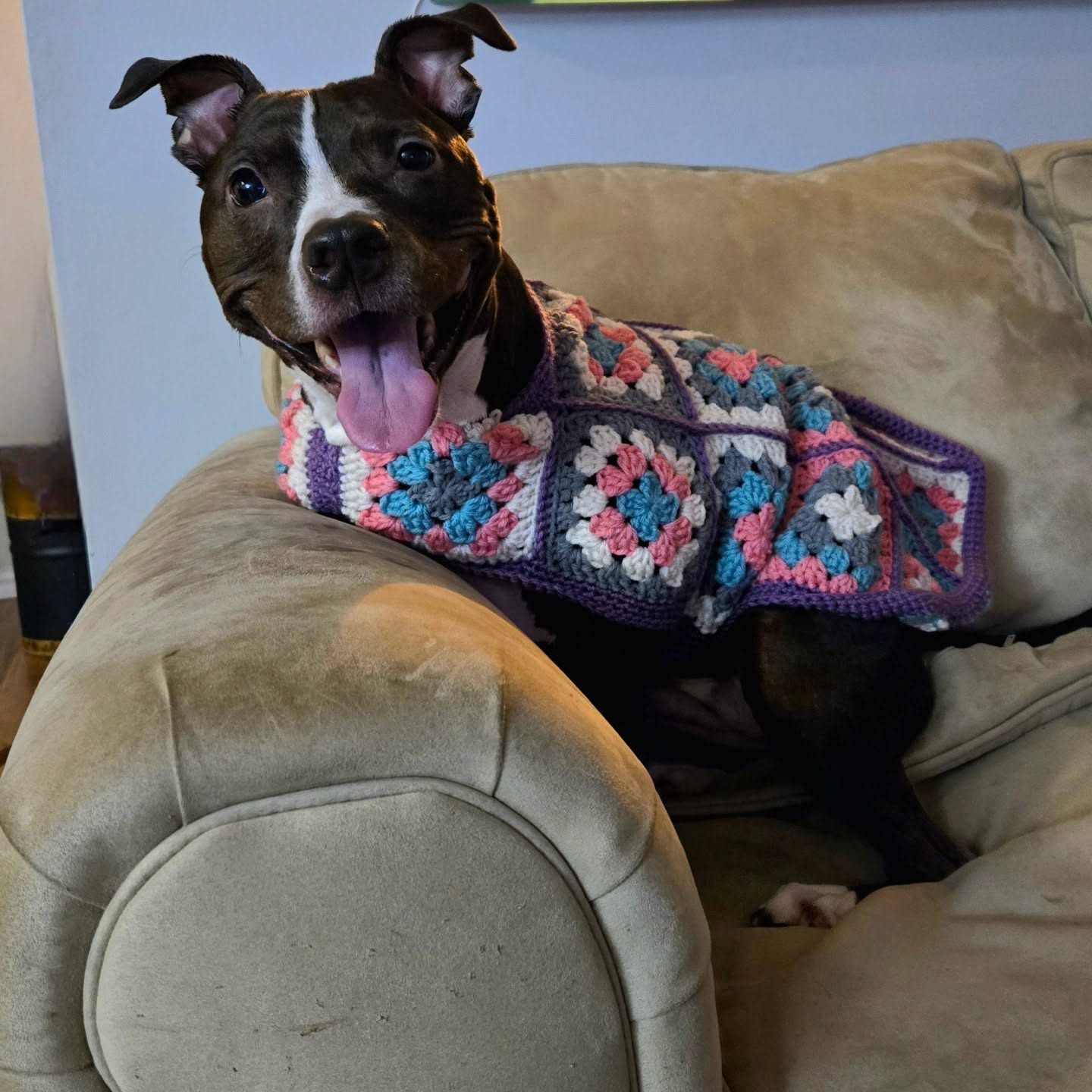
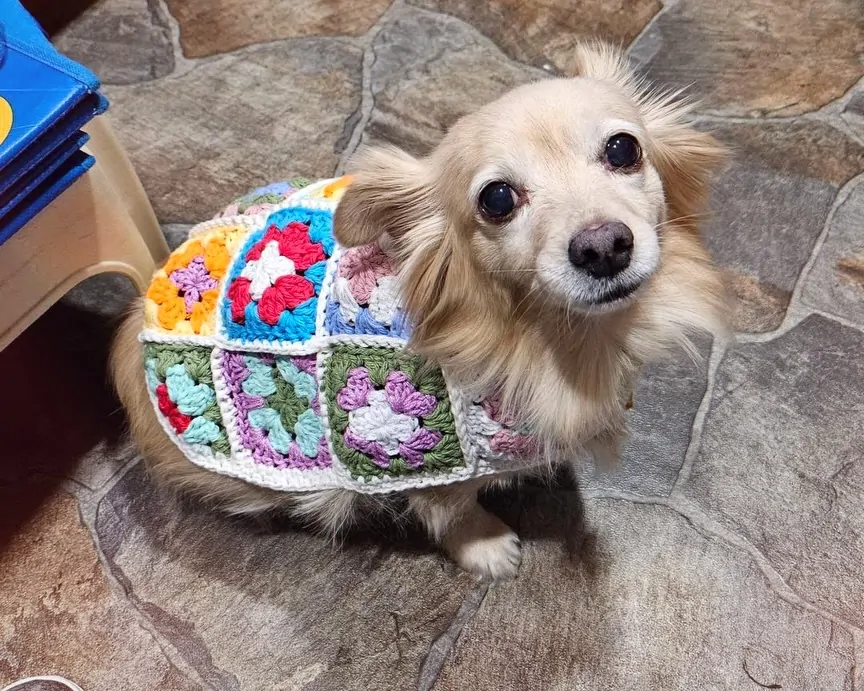
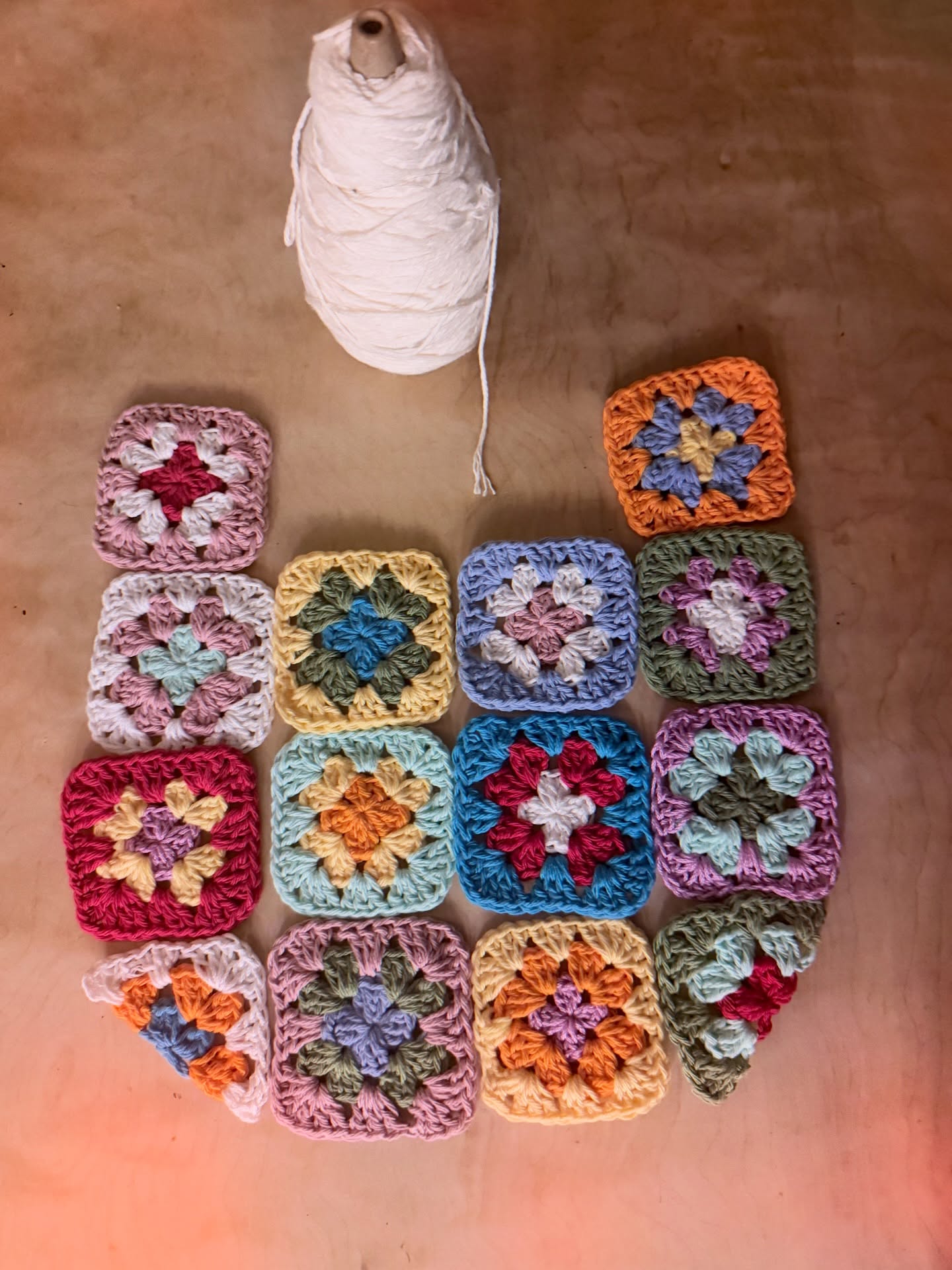
If you crochet instead of sew, this is the pattern for you. It’s built entirely from small granny squares stitched together into one patchwork coat, which means you can use up leftover yarn in any colors you have on hand.
Skill level: Beginner to Intermediate (Crochet)
Start by making a stack of granny squares in your chosen yarn weight, keeping them all the same size so they line up evenly. Arrange the squares into a rectangle roughly matching your dog’s back length and width, then join them together using a slip stitch or whip stitch seam. Fold the joined rectangle around the body and add a row of single crochet along the edges to close the belly and neck openings — no sewing machine required at all.
📸 Photo credit: Instagram @audreygurumi and @masharoo2
15. Ribbed Knit Overalls with Shoulder Straps
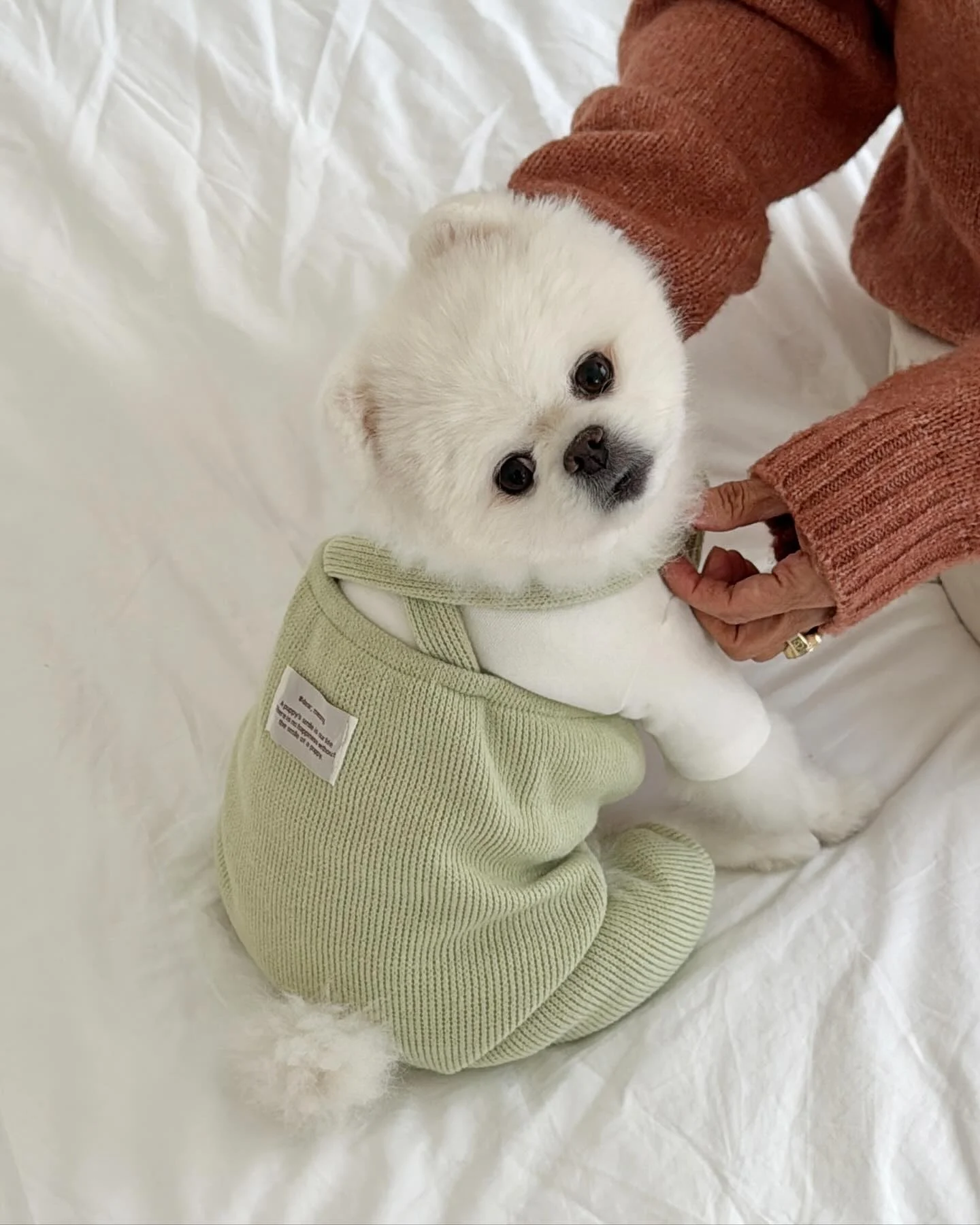
This is a soft, pullover-style jumpsuit made from ribbed knit fabric, with shoulder straps that go up and over the back like a pair of overalls. It’s less of a “jacket” and more of a cozy onesie, which makes it perfect for small dogs who need warmth without bulk.
Skill level: Beginner
Because ribbed knit stretches in every direction, this pattern is forgiving even if your measurements aren’t perfect. Cut a simple tube shape for the body, sew the side seams, then add two thin strap pieces that loop over the shoulders and attach at the back. This pattern is a great weekend project since it usually only needs a small amount of knit fabric.
📸 Photo credit: Instagram @peppy_land
16. Basic Fleece Pullover Sweater
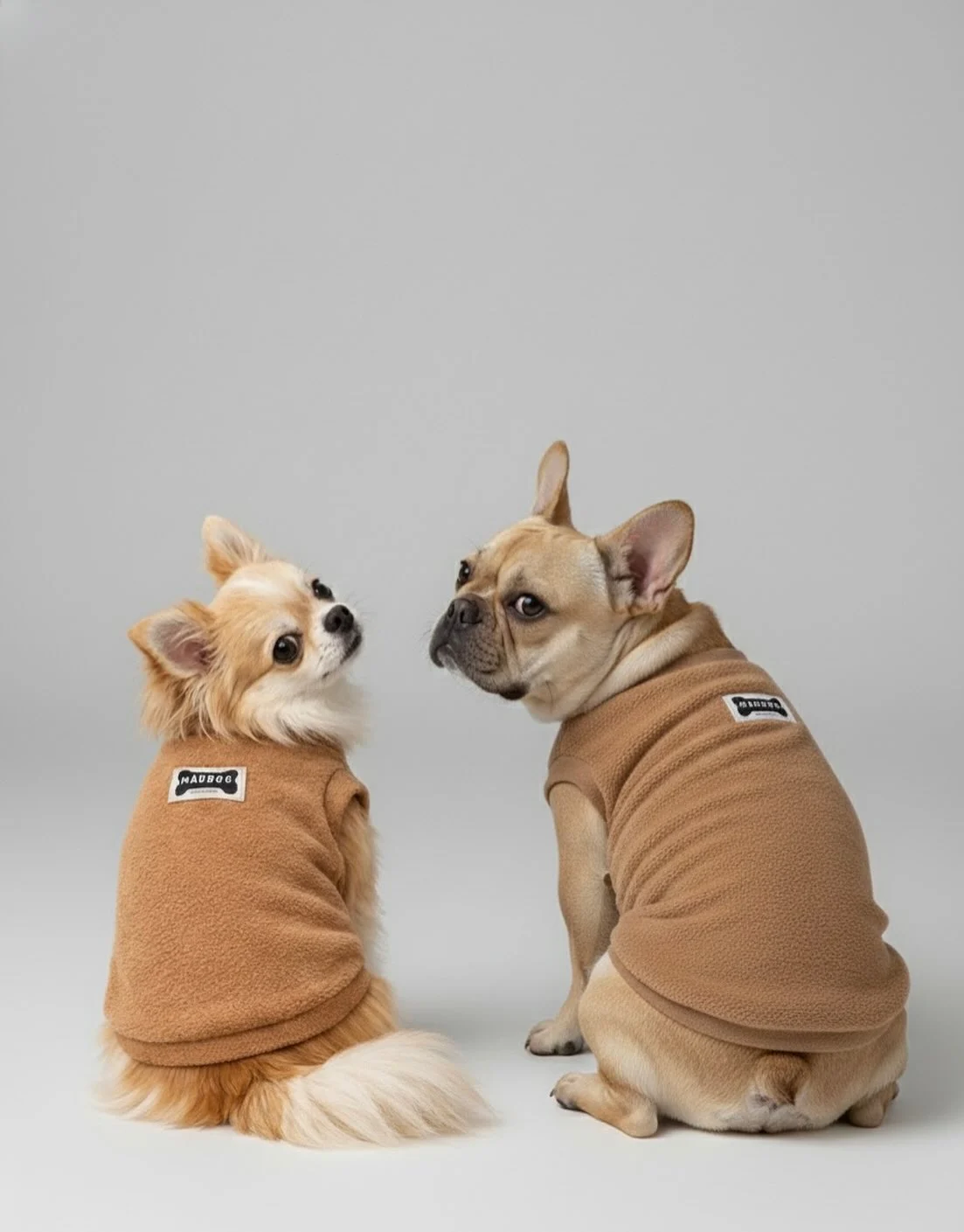
This is about as simple as a DIY dog jacket pattern gets: a fleece pullover with no closures at all, just a body tube and two short sleeve openings. It slips on over the head and that’s it.
Skill level: Beginner
Cut two fleece panels (one for the back, one for the belly), sew them together at the sides, then cut a neck opening and two leg openings towards the front. Since fleece doesn’t fray, you can leave every edge raw and unfinished if you want a true no-sew project, or topstitch the edges for a slightly cleaner look. This pattern is the one to start with if you’ve never sewn for a dog before, since there’s almost no way to get it wrong.
📸 Photo credit: Instagram @maddogmodapet
17. Heavy-Duty Technical Tactical Coat
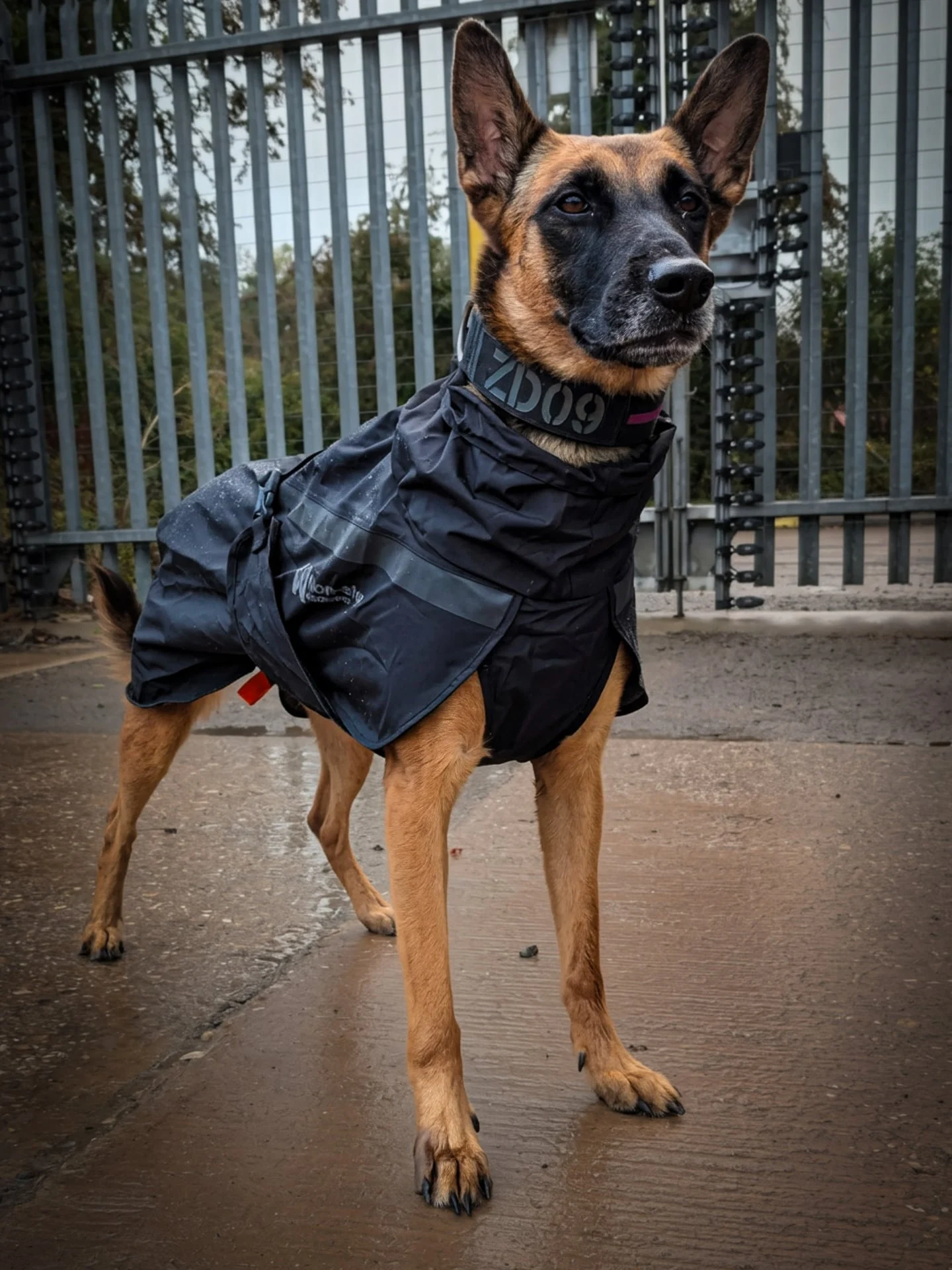
This pattern is built for function over fashion. It uses a tough, water-resistant outer shell with a wide reflective collar, drawcord toggles, and a belly flap that hangs lower for extra coverage in wet or muddy conditions. This is the pattern to choose if your dog spends serious time outdoors.
Skill level: Advanced
Use a heavyweight ripstop or coated nylon fabric for the body, and sew a separate wide collar piece using webbing or reflective tape sandwiched between two fabric layers for extra durability. A drawcord channel at the chest, closed with a cord lock or toggle, lets you cinch the fit tighter in bad weather. If your dog regularly joins you on tougher outdoor adventures, this pattern pairs naturally with gear built for hiking-friendly dog breeds.
📸 Photo credit: Instagram @zerobarknine
18. Tailored Softshell Jacket with Zip Pockets
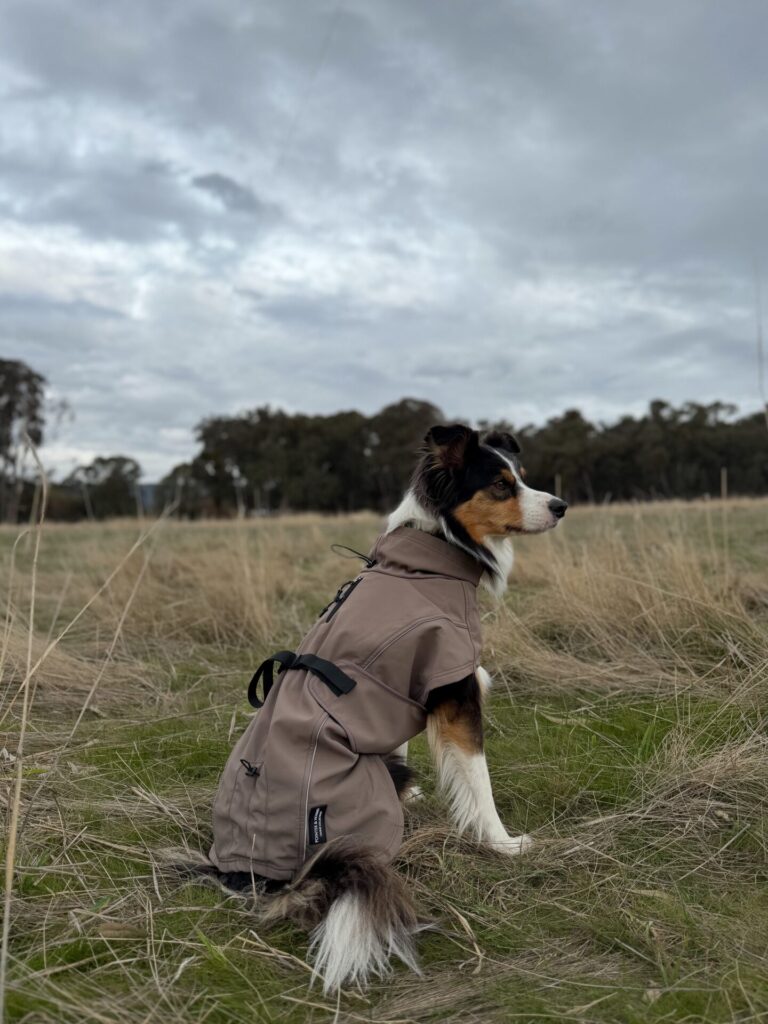
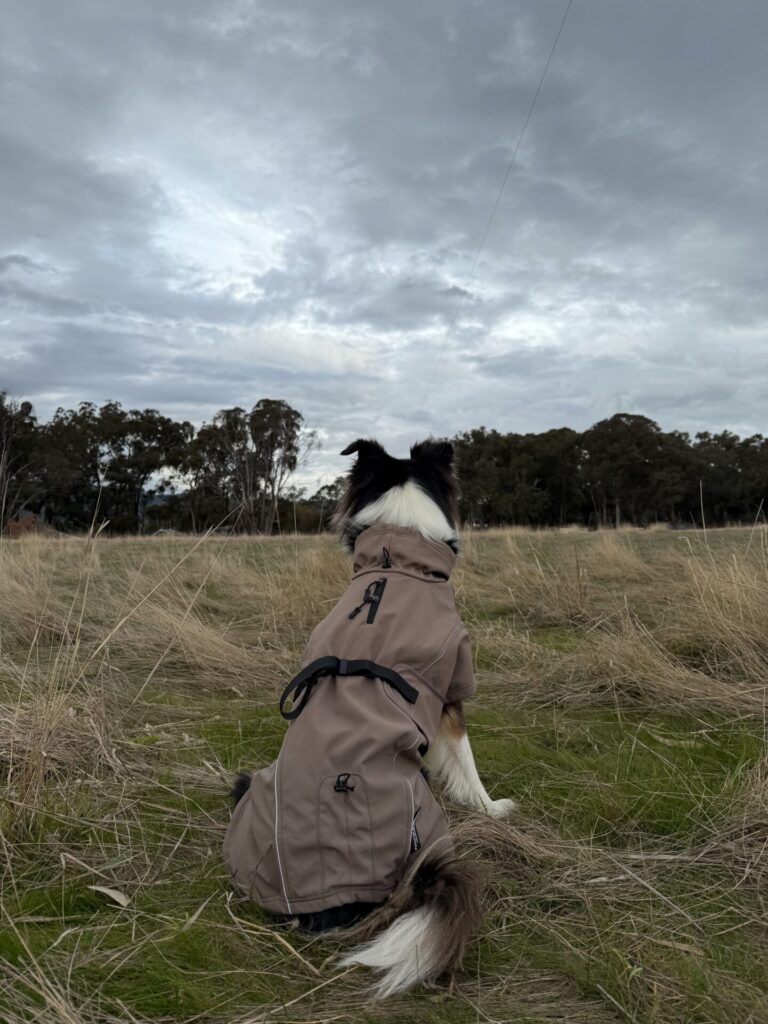
This is the most “outdoor gear” looking jacket on the list, made from a structured softshell fabric with a tailored fit, a stand-up collar, and actual functional zip pockets along the back and tail end. It looks closer to a human technical jacket than a typical pet coat.
Skill level: Advanced
Softshell fabric holds its shape well, which makes it easier to get clean, tailored seams compared to fleece or quilted fabric. Add zippered pocket openings before you assemble the main body panels, since it’s much harder to insert a zipper pocket after the jacket is fully constructed. A wide adjustable belly strap with hook-and-loop closure finishes the fit and keeps the jacket from shifting during movement.
📸 Photo credit: Instagram @josh.thebordercollie
Materials and Tools You’ll Need for DIY Dog Jacket Patterns
Most of the patterns above use a small, repeatable list of materials, so you don’t need a huge stash to get started. Fleece, quilted cotton, corduroy, and waterproof nylon cover almost every jacket on this list. For closures, snaps, hook-and-loop strips (Velcro), and drawcords show up again and again because they’re easier for pet owners to use one-handed during walks.
A basic sewing kit works for most patterns: a sewing machine (or needle and thread for hand-sewing small jackets), fabric scissors, pins or clips, and a measuring tape. If you’re going the crochet route instead, you just need yarn, a crochet hook sized for your yarn weight, and a yarn needle for joining pieces. For more general supply ideas beyond jackets, this roundup of dog accessory tips is worth a look.
Batting or fleece interlining is useful any time you want extra warmth, especially for the quilted styles like the floral coat or the puffer vest. Faux shearling and sherpa fabric show up often too, since they add a soft lining without much bulk.
Tips for Measuring Your Dog Before Sewing a Jacket
Getting the fit right matters more than picking the “perfect” pattern. Measure your dog’s neck circumference, chest girth (the widest part right behind the front legs), and back length from the base of the neck to right before the tail. Write these numbers down before cutting any fabric, since most of these patterns scale directly off these three measurements.
Small and toy breeds especially benefit from a snug, accurate fit, since loose fabric on a tiny dog can shift around or trip them up while walking. If you’re working with a smaller dog, this guide to popular small dog breeds can help you understand typical body proportions before you start adjusting any pattern.
Always add a half inch to one inch of ease to your measurements depending on the fabric. Stretchy fleece or knit needs less extra room, while stiff fabrics like softshell or corduroy need a bit more so the jacket doesn’t restrict movement.
Final Thoughts on DIY Dog Jacket Pattern Ideas
With 18 different DIY dog jacket pattern ideas to choose from, there’s something here whether you’re sewing your very first pet project or you’ve already made a few coats and want a new challenge. Start with a beginner-friendly pattern like the fleece pullover or the basic vest if you’re new to this, then work your way toward the more advanced builds like the tactical coat or the full rain suit once you’re comfortable.
The best part about making your dog’s jacket yourself is that you can mix and match details from different patterns on this list — borrow the collar from one idea, the closure style from another, and end up with something completely custom. No matter which pattern you pick first, your dog will be warmer, drier, and probably the best-dressed pup on the block.
Izzy is an experienced ranch worker who has a passion for exploring nature and getting up close to wildlife. With her connections to various animal organizations, Izzy is well-versed in animal care and rehabilitation.