These Teddy Bear Dog Breeds Look So Unreal You’ll Think They’re Stuffed Animals
Have you ever seen a dog so fluffy and round-faced that it looked exactly like the stuffed animal sitting on your bed? That’s the magic of teddy bear dog breeds. These dogs have soft coats, big eyes, and chubby little faces that make them impossible to walk past without smiling.
But here’s something important to know right away: “teddy bear dog” is not an official breed recognized by any kennel club. It’s a nickname. It describes any dog — purebred or mixed — that has that unmistakable bear-cub look. And there are quite a few of them.
In this guide, you’ll find the best teddy bear dog breeds, what makes each one special, how much grooming they actually need, and what to watch out for before bringing one home. Whether you’re looking for a tiny lap dog or a bigger fluffy companion, there’s a teddy bear dog out there that fits your life perfectly.
1. What Exactly Is a Teddy Bear Dog Breed?
Before jumping into the list, it helps to understand what people actually mean when they say “teddy bear dog.”
1.1 The Term Explained (Not an Official Breed)
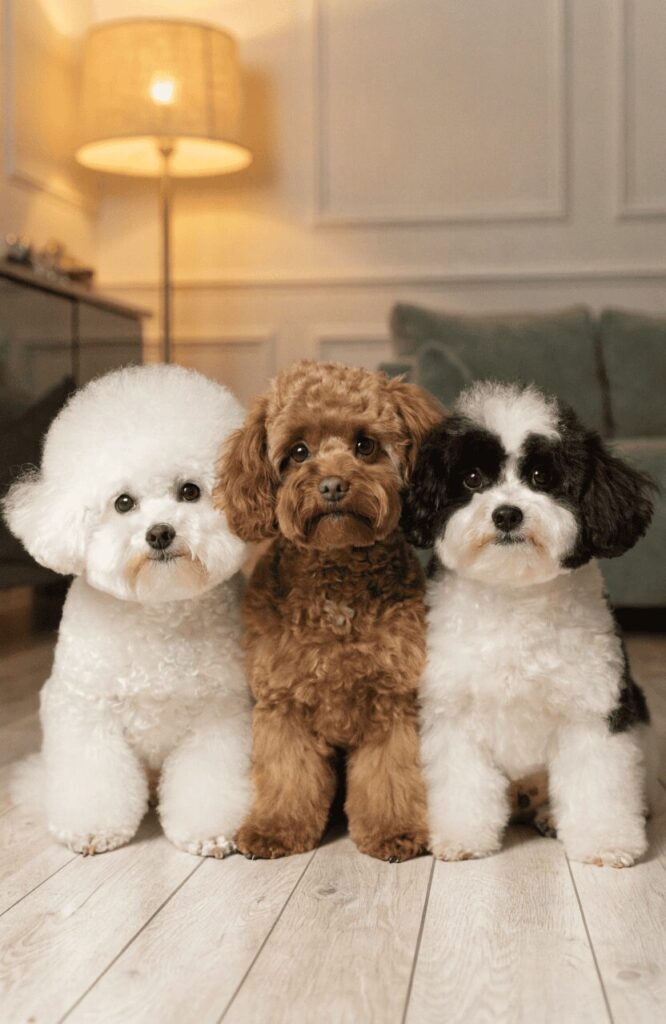
The term “teddy bear dog” simply refers to dogs that look like a stuffed teddy bear. Think short snouts, round faces, big dark eyes, and thick fluffy coats. There’s no single breed that officially holds this title.
A veterinarian quoted by Daily Paws put it simply: these dogs are cute and fuzzy, and the term is about appearance, not bloodline. Some are small, some are medium-sized, and a couple are surprisingly large.
So when someone asks “what is a teddy bear dog breed?” — the honest answer is: it’s a group of dogs from different breeds that all share that adorable, toy-like look.
1.2 Purebred Teddy Bears vs. Designer Crosses
Some teddy bear dogs are purebreds with a long history, like the Bichon Frise, Shih Tzu, or Pomeranian. Others are designer hybrids — intentionally bred mixes created to combine the best looks and traits of two breeds. Examples include the Cavapoo (Cavalier King Charles Spaniel + Poodle) and the Shichon (Shih Tzu + Bichon Frise).
Designer dogs often cost more than purebreds, and their traits can be harder to predict since they inherit genes from two different parents. Purebreds, on the other hand, have more predictable size, temperament, and health patterns — though they come with their own breed-specific health risks.
Neither is automatically better. It depends on what you’re looking for.
2. Top 12 Best Teddy Bear Dog Breeds
Here are the dogs that look like teddy bears — ranked not by cuteness (they’re all adorable), but organized from smaller to larger so you can find the right fit for your home.
2.1 Shichon — The Original Teddy Bear Dog
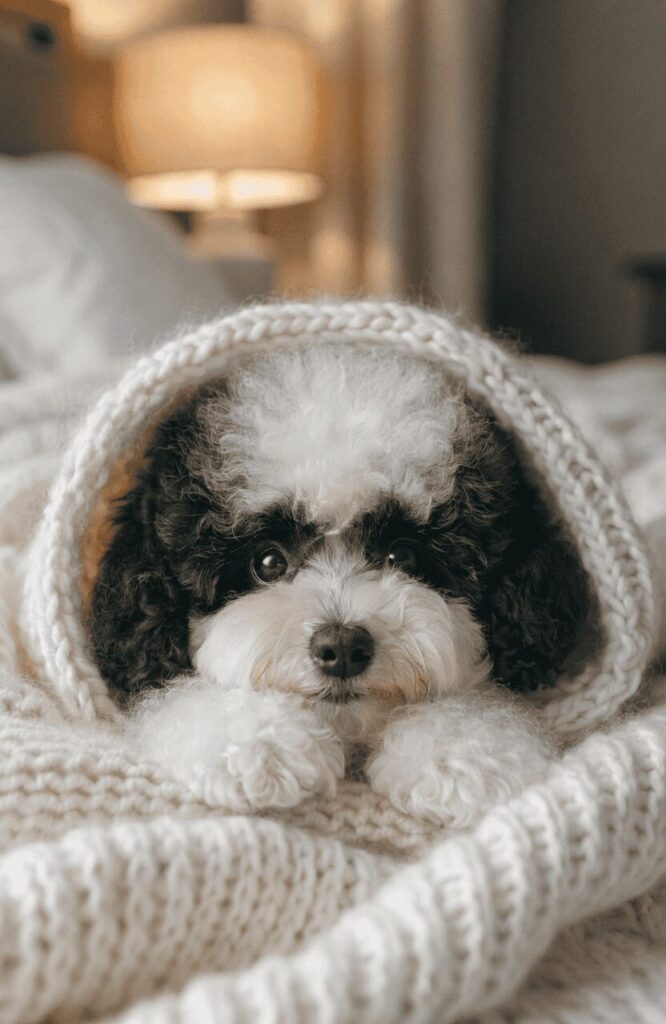
The Shichon is literally nicknamed “the teddy bear dog.” It’s a cross between a Shih Tzu and a Bichon Frise, and the result is one of the most perfectly bear-like small dogs you’ll ever see.
Shichons are gentle, affectionate, and great with children and seniors alike. They weigh between 8 to 16 pounds and have a low-shedding coat that works well for people with mild allergies. They do need regular grooming every 6 to 8 weeks to keep their coat from matting.
One thing to note: Shichons can develop separation anxiety if left alone for long periods. They thrive on attention and human companionship.
Best for: Families, seniors, apartment living
2.2 Cavapoo
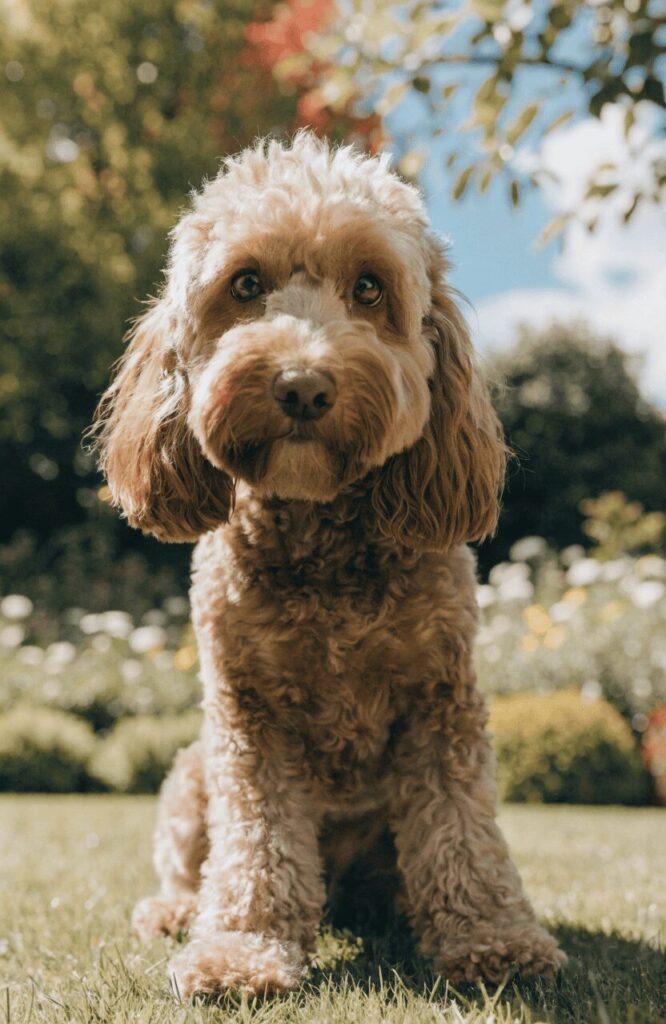
The Cavapoo combines the social, gentle nature of the Cavalier King Charles Spaniel with the intelligence of the Poodle. The result is a soft, curly-coated dog with floppy ears and big round eyes that scream “hug me.”
They typically weigh between 9 to 25 pounds depending on whether a toy or miniature Poodle was used in the mix. Cavapoos are highly adaptable — they do well in apartments and larger homes. They’re also known for being easy to train, which makes them a popular choice for first-time dog owners.
Their coat needs brushing several times a week to prevent tangles, and professional grooming every 8 weeks is recommended.
Best for: First-time owners, families with kids, allergy sufferers
2.3 Bichon Frise
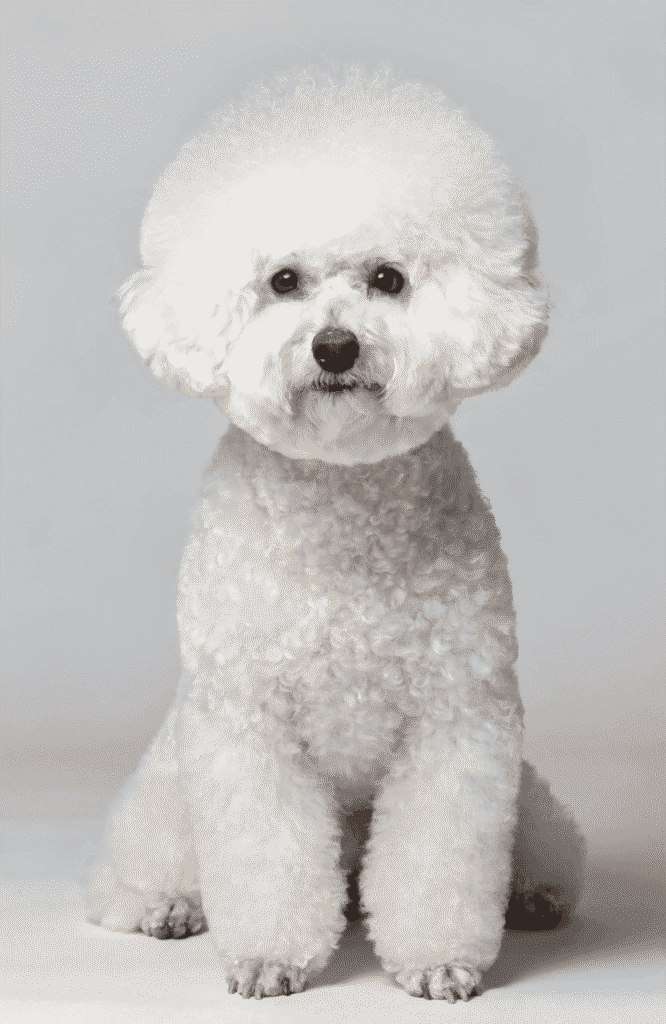
If you picture a small white cloud with eyes, that’s a Bichon Frise. This purebred is one of the most classic dogs that look like teddy bears, and it has been a beloved companion dog for centuries.
Bichons are cheerful, playful, and surprisingly energetic for their size. They weigh between 12 to 18 pounds and barely shed, making them a top pick for allergy-prone households. Their white, curly coat requires regular professional grooming to maintain that round, fluffy shape.
They bond closely with their families and don’t do well when left alone for hours at a time.
Best for: Allergy sufferers, families, city dwellers
2.4 Pomeranian
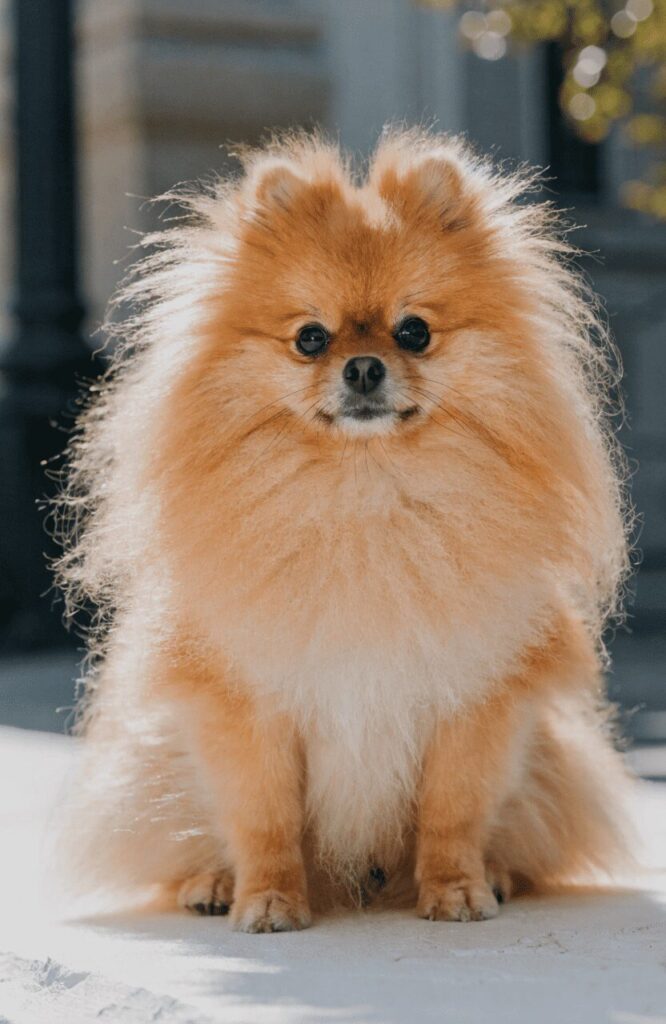
Pomeranians look like tiny foxes dressed up as teddy bears. Their thick double coat fluffs out around their face and neck, giving them that full, round bear appearance. They weigh just 3 to 7 pounds, making them one of the smallest teddy bear dogs on this list.
Don’t let their size fool you — Pomeranians have bold, confident personalities. They’re curious, active, and can be a little stubborn. They’re better suited for households with older children since they can be fragile around rough play.
Their thick coat does shed and requires daily brushing plus professional grooming every 4 to 6 weeks.
Best for: Adults, seniors, owners who enjoy regular grooming
2.5 Shih Tzu
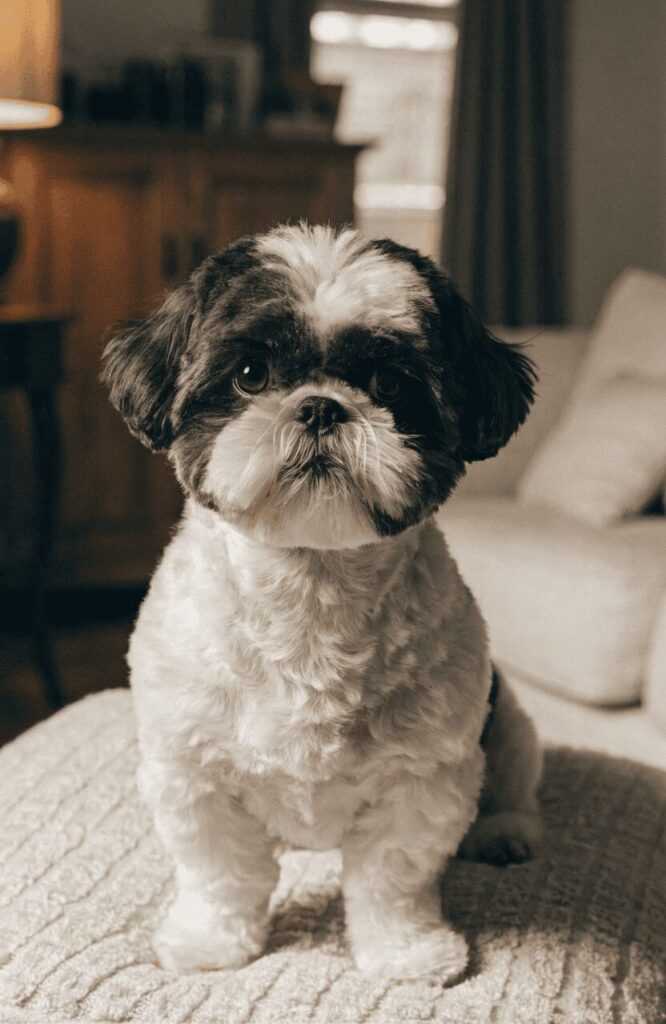
The Shih Tzu is one of the oldest toy breeds in the world, originally bred for Chinese royalty. With their long silky coat, flat face, and big dark eyes, they are a textbook example of dogs that look like teddy bears.
Shih Tzus weigh between 9 to 16 pounds and have a famously calm, loving temperament. They’re happy to lounge on the sofa or go for a short walk — they’re not demanding in terms of exercise. However, their flat faces mean they can struggle in hot weather, so always keep them cool.
Grooming is a commitment with this breed. Many owners keep their Shih Tzu in a “puppy cut” or the classic teddy bear cut to manage the coat more easily. You can learn more about dog grooming styles to find what suits your schedule.
Best for: Seniors, apartment dwellers, low-activity households
2.6 Maltipoo
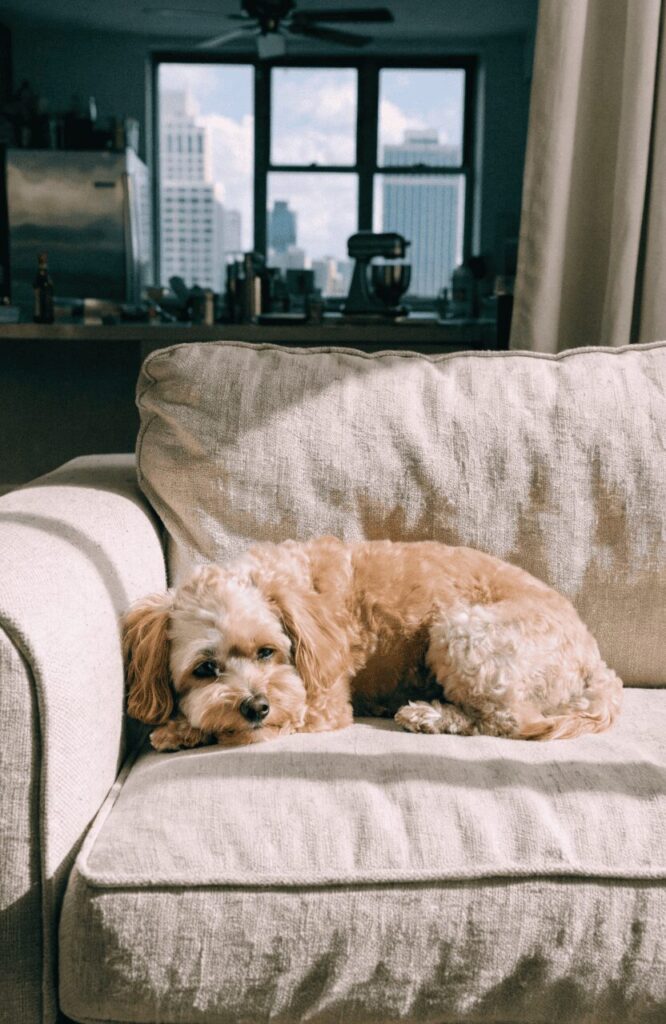
The Maltipoo is a cross between a Maltese and a Poodle. It has a soft, fluffy coat, a round little face, and an affectionate personality that makes it one of the most popular teddy bear dog breeds in the U.S.
They’re tiny — usually between 5 to 20 pounds — and adapt easily to apartment living. Maltipoos are gentle and sweet, which makes them excellent emotional support animals. They’re also quite smart and respond well to positive reinforcement training.
One real concern with Maltipoos is dental health. Small breeds are prone to dental crowding and gum disease, so regular teeth brushing is essential.
Best for: Emotional support, seniors, apartment living
2.7 Havanese
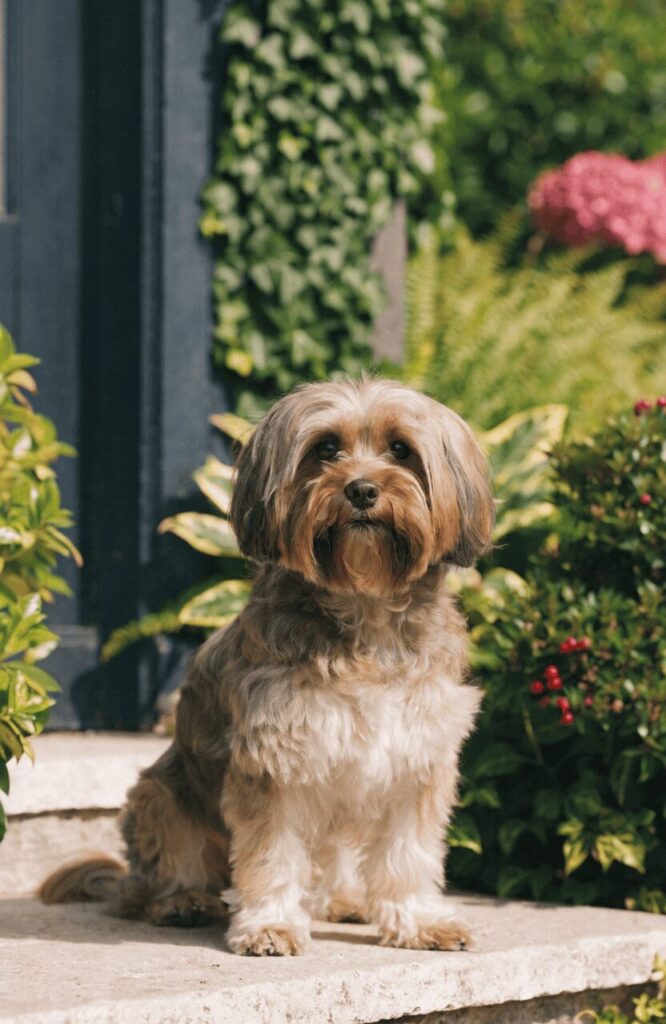
The Havanese is the national dog of Cuba and one of the most underrated teddy bear dogs on the list. They have silky, wavy coats, expressive eyes, and a spring in their step that makes them a joy to watch.
They weigh between 7 to 13 pounds and are known for being outgoing and friendly with strangers — unlike some small breeds that can be shy or yappy. Havanese love being the center of attention and are surprisingly easy to train.
Their coat grows long and requires regular brushing, though many owners opt for a shorter trim to reduce maintenance.
Best for: Social households, families, first-time owners
2.8 Goldendoodle
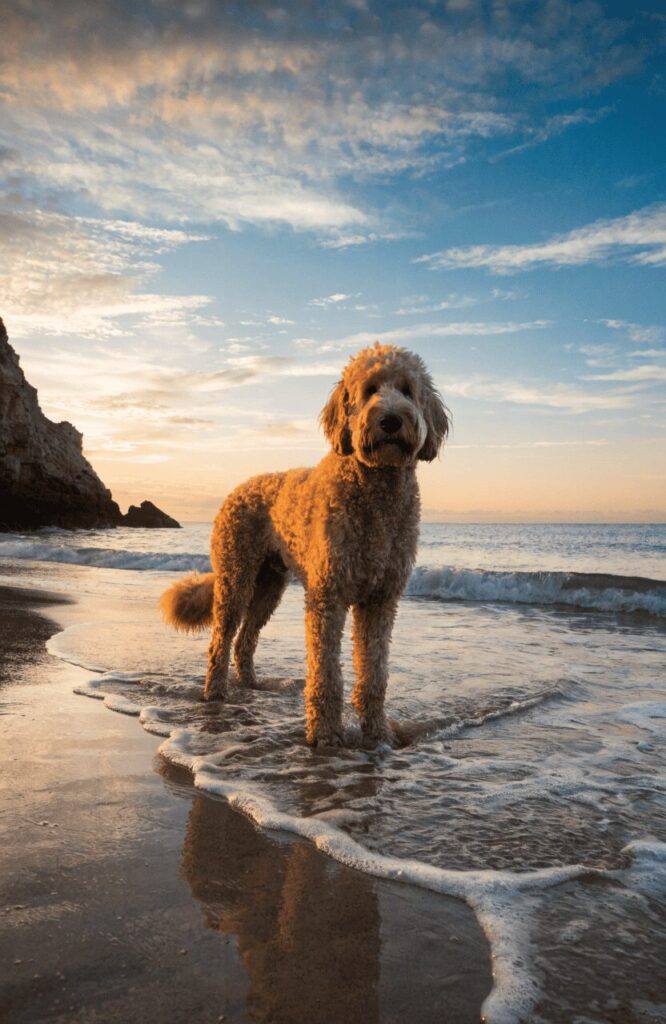
Not all dogs that look like teddy bears are small. The Goldendoodle — a Golden Retriever and Poodle mix — can weigh anywhere from 15 pounds (toy) to over 80 pounds (standard), and even the bigger ones have that irresistible plush, wavy coat that makes them look like giant stuffed animals.
Goldendoodles are friendly, intelligent, and endlessly enthusiastic. They’re great with children, other pets, and strangers. They need more exercise than the smaller breeds on this list — daily walks plus active play sessions are a must.
Their coats vary from wavy to curly and need brushing several times a week. Professional grooming every 8 to 12 weeks keeps them looking their teddy bear best.
Best for: Active families, homes with yards, families with young children
2.9 Toy Poodle
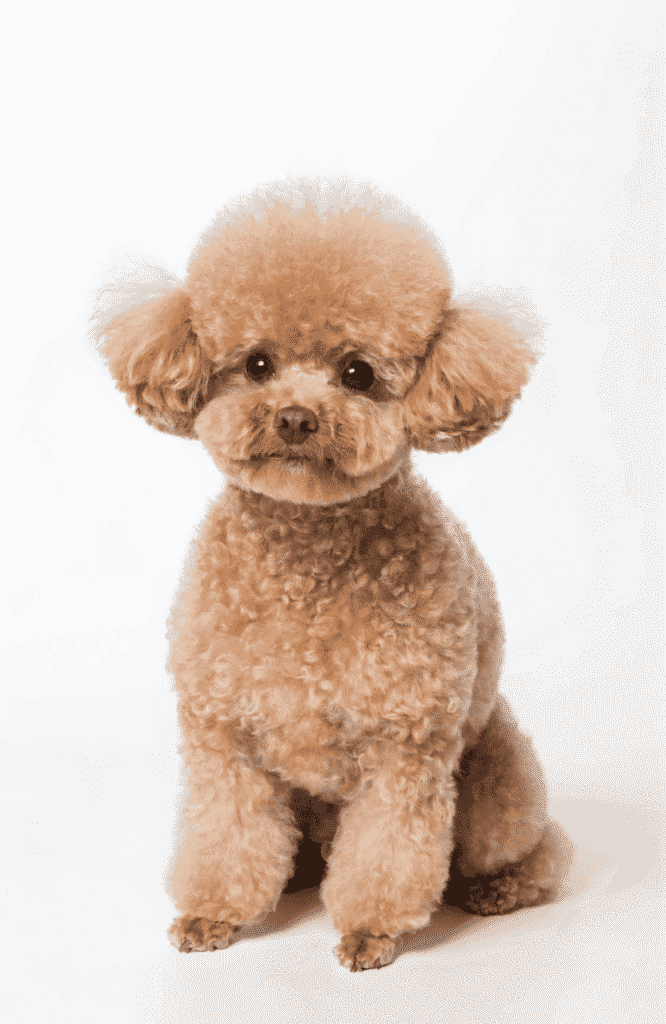
Toy Poodles often get overlooked in the teddy bear conversation because people think of the more extravagant show cuts. But give a Toy Poodle a simple rounded clip and you’ve got one of the most endearing little bear-faces in dogdom.
They weigh just 4 to 6 pounds and are one of the most intelligent dog breeds in existence. Toy Poodles are eager to learn, easy to train, and highly responsive to their owner’s emotions. They’re also low-shedding, which is a bonus for allergy sufferers.
Their curly coat does need regular professional grooming every 6 to 8 weeks to stay clean and mat-free.
Best for: Allergy sufferers, owners who enjoy training, apartment living
2.10 Coton de Tulear
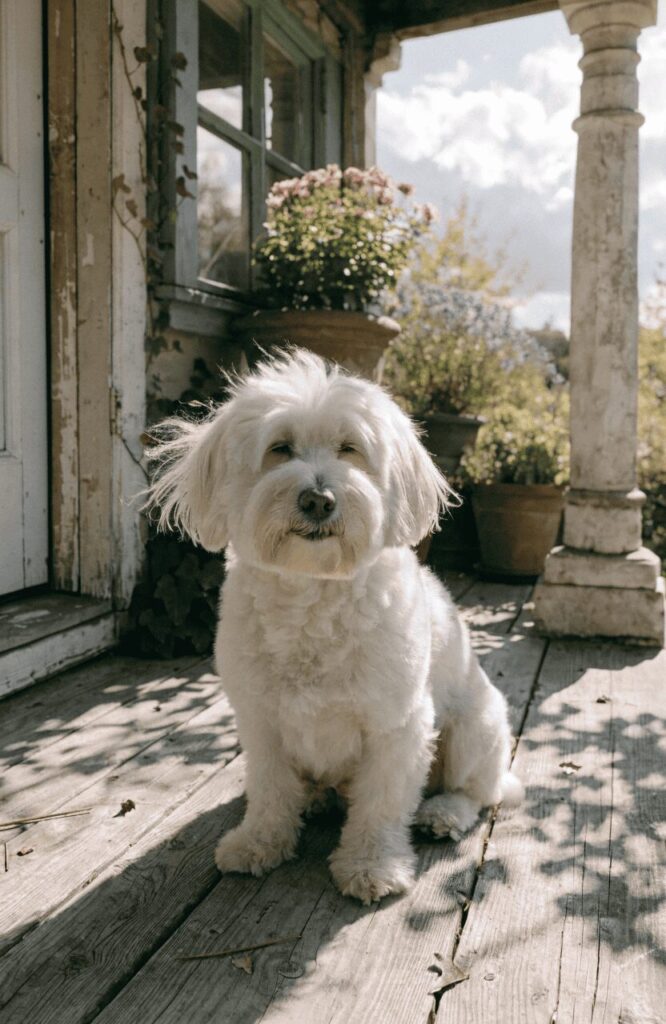
The Coton de Tulear (pronounced “Co-TAWN day too-LEE-are”) is a lesser-known gem. Named after the port city of Tulear in Madagascar, this breed has a signature soft, cotton-like white coat that gives it a fluffy, cloud-like bear appearance.
Cotons are happy, gentle, and remarkably quiet for a small dog. They weigh between 8 to 13 pounds and have a playful but calm energy that suits a wide range of households. Their coat is low-shedding and considered a good option for people with allergies.
They do need daily brushing to keep their cotton coat from tangling.
Best for: Quiet households, allergy sufferers, first-time owners
2.11 Sheepadoodle
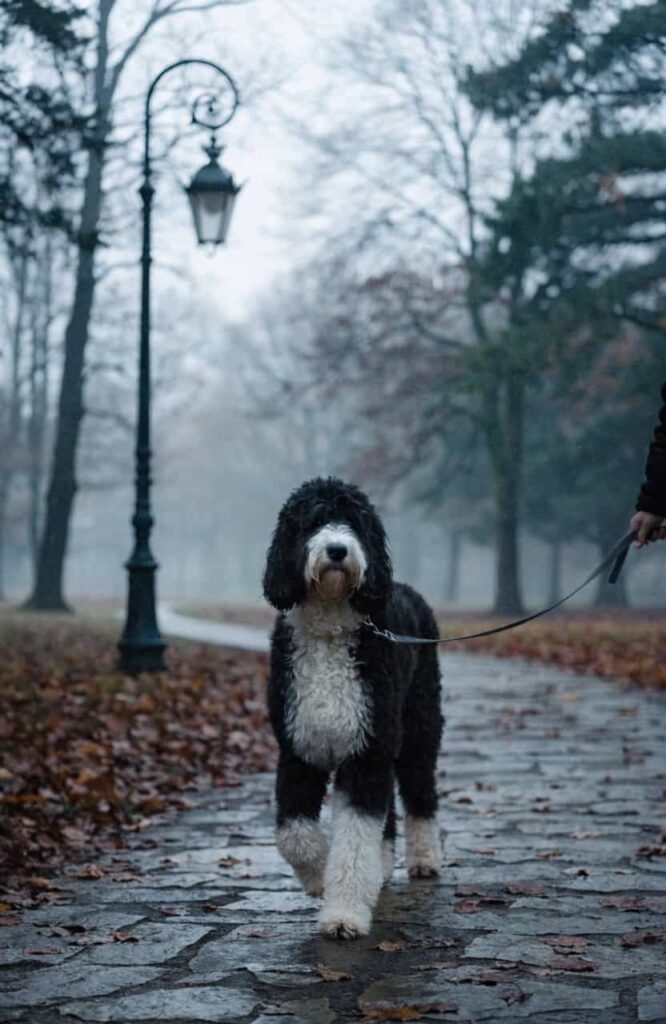
The Sheepadoodle is an Old English Sheepdog and Poodle mix — and if any dog looks like a walking, breathing stuffed animal, it’s this one. With their black-and-white patchy coats and big fluffy bodies, Sheepadoodles are basically giant teddy bears.
They come in toy, mini, and standard sizes. Standard Sheepadoodles can weigh up to 80 pounds, while mini versions stay around 25 to 45 pounds. They’re known for being gentle giants — calm, patient, and wonderful with children.
Their thick coats require consistent brushing and professional grooming. If you’re considering setting up a home grooming routine, check out these dog grooming rooms at home for some practical setup ideas.
Best for: Families with kids, active households, those who love big dogs
2.12 Schnoodle
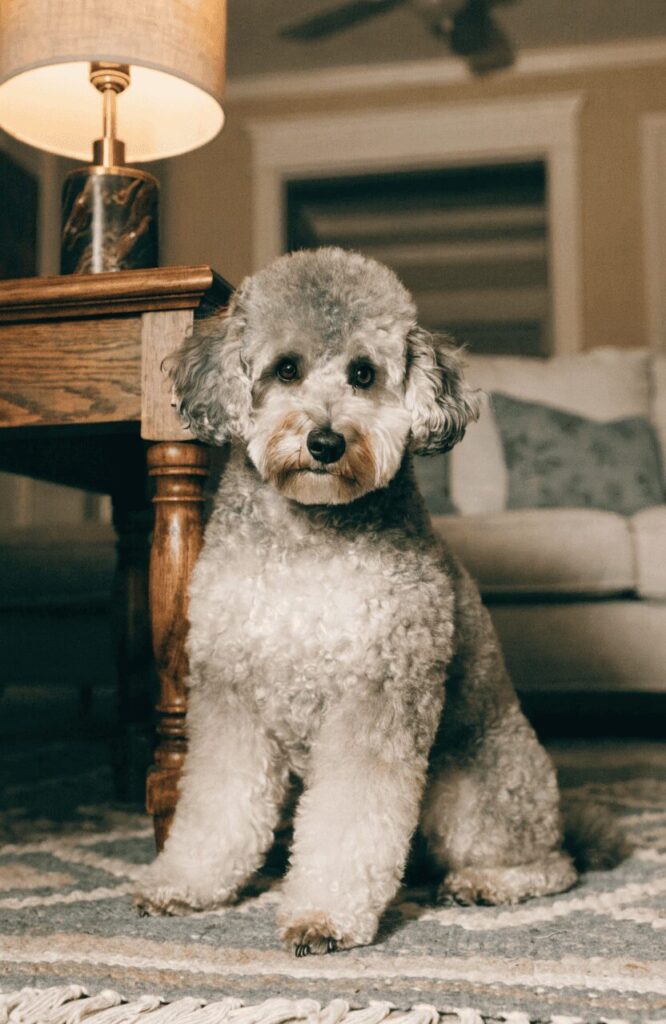
The Schnoodle is a Schnauzer and Poodle mix. It’s a bit of a wildcard on this list because its appearance varies a lot depending on the parent sizes used. But at its cutest — especially as a puppy — a Schnoodle has that soft, fluffy, round-faced look that fits right in with the other best teddy bear dog breeds.
Schnoodles are intelligent, loyal, and calm. They’re known for being good watchdogs without being overly barky. They come in toy, miniature, and standard sizes. Their low-shedding coat is a plus for allergy sufferers.
Best for: Allergy sufferers, watchdog needs, adaptable households
3. Small vs. Large Teddy Bear Dogs — Which Is Right for You?
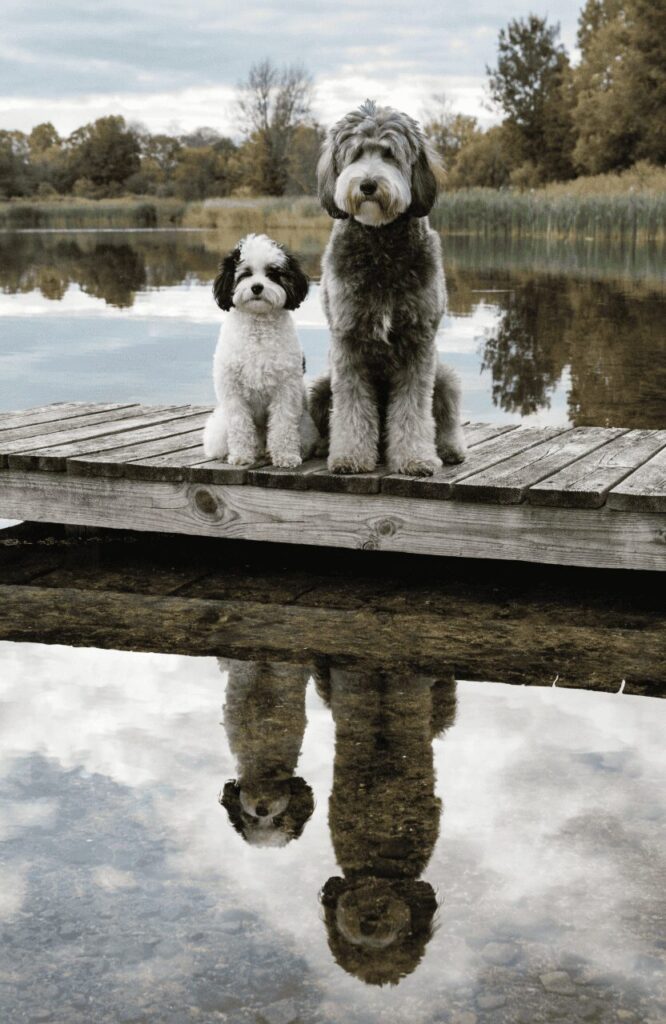
Before falling in love with a photo online, it’s worth thinking practically about size.
Small teddy bear dogs (under 20 lbs) like the Shichon, Maltipoo, Bichon Frise, and Toy Poodle are ideal for apartments, city living, and people with limited outdoor space. They’re easier to travel with and generally cost less to feed. The trade-off is that they can be more fragile — rough handling by young children can cause injury.
Medium to large teddy bear dogs like the Goldendoodle and Sheepadoodle need more space, more exercise, and more food. But they’re sturdier, often better with boisterous kids, and many people find their bigger, fluffier forms even more huggable.
If you’re leaning toward a smaller breed, this guide to best small dog breeds covers even more options worth considering. And if you’re open to bigger dogs, take a look at this best big dog breeds list for comparison.
4. Grooming Needs — The Teddy Bear Cut Explained
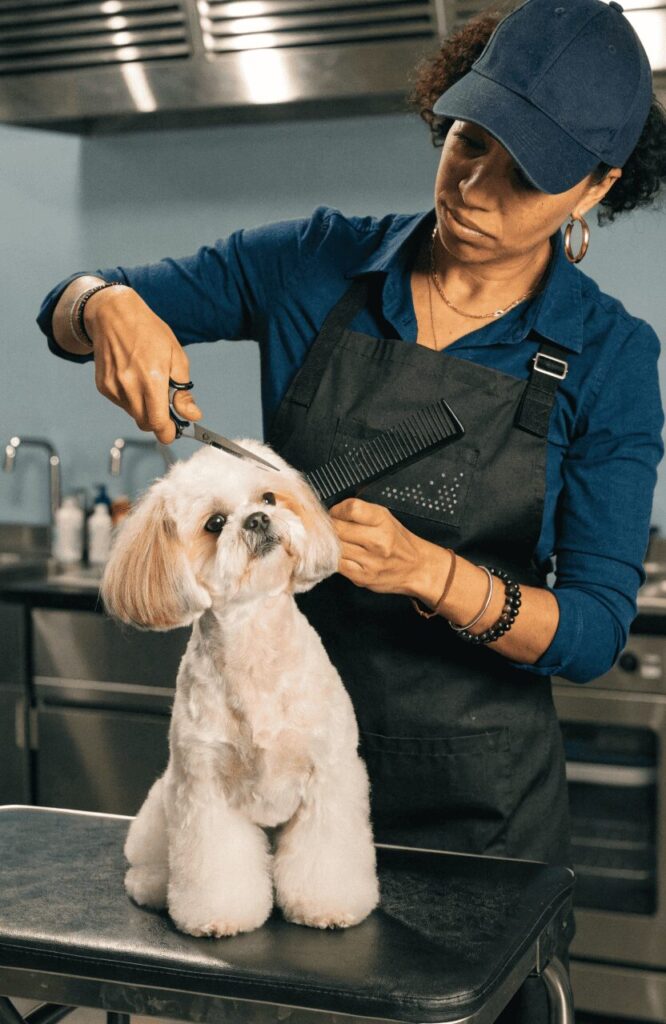
One thing almost no competitor article tells you: owning a teddy bear dog means committing to regular grooming. These coats don’t maintain themselves.
4.1 What Is the Teddy Bear Cut?
The “teddy bear cut” is actually a specific grooming style — not just a look these dogs are born with. A groomer trims the coat to an even, rounded length all over the body, with a rounded face, fluffy ears, and a soft, compact shape. It’s the haircut that makes these dogs look most like their stuffed-animal namesake.
Most of the breeds on this list can receive a teddy bear cut, including the Shih Tzu, Cavapoo, Bichon Frise, and Poodle mixes. For more inspiration on trim styles, browse these best small dog haircuts to see what works for different breeds.
4.2 Grooming Costs & Frequency
Here’s a realistic breakdown:
- Professional grooming: Every 6 to 8 weeks for most teddy bear breeds, sometimes every 4 weeks for fast-growing coats
- At-home brushing: 3 to 7 times per week depending on coat type
- Average cost per grooming session: $50 to $100+ depending on size and coat condition
Skipping grooming doesn’t just affect appearance — matted coats can cause skin irritation and discomfort for your dog. If you want to handle more grooming at home, this guide on how to groom a dog at home is a great starting point.
5. Common Health Concerns in Teddy Bear Dogs

This section is one most articles skip entirely — but it’s important if you’re a responsible owner.
Dental problems are the number one health issue in small teddy bear breeds. Their tiny jaws mean teeth are crowded, which leads to tartar buildup and gum disease. Daily teeth brushing or dental chews can help.
Respiratory issues affect flat-faced breeds like the Shih Tzu and Pekingese. Their short snouts can make breathing harder, especially in heat or during exercise. Avoid strenuous walks on hot days.
Eye conditions including tear staining and eye irritation are common in breeds with large, prominent eyes. Wiping around the eyes daily helps prevent staining and infection.
Patellar luxation — a condition where the kneecap slips out of place — is common in small breeds. Regular vet checkups can catch this early.
Separation anxiety is a behavioral (not physical) health concern, but it’s very real in affectionate breeds like the Shichon and Cavapoo. If you work long hours, think carefully about whether a high-attachment breed suits your routine.
None of these should scare you away from these wonderful dogs — but knowing about them upfront means you can prepare and give your dog the best quality of life possible. Don’t skip those puppy veterinary needs in the early months — early health checks make a real difference.
6. Tips for Buying or Adopting a Teddy Bear Dog
Because teddy bear dogs are so popular and in high demand, they attract some dishonest sellers. Here’s how to protect yourself:
Choose a reputable breeder. A good breeder lets you visit the puppies and meet the parents. They’ll ask you questions too — because they care where their puppies go. They provide health records and are transparent about any genetic testing done on the parents.
Avoid puppy mills and pet store puppies. These dogs are often bred in poor conditions, come with hidden health problems, and cost just as much (or more) as responsibly bred puppies.
Consider adoption. Rescue groups exist specifically for Poodle mixes, Shih Tzus, Bichon Frises, and other teddy bear breeds. Adopting a dog in need is one of the most rewarding decisions you can make.
Know the real cost. Beyond the purchase price (which ranges from $500 to $3,000+ for designer breeds), factor in grooming, food, vet care, and supplies. Small dogs can live 12 to 16 years — this is a long-term commitment.
Match the breed to your lifestyle honestly. A Pomeranian is not the right dog for a family with a toddler who plays rough. A Goldendoodle is not the right dog for someone in a tiny apartment with no time for daily walks. Be honest with yourself about what your daily life actually looks like.
Conclusion
Teddy bear dog breeds are more than just a pretty face — they’re loyal, affectionate, and genuinely wonderful companions for the right household. Whether you’re drawn to a tiny Maltipoo that fits in your lap, a fluffy Shichon that charms everyone it meets, or a giant Sheepadoodle that fills the room with fluff and joy, there’s a teddy bear dog that’s the right match for your life.
The key is going beyond the cuteness and making an informed choice. Think about size, grooming commitment, health needs, and your own daily routine. When you find the right match, you won’t just get a dog — you’ll get a living, breathing teddy bear that loves you back.

Izzy is an experienced ranch worker who has a passion for exploring nature and getting up close to wildlife. With her connections to various animal organizations, Izzy is well-versed in animal care and rehabilitation.