10 Best Livestock Guard Dog Breeds for Farms and Homesteads
One coyote can destroy an entire flock in a single night. One bear can end a season of hard work before sunrise. If you raise livestock — whether goats, sheep, poultry, or cattle — livestock guard dog breeds are one of the most effective, time-tested tools you have.
But not every big dog is a livestock guardian. And not every livestock guardian fits every farm.
This guide covers the 10 best livestock guardian dog breeds, what makes each one unique, and exactly what to look for before you bring one home. Whether you’re a first-time homesteader or an experienced rancher looking to upgrade your protection, this is everything you need to know.
What Is a Livestock Guardian Dog — And Why It’s Not Just Any Farm Dog
Before jumping into breeds, this distinction matters more than anything else in this guide.
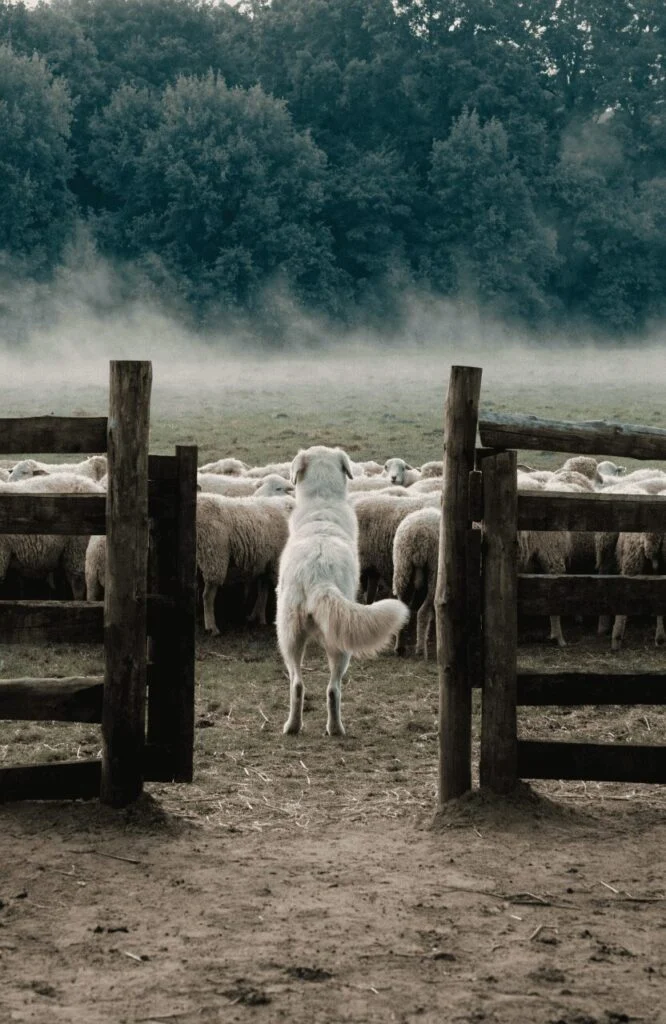
A livestock guardian dog (LGD) is not a herding dog. A Border Collie, Australian Shepherd, or Blue Heeler moves animals from place to place. An LGD does something completely different — it lives with the animals, bonds to them, and protects them as if they are its own family.
LGDs are not trained to obey commands the way a pet dog is. They are bred over centuries to think independently, patrol their territory, and make decisions on their own when a threat appears. They bond to the flock first, and to humans second.
This instinct is the whole point — and it’s also why breed choice, early socialization, and farm setup all matter so much. If you want to go deeper on how guardian instinct compares to other protective traits, check out this overview of fearless dog breeds and where LGDs sit on that spectrum.
10 Best Livestock Guardian Dog Breeds for Your Farm
Each breed below follows the same structure so you can compare easily and skim to the one that fits your situation.
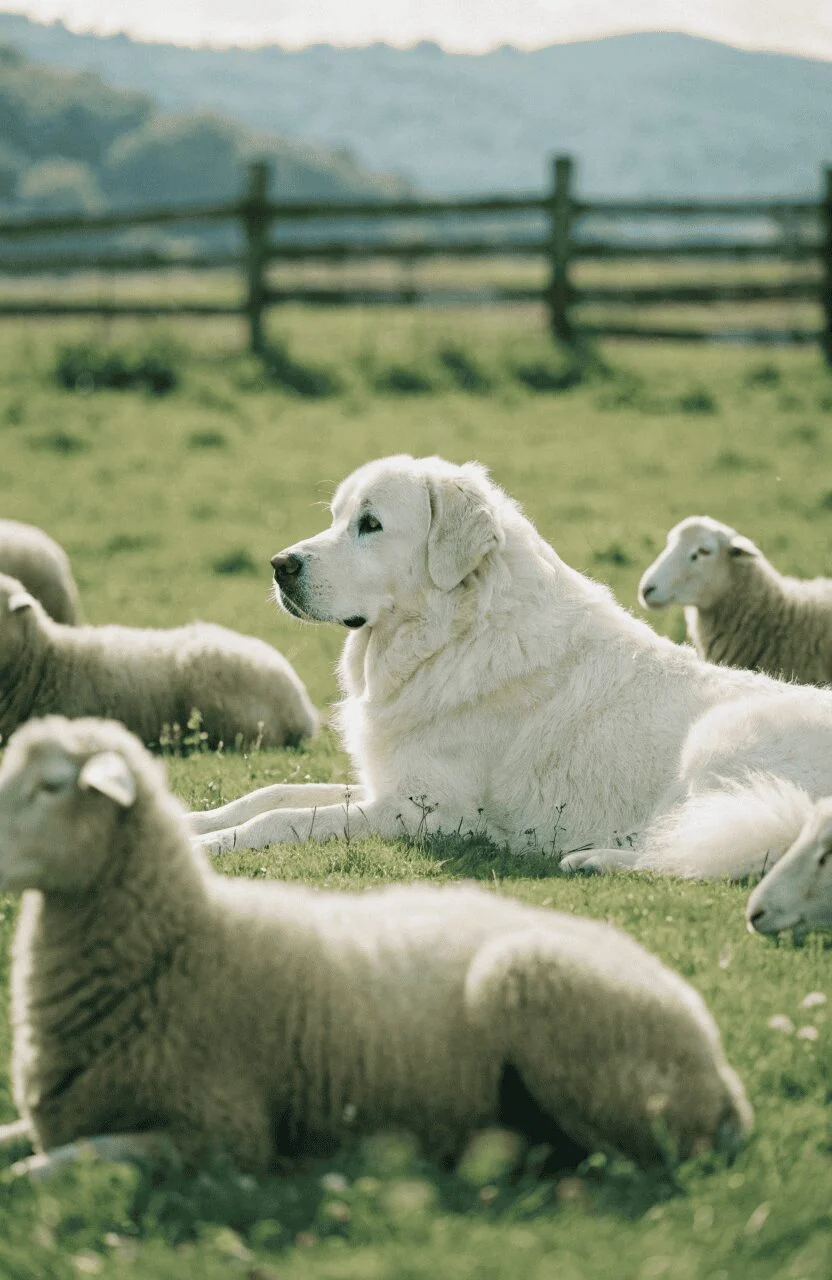
1. Great Pyrenees — Best All-Around LGD for Beginners
| Feature | Details |
|---|---|
| Origin | France / Spain |
| Size | 85–115 lbs |
| Best For | Sheep, goats, poultry |
| Climate | Cold to moderate |
| Predator Level | Coyotes, foxes, bobcats |
The Great Pyrenees is the most popular livestock guardian dog in North America — and for good reason. It’s calm, gentle with animals, and naturally protective without being aggressive toward humans.
These dogs are patient enough for first-time LGD owners. They bond quickly to their flock and are especially effective with sheep and goats. Their thick double coat makes them well-suited for cold winters and mountain terrain.
One thing to know: Great Pyrenees are nocturnal barkers by nature. They patrol at night and will bark to warn off predators. This is a feature, not a flaw — but it’s worth knowing before your neighbors complain.
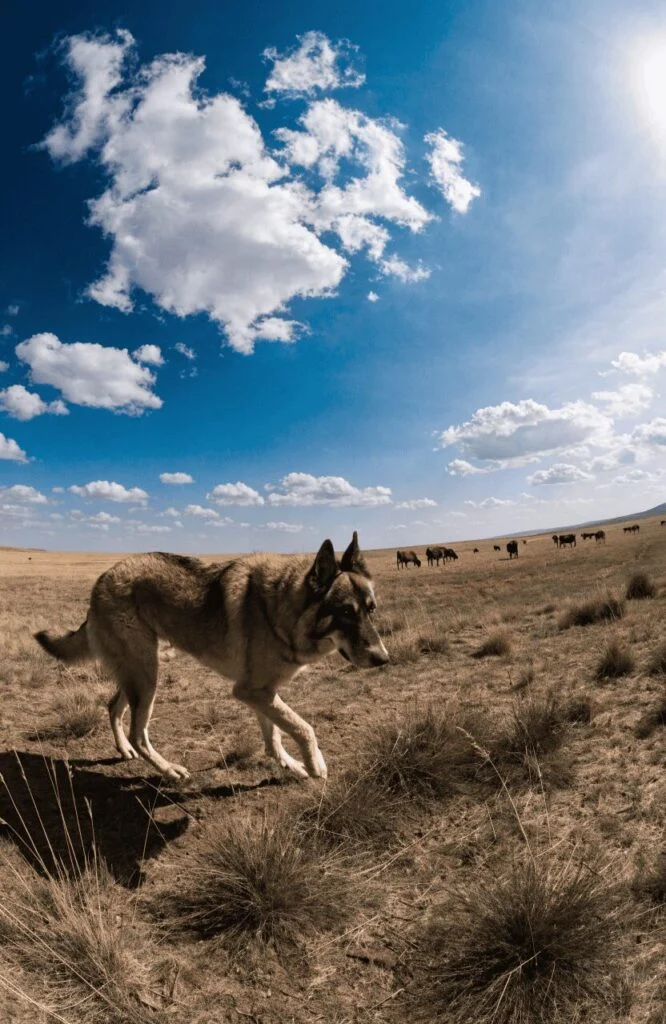
2. Anatolian Shepherd — Best for Large Properties & Open Range
| Feature | Details |
|---|---|
| Origin | Turkey |
| Size | 90–150 lbs |
| Best For | Sheep, cattle, goats |
| Climate | Hot, arid, and cold |
| Predator Level | Wolves, coyotes, jackals |
The Anatolian Shepherd is one of the oldest and most proven livestock guard dog breeds in the world, with roots going back over 6,000 years in Turkey.
What sets this breed apart is its speed and aggression toward threats. Unlike the calm, steady Great Pyrenees, the Anatolian is fast, lean, and will actively chase and confront predators rather than just warn them off. This makes it ideal for large ranches where a threat can approach from any direction.
Anatolians are independent thinkers and not ideal for owners who want a dog that follows orders. They need space, a strong fence, and an experienced hand. But on the right property, they are virtually unmatched as working dogs.
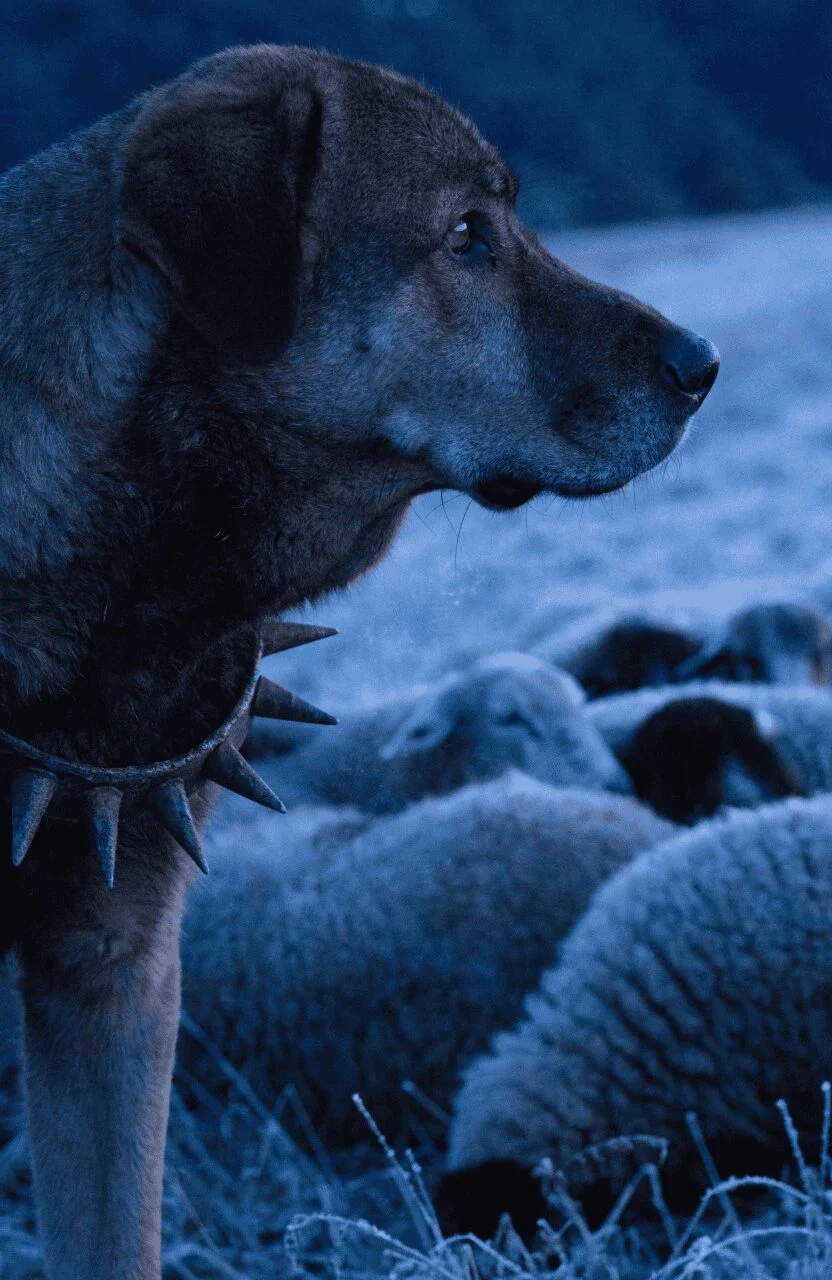
3. Kangal — Strongest LGD & Best Against Wolves
| Feature | Details |
|---|---|
| Origin | Turkey (Sivas region) |
| Size | 90–145 lbs |
| Best For | Sheep, goats, cattle |
| Climate | Cold and moderate |
| Predator Level | Wolves, bears, large predators |
The Kangal holds the record for the strongest bite force of any dog breed — around 743 PSI. That’s not a party trick. It’s a working trait developed specifically to confront wolves on the high Anatolian plateau.
If you live in wolf country, bear territory, or any area with large predator pressure, the Kangal belongs at the top of your list. It is fast, fearless, and extremely territorial. Livestock under a Kangal’s watch rarely get touched.
Kangals are loyal to their family and surprisingly gentle with the animals they protect — but they are not a beginner’s dog. They require confident ownership, proper socialization from puppyhood, and secure fencing. For more on how these dogs stack up against common predators, see our guide on best dogs to protect against coyotes.
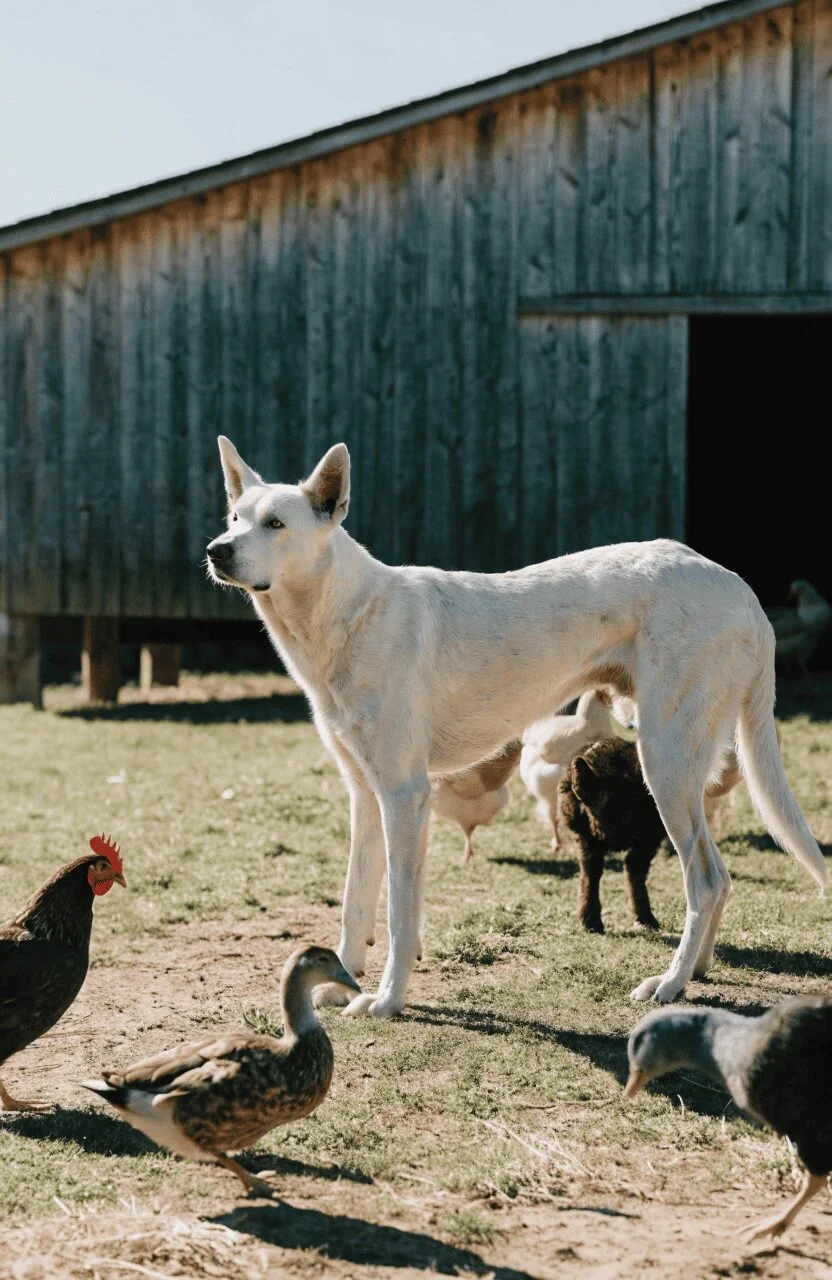
4. Akbash — Best for Poultry & Smaller Flocks
| Feature | Details |
|---|---|
| Origin | Turkey (western regions) |
| Size | 75–130 lbs |
| Best For | Poultry, sheep, small flocks |
| Climate | Moderate to warm |
| Predator Level | Coyotes, foxes, aerial predators |
The Akbash is leaner and faster than most LGDs, which makes it surprisingly effective at protecting poultry and smaller animals that other breeds may overlook or accidentally injure.
This breed is alert, agile, and has excellent vision — qualities that help it spot aerial threats like hawks and eagles. If you’re raising chickens, ducks, or turkeys alongside larger livestock, the Akbash is one of the best choices available.
Akbash dogs are also known for being somewhat easier to work with than breeds like the Kangal or Kuvasz. They still require early bonding with livestock, but they tend to be more responsive to their owners, making them a solid mid-level choice for experienced but not expert handlers.
5. Maremma Sheepdog — Best for Cold Climates & Traditional Sheep Farms
| Feature | Details |
|---|---|
| Origin | Italy |
| Size | 65–100 lbs |
| Best For | Sheep, goats |
| Climate | Cold, mountainous |
| Predator Level | Wolves, coyotes |
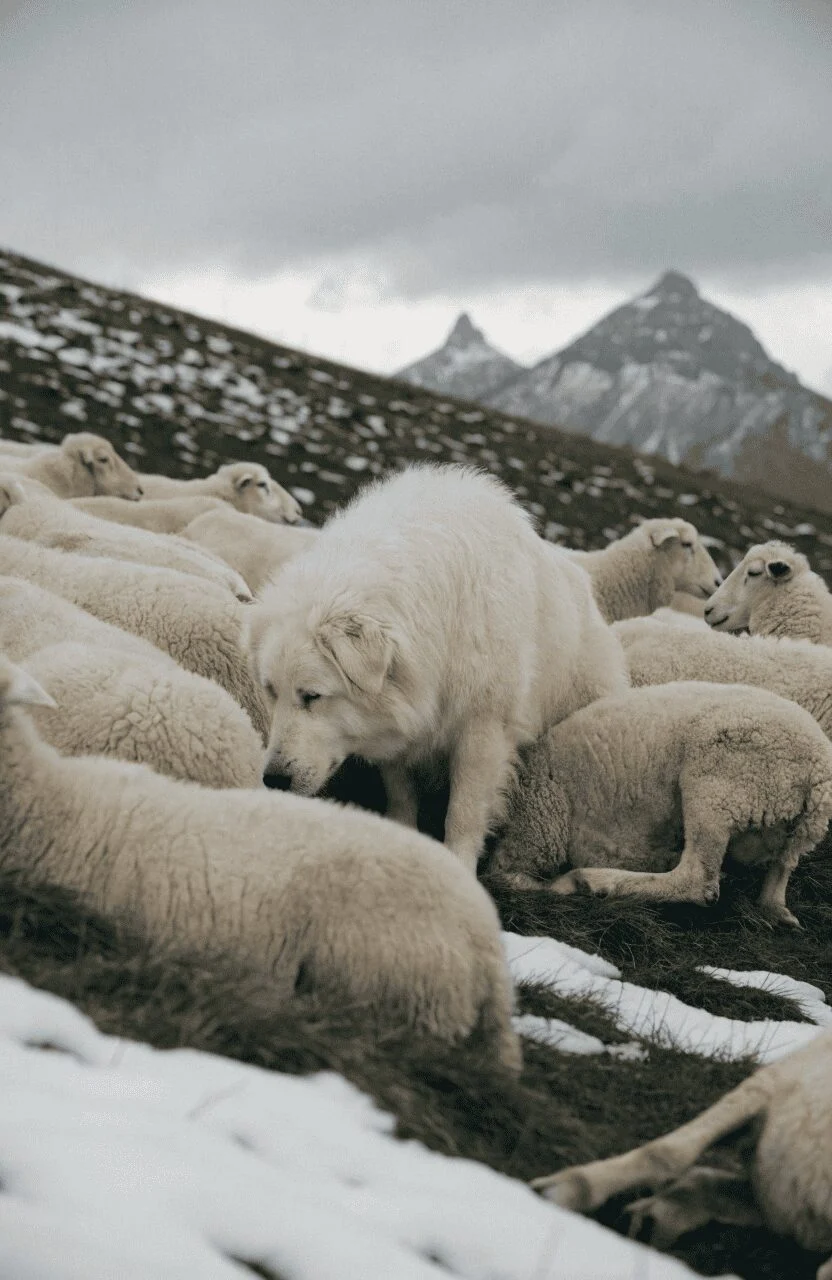
The Maremma has been guarding sheep in the Italian Alps for hundreds of years. It’s a classic European livestock guardian — thick white coat, deep bond with its flock, and quiet but firm with predators.
What makes the Maremma stand out is how deeply it integrates with its herd. These dogs don’t just patrol the perimeter — they sleep with their animals, move with them, and see themselves as part of the flock. This level of bonding makes them incredibly effective.
Maremmas are not ideal for hot climates due to their dense coat. But in cold or mountainous regions, they are one of the most reliable farm dog breeds available. They are generally calmer and less aggressive than Turkish breeds, making them a good fit for farms that also receive visitors or have children around.
6. Kangal Crossbreeds & Kuvasz — Best for Experienced Owners Who Want Elite Protection
| Feature | Details |
|---|---|
| Origin | Hungary |
| Size | 70–115 lbs |
| Best For | Mixed livestock, large farms |
| Climate | Cold, temperate |
| Predator Level | Wolves, bears |
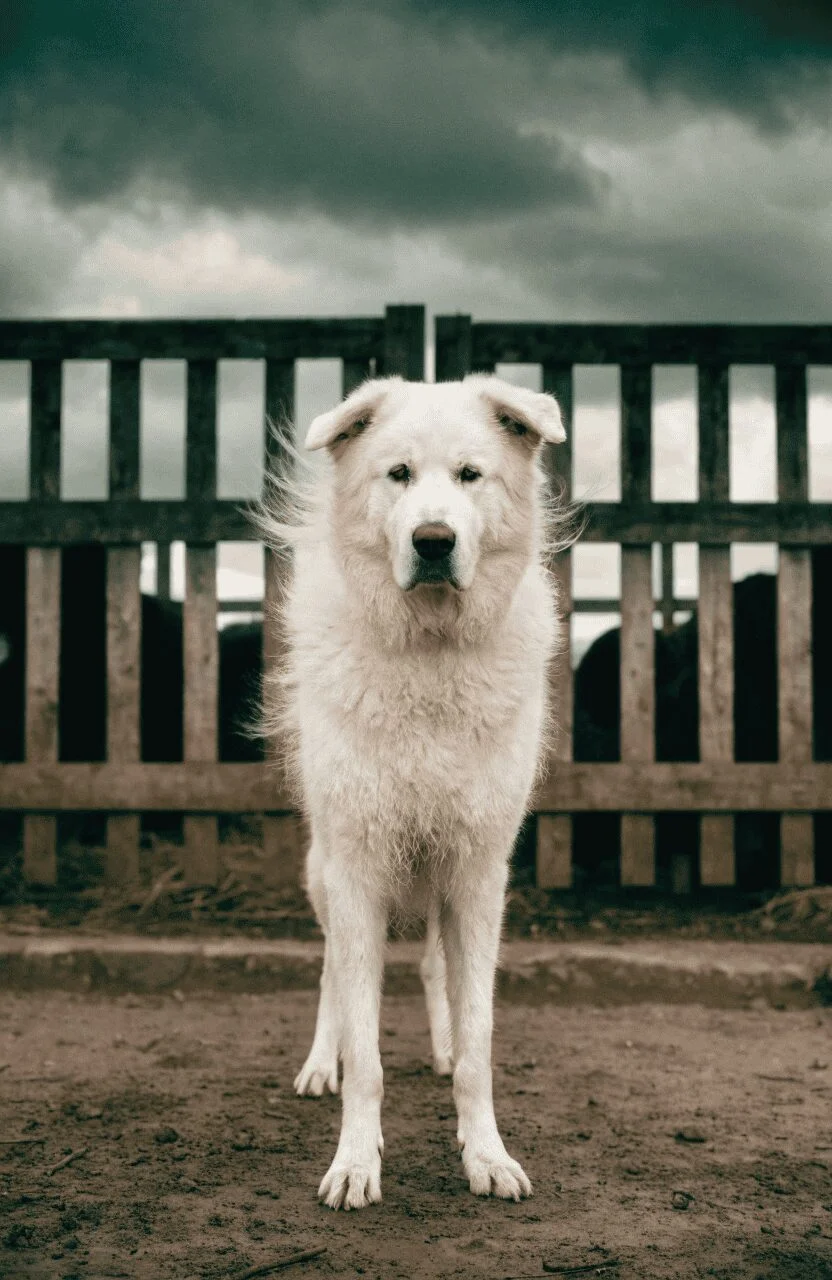
The Kuvasz is Hungary’s answer to the Great Pyrenees — a large, white, powerfully built guardian dog with a strong protective instinct and a complex personality.
Unlike the Pyrenees, the Kuvasz is more intense and less tolerant of strangers. It bonds deeply to its owner and its livestock, and it takes its guardian role extremely seriously. This is a dog that will not hesitate to put itself between a predator and the animals in its care.
The Kuvasz is not recommended for first-time LGD owners. It needs consistent structure, early socialization, and a handler who understands the difference between independence and defiance. In the right hands, it is an outstanding working dog with a fiercely loyal character.
7. Pyrenean Mastiff — Best Gentle Giant for Mixed Livestock
| Feature | Details |
|---|---|
| Origin | Spain (Aragon) |
| Size | 120–180 lbs |
| Best For | Mixed livestock, cattle, goats |
| Climate | Cold to moderate |
| Predator Level | Wolves, large predators |
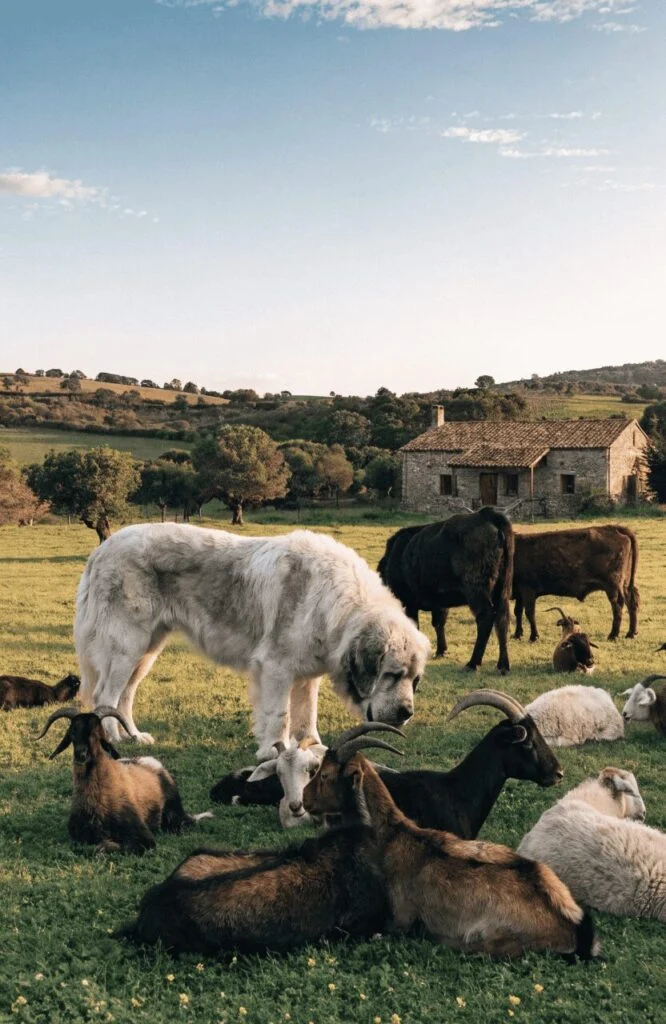
The Pyrenean Mastiff is one of the largest livestock guardian dog breeds in the world — and one of the calmest. Despite their intimidating size, these dogs are known for being patient, stable, and surprisingly gentle with the animals they protect.
They were historically used to guard transhumance flocks — herds that traveled long distances across Spain — which means they are adaptable and can handle varied terrain and livestock types.
Because of their size and calm temperament, Pyrenean Mastiffs are especially well-suited for mixed farms where different species live together. They are less reactive than some other LGDs, which reduces the risk of accidental injury to smaller animals. Their sheer size alone deters most predators.
8. Tibetan Mastiff — Best for High-Altitude & Remote Farms
| Feature | Details |
|---|---|
| Origin | Tibet / Himalayas |
| Size | 70–150 lbs |
| Best For | Cattle, large livestock, remote farms |
| Climate | Cold, high altitude |
| Predator Level | Snow leopards, wolves, bears |
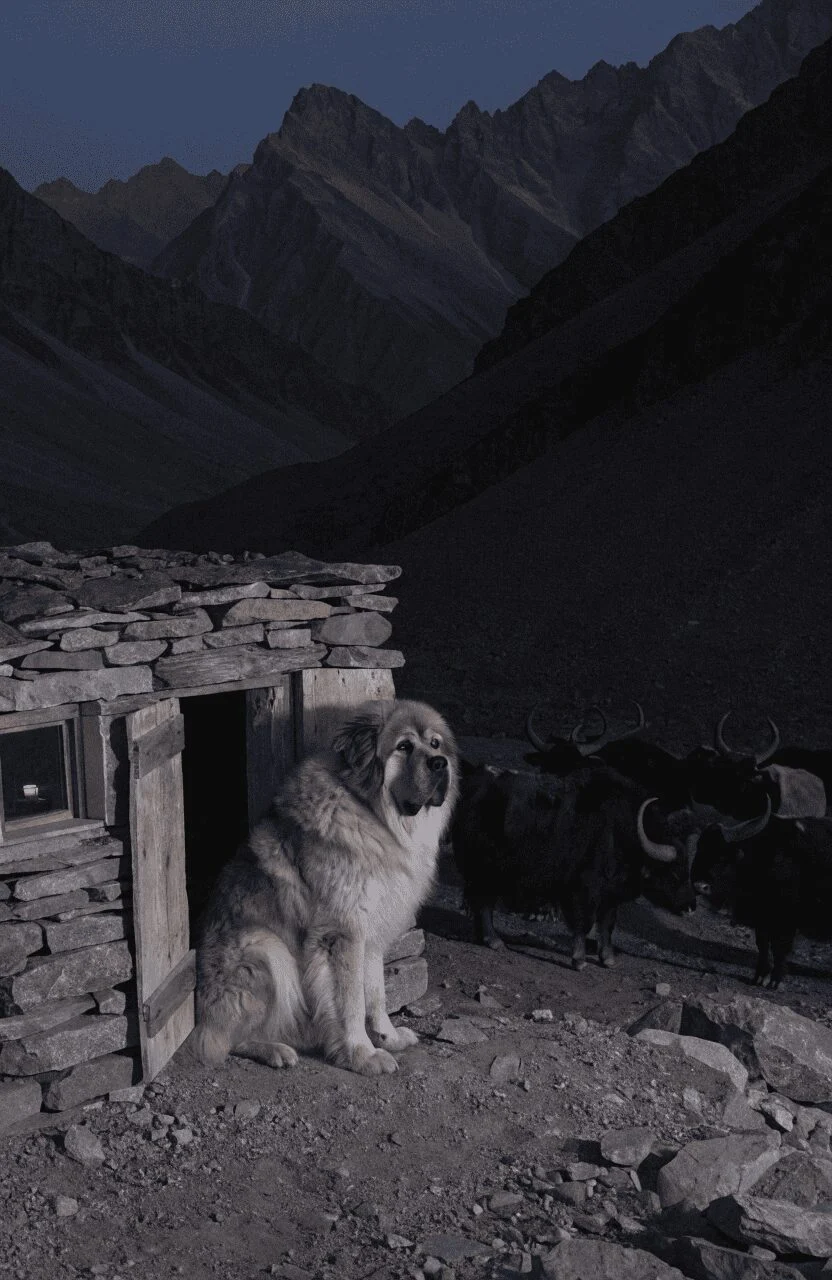
The Tibetan Mastiff is one of the most ancient guard dog breeds on the planet. For thousands of years, it guarded Himalayan monasteries and nomadic livestock against some of the world’s most dangerous predators — including snow leopards.
This breed is extremely territorial and nocturnal. It is most active at night, which is exactly when most predator attacks happen. During the day, Tibetan Mastiffs rest and conserve energy, then patrol intensively through the night.
They are not social or people-friendly dogs by nature. They are best suited for remote farms where human traffic is minimal and the primary job is protection. Their thick coat handles extreme cold beautifully, but they struggle in heat. Not a casual farm dog — but in the right environment, an extraordinary one.
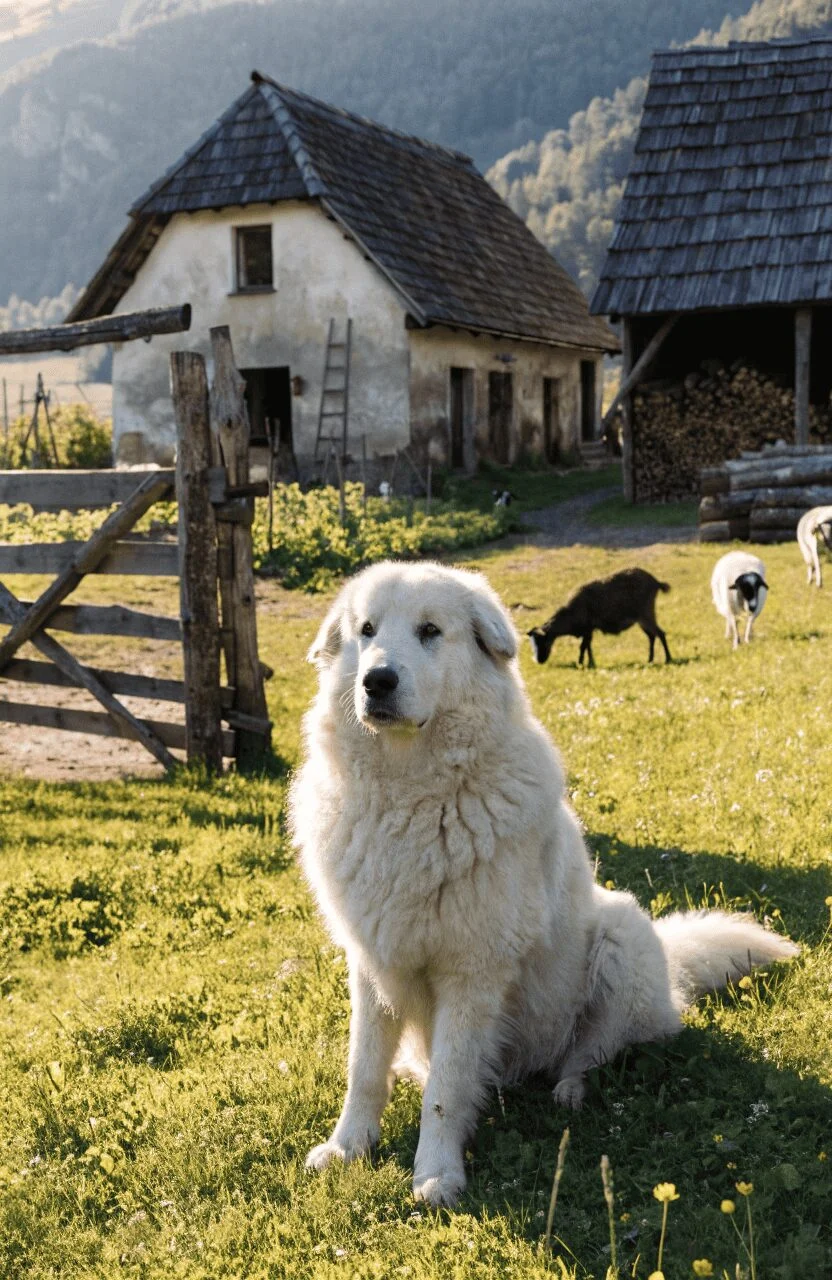
9. Polish Tatra Sheepdog — Best Low-Key Guardian for Small Homesteads
| Feature | Details |
|---|---|
| Origin | Poland (Tatra Mountains) |
| Size | 80–130 lbs |
| Best For | Sheep, goats, small homesteads |
| Climate | Cold to temperate |
| Predator Level | Coyotes, foxes |
The Polish Tatra Sheepdog is less well-known than the Great Pyrenees but shares many of the same qualities — white coat, calm temperament, and strong bonding instinct with livestock.
What makes the Tatra a hidden gem is its lower reactivity around people. It is less suspicious of strangers than many LGDs, which makes it a better fit for homesteads that receive regular visitors, family farms with children, or smaller operations where the dog interacts with humans daily.
Tatras are best suited for moderate predator environments — coyotes, foxes, and small predators — rather than wolf or bear country. If your farm doesn’t face heavy predator pressure but you still want reliable protection, the Tatra is an underrated and excellent choice.
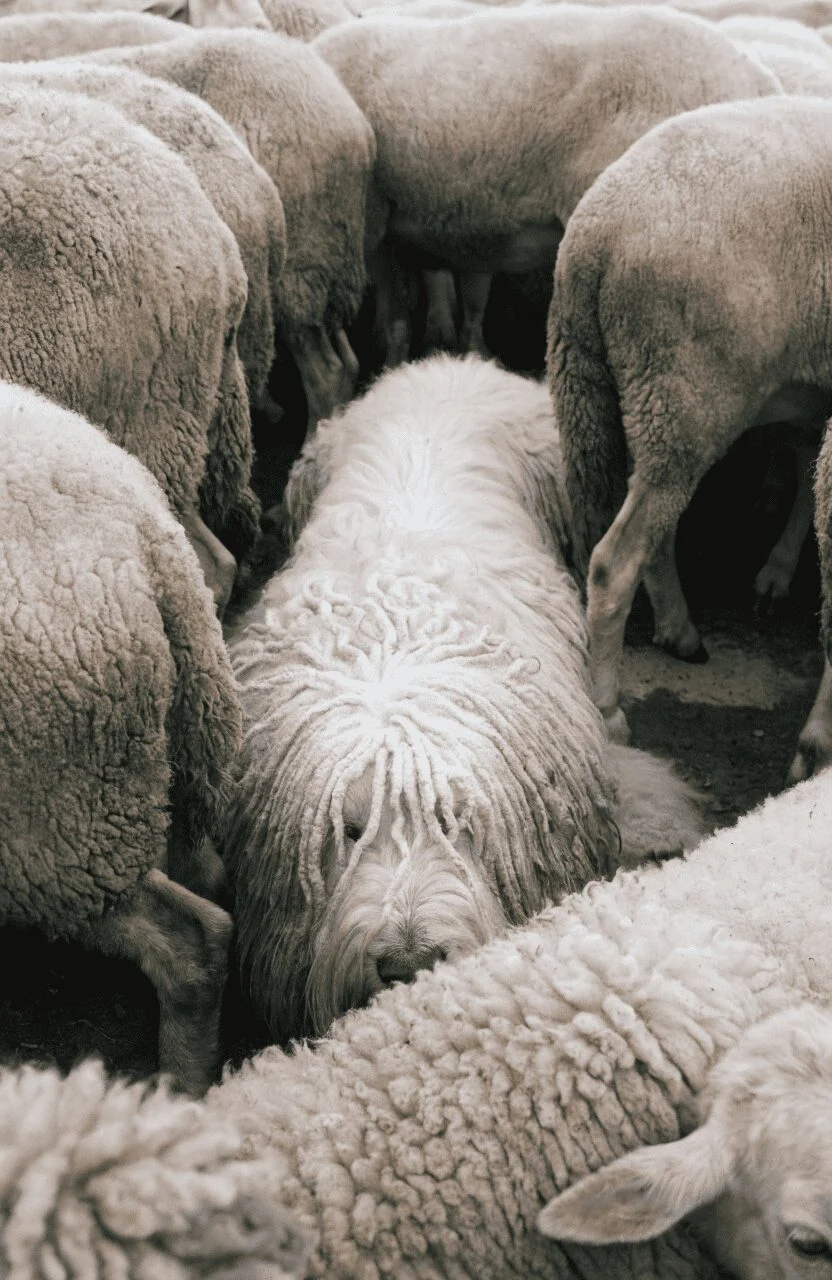
10. Komondor — Best for Sheep Farmers Who Want a Dog That Blends In
| Feature | Details |
|---|---|
| Origin | Hungary |
| Size | 80–130 lbs |
| Best For | Sheep |
| Climate | Cold to moderate |
| Predator Level | Wolves, coyotes |
The Komondor’s long, corded white coat is instantly recognizable — and that coat is actually a working trait, not just an aesthetic one. It was developed to help the dog blend in with sheep flocks, allowing it to move among the herd undetected until a predator gets close.
The Komondor is powerful, self-assured, and deeply loyal to the animals in its care. It has a strong protective instinct and does not back down from a threat. However, its unique coat requires significant maintenance — the cords can mat and collect debris if not regularly cleaned.
This breed is best for experienced owners who are specifically working with sheep and are willing to put in the grooming work. In the right setting, the Komondor is a living piece of working dog history that still performs at a high level today.
How to Set Your LGD Up for Success
Choosing the right breed is only the first step. How you raise and introduce your LGD determines whether it becomes an effective working dog or an expensive problem.
Bond early. LGDs must be raised with their livestock from as young as 8 weeks old. The bonding window is critical. A dog that grows up playing with humans instead of living with animals will not perform well as a guardian. For guidance on getting your pup off to the right start, our essential puppy training tips are a useful starting point — though LGD training is far less about commands and far more about environment.
Train differently. LGDs are not obedience dogs. The goal is not to teach them tricks or heeling — it’s to shape their natural instinct and keep it directed at the right targets. Read more about proactive vs. passive approaches to dog training and how this applies to working breeds specifically.
Fence properly. Most LGDs are large, powerful, and highly territorial. A weak fence won’t contain them — and a dog that escapes will roam. High and secure perimeter fencing is not optional.
Plan for vet care. Working dogs spend their lives outdoors in variable conditions. They need regular parasite control, joint monitoring (especially in large breeds), and age-appropriate care. Our guide on puppy veterinary needs covers the foundational health checkpoints to keep in mind from day one.
Consider working in pairs. Many experienced farmers run two LGDs together — usually a male and female. Paired dogs cover more ground, support each other during a confrontation, and are more effective against pack predators like coyotes.
Quick Breed Comparison at a Glance
| Breed | Size | Best Livestock | Predator Level | Climate | Beginner-Friendly |
|---|---|---|---|---|---|
| Great Pyrenees | Large | Sheep, goats, poultry | Low–Medium | Cold | ✅ Yes |
| Anatolian Shepherd | Large | Sheep, cattle | Medium–High | Any | ⚠️ Moderate |
| Kangal | Large | Sheep, goats, cattle | High | Cold–Moderate | ❌ No |
| Akbash | Medium–Large | Poultry, small flocks | Low–Medium | Moderate | ⚠️ Moderate |
| Maremma Sheepdog | Medium–Large | Sheep, goats | Medium | Cold | ⚠️ Moderate |
| Kuvasz | Large | Mixed | Medium–High | Cold | ❌ No |
| Pyrenean Mastiff | Very Large | Mixed, cattle | High | Cold | ⚠️ Moderate |
| Tibetan Mastiff | Large | Remote, cattle | Very High | Very Cold | ❌ No |
| Polish Tatra | Large | Sheep, goats | Low–Medium | Cold | ✅ Yes |
| Komondor | Large | Sheep | Medium–High | Cold–Moderate | ❌ No |
Frequently Asked Questions
Final Thoughts
The right livestock guard dog breed won’t just protect your animals — it will change how your whole farm operates. Less stress during lambing season. Fewer losses to predators. The ability to let your animals graze without constant supervision.
But the key word is right. A Kangal on a small hobby farm with daily visitors is a poor match. A Great Pyrenees in wolf country may be overwhelmed. Matching the dog to your specific farm, your livestock, your terrain, and your experience level is what turns a good breed into a great working dog.
Take the comparison table above, honest stock of your situation, and choose a breed that fits — not one that just sounds impressive. Your livestock will thank you for it.
Izzy is an experienced ranch worker who has a passion for exploring nature and getting up close to wildlife. With her connections to various animal organizations, Izzy is well-versed in animal care and rehabilitation.