Homemade Sourdough Dog Treats: Biscuits, Pretzels & Crackers
Turning that endless jar of sourdough starter discard into something your dog actually craves is one of the most satisfying zero-waste projects in the kitchen. You no longer need to scrape the cloudy, stinky liquid back into the fridge. Instead, you can transform it into crunchy, wholesome dog treats that smell incredible and vanish in seconds. This guide focuses entirely on methods that prioritize canine safety. We will explore how the fermentation process makes these snacks highly digestible, along with three distinct baking styles: classic biscuits, chewy pretzel bites, and thin cracker squares. All ingredients are dog-safe, and every recipe is designed for small portion sizes served in a bowl or on a training mat. Keep a small jar of discard in the fridge just for dog treats, so every feeding becomes a baking day instead of a waste day.
Why Sourdough Works for Dogs
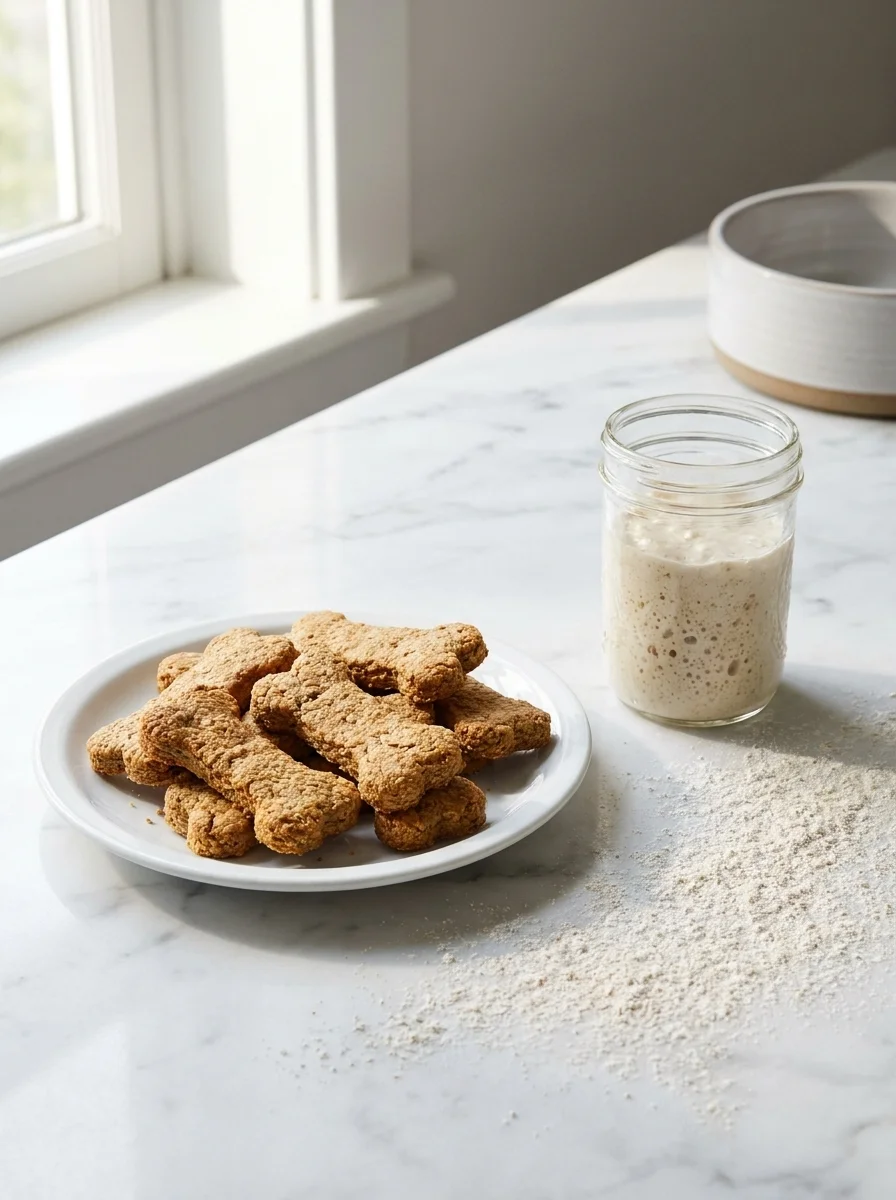
Sourdough starter is a live culture of wild yeast and lactic acid bacteria. When you bake with discard, you are utilizing the byproducts of that fermentation. For dogs, the primary benefit is digestibility. The long fermentation process breaks down gluten structures in wheat and reduces phytic acid, which can make minerals easier to absorb. Even when using oat flour, which is naturally gluten-free, the sourdough culture adds a depth of flavor that appeals to dogs without requiring artificial additives.
The starter also acts as a mild probiotic source, though the heat from baking neutralizes the live bacteria. What remains is the pre-digested structure of the dough, which is gentler on sensitive stomachs. Many owners report that their dogs have less gas or bloating when eating sourdough-based treats compared to standard commercial kibble. If you are looking for other gentle, digestible options to rotate into your dog’s routine, you might also enjoy our guide for homemade apple pie for dogs.
It is crucial to understand that the discard must be plain. Commercial sourdough starters sold in jars sometimes contain preservatives, or home bakers might add sugar or salt to their maintenance feed. For these recipes, we assume your discard is a 1:1:1 ratio of flour and water, with no extras. This purity ensures that we are not introducing xylitol, sugar, or sodium, all of which are hard limits for canine health. Feed your starter with plain flour and water only, and skip any discard that had salt, sugar, or flavorings added during maintenance.
Recipe 1: Classic Sourdough Dog Biscuits
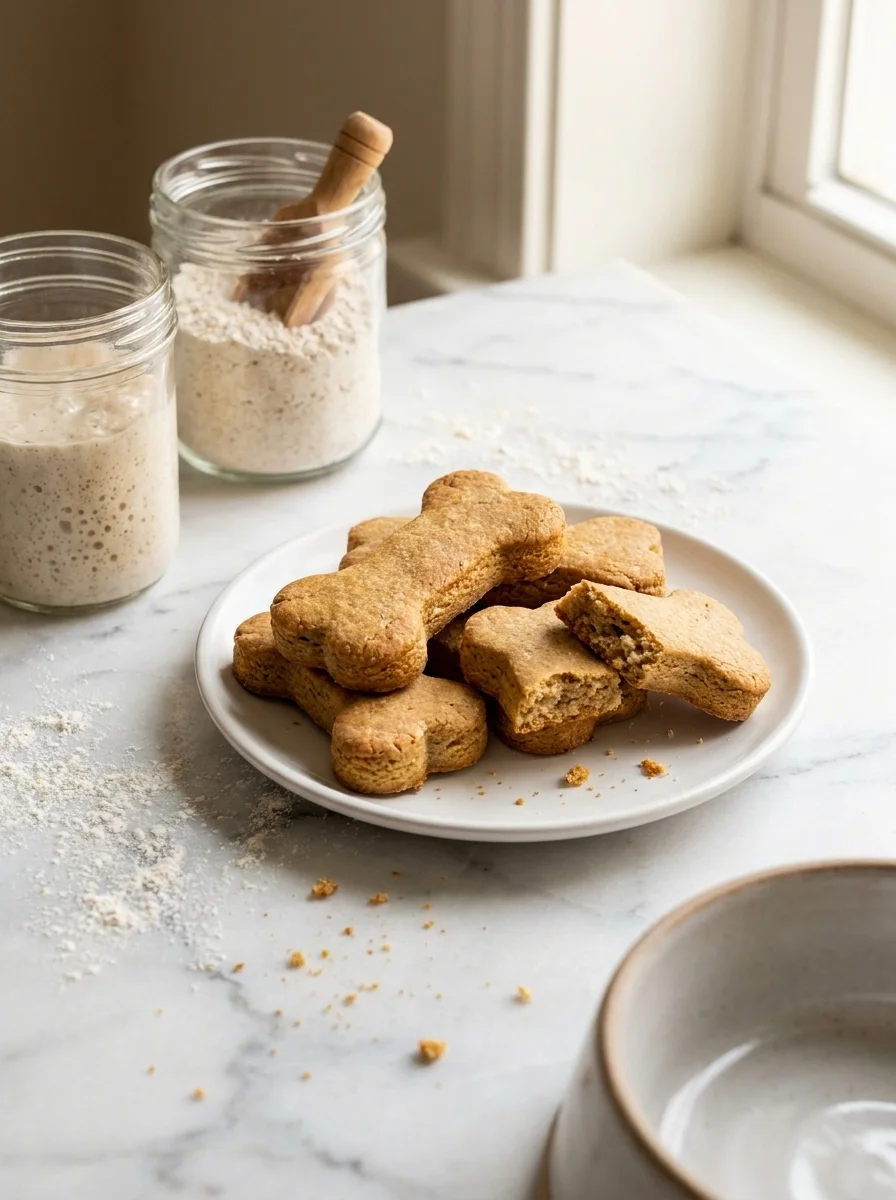
These are the staple of the sourdough dog treat lineup. They bake up thick and sturdy, with a crunchy exterior and a tender, chewy center. The addition of flaxseed provides a mild omega fatty acid boost, which supports your dog’s coat and skin. The texture is perfect for medium to large breeds that prefer a substantial chew.
Ingredients
- 1 cup sourdough starter discard (plain, unfed)
- 1 cup oat flour
- 1 large egg
- 2 tablespoons water
- 1 teaspoon ground flaxseed
Step-by-Step Instructions
- Preheat your oven to 350°F (175°C) and line a baking sheet with parchment paper or a silicone mat.
- In a medium mixing bowl, combine the sourdough discard and oat flour. Stir until a shaggy dough forms.
- Crack the egg into the bowl and add the water. Mix thoroughly. The dough will look wet and sticky; this is normal.
- Stir in the ground flaxseed until evenly distributed. Let the dough rest for 5 minutes so the flour hydrates.
- Scoop balls of dough, roughly the size of a golf ball, and place them on the prepared baking sheet. Flatten them slightly with a wet spoon.
- Bake for 25 minutes, or until the tops are golden brown and the biscuits are hard to the touch. Let them cool completely on a wire rack before serving.
Allow these biscuits to cool completely. They will soften as they cool, but they will harden up after ten minutes. If you want to add a bit of variety to your dog’s treat cabinet, try pairing these with our homemade cheese dog treats, which offer a different protein profile and a softer texture. Store the cooled biscuits in a jar by the door for training rewards, since their sturdy shape survives pockets and treat pouches without crumbling.
Sourdough Variations
The beauty of sourdough discard is its versatility. The base dough can be stretched thin or rolled into twists with minimal effort. The following two variations change the shape and the baking time to create different textures. One is a chewy, salty-free twist, and the other is a delicate, crisp square. Both use the same core ingredients but adjust the liquid and fat to change the outcome. The same base dough gives you three different chews, so one jar of discard can fill the whole treat week.
Variation 1: Sourdough Pretzel Bites
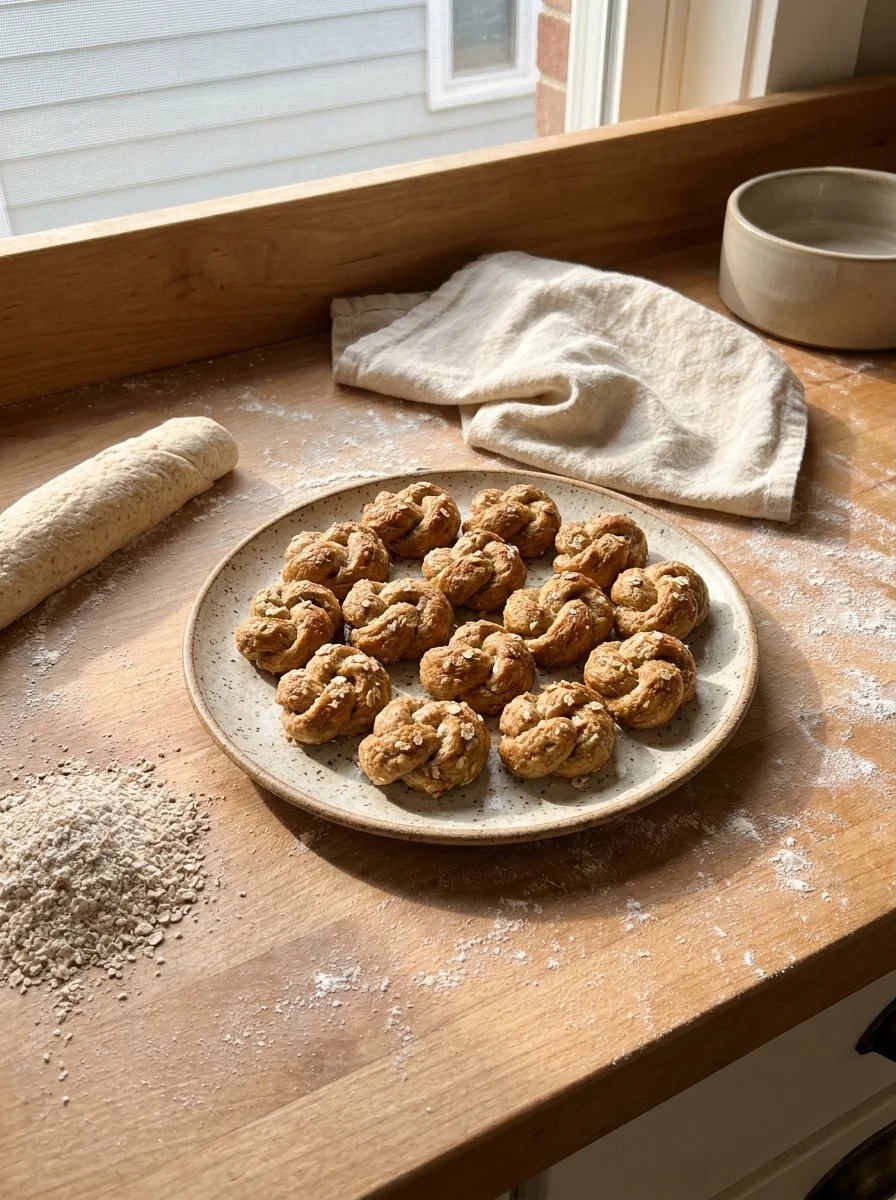
Pretzel bites are a fan favorite for training. They are small enough to be used as high-value rewards during agility or obedience work. Because the dough is rolled out and cut small, they bake faster than the thick biscuits. They have a slightly denser chew that mimics the texture of a dried ear of corn.
Ingredients
- 1 cup sourdough starter discard (plain, unfed)
- 1 cup oat flour
- 1 large egg
- 1 tablespoon water
Step-by-Step Instructions
- Preheat your oven to 325°F (160°C) and grease a baking sheet with a thin layer of olive oil.
- Mix the sourdough discard, oat flour, and egg in a bowl. Add the tablespoon of water.
- Turn the dough onto a lightly floured surface. It should be pliable but not sticky.
- Roll the dough into a log about one inch thick. Use a knife to slice it into 1-inch segments.
- Twist each segment slightly if desired, then place them on the baking sheet.
- Bake for 20 minutes, or until the edges are dry and crisp. Cool completely before breaking into smaller pieces if needed.
These bites are tough enough to last, so they are great for dogs that chew slowly. If you are looking for another chewy, nutritious snack to add to your rotation, check out our recipe for sweet potato dog waffles. Break larger bites in half for small dogs, and keep a pouch of them ready for walks when you need a high-value reward.
Variation 2: Sourdough Cracker Squares
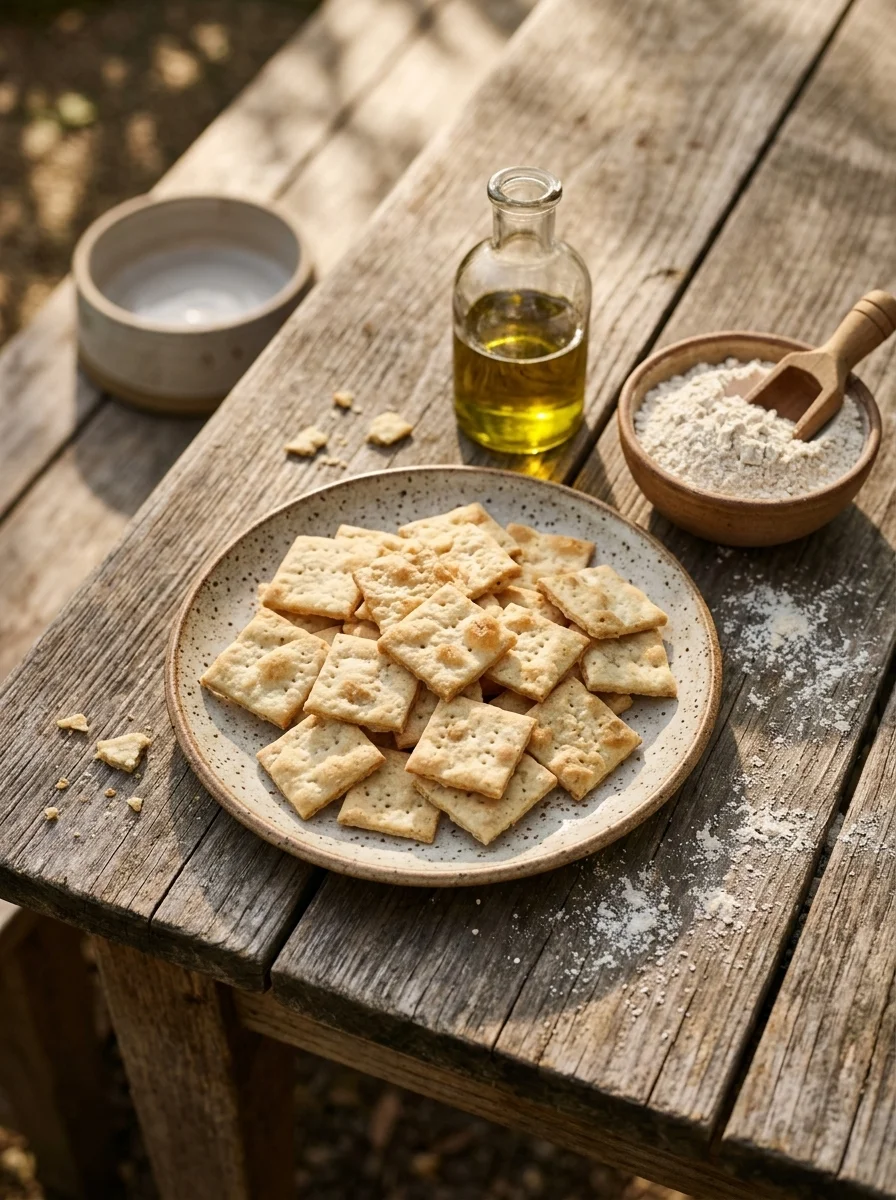
These are the thinnest of the three. The dough is stretched very thin and baked until it is crisp, like a tortilla chip. They dissolve easily in the mouth, making them perfect for older dogs or small breeds with smaller jaws. The addition of a tablespoon of olive oil helps with the stretching process and adds a slight richness.
Ingredients
- 1 cup sourdough starter discard (plain, unfed)
- 1 cup oat flour
- 1 tablespoon olive oil
- 2 tablespoons water
Step-by-Step Instructions
- Preheat your oven to 300°F (150°C) and line two baking sheets with parchment paper.
- Mix the sourdough discard, oat flour, olive oil, and water. Let the dough rest for 10 minutes to relax the gluten.
- Divide the dough in half. On a floured surface, stretch one half into a very thin rectangle, about 1/8 inch thick.
- Use a pizza cutter or sharp knife to score the dough into 1-inch squares.
- Transfer the scored squares to the baking sheet, leaving them attached at the corners for ease of handling.
- Bake for 20 minutes, or until they are pale gold and fully crisp. Let them cool, then break into individual squares.
These crackers are very lightweight and can be scattered on the floor for cleanup games. For a fresh, crunchy alternative, you might also like our carrot and apple waffles for dogs, which offer a different nutrient density. Scatter a few squares on the floor for cleanup games, since their light crisp texture makes them easy to find and fun to chase.
Troubleshooting
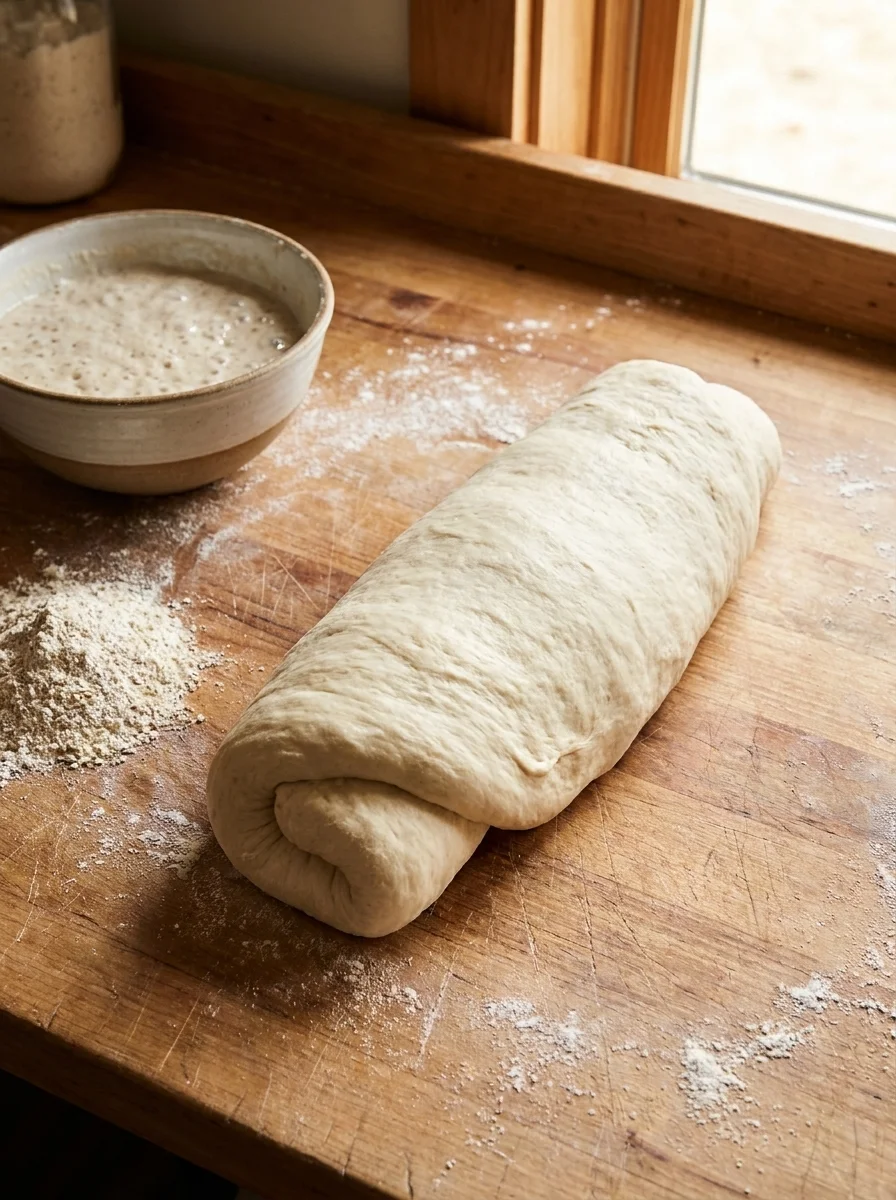
If your treats are turning out too dense or cakey, your oven temperature might be too high. Sourdough discard contains moisture, and high heat sets the outside before the inside can dry. Drop your temperature by 25 degrees and add five minutes to the cooking time. If your treats are sticking to the parchment, ensure you are using high-quality parchment or a silicone mat. Oat flour can be sticky when wet. A silicone mat solves most sticking problems and makes cleanup far easier than scrubbing a tray.
Sometimes the starter is too sour, making the treat taste unpleasant to your dog. This happens if the discard is very old. Try mixing the discard with a bit more oat flour to balance the acidity. If the dough is too wet to shape, add one tablespoon of oat flour at a time. If the dough is too dry, add a teaspoon of water. The consistency should be like soft-dough playdough, not batter. Bake one test piece first when you try a new tray, and adjust the time by a few minutes before committing the whole batch.
If you find that your dog is not interested, the flavor profile might be too subtle. While we never add salt or sugar, you can try mixing in a small amount of pure, unsweetened pumpkin puree to the dough. For more ideas on adding flavor without additives, see our guide for 2-ingredient pumpkin dog treats.
Storage and Freezing
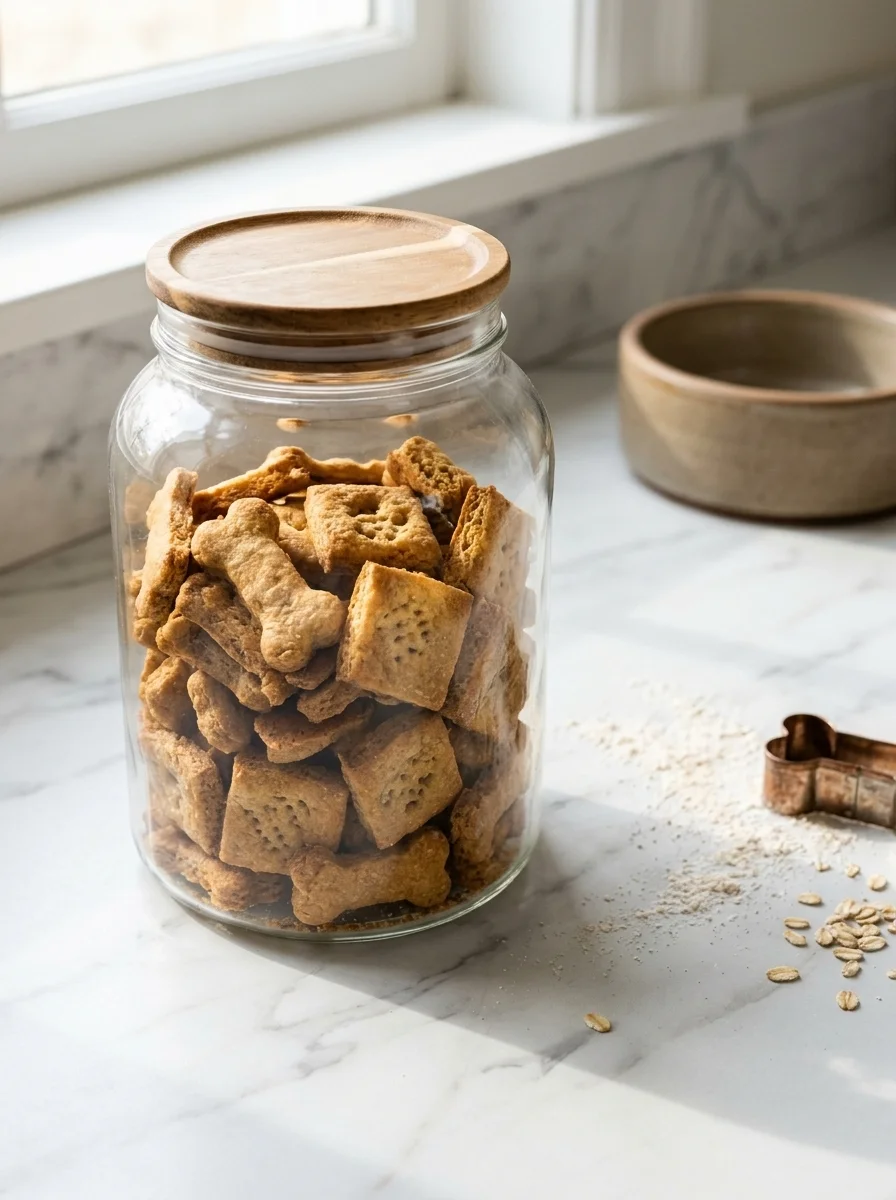
Sourdough dog treats are best served fresh, but they store well if kept in an airtight container. In a cool, dark pantry, they will stay crisp for up to two weeks. The low sugar content means they are less prone to mold than human baked goods, but always check for any discoloration before serving.
Freezing is the best way to keep these treats for long-term storage. Shape the dough into biscuits, bites, or squares, place them on a parchment-lined tray, and freeze until solid. Transfer them to a freezer bag. You can bake them straight from the freezer, adding five to ten minutes to the baking time. Frozen treats will keep for up to six months without losing quality.
Never hand your dog a piece of thawed raw dough — frozen dough is for baking only, and every treat must be fully baked before serving. Label each bag with the recipe and the date so the oldest batch gets baked first.
Frequently Asked Questions
Final Thoughts
There is a quiet joy in turning waste into a reward. By using sourdough discard, you are closing the loop on your baking routine and giving your dog a treat that is genuinely good for them. The oat flour base is gentle on the stomach, and the fermentation process adds a layer of complexity that your dog will notice.
You do not need to be a master baker to make these. The recipes are forgiving, and the ingredients are likely already in your kitchen. Start with the classic biscuits to get a feel for the dough texture, then move on to the pretzels or crackers based on your dog’s chewing style.
Keep the portions small. These are treats, not meals. A few bites a day is plenty to keep your dog happy and engaged. As you continue your journey into homemade pet care, remember that consistency is key. Your dog will learn to look forward to the smell of the oven and the taste of something fresh. Happy baking. Start with the classic biscuits to learn the dough, then rotate through pretzels and crackers so your dog always has a new shape to look forward to.

Izzy is an experienced ranch worker who has a passion for exploring nature and getting up close to wildlife. With her connections to various animal organizations, Izzy is well-versed in animal care and rehabilitation.