DIY Snuffle Ball For Dogs: Step-by-Step Guide With Sizing Tips
If your dog’s toy box is full of things they’ve already lost interest in, a DIY Snuffle Ball For Dogs might be exactly what you need. It’s cheap, it’s simple, and most dogs go from curious to obsessed within minutes of trying one.
A snuffle ball is a soft fleece toy that hides small treats inside its folds. Instead of eating from a bowl, your dog has to sniff, nudge, and paw their way to the reward. That small challenge does a lot for a dog’s mind — more than most store-bought toys ever will.
In this guide, you’ll learn exactly what a snuffle ball is, how to make one safely, which size fits your dog, and how to avoid the most common mistakes people make the first time. No sewing machine, no fancy tools — just fleece and a little patience.
1. What Is a Snuffle Ball and Why Dogs Love It
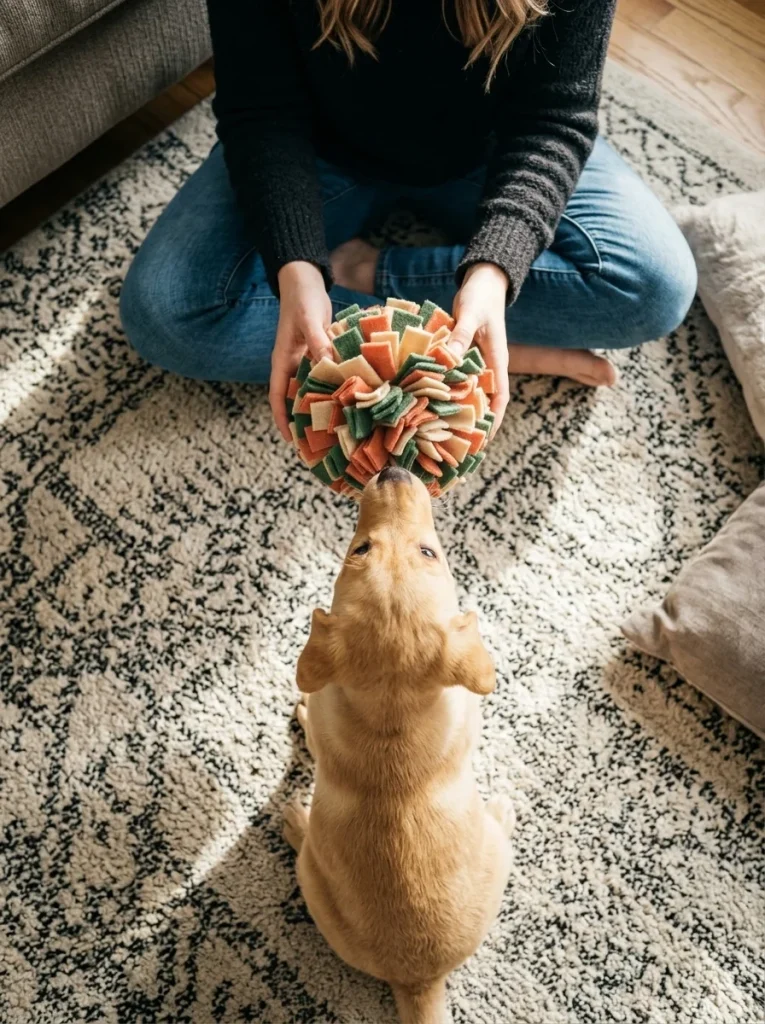
A snuffle ball is a round toy made from strips or pieces of fleece, tied or fastened together around a base. Treats get tucked into the folds, and your dog has to search for them using their nose.
This isn’t just a cute trick. Dogs experience the world mostly through smell. Their noses are built to track scent, and using that sense actively — instead of just walking past smells on a leash walk — gives them a job to do.
That “job” matters more than most owners realize. A bored dog often turns to chewing, barking, or pacing simply because they have no outlet for their energy. Giving them a sniffing task instead channels that energy into something productive and calming.
Here’s what makes a DIY snuffle ball worth the 20–30 minutes it takes to make:
- It slows down fast eaters by making them work for food.
- It keeps dogs mentally busy on rainy days or during recovery from injury.
- It’s reusable, washable, and costs far less than most puzzle toys.
- It works for puppies, adult dogs, and seniors alike.
If you’re curious about how far dog toys have come — from bones and balls to today’s puzzle feeders — this quick look at dog toy history is worth a read.
2. Is a Snuffle Ball Safe for Your Dog?
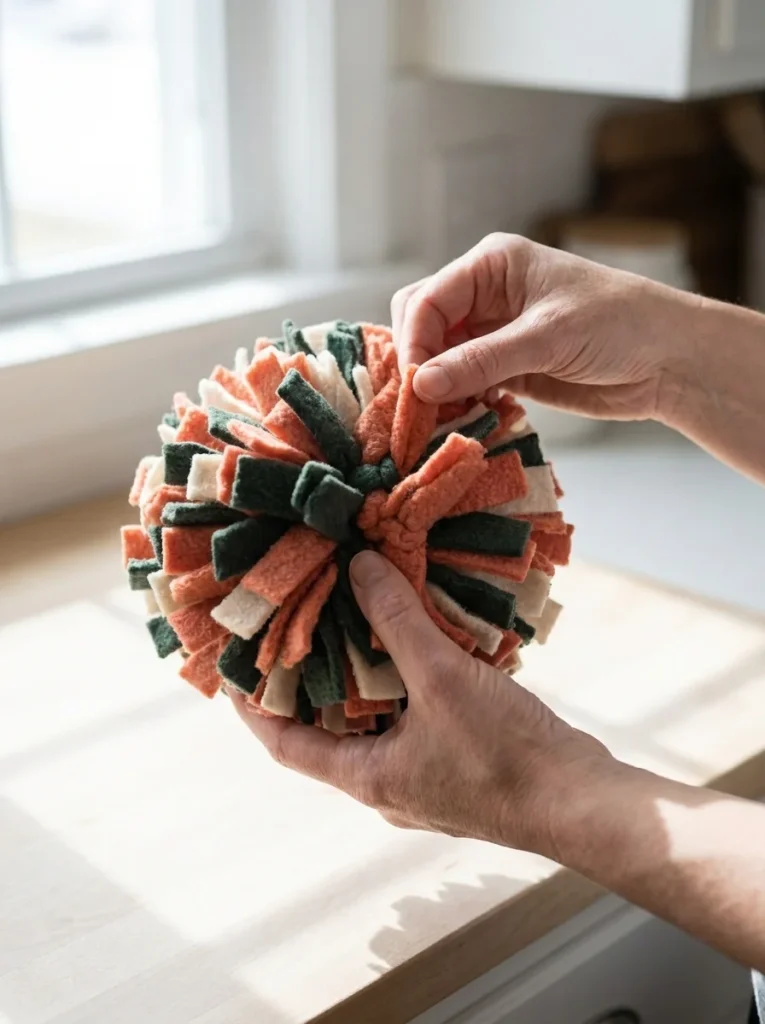
Before you start cutting fleece, it helps to know what makes a snuffle ball safe versus risky. Most snuffle ball injuries come from two things: swallowed fabric and unsupervised chewing.
Choose the right fabric. Anti-pill fleece is the safest option. It doesn’t fray easily, so your dog won’t be tempted to pull loose threads. Avoid fabrics that shred into small pieces, since those can be swallowed.
Skip anything with hard parts. Some tutorials use plastic rings, buttons, or hard bases. These can crack or come loose over time. A soft, all-fleece design avoids that risk completely.
Watch your dog’s chewing style. Dogs who tend to rip and swallow fabric — sometimes called “fabric eaters” — need closer supervision with any soft toy, including this one. If your dog already struggles with compulsive licking or chewing behaviors, it may help to read up on excessive licking in dogs before introducing a new textured toy.
Never leave it out unsupervised. A snuffle ball is meant for play sessions, not for tossing in the toy basket overnight. Treat it like a puzzle feeder: out during active play, put away afterward.
The good news is that when made correctly and used with supervision, snuffle balls are one of the safer enrichment toys you can give a dog — safer, in fact, than many hard plastic toys that can crack into sharp pieces.
3. Snuffle Ball Materials and Cost Breakdown
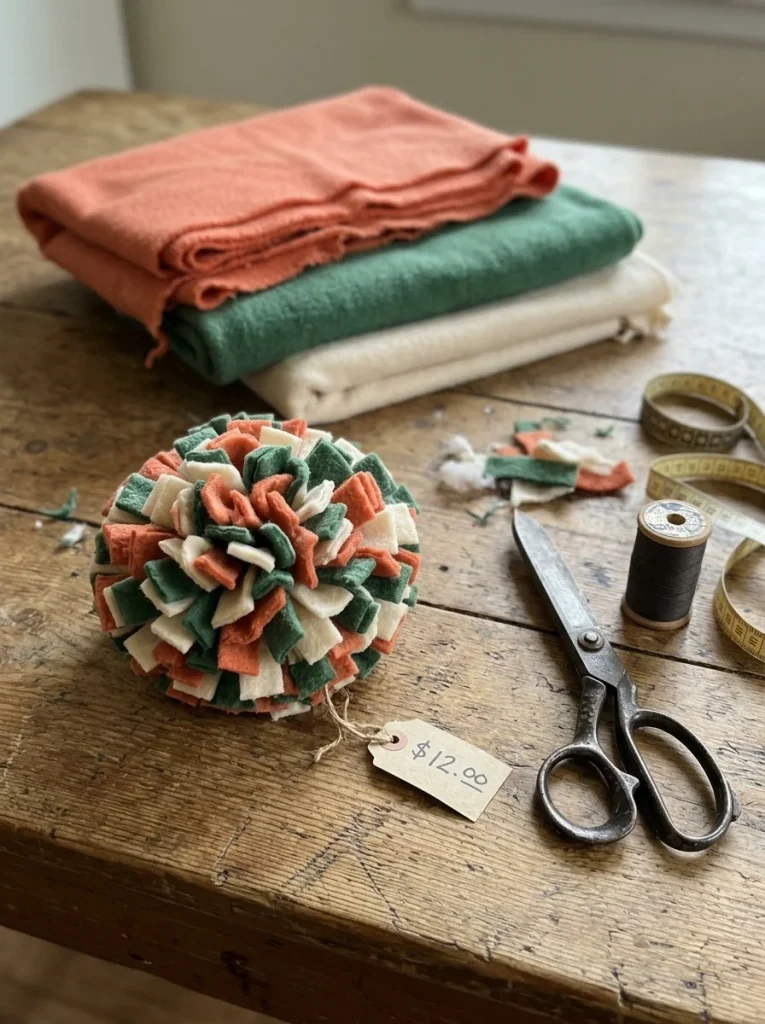
One of the best things about a DIY snuffle ball is how little it costs compared to buying one. Most store-bought snuffle balls run between $15 and $30. You can make one at home for a fraction of that price, often using fabric you already have.
What you’ll need:
- Fleece fabric (about 1 to 1.5 yards for a large ball)
- Sharp fabric scissors or a rotary cutter with a cutting mat
- A ruler or measuring tape
- Zip ties (8 inches or longer) or a sturdy rubber ball with holes, depending on your chosen method
- Optional: sandpaper to smooth any rough edges
Here’s how the cost and effort compare:
| Item | DIY Snuffle Ball | Store-Bought Snuffle Ball |
|---|---|---|
| Cost | $5–$12 in materials | $15–$30 |
| Time | 20–40 minutes | None (ready to use) |
| Customization | Any size, any color | Limited to what’s sold |
| Washability | Fully machine washable | Varies by brand |
| Durability | High with proper fabric | Varies |
If you already have fleece scraps or an old blanket lying around, your cost could drop close to zero. This makes it an easy project to try even if you’re not sure your dog will love it yet.
4. Step-by-Step: How to Make Your DIY Snuffle Ball
This method uses fleece strips tied through a base — no sewing required. It’s beginner-friendly and takes most people under 30 minutes once the fleece is cut.
4.1 Prep and Cut Your Fleece
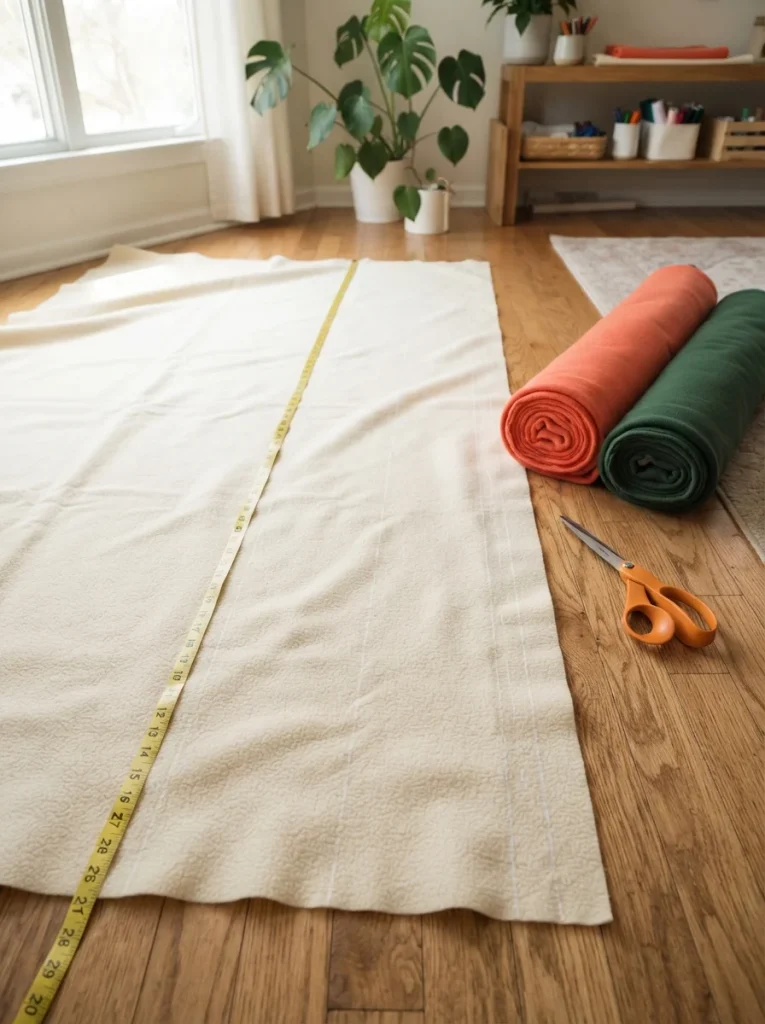
Start by washing and drying your fleece fabric. This removes any manufacturing residue and pre-shrinks the material so it doesn’t warp later after washing.
Once it’s dry, cut the fleece into strips. Aim for strips about 1 inch wide and 10 to 12 inches long. You don’t need to be exact — slightly uneven strips actually add texture to the finished toy.
For a medium-sized ball, plan on cutting 40 to 60 strips. For a larger ball, you may need closer to 70 or 80. It helps to cut a big batch at once so you’re not stopping and starting mid-project.
4.2 Assemble and Tighten
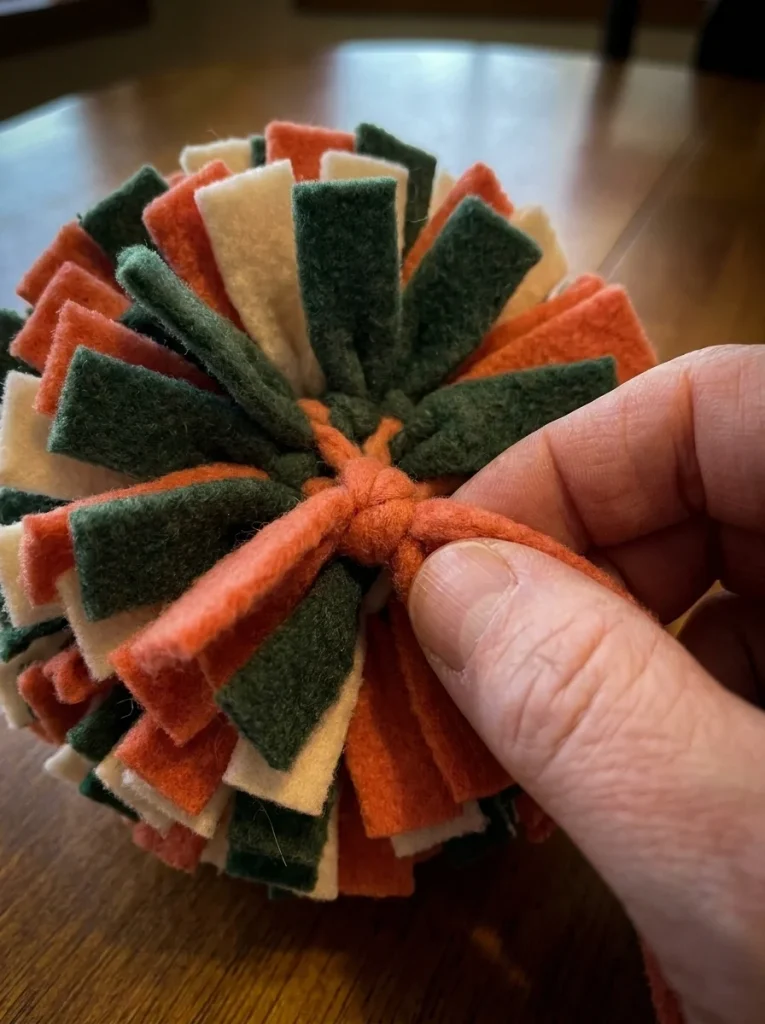
Take your base — this can be a rubber ball with holes, a circular fabric ring, or a bundle of strips gathered at the center, depending on the style you prefer. Thread one fleece strip through two nearby holes or folds, then tie a single secure knot. Pull it snug, but not so tight that it’s impossible to loosen later.
Keep repeating this process, working your way around the base. Rotate the direction occasionally so the strips don’t all clump on one side.
The key to a great snuffle ball is density. The tighter and fuller you pack the strips, the more of a challenge it becomes for your dog to dig treats out. Keep adding strips until it’s genuinely difficult to find an empty spot.
4.3 Fluff and Finish
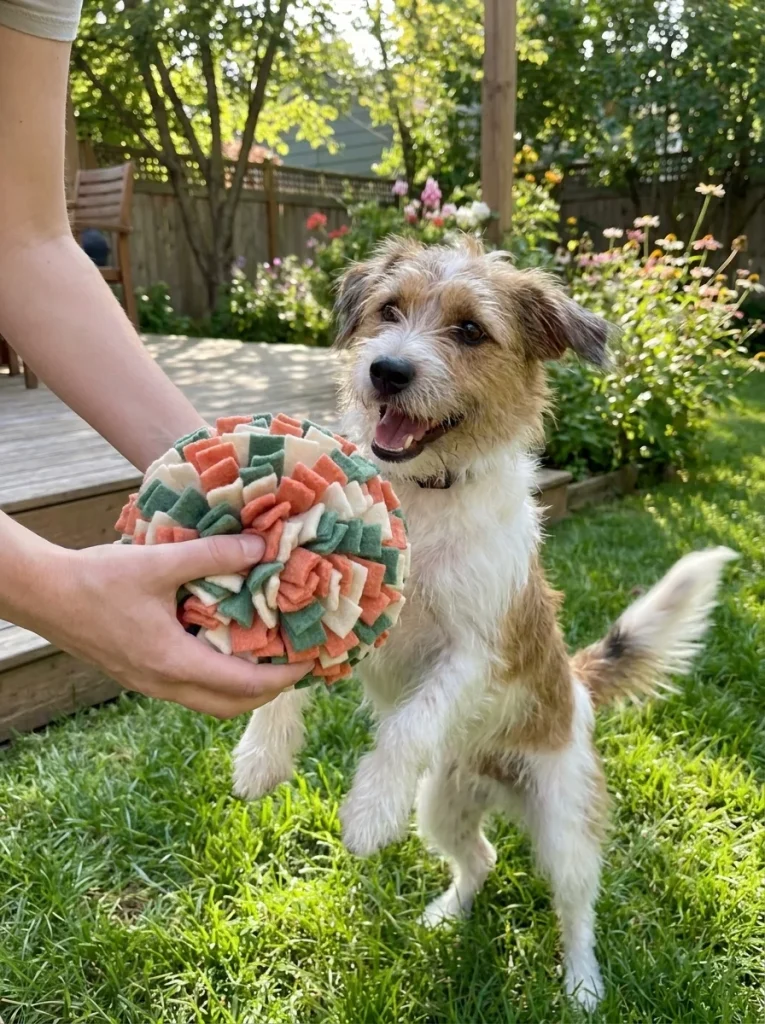
Once you’ve run out of room to add more strips, give the ball a good shake and roll it between your palms. This fluffs up the fleece and hides any knots, giving it that classic shaggy, pom-pom look.
Check the ball for any loose threads or knots that feel like they could slip. Trim any strips that are noticeably longer than the rest so the shape stays even.
Your DIY snuffle ball is now ready for its first round of treats.
5. Choosing the Right Size for Your Dog’s Breed
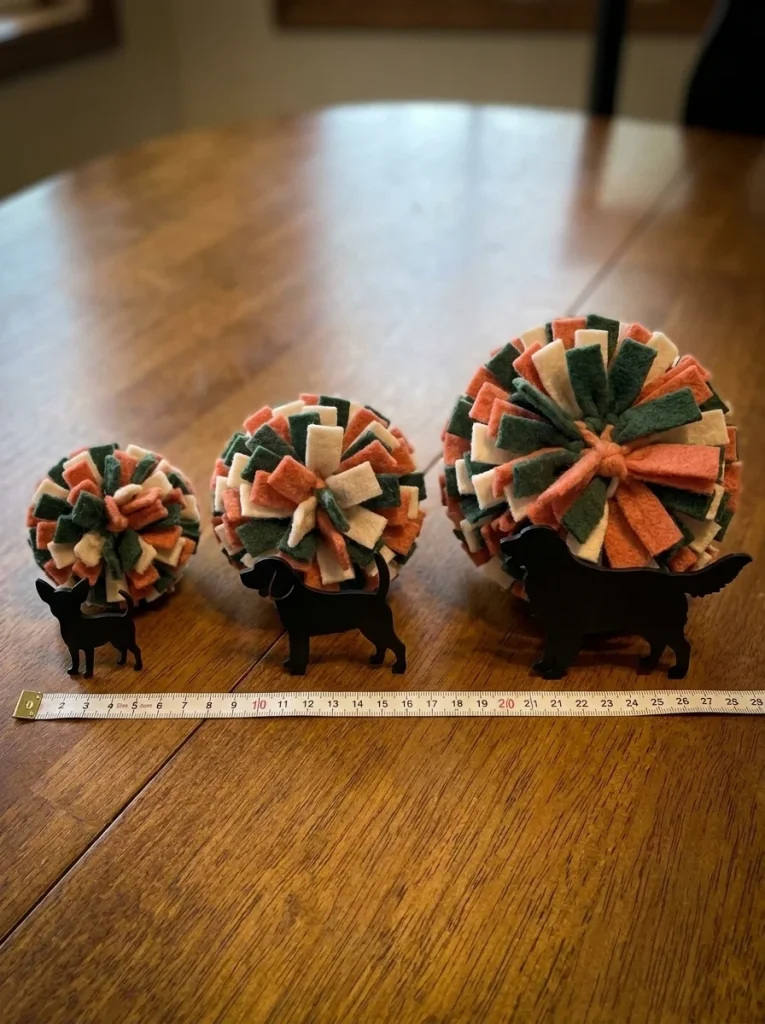
Size matters more than most people expect. A ball that’s too small can be a choking risk for a large dog, while a ball that’s too big might overwhelm a small breed.
Small dogs (under 20 lbs): A ball roughly 4 to 5 inches in diameter works well. Think Chihuahuas, small terriers, or dachshunds — if you’re curious how a small determined dog like a dachshund handles instinct-driven tasks, this piece on dachshunds and their digging instincts is an interesting side read.
Medium dogs (20–50 lbs): Aim for a 6-inch ball. This size gives enough surface area for a satisfying search without being too heavy to carry around.
Large dogs (50+ lbs): An 8-inch or larger ball holds up better to bigger paws and stronger noses. Larger dogs can also handle a denser pack of fleece strips without shredding through them quickly.
If you’re making a snuffle ball for a growing puppy, size down slightly and supervise closely, since puppies are more likely to test a new toy with their teeth before their nose. This ties into good puppy training habits in general — introducing new toys calmly and with structure helps set the tone for how a puppy interacts with everything new.
6. Common Mistakes and How to Fix Them
Even a simple project like this comes with a learning curve. Here are the mistakes people run into most often, and how to avoid them.
The ball falls apart after a wash. This usually happens when knots are tied too loosely or the fleece wasn’t pre-washed before cutting. Fix it by re-tying any loose knots and always washing on a gentle cycle in a mesh laundry bag.
Your dog loses interest fast. If your dog sniffs it once and walks away, the treats might be too easy to find, or not smelly enough. Try tucking treats deeper into the center and using something with a stronger scent, like small pieces of freeze-dried liver.
Your dog tries to chew or rip the fabric instead of sniffing. This is common in the first few sessions. Calmly redirect your dog by placing treats closer to the outer layers so they get quick wins early on. Over time, most dogs shift from “attack mode” to “search mode” once they understand the game.
The ball looks lopsided. This happens when strips are added unevenly. Rotate the ball as you work and check its shape from multiple angles rather than focusing on one section at a time.
Treats keep falling out too quickly. If the ball isn’t dense enough, treats slip right through. Add more strips, packing them tighter, especially around any gaps you notice.
Most of these issues are minor and easy to correct without starting over. A few extra strips or a couple of re-tied knots usually solves the problem.
7. How to Use It and Keep It Clean
Making the snuffle ball is only half the process. How you introduce it matters just as much for keeping your dog engaged.
Start easy. For the first few sessions, tuck a few high-value treats into the outer layers where they’re easy to find. This builds quick confidence and helps your dog understand the game.
Let them watch you hide the treats. This builds anticipation and helps your dog connect the ball with the reward.
Use a consistent cue. Saying something like “find it” every time you hand over the ball helps your dog recognize what’s expected, and it can become part of a broader positive reinforcement training routine.
Supervise every session. Never leave your dog alone with the snuffle ball. If they start tearing at the fabric aggressively instead of sniffing, calmly take it away and offer a different chew toy instead.
Increase the challenge over time. Once your dog gets good at finding treats near the surface, start tucking them deeper into the center. You can also try mixing in some of their regular meal instead of high-value treats — this works especially well if your dog already enjoys variety in their diet, similar to how homemade treat recipes offer more control over what your dog eats.
Washing is simple. Toss the snuffle ball into the washing machine on a gentle, cold-water cycle. Air dry it completely, or use a low heat setting in the dryer. Avoid hot water, which can cause fleece to shrink or lose its shape.
Check it regularly. Before each use, inspect the ball for loose knots, fraying strips, or any parts that look ready to come apart. A quick check takes seconds and prevents your dog from swallowing a loose piece.
Final Thoughts
A DIY snuffle ball for dogs is one of the easiest ways to turn a few dollars of fleece into a toy your dog will actually use, week after week. It taps into their natural instinct to search and forage, slows down mealtime for dogs who eat too fast, and gives anxious or bored dogs something productive to do with their energy.
The best part is that it’s fully customizable. You control the size, the density, and the difficulty level, so you can adjust it as your dog gets better at the game. Start simple, watch how your dog responds, and build from there.
Grab some fleece, set aside half an hour, and give it a try. Your dog’s nose — and their attention span — will thank you.
Izzy is an experienced ranch worker who has a passion for exploring nature and getting up close to wildlife. With her connections to various animal organizations, Izzy is well-versed in animal care and rehabilitation.