12 Small Aggressive Dog Breeds — Aggression Types, Triggers and What to Do
If someone told you that Dachshunds score higher on aggression tests than Pit Bulls, you’d probably laugh. But that’s exactly what a University of Pennsylvania study found — and it’s one of the most important things to understand about small aggressive dog breeds.
Small dogs bite. They snap, lunge, growl, and guard. But because they’re tiny and fluffy, people brush it off as cute or harmless. That mindset is exactly what makes the problem worse.
This guide covers 12 small aggressive dog breeds in full detail — where the aggression comes from, what sets it off, how serious it is, and what kind of owner each breed actually needs. No scare tactics. No fluff. Just honest information that helps you make the right call.
1. Understanding Small Dog Aggression Before We List the Breeds
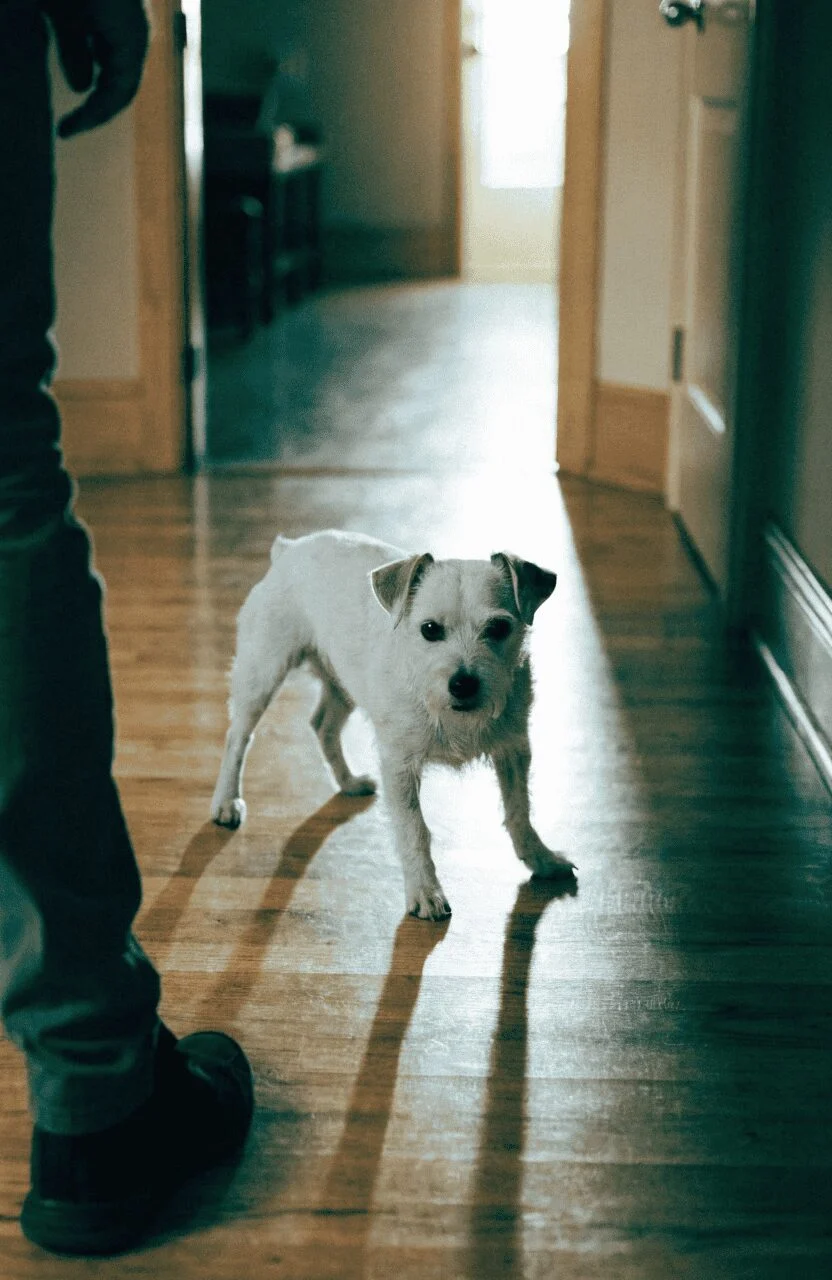
Before we dive into the breeds, it helps to understand what “aggression” actually means. Because not all dog aggression is the same — and treating them the same way is a mistake most owners make.
I. The 4 Types of Aggression in Small Dogs
Fear-based aggression is the most common type in small dogs. The dog feels threatened and bites before something bad can happen to it. This is a survival instinct, not a personality flaw.
Territorial aggression happens when a dog guards its space — the couch, the front door, even a specific person. Many small breeds were bred as watchdogs, so this is literally in their DNA.
Prey-drive aggression shows up as chasing, lunging, or snapping at fast-moving things — squirrels, kids running, ankles, other small animals. Terriers and hunting breeds are especially prone to this.
Resource guarding means the dog protects something it values — food, toys, a favorite human. It can look like growling, snapping, or stiffening up when you get near something it owns.
Understanding which type your dog shows is the first step to managing it. You can learn more about the psychology behind these behaviors in this deep dive on why dogs do what they do.
II. What Is Small Dog Syndrome — And Who’s Really to Blame?
Small dog syndrome isn’t a medical condition. It’s a behavioral pattern caused by inconsistent rules and over-coddling.
When a small dog growls at a guest and the owner laughs or picks the dog up instead of correcting the behavior, the dog learns one thing: aggression works. Do it again, get what you want.
The same behavior in a 90-pound German Shepherd would be corrected immediately. But in a 6-pound Chihuahua? People think it’s adorable.
The dog isn’t the problem. The training is.
2. The 12 Small Aggressive Dog Breeds — Full Breakdown
Each breed below covers the same five points: origin and purpose, aggression type, key triggers, aggression level, and ideal owner. That way you get an honest, apples-to-apples picture.
I. Chihuahua
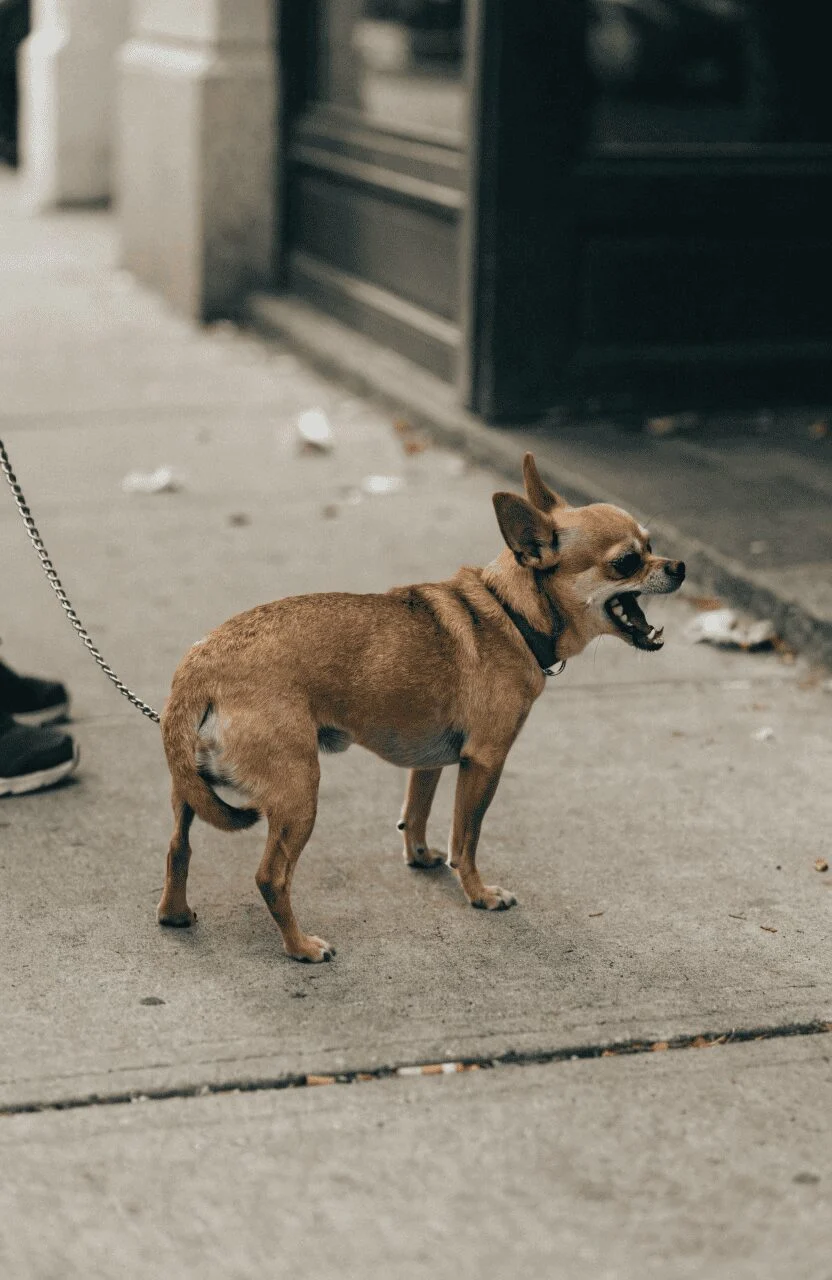
Origin: Mexico, bred as a companion dog with a deeply loyal bond to one person.
Aggression type: Fear-based, territorial.
Key triggers: Strangers entering their space, being picked up without warning, loud environments, children who move unpredictably.
Aggression level: High — but rarely dangerous due to size.
Ideal owner: Patient adults or seniors who respect the dog’s boundaries and commit to consistent socialization from puppyhood.
Chihuahuas are wired like tiny alarm systems. They pick a person, bond hard, and treat everyone else as a potential threat. The mistake most owners make is finding this “cute” and never teaching the dog that strangers are safe.
II. Dachshund
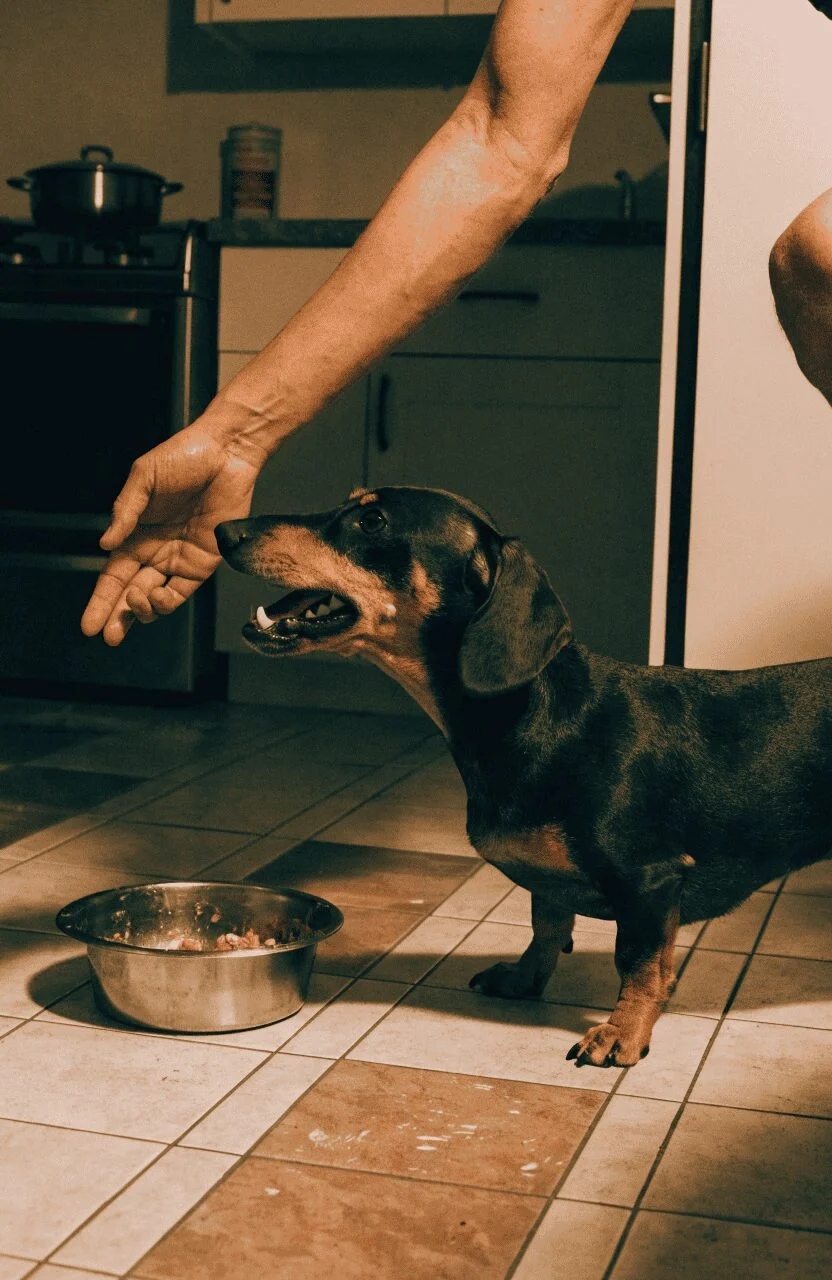
Origin: Germany, bred to track and kill badgers in underground tunnels.
Aggression type: Territorial, resource guarding, fear-based.
Key triggers: Strangers near their food or toys, being handled by people they don’t know, rough play with children.
Aggression level: High — and surprisingly well-documented in research.
Ideal owner: Experienced dog owners who set firm rules early and understand that stubbornness is part of the package.
The Dachshund’s aggression makes complete sense when you understand its history. It had to fight badgers — animals known for being fierce and relentless — inside tight tunnels with no way out. That fearlessness didn’t disappear when they became pets. Learn more about this wild history in our breakdown of the Dachshund vs badger matchup.
III. Jack Russell Terrier
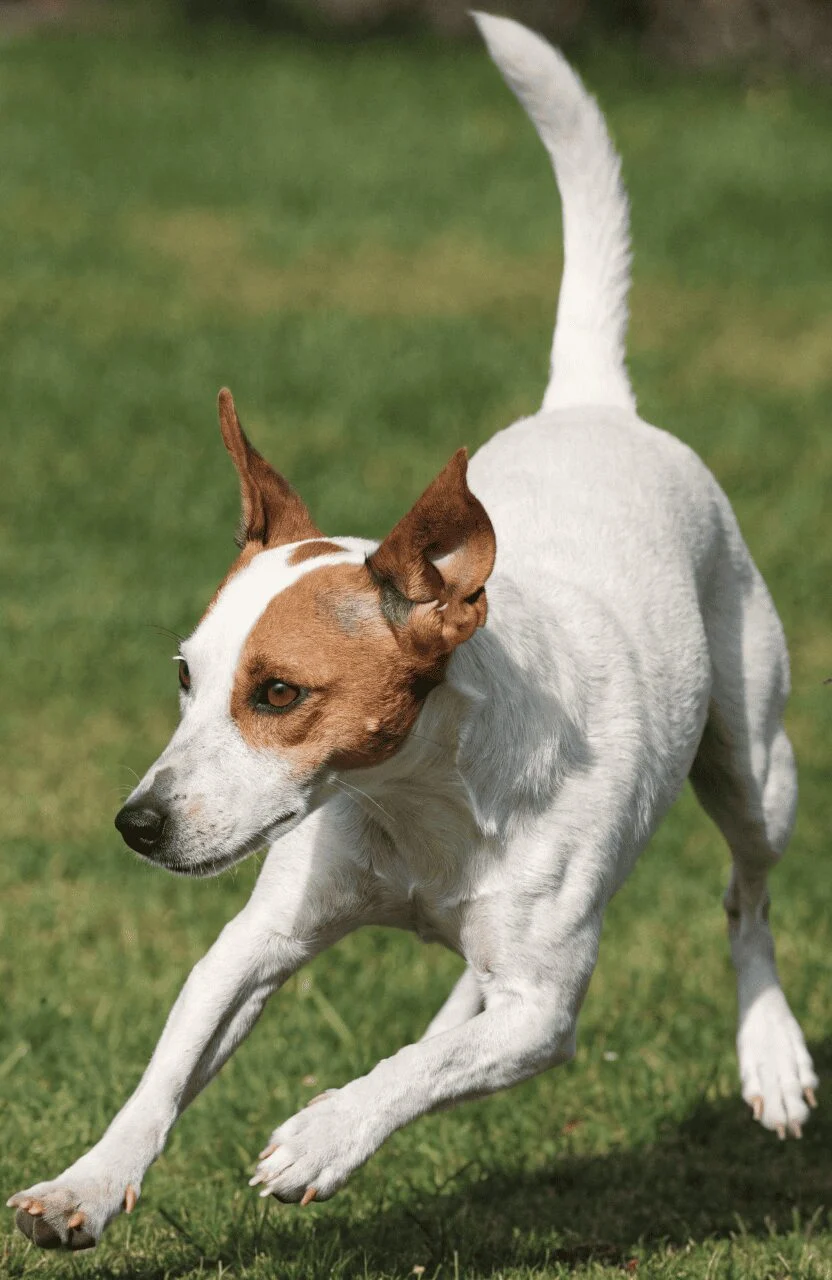
Origin: England, bred to flush foxes out of dens and hunt vermin.
Aggression type: Prey-drive, redirected aggression from boredom.
Key triggers: Lack of exercise, fast-moving animals or children, being confined without enough stimulation.
Aggression level: Medium to high — especially toward other small animals.
Ideal owner: Active individuals or families with older kids who can commit to 1–2 hours of exercise and mental stimulation daily.
A bored Jack Russell is a dangerous Jack Russell. They were bred to be relentless workers, and when that drive has nowhere to go, it turns into frustration. That frustration comes out sideways — usually as snapping, lunging, or nonstop destructive behavior.
IV. Miniature Pinscher

Origin: Germany, bred as a stable dog and ratter — not a miniature Doberman, despite the look.
Aggression type: Dominance, territorial, stranger-reactive.
Key triggers: New people in the home, other dogs entering their territory, owners who are inconsistent with rules.
Aggression level: Medium to high.
Ideal owner: Confident, experienced owners who can be calm and firm without being harsh. Not recommended for first-time dog owners.
The Min Pin is nicknamed the “King of Toys” for good reason. It genuinely believes it runs the house — and without consistent leadership, it will. These dogs will challenge bigger dogs without hesitation, which tells you everything about their self-image. They belong on the list of truly fearless dog breeds.
V. Yorkshire Terrier
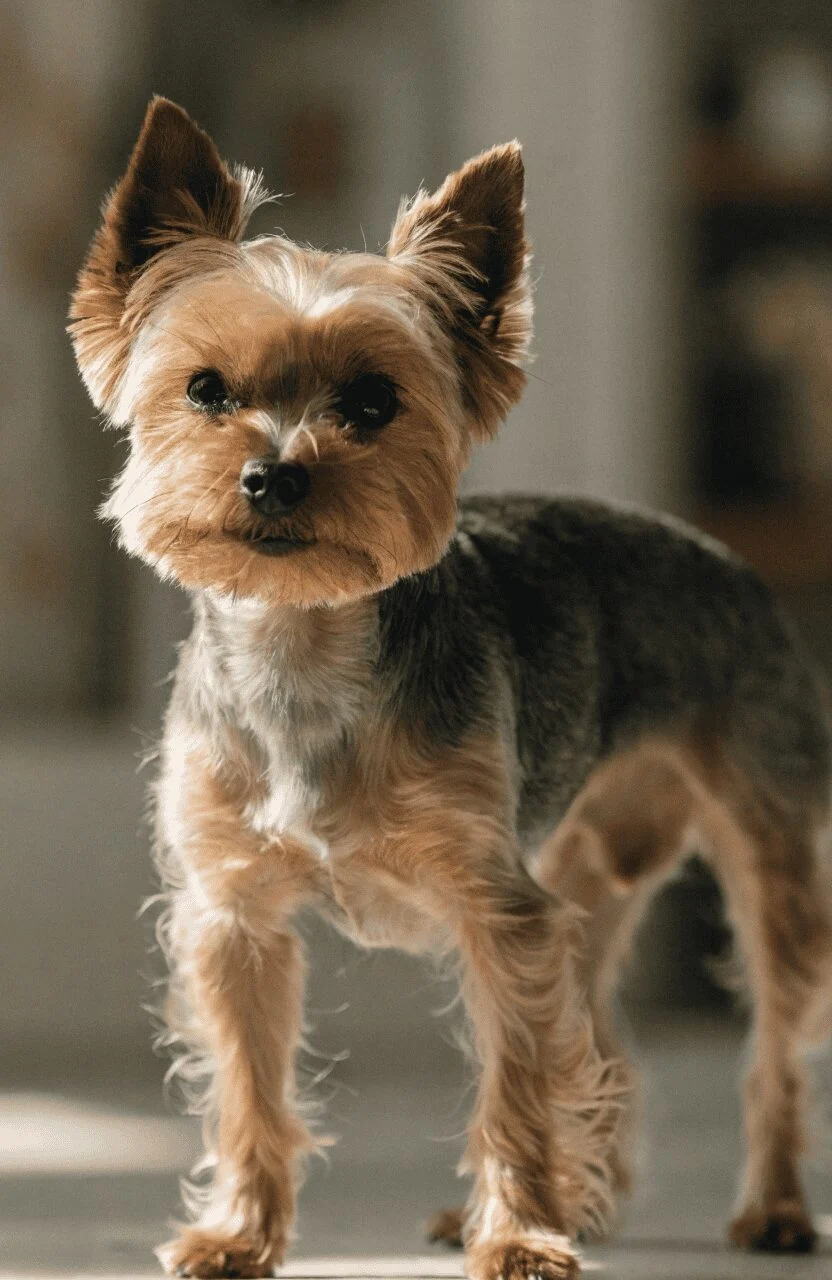
Origin: England, bred to catch rats in textile mills.
Aggression type: Bold instinct-based, territorial, small dog syndrome.
Key triggers: Feeling ignored, strangers at the door, being handled by children, other dogs in their space.
Aggression level: Medium.
Ideal owner: Adults or families with older children who will train consistently and avoid treating the dog like a fashion accessory.
Yorkies are deceiving. They look like pampered lapdogs — and many are treated that way — but their background is working class all the way. That mill-rat-hunting grit is still in there, and it will surface if the dog doesn’t get proper structure.
VI. Pomeranian
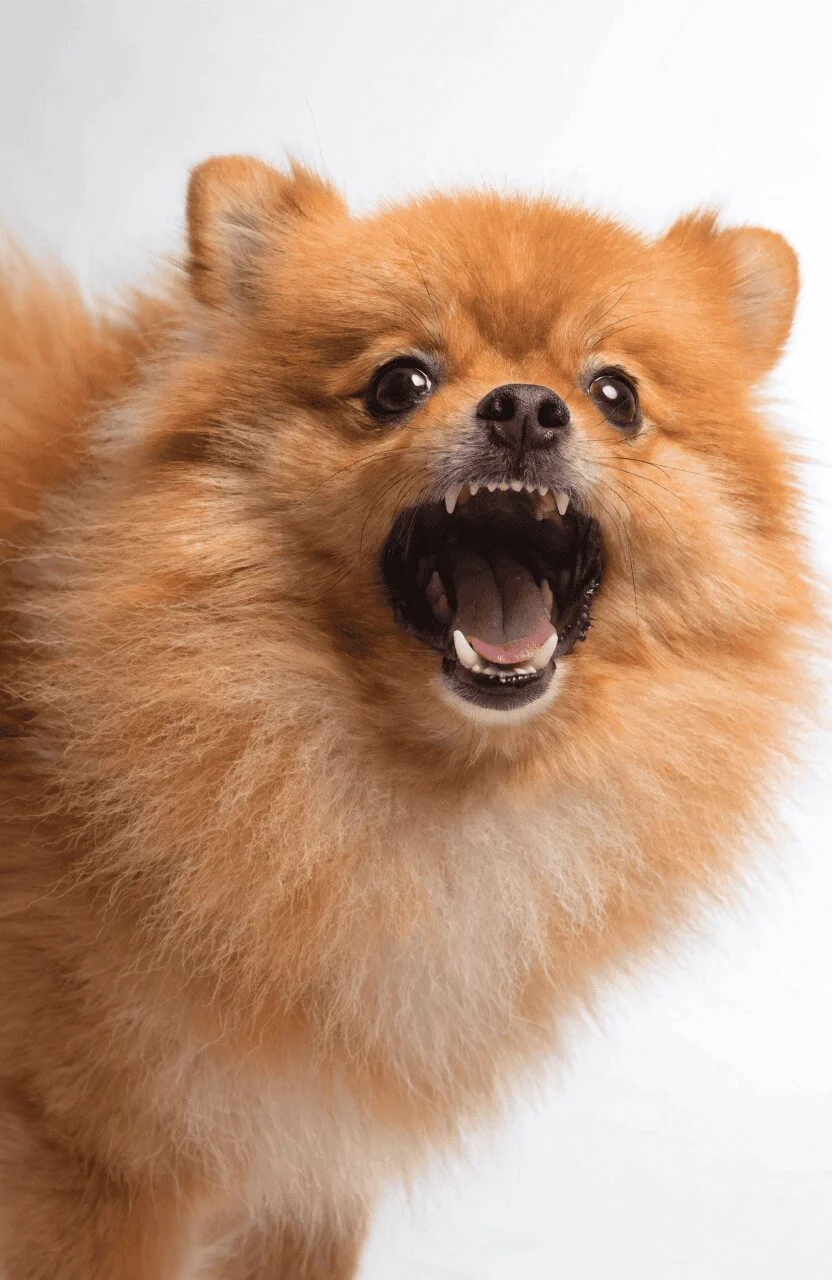
Origin: Descended from large Arctic sled dogs (Spitz family). Bred down in size but not in spirit.
Aggression type: Alarm aggression, fear-based, defensive.
Key triggers: Being grabbed suddenly, strangers crowding them, over-stimulation, lack of personal space.
Aggression level: Low to medium.
Ideal owner: Adults or calm households where the dog’s boundaries are respected and it isn’t constantly handled.
Pomeranians look like toys and get treated like them — which is the root of most of their aggression issues. They’re sharp, alert watchdogs by nature. When their subtle warning signals (stiffening, looking away, low growl) are ignored, they escalate to a snap because that’s the only language that makes people stop.
VII. Lhasa Apso
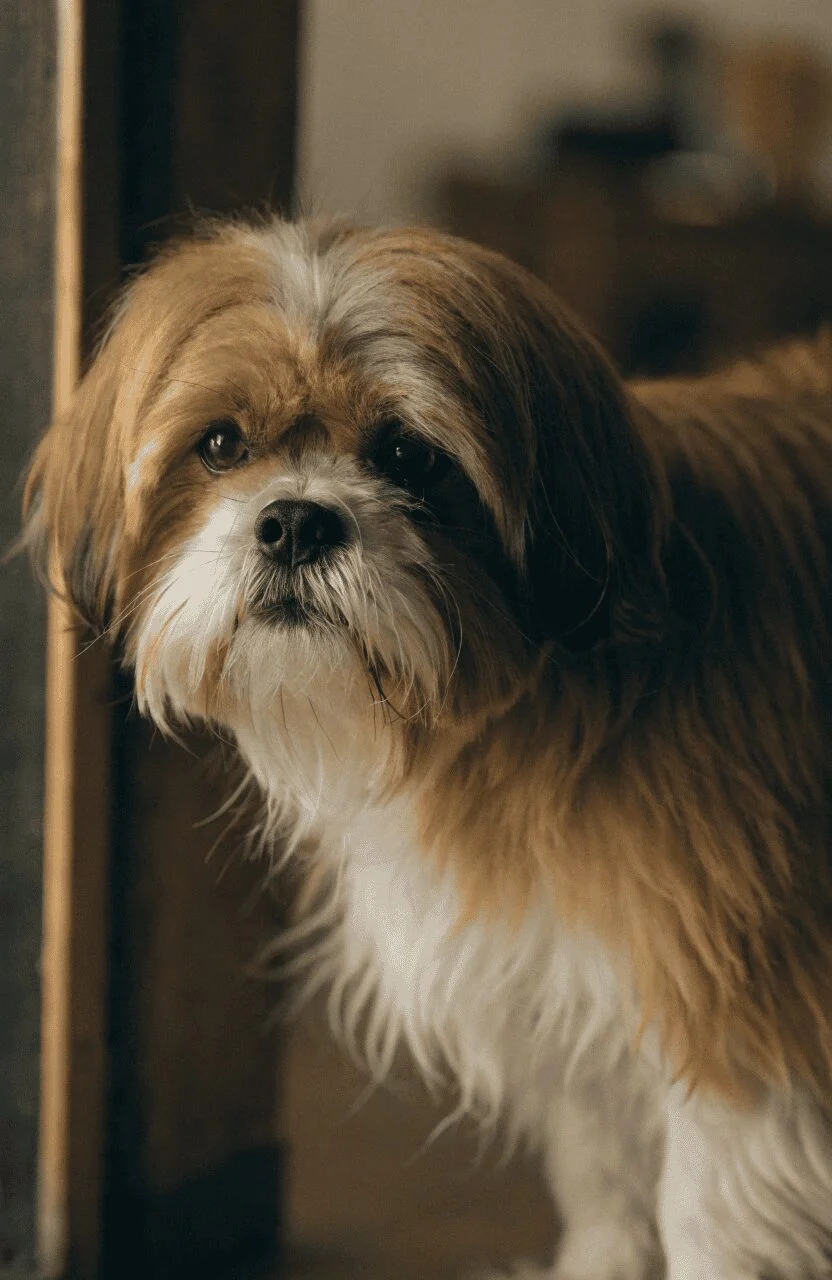
Origin: Tibet, bred for centuries as a sentinel dog inside Buddhist monasteries.
Aggression type: Territorial, guardian instinct.
Key triggers: Strangers entering the home, being startled, rough handling.
Aggression level: Medium.
Ideal owner: Patient owners who commit to early socialization and understand that this dog will always be somewhat reserved with strangers — that’s not a flaw, it’s the breed.
The Lhasa Apso was literally bred to alert monks to danger. Its whole job was to distrust outsiders. When you bring that dog home and expect it to love every guest who walks through the door with zero training, you’re going to have problems.
VIII. Shih Tzu

Origin: Tibet and China, bred as a palace companion dog.
Aggression type: Handling sensitivity, resource guarding, snap-response.
Key triggers: Being picked up incorrectly, rough play, children pulling ears or tail, violations of personal space.
Aggression level: Low to medium.
Ideal owner: Adults or families with respectful older children. Not recommended for homes with toddlers.
Shih Tzus are generally easygoing — until they’re not. They have a low tolerance for being handled the wrong way, and their warning signs are subtle. By the time most people notice something is wrong, the dog has already moved to snapping. They don’t give many chances.
IX. Pekingese
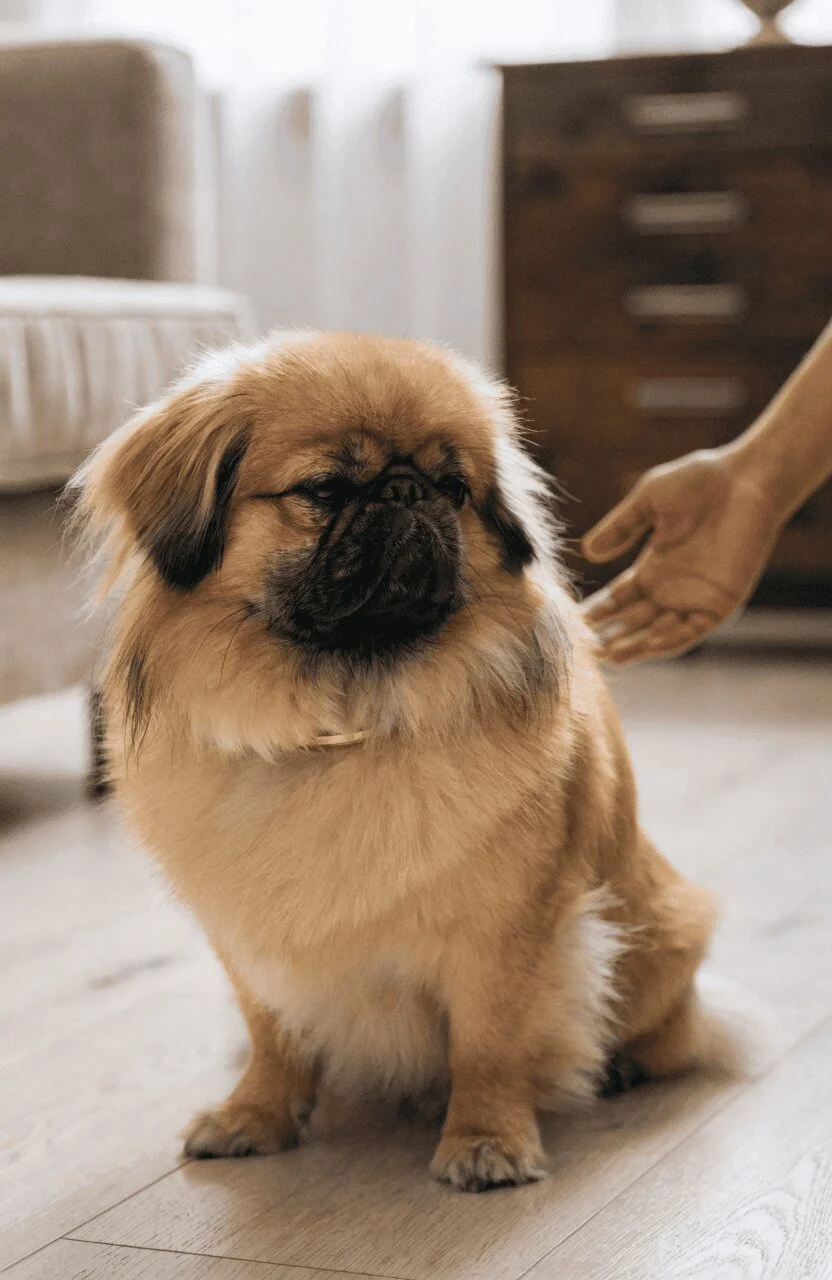
Origin: Imperial China, bred exclusively for Chinese royalty for over 2,000 years.
Aggression type: Independence-based, stubbornness, defensive snapping.
Key triggers: Forced cuddles, rough handling, strangers invading their space, being disturbed while resting.
Aggression level: Low to medium.
Ideal owner: Adults who appreciate a dog that has opinions and will not respond well to being dominated or over-handled.
The Pekingese has more self-respect than most humans. It was treated like royalty for millennia, and it hasn’t forgotten. This breed will tell you clearly when it’s done with an interaction — and if you push past that, you will get corrected.
X. Miniature Schnauzer
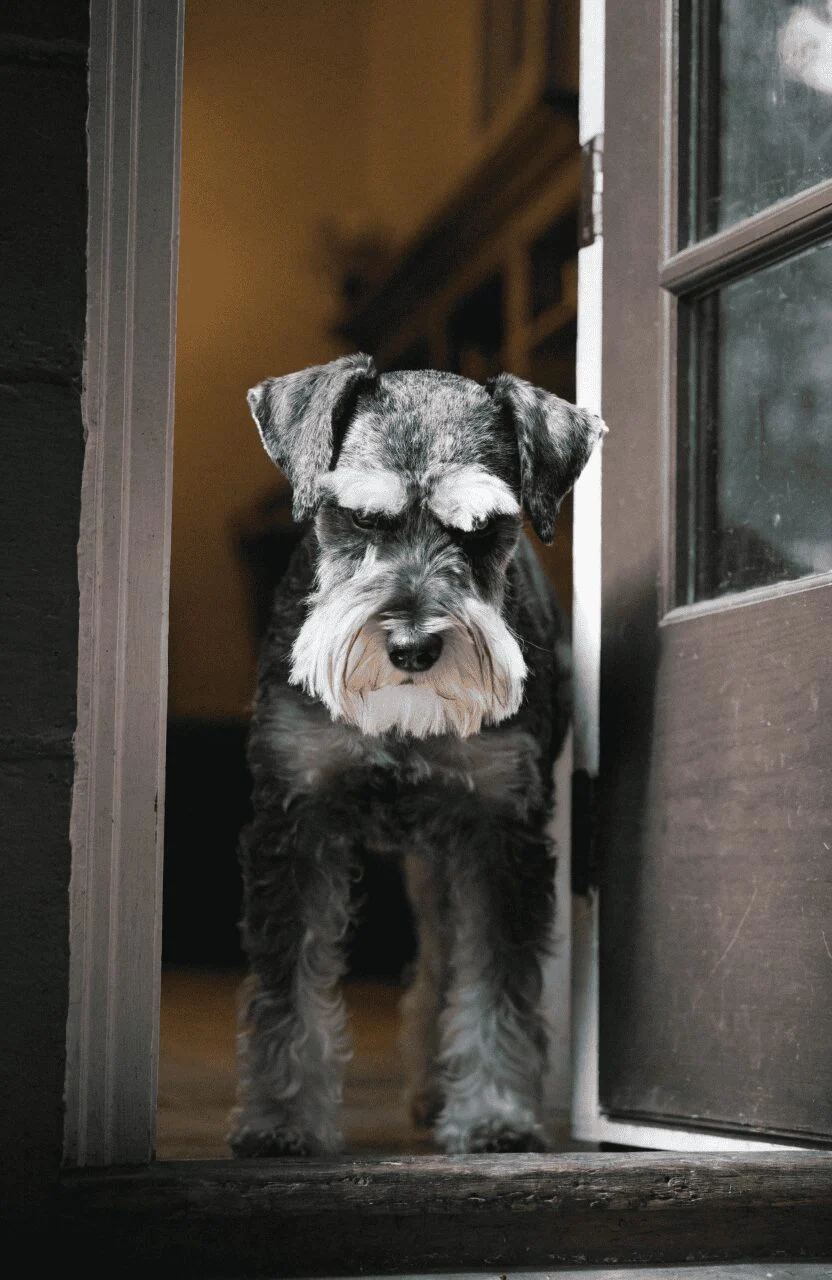
Origin: Germany, bred as a farm dog, ratter, and guard dog.
Aggression type: Protective guarding, territorial, stranger-reactive barking.
Key triggers: Strangers at the door, other dogs, being left alone excessively.
Aggression level: Medium.
Ideal owner: Active families or individuals who want a loyal watchdog but are prepared to socialize consistently from a young age.
Miniature Schnauzers are one of the more manageable breeds on this list — but only with the right foundation. Their guarding instinct is strong, and without socialization, they’ll treat every new face as a threat. With proper training, they become excellent family dogs.
XI. Cairn Terrier
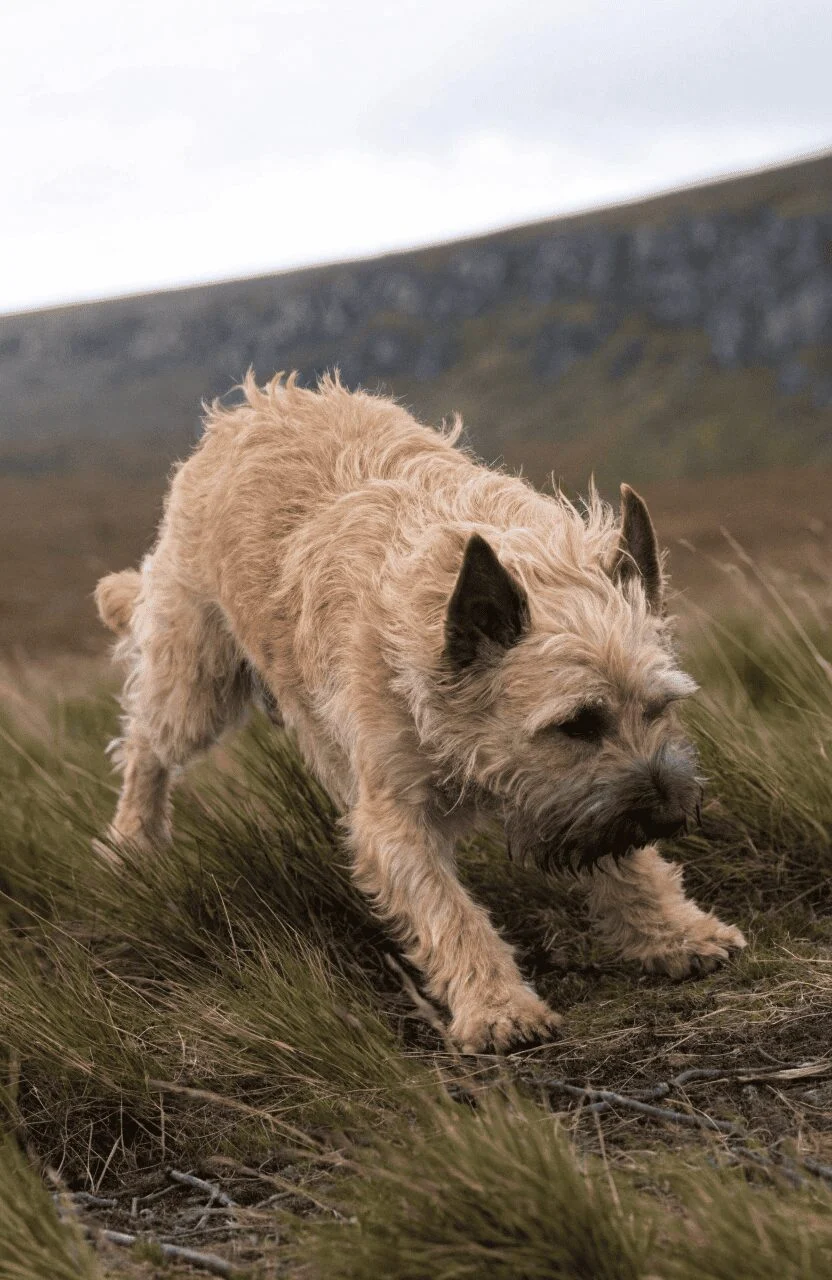
Origin: Scottish Highlands, bred to hunt foxes and vermin in rocky terrain.
Aggression type: Prey-drive, stubborn independence, reactive toward other small animals.
Key triggers: Small running animals, being bored, off-leash situations near wildlife.
Aggression level: Low to medium — mostly directed at animals rather than people.
Ideal owner: Active owners in homes without small pets like rabbits or guinea pigs. Good recall training is non-negotiable.
Cairn Terriers are sturdy little hunters with zero quit in them. Their aggression toward people is relatively low, but their prey drive toward small animals is extremely high. If you have a hamster or a cat, think twice.
XII. Brussels Griffon
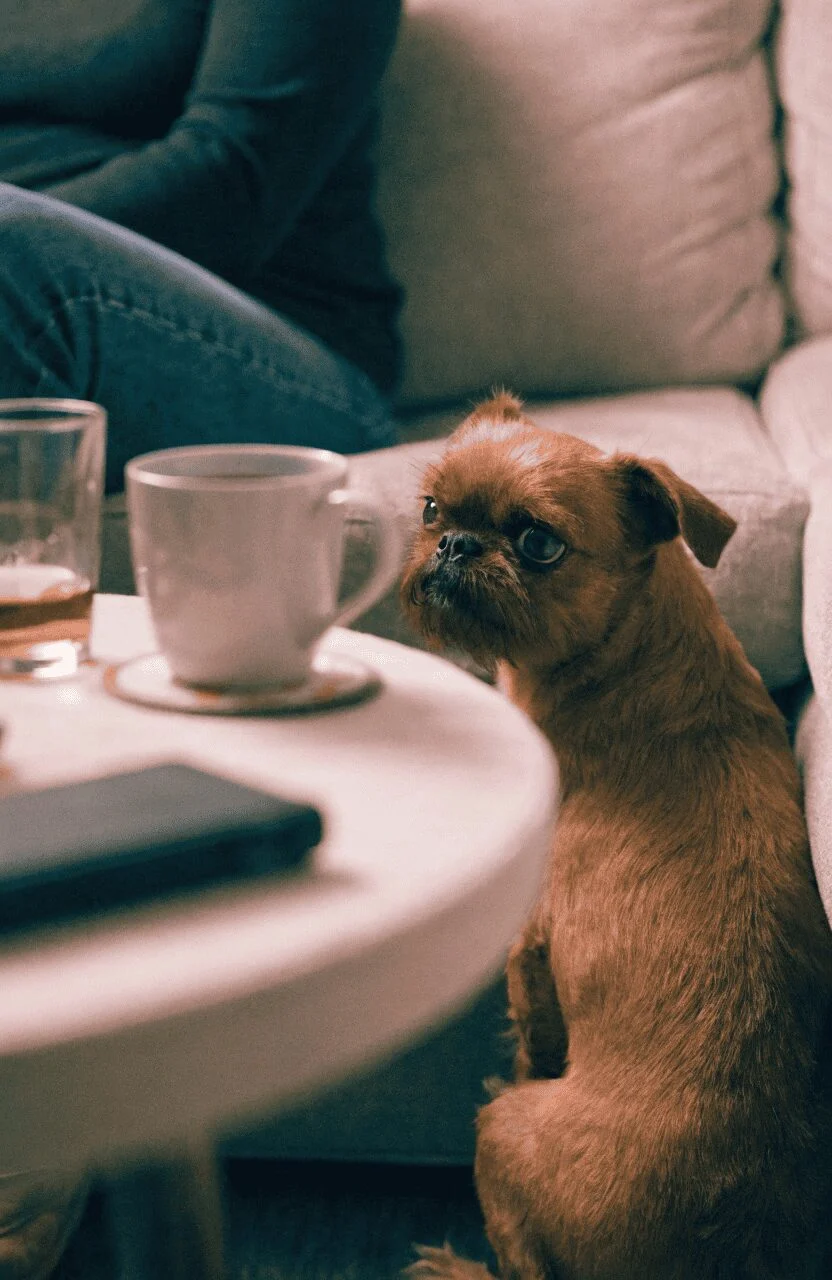
Origin: Belgium, bred to hunt rats in horse stables.
Aggression type: Fear-based, possessive, sensitivity-based.
Key triggers: Strangers, sudden loud noises, being left alone, feeling insecure.
Aggression level: Low to medium.
Ideal owner: Calm adults or couples without young children. These dogs bond intensely and do not handle instability well.
The Brussels Griffon is the most emotionally sensitive dog on this list. Their aggression almost always traces back to fear or anxiety, not dominance. They need a stable, quiet environment and an owner who understands that their defensive snapping is a cry for security, not a power move.
3. Quick Comparison — Which Small Dog Breed Is the Most Aggressive?
| Breed | Aggression Type | Bite Risk | Kid-Friendly | Trainability |
|---|---|---|---|---|
| Chihuahua | Fear / Territorial | High | Low | Moderate |
| Dachshund | Territorial / Guarding | High | Low-Med | Moderate |
| Jack Russell | Prey Drive | Medium-High | Medium | High |
| Min Pinscher | Dominance / Territorial | Medium-High | Low | Moderate |
| Yorkshire Terrier | Instinct / Territorial | Medium | Medium | Moderate |
| Pomeranian | Alarm / Defensive | Low-Med | Medium | Moderate |
| Lhasa Apso | Guardian | Medium | Low-Med | Moderate |
| Shih Tzu | Handling Sensitivity | Low-Med | Low | Moderate |
| Pekingese | Independence | Low-Med | Low | Low |
| Min Schnauzer | Protective | Medium | Medium-High | High |
| Cairn Terrier | Prey Drive | Low | Medium | High |
| Brussels Griffon | Fear / Possessive | Low | Low | Moderate |
Based on documented bite data and behavioral research, Chihuahuas and Dachshunds consistently rank as the most aggressive small dog breeds toward both people and other dogs. The key difference is that their bites rarely cause serious injury due to size — but that doesn’t make the behavior acceptable.
4. The Triggers You Need to Know (And How to Avoid Them)
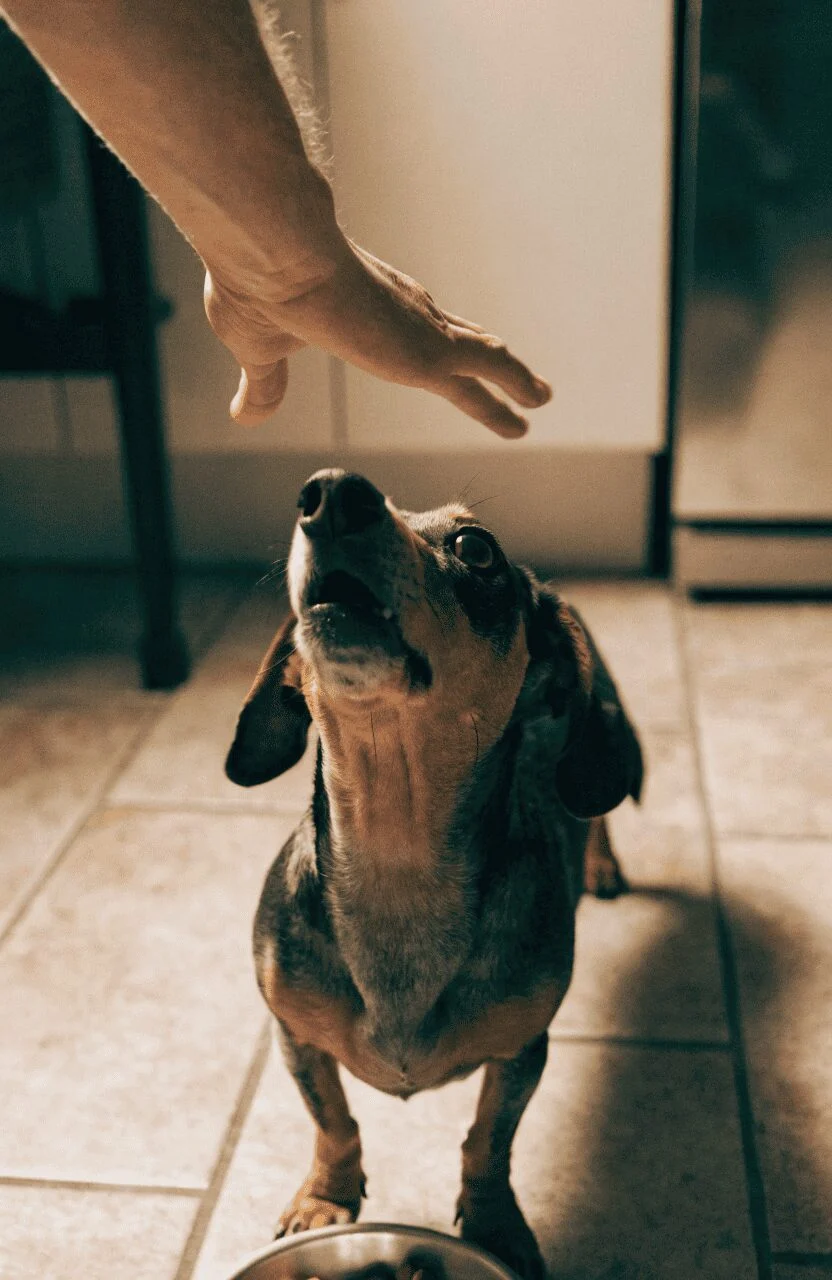
Most small dog bites are completely preventable. They happen because specific triggers are ignored or misunderstood. Here are the four most common ones.
I. Being Picked Up or Restrained
Small dogs get grabbed constantly — by owners, guests, children, strangers on the street. For a dog that’s already anxious, sudden physical restraint feels like a predator attack. Always approach from the front, let the dog sniff first, and lift slowly with full body support.
II. Resource Guarding (Food, Toys, Owner)
Many small dogs guard aggressively because they were allowed to — or even encouraged to — from puppyhood. Teach a “drop it” and “leave it” command early. Never reach into a dog’s bowl while it’s eating without first building positive associations with that action over time.
III. Boredom and Lack of Exercise
This one is especially relevant for terrier breeds. A mentally under-stimulated dog is an irritable dog. Consistent daily exercise and puzzle toys are not optional extras — they are directly tied to behavioral stability.
IV. Rough Handling by Children
Children move fast, grab without warning, and don’t read dog body language. This combination is responsible for the majority of small dog bites involving kids. If you have young children at home, supervision is non-negotiable. Check out our guide to the best small dog breeds for kids if you want breeds that are genuinely better suited to family life.
5. Training Small Aggressive Dog Breeds — What Actually Works
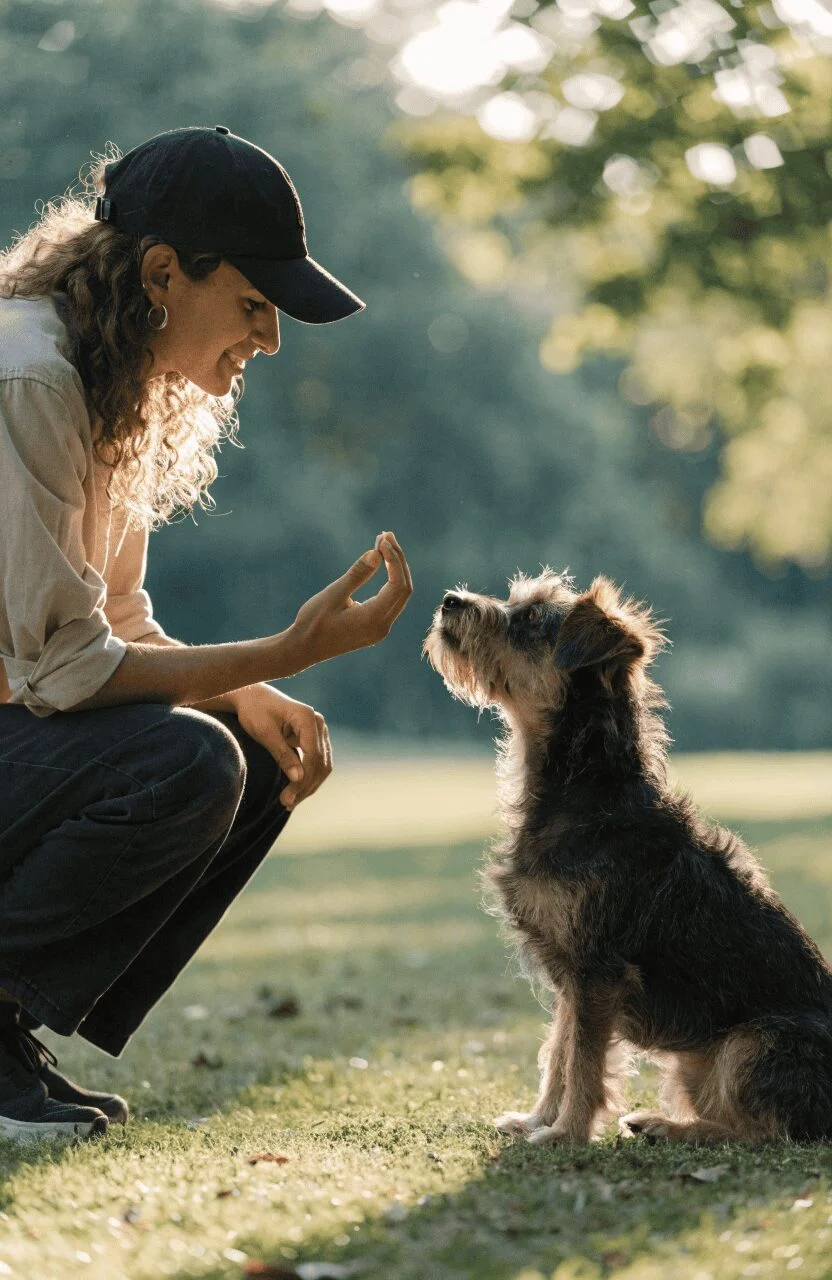
The good news is that aggression in small dogs is highly manageable. The bad news is that most owners wait too long, do the wrong things, or give up.
I. Socialize Before 16 Weeks — The Window You Can’t Miss
The socialization window closes between 12 and 16 weeks of age. During this period, puppies form their baseline understanding of what is safe and what is threatening. Exposing them to different people, sounds, surfaces, and animals during this window dramatically reduces fear-based aggression later in life.
After 16 weeks, socialization becomes harder — not impossible, but harder. Starting our essential puppy training tips early makes a significant difference in long-term temperament.
II. Use Positive Reinforcement — Consistently
Punishment-based training makes fearful dogs more fearful. It suppresses the growl (the warning signal) without addressing the root cause, which means the dog skips the growl and goes straight to biting. Reward calm behavior around triggers. Mark the moment with a click or a “yes,” then treat. Do this enough times and the association changes.
III. Apply the Same Rules You’d Give a Big Dog
A Chihuahua that jumps on guests is not cute. A Dachshund that growls at children should not be picked up to “protect” it. Every time you make exceptions for small dogs that you wouldn’t make for large ones, you’re reinforcing the problem. Consistent rules — regardless of size — are the foundation of a stable dog.
6. If Small Aggressive Breeds Aren’t for You — What to Consider Instead
Not everyone wants the challenge that comes with a high-reactivity breed, and that’s completely reasonable. Temperament is one of the most important things to get right when choosing a dog.
If you love the idea of a small dog but want something more laid-back and easy to manage, there are excellent options. Breeds like Cavalier King Charles Spaniels, Bichon Frises, and Pugs tend to be far more easygoing with strangers and children. Our list of calm small dogs gives you a full breakdown of which small breeds are genuinely low-maintenance on the temperament front.
And if you’re still deciding on size altogether, our guide to the best small dog breeds covers personality, exercise needs, and compatibility side by side.
Conclusion
Small aggressive dog breeds get a free pass that larger dogs never would — and that’s exactly why the problem persists. A growling Chihuahua isn’t asserting its charm. A snapping Dachshund isn’t “just being feisty.” These are real behaviors with real roots, and they deserve real solutions.
The 12 breeds in this guide aren’t bad dogs. Many of them are fiercely loyal, deeply intelligent, and genuinely rewarding to own. But they need owners who take their instincts seriously, train consistently, and understand that size has nothing to do with the respect a dog deserves — or requires.
Get the training right from the start, and most of the aggression on this list becomes entirely manageable. Skip it, and even the smallest dog will find a way to make its displeasure known.

Izzy is an experienced ranch worker who has a passion for exploring nature and getting up close to wildlife. With her connections to various animal organizations, Izzy is well-versed in animal care and rehabilitation.