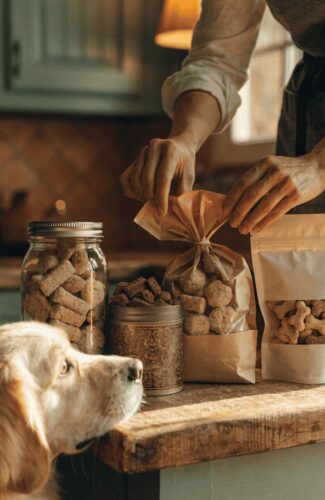
10 Homemade Dog Food Recipes for Allergies & Itchy Skin
If your dog won’t stop scratching, chewing their paws, or breaking out in red, irritated skin — their food might be the problem.
Food allergies are one of the most common health issues in dogs. And the frustrating part? Most commercial dog foods are packed with the exact ingredients that trigger those reactions — beef, chicken, wheat, soy, and artificial preservatives.
The good news is that switching to homemade dog food for allergies gives you complete control over what goes into your dog’s bowl. No hidden fillers. No mystery proteins. Just real, whole ingredients chosen specifically for your dog’s sensitive system.
In this article, you’ll get 10 easy homemade dog food recipes for itchy skin and allergy relief — plus a transition plan, portion guide, and storage tips so you can start this week.
Contents
- Is It Really a Food Allergy? Check This First
- Common Dog Food Allergens to Always Avoid
- 10 Homemade Dog Food Recipes for Allergies
- 1. Turkey and Sweet Potato Bowl
- 2. Salmon and Quinoa Skin-Soothing Meal
- 3. Rabbit and Pumpkin Stew
- 4. Duck and White Rice Gentle Recipe
- 5. Venison and Carrot Anti-Itch Mix
- 6. Lamb and Oatmeal Skin-Calming Dish
- 7. Whitefish and Zucchini Omega Bowl
- 8. Turkey, Pumpkin, and Blueberry Immune Bowl
- 9. Salmon, Zucchini, and Flaxseed Repair Meal
- 10. Kangaroo and Green Bean Hypoallergenic Mix
- How to Switch Your Dog to Homemade Food
- How Much to Feed — Portion Guide by Dog Size
- Storage and Batch Cooking Tips
- 3 Supplements to Add for Better Allergy Relief
- Final Thoughts
Is It Really a Food Allergy? Check This First

Before you start cooking, make sure food is actually the culprit. Many dog owners spend months changing diets when the real cause is pollen, dust mites, or mold.
Signs that point to a food allergy:
- Itching and scratching year-round (not just in spring or summer)
- Recurring ear infections
- Chronic gas, loose stools, or vomiting
- Paw chewing and face rubbing
- Skin rashes that don’t respond to antihistamines
If your dog’s symptoms are seasonal, the cause is more likely environmental. But if they scratch every single month regardless of the season — and especially if there are digestive symptoms too — food is a strong suspect.
When in doubt, always consult your vet before making major diet changes. You can also learn more about related symptoms like excessive licking in dogs which is often an early sign of food sensitivity.
Common Dog Food Allergens to Always Avoid
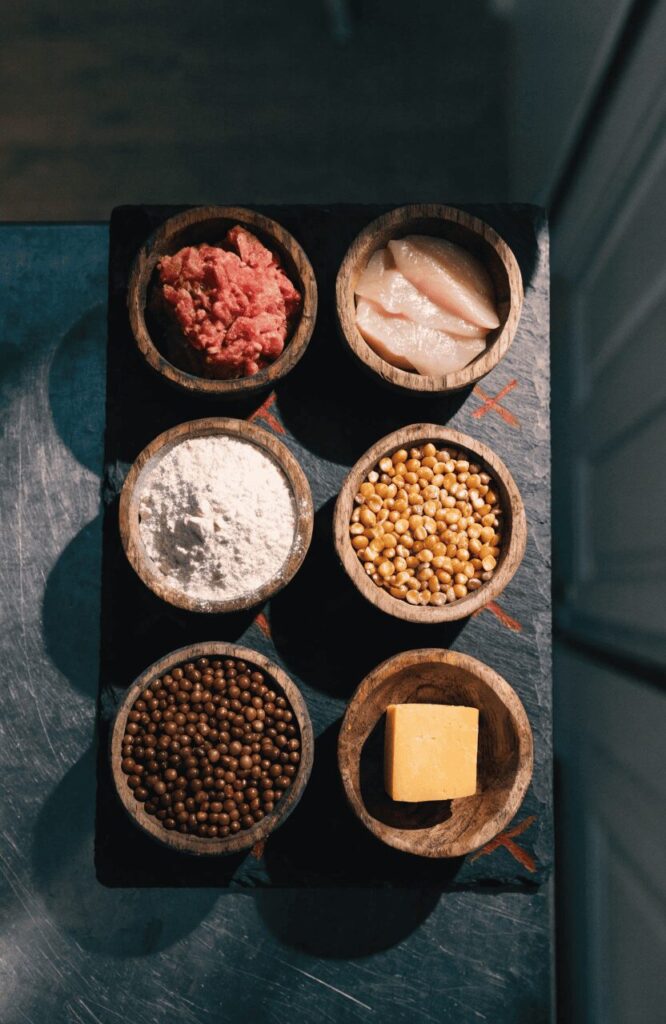
When making homemade food for an allergic dog, the golden rule is: use ingredients your dog has never eaten before. These are called novel proteins and novel carbs, and they’re far less likely to trigger a reaction.
Here are the most common allergens to avoid:
- Beef — the #1 food allergen in dogs
- Chicken — second most common trigger
- Wheat and gluten — causes digestive and skin flares
- Soy — a common filler that many dogs react to
- Dairy — hard for most dogs to digest
- Corn — a cheap filler with little nutritional value
All 10 recipes below are built around ingredients that avoid this list entirely.
10 Homemade Dog Food Recipes for Allergies
Each recipe below follows the same easy structure: ingredients, simple steps, and a “why it works” note. All are grain-free or use gentle grains, free from the top allergens, and packed with skin-supporting nutrients.
1. Turkey and Sweet Potato Bowl
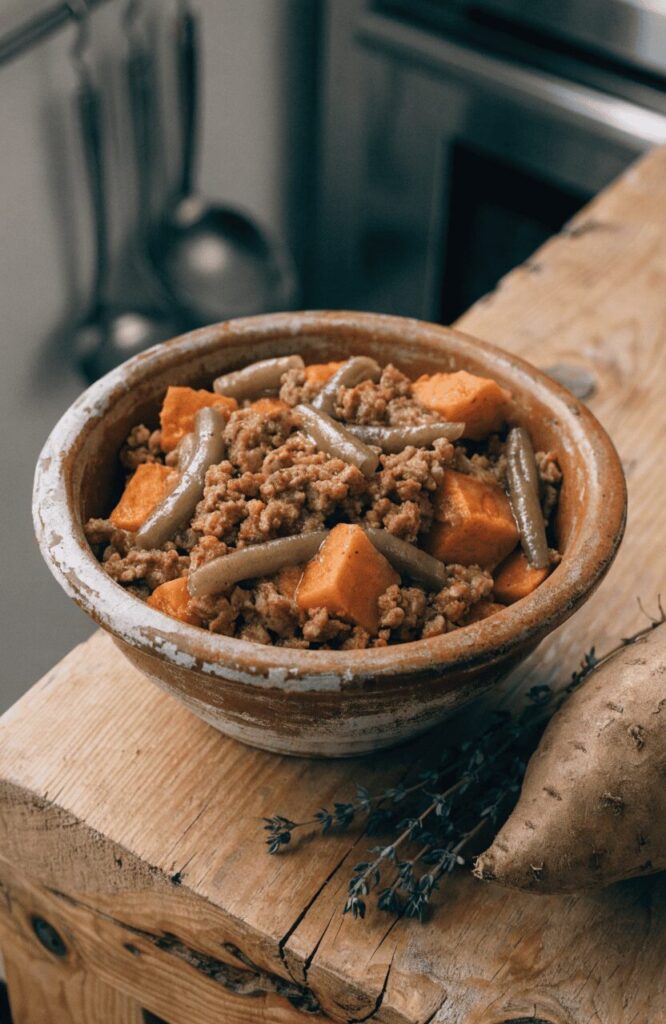
The classic allergy-friendly starter — mild, nutritious, and loved by picky eaters.
Ingredients:
- 1 lb lean ground turkey
- 1 cup mashed sweet potato (peeled, boiled)
- ½ cup steamed green beans (chopped)
- 1 tbsp olive oil
- ¼ tsp turmeric
How to Make It:
- Brown the ground turkey in a pan over medium heat until fully cooked. Drain excess fat.
- Boil sweet potato until soft, then mash it smooth.
- Steam green beans until tender. Mix everything together while warm so the olive oil coats evenly.
- Let it cool completely before serving.
Why It Works: Turkey is a novel protein for most dogs who’ve eaten commercial chicken or beef-based food. Sweet potato provides gentle, fiber-rich carbohydrates that won’t spike digestion. Turmeric adds natural anti-inflammatory support.
2. Salmon and Quinoa Skin-Soothing Meal
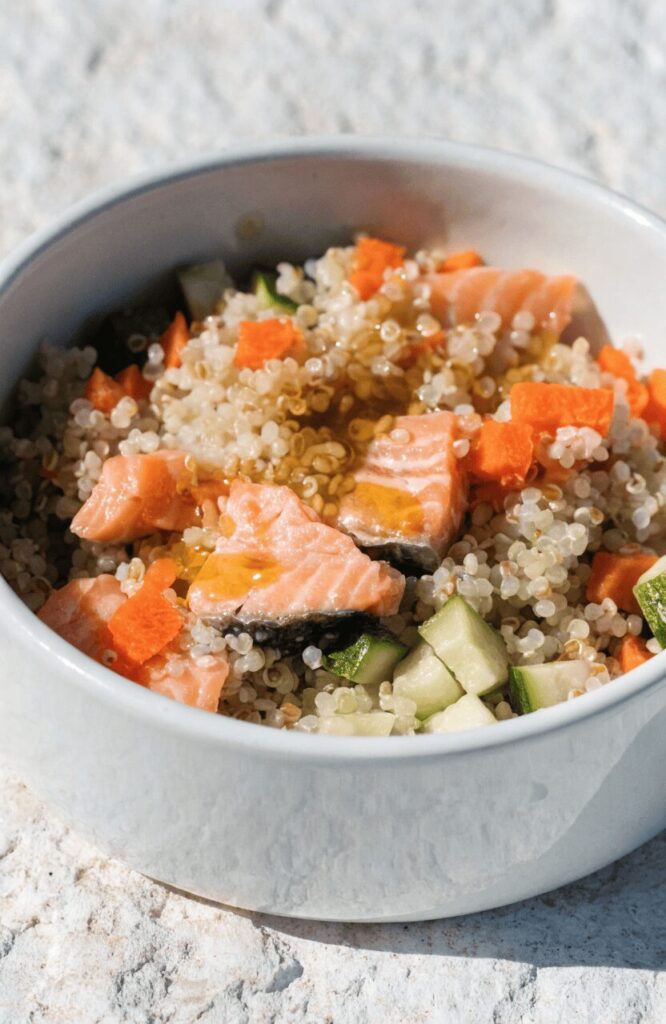
The omega-3 powerhouse — perfect for dogs with dry, flaky, or inflamed skin.
Ingredients:
- 1 cup cooked boneless salmon (baked or steamed, no seasoning)
- ½ cup cooked quinoa (rinsed before cooking)
- ¼ cup steamed zucchini (grated or diced)
- ¼ cup grated carrots
- 1 tsp flaxseed oil
How to Make It:
- Bake salmon at 375°F for 12–15 minutes until fully cooked. Remove all bones carefully.
- Cook quinoa: rinse, then simmer in 1 cup water for 15 minutes until fluffy.
- Steam zucchini and carrots until soft.
- Mix all ingredients together. Add flaxseed oil after the food has cooled — heat destroys its omega-3 benefits.
Why It Works: Salmon is loaded with omega-3 fatty acids that directly reduce skin inflammation and support a healthy coat. Quinoa is a complete, gluten-free protein source that’s easy on sensitive stomachs. This is one of the best homemade dog food recipes for itchy skin you can make.
3. Rabbit and Pumpkin Stew
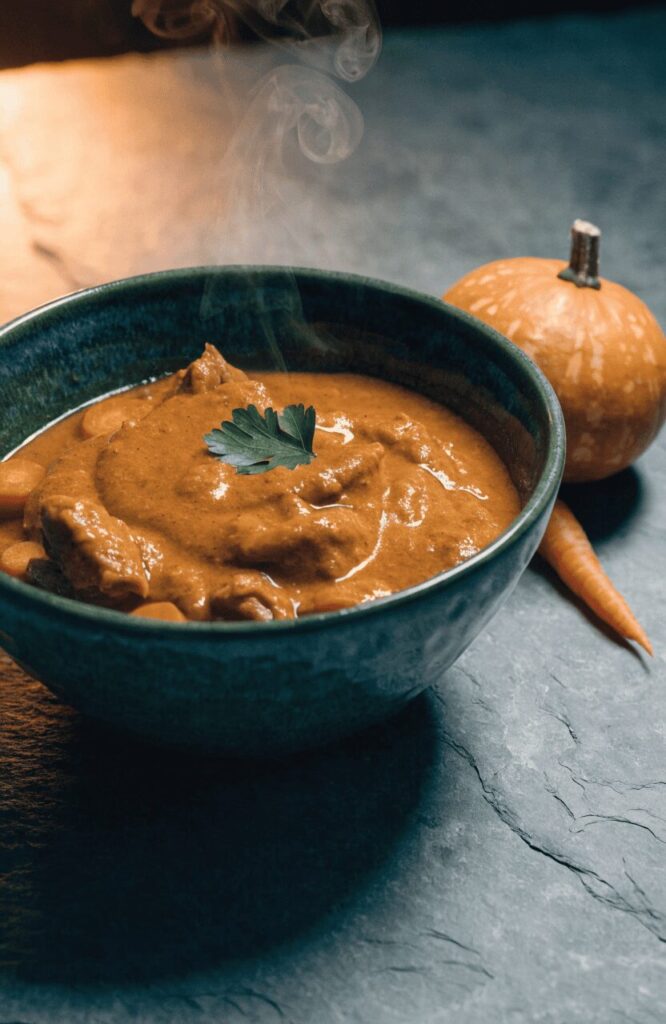
A truly novel protein option — ideal for dogs with multiple food sensitivities.
Ingredients:
- 1 cup ground or diced rabbit meat (deboned)
- ½ cup plain pumpkin puree (100% pure, no additives)
- ½ cup chopped cooked carrots
- 1 tbsp coconut oil
- Fresh parsley (small pinch, finely chopped)
How to Make It:
- Cook rabbit meat in a pan with coconut oil over medium heat until fully done throughout.
- Mix in pumpkin puree and cooked carrots.
- Stir in parsley at the end and let everything simmer together for 2–3 minutes.
- Cool before serving.
Why It Works: Rabbit is one of the rarest proteins in commercial dog food, which makes it an excellent choice for dogs that react to everything else. Pumpkin is a digestive superstar — it soothes the gut lining and regulates bowel movements, which often improves skin health from the inside out.
4. Duck and White Rice Gentle Recipe
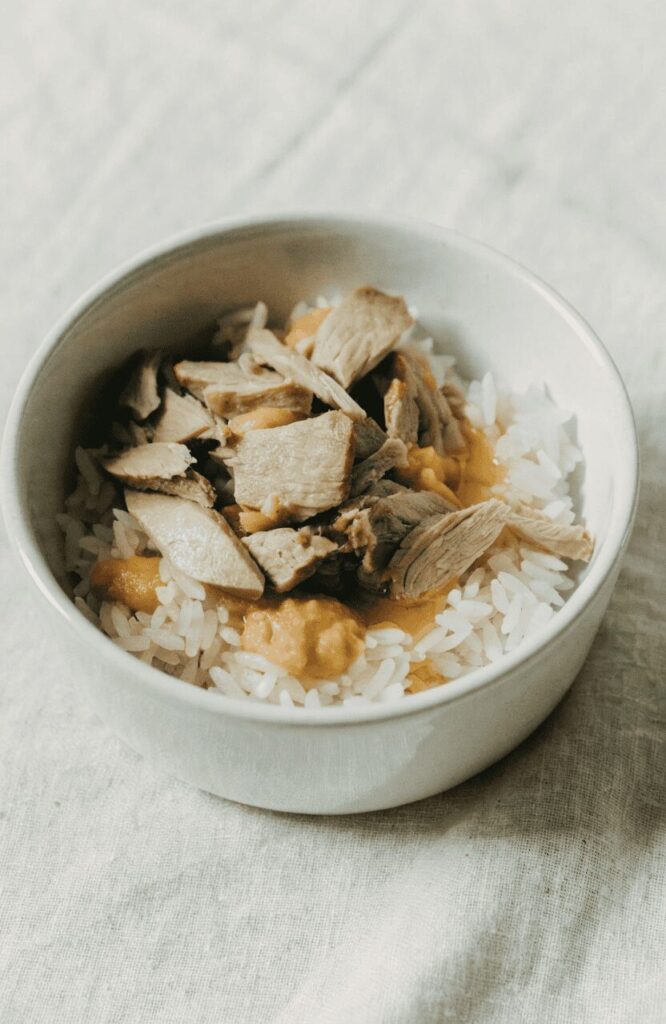
Soft, easy to digest, and great for dogs recovering from a flare-up.
Ingredients:
- 1 cup cooked duck breast (skin removed, shredded)
- ½ cup cooked white rice
- ¼ cup plain pumpkin puree
- 2 tbsp olive oil
How to Make It:
- Bake or pan-cook duck breast until fully done. Remove all skin and bones, then shred the meat.
- Cook white rice until very soft — slightly overcooked is fine for sensitive stomachs.
- Combine duck, rice, and pumpkin. Drizzle olive oil over the top.
- Cool completely before serving.
Why It Works: Duck is a novel protein that most allergic dogs have never encountered in store-bought food. White rice is one of the gentlest carbohydrates available and is easy on inflamed digestive systems. This is a great “reset” meal after an allergy flare.
5. Venison and Carrot Anti-Itch Mix
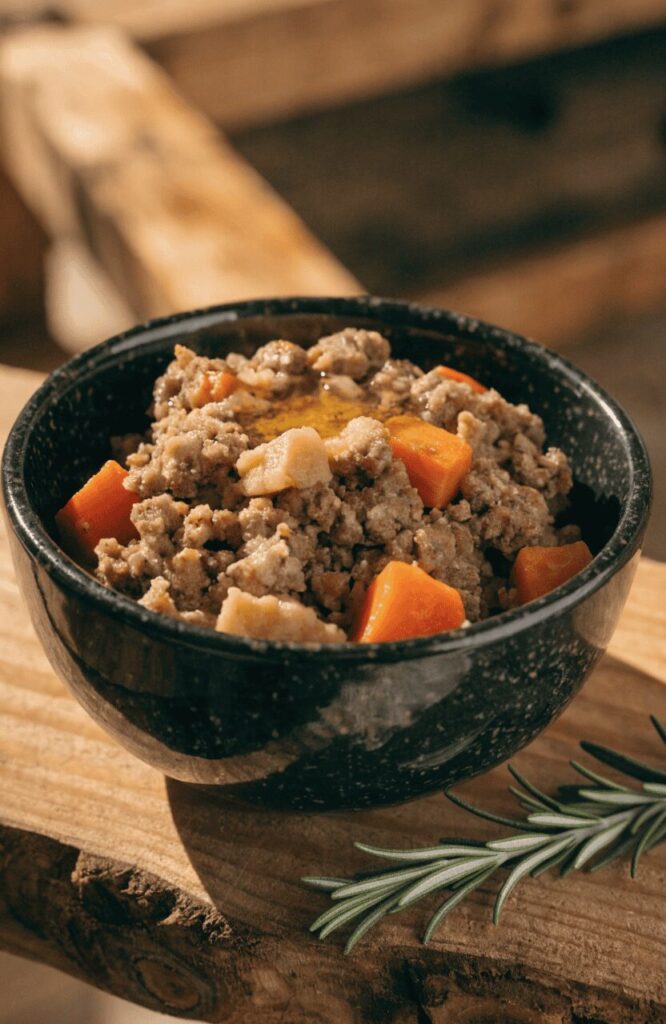
A lean, gamey protein that almost no dog has ever been exposed to — powerful for stubborn allergies.
Ingredients:
- 1 lb ground venison (deer meat)
- 1 cup diced and steamed carrots
- ½ cup cooked sweet potato
- 1 tsp fish oil (added after cooling)
- Small pinch of dried rosemary
How to Make It:
- Brown ground venison in a pan over medium heat until fully cooked. Drain any fat.
- Steam carrots and boil sweet potato separately until both are soft.
- Combine venison, carrots, and sweet potato in a bowl.
- Add fish oil and rosemary after cooling to preserve nutrients.
Why It Works: Venison is exceptionally lean and almost never appears in commercial dog food, making it one of the safest novel proteins for multi-allergy dogs. Carrots are rich in beta-carotene which supports immune function. Fish oil gives an extra anti-inflammatory boost that helps calm the itching cycle. If you’re looking for other homemade dog treats recipes to complement this meal, there are great simple options to explore.
6. Lamb and Oatmeal Skin-Calming Dish
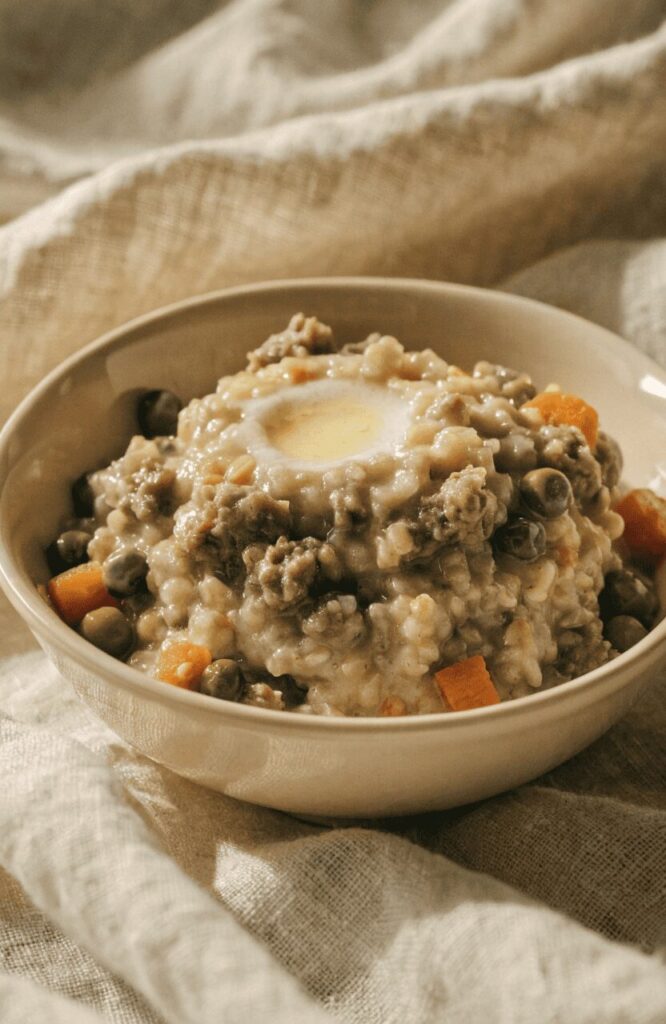
A comforting, warming meal that supports digestion and soothes inflamed skin.
Ingredients:
- 1 cup ground lamb (lean)
- ½ cup cooked steel-cut oats
- ¼ cup steamed peas (fresh or frozen)
- ¼ cup diced steamed carrots
- 1 tsp coconut oil
How to Make It:
- Cook ground lamb in a pan until fully browned. Drain excess fat.
- Cook steel-cut oats in water until soft (about 20 minutes).
- Steam peas and carrots until tender.
- Combine all ingredients and mix with coconut oil while warm.
- Let it cool fully before serving.
Why It Works: Lamb is a moderately novel protein that many dogs tolerate well. Steel-cut oats are a gluten-free grain option (when sourced certified gluten-free) that soothes the digestive tract. Coconut oil provides medium-chain fatty acids that support skin moisture and coat shine.
7. Whitefish and Zucchini Omega Bowl
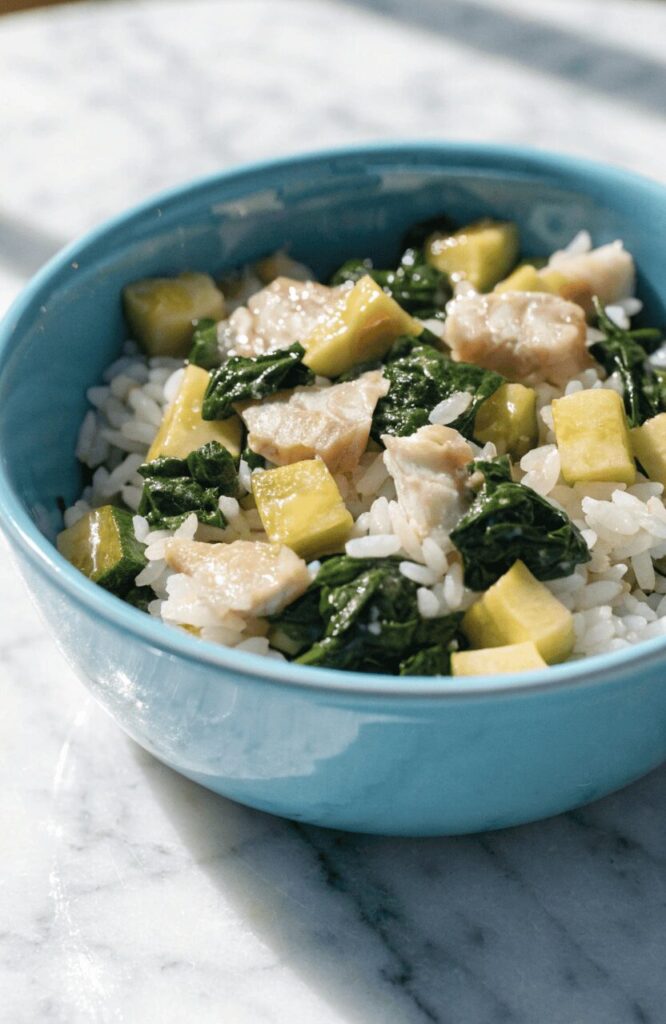
Light, anti-inflammatory, and packed with skin-repairing nutrients.
Ingredients:
- 1 cup cooked tilapia or cod (boneless, no seasoning)
- ½ cup cooked white rice
- ½ cup steamed zucchini (diced)
- ¼ cup shredded steamed spinach
- 1 tsp flaxseed oil
How to Make It:
- Steam or bake whitefish until fully cooked and flaky. Remove all bones.
- Cook white rice until soft.
- Steam zucchini and spinach until both are tender and soft.
- Combine all ingredients and add flaxseed oil after cooling.
Why It Works: Whitefish like tilapia and cod are mild, low-allergen proteins that are gentle on the stomach. Spinach adds iron, antioxidants, and vitamins A and C that support the immune system. This bowl is especially good for dogs with both skin and digestive symptoms.
8. Turkey, Pumpkin, and Blueberry Immune Bowl
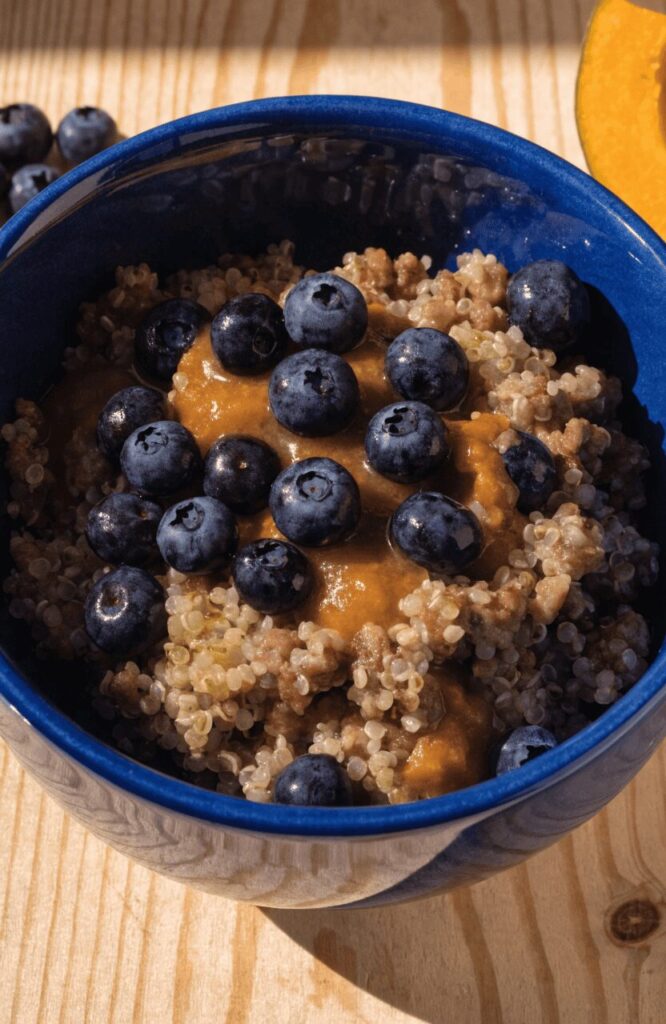
An antioxidant-rich recipe that fights inflammation from multiple angles.
Ingredients:
- 1 lb ground turkey
- ½ cup plain pumpkin puree
- ¼ cup fresh or frozen blueberries
- ½ cup cooked quinoa
- 1 tbsp olive oil
How to Make It:
- Brown ground turkey in a skillet until fully cooked. Drain fat.
- Cook quinoa separately: rinse, then simmer in water for 15 minutes.
- Combine turkey, pumpkin puree, and quinoa.
- Gently stir in blueberries after the mix has cooled slightly so they don’t mush.
- Add olive oil and serve at room temperature.
Why It Works: Blueberries are one of the most antioxidant-dense foods you can add to a dog’s bowl. They help neutralize the oxidative stress that makes allergy symptoms worse. Pumpkin supports gut health, and a healthy gut often means healthier skin. This is a great recipe to rotate in weekly.
9. Salmon, Zucchini, and Flaxseed Repair Meal
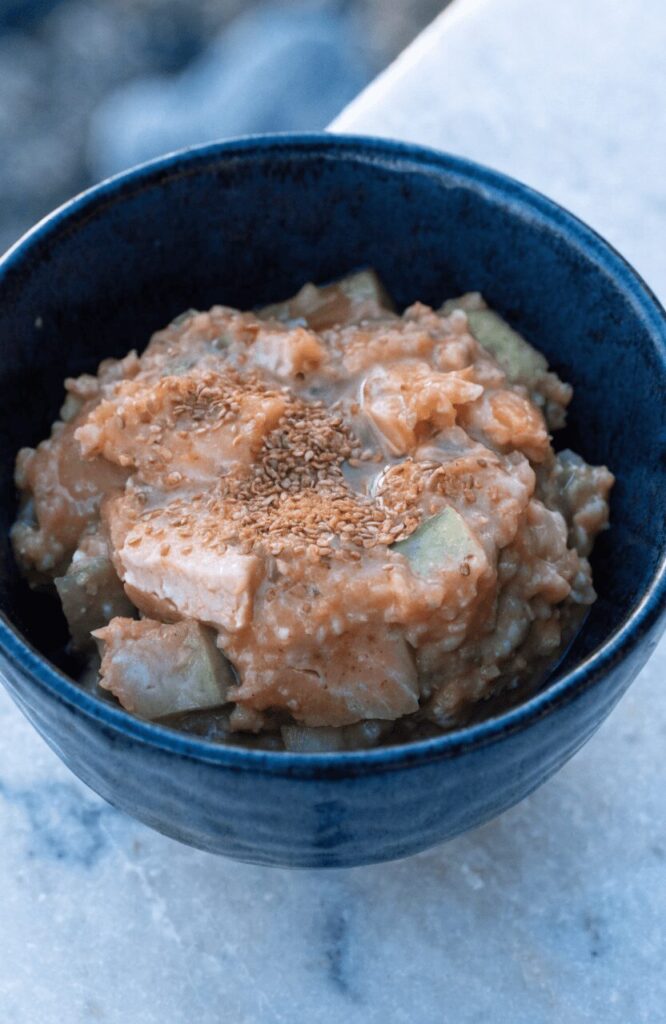
A double dose of omega-3s for dogs with severe coat damage or chronic dry skin.
Ingredients:
- 1 cup cooked boneless salmon
- ½ cup steamed zucchini
- ½ cup cooked sweet potato (mashed)
- 1 tsp ground flaxseed
- 1 tsp fish oil
How to Make It:
- Bake salmon at 375°F until cooked through. Flake and check for bones.
- Steam zucchini until soft. Mash sweet potato separately until smooth.
- Combine all ingredients in a bowl.
- Stir in ground flaxseed and fish oil after cooling completely.
Why It Works: This recipe doubles up on omega-3 sources — salmon and flaxseed — for dogs whose skin and coat are in rough shape. The combination of fish oil and flaxseed provides both EPA and ALA forms of omega-3, which work together to rebuild the skin’s moisture barrier and reduce chronic itching.
10. Kangaroo and Green Bean Hypoallergenic Mix
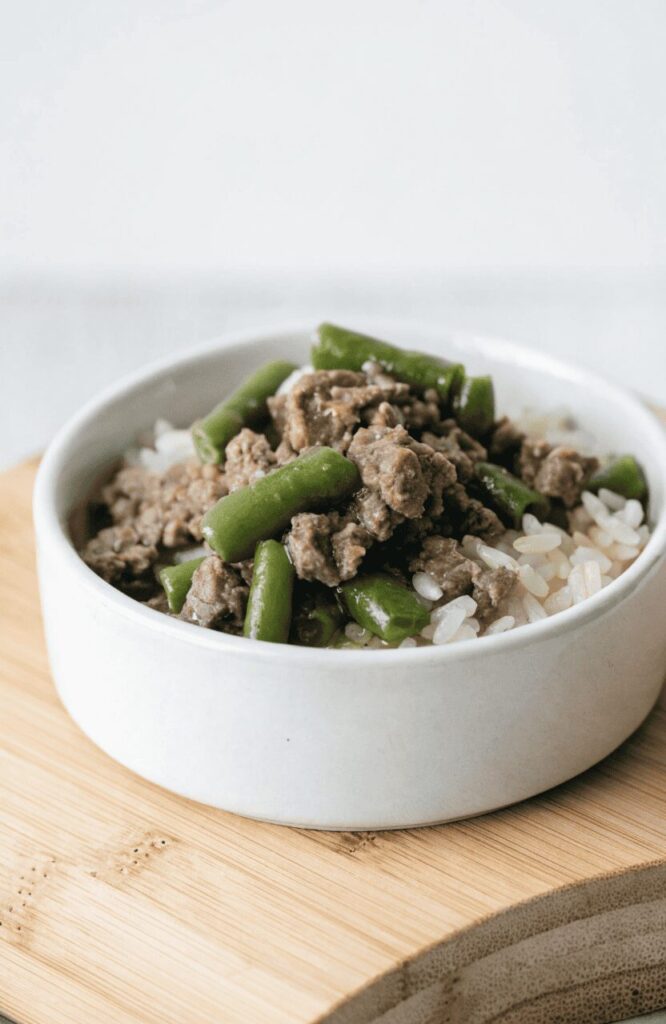
The ultimate novel protein recipe — for dogs that have reacted to almost everything else.
Ingredients:
- 1 lb ground kangaroo meat
- 1 cup steamed green beans (chopped)
- ½ cup cooked white rice
- 1 tbsp olive oil
- ¼ tsp ground ginger (digestive support)
How to Make It:
- Cook ground kangaroo in a pan over medium heat until fully done. Drain fat.
- Steam green beans until tender. Cook white rice until soft.
- Combine kangaroo, green beans, and rice.
- Add olive oil and ground ginger, mix well.
- Cool completely before serving.
Why It Works: Kangaroo is considered one of the most hypoallergenic proteins available. It’s extremely lean, high in zinc (great for skin repair), and virtually impossible to find in any commercial dog food. If your dog reacts to turkey, salmon, rabbit, and lamb — this is the recipe to try. You can find kangaroo meat at specialty pet food stores or online retailers.
How to Switch Your Dog to Homemade Food
Never switch your dog’s food overnight. A sudden change causes digestive upset — loose stools, gas, and vomiting — even when the new food is healthier.
Follow this 2-week transition plan:
| Week | Old Food | New Homemade Food |
|---|---|---|
| Days 1–3 | 75% | 25% |
| Days 4–6 | 50% | 50% |
| Days 7–10 | 25% | 75% |
| Days 11–14 | 0% | 100% |
What to watch during the switch:
- Loose stools for 1–2 days are normal. Continuing beyond that — slow down.
- Increased energy and better stool firmness are positive signs.
- If itching gets worse after adding a new recipe, that protein may be a trigger — stop and try a different one.
For dogs with known sensitive digestive systems, also check out puppy veterinary needs for guidance on when a vet visit is the right call.
How Much to Feed — Portion Guide by Dog Size
This is the question every competitor skips. Here’s a simple starting guide. Feed 2–3% of your dog’s body weight per day, split into two meals.
| Dog Size | Weight Range | Daily Food Amount |
|---|---|---|
| Toy/Extra Small | Under 10 lbs | 1/4 to 1/2 cup |
| Small | 10–25 lbs | 1/2 to 1 cup |
| Medium | 25–50 lbs | 1 to 1.75 cups |
| Large | 50–80 lbs | 1.75 to 2.5 cups |
| Extra Large | 80+ lbs | 2.5 to 4 cups |
Important: These are starting estimates. Adjust based on your dog’s activity level, age, and whether they’re gaining or losing weight. Puppies and senior dogs have different needs — talk to your vet about their specific requirements.
Storage and Batch Cooking Tips
One of the biggest practical hurdles with homemade dog food is time. Batch cooking once or twice a week solves that entirely.
Refrigerator storage:
- Cooked homemade dog food lasts 3–4 days in the fridge in an airtight container.
- Always let food cool completely before sealing and refrigerating.
Freezer storage:
- Homemade dog food freezes well for up to 2–3 months.
- Portion into individual daily servings using silicone molds or zip-lock bags before freezing.
- Thaw overnight in the fridge — never microwave, as hot spots can burn your dog’s mouth.
Batch cooking tip: Make a double or triple batch on Sunday. Refrigerate 3 days’ worth and freeze the rest. You’ll spend about 30 minutes cooking and have food ready for the whole week.
For more ideas on making your dog’s feeding routine easier, check out these dog feeding station ideas that help keep meals organized.
3 Supplements to Add for Better Allergy Relief
Homemade food is a great foundation, but these three supplements take allergy management to the next level:
1. Omega-3 Fish Oil Reduces skin inflammation directly. Use a dog-specific fish oil and follow the dosage on the label based on your dog’s weight. Add it to food after cooking — heat destroys the omega-3 benefit.
2. Probiotics A healthy gut is directly connected to healthy skin. Probiotics help restore the gut bacteria balance that’s often disrupted in allergic dogs. Look for a dog-specific probiotic with multiple strains.
3. Quercetin Often called “nature’s Benadryl,” quercetin is a plant-based compound that naturally reduces histamine response. It’s available in dog-safe supplement form and works best alongside a clean diet.
Always check with your vet before adding supplements — especially if your dog is on any medication.
Final Thoughts
Making homemade dog food for allergies is one of the most impactful things you can do for a dog that won’t stop scratching. You’re removing the hidden triggers, adding real nutrition, and giving their body a genuine chance to heal.
Start with one recipe this week. Watch how your dog responds over 2–3 weeks. Then rotate in a second recipe to add variety without reintroducing allergens.
Remember: consistency matters more than perfection. Even a few homemade meals per week can make a noticeable difference in your dog’s skin, coat, and comfort.
And if symptoms are severe or persistent, always loop in your vet. For related dog health reading, explore more on reverse sneezing in dogs and other signs that your dog’s body may need extra support.
Your dog can’t tell you they feel better — but a wagging tail and itch-free sleep will say it for them.

Izzy is an experienced ranch worker who has a passion for exploring nature and getting up close to wildlife. With her connections to various animal organizations, Izzy is well-versed in animal care and rehabilitation.