Banana Honey Dog Treats From Crunchy Bones to Soft Bites for Every Age
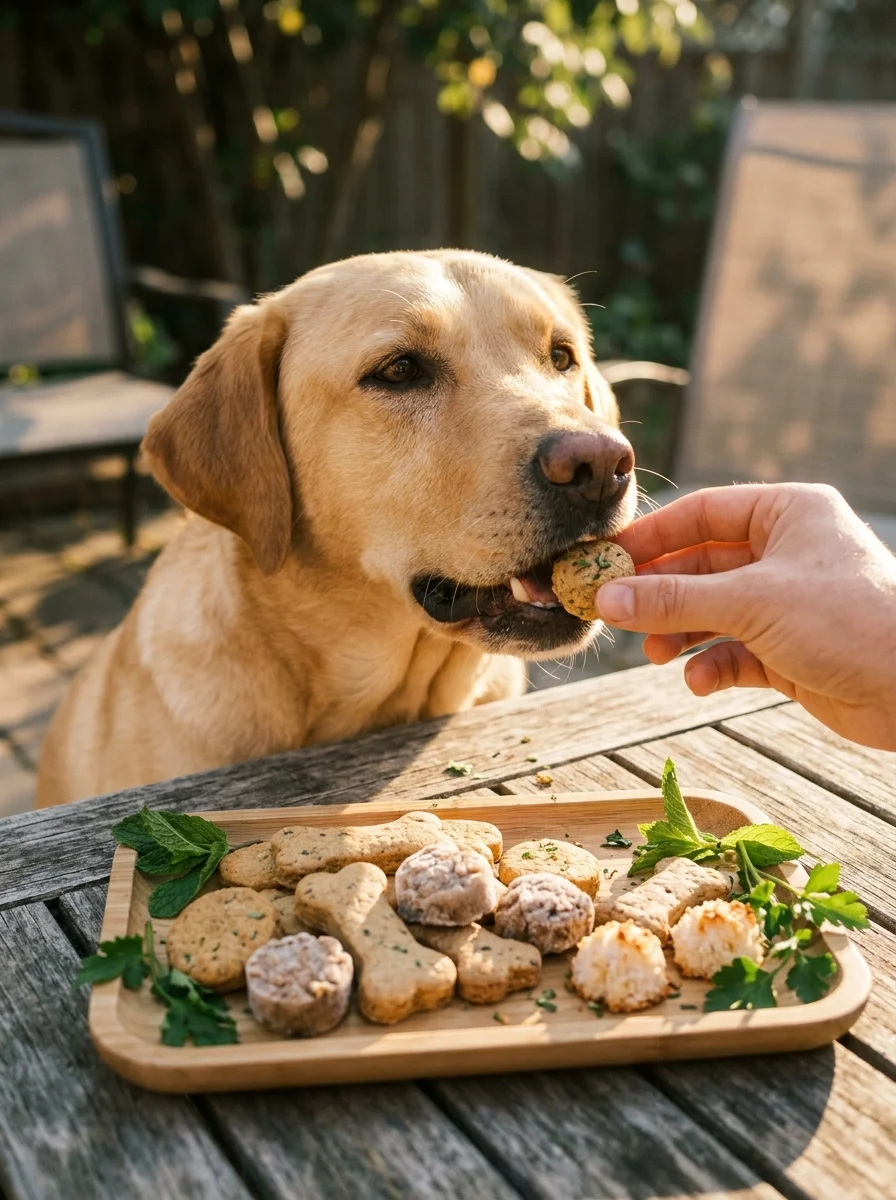
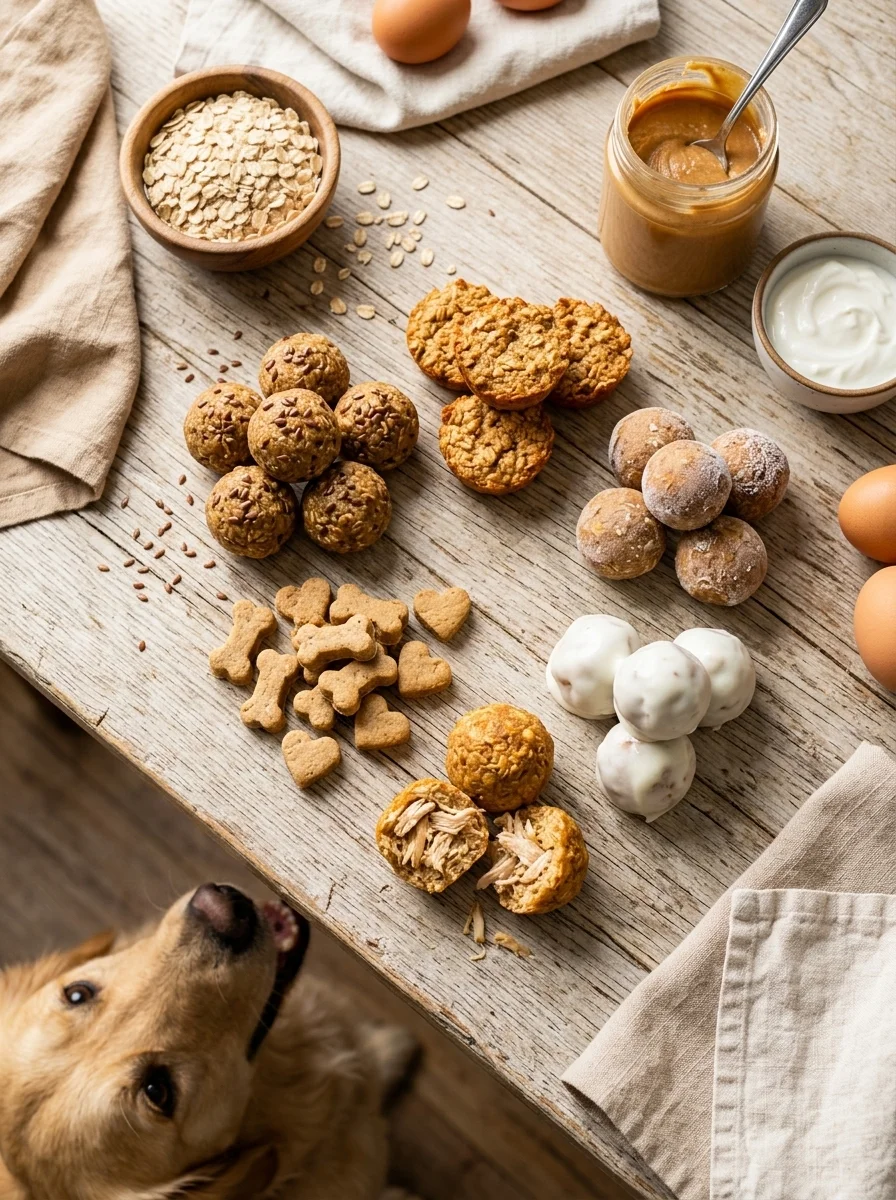
Banana honey dog treats come in three textures so that every dog in the pack gets a version they can actually enjoy. Some dogs love a firm, crunchy bite that feels like a mini bone. Others, especially older joints, need a soft chewy option that dissolves more gently between the teeth. If your dog avoids wheat entirely, a grain-free variation keeps the same banana and honey warmth without the oats. This article walks through all three versions, explains how to serve them by dog size, shows how to store or freeze extra batches, and answers the questions every dog owner asks about honey, bananas, and safe portion sizes. The banana does most of the sweetening, so the honey stays a light touch rather than the main event. And because the batch makes only sixteen small treats, nothing sits around going stale while you work out which texture your dog loves most.
Banana Honey for Puppies, Seniors, and Picky Dogs
Honey plays a special role in these treats, but it needs honest boundaries. Honey must never be given to puppies under one year old or to immunocompromised dogs, because their immune systems are not mature enough to handle the sugars and potential contaminants reliably. For adult dogs with no health issues, honey adds a mild sweetness that encourages them to finish the treat. Still, honey is sugar. Keep treats within the 10 percent rule, meaning all snacks together should not exceed ten percent of daily caloric needs. Dogs with diabetes need a vet check before any honey treat because even small amounts of sugar can affect blood glucose. That boundary is what makes the rest of the recipe safe to enjoy. Once the honey question is settled, the treats are just fruit, flour, egg, and a pinch of spice. The banana brings potassium and fiber, the oats bring slow-burning energy, and the honey brings the smell that gets a dog to the kitchen before the oven even warms up.
Bananas are the other star. Choose ripe, spotted bananas, not green ones. Green bananas are starchy and harder for a dog to digest. When the banana is fully yellow with brown speckles, it is soft, sweet, and easy to mash. This is also a dog-scale batch that yields about 16 small treats. Portions scale by dog size, and a treat is never a meal. For a curious dog who already loves grain-based snacking, you might also enjoy a banana oatmeal dog treats recipe that is slightly softer and very gentle.
The Gentle Treat Test: Soft, Small, Easy to Chew
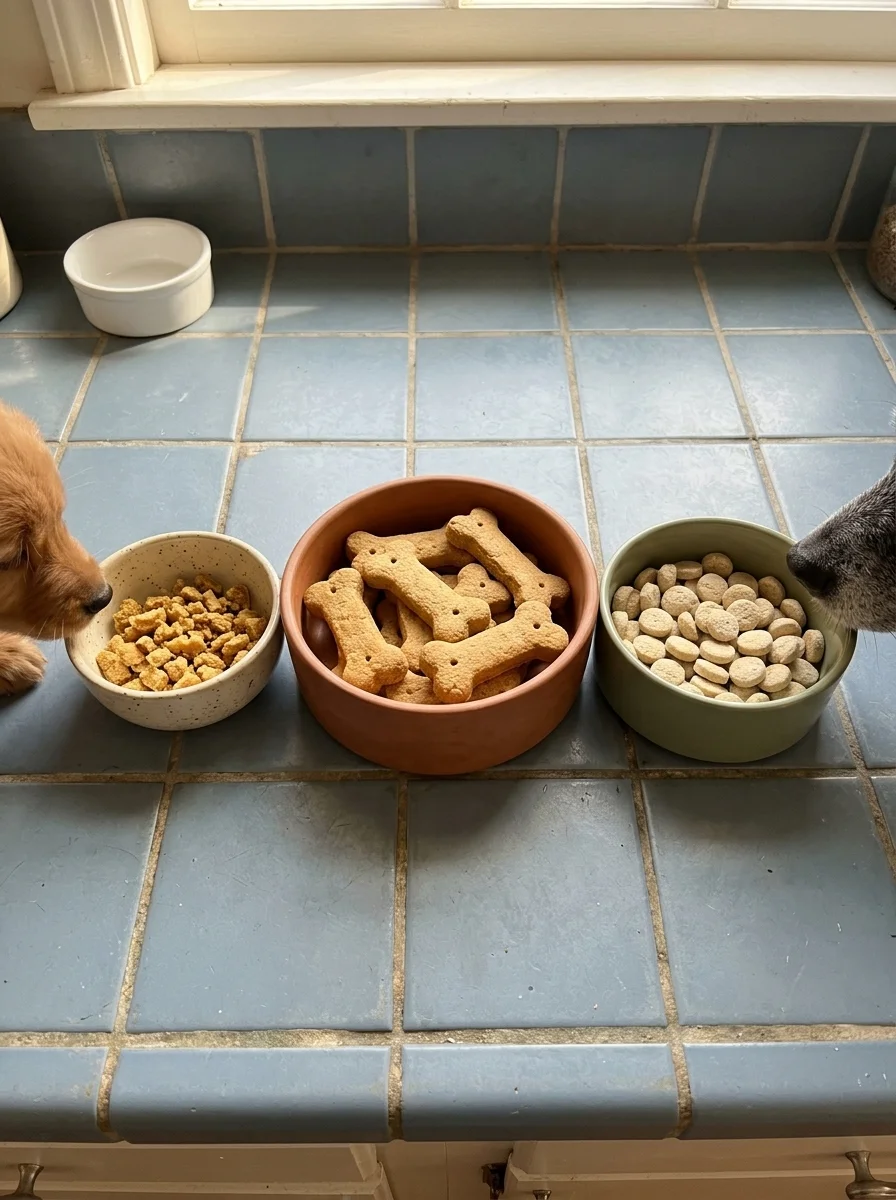
The first test for any dog treat is how it feels in the mouth. A good banana honey treat should be small enough to grab, easy to chew, and safe to break into smaller pieces if needed. The classic bone biscuits are firmer, but the soft chewy bites are designed for dogs who need less jaw pressure. The grain-free version is also softer than the wheat version because coconut and chickpea flours create a tender crumb. For senior dogs, puppies with baby teeth, or dogs recovering from dental work, the soft bites are the safest choice. Watch how your dog takes the first bite. A dog who crunches happily can handle the bone biscuits, while a dog who drops the treat and noses it around is telling you the softer version fits better. The grain-free bites sit in the middle: tender enough for sore mouths, firm enough to hold their shape in a treat pouch.
If you need a quick snack when your dog is not up for a full batch, look into these 5 minute dog treats as a simple bridge until you have time to bake. They are not a replacement for a balanced diet, but they help with short-duration training or when a dog is refusing food. The treat should always go into a dog bowl, not a human dish, and it should be stored in a cool place away from the dog’s food bowl to keep the aroma from making them hungry for the next meal.
Recipe 1: Classic Banana Honey Bone Biscuits
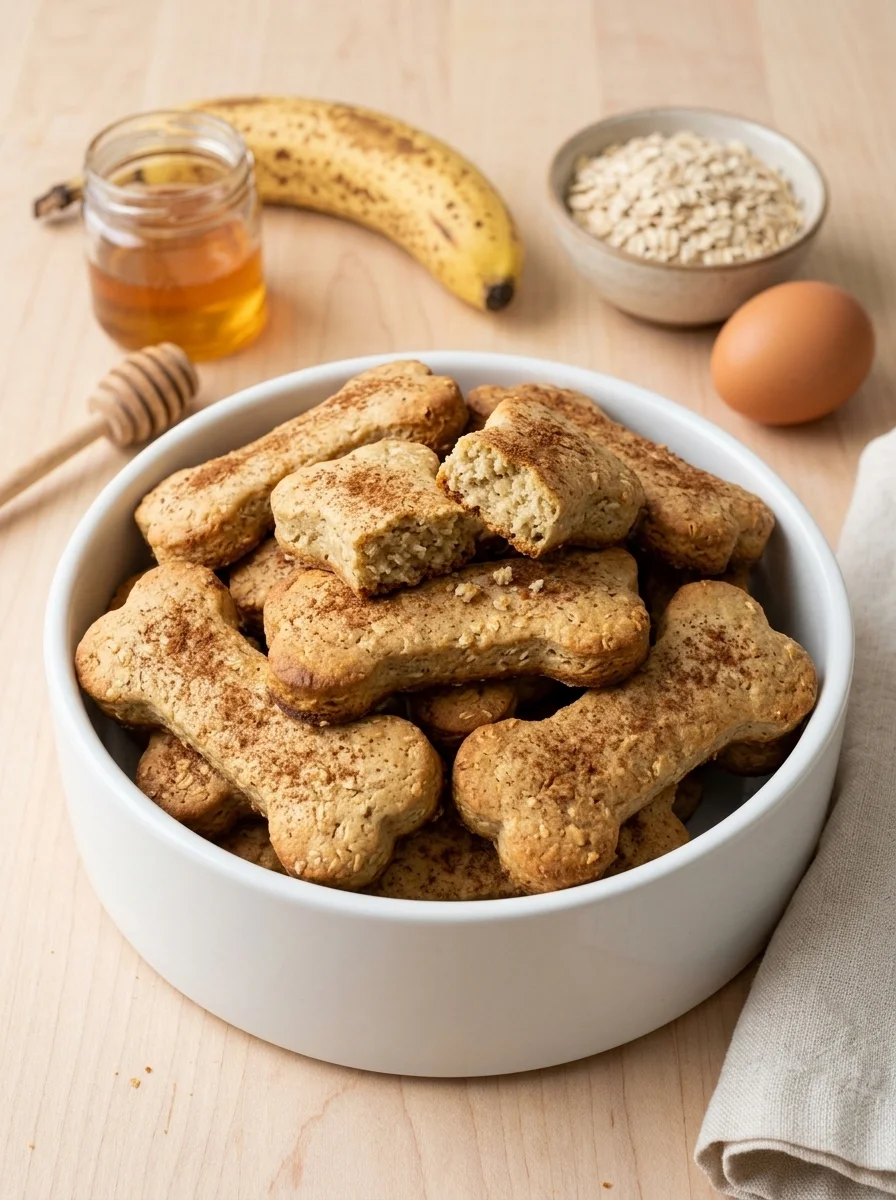
These bone-shaped biscuits are the crunchy version of banana honey dog treats. They hold their shape well, stay firm for longer on the counter, and give dogs a satisfying snap that feels like a tiny bone. The recipe uses whole wheat and oat flour for a heartier texture, and a bit of cinnamon for warmth. If you have never made homemade dog treats before, start with this one because the dough is forgiving. For a no-bake option that pairs well with these, try these 2-ingredient pumpkin dog treats when the kitchen is too warm to bake.
Ingredients
- 1 ripe banana, mashed
- 2 tablespoons honey
- 1 large egg
- 1 3/4 cups whole wheat flour
- 1/2 cup oat flour (or finely ground oats)
- 1/2 teaspoon cinnamon
Step-by-Step Instructions
- Preheat your oven to 350°F and place a parchment-lined baking sheet on the counter.
- In a large bowl, mash the ripe banana until there are no large lumps.
- Stir in the honey and egg until the mixture is smooth and evenly combined.
- Add the whole wheat flour, oat flour, and cinnamon. Mix until a soft dough forms.
- Turn the dough onto a lightly floured surface and knead it for 30 seconds.
- Roll the dough to 1/4 inch thickness and cut into small bone shapes with a cookie cutter.
- Place the shapes on the parchment-lined baking sheet, leaving space between them.
- Bake for 20 to 25 minutes, until the edges are lightly golden and the center feels dry when pressed.
- Cool the biscuits on the rack for at least 10 minutes before serving.
The biscuits should snap cleanly when broken, but not shatter into dust. If they are too soft, bake them a few more minutes. If they are too hard, they will still be safe, just chewier. Store them in an airtight container once cooled.
More Banana Honey Dog Treats
Variation 1: Soft Chewy Banana Honey Bites
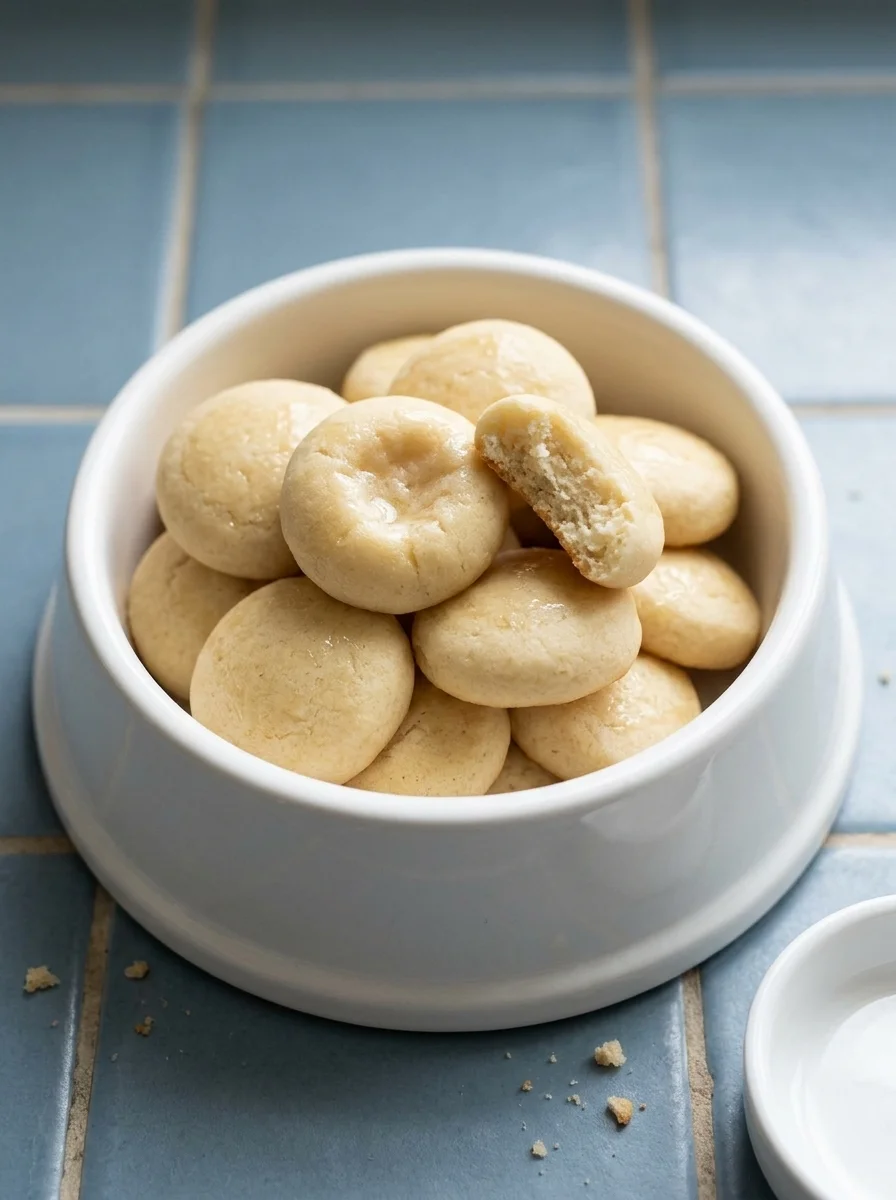
These soft chewy bites are the easiest option for older dogs, puppies over one year old, or any dog with a sensitive jaw. The applesauce adds moisture without changing the flavor profile, so the result is tender, slightly springy, and easy to break into smaller pieces. They bake for a shorter time than the crunchy biscuits, so they never become hard or dry. If your dog has previously refused firm treats, these are the best first attempt. For a fun, celebratory variation that is also dog-safe, check out this recipe that makes a small cake for a birthday or a win.
Ingredients
- 1 ripe banana, mashed
- 2 tablespoons honey
- 1/4 cup unsweetened applesauce
- 1 large egg
- 1 3/4 cups whole wheat flour
- 1/2 cup oat flour (or finely ground oats)
- 1/2 teaspoon cinnamon
Step-by-Step Instructions
- Preheat your oven to 350°F and line a baking sheet with parchment paper.
- Mash the ripe banana in a bowl until completely smooth.
- Stir in the honey, unsweetened applesauce, and egg.
- Add the flours and cinnamon, then mix until a soft, pliable dough forms.
- Let the dough rest for 5 minutes so the flours absorb the liquid.
- Roll the dough to 1/4 inch thickness and cut into small circles or squares.
- Place the pieces on the parchment-lined baking sheet, not touching.
- Bake for 15 to 18 minutes, until the edges just set but the center still looks slightly pale.
- Cool on the rack for at least 10 minutes before serving.
The bites should yield to gentle pressure and feel springy, not firm. They are best served the same day or stored in an airtight container for up to three days.
Variation 2: Grain-Free Banana Honey Bites
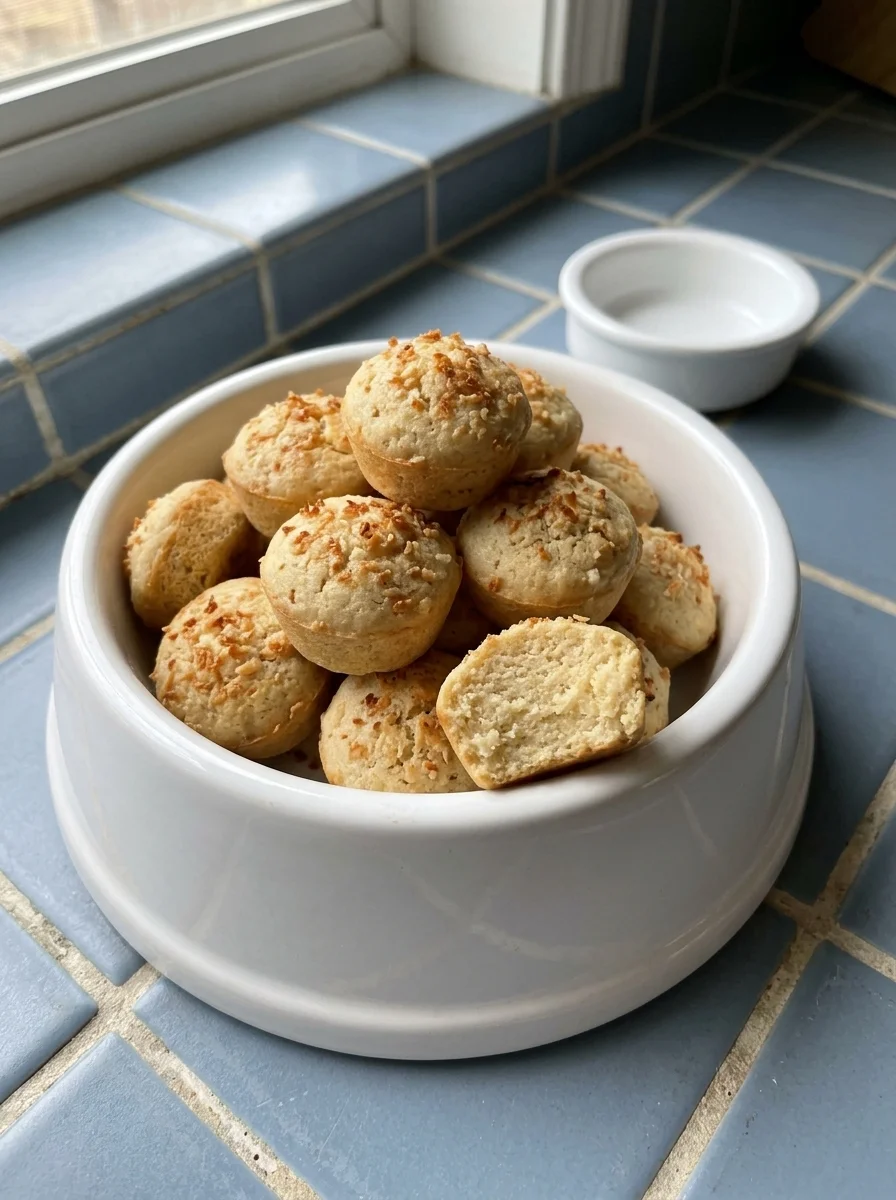
This grain-free version uses chickpea flour and coconut flour instead of any wheat, making it suitable for dogs with grain sensitivities or allergies. Coconut flour drinks up more liquid than wheat flour, so the dough will look sticky at first. Do not add extra flour. Instead, let the dough rest for a few minutes so the coconut flour can absorb the moisture. The result is a tender, dense bite that still holds together. If your dog is a picky eater who refuses most snacks, this version’s slightly different texture and aroma often wins the spot. For a broader perspective on feeding a finicky dog, see the best dog foods for picky eaters guide that covers daily meals, not just treats.
Ingredients
- 1 ripe banana, mashed
- 2 tablespoons honey
- 1 large egg
- 1 cup chickpea flour
- 1/2 cup coconut flour
- 1/2 teaspoon cinnamon
Step-by-Step Instructions
- Preheat your oven to 350°F and prepare a parchment-lined baking sheet.
- Mash the ripe banana until smooth in a mixing bowl.
- Stir in the honey and egg until evenly combined.
- Add the chickpea flour, coconut flour, and cinnamon. Mix until a sticky dough forms.
- Let the dough rest for 5 to 8 minutes so the coconut flour absorbs the liquid.
- Roll the rested dough to 1/4 inch thickness and cut into small shapes.
- Place the pieces on the parchment-lined baking sheet with space between them.
- Bake for 18 to 20 minutes, until the pieces are set and lightly golden at the edges.
- Cool on a wire rack for at least 10 minutes before serving.
These bites are denser than the wheat version and hold up well when stored. They should feel firm but not brittle. If your dog has never had chickpea or coconut flour before, introduce just one or two small bites first.
Serving by Dog Size
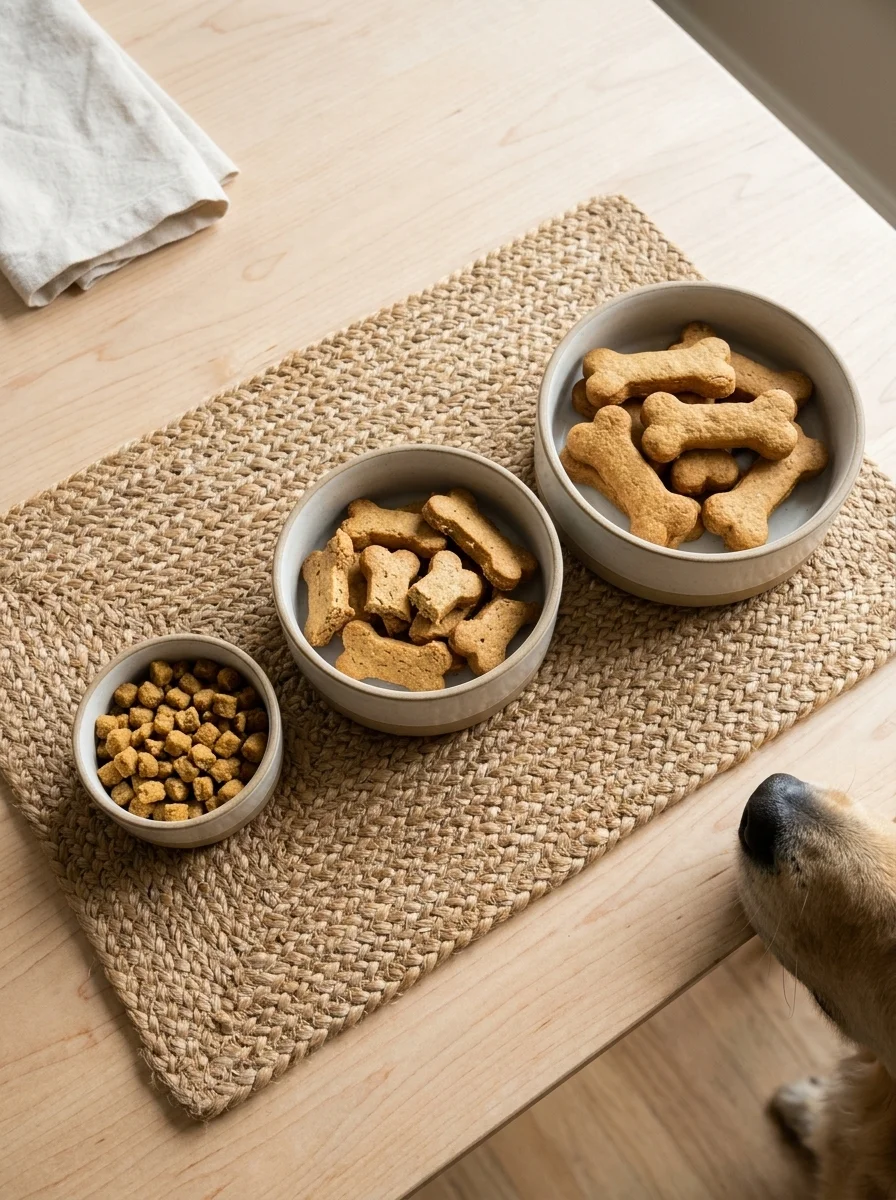
A batch of 16 treats is a dog-scale batch, and portions change with the size of your dog. Small dogs under 20 pounds should receive one treat per serving. Medium dogs between 20 and 50 pounds can have two treats per serving. Large dogs over 50 pounds can have two to three treats, but still within the 10 percent rule. Never serve a treat as a meal. Crumble the treats over a regular meal as a topper, or place them in a dog bowl for a slow snack. If your dog is a fast eater, break the treat into two or three pieces so it lasts longer. Puppies past their first birthday start with half a treat until you know how their stomach handles the honey. Seniors do best with the soft bites broken into two pieces, since a whole biscuit can be a lot of chewing for tired jaws. And for training, the grain-free bites are the easiest to carry: they hold together in a pocket and break cleanly without crumbs everywhere.
Storage and Freezing
Store leftover treats in an airtight container at room temperature for up to three days. For longer storage, freeze the treats on a parchment-lined tray for 15 minutes, then transfer them to a sealed freezer bag. They stay good for up to two months. Thaw at room temperature for 30 minutes before serving. Do not microwave frozen treats because the honey and sugar can create hot spots that may burn a dog’s tongue. Label the bag with the bake date so the oldest batch gets used first. The soft bites freeze just as well as the crunchy ones, and they thaw faster, which makes them handy for a quick training reward straight from the freezer.
Troubleshooting
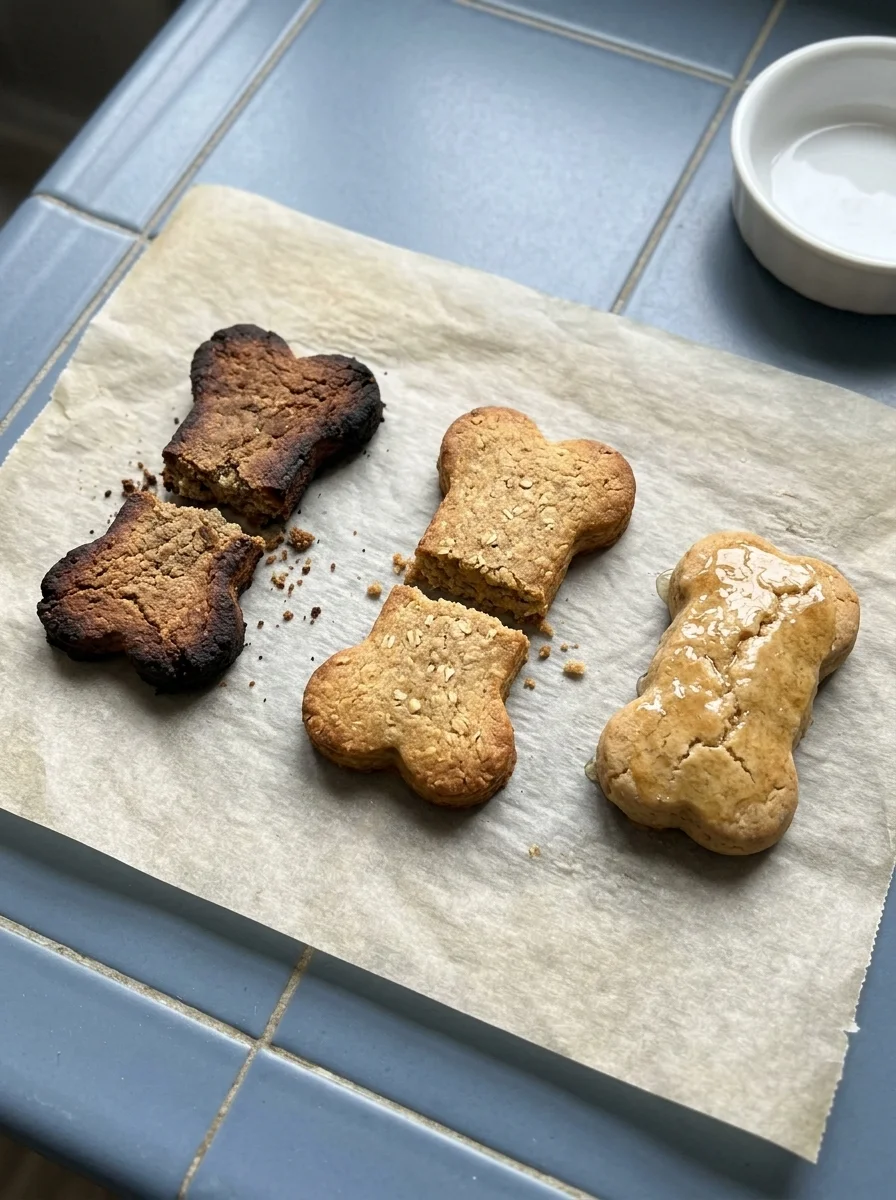
If the treats are too crumbly, add a tiny amount of egg wash or a drop more honey and reshape. If they are too dense, roll the dough thinner before cutting. If the honey tastes too strong for your dog, next time use one tablespoon instead of two, but only for adult dogs with no health issues. If the banana was green, the treats will taste starchy and may be harder for your dog to digest. Use ripe bananas next time. If the treats spread too much in the oven, chill the cut shapes for ten minutes before baking. And if the batch comes out pale on top, give it two more minutes rather than turning the heat up, which dries the honey out.
Frequently Asked Questions
Final Thoughts
Banana honey dog treats are a simple, warm way to connect with your dog through food that is made just for them. The three textures cover nearly every dog in the home, from a senior with sore teeth to a puppy just past the honey-safe age. Keep the batch small, keep the portions right for your dog’s size, and always serve treats in a dog bowl. The kitchen work is easy, and the wagging tail when the first treat lands is the only review you need. Bake the version your dog actually eats, not the one that photographs best. The right texture is the one that disappears from the bowl, and once you know which one that is, the batch practically makes itself.

Izzy is an experienced ranch worker who has a passion for exploring nature and getting up close to wildlife. With her connections to various animal organizations, Izzy is well-versed in animal care and rehabilitation.