Over the Collar Dog Bandana Sewing Inspirations: A Step-by-Step Guide
If you love crafting and you love your dog, sewing a bandana is one of the easiest ways to combine both hobbies into a single fun weekend project. Over the Collar Dog Bandana Sewing Inspirations are perfect for beginners because they slide right over your dog’s collar, so there’s no tying, no slipping, and no fuss during walks or playtime. Unlike traditional tie-on bandanas that can loosen or fall off, this style stays snug and secure no matter how much your dog runs, jumps, or rolls in the grass.
You don’t need fancy equipment to get started. A bit of fabric, a needle or sewing machine, some thread, and about thirty minutes of your time are usually enough to finish one bandana from start to end. Even if you’ve never sewn anything before, these projects are forgiving and easy to redo if a stitch goes crooked.
In this guide, you’ll find twelve creative bandana ideas grouped by style — everyday basics, seasonal designs, and special occasion looks. Each one is simple enough for a beginner but still looks polished and put-together on your pup. By the end, you’ll have a full list of designs to choose from, plus the materials, tools, and step-by-step process to bring any of them to life.
4 Classic Everyday Bandana Sewing Ideas
These are the bandanas you’ll reach for most often. They’re simple, durable, and easy to wash, which makes them ideal for daily walks, trips to the park, or just lounging around the house. Because they don’t require complicated techniques, they’re also the best place to start if you’re brand new to sewing.
1. Simple Triangle Cotton Bandana
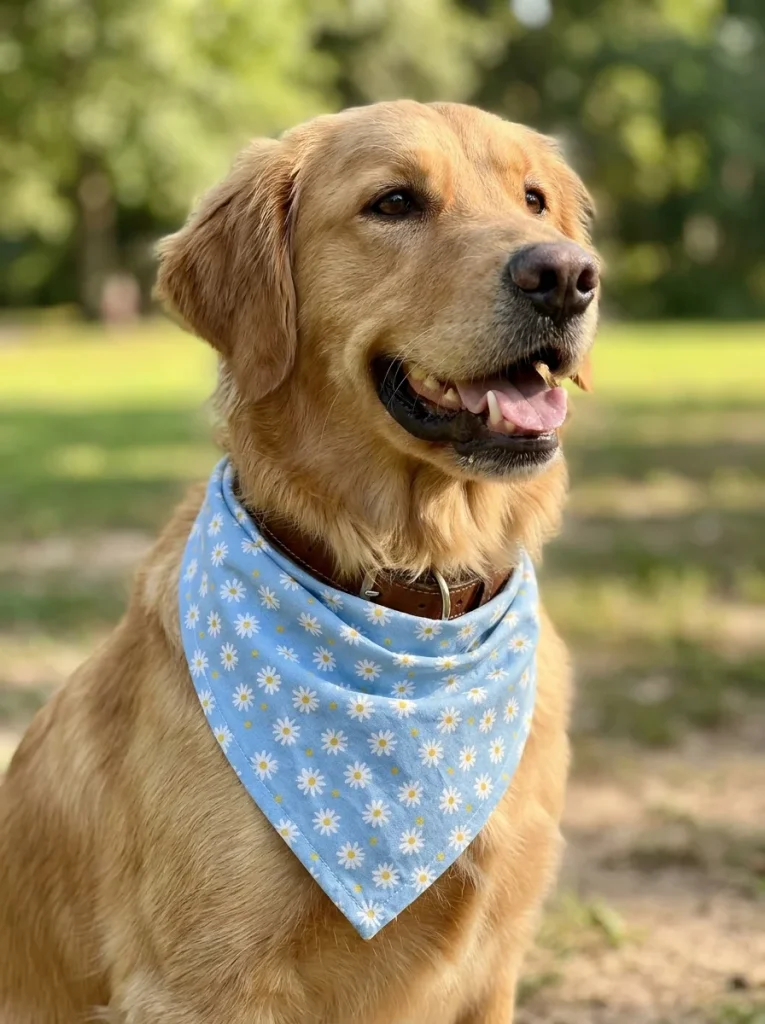
This is the go-to starter project for anyone learning how to sew a dog bandana for the first time. Fold a square of cotton fabric into a triangle, sew a sleeve along the top edge, and slide it over the collar. It takes less than fifteen minutes from start to finish and works with almost any fabric print you already have lying around the house.
Because cotton is lightweight and breathable, this style is comfortable for dogs of nearly any size or coat type. It’s also a great fabric to practice basic hemming and straight stitching before moving on to more detailed designs later in this list.
2. Reversible Plaid Bandana
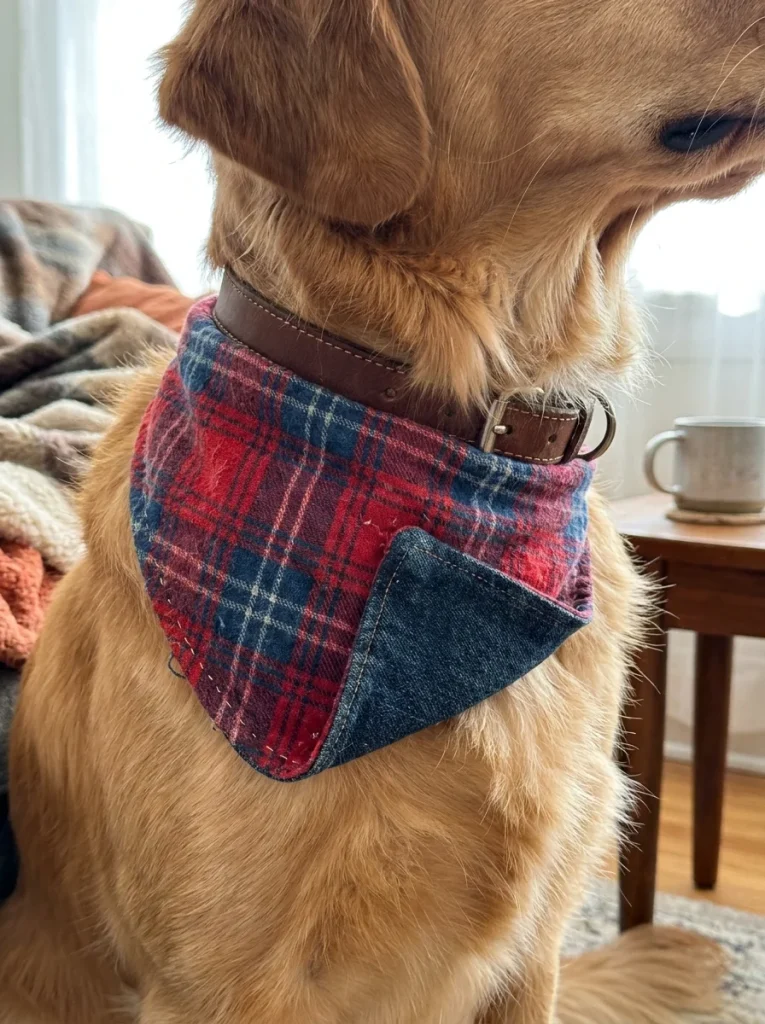
Sew two contrasting fabrics together with the right sides facing in, then flip it inside out before adding the collar sleeve. Your dog gets two looks in one bandana, which is great if you want variety without making multiple separate pieces.
This design is slightly more advanced than the basic triangle because it involves stitching two layers together and turning the fabric right-side out through a small gap. Once you get the hang of it, though, it becomes just as quick to make. Reversible bandanas are also more durable since the extra fabric layer adds a bit more structure and resistance to fraying.
3. Denim Patch Bandana
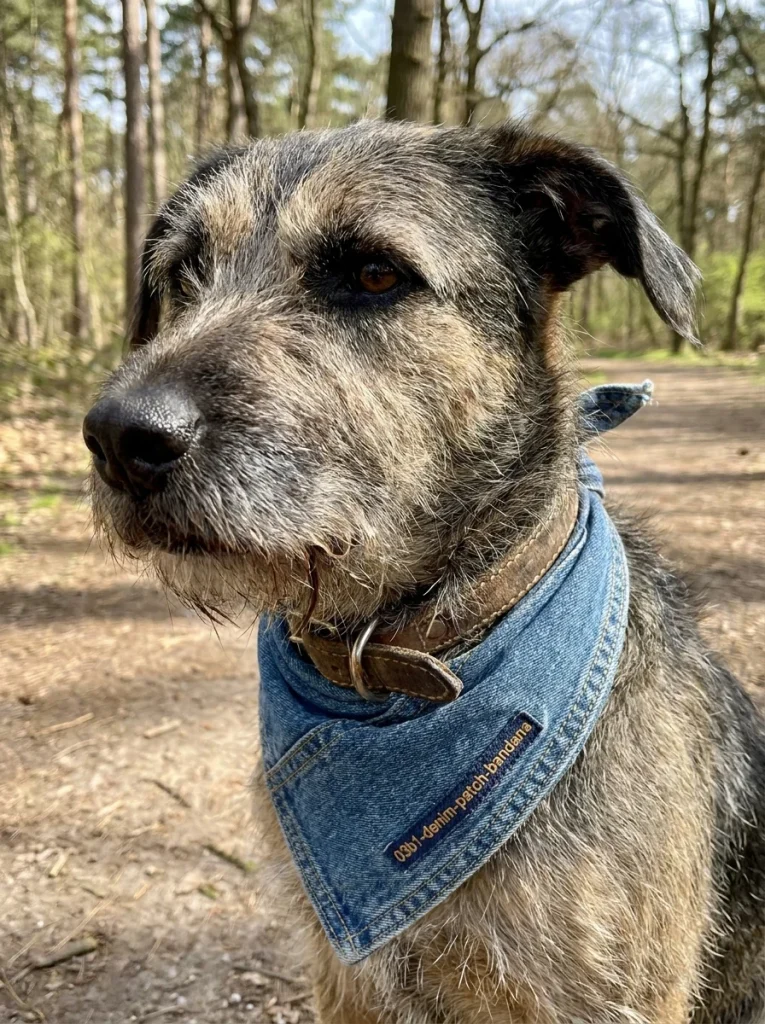
Repurpose an old pair of jeans into a rugged, long-lasting bandana. Denim holds up well to outdoor play and rough weather, making it a smart pick for active dogs who spend a lot of time hiking, digging, or exploring. It’s also a great way to recycle old clothing instead of throwing it away.
Because denim is thicker than cotton, you may need a slightly heavier needle if you’re using a sewing machine. Pair it with the right gear by checking out these dogs accessories tips before your next outdoor adventure, since a sturdy bandana works best alongside a well-fitted collar and leash.
4. Solid Color Linen Bandana
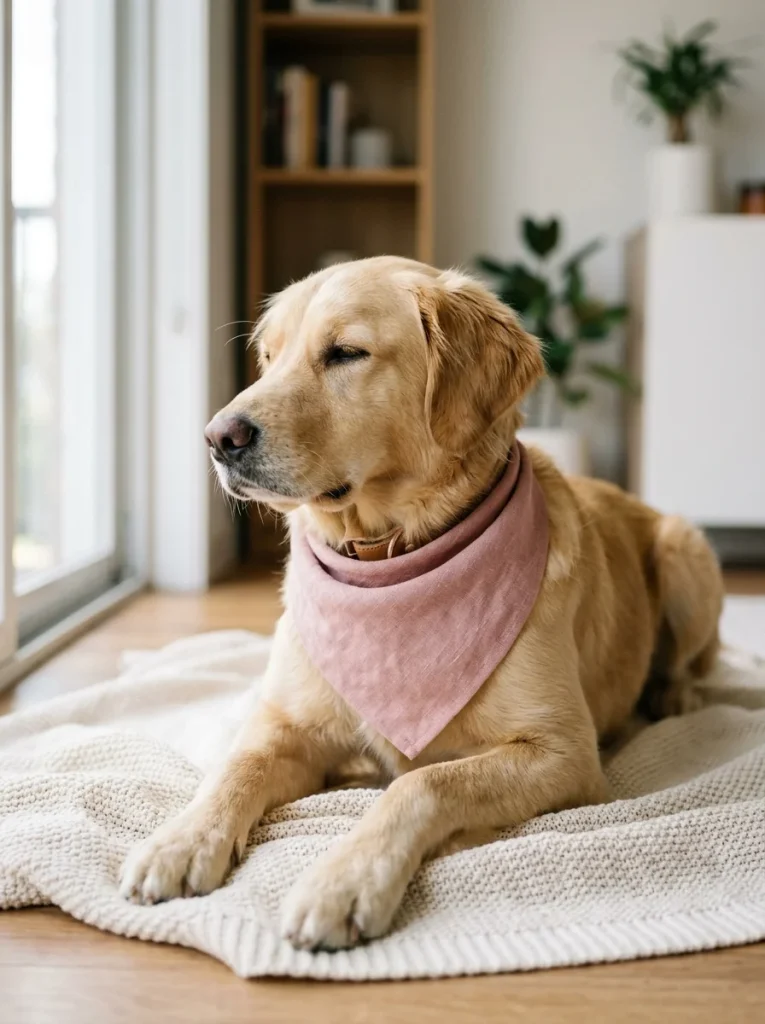
Linen has a relaxed, breathable texture that feels different from cotton and gives off a more natural, laid-back look. A solid color also lets you add embroidery or a small patch later without the design competing with a busy print, which makes it a flexible base for future customization.
Linen tends to wrinkle more easily than cotton, so it helps to press it with an iron right before your dog wears it. This fabric works especially well for warmer climates since it allows more airflow than heavier materials like denim or flannel.
4 Seasonal and Holiday Bandana Inspirations
Rotating your dog’s bandana with the seasons keeps their wardrobe fresh and adds a festive touch to daily walks. Seasonal designs are also a fun way to keep your sewing skills sharp throughout the year, since each one introduces a slightly different fabric or embellishment.
5. Christmas Print Bandana
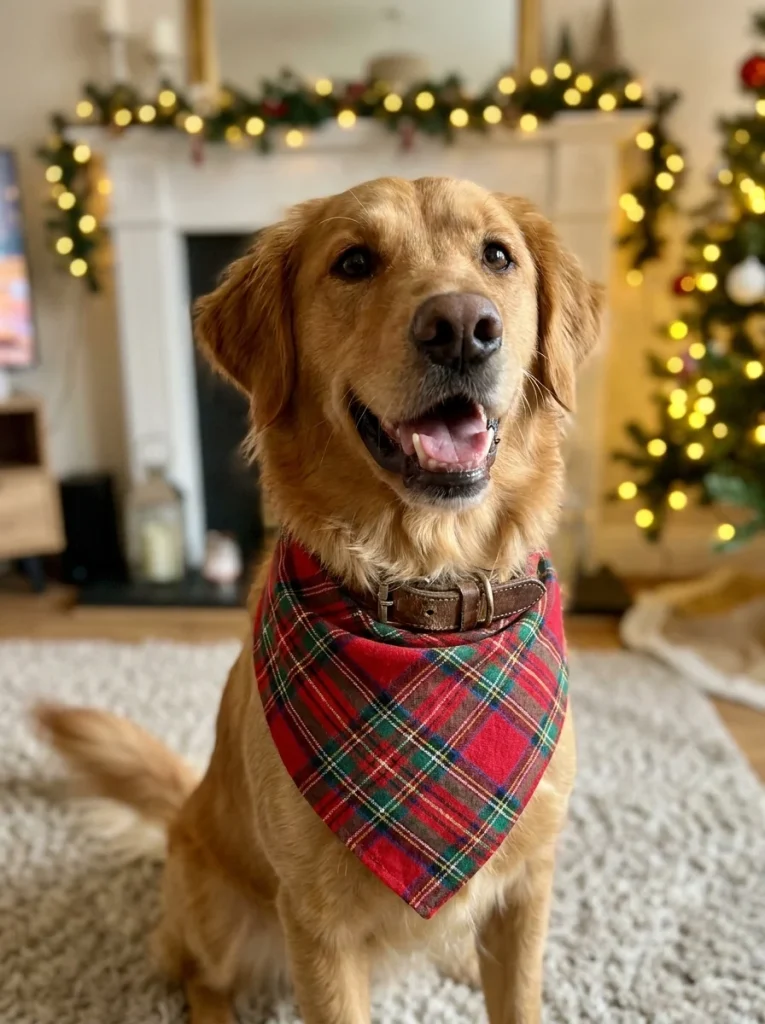
Red and green plaid, snowflakes, or tiny candy cane prints make this an easy holiday favorite that instantly brings a festive mood to any walk. It also makes a thoughtful addition if you’re already browsing trendy dog Christmas gifts for the season, since a matching bandana can round out a holiday gift bundle nicely.
Flannel or brushed cotton works particularly well for winter designs since it adds a bit of extra warmth. If you’re sewing for colder climates, consider doubling the fabric layer for added insulation.
6. Halloween Spooky Bandana
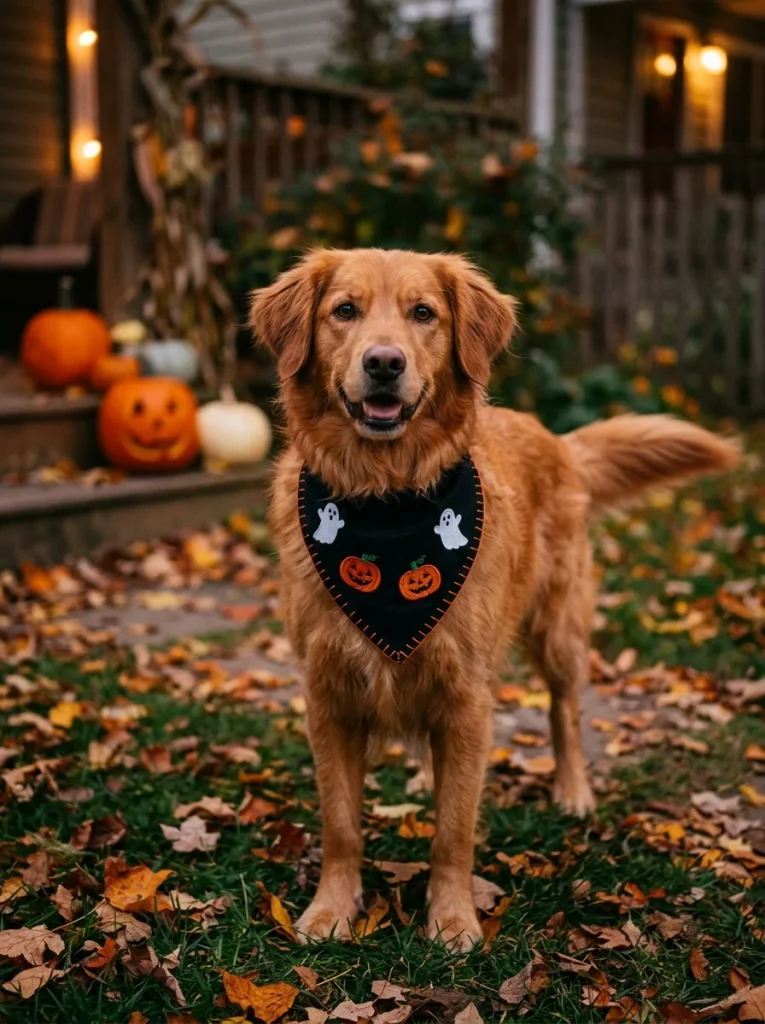
Black fabric with orange stitching, tiny ghost patches, or pumpkin prints turns a simple bandana into a costume piece without much extra effort. This is a low-effort way to include your dog in Halloween festivities without committing to a full costume that they might find uncomfortable or restrictive.
You can also add small felt cutouts, like bats or spiders, using fabric glue if you want extra detail without additional stitching. This keeps the project quick while still giving it a festive, seasonal feel.
7. Summer Floral Bandana
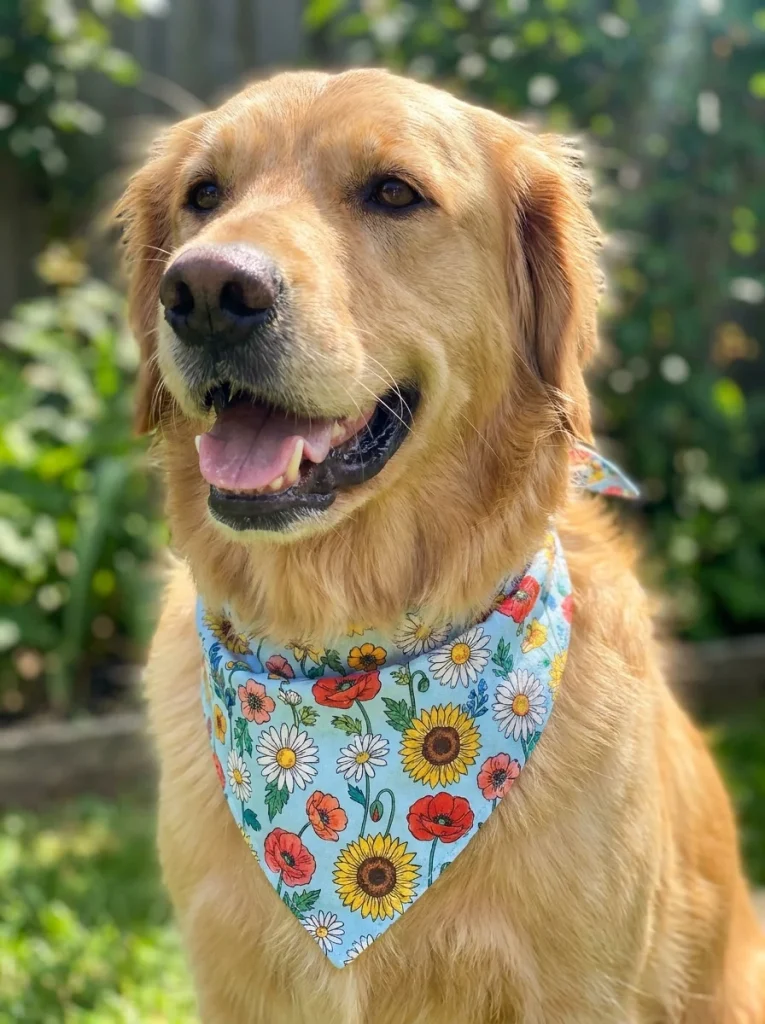
Lightweight cotton with a floral print keeps your dog looking fresh during warm months while staying cool and comfortable. Choose a breathable fabric since summer bandanas are often worn during long outdoor sessions like beach trips, park visits, or backyard barbecues.
Light colors also reflect heat better than dark fabrics, so consider pastel or white-based prints if your dog spends a lot of time in direct sunlight during summer walks.
8. Fall Plaid Bandana
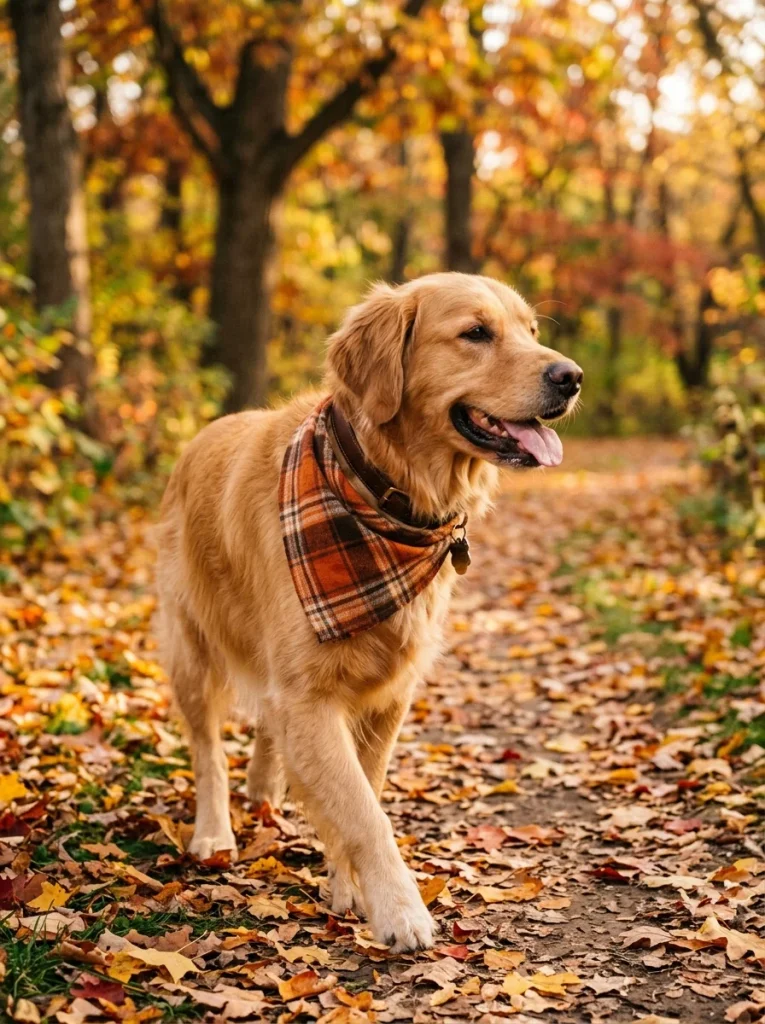
Warm oranges, browns, and mustard yellows capture the autumn feel and pair nicely with the changing leaves during walks. A flannel-style fabric adds a bit of extra warmth as the weather starts to cool down, making this a practical choice as much as a stylish one.
Fall is also a great season to experiment with layering fabrics, since cooler temperatures make slightly thicker bandanas more comfortable rather than overheating your dog.
4 Special Occasion Bandana Ideas
These designs are meant for photos, celebrations, or days when your dog needs to look extra sharp. While they take a little more time than the everyday designs, they’re still manageable for beginners with basic sewing experience.
9. Birthday Party Bandana
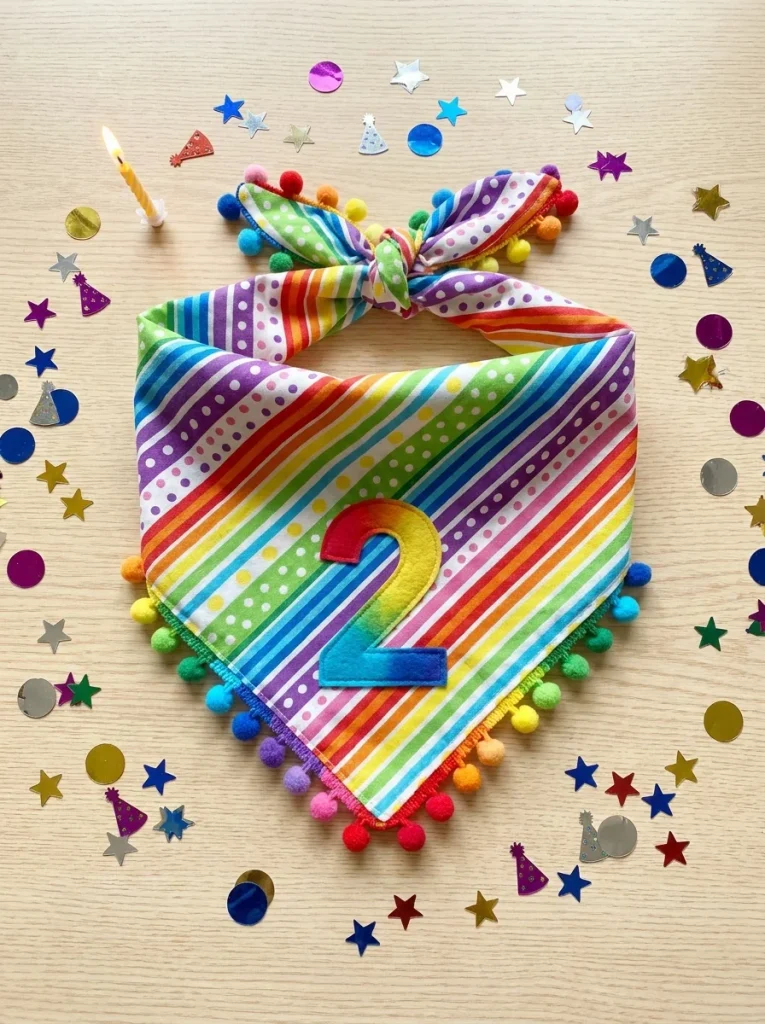
Add a fabric number, a small pom-pom trim, or a “Birthday Boy/Girl” patch to turn a plain bandana into a celebration piece. This is a favorite for dog parents planning a small celebration at home, especially when paired with a matching cake or treats for the occasion.
If you want to make the day extra special, this pairs nicely with homemade dog treats recipes so your pup gets a full birthday experience, from outfit to snacks.
10. Wedding Guest Bandana
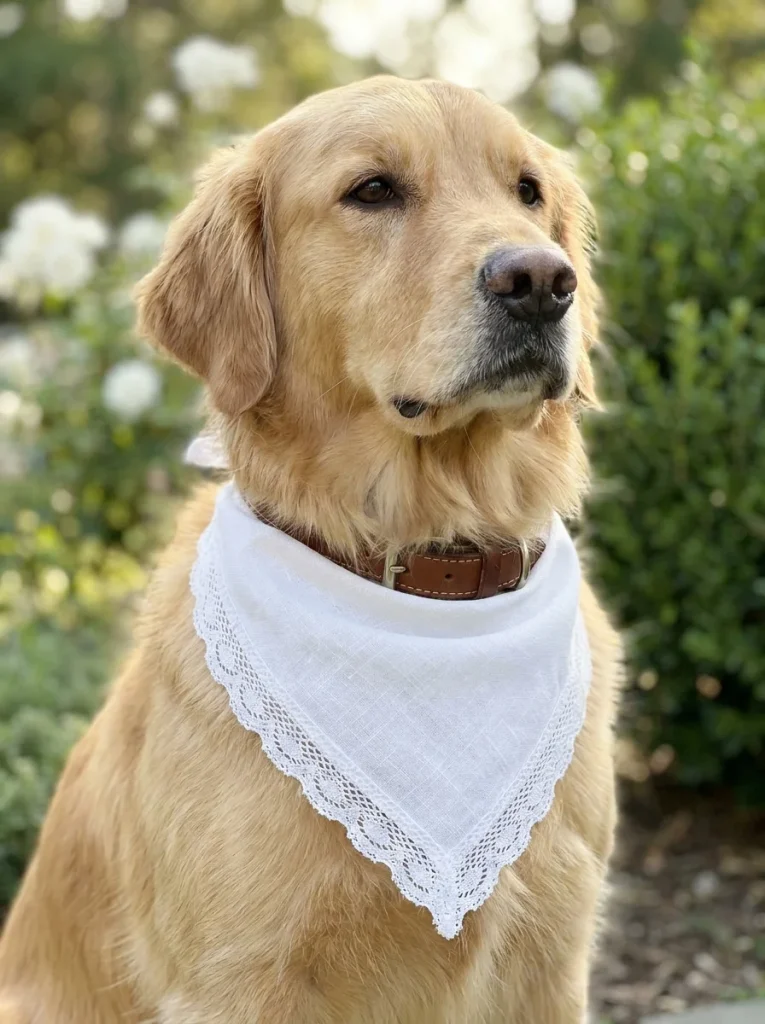
A soft white or pastel fabric with lace trim makes a great outfit if your dog is part of a wedding, whether they’re walking down the aisle or simply attending as a guest. Keep the fabric light so it doesn’t overheat your dog if the event runs long outdoors, especially during warmer months.
Adding a small fabric flower or ribbon accent can elevate the design further without requiring advanced sewing skills. Just make sure any decorative pieces are securely attached so they don’t come loose during the event.
11. Personalized Name Bandana
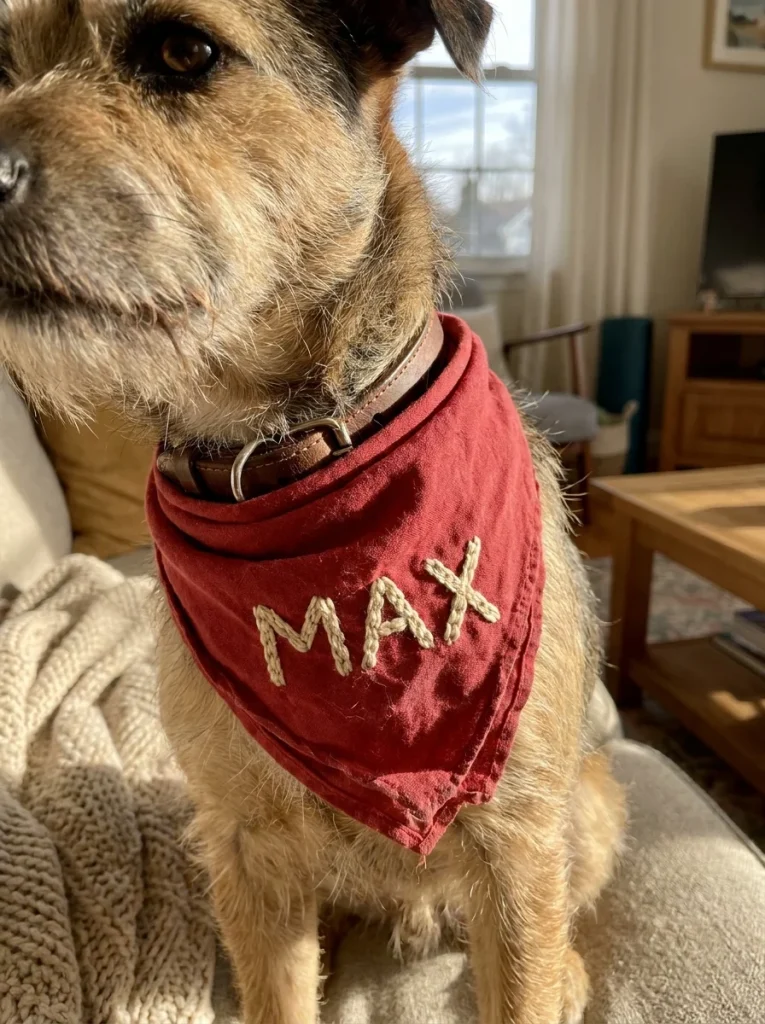
Embroider or iron on your dog’s name for a custom touch that makes the bandana feel one-of-a-kind. This works well as a gift too, especially if you’re picking out cute dog names for a new puppy and want a matching bandana ready on day one to welcome them home.
If embroidery feels intimidating, iron-on letters are a simple alternative that still gives a personalized, professional-looking result without needing advanced stitching skills.
12. Bow-Tie Attachment Bandana
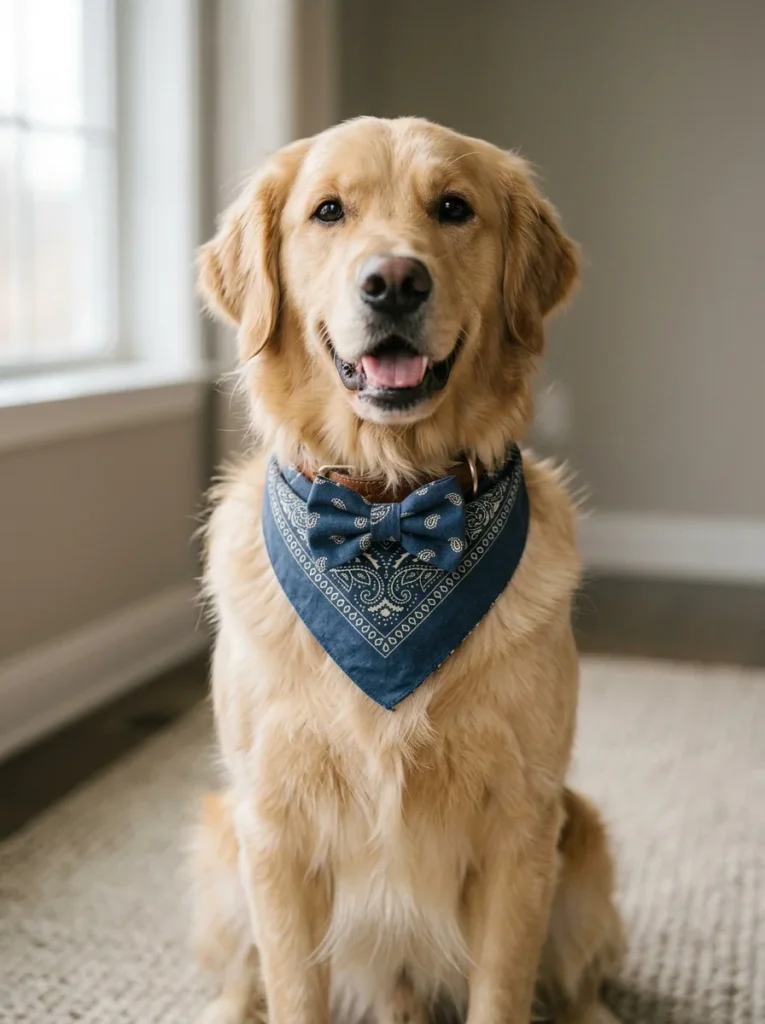
Sew a small fabric bow onto the collar sleeve for a dressed-up look that works well for photos or formal occasions. This style pairs nicely with a fresh trim, so it’s worth timing it around one of these dog grooming styles for a full makeover moment before a big event.
A removable bow, attached with a small snap or Velcro tab, also gives you the flexibility to switch the bandana back to a plain style for everyday wear.
Materials and Tools You’ll Need
Before you start sewing, gather these basics so you’re not stopping mid-project to search for supplies:
- Fabric – cotton, flannel, denim, or linen depending on the season and occasion
- Sewing machine or needle and thread – a machine speeds things up, but hand-sewing works fine for small bandanas
- Fabric scissors – sharp scissors prevent fraying edges and give cleaner cuts
- Measuring tape – to size the collar sleeve correctly before cutting fabric
- Pins or fabric clips – to hold fabric in place while sewing so it doesn’t shift
- Iron – for pressing seams flat before and after stitching
- Thread in matching or contrasting colors – depending on whether you want the stitching to blend in or stand out
Measuring your dog’s collar width first is important. The sleeve needs enough room for the collar to slide through without stretching the fabric too tight, which could cause the seams to rip after a few uses.
Step-by-Step Sewing Tips for Beginners
Here’s a simple process that works for most of the ideas above, no matter which design you choose to start with.
Step 1: Measure the collar. Wrap a measuring tape around the collar to get the width, then add half an inch for seam allowance so the sleeve isn’t too snug.
Step 2: Cut your fabric. For a triangle bandana, cut a square and fold it diagonally. For a rectangle sleeve style, cut a long strip instead, adjusting the length based on your dog’s neck size.
Step 3: Sew the collar sleeve. Fold over about one inch of fabric at the top edge and stitch it down, leaving enough space for the collar to pass through comfortably.
Step 4: Finish the edges. Use a zigzag stitch or fold-and-sew hem to stop the fabric from fraying, especially with cotton or linen, which tend to unravel faster than denim.
Step 5: Add any extras. This is the step for patches, bows, or embroidery. Attach these before the final press so everything sits flat and doesn’t shift during wear.
Step 6: Press and test. Iron the finished bandana, then slide it onto the collar to check the fit before your dog wears it out in public.
If you’re new to sewing, start with the simple triangle bandana before moving on to reversible or layered styles. Building confidence with one basic design makes the more detailed projects feel much less overwhelming. It’s also a good idea to keep your dog comfortable in whatever they’re wearing, so double check their collar fit and consider reviewing how to choose a safe flea collar if it’s time for a replacement anyway.
Choosing the Right Fabric for Long-Term Wear
Not all fabric holds up the same way once your dog starts moving, playing, or rolling around outside. Cotton is breathable and easy to wash, making it a safe first choice for beginners and a reliable option for everyday bandanas. It’s soft against the skin and holds prints well, which is why so many of the designs on this list start with a cotton base.
Flannel adds warmth for cooler months but can hold onto dirt more easily, so it may need more frequent washing during muddy seasons. Denim is the most durable option if your dog spends a lot of time outdoors, though it takes a bit more effort to sew by hand and usually works best with a sewing machine.
Linen sits somewhere in between, offering breathability similar to cotton with a slightly more textured, elevated look. If you’re unsure which fabric to pick, cotton remains the safest all-around choice, especially while you’re still getting comfortable with basic sewing techniques.
If your dog travels often, packing a couple of easy-care bandanas is worth adding to your list of travel essentials to pack for your dog before your next trip, since having a few options on hand means you won’t need to hand-wash one mid-trip.
Caring for a Handmade Dog Bandana
Handmade bandanas last longer with a little care, especially if they include patches, embroidery, or decorative trims. Wash them on a gentle cycle to protect any stitching, since a regular wash cycle can sometimes loosen threads over time. Air drying is safer than a high-heat dryer, especially for fabrics like flannel or linen that can shrink or lose shape when exposed to intense heat.
Rotating between two or three bandanas also reduces daily wear and tear, so each one lasts longer overall instead of being washed and worn every single day. This is especially helpful for special occasion designs, which you’ll want to keep looking fresh for future events rather than everyday walks.
Storing bandanas flat or folded neatly, rather than balled up in a drawer, also helps prevent wrinkles and keeps embroidered details from getting crushed or misshapen between wears.
Final Thoughts
Sewing your own over the collar dog bandana is a simple project that lets you get creative while giving your dog something practical and stylish to wear. Whether you start with a basic cotton triangle or work your way up to a personalized name bandana, each design on this list is beginner-friendly and budget-conscious, so there’s no need for expensive materials or advanced equipment.
Pick one or two ideas that match your dog’s personality and the season, gather your materials, and give it a try. Once you get the hang of the basic sleeve technique, the rest of the designs come together quickly, and you’ll likely find yourself experimenting with new fabrics, patches, and embellishments in no time.
Izzy is an experienced ranch worker who has a passion for exploring nature and getting up close to wildlife. With her connections to various animal organizations, Izzy is well-versed in animal care and rehabilitation.