
How to Start a Dog Treat Business at Home (2026 Guide)
If you love baking for your dog and friends keep asking, “You should sell these,” you’re not imagining it. Learning how to start a dog treat business at home is one of the most affordable ways to turn a hobby into real income. You don’t need a commercial kitchen, a business degree, or thousands of dollars to begin.
This guide breaks down everything step by step: the legal side, the recipes, the pricing, and the marketing. By the end, you’ll know exactly what to do first, second, and third.
I. The Basics of Starting a Dog Treat Business at Home

1) What Is a Home-Based Dog Treat Business
A home-based dog treat business is exactly what it sounds like. You bake or prepare dog treats in your own kitchen, then sell them to customers directly or through local stores.
Most owners start small. They bake in batches on weekends, sell to neighbors and local pet owners, and slowly grow into farmers markets, online stores, or even wholesale deals with pet boutiques.
The appeal is simple. Low overhead, flexible hours, and a product people are genuinely excited to buy for their pets.
2) Is It Legal to Sell Homemade Dog Treats
Yes, in most areas it’s legal, but it’s regulated. Because dog treats count as animal feed, most U.S. states require some form of registration, even for home-based sellers.
The specific rules depend on your state’s cottage food laws and whether your state’s Department of Agriculture requires a pet food manufacturing license. Some states are relaxed about small-batch home sellers; others require inspections.
Don’t skip this step. Selling without proper registration can lead to fines or forced shutdowns, especially once your business grows past casual sales.
3) How Much Money You Need to Start
You can realistically start with $200 to $800. This covers basic baking equipment, initial ingredients, packaging, and a simple registration fee.
Here’s a rough starter budget:
- Ingredients (first batches): $50–$100
- Packaging and labels: $50–$150
- Business registration and permits: $50–$300 (varies by state)
- Basic equipment upgrades: $50–$250
You don’t need commercial ovens or industrial mixers on day one. Your home kitchen, scaled up slightly, is enough to start.
II. Planning Your Dog Treat Business

1) Finding Your Niche and Unique Selling Point
“Dog treats” is a broad category. Successful home businesses usually pick a specific angle instead of trying to sell everything.
Popular niches include:
- Grain-free or limited-ingredient treats for dogs with allergies
- High-protein training treats sold in small, low-calorie pieces
- Custom birthday and celebration treats
- Freeze-dried or dehydrated single-ingredient treats (like liver or sweet potato)
Picking a niche makes your marketing easier and helps you stand out in a crowded market.
2) Writing a Simple One-Page Business Plan
You don’t need a 20-page document. A one-page plan covering five things is enough to guide your first six months:
- What you’re selling and to whom
- Your starting budget and expected costs
- Where you’ll sell (online, local, both)
- Your pricing strategy
- Your first three marketing actions
This keeps you focused instead of guessing your next move every week.
3) Setting Goals for Your First 90 Days
Break your first three months into small, measurable targets. For example:
- Month 1: Finalize 3–5 recipes and get legal paperwork sorted
- Month 2: Sell to 20 local customers or list products online
- Month 3: Reach your first $500 in sales
Small goals keep momentum going and make it easier to spot what’s working.
III. The Recipes and Ingredients Pillar

1) Must-Have Ingredients for Healthy Dog Treats
Good dog treats start with simple, whole-food ingredients. The most reliable base ingredients include:
- Whole wheat or oat flour (or chickpea flour for grain-free options)
- Peanut butter (unsweetened, xylitol-free)
- Pumpkin puree
- Eggs
- Lean meats like chicken or beef (cooked or freeze-dried)
- Sweet potato
These ingredients are affordable, shelf-stable, and widely accepted by dogs with sensitive stomachs.
If you want tested recipe ideas instead of guessing ratios, this collection of homemade dog treats recipes is a solid starting point for building your first product line.
2) Ingredients That Are Dangerous for Dogs
This part isn’t optional information — it’s essential for safety and liability. Never include:
- Chocolate or cocoa powder
- Xylitol (found in many “sugar-free” products)
- Grapes or raisins
- Onion or garlic powder
- Macadamia nuts
A single mistake here can harm a customer’s dog and destroy your business’s reputation instantly. Always double-check every ingredient label, especially pre-made mixes.
3) Popular Treat Types to Start With
New sellers often do best by offering 3–4 treat types rather than a huge menu. Common bestsellers include:
- Baked biscuits (long shelf life, easy to ship)
- Soft training treats (small, high-value for obedience work)
- Dehydrated jerky-style treats
- Special occasion treats, like custom dog birthday cake recipes for pet parties
If you’re also curious about which everyday human foods are safe to repurpose into treats, checking whether dogs can eat cheerios is a good example of the kind of ingredient research that builds customer trust.
For bone-style chews specifically, understanding safe options is worth reviewing before you add them to your menu — see this guide on dog bones and treats.
IV. The Kitchen and Equipment Pillar
1) Essential Tools and Appliances
You likely already own most of what you need. Core equipment includes:
- A standard oven (a dehydrator is optional but useful for jerky treats)
- Mixing bowls and measuring cups
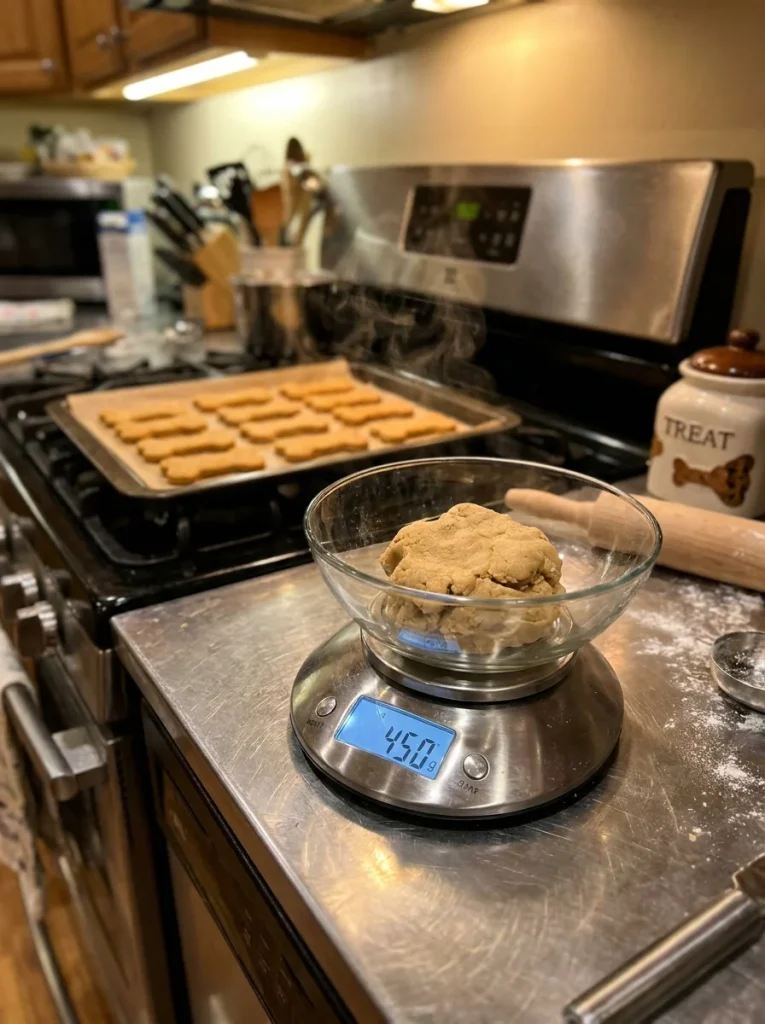
- A food scale (for consistent portions and accurate labeling)
- Cookie cutters (bone shapes sell well but aren’t required)
- Airtight storage containers
A food scale matters more than people expect. Consistent weight per treat keeps your recipes, pricing, and nutrition labels accurate.
2) Setting Up a Food-Safe Workspace
Even in a home kitchen, treat businesses should follow basic food-safety habits:
- Use separate cutting boards and utensils for treat production
- Sanitize counters before and after each batch
- Store raw ingredients away from human food
- Wash hands and change gloves between tasks
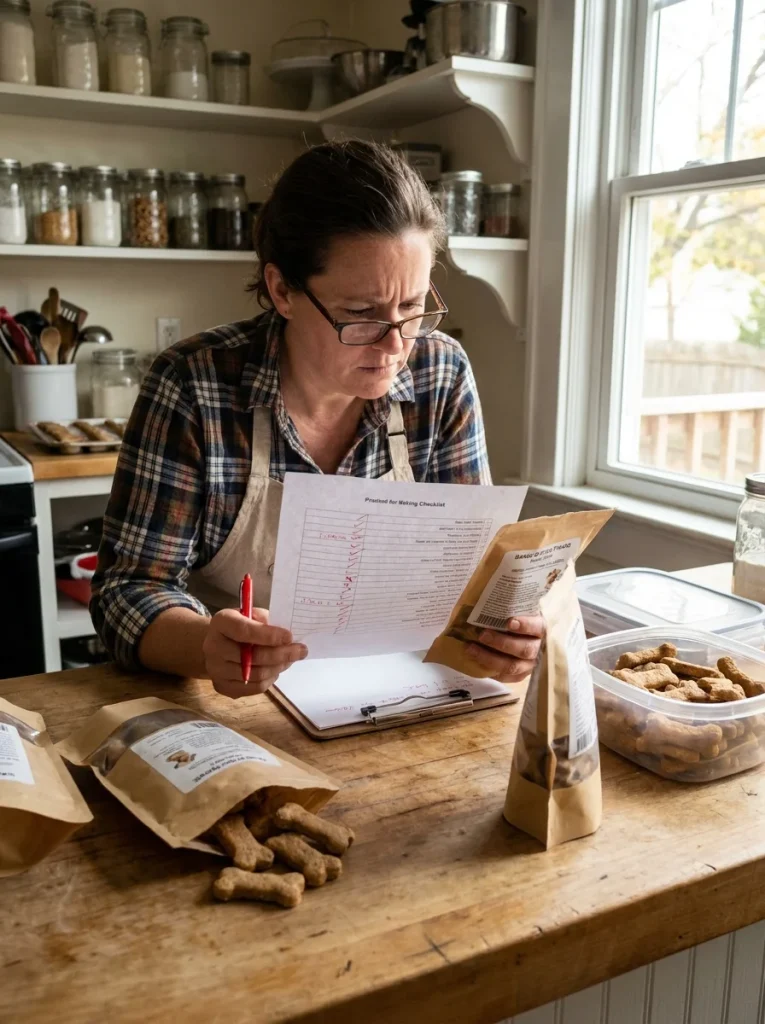
Many states require you to log these practices if you’re operating under a cottage food license, so keep a simple written checklist.
If you want to design a proper dedicated space instead of using your regular kitchen counter, these dog treat station ideas offer practical layout inspiration for organizing ingredients, tools, and packaging in one spot.
3) Storage, Shelf Life, and Packaging Materials
Shelf life depends on moisture content. Baked, low-moisture treats can last 2–3 weeks at room temperature. Soft or dehydrated treats often need refrigeration and should be labeled clearly with a “best by” date.
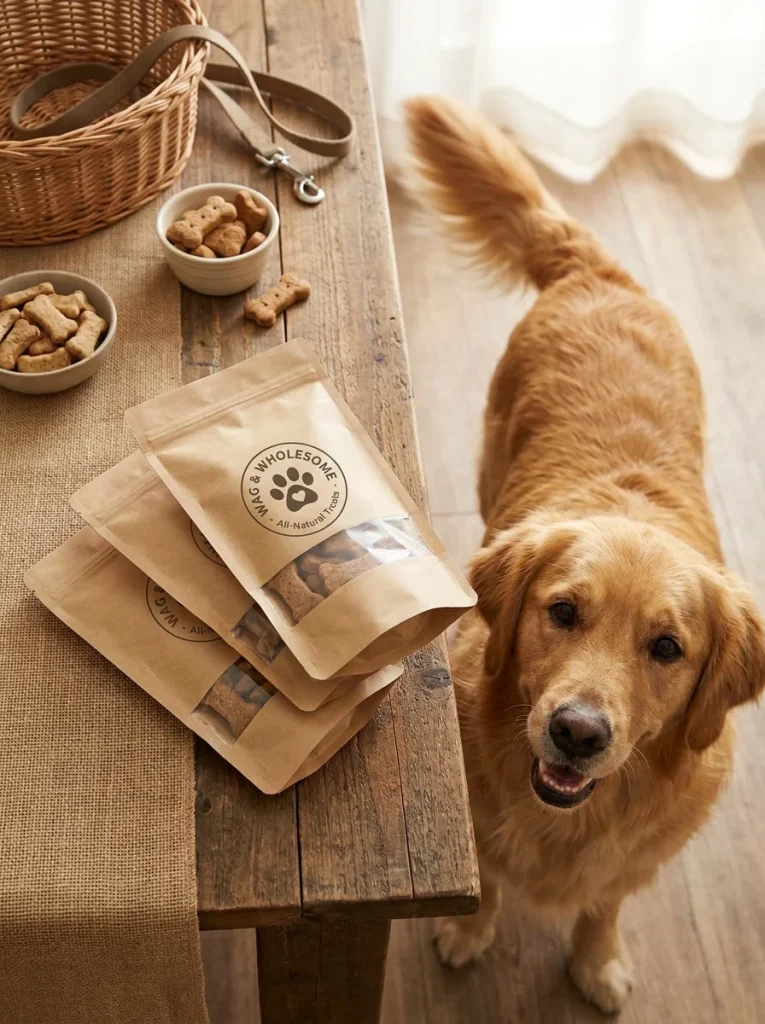
For packaging, resealable kraft bags or clear stand-up pouches with heat sealers work well for small businesses. Include a label with ingredients, weight, and storage instructions — this is often a legal requirement, not just a nice touch.
V. The Legal and Compliance Pillar

1) Business Registration and Tax ID
Start by registering a business name with your state (often called a DBA, or “doing business as”). Then apply for an EIN (Employer Identification Number) through the IRS, which is free and takes minutes online.
This step lets you open a separate business bank account, which makes taxes and profit tracking far easier later.
2) Cottage Food Laws and Pet Food Regulations by State
Unlike baked goods for humans, pet treats fall under animal feed regulations in many states, which are often stricter. Some states require:
- A facility inspection (even for home kitchens)
- A specific pet food manufacturing license
- Registration with the state Department of Agriculture
Check your state’s specific requirements before you sell your first bag. Rules vary significantly, so what’s true in one state may not apply in another.
3) Labeling Requirements and Liability Insurance
Most states expect labels to include:
- Product name and net weight
- Full ingredient list (in descending order by weight)
- Manufacturer’s name and address
- A guaranteed analysis (protein, fat, fiber, moisture percentages) in some states
Liability insurance is also worth the cost once you’re selling regularly. It protects you if a customer claims their dog reacted badly to a treat. Since ingredient safety ties directly into liability, reviewing broader puppy veterinary needs can help you understand common health sensitivities before finalizing recipes.
VI. The Branding and Sales Pillar
1) Naming and Designing Your Brand
Your business name should be memorable, easy to spell, and hint at what you sell. Avoid names that are too close to existing pet brands, and check that the domain and social handles are available before committing.
If you’re stuck on ideas, browsing dog grooming business names can spark naming patterns and structures that translate well to a treat brand too, even though the niche is different.
Once you have a name, keep your logo and packaging simple. Two or three colors and one clear font are more effective than an overdesigned label.
2) Where to Sell Your Dog Treats
You have several realistic options as a home-based seller:
- Local sales: neighbors, dog parks, local Facebook groups
- Farmers markets and pet expos: great for direct feedback and repeat customers
- Online stores: Etsy or a simple Shopify site for shipping treats nationally
- Wholesale to local shops: pet boutiques or groomers often take small-batch products on consignment
Most successful home businesses use two or three of these channels at once rather than relying on just one.
3) Pricing Strategies That Keep You Profitable
Price based on cost, not guesswork. Use this basic formula:
(Ingredient cost + packaging cost + your time) × 2.5 to 3 = retail price
For example, if a batch of 20 treats costs $10 in ingredients and packaging, and you value your time at $10, your total cost is $20. Multiply by 2.5–3, and you’d price the batch between $50–$60, or roughly $2.50–$3 per treat.
Undervaluing your time is the most common pricing mistake new sellers make.
VII. The Marketing and Growth Pillar

1) Social Media Content Ideas for Pet Businesses
Instagram and TikTok work well for treat businesses because the product is visual. Content that performs well includes:
- Behind-the-scenes baking clips
- Before-and-after “dog reaction” videos
- Ingredient breakdowns explaining why a treat is healthy
- Customer photos of their dogs enjoying the product
Posting consistently, even 2–3 times a week, builds more trust than posting perfectly but rarely.
2) Building Customer Loyalty and Repeat Orders
Repeat customers are more valuable than one-time buyers. Simple loyalty tactics include:
- A punch card (buy 5 bags, get 1 free)
- A small handwritten thank-you note in every order
- Email or text updates when new flavors launch
Dog treat businesses often grow through word of mouth more than ads, so a great customer experience matters as much as the product itself.
3) Growing Beyond a Home Kitchen
Once you consistently outgrow your kitchen’s production capacity, it’s a sign to consider a shared commercial kitchen space or a small commercial unit. This usually happens once you’re producing more than a few hundred units weekly.
At that stage, you may also want to hire part-time help for packaging or order fulfillment, which frees you up to focus on recipes and growth.
VIII. Common Mistakes to Avoid When Starting a Dog Treat Business
1) Skipping Legal Requirements
Selling without proper registration feels harmless at first, especially when sales are small. But it puts your entire business at risk if a customer complains or a regulator gets involved. Handle this early, not after you’ve already scaled up.
2) Underpricing Your Products
New sellers often price treats too low because they compare themselves to store-bought bags instead of accounting for their own time and ingredient quality. This leads to burnout and unsustainable margins.
3) Ignoring Ingredient Safety
Even one unsafe ingredient can seriously harm a dog and end your business through bad reviews or legal issues. Always research every ingredient thoroughly, and when in doubt, leave it out.
Final Thoughts
Starting a dog treat business at home is realistic, affordable, and genuinely rewarding if you treat it like a real business from day one. Get your legal groundwork sorted, perfect a handful of safe recipes, price with confidence, and market consistently.
The dogs — and their owners — will do a lot of the marketing for you once they taste the difference.

Izzy is an experienced ranch worker who has a passion for exploring nature and getting up close to wildlife. With her connections to various animal organizations, Izzy is well-versed in animal care and rehabilitation.