3-Ingredient No-Bake Peanut Butter Dog Treats for Puppies and Seniors
There is nothing quite like the look on your dog’s face when they catch the smell of peanut butter rolling toward the bowl. For busy households, the best treat is one that takes minutes to shape, requires no oven, and still feels like something you made with care. These 3-Ingredient No-Bake Peanut Butter Dog Treats fit that need perfectly. They are soft enough for a puppy still learning healthy chewing habits and gentle enough for a senior with sensitive gums or worn-down teeth. The dough binds on its own, and the chilling step gives it a firm-but-pliable texture that holds a roll or hides a training reward. Puppies are still learning how hard to bite, so a treat that yields under gentle pressure teaches them to chew instead of gulp. Seniors face the opposite problem: teeth that have done years of work and gums that bruise easily. The same soft ball answers both, which is why one batch can serve the youngest and the oldest dog in the house.
The whole recipe is built around three dog-safe ingredients: rolled oats, natural peanut butter, and one of three mix-ins. No eggs, no baking soda, no human flavorings that could upset a sensitive stomach. For owners who want to keep snacks simple but satisfying, this style of treat pairs well with a quality staple diet — you can learn more by looking at the best dog foods for picky eaters and building a balanced plan around these add-ons.
Why No-Bake Treats Are the Easiest Win
No-bake means no dry-out, no over-baking, and no guesswork about doneness. The texture stays consistent, which matters a lot for small puppies and older dogs who need something easy to break apart. Because the mixture is shaped by hand and then chilled, you control the size and firmness of each ball. A soft ball works for a wiggly training session; a colder, firmer ball lasts longer at an enrichment station. In summer the no-bake part matters even more, because the kitchen stays cool and the treats never sit in a hot oven that dries them out. For a teething puppy, a cold ball straight from the fridge doubles as a soothing chew. For a senior with a sore mouth, the same cold ball is gentle enough to eat without a wince.
The process is also low-waste. You mix in a single bowl, roll, and chill. If you want to keep the lineup short, start with the base and branch out only when you are confident in the texture. One bowl, one tray, one hour in the fridge, and the batch is done. Some owners prefer an even simpler swap for warm-weather days, like the 2-ingredient peanut butter yogurt dog treats option, which gives a creamy bite without the grain base.
The 3-Ingredient Formula That Always Works
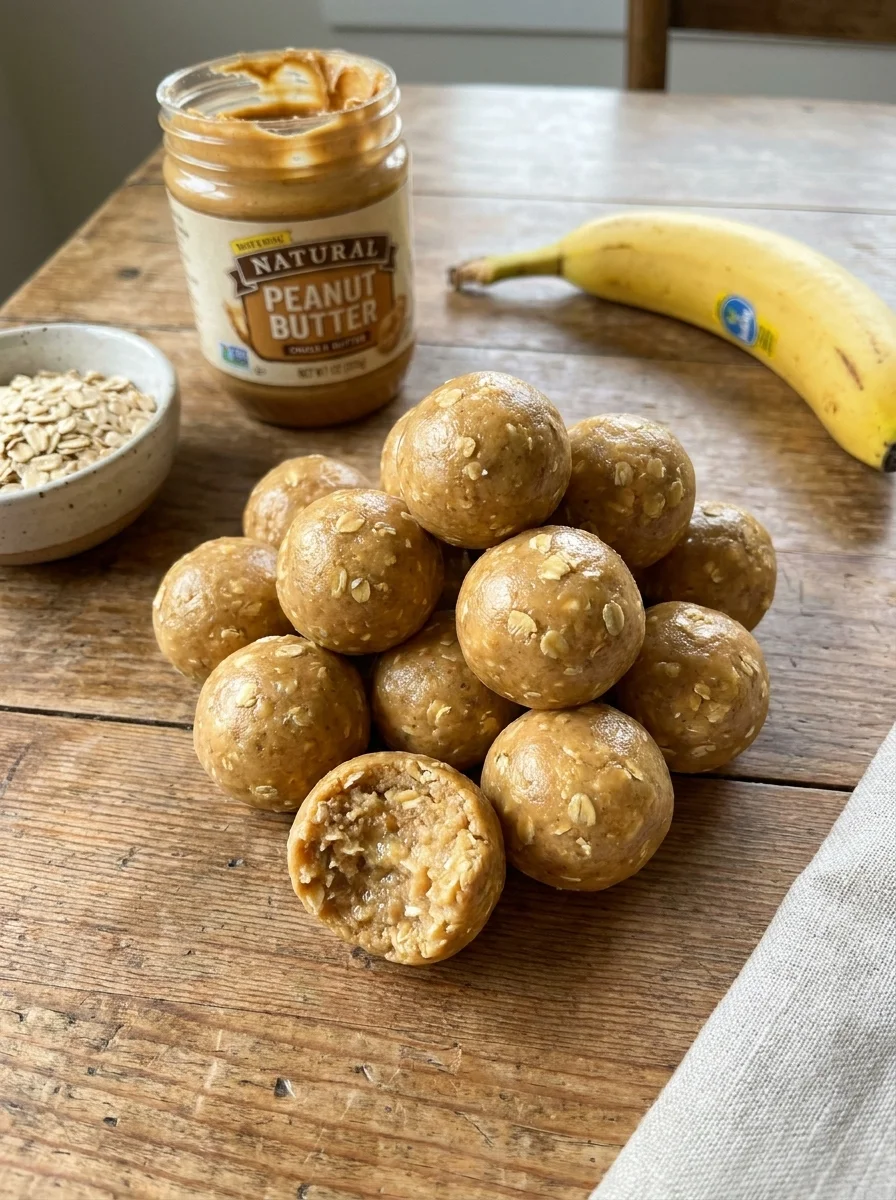
The backbone of every treat in this guide is the same three-part structure. One ingredient adds chew and structure, one adds fat and flavor, and one adds moisture or texture. For this lineup:
rolled oats
natural peanut butter
a fruit or veg mix-in
The peanut butter must be xylitol-free. Xylitol, also called birch sugar, is a sweetener found in some “natural” brands and can be toxic to dogs even in small amounts. The safest choice is plain natural peanut butter with only peanuts, and possibly a pinch of salt. Read the label every time you buy a new jar, because recipes change and a brand that was safe last year can add a sweetener this year. If the label lists anything you cannot pronounce, put the jar back. No added sugar, no sweeteners, no chocolate.
The oats should be rolled oats, not instant or raw. They soften quickly when mixed with the wet ingredients and give the dough a gentle bite without becoming gluey. If you only have oat flour, it works too, but the balls turn out denser and less chewy, so stick with rolled oats when you can. Oats also bring fiber that keeps a puppy’s digestion steady and helps a senior feel full without extra calories. The mix-in — banana, pumpkin purée, or coconut — adds moisture and personality. Stick to plain, unsweetened, and unseasoned versions of every ingredient.
Recipe 1: Classic Peanut Butter Banana Balls
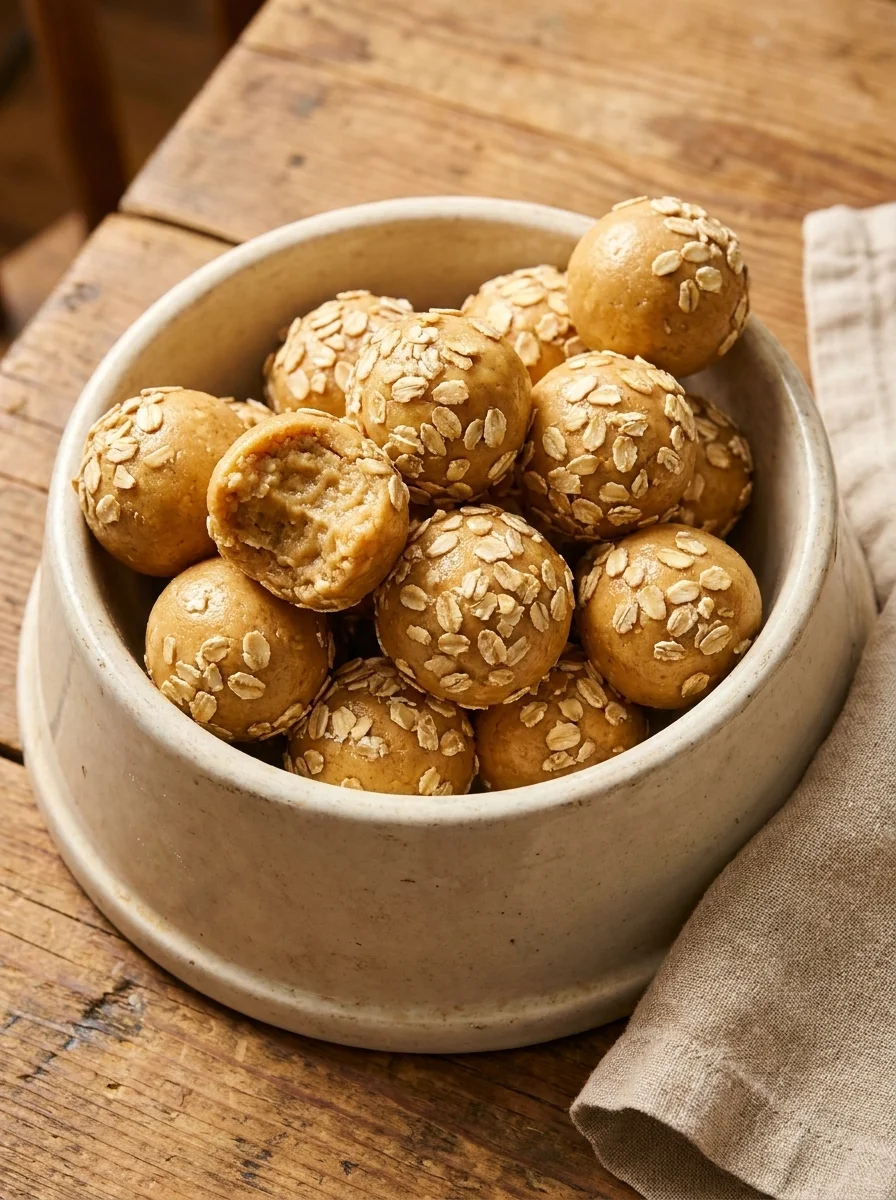
Banana is the easiest mix-in because it blends smooth, so the dough does not clump when you roll it. The sweetness is mild, which keeps the treat appealing without overwhelming the peanut butter. The finished ball is dense and slightly chewy; after an hour in the fridge it feels firm on the outside and pliable inside.
Ingredients
- 1 cup rolled oats
- 1 cup natural xylitol-free peanut butter
- 1 ripe banana, mashed
Step-by-Step Instructions
- Mash the banana in a large bowl until there are no large chunks.
- Add the rolled oats and stir until evenly combined.
- Add the natural peanut butter and mix for about one minute until the dough holds together when pressed and no longer sticks to your fingers. If it still sticks, add a spoonful of oats and mix again.
- Roll small tablespoon-sized balls, then place them on a parchment-lined tray with a little space between each one.
- Chill in the refrigerator for one hour, or until the balls are firm to the touch. Press one lightly: the surface should resist without cracking, and the center should feel cool and set, not soft.
The chilled balls are easy to snap into two or three pieces for small puppies, which keeps the first treat portion manageable. For a senior, snap the ball in half and let it sit on the counter for five minutes so the chill takes the edge off before serving. The texture stays soft enough to gum, which matters for a dog that has lost a tooth or two. A quick look at this recipe for another peanut-based idea can help you decide whether to vary the shape or keep the same base.
More No-Bake Peanut Butter Treats
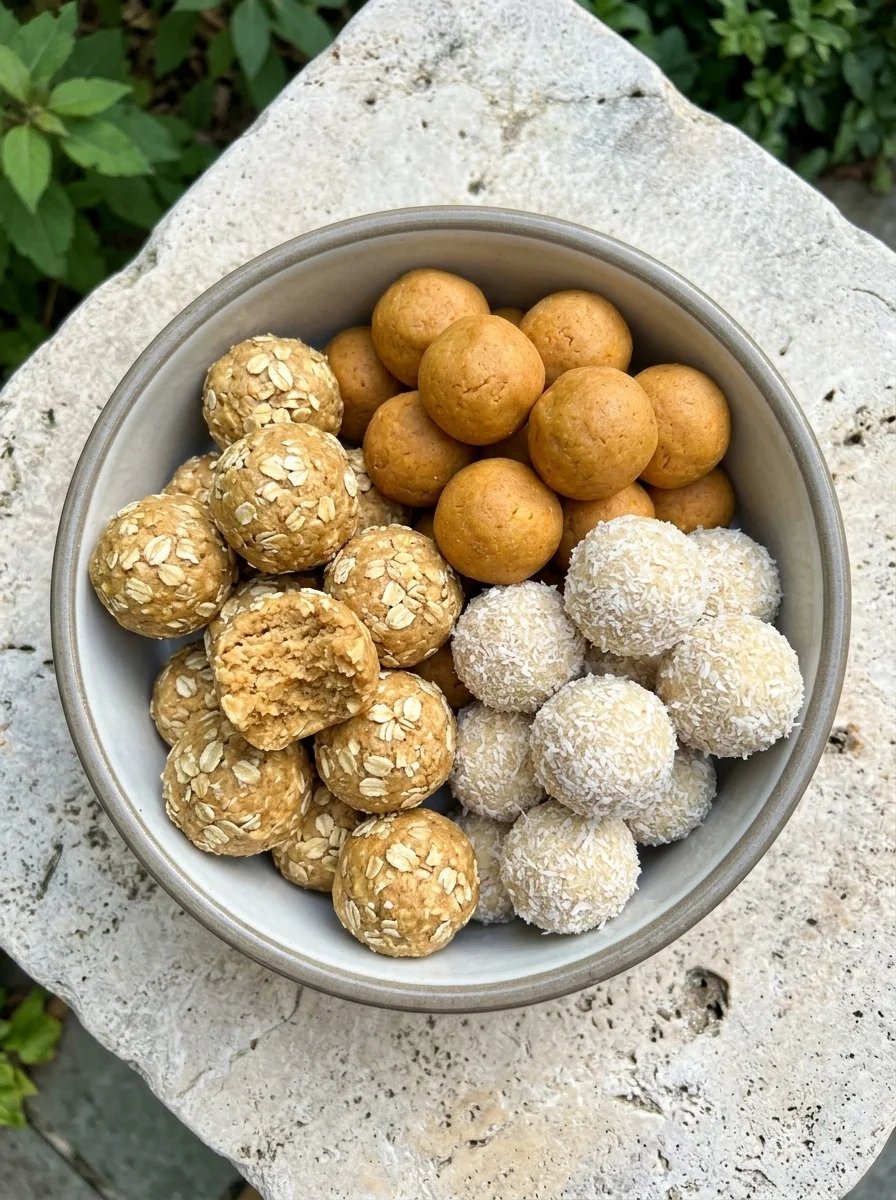
The base formula repeats with one ingredient swapped, so you can rotate flavors without new technique. Pumpkin gives a softer, earthy note and a purée-based texture that many senior dogs find easier to swallow. Coconut adds a light crunch and a subtle fragrance without extra sugar.
Variation 1: Pumpkin Peanut Butter Bites
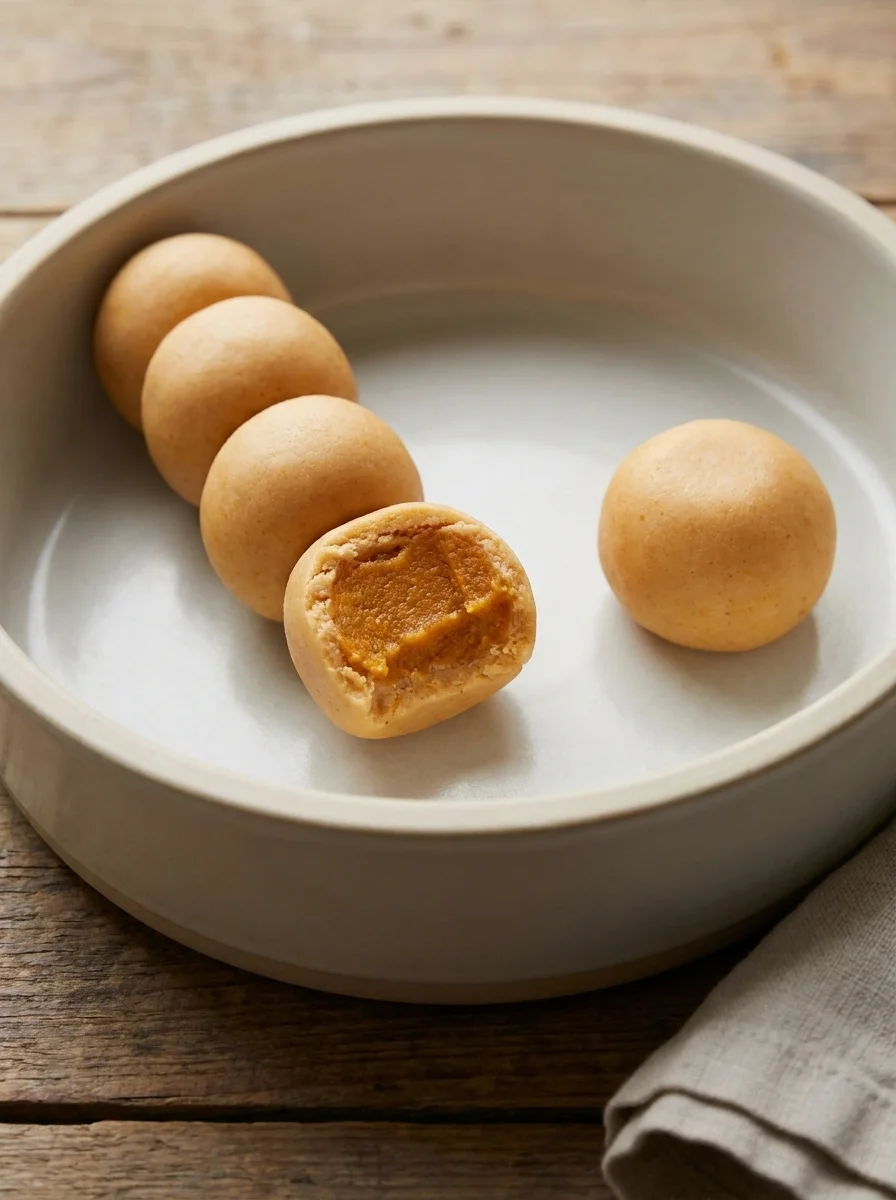
Purée pumpkin — not pumpkin pie filling, which contains spices and sweeteners — makes the dough spreadable. The result is a softer ball that holds for about twenty minutes in a cool room, then firms as it cools. Pumpkin is gentle on digestion, which is why vets often suggest it for dogs with upset stomachs. The purée also keeps the dough moist without extra fat, so these bites suit seniors watching their weight. If your dog is a fan of the simpler 2-ingredient pumpkin dog treats version, this is the natural next step, because it adds fat and structure while keeping the gut-friendly profile.
Ingredients
- 1 cup rolled oats
- 1 cup natural xylitol-free peanut butter
- 1 cup plain pumpkin purée
Step-by-Step Instructions
- Place the plain pumpkin purée in a large bowl and stir until smooth.
- Add the rolled oats and mix until the dry flakes are fully hydrated.
- Add the natural peanut butter and combine until the dough holds a firm ball.
- Shape tablespoon-sized balls and set them on parchment with a gap between each.
- Refrigerate for one hour, or until the center is cool and the exterior is firm. If the ball still feels soft in the middle, give it another thirty minutes rather than serving it half-set.
Variation 2: Coconut Peanut Butter Balls
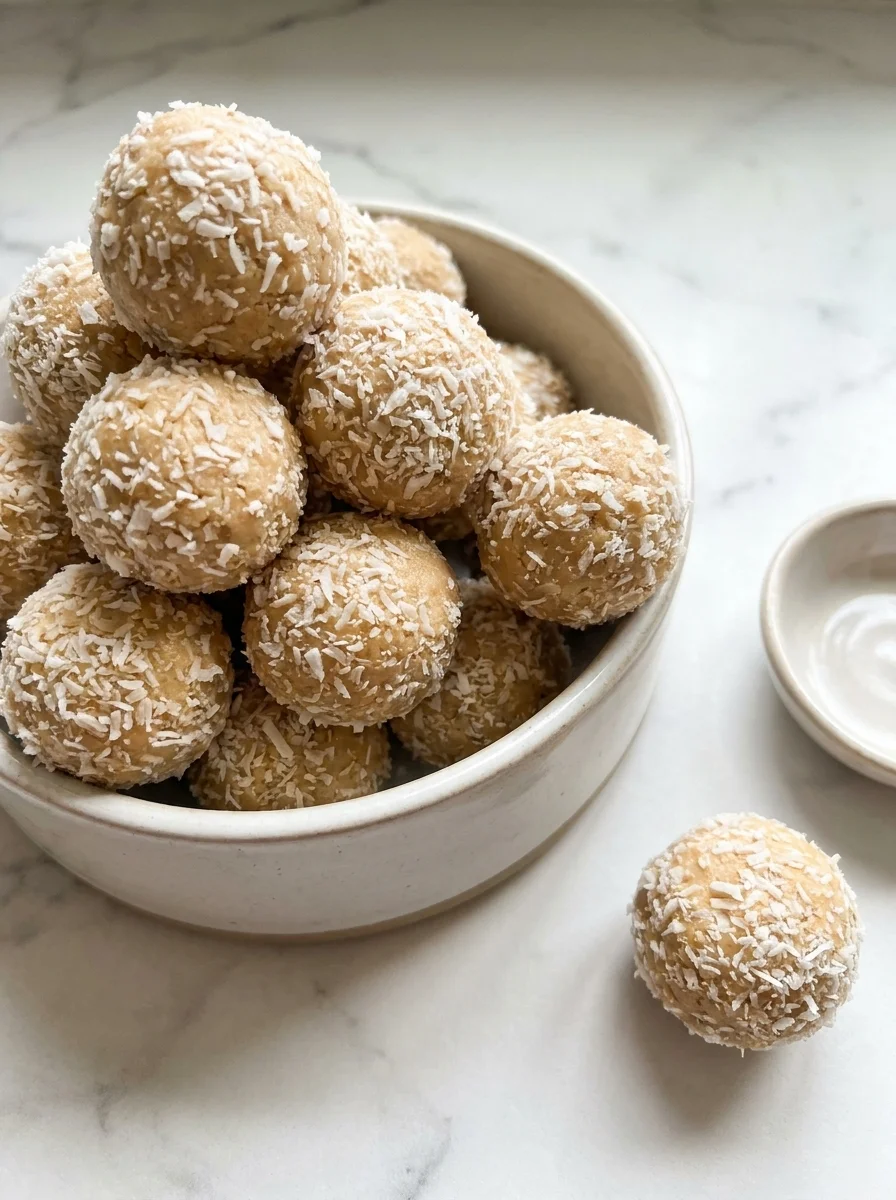
Shredded coconut stays in little flecks that give a subtle texture. Use unsweetened, plain shredded coconut, not the sweetened baking type that often contains added sugars. The balls stay slightly looser than the banana version, so they are best served from the fridge while still cold, which keeps the shape neat and the surface non-sticky.
Ingredients
- 1 cup rolled oats
- 1 cup natural xylitol-free peanut butter
- 1 cup unsweetened shredded coconut
Step-by-Step Instructions
- Put the unsweetened shredded coconut in a large bowl and break up any clumps.
- Add the rolled oats and stir until the dry ingredients are even.
- Add the natural peanut butter and mix until a firm, tacky dough forms.
- Roll into ball shapes and place them on parchment with space between each.
- Chill for one hour; the centers should be cool but the exterior should not be hard. If the coconut makes the dough crumbly, press each ball firmly in your palm for a few seconds before chilling so the flakes bind.
Serving by Dog Size
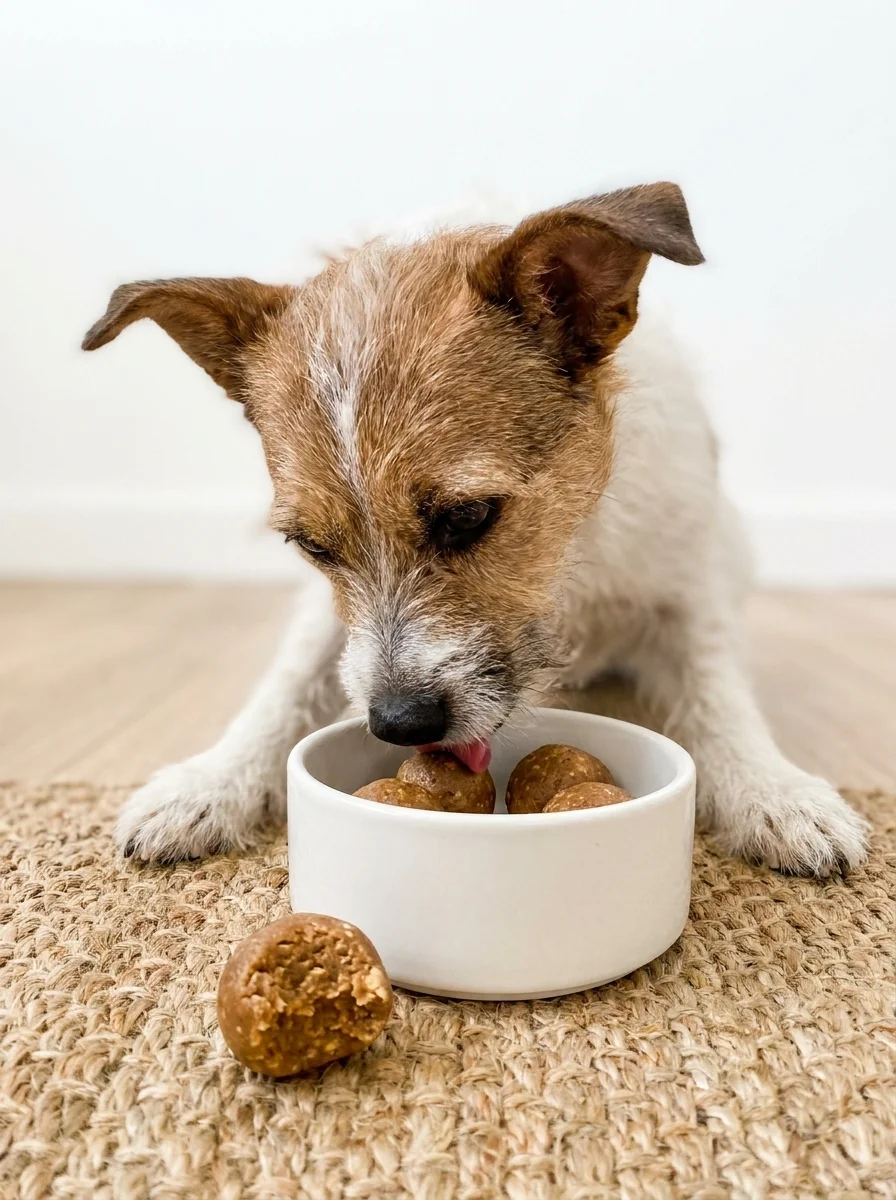
Portioning matters because a treat that is a “small snack” for a large dog can be a large share of a puppy’s daily calories. A general rule is that treats make up no more than 10% of daily food. Below are starting points you can adjust to your dog’s activity level and body condition.
For puppies: two pea-sized pieces of a small ball, or one quarter of a medium ball, 1–2 times a day. For small dogs: half of a small ball or a quarter of a large ball, 1–2 times a day. For medium dogs: one small ball or half a large ball, up to two times a day. For large dogs: one large ball, 1–2 times a day. For seniors, split any ball into smaller pieces so the chew load stays gentle. A senior with arthritis may also eat lying down, so place the pieces on a flat mat rather than in a deep bowl. For a puppy in training, keep the pieces pea-sized and reward within two seconds of the good behavior, so the pup connects the treat to the action.
Serve the treats in a dog bowl on the floor for a quiet snack, or hold them in your hand as a training reward. If your household likes quick, one-bowl ideas, try this guide when you want a fast backup plan.
Storage and Freezing
Keep the tray in the refrigerator for up to five days. The chilled texture is part of the safety, because it keeps the peanut butter from going rancid quickly in a warm kitchen. For longer storage, freeze individual balls in a single layer on parchment, then transfer them to a sealed bag. Frozen balls stay good for up to two months; thaw one or two in the fridge overnight before serving. Label the bag with the date and the flavor, because the banana, pumpkin, and coconut versions look alike once frozen. Never refreeze a ball that has thawed.
Do not leave any batch at room temperature for more than two hours, especially in summer. If a ball starts to soften, let it chill again; do not re-melt and re-roll it, because the texture changes and the surface becomes harder to grip. In a hot car or a sunny room, carry the treats in a small cooler bag with an ice pack.
Troubleshooting
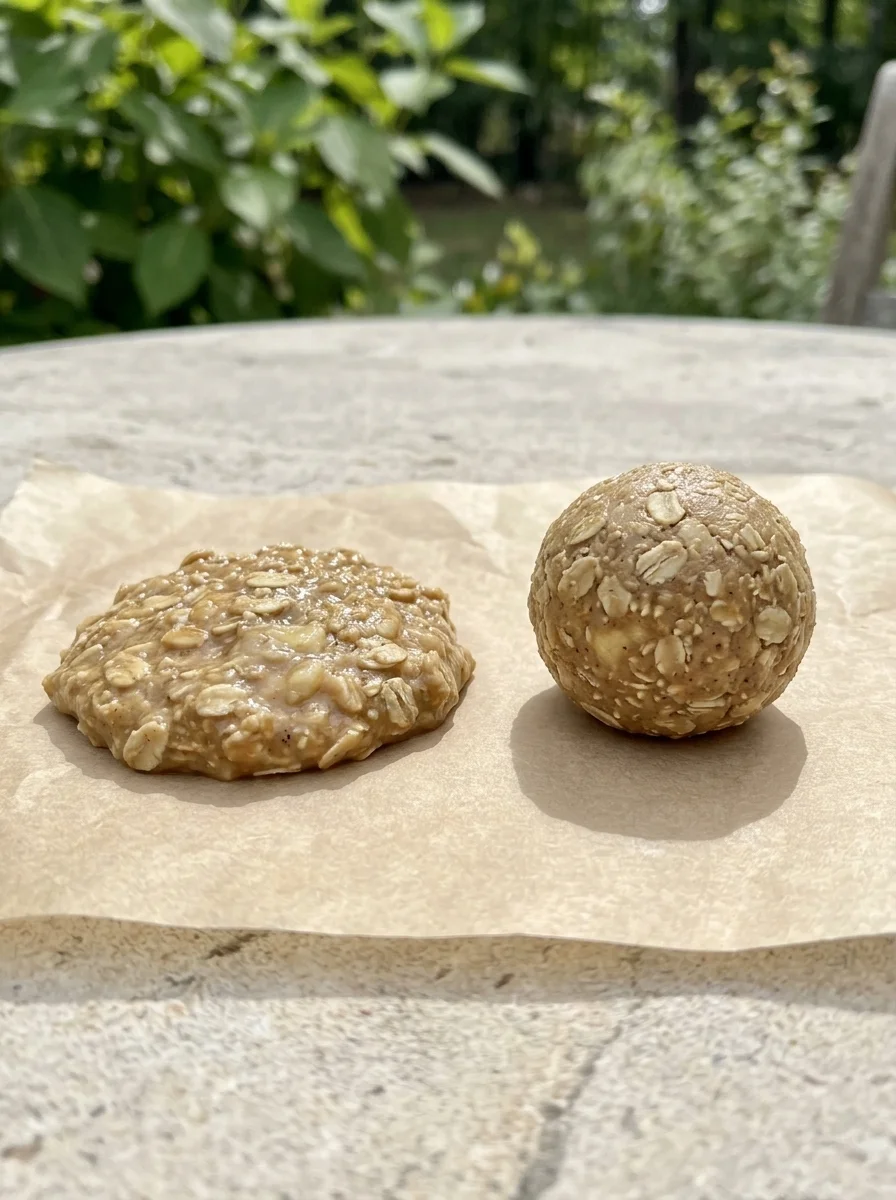
If the dough will not hold a ball, the peanut butter may be too runny. Add one tablespoon of rolled oats at a time until the shape sets. If it is too dry to mix, add a teaspoon of plain water or extra mashed banana, not a new ingredient. Dry dough usually means the oats soaked up the moisture while you were rolling, so mix in the water a teaspoon at a time and stop as soon as the dough holds.
If the balls collapse when you pick them up, they need more chill time. Give them a full hour; the surface should resist light pressure without breaking. If the flavor seems flat, you likely chose a low-fat peanut butter; switch to a full-fat natural brand with only peanuts listed, and check the label first. If a puppy swallows a piece whole, stay calm and watch the next few minutes. A soft no-bake ball is far less risky than a hard biscuit, but always size pieces down for gulpers.
Frequently Asked Questions
Final Thoughts
These 3-Ingredient No-Bake Peanut Butter Dog Treats are a reliable, simple way to keep both puppies and seniors happy without turning on the oven. The texture is soft, the portions are easy to scale, and the flavor is something most dogs greet with a tail wag. Make a batch on a slow afternoon, chill it, and you have a treat that works for training, enrichment, or a quiet moment on the floor. One recipe, three flavors, and a bowl that suits the puppy learning to chew and the senior who has earned the softest seat in the house.

Izzy is an experienced ranch worker who has a passion for exploring nature and getting up close to wildlife. With her connections to various animal organizations, Izzy is well-versed in animal care and rehabilitation.