15 Dog-Friendly Landscaping Ideas for a Safer Backyard
If you share your backyard with a dog, you already know the struggle. Muddy paws, dug-up flower beds, and brown patches of dead grass are just part of the deal. Every spring, you replant the same flower bed your dog destroyed last summer, and every rainy week, you mop the same trail of paw prints across your kitchen floor.
The good news is that you don’t have to choose between a beautiful yard and a happy dog. You don’t need to fence off half your property or give up gardening altogether either.
That’s where dog-friendly landscaping ideas come in. With the right layout, materials, and plant choices, you can build an outdoor space that looks great and survives daily zoomies, digging sessions, and bathroom breaks. The trick isn’t fighting your dog’s natural instincts. It’s designing around them.
This guide walks you through 15 simple, practical ideas you can start using today. Some take an entire weekend to build. Others take less than an hour. Whether you have a tiny patio or a sprawling backyard, there’s something here for every space, every budget, and every type of dog.
Let’s get into it.
Why Dog-Friendly Landscaping Matters
A yard built without your dog in mind usually ends up damaged, muddy, or unsafe within a few months. You plant grass, your dog runs the same path every day, and soon you have a dirt trail instead of a lawn. You add a garden bed, your dog decides it looks like a great place to dig, and your tulips never stand a chance.
Good dog-friendly landscaping ideas fix these problems before they start. Instead of constantly repairing damage, you design a yard that works with your dog’s habits rather than against them.
Here’s what a well-planned yard gives you:
- Fewer torn-up plants and dead grass patches
- Less mud tracked into the house after every rainy day
- A safer space with no toxic plants, sharp gravel, or escape routes
- A happier, more active dog with room to run, dig, and explore
- A yard that still looks intentional and attractive to you and your guests
- Less time spent on repairs and more time actually enjoying your outdoor space
Once your yard is set up correctly, maintenance becomes far easier. You stop fighting the same battles every weekend and start actually enjoying the space alongside your dog.
Now let’s break down the 15 ideas that make this possible.
1. Choose Dog-Safe Plants and Avoid Toxic Ones
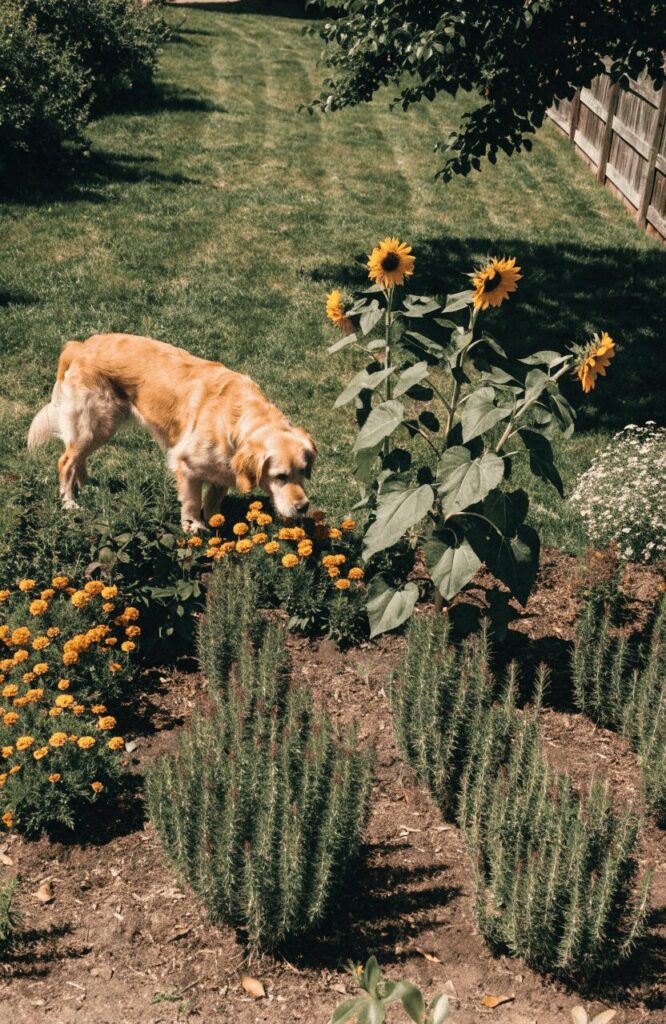
Not every pretty plant is safe for dogs. Some common garden favorites, like azaleas, sago palms, oleander, and lilies, can cause serious illness or even death if chewed or eaten. Many dog owners don’t find this out until after a vet visit.
Stick to dog-safe options like sunflowers, snapdragons, camellias, marigolds, and rosemary. These add color, texture, and even fragrance to your yard without putting your pup at risk.
It also helps to think about placement, not just plant type. Even safe plants can get trampled if they’re sitting in a high-traffic zone. Group your prettiest, most delicate plants in areas your dog doesn’t frequently pass through, like along a fence line or inside a raised bed.
Pro tip: Before buying any new plant, do a quick search for “is [plant name] toxic to dogs” to double-check it’s safe. Keep a running list of safe plants on your phone so you’re not starting from scratch every time you visit the nursery.
2. Install a Durable Mulch or Gravel Pathway
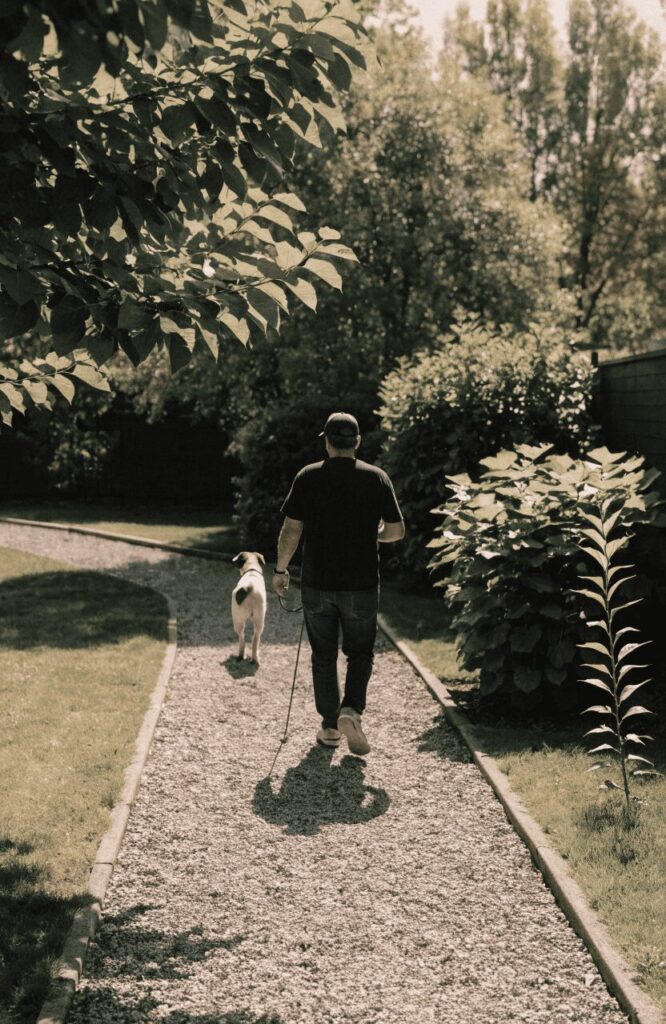
Grass paths wear down fast under constant paw traffic. Within a few weeks of daily use, you’ll usually see a brown, compacted strip where your dog walks the same route to the fence or the back gate. A mulch or gravel pathway holds up much better and actually looks intentional rather than worn out.
Choose rounded pea gravel or rubber mulch over sharp stones or cocoa mulch. Sharp gravel can hurt sensitive paw pads, and cocoa mulch is toxic to dogs because it contains the same compound found in chocolate.
Pathways also help define your yard visually. A curved gravel trail leading to a seating area or garden bed gives your landscaping a finished, designed look instead of one big open lawn.
Pro tip: If you’re also rethinking surfaces for an outdoor dog space, these dog kennel flooring ideas offer good inspiration for durable, paw-safe materials that hold up over time.
3. Create a Dedicated Digging Zone
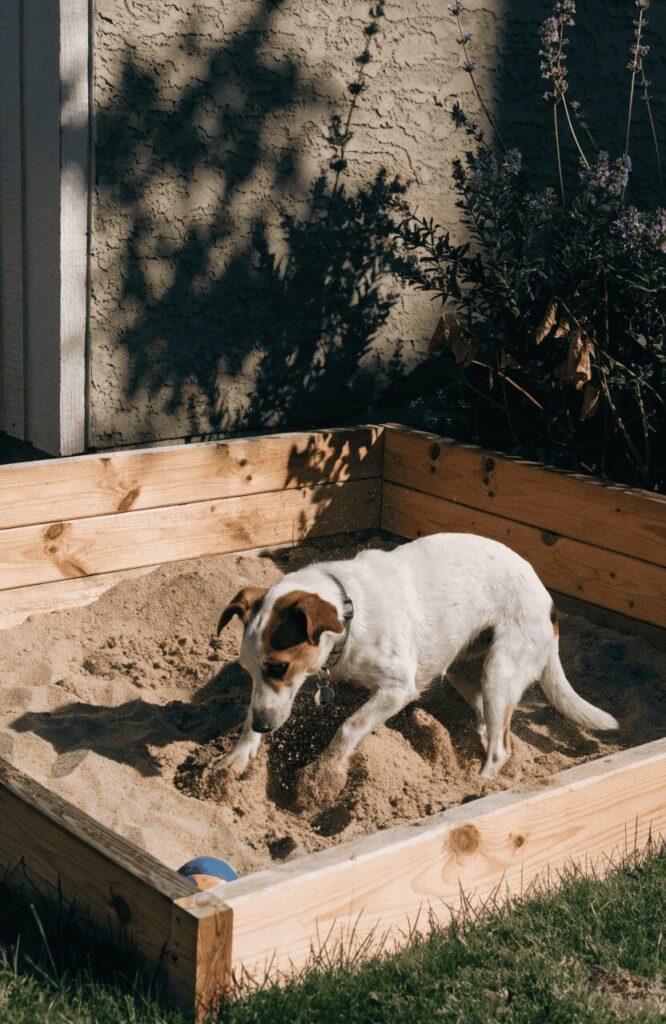
Dogs dig. It’s instinctive, tied to old denning behaviors, and trying to stop it completely rarely works long-term. Instead of fighting this instinct, give your dog a spot where digging is not just allowed but encouraged.
A sandbox-style pit filled with soft sand or loose dirt works well for this. Build a simple wooden frame, fill it with a few inches of sand, and bury a handful of toys or treats inside. Most dogs catch on quickly once they realize that spot is more rewarding to dig in than your flower bed.
Place the digging zone somewhere visible from your patio or back door, so it’s easy to supervise and redirect your dog toward it when needed.
Pro tip: Reinforce the habit early using consistent, reward-based cues. These essential puppy training tips can help you teach your dog where digging is okay and where it isn’t.
4. Add Artificial Turf for High-Traffic Areas
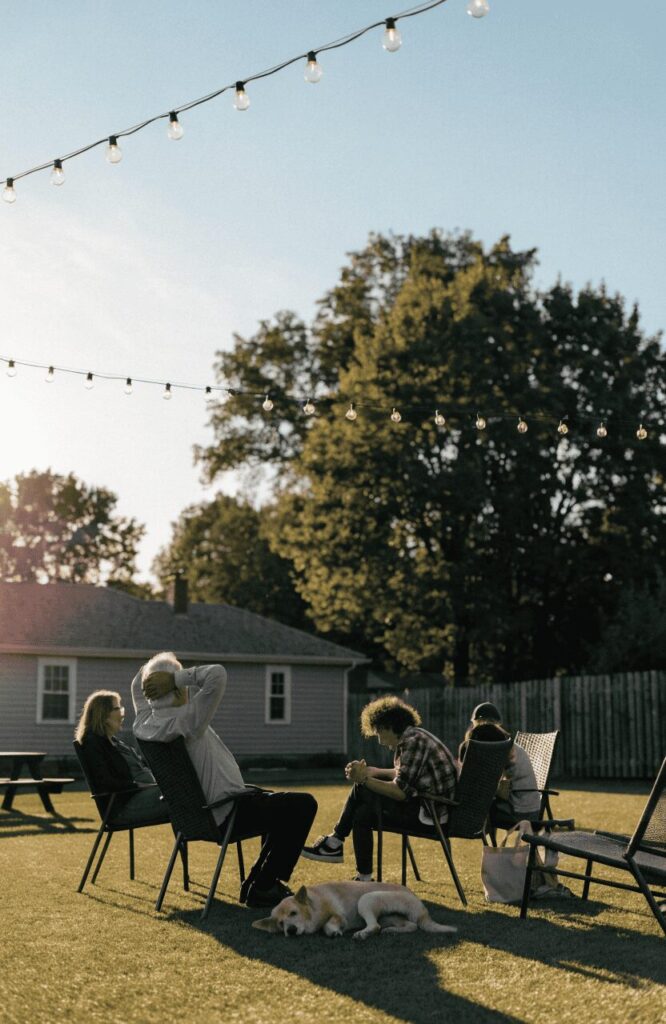
Real grass struggles in spots where dogs run the same path every day, especially along fence lines where dogs patrol back and forth. Artificial turf solves this by staying green and even no matter how much activity it sees.
Modern pet turf is built differently than the artificial grass used on sports fields. It’s designed to drain urine quickly through a permeable backing and resist odor buildup, which makes cleanup far easier than dealing with dead, yellowed patches of real grass.
It also eliminates muddy paws after rain, since there’s no soil underneath to turn into sludge. Many dog owners install turf specifically in side yards or narrow strips where grass never had a fair chance to grow anyway.
Pro tip: Rinse artificial turf weekly with a hose and an enzyme cleaner to prevent smells from building up over time, especially during warmer months.
5. Build a Shaded Resting Spot
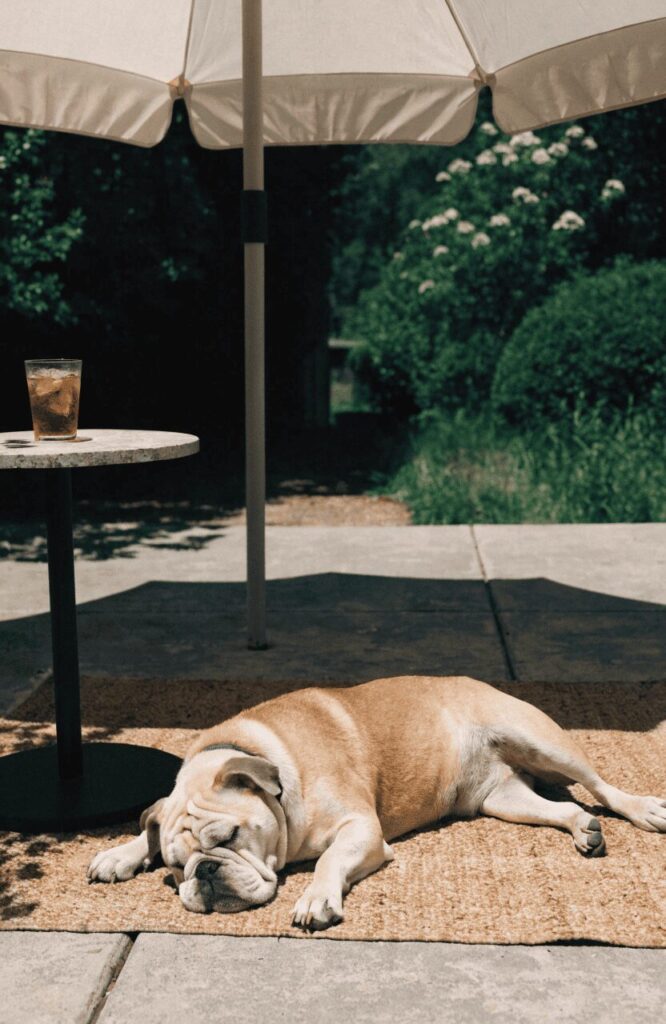
Dogs need a cool place to relax outside, especially during hot months when pavement and direct sun can quickly become dangerous. A shaded area protects them from overheating and gives them a comfortable spot to nap while still being outdoors.
You can use a patio umbrella, a simple pergola, a shade sail stretched between two posts, or just position a dog bed under a mature tree. The goal is consistent shade during peak afternoon hours, not just a few minutes of relief.
If your dog spends a lot of time outdoors during the day, consider adding more than one shaded spot so they have options depending on where the sun is at different times.
Pro tip: Add a small fan or a cooling mat in the shaded area during summer for extra comfort, especially for thick-coated breeds that overheat more easily.
6. Set Up a Fenced Play Area
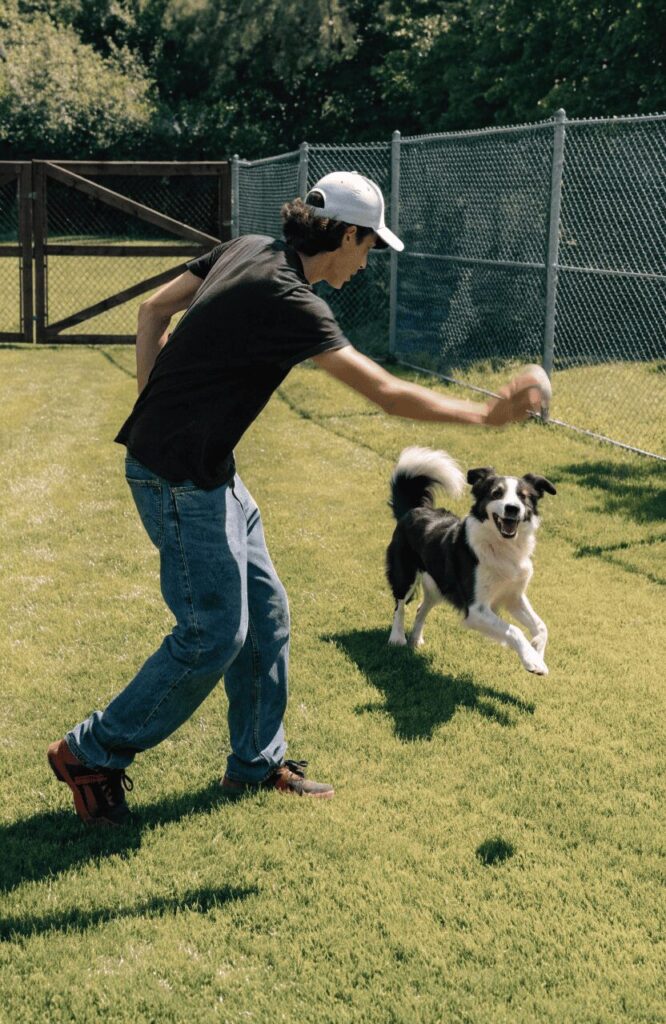
A fenced section of your yard gives your dog room to run safely without escaping or getting into off-limits areas like vegetable gardens, pools, or busy streets nearby. It also gives you peace of mind if your dog tends to bolt after squirrels or wander toward neighboring yards.
This setup is especially helpful for households with young kids, since it keeps energetic play sessions contained to one clear zone. It also protects more delicate landscaping elsewhere in the yard from getting trampled during high-energy play.
Inside the fenced area, you can add a few simple agility elements like a low jump or a tunnel to keep things interesting.
Pro tip: Use sturdy mesh or picket fencing rather than chicken wire, which can bend, rust, and create gaps over time that smaller dogs can squeeze through.
7. Use Pet-Friendly Ground Covers Instead of Grass
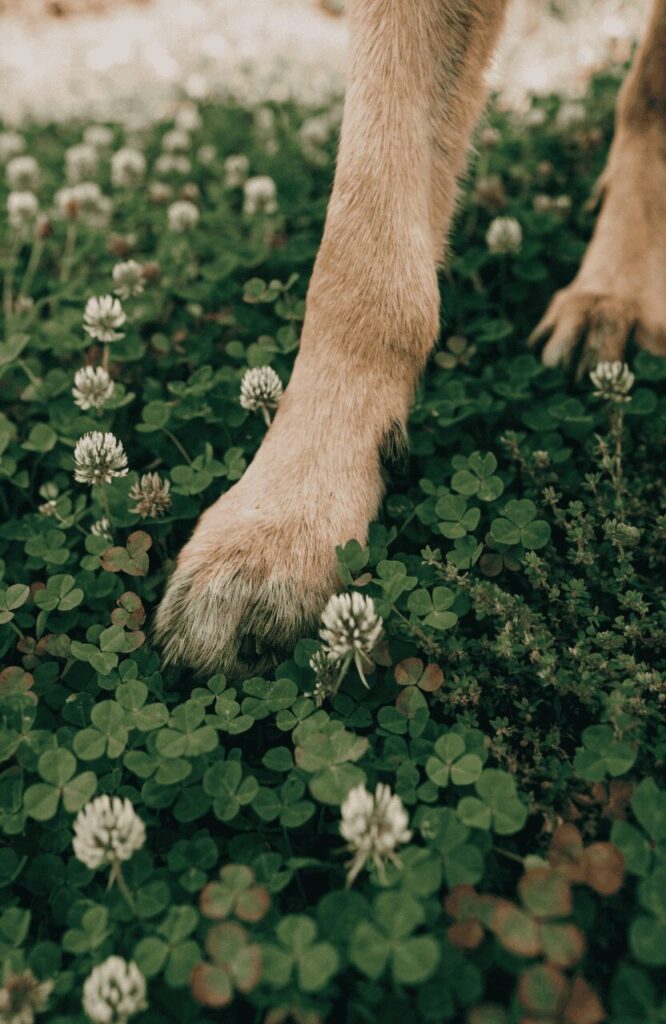
If traditional grass keeps dying under your dog’s paws no matter what you try, consider a pet-friendly ground cover instead. Options like clover, creeping thyme, and certain ornamental grasses tolerate foot traffic far better than standard turf grass varieties.
Clover, for example, bounces back quickly from trampling and doesn’t develop the same bald patches that grass does in high-traffic zones. Creeping thyme releases a pleasant scent when stepped on and stays low to the ground, making it a popular choice for between stepping stones.
These alternatives also tend to need less mowing, less watering, and fewer chemical treatments than a traditional lawn, which is better for your dog’s health too.
Pro tip: Test a small patch first to see how it holds up before replacing your entire lawn, since different ground covers perform differently depending on your climate and soil type.
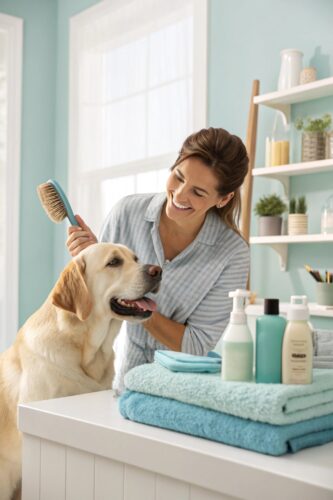
8. Add a Dog Wash or Splash Station
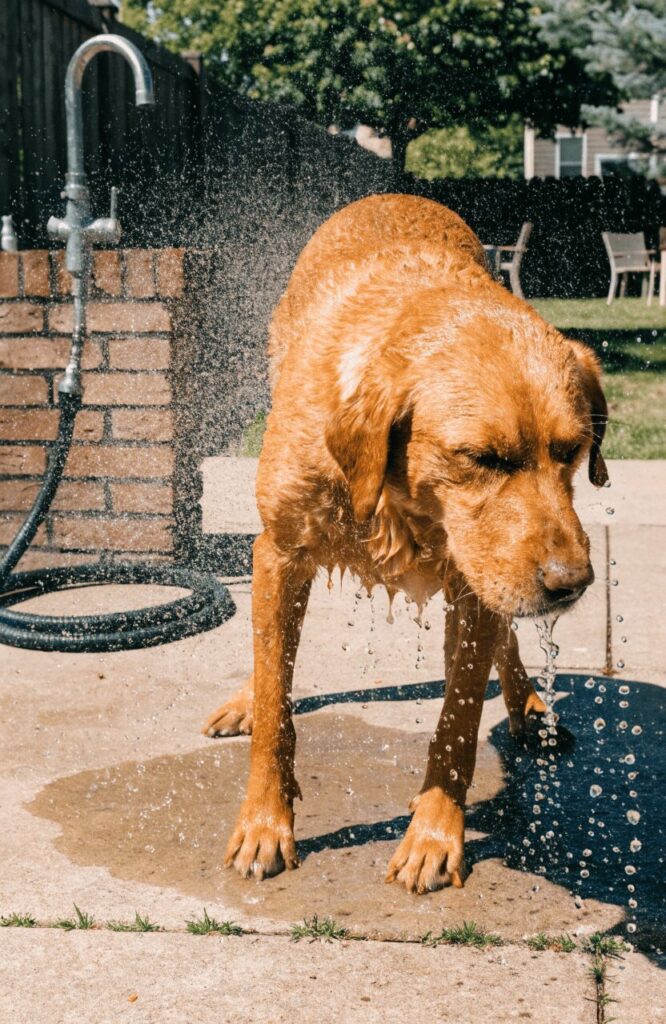
Muddy paws and dirty fur don’t have to mean a mess inside your home. A simple outdoor wash station lets you clean your dog right where the mess happens, before they ever step foot near your carpet or furniture.
This can be as simple as a hose attachment mounted near the back door, or as elaborate as a built-in tub with hot and cold water access. Even a basic kiddie pool filled with a few inches of water works in a pinch for quick paw rinses.
Having a designated wash spot also makes bath time feel less like a chore, since everything you need is already set up and waiting.
Pro tip: Check out these dog wash station ideas for layout inspiration that fits both small patios and larger yards alike.
9. Install Raised Garden Beds to Protect Plants
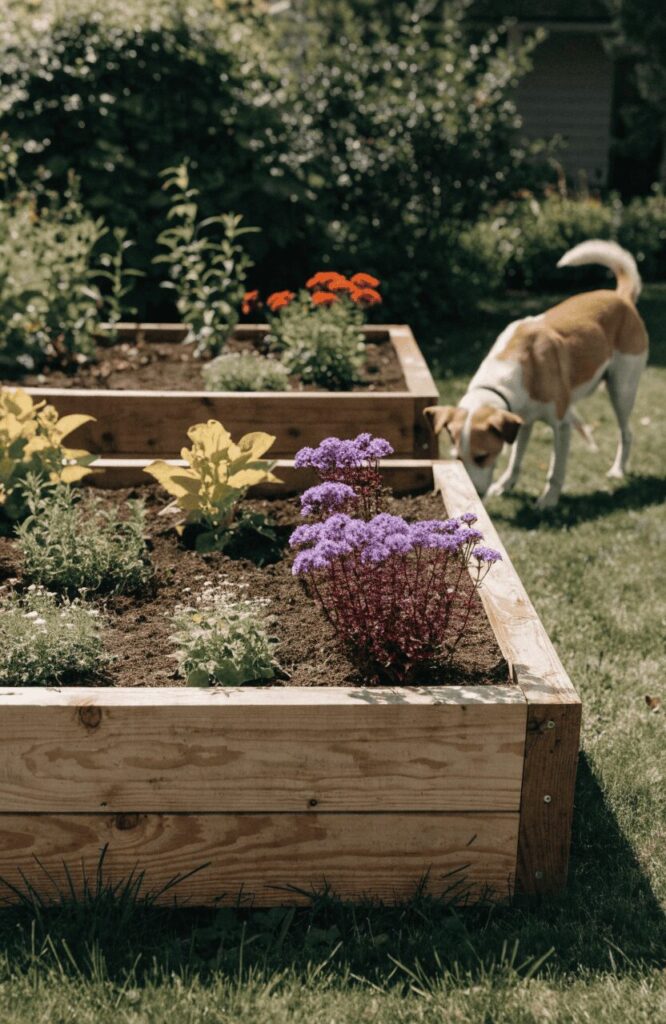
If your dog loves to dig through flower beds or trample seedlings while chasing a ball, raised garden beds offer an easy fix. Lifting your plants off the ground keeps them out of paw’s reach entirely, rather than relying on training alone.
Raised beds also make gardening easier on your back and knees, since you don’t have to bend as far to plant, weed, or harvest. Most beds range from 12 to 24 inches tall, which is usually enough to discourage casual digging without blocking your dog’s view of the yard.
This is also a great option if your soil quality is poor, since you control exactly what goes into the raised bed.
Pro tip: Add a low border or short decorative fence around raised beds for dogs that like to jump up and investigate anyway, especially curious puppies.
10. Create a Sniffing Trail or Sensory Garden
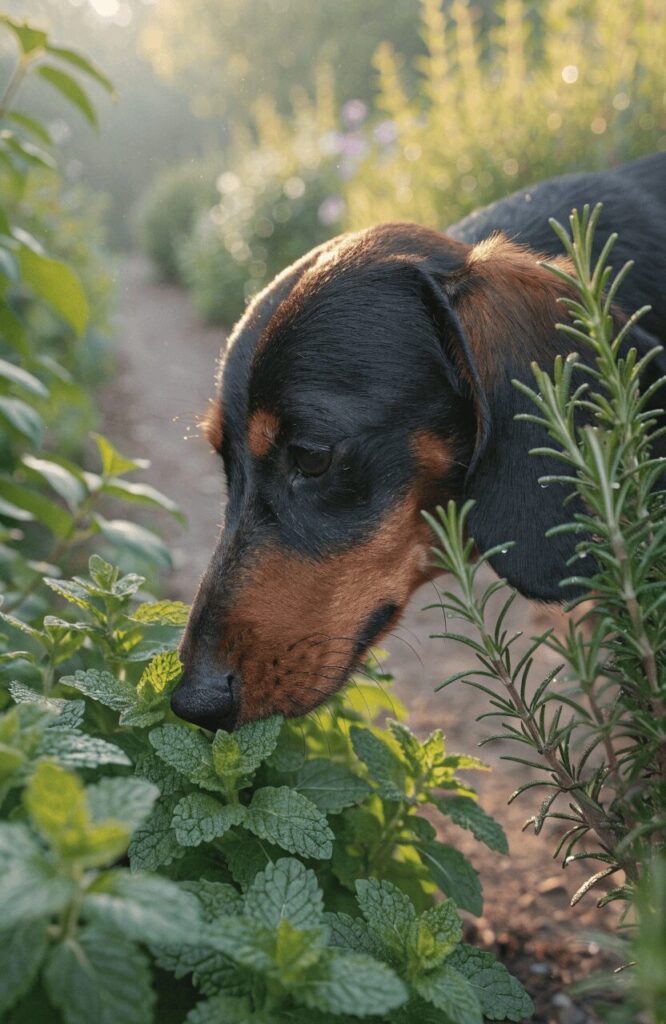
Dogs experience the world mostly through smell, far more than through sight. A sensory garden filled with dog-safe herbs like basil, mint, and rosemary gives your dog plenty to sniff and explore, which provides mental stimulation that physical exercise alone doesn’t cover.
A winding path through these plants encourages your dog to slow down and investigate rather than just running straight through the yard. This kind of enrichment can be especially helpful for anxious or high-energy dogs that benefit from calm, exploratory activities.
You can plant herbs directly into the ground along a walking path, or use containers if you want more control over growth and placement.
Pro tip: Plant herbs in clusters along a walking path so your dog naturally wanders through different scents as they explore the space.
11. Add Hardscaping Like Pavers and Stepping Stones
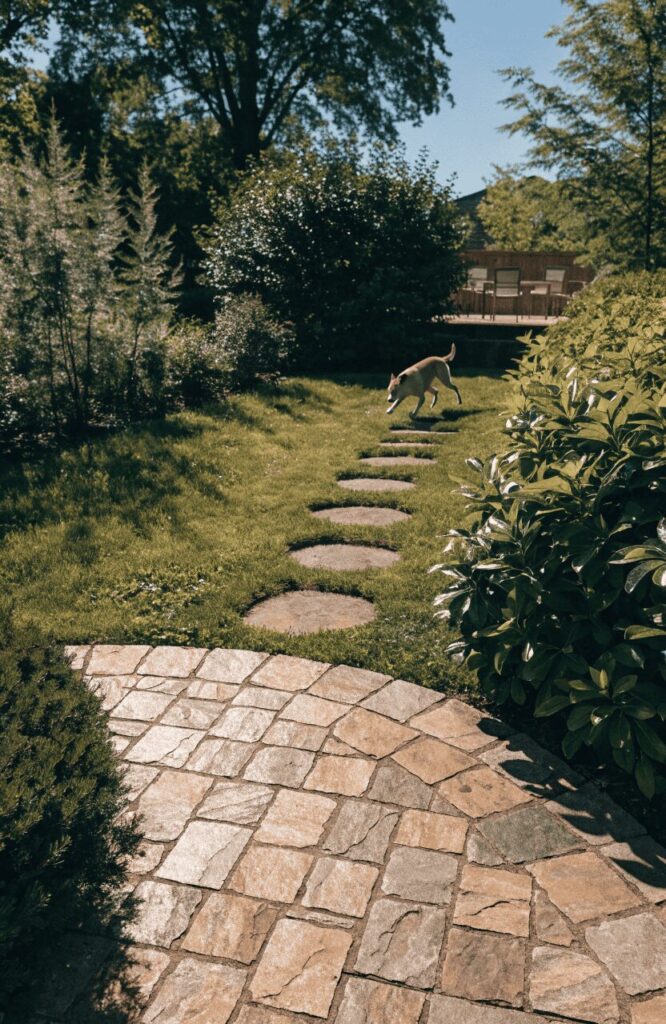
Hardscaping features like pavers, stepping stones, and small patios create durable walkways that won’t turn to mud after rain. They also break up large grassy areas into clearly defined zones, which helps both your landscaping design and your dog’s sense of where to walk.
This works especially well near doors, gates, and other high-traffic entry points where foot traffic, both human and canine, is heaviest. A simple paver path from your back door to the yard can prevent that familiar muddy trail from forming altogether.
Hardscaping also adds long-term value to your property, since these materials typically outlast grass, mulch, and most ground covers.
Pro tip: Choose textured pavers over smooth, polished stone to prevent slipping when wet, especially for senior dogs or breeds prone to joint issues.
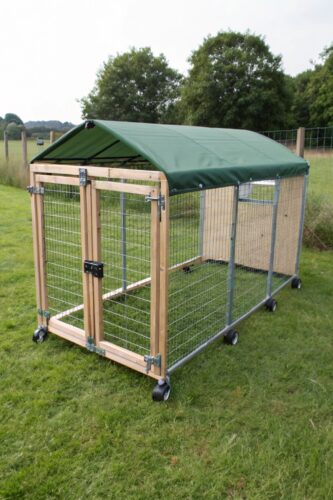
12. Build a Small Outdoor Kennel or Shelter
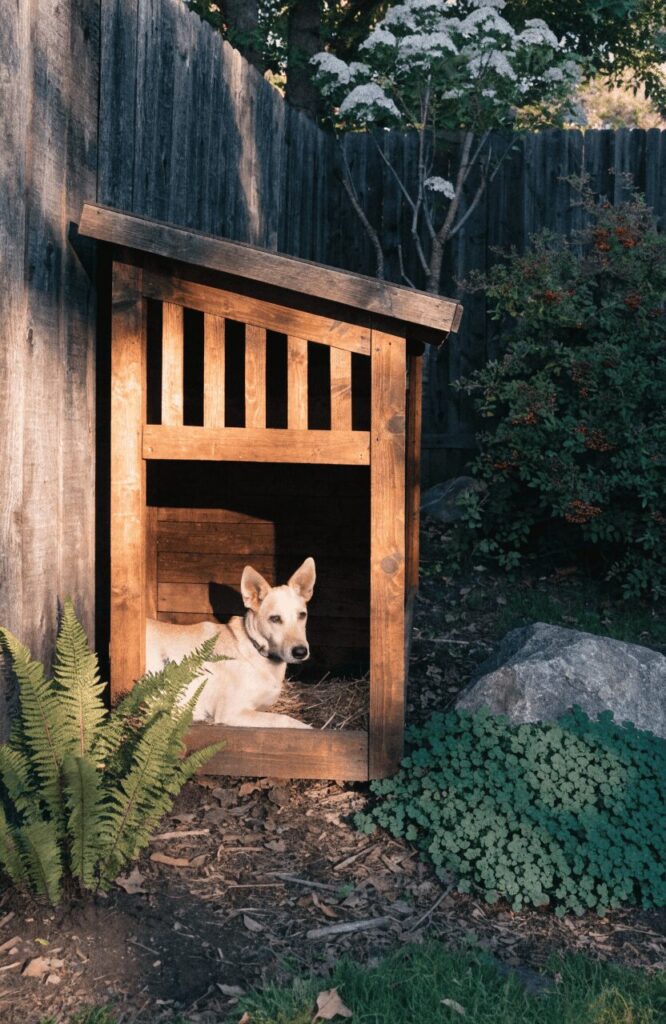
A small outdoor kennel gives your dog a private space to retreat to when they want shade, shelter, or just some time away from household activity. It also keeps muddy paws contained to one area when your dog comes in from the rain, rather than tracking mud across the entire yard and into your home.
This is a great addition if your dog spends a good chunk of the day outside, whether due to your schedule or simply because they enjoy being outdoors. A well-built kennel protects them from weather while still letting them keep an eye on the yard.
Many owners place these near a fence line or under existing shade for added protection from sun and wind.
Pro tip: Browse these outdoor dog kennel ideas to find a style that matches your yard’s layout and your dog’s size and personality.
13. Install Proper Drainage to Avoid Mud
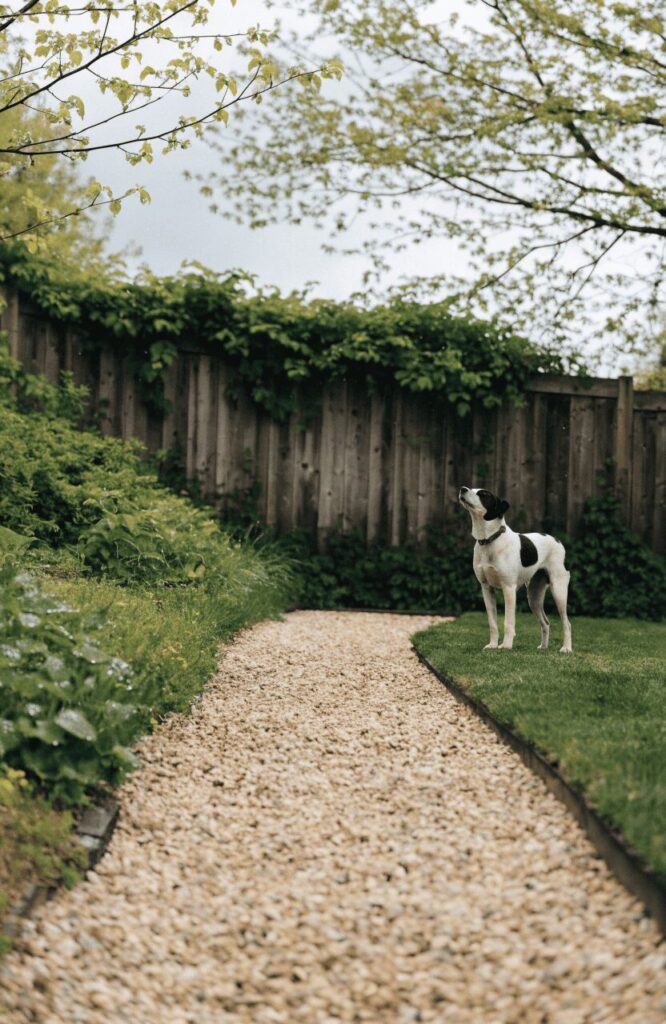
Standing water and muddy patches are one of the biggest landscaping headaches for dog owners. Poor drainage turns play areas into swamps after every rainstorm, which means muddy paws, soggy fur, and a much harder time keeping your home clean.
French drains, gravel-filled trenches, or simply regrading low spots in your yard can solve this problem long-term. In some cases, the fix is as simple as redirecting where your downspouts empty so water doesn’t pool near your dog’s favorite play areas.
Addressing drainage early also protects your other landscaping investments, since standing water can damage plants, erode pathways, and wash away mulch.
Pro tip: Walk your yard about thirty minutes after a heavy rain to spot puddling areas before planning your drainage fixes, since this is when problem spots are most obvious.
14. Use Non-Toxic Pest and Weed Control
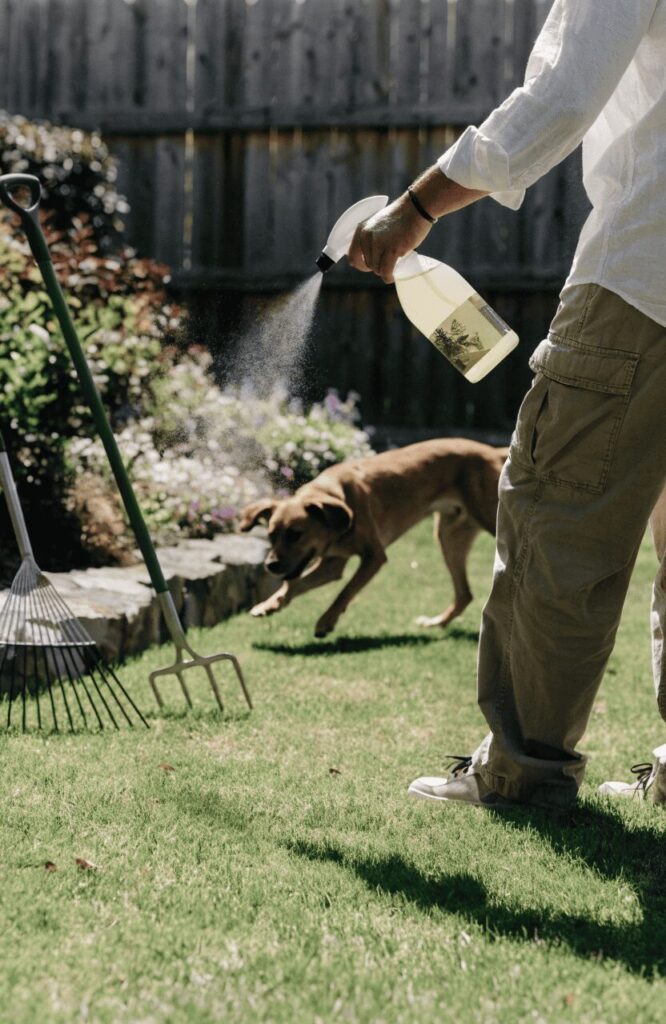
Many common weed killers and pesticides are dangerous for dogs, especially if they walk through treated grass and then lick their paws afterward. Always choose pet-safe formulas for your lawn and garden, and check product labels carefully before applying anything.
Natural options like vinegar-based weed sprays, diatomaceous earth for pest control, and beneficial insects like ladybugs are safer alternatives to harsh chemical treatments. These methods take a bit more patience but avoid exposing your dog to harmful residues.
It’s also worth checking how long you need to keep your dog off treated areas if you do use a chemical product, since some require several hours or even a full day before it’s safe to walk on.
Pro tip: While you’re protecting your yard, don’t forget protection on your dog too. Choosing a safe flea collar adds another layer of defense against yard pests like fleas and ticks that thrive in grass and mulch.
15. Add a Secure Perimeter Fence
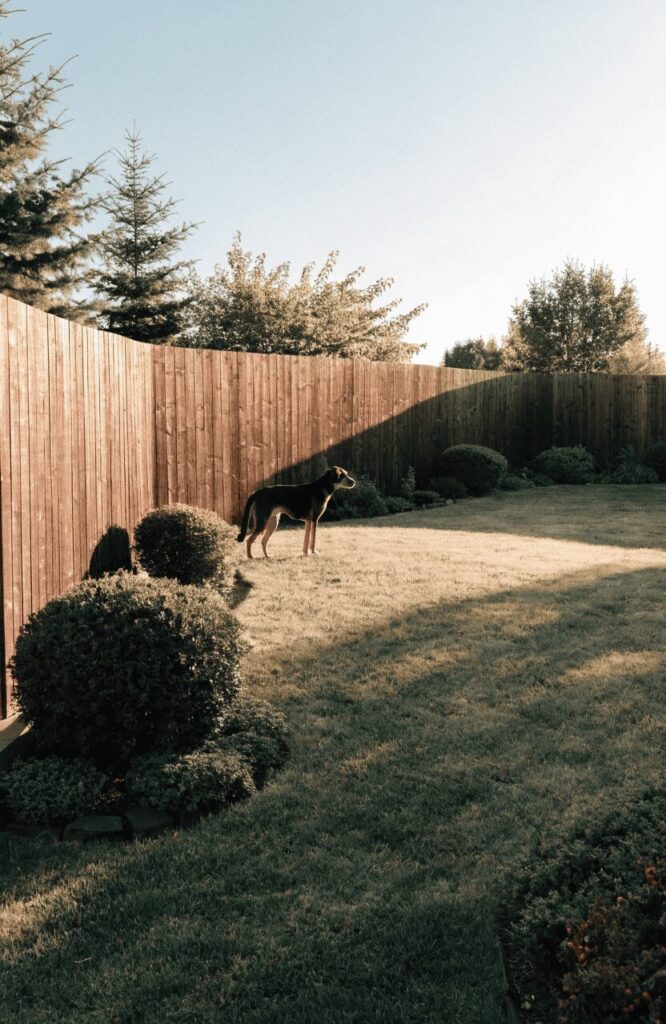
A solid, secure fence is the backbone of any dog-friendly yard. It keeps your dog safely contained and keeps unwanted wildlife out, which matters more than many owners realize, especially in suburban or rural areas bordering wooded land.
Fence height, material, and burial depth all play a role in how secure your yard actually is. A short decorative fence might look nice, but it won’t stop a determined digger or jumper. Solid panel fencing or chain-link with a buried bottom edge tends to hold up better for active dogs.
In areas with coyotes or other predators, fencing also protects your dog from outside threats, not just from wandering off.
Pro tip: If you live near wooded areas, look into ways to protect your yard from coyotes to choose fencing that actually holds up against determined wildlife rather than just looking secure.
Common Landscaping Mistakes to Avoid With Dogs
Even with good intentions, a few common mistakes can undo your hard work and send you back to square one. Watch out for these:
- Using toxic mulch or plants without checking pet safety first, which can lead to costly and stressful vet visits
- Skipping fencing reinforcement, leaving gaps at the bottom or sides that dogs can squeeze through or dig under
- Ignoring drainage problems until the yard turns into a mud pit every time it rains
- Choosing decorative gravel that’s too sharp for sensitive paws, especially around play areas
- Forgetting shade and water access during hot weather, which can quickly become a safety issue
- Placing delicate plants in high-traffic zones instead of protected areas like raised beds or borders
Avoiding these simple mistakes saves you time, money, and a lot of frustration later. Most of them are easy to prevent if you think them through before you start digging, planting, or installing anything permanent.
Final Thoughts
Building a dog-friendly yard doesn’t mean giving up on style or function. With smart choices like durable pathways, safe plants, dedicated play zones, and proper fencing, you can create an outdoor space that works for both you and your dog without constant repairs or compromises.
Start small. Pick two or three dog-friendly landscaping ideas from this list that fit your space, your budget, and your dog’s specific habits, then build from there over time. You don’t need to overhaul your entire yard in one weekend.
The best dog-friendly yards develop gradually, one fix at a time, based on what your dog actually does outside. Pay attention to where they dig, where they run, and where they like to rest, then design around those natural patterns. Your yard, and your dog, will thank you for it.

Izzy is an experienced ranch worker who has a passion for exploring nature and getting up close to wildlife. With her connections to various animal organizations, Izzy is well-versed in animal care and rehabilitation.