Best Guard Dogs for Families: Loyal, Safe and Ready to Protect
You want a dog that keeps your family safe. But you also want one that plays gently with your kids, welcomes your relatives on holidays, and curls up on the couch without making anyone nervous.
That balance is harder to find than most people think.
A lot of “guard dog” lists online throw breeds at you without asking the most important question: is this dog actually built for family life? Big and intimidating is not the same as safe and protective. And aggressive is definitely not the same as loyal.
The best guard dogs for families are confident, not fearful. Protective, not paranoid. Loving with their people — but serious when it matters.
In this guide, you’ll find 10 breeds that hit that exact balance, the traits that actually matter before you choose one, and a simple way to match the right dog to your specific family situation.
Let’s get into it.
What Makes a Dog the Best Family Guard Dog?
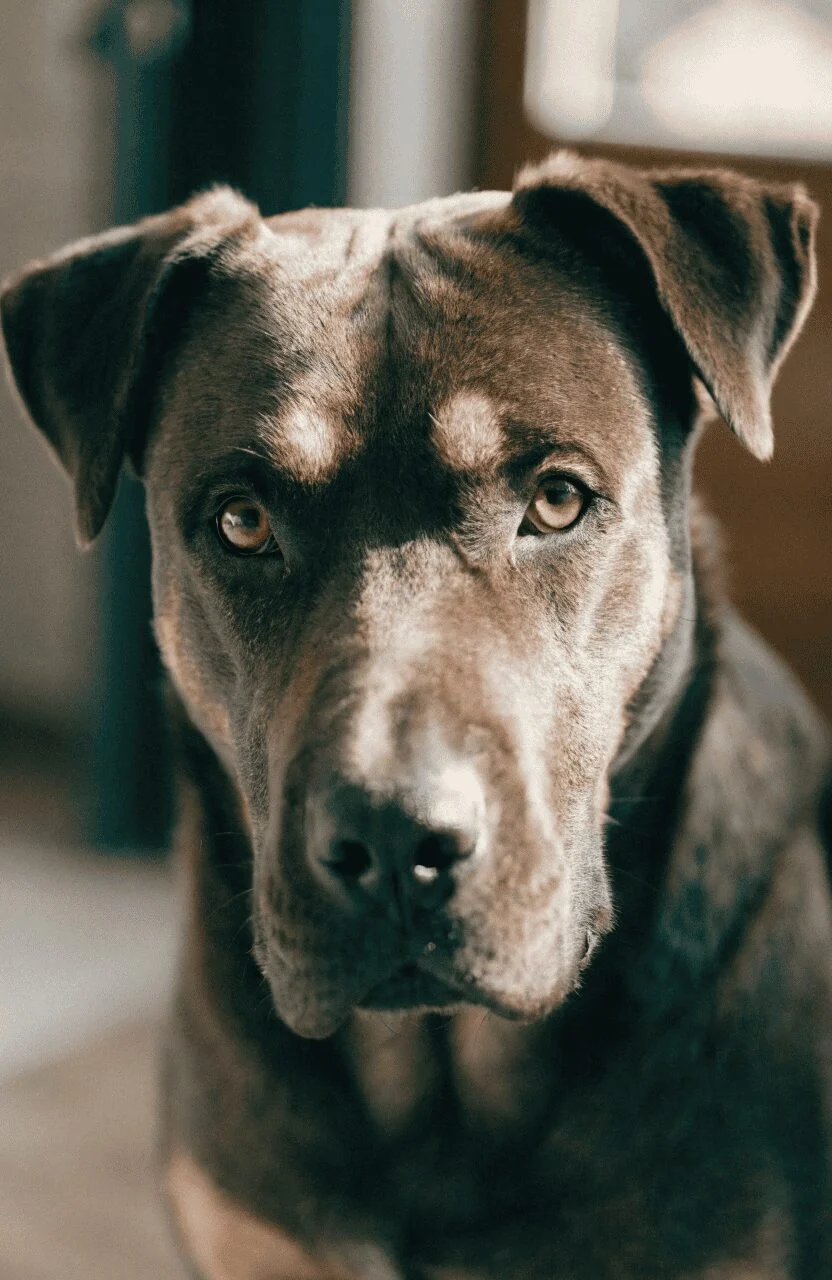
Before picking a breed, you need to know what traits actually count. Not every big dog is a guard dog. And not every guard dog belongs in a family home.
Here are the four qualities that separate a great family protector from a large, difficult dog.
1. Protective Instinct Without Aggression
There’s a critical difference between a dog that protects and a dog that’s just aggressive.
A true family guard dog is calm in everyday life. It doesn’t growl at the pizza delivery guy or snap at a child reaching for its food. But when it senses a real threat, it steps forward immediately and without hesitation.
This kind of controlled instinct comes from good breeding — and more importantly, good training. Without proper training, even the most naturally gentle guard breed can become unpredictable.
2. Temperament With Children
This is non-negotiable for any family.
A family guard dog must be patient, tolerant, and gentle around kids — especially young ones. Some breeds are naturally softer with children. Others need extensive socialization before they’re safe around toddlers.
Always look at breed-specific temperament data, not just vague “good with kids” labels.
3. Trainability and Intelligence
Guard dog work demands a sharp mind. You need a breed that follows commands reliably, tells the difference between a real threat and a visitor, and responds to corrections without shutting down.
Breeds like German Shepherds and Dobermans are famous for their trainability. Others, like Akitas, are intelligent but independent — meaning they need an experienced hand to direct them properly.
4. Size and Physical Presence
Size alone deters most threats. A 100-pound dog standing calmly at the front door sends a very clear message — even if it never barks.
That said, you don’t need the world’s biggest dog. Most breeds in the 70 to 110-pound range are more than enough to discourage intruders, while still being manageable in daily family life.
10 Best Guard Dogs for Families
These 10 breeds are selected for their overall balance of protection, family compatibility, and trainability. Each one is different — so pay attention to the Best for note at the end of each breed.
1. German Shepherd
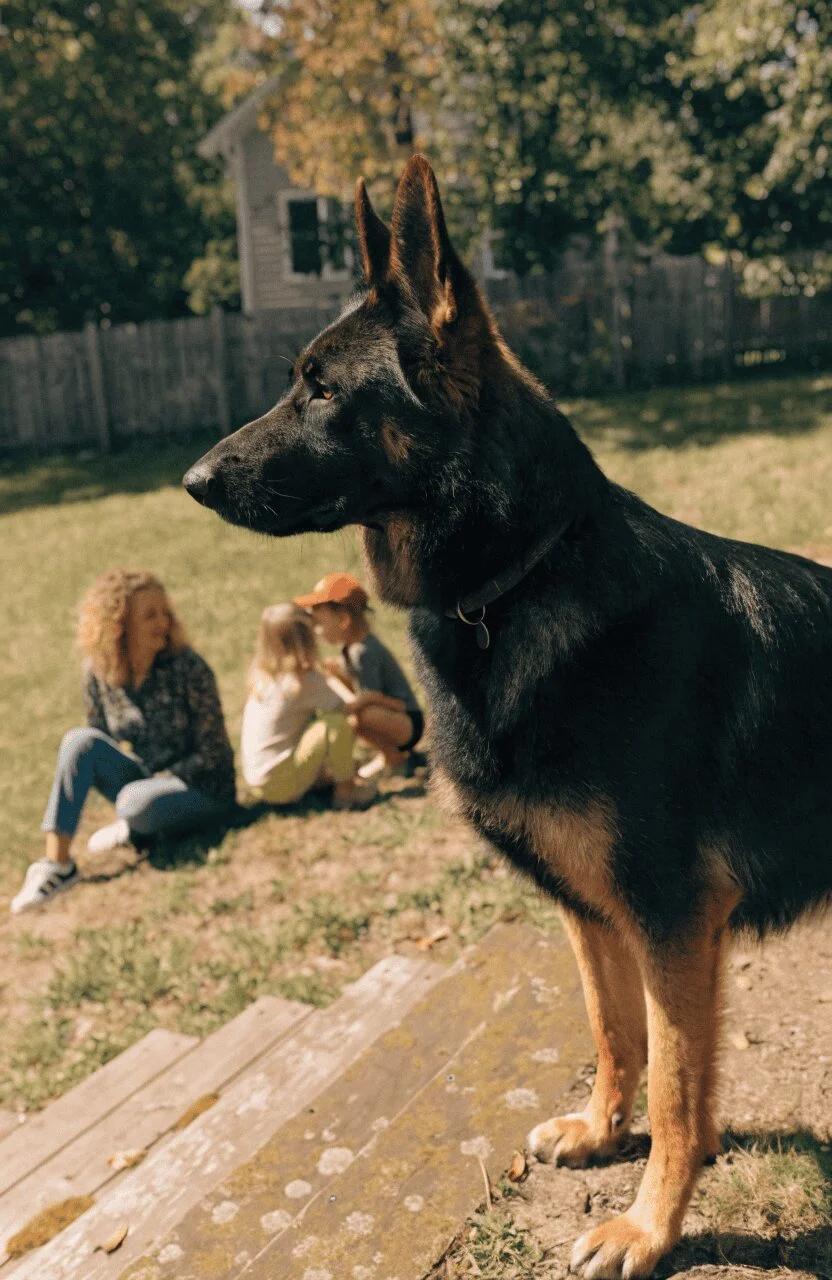
The German Shepherd is the gold standard of family protection dogs — and has been for decades.
They’re intelligent, loyal, and deeply bonded with their families. German Shepherds are the top choice for police and military units worldwide because they assess threats quickly, respond to complex commands, and stay calm under pressure.
Around kids, they’re generally excellent — affectionate and patient when properly raised. But they do need significant daily mental and physical exercise. A bored German Shepherd can become anxious, destructive, or overly vocal.
Best for: Active families with space and time to train and exercise regularly. Not ideal for first-time owners without professional support.
2. Rottweiler
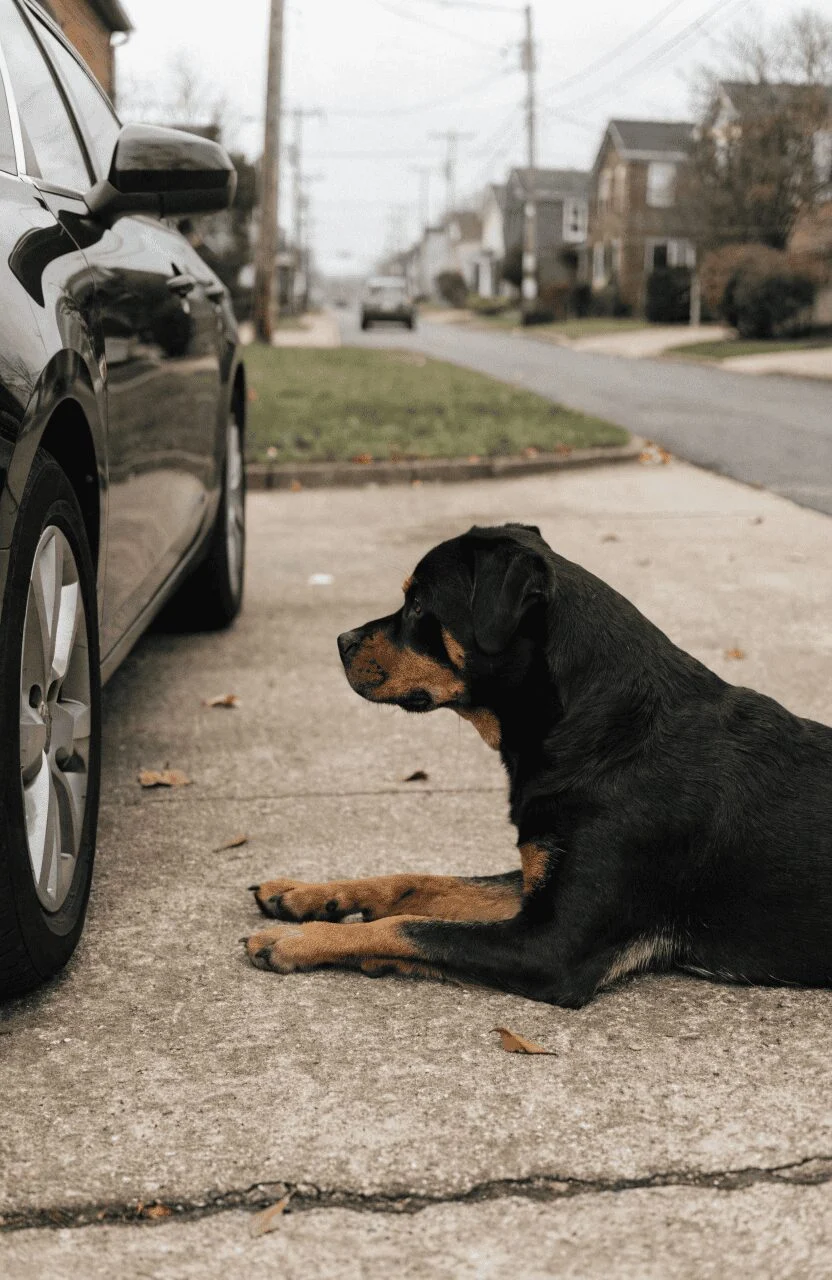
Rottweilers look intimidating — and that’s part of the point. Their broad shoulders, blocky head, and muscular build send a clear message to anyone with bad intentions.
But behind that image is a dog deeply devoted to its family. Rottweilers are calm, loyal, and surprisingly gentle with the children they love. They’re not naturally aggressive — they’re naturally protective, which is a very different thing.
They do require a firm, experienced owner. Rottweilers are strong-willed and won’t respond well to inconsistent handling. If you’re curious how they compare loyalty-wise to other breeds, our guide on most loyal dog breeds is worth a read.
Best for: Experienced dog owners with a secure yard and older children.
3. Doberman Pinscher
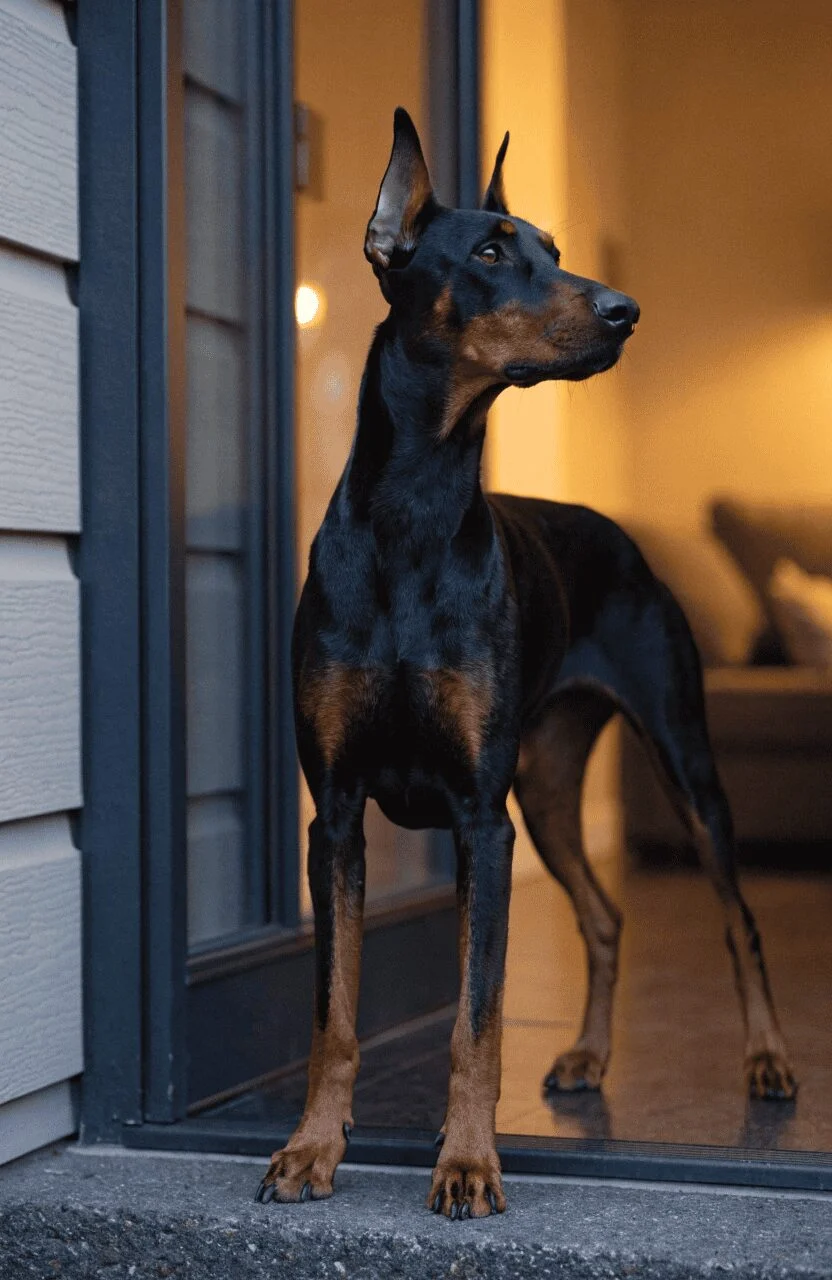
Few dogs combine elegance and power quite like a Doberman.
They’re among the fastest and most alert guard dog breeds in the world. Dobermans are always aware of their surroundings and react to real threats almost instantly. When trained properly, they’re one of the most reliable protection dogs a family can own.
What surprises most people is how affectionate Dobermans are at home. They love following their owners from room to room, being involved in daily life, and yes — they enjoy a good cuddle on the couch. They’re sensitive dogs that don’t do well when left alone for long stretches.
Best for: Active owners who can provide consistent training and daily engagement.
4. Boxer
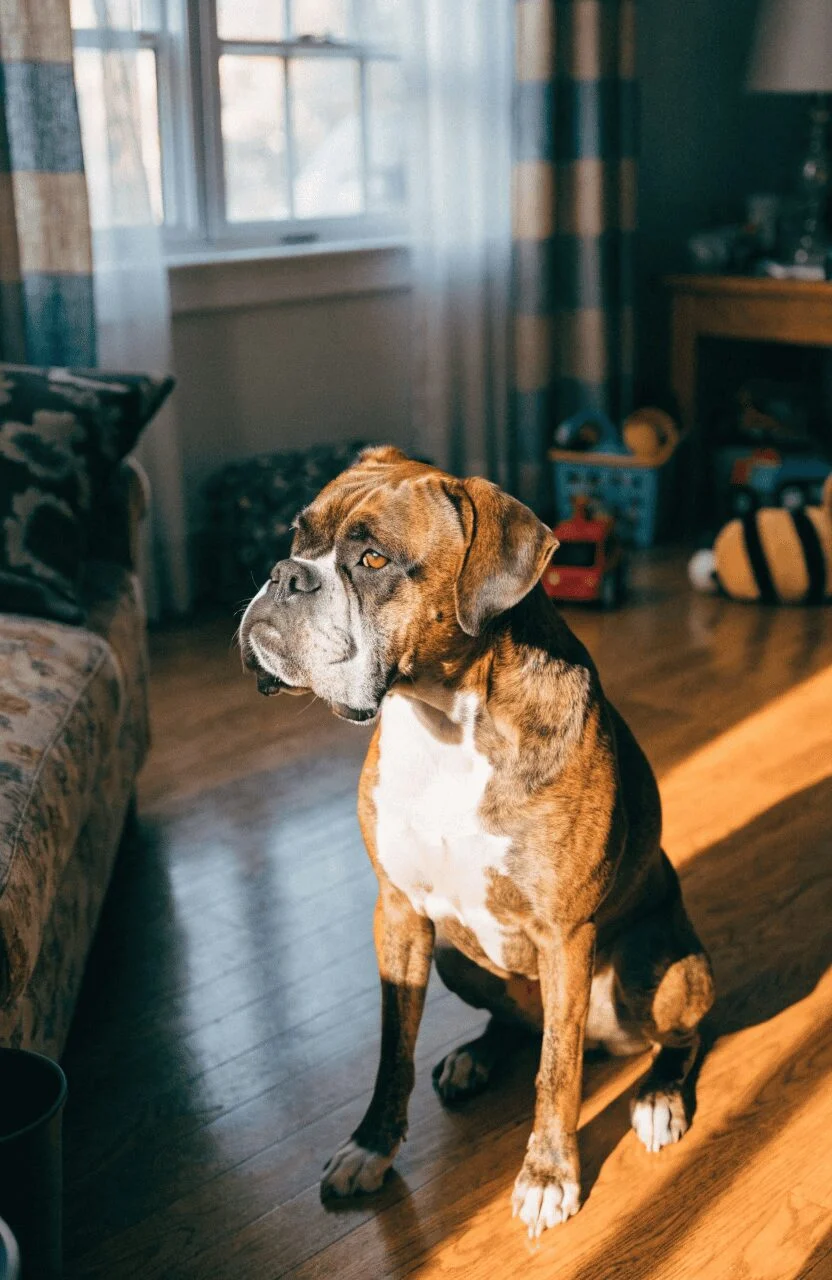
The Boxer is one of the most underrated family guard dogs on this entire list.
They’re playful, energetic, and deeply loyal — making them fantastic companions for families with children of all ages. Boxers have a natural protective instinct and a powerful build that makes them an effective deterrent. But unlike some heavier guard breeds, they carry a goofy, warm energy that makes them immediately loveable in a family setting.
The catch is their energy level. Without regular exercise, Boxers become restless and difficult. A tired Boxer is a well-behaved Boxer.
Best for: Families with children of all ages who want both a playmate and a protector.
5. Bullmastiff

If you want a guard dog that doesn’t need marathon exercise sessions but delivers maximum physical deterrence, the Bullmastiff is your answer.
Originally bred to patrol large estates and stop poachers, Bullmastiffs are territorial and fearless by nature. They don’t bark excessively — they prefer to physically block a threat rather than just announce it. Around family, they’re calm, gentle, and deeply affectionate.
Their sheer size — often 120 to 130 pounds — is enough to stop most threats cold, without the dog ever needing to act aggressively.
Best for: Families who want a low-energy but physically imposing guard dog. Great for calmer households.
6. Great Dane
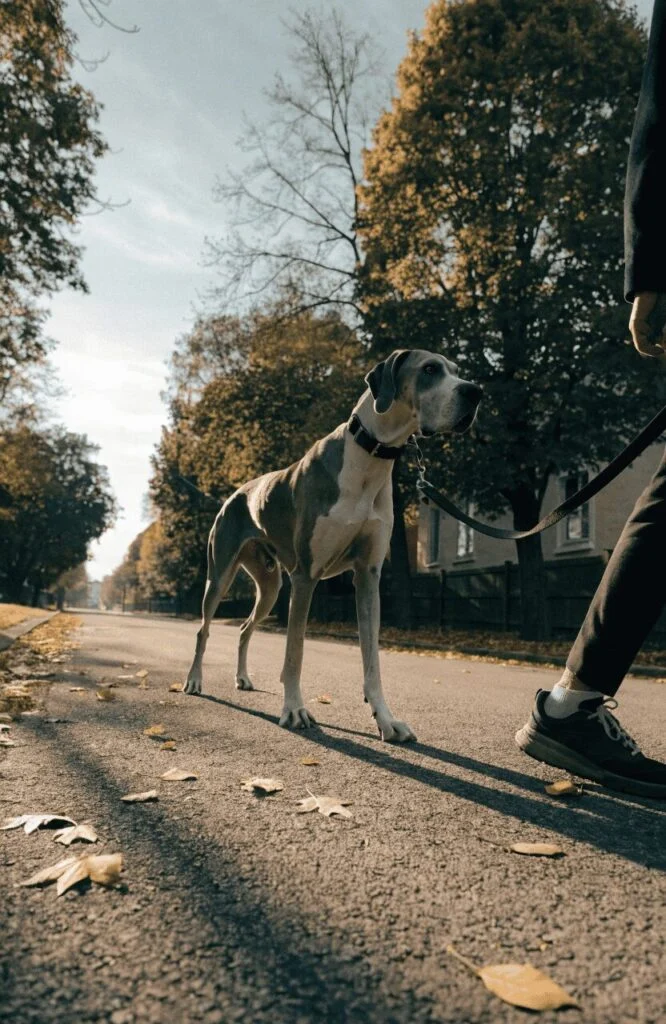
Great Danes are living proof that size is the ultimate deterrent.
Standing up to 32 inches tall and weighing up to 175 pounds, a Great Dane at the door is not a sight most intruders want to test. Despite their massive frame, Great Danes are gentle, patient, and deeply affectionate with their families.
They’re not as reactive as German Shepherds or Dobermans, but their presence alone provides serious security. Great Danes also tend to be excellent with children — patient, tolerant, and surprisingly self-aware of their own size.
One thing to know: they have a shorter lifespan than most breeds, averaging 7 to 10 years. For families thinking long-term, that’s worth considering.
Best for: Families wanting a calm, loving giant with natural deterrence power.
7. Cane Corso
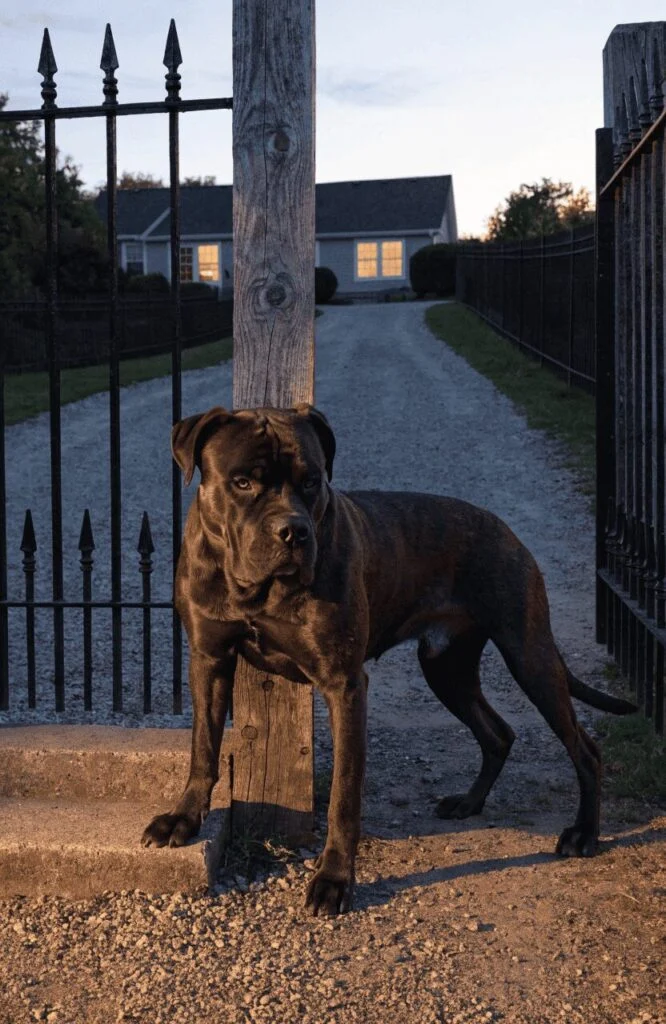
The Cane Corso — Latin for “bodyguard dog” — lives up to its name completely.
This Italian Mastiff is large, muscular, and instinctively territorial. It bonds deeply with its family while remaining naturally suspicious of strangers. Unlike some breeds that need heavy training to develop protective behavior, the Cane Corso comes hardwired for it.
That intensity is exactly why Cane Corsos are not for everyone. They need confident, experienced owners who can set clear, consistent boundaries. But when properly raised and trained, they’re remarkable — loyal, calm at home, and completely dependable when it counts.
To understand what makes breeds like this stand apart, check out our full breakdown of fearless dog breeds.
Best for: Experienced owners with older children and a secure, fenced property.
8. Akita

The Akita is a powerful, dignified breed with centuries of history as a guardian of Japanese royalty.
Akitas are fiercely loyal to their family but naturally aloof with strangers — which is exactly what you want in a guard dog. They don’t warm up to new people quickly, and that reserved nature makes them inherently watchful and alert.
They’re also quiet dogs. Akitas don’t bark without reason. When one does bark, take it seriously.
The challenge is their independence. Akitas can be stubborn and dominant, especially around other dogs. They need early socialization and an owner who leads with calm confidence, not force.
Best for: Experienced owners with a single-dog household and older, respectful children.
9. Belgian Malinois
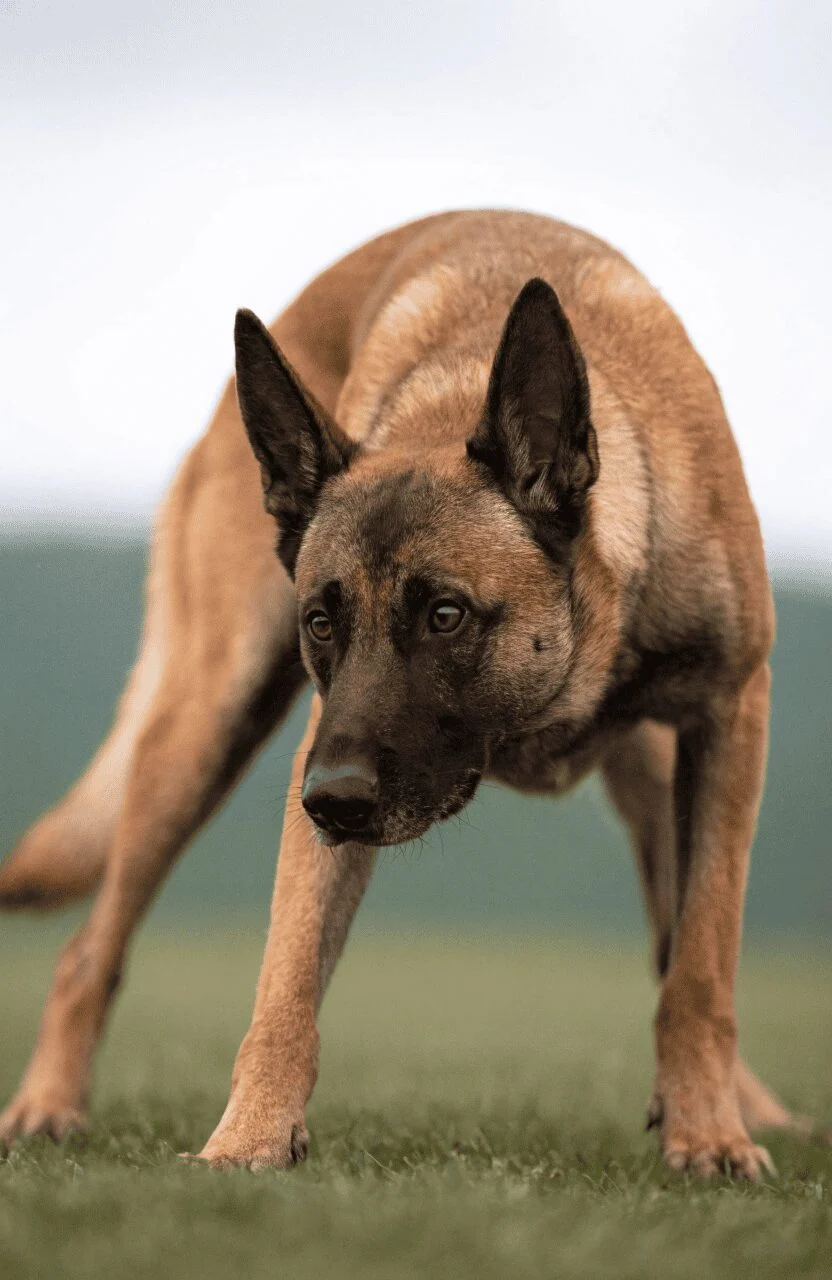
The Belgian Malinois is what happens when you take a German Shepherd’s intelligence and amplify every trait to its maximum.
Used by military and police K-9 units worldwide, the Malinois learns commands fast, executes them precisely, and has an almost obsessive work drive. They are arguably the most capable working dog in the world today.
That drive is also the catch. Malinois need structured, daily activity — not just a walk around the block. Without it, they become destructive and difficult. They’re not a dog you put in a backyard and forget about.
If your lifestyle can match their intensity, a well-trained Malinois is an extraordinary family protector. For a deeper look at how they compare to other working breeds, see our list of smartest guard dog breeds.
Best for: Very active families or owners with professional training experience.
10. Giant Schnauzer

The Giant Schnauzer is a slightly less common pick — but a highly effective one.
Reaching up to 85 pounds, they’re powerfully built, deeply loyal, and naturally wary of strangers. Giant Schnauzers are also highly trainable, which makes them a great option for families who want to invest time in proper obedience work.
Their high energy means they need plenty of daily exercise, and their thick double coat requires regular grooming. But in the right household, they’re devoted, reliable, and surprisingly fun to own.
Best for: Active families who want a loyal, trainable guard dog in a more manageable size.
Guard Dog vs. Watchdog — What Families Actually Need
A lot of families confuse these two terms — and it leads to the wrong choice.
A watchdog alerts you to danger. It barks when something seems off, warns you of a stranger at the door, and relies on noise to do its job. Many smaller breeds can fill this role well.
A guard dog goes further. It not only alerts but also physically steps in if a genuine threat presents itself. Guard dogs are larger, stronger, and trained to assess and respond to danger.
For most families, the real need sits somewhere in the middle. You want a dog that warns you clearly and has the physical presence to deter a threat — but won’t overreact to every visitor or neighborhood kid running past.
That’s why temperament and training matter more than breed reputation alone. The right family guard dog is confident enough to protect but stable enough not to become a problem in everyday life.
How to Choose the Best Family Guard Dog for Your Home
Choosing the right breed isn’t just about protection capability. It’s about fit. Here’s how to narrow it down based on your family’s real situation.
1. Families With Young Children Under 5
Prioritize breeds known for patience and gentleness above all else. Boxers, Great Danes, and Bullmastiffs tend to be the safest choices around toddlers and young children.
Avoid high-intensity breeds like Belgian Malinois or Cane Corsos until your children are older and can understand how to behave respectfully around a large, powerful dog.
2. Apartment vs. House With a Yard
Most guard dog breeds need space — and some need a lot of it. German Shepherds, Belgian Malinois, and Dobermans especially need room to move and outlets for their energy.
If you’re in an apartment, Great Danes (surprisingly low-energy indoors) and Bullmastiffs tend to adapt better, provided they get solid daily walks. Browse our list of big dog breeds to compare size and space requirements across different options.
3. First-Time Owner vs. Experienced Owner
Be honest with yourself here. Cane Corsos, Rottweilers, and Akitas need confident, experienced handling. If you’ve never owned a large dog before, German Shepherds or Boxers are far more forgiving starting points.
That said, even the most beginner-friendly guard breed still needs structured training. No guard dog manages itself.
Training Your Family Guard Dog the Right Way
Getting the right breed is only half the equation. Training is what makes the difference between a reliable protector and a genuine liability.
Start early. The socialization window for puppies — roughly 3 to 14 weeks — is critical. Expose your dog to different people, sounds, environments, and situations during this period. A well-socialized guard dog can tell the difference between a real threat and a Tuesday afternoon visitor.
Use positive reinforcement. Reward-based training builds trust and produces more stable, reliable behavior than punishment-based methods. Our detailed breakdown of positive reinforcement vs. traditional dog training explains why this matters for guard breeds specifically.
Consider professional help. For protection-specific work, a certified trainer is strongly recommended — especially for Cane Corsos, Dobermans, and Belgian Malinois. These breeds are powerful, and their training needs to be precise.
Be consistent every single day. Guard dog breeds are intelligent, and they quickly learn what you allow. Set clear, firm boundaries from day one and hold them. Inconsistency creates confusion — and confused powerful dogs create problems.
If you’re starting from scratch with a new puppy, our essential puppy training tips cover the foundational steps every new owner should follow.
Common Mistakes Families Make With Guard Dogs
Even well-intentioned owners fall into these traps. Knowing them in advance can save your family — and your dog — a great deal of trouble.
Skipping socialization. This is the single most common mistake. Without early and consistent exposure to people, children, sounds, and environments, guard dog breeds can become fearful or over-reactive. Fear-driven aggression is far more dangerous than trained protectiveness.
Choosing based on looks alone. A Cane Corso looks powerful. A Belgian Malinois looks elite. But if your lifestyle doesn’t match what that breed genuinely needs, you’ll end up with a frustrated dog and a stressed-out family.
Confusing aggression with protection. An aggressive dog doesn’t make your family safer — it creates liability. True protection comes from a stable, well-trained dog, not one that reacts to everything it encounters.
Neglecting exercise. Every breed on this list needs significant daily physical activity. Under-exercised guard dogs become anxious, destructive, and harder to manage. Exercise isn’t optional — it’s the foundation of a behaviorally healthy dog.
Treating training as a one-time event. Training doesn’t end after puppyhood. Guard dog breeds need ongoing reinforcement, practice, and mental challenges throughout their lives to remain reliable and well-mannered.
Conclusion
The best guard dogs for families aren’t simply the biggest or the most intimidating. They’re intelligent, emotionally stable, deeply loyal, and properly trained.
Whether you choose a German Shepherd for its legendary versatility, a Bullmastiff for its calm and imposing power, or a Boxer for its family-friendly energy, the right dog will give your household both genuine security and genuine companionship.
The key is matching the breed to your actual life — your living space, your experience level, your children’s ages, and how much time you can honestly invest in training and exercise every day.
Get that match right, and your guard dog becomes something far greater than a protector. It becomes one of the most trusted and beloved members of your family.
Izzy is an experienced ranch worker who has a passion for exploring nature and getting up close to wildlife. With her connections to various animal organizations, Izzy is well-versed in animal care and rehabilitation.