12 Dog Food Packaging Ideas That Grab Attention (With Design Tips)
Walk down any pet store aisle and you’ll notice something quickly: some dog food bags make you stop and look, while others blend into the background. That difference isn’t an accident. It’s the result of smart dog food packaging choices.
Good dog food packaging design does more than hold kibble. It tells a story, builds trust, and makes a pet owner feel confident about what they’re feeding their dog. In this article, we’ll jump straight into 12 creative packaging ideas brands are using right now, then break down why they work, what materials support them, and how to avoid common design mistakes.
Whether you’re a pet food brand owner, a designer, or just a curious dog lover, this guide breaks everything down in simple, skimmable sections you can read in minutes.
12 Creative Dog Food Packaging Ideas
Let’s get right into it. These 12 ideas combine good looks with real function, and each one can be adapted for small startups or large pet food brands.
1. Minimalist Kraft Paper Bags
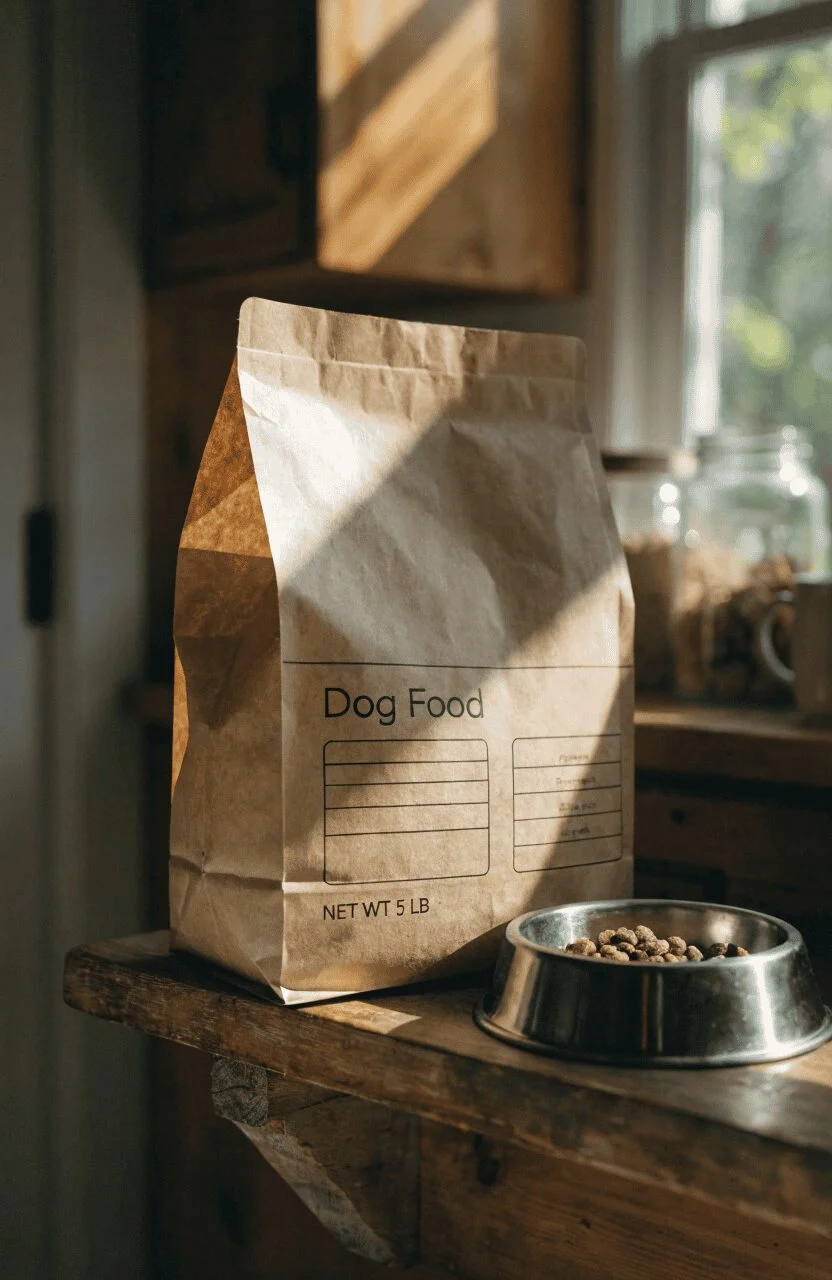
Simple brown kraft paper with clean black or white text has become a favorite in the pet food world. It feels natural, honest, and eco-conscious without saying a word.
This style works especially well for brands that want to highlight natural or organic ingredients. Less visual noise means the product feels more trustworthy, and the earthy tone pairs well with rustic logos or hand-drawn illustrations.
Many small-batch pet food companies choose kraft paper because it’s affordable to produce while still looking premium. It also photographs beautifully for social media, which matters more than ever for brands relying on online sales.
2. Bold Color-Coded Bags by Life Stage
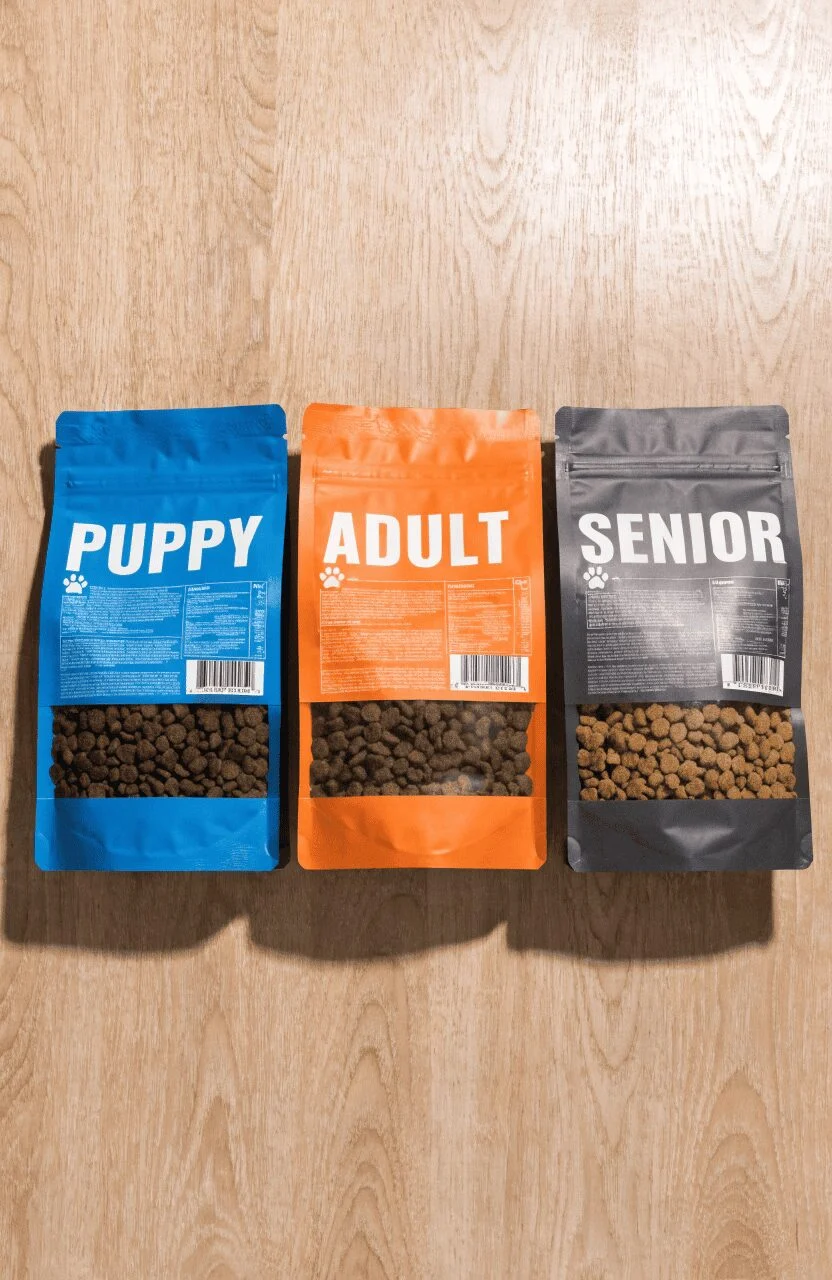
Color coding is one of the simplest ways to help shoppers find the right product fast. For example:
- Blue or green for puppy formulas
- Orange or red for adult dogs
- Purple or grey for senior dogs
This system removes confusion at the shelf and speeds up decision-making, especially for busy shoppers grabbing food between errands. It also helps new pet owners who might already be overwhelmed learning about puppy veterinary needs and don’t want to spend extra time decoding confusing labels.
Retail employees benefit too. When bags are color-coded, restocking shelves and answering customer questions becomes much faster, which keeps the shopping experience smooth for everyone.
3. Stand-Up Resealable Pouches
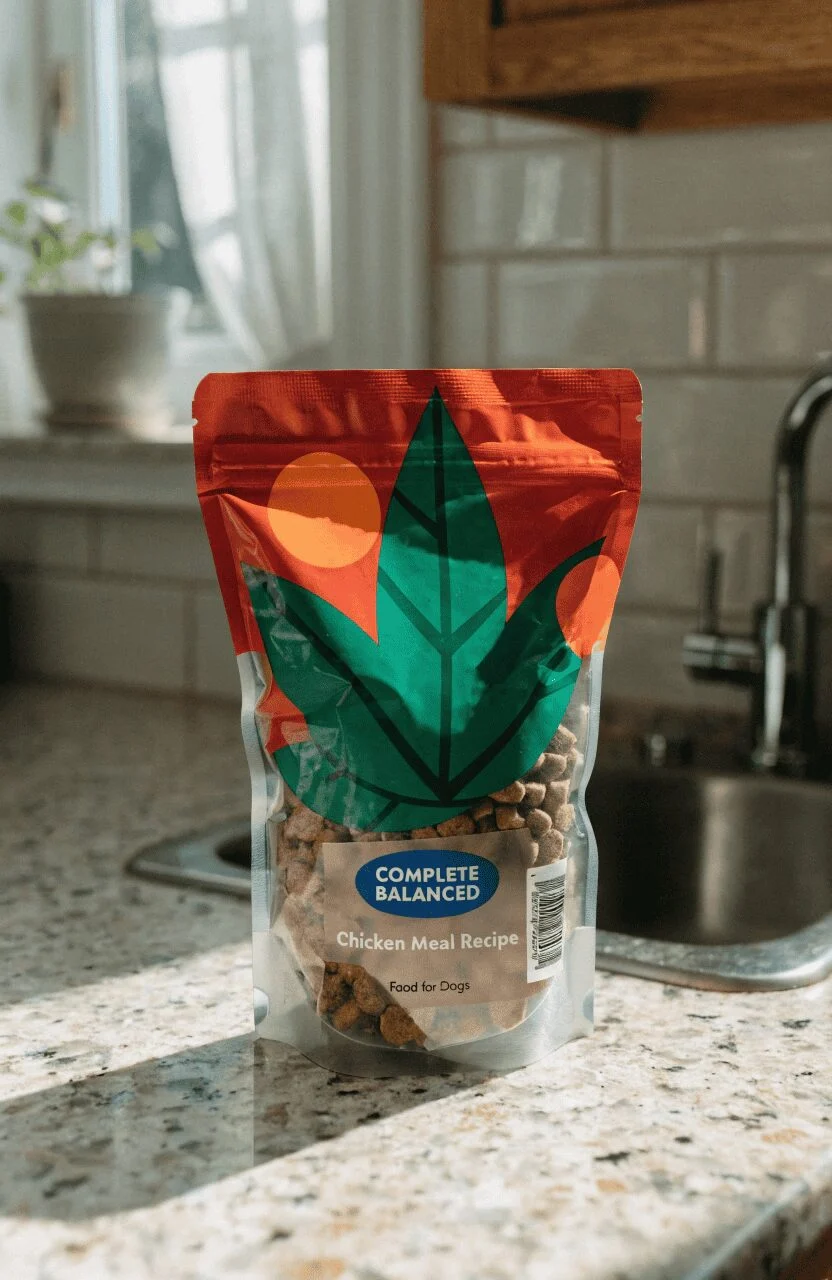
Stand-up pouches are popular because they save shelf space and stay upright in pantries at home. Add a resealable zipper, and you’ve solved one of the most common complaints pet owners have: food going stale after opening.
These pouches also print well, allowing for vibrant graphics on all sides of the bag. Brands can use the extra surface area to include feeding charts, ingredient stories, or QR codes linking to more information.
Because they’re lightweight and flexible, stand-up pouches also reduce shipping costs compared to rigid boxes or tins, which is a major advantage for smaller companies trying to keep prices competitive.
4. Window Cutouts to Show the Food

A small clear window on the packaging lets customers see the actual kibble or food texture inside. This builds transparency and can be more convincing than any description on the label.
It’s a simple trick, but it removes doubt. Shoppers like knowing exactly what they’re buying before they even open the bag, especially when trying a new brand for the first time.
Window cutouts also work well paired with minimalist designs, since the food itself becomes part of the visual appeal rather than relying only on printed graphics.
5. Illustrated Nature or Breed-Themed Art
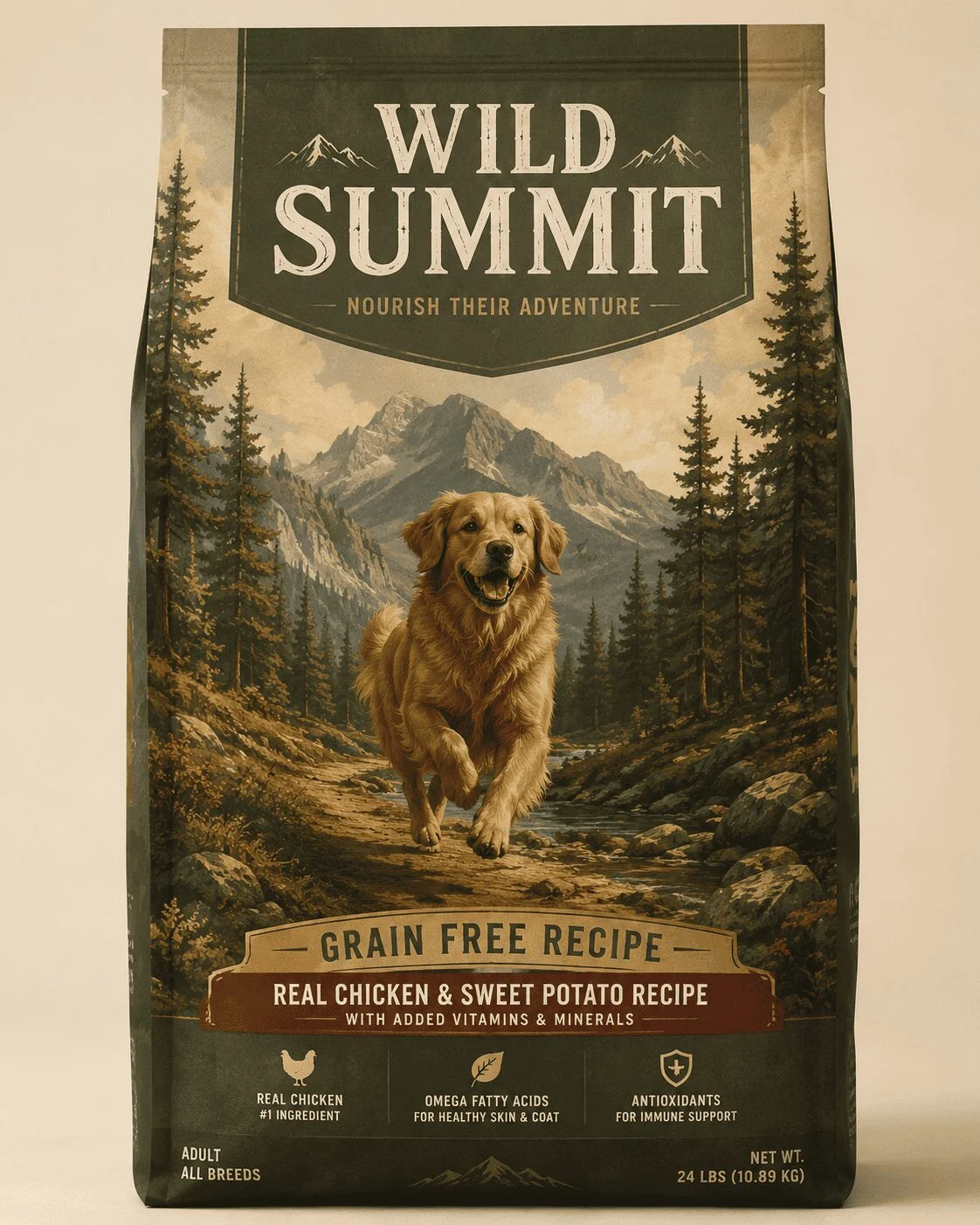
Illustrated packaging featuring dogs in nature, forests, mountains, or playful outdoor scenes creates an emotional connection. It reminds pet owners of their dog’s personality and instincts.
Brands sometimes lean into wild, adventurous themes here, similar to the appeal behind comparisons like coyote vs pitbull content, tapping into the primal, adventurous side of dog ownership that many owners find exciting.
This approach works particularly well for brands marketing high-protein or ancestral-diet formulas, since the artwork reinforces the idea of a dog’s natural instincts and wild roots.
6. Eco-Friendly Compostable Packaging
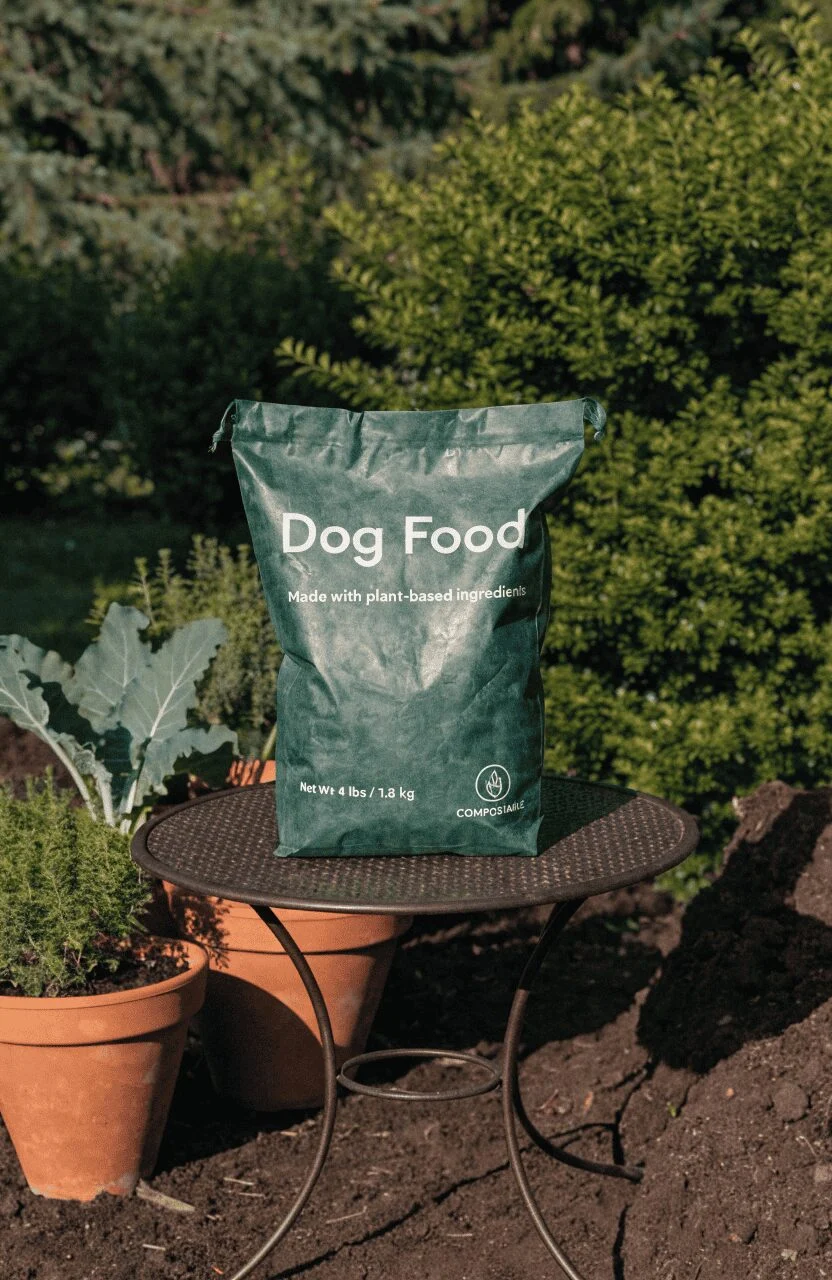
Sustainability sells. Compostable bags made from plant-based materials appeal to environmentally conscious pet owners who want to reduce plastic waste.
This packaging type often uses earthy tones and recycling symbols to reinforce the eco message visually. Simple leaf icons, green color palettes, and matte finishes all signal sustainability at a glance, even before a shopper reads the fine print.
As more pet owners actively search for eco-conscious products, compostable packaging is quickly shifting from a “nice extra” to an expected standard, especially among younger buyers.
7. Tin Canisters for a Premium Feel
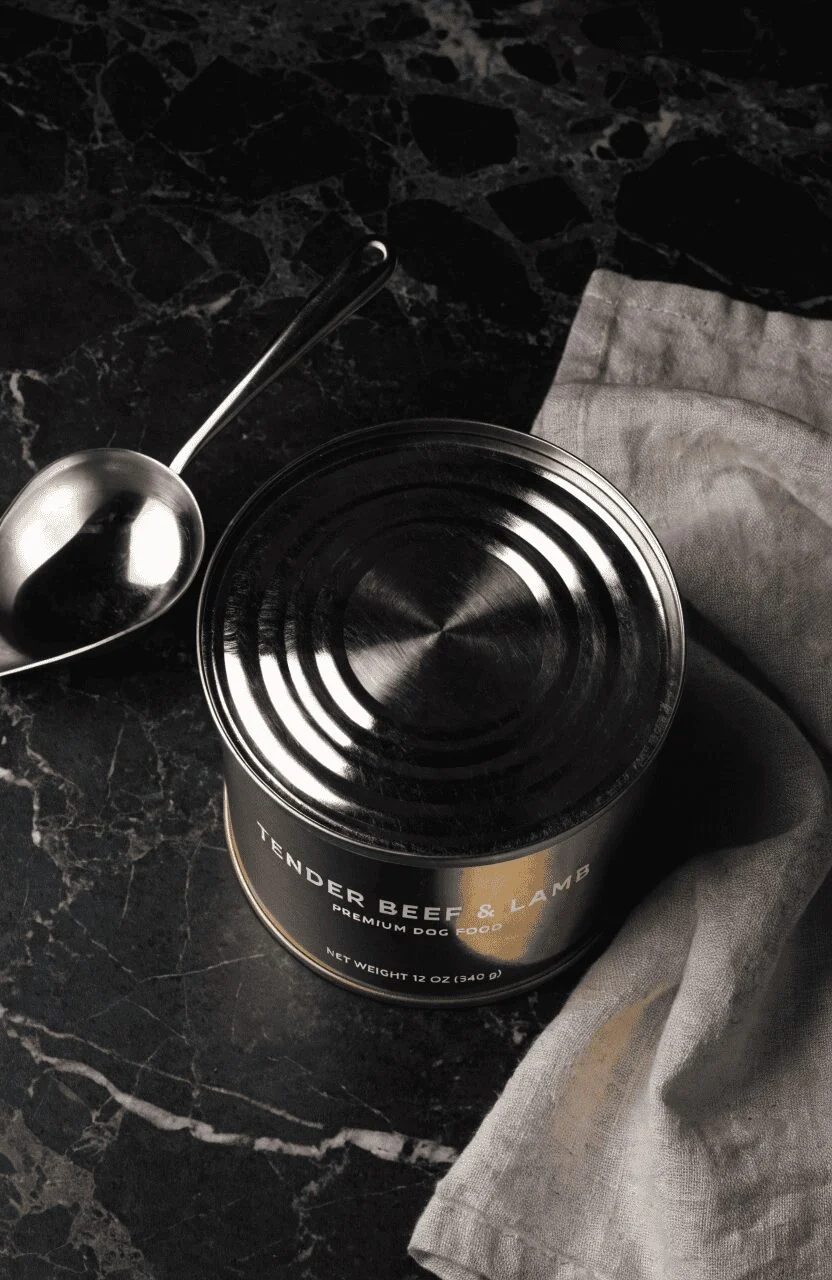
Metal tins signal high quality and durability. They’re often used for boutique or specialty dog food brands targeting premium buyers who are willing to pay more for a polished experience.
Tins also double as reusable containers at home, which adds long-term value beyond the initial purchase. Some pet owners repurpose them for treats, toys, or grooming supplies once the food is gone.
Because tins are more expensive to produce, they’re typically reserved for higher-end product lines, but the investment often pays off through stronger perceived value and repeat purchases.
8. Portion-Controlled Single-Serve Packs
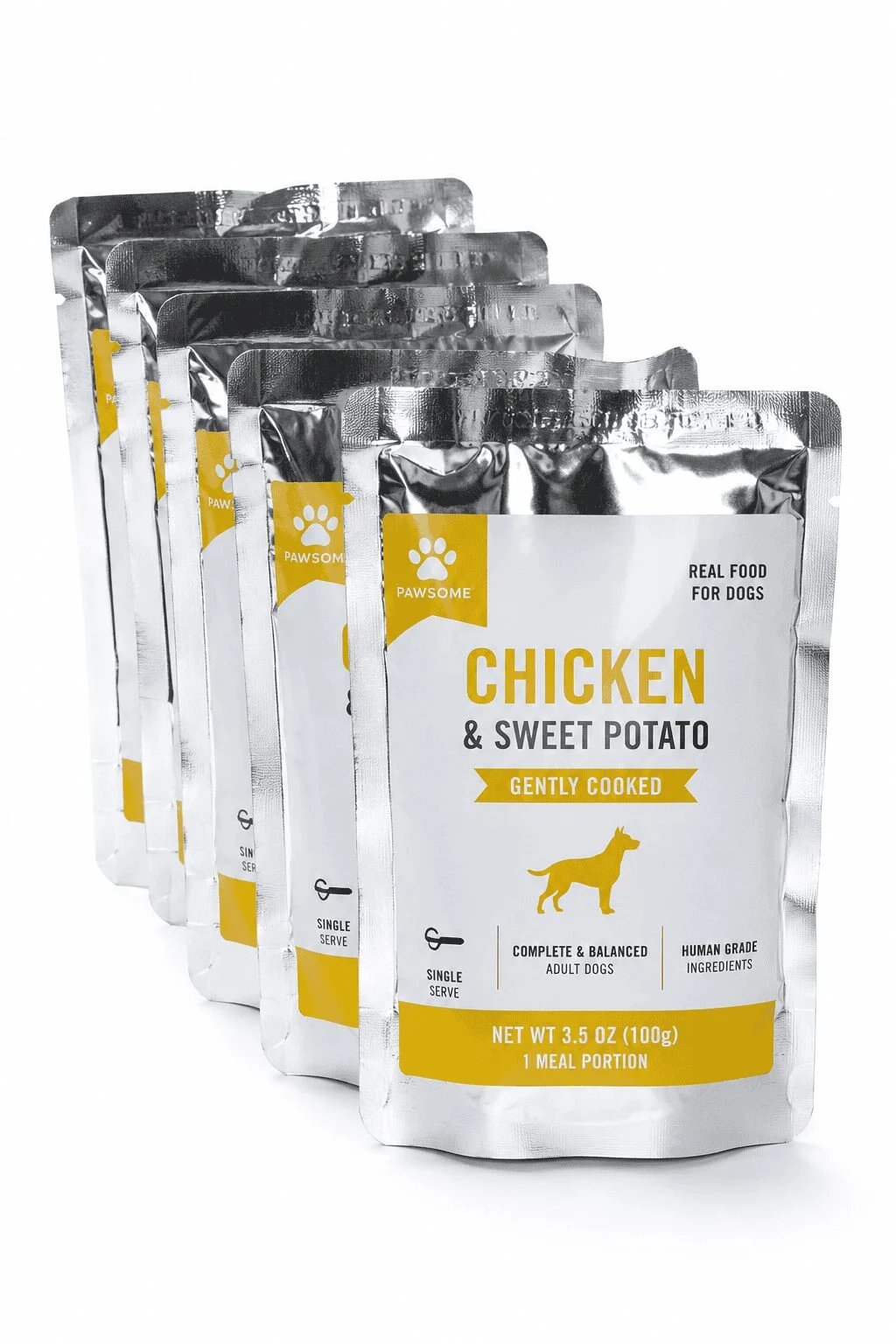
Single-serve packets are perfect for travel, training, or portion control. They reduce food waste and make it easy to measure exact amounts without guesswork.
This format pairs nicely with brands offering homemade dog food recipes-inspired products, where freshness and portioning matter more than in traditional dry kibble.
Single-serve packs are also incredibly convenient for pet owners managing multiple dogs with different dietary needs, since each packet can be labeled with specific instructions or nutritional information.
9. Transparent Vacuum-Sealed Pouches
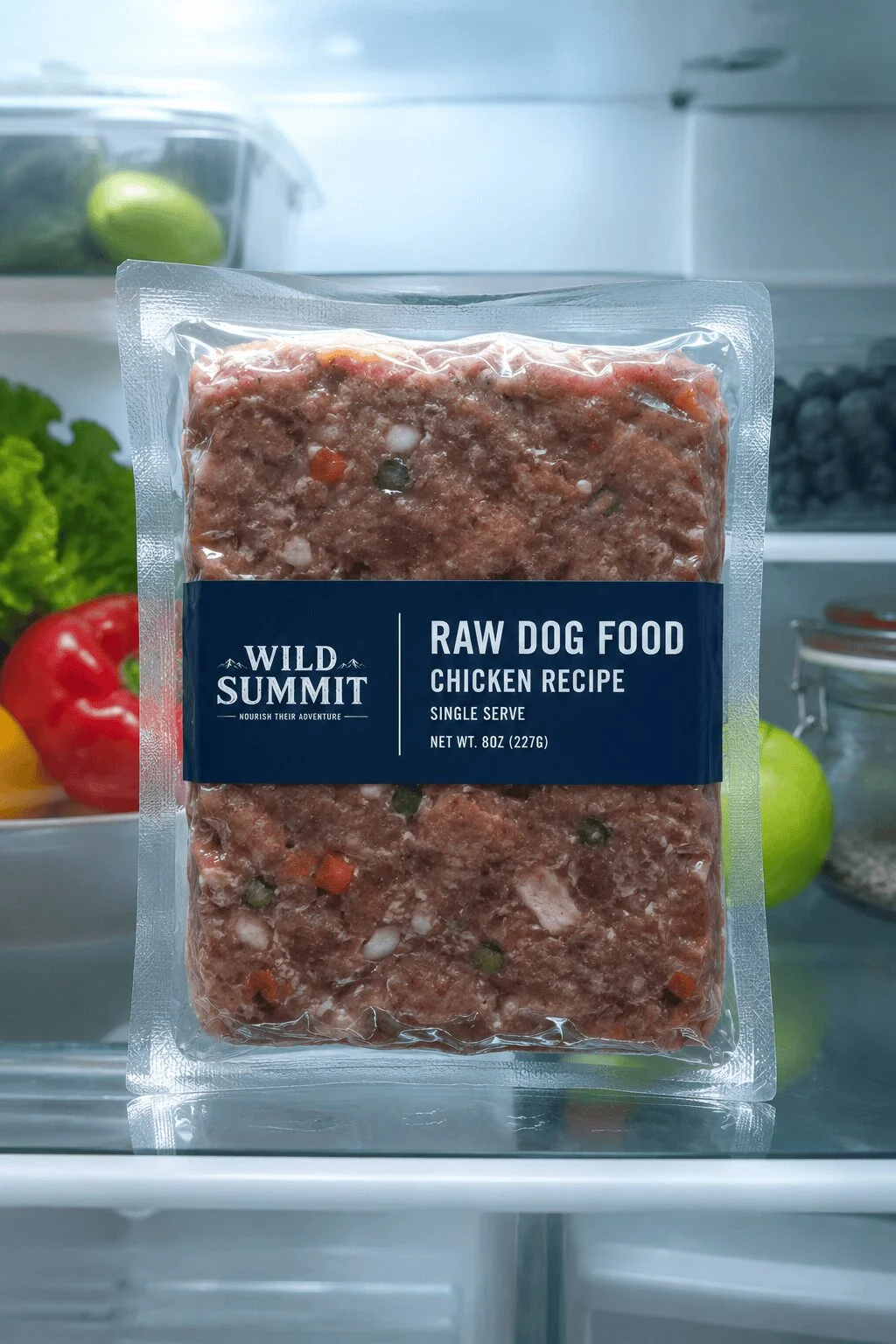
Vacuum-sealed pouches keep food fresh longer while showing the product clearly through clear film. This works especially well for freeze-dried or raw food products where freshness is a major selling point.
The tight seal also reduces bulk, making pouches easier to stack and store in both retail settings and home pantries.
Because the packaging clings tightly to the food itself, it also reduces the amount of trapped air, which helps prevent oxidation and keeps flavors locked in longer.
10. Storytelling Labels
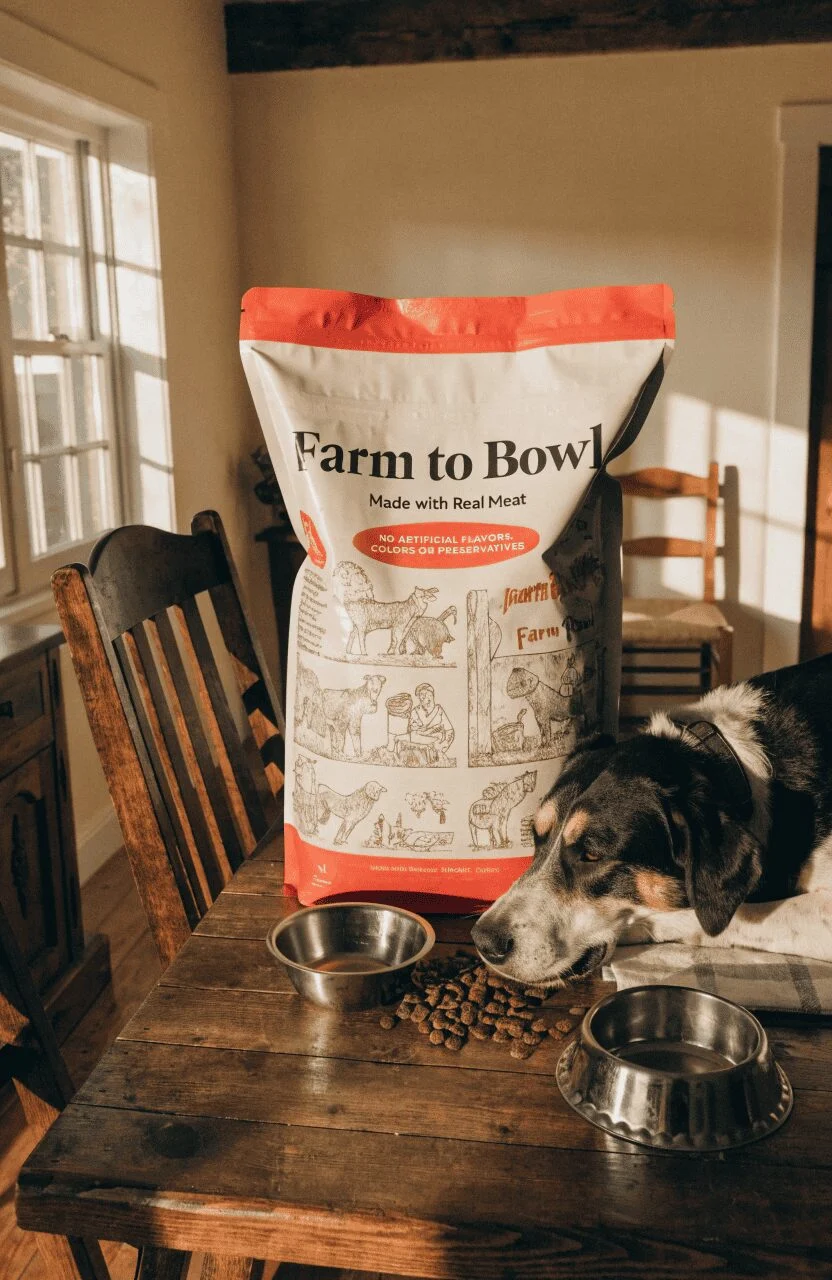
Some brands use the entire bag as a mini story: where the ingredients come from, how the recipe was created, or the brand’s mission. This turns a simple purchase into an emotional experience rather than a transaction.
Storytelling labels work especially well for brands built around health, tradition, or family values. A short paragraph about a founder’s own dog, for instance, can create instant emotional buy-in.
This approach also gives brands a chance to differentiate themselves in a crowded market, since ingredients and nutrition facts often look similar across competitors, but stories are unique to each brand.
11. Bold Typography-Focused Design
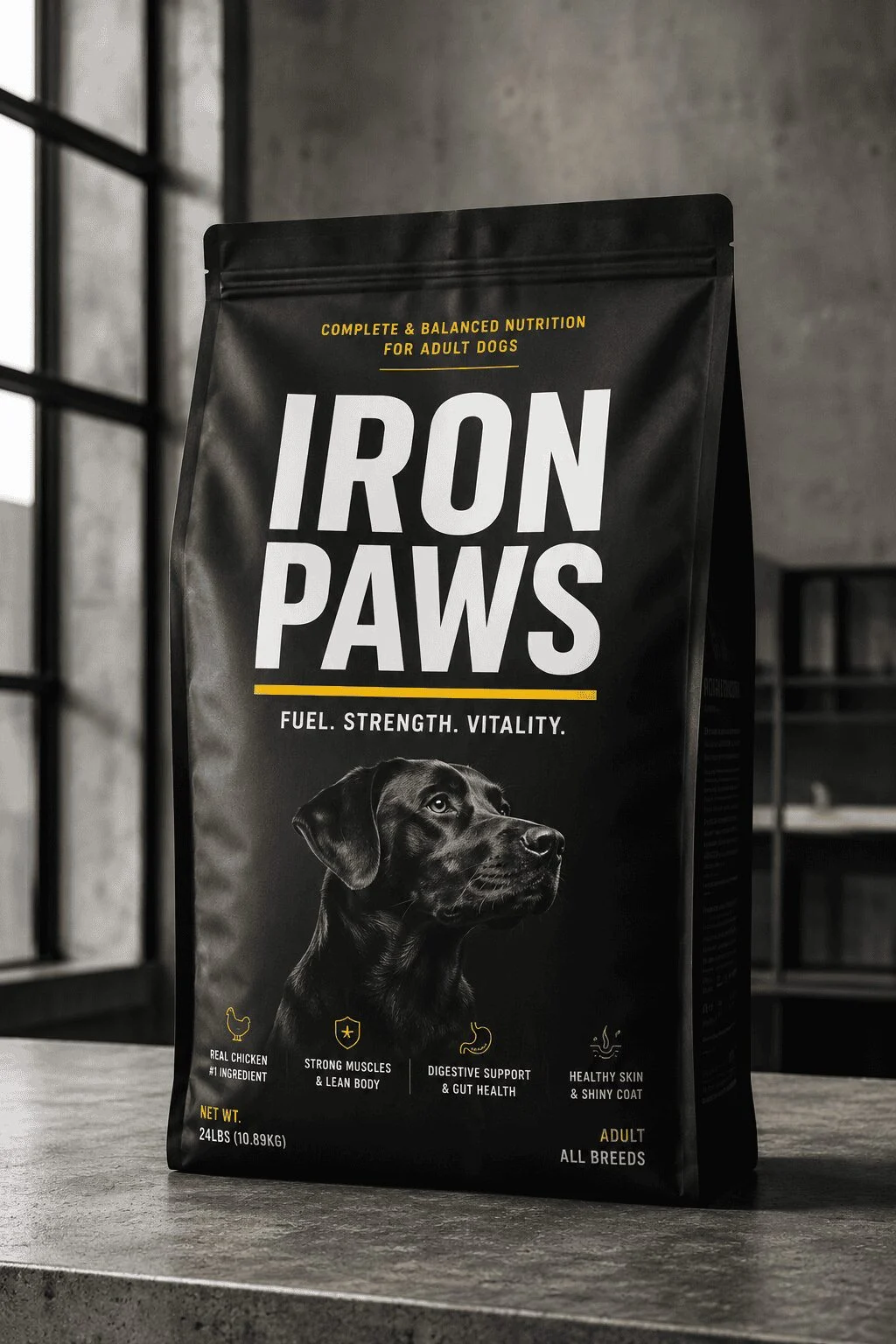
Sometimes, less imagery and more powerful text does the job. Large, bold fonts with strong color contrast can make a product feel confident and modern.
This minimalist approach is popular with newer, direct-to-consumer pet food brands trying to look fresh and different from traditional competitors still relying on busy, cluttered designs.
Typography-led packaging also tends to age well, since it isn’t tied to trendy illustrations or seasonal graphics that may look outdated within a few years.
12. Multi-Functional Boxes That Reuse as Storage

Boxes designed to be reused after the food is gone add extra value. Pet owners might repurpose them as toy bins, treat holders, or storage for other pet items.
This ties in nicely with organized home setups, much like the trend around creative dog feeding station ideas where owners want everything to look neat and intentional.
Reusable packaging also builds subtle, ongoing brand exposure, since a box sitting on a shelf at home keeps the brand name visible long after the original purchase.
Why Dog Food Packaging Design Matters
Now that we’ve covered the ideas themselves, it helps to understand why packaging design has such a big impact on buying decisions in the first place.
I. First Impressions on the Shelf
A dog food bag has about three seconds to catch someone’s eye. In that short window, color, shape, and imagery do all the talking. Bright colors, clean fonts, and clear pictures of the food inside can make a product feel fresh and appealing.
If the packaging looks outdated or cluttered, shoppers may assume the food inside is lower quality too, even if that’s not true. That’s why smart dog food packaging design treats the outside of the bag as seriously as what’s inside it.
II. Building Trust With Pet Owners
Dog owners are protective of what goes into their pet’s bowl. Many read labels closely, looking for terms like “grain-free,” “natural,” or “vet-approved.”
Packaging that clearly displays this information builds trust instantly. It also helps new pet parents make faster, more confident buying decisions, especially when they’re already researching everything from feeding schedules to basic dogs accessories tips for their new companion.
Key Elements Every Good Dog Food Packaging Needs
Every creative idea on the list above still needs to include a few core basics to actually succeed at the shelf.
I. Clear Labeling and Ingredients
No matter how beautiful a bag looks, it needs to communicate the basics clearly:
- Protein source (chicken, beef, fish, etc.)
- Life stage (puppy, adult, senior)
- Weight and serving size
- Key benefits (grain-free, high-protein, sensitive stomach)
Cluttered labels confuse shoppers. Clean, well-organized labels help them decide faster and feel good about the purchase.
II. Easy-to-Use Features
Good design isn’t just visual, it’s functional too. Features like resealable zippers, sturdy handles, and pour spouts make daily feeding easier for pet owners.
A bag that’s hard to close or spills kibble everywhere quickly frustrates customers, no matter how nice the design looks. Small functional touches often matter more to long-term satisfaction than flashy graphics.
Materials Used in Modern Dog Food Packaging
The materials behind the design matter just as much as the visuals. They affect freshness, sustainability, and cost.
I. Recyclable and Sustainable Options
Recyclable paper, plant-based plastics, and biodegradable films are becoming standard as more brands respond to environmental concerns. These materials often cost slightly more but appeal strongly to modern buyers who actively check for sustainability claims.
II. Barrier Films for Freshness
Multi-layer barrier films protect against moisture, oxygen, and light, keeping food fresh for longer shelf life. This is especially important for oily or high-fat formulas that can spoil faster without proper protection.
Common Mistakes Brands Make With Packaging Design
Even well-intentioned packaging can fail if it overlooks a few key issues.
Overcrowded Labels Too much text or too many claims on one bag overwhelms shoppers instead of informing them.
Ignoring Function Beautiful designs that are hard to open, reseal, or pour create frustration, especially for pet owners feeding their dog daily.
Inconsistent Branding Packaging that doesn’t match a brand’s website, social media, or overall identity confuses customers and weakens trust.
Poor Material Choices Cheap materials that tear easily or fail to keep food fresh can damage a brand’s reputation quickly, no matter how nice the design looks.
Tips for Choosing the Right Dog Food Packaging for Your Brand
If you’re a brand owner deciding on packaging, keep these tips in mind:
- Know your audience. Premium buyers respond to different visuals than budget-conscious shoppers.
- Prioritize function first. No design element should make daily use harder.
- Test before scaling. Small batch runs help catch design or material issues early.
- Stay consistent. Match packaging to your brand’s overall tone and values.
- Think beyond the shelf. Consider how packaging looks in someone’s kitchen or pantry too.
Great packaging isn’t just about looking good in a store. It should also feel good to use every single day, whether someone’s filling a bowl or organizing supplies near their dog treats and food storage at home.
Conclusion
Dog food packaging is far more than a container, it’s often the deciding factor between one brand and another sitting right next to it on the shelf. From minimalist kraft bags to bold, color-coded designs, the right packaging choice can build trust, simplify daily use, and turn a first-time buyer into a loyal customer.
Whether you’re drawn to eco-friendly materials, premium tins, or playful nature-inspired art, the best dog food packaging design always balances two things: visual appeal and everyday function. Get both right, and your product won’t just sit on the shelf, it’ll get picked up, taken home, and trusted again and again.

Izzy is an experienced ranch worker who has a passion for exploring nature and getting up close to wildlife. With her connections to various animal organizations, Izzy is well-versed in animal care and rehabilitation.


