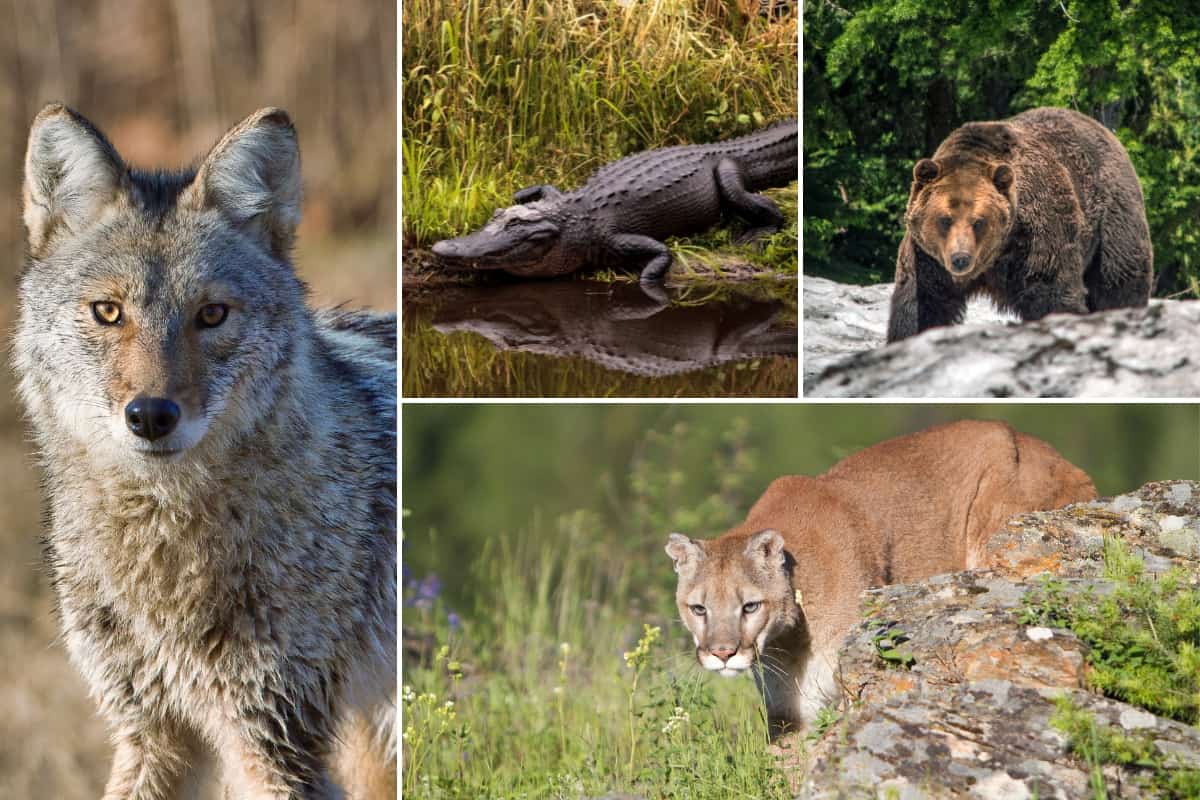
A Beginner’s Guide to Wildlife Photography
Photography is a special kind of art that does not limit its fans in any way. You can photograph people, architecture, various landmarks, interesting events and wildlife. The latter option is more often than others a favorite of professional photographers, as it opens up unique opportunities for them to implement creative ideas. It is also popular with beginners. For them, photographing wildlife becomes an excellent test, where you can hone your skills and gain experience in creating pictures in different ways. This article will teach you how novice photographers can effectively organize and conduct an event.

Contents
Event organization features
Choosing a location
For beginners who want to photograph wildlife, it is best to choose locations that are easily accessible. However, this does not mean that you need to visit a nearby park and attempt to take good pictures there. It is better to spend a little time on a trip to a national park or nature reserve. There, you can see truly wild animals, and not those that will take treats from your hands. If you want to photograph natural landscapes, then the best places to consider are coastal areas and small forests located on the outskirts of the city. There, you can gain invaluable experience and experiment with camera settings.
Preparing equipment
To photograph wildlife, you will need a standard set of equipment, as well as several additional devices and accessories. The basic kit will include a camera, a wide-angle and telephoto lens, a tripod, and spare batteries or a portable power source. In addition to all of the above, a novice photographer will need AGM thermal binoculars to quickly find animals in any environment, comfortable shoes for comfortable movement around the selected location, clothing that does not contrast with the surrounding vegetation, and protection from rain/snow (for yourself and for the optics used).
Studying objects to photograph
Preparation should also include studying the objects of photography. This process will enable you to gather a wealth of helpful information about animals and plants, which will help you capture high-quality photos. For example, knowing the habitats and behavioral characteristics of various living creatures, you will be able to quickly find them even in unfamiliar territory and predict their further actions. This will allow you to choose the ideal moment for shooting and increase the chances of getting good photos.
Wildlife photography guide
Choosing the best time to take photos
Light is a key component of a good photo. Therefore, all beginners who are going to photograph wildlife should wait for sunrise or sunset. At this time of day, the light is soft, which means the transition from dark to light areas will be as smooth as possible. This will enable you to achieve ideal conditions for creating high-quality photographs without the need for additional equipment. In soft light, wildlife often looks great, which means success is virtually guaranteed, even for beginners.
Find a point with the best view
Beginner photographers should pay special attention to finding a place with the best view. In this matter, you can follow the advice of professionals or experiment with different points yourself. Having done this work well, the chance of getting great pictures of wildlife will be much higher. It does not matter what or who you want to photograph. Animals, plants, or landscapes will look perfect if, during shooting, there are no bushes, rocks, or tree branches blocking the view in the frame.
Be patient and stay quiet
All beginners need to remember that only patient people can succeed in photographing wildlife. Therefore, you should not expect to take an award-winning photo within a couple of minutes of starting to shoot. Sometimes you will have to sit for several hours waiting for an animal to arrive or for the ideal lighting conditions to occur. Also, beginner photographers should remain inconspicuous. The absence of sudden movements, loud sounds, and reflections of light from the camera lens will increase the chances of capturing the object of photography and not spoil the surrounding environment.
Be safe
It is essential for all photographers, especially beginners, to prioritize their own safety. Its high level guarantees the completion of the event without any emergency incidents, allowing you to enjoy the time spent. To ensure safety, carefully navigate the territory of the selected natural location, avoiding holes, cliffs, slippery areas, and other hazardous areas. It is also important not to stray far from the path chosen, regularly study the weather forecast, monitor the movements of dangerous animals, and avoid taking rash actions. This approach will minimize risks and make wildlife photography a safer activity.
Respect wildlife
Wildlife is beautiful and diverse. It requires not only careful handling but also respect. All beginning photographers need to recognize that when shooting, it is crucial to minimize their environmental impact. This means that when photographing animals, you should avoid using a flash or sound effects (such as the click of the camera shutter when shooting or the melodies of selecting settings), which can scare them. It is also forbidden to interfere with natural processes occurring in nature (for example, not to interfere with predators hunting herbivores). When photographing plants, you cannot break branches that interfere with taking a good photo, pull out grass growing in front of some beautiful mushrooms, and chase away animals for whom the bush you like is a favorite shelter.
Also read this article that how wildlife photographers use social media.
Tips for beginner photographers
Before photographing wildlife, beginners should study several recommendations. They will help to avoid many mistakes and increase the chances of getting good shots. Firstly, you should always photograph wildlife in RAW format. This will significantly simplify subsequent image processing. Next, beginners are advised to use a short shutter speed to avoid blurring various objects (moving animals, tree branches swaying in the wind, etc.). The next piece of advice for beginner photographers is always to take a series of shots. This way, you will have a better chance of getting a good shot.
Another important recommendation is to use only long-focus lenses when photographing animals. They will allow you to visually get closer to the subject while remaining at a considerable distance and not interfering with the living creature in its usual way of life. Before taking a photo, observe the surroundings. In 5-10 seconds, the situation will change for the better (for example, the light will fall more naturally, the animal will take an ideal position, etc.), and you will be able to take a great photo. Finally, do not forget that wildlife lives by its own rules. The processes occurring within it can be dangerous for the photographer, so you should always ensure safety first and then start shooting.
Not only professionals, but also beginners can photograph wildlife. Those who are just starting to get acquainted with this activity should carefully prepare for it, taking into account several important aspects. This is the only way to truly enjoy the process and capture several excellent photos that will enhance any portfolio.

Izzy is an experienced ranch worker who has a passion for exploring nature and getting up close to wildlife. With her connections to various animal organizations, Izzy is well-versed in animal care and rehabilitation.