
The Myths and Facts: Are Manatees Dangerous to Humans?
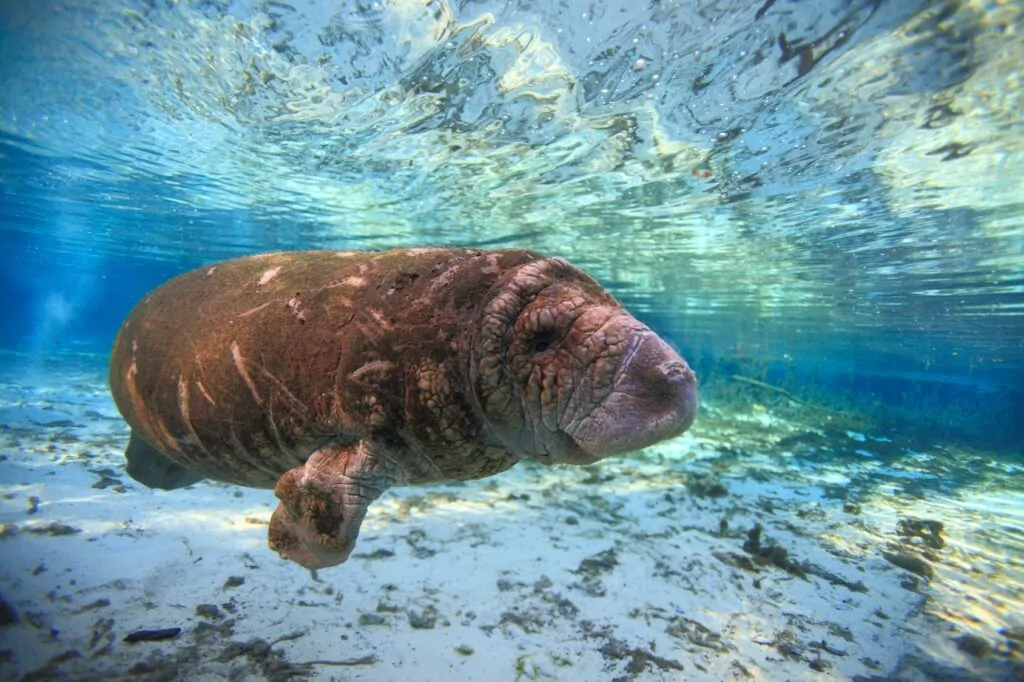
Tourists visiting Florida waters often encounter massive marine mammals in shallow coastal areas and wonder about potential risks from these impressive creatures. Despite their size—adults can weigh over 1,000 pounds—these gentle herbivores pose minimal threat to humans under normal circumstances.
Persistent myths about aggressive marine mammals and dangerous wildlife encounters create unnecessary fear about interactions with these peaceful creatures. Media coverage of rare incidents sometimes exaggerates risks while ignoring the gentle nature that makes these animals beloved by wildlife enthusiasts and marine biologists.
Understanding the truth about are manatees dangerous helps visitors enjoy safe wildlife encounters while respecting these endangered animals’ needs for protection and habitat preservation. Separating fact from fiction creates better experiences for both humans and manatees sharing Florida’s waterways.
Contents
Why Manatees Are Considered Gentle Giants
Herbivorous diet means manatees feed exclusively on sea grass and aquatic vegetation, lacking both the anatomy and behavioral drive to attack other animals. Their flat, grinding teeth are designed for processing plants rather than tearing flesh, making aggressive behavior completely contrary to their evolutionary design.
Docile temperament reflects millions of years of evolution as peaceful grazers who avoid confrontation rather than seeking it. Manatees lack territorial instincts or predatory behaviors that drive aggression in other large marine animals, preferring to swim away from perceived threats rather than fighting.
Slow movement patterns make manatees physically incapable of sudden aggressive actions that could surprise or threaten humans. Their leisurely swimming pace and predictable behavior patterns give humans plenty of time to observe and avoid any unwanted interactions.
Curious nature often leads manatees to investigate humans peacefully rather than aggressively, with encounters typically involving gentle investigation rather than threatening behavior. This curiosity stems from intelligence and social awareness rather than predatory instincts or territorial protection.
Situations Where Manatees Could Cause Harm
Accidental contact during boat strikes represents the most serious risk to both humans and manatees, but these incidents result from human negligence rather than aggressive animal behavior. Propeller injuries affect manatees more than humans, but boat collisions can damage vessels and potentially injure passengers.
Protective mother behavior occurs when calves are threatened, but even maternal protection involves swimming away rather than attacking perceived threats. Female manatees may position themselves between threats and their young but rarely engage in physical confrontation that could endanger humans.
Startled reactions might cause sudden movements when manatees are surprised by swimmers or divers, but these responses involve fleeing rather than attacking. The main risk comes from accidental contact with powerful tail flukes during escape movements rather than intentional aggressive behavior.
Disease transmission represents a theoretical risk when handling sick or dead manatees, but direct contact is illegal under federal protection laws. Proper wildlife viewing practices eliminate disease risks while protecting both human health and endangered animal populations.
Human Risks to Manatees
Boat propellers cause the most serious injuries to manatees, with high-speed vessels creating deadly hazards in shallow feeding and resting areas. These injuries often prove fatal and represent the primary threat to manatee population recovery in Florida waterways.
Water pollution from runoff, sewage, and industrial sources degrades manatee habitat while creating toxic algae blooms that poison these marine mammals. Chemical contamination affects the sea grass beds that manatees depend on for food while directly harming their health.
Harassment from swimmers and divers disrupts feeding, resting, and mating behaviors essential for manatee survival and reproduction. Well-meaning tourists who attempt to touch or swim with manatees create stress that can affect their health and reproductive success.
Habitat destruction through coastal development eliminates warm-water refuges and feeding areas that manatees need for survival. Dredging, construction, and water management projects often destroy critical habitat faster than it can be restored or protected.
Safety Tips for Interacting With Manatees
Maintain respectful distances of at least 50 feet when observing manatees to avoid disturbing their natural behaviors while ensuring safe wildlife viewing experiences. This distance provides adequate space for both human safety and animal protection under federal wildlife laws.
Never attempt to touch, feed, or swim with manatees because physical contact is illegal under the Marine Mammal Protection Act and can result in federal fines up to $50,000. These laws protect endangered species while ensuring that human interactions don’t disrupt essential behaviors.
Observe quietly from boats or designated viewing areas to minimize noise and movement that could disturb resting or feeding manatees. Loud engines, splashing, and sudden movements can cause stress responses that force manatees to abandon important habitat areas.
Report injured or harassed manatees to wildlife authorities immediately rather than attempting rescue efforts that could worsen injuries or create legal problems. Trained professionals have proper equipment and expertise for handling marine mammal emergencies safely and effectively.
Conclusion
Manatees pose virtually no danger to humans and deserve protection rather than fear from people sharing their aquatic environment. These gentle giants face far more risks from human activities than they could ever pose to swimmers, boaters, or wildlife observers.
Responsible wildlife viewing practices ensure safe encounters while supporting conservation efforts that protect these endangered marine mammals for future generations. Understanding manatee behavior and habitat needs creates better experiences for both humans and animals.
Respecting manatees and their habitat requirements ensures that Florida’s waterways remain safe and healthy for all users while supporting the recovery of these magnificent endangered species. Education and awareness create the foundation for successful coexistence between humans and manatees.

Izzy is an experienced ranch worker who has a passion for exploring nature and getting up close to wildlife. With her connections to various animal organizations, Izzy is well-versed in animal care and rehabilitation.


